Manhattan

212-265-0110

White Plains

914-227-2305

Springfield, NJ

973-315-7830

Hauppauge

631-265-3136
Categories
BOTOX® TMJ

Is It TMJ or is It a Tumor?

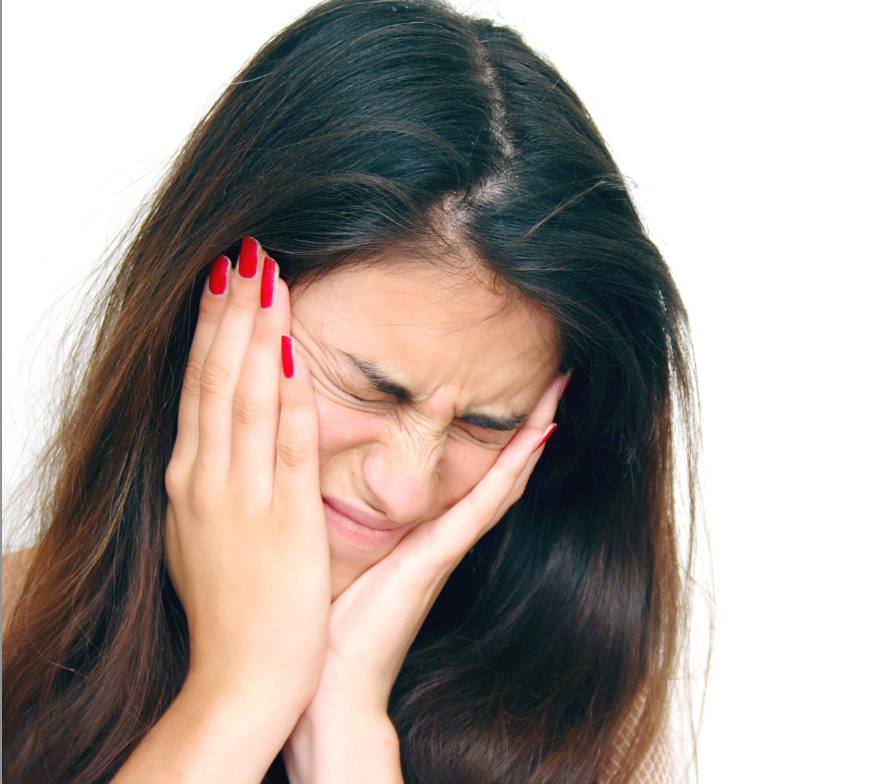
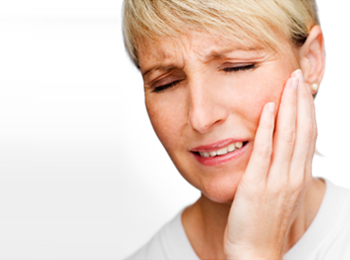
In my practice, most patients are referred by their dentist, physician, or other health care professionals because they are experiencing facial pain or the common symptoms of TMJ/TMD (Temporomandibular Joint Disorder), which can include one more of the following: ear pain, jaw pain, limited jaw motion, joint noise, the inability to bring teeth together, facial tightness, and headaches often focused in the temples.

At times, however, the patient’s description of their symptoms and the history of their problem indicates that though their complaints are familiar, the origin of their problem may relate to an underlying medical disease or condition that has yet to be discovered. In other words, things are not what they seem to be!

For instance, the following medical conditions (a small sample) can produce the signs and symptoms of a TMJ/TMD problem:

  • Sinus Tumors
  • Acoustic Neuromas
  • Thyroid disease
  • Lyme Disease
  • Tumors in the Salivary Glands
  • Blocked Coronary Artery Tumors in the Neck
  • Facial neuralgias

Though these conditions occur much less frequently than a common jaw ailment, they must be considered when a patient’s TMJ symptoms are not responding to common therapies and/or progressing over time. Once a specific diagnosis has been made, the treatments put into place will address the disease first, with the result of the secondary symptoms easing or disappearing over time. Unfortunately, at times if making the proper diagnosis is delayed, and the TMJ structures (muscles or joints) are treated instead of the real problem, suffering will continue.

From another perspective, there are times when the treatment for a diagnosed medical problem in the head and neck region requires surgery or radiation therapy. As a result of these treatments, however, jaw motion can become limited, and pain may develop that is continuous or related to jaw function. This, for example, can occur following surgery to remove a brain tumor, which requires cutting through the muscles in the temple.

As a result, scarring can occur, leading to diminished jaw motion. In the presence of these outcomes, however, there are a number of traditional TMJ therapies that can aid in the restoration of jaw function and regaining comfort. These could include:

Clearly, then, facial pain and jaw-related problems are complicated at times. Your thoughts are welcome:

Categories
Sleep Apnea Snoring

Snorers! Now A Sleep Study Can Be Done in Your Own Home

Snoring, long considered to be no more than a social nuisance, is now seen by the medical community as a possible sign of more serious health conditions. In order, however, to determine whether a patient’s snoring indicates a more serious disorder, like obstructive sleep apnea, overnight sleep studies are critical to obtain. The problem of course is that many patients are resistant to spending the night at a Sleep Clinic, and after hearing nightmare stories from friends and family that have spent restless nights lying awake in a sleep lab, refuse to schedule an appointment.

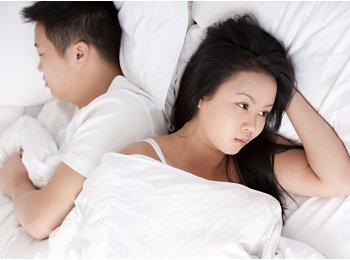
It is not uncommon therefore to be confronted by this familiar story. The patient, a man in his mid-thirties or forties, married, with children has a history of snoring.  With some gain of weight his nightly snoring has become so disruptive that his wife routinely leaves the bedroom halfway through the night. On vacations, it’s necessary to reserve two rooms instead of one just because of the snoring. Basically, dad disturbs the sleep of the entire family.

Upset and exhausted, the wife finally convinces her husband to see his physician, which he does, though reluctantly. The physician then suggests a Sleep Study, which involves a night away from home at a Sleep Center. This is where the problems really start as men often refuse to spend the night away from home, particularly since they don’t even think they have a problem and deny that they snore in the first place. So, the snoring goes on, the family suffers and more importantly the snorer may be at risk for health consequences down the road.

But, there is good news for snorers and their families. In the past 10 years advances in technology have brought sleep testing equipment to the bedroom. At-home Sleep Study equipment has been proven to provide reliable data and is currently a service that has been embraced by medical insurance carriers. In fact home studies are often being required prior to the more formal and traditional study done in a sleep lab. Although physicians have traditionally been thought of as the primary health care provider to advise patients with snoring and more serious airway problems (like apnea), dentists have begun to play a critical role in terms of assessment, and more importantly in motivating patients to pursue comprehensive evaluations inclusive of overnight sleep testing.

What then  would indicate that a home study is needed?

In order for your doctor to ascertain if you are a candidate for a Sleep Study, he or she will ask you questions about your health, and how you routinely feel during the day and on arising in the morning. Pen and pencil questionnaires may also be given to you which ask questions about:

  • Daytime sleepiness
  • General fatigue levels
  • Frequency of sleep arousal
  • Morning headaches
  • Irritability in the morning or daytime moodiness
  • Problems concentrating during the day
  • GERD
  • Hypertension

If your answers indicate that a Sleep Study is recommended, your doctor  will set in motion a process to pre-certify the home study through your insurance company.

The testing equipment will either be obtained at a local sleep center or it will be shipped directly to your home. The equipment is easy to use and very self -explanatory. You will need to use it for only one night, then return it so that the data can be read and interpreted by a board-certified sleep physician. A report is then sent to your doctor who will then be able to make a recommendation based upon the findings.

In my practice, depending on what the Sleep Study indicates, recommendations for additional consultation or treatment will follow. Snoring that does not carry with it other health concerns can be treated with an oral appliance. Apnea if present can be treated in a number of ways depending on the severity identified on the overnight study. Oral appliances certainly are one option that can be explored.

The goal: Healthy airways and maybe save a few marriages along the way!

To learn more about Oral Appliances for Sleep Apena Treatment, consider reading some of my other recent blogs:

Dr. Donald Tanenbaum is a specialist with offices in New York City and Long Island, NY. He is uniquely qualified to diagnose and treat facial pain associated with jaw problemsTMJreferred painnerve pain, and migraines. Find out more at www.nytmj.com.

Categories
Facial Pain Jaw Problems Referred Pain

2 Techniques to Help You Relax During Difficult Times

Time for yourself during difficult times….

For many of us on the Northeast coast, the last two weeks have tested our physical and mental fortitude in ways that we have never experienced. Despite our best attempts to stay upbeat and positive, the loss of lives, property, businesses, and income have been a tough pill to swallow. As a result of these ongoing stressors that have no easy answers and unpredictable outcomes that have not yet been determined, many of us have felt like we have lost control of our ways of life and daily routines.

Unfortunately when we lose control of our world and our efforts to restore order are met with obstacles that are tough if not impossible to budge, a price is often paid both emotionally and physically. The impact on your body is often seen as symptoms such as headaches, neck aches, back pain, stomach distress, rashes, high blood pressure, and jaw pain. Some of these symptoms occur as a result of the loss of regulation in critical body systems or the loss of quality sleep while others occur due to behaviors that develop during the day as a response to your brain being under constant siege. Specifically shallow breathing and bracing of the jaw, face, and neck muscles are common occurrences when humans are faced with challenging life circumstances.

With the knowledge that there are no easy fixes to the situations many of us are facing, here are some simple concepts and techniques that can be employed simply.

1) Take stock of your body posture frequently during the day. Are your shoulders raised? Are you creasing your brow? Are you jutting your jaw forward or bracing your jaw muscles? Are your teeth resting together or worse still are you clenching your teeth together as you attempt to accomplish a physical task, or is this activity accompanying an unpleasant thought? Are you holding your breath???

If so here is an easy technique to follow. Whether you are sitting or standing throughout the day, make a conscious effort to wet your lips and let the lips lightly touch each other with your teeth part. In this posture you can let your tongue gently touch the inside surface of the lower front teeth or place the tip of your tongue on the roof of your mouth. Once in this position, breath slowly through your nose holding the gentle lip seal. Fill your belly with air (not your chest), hold for 2 seconds and then blow the air out through your lips over 3 seconds. Then repeat this sequence 6 times. At the same time make sure your shoulders are down, your hands unclenched, and your forehead held without tension. To stay reminded of this muscle relaxation technique, place some reminder stickers on critical places like cell phones, computers, the dashboard of your car or watch face, for example. Every time you see these reminders repeat this breathing cycle. You will find the effort calming within several hours or a few short days…

2) Once you have mastered the techniques above, try the following. Once every hour, isolate one minute. During this minute attempt the following. Try to take 6 breaths during this minute, 10 seconds each.  Proceed like this:  With your lips sealed, Breath air in through your nose, filling your belly, taking 4 seconds to do this. Then exhale air through your slightly parted lips, taking 4 seconds to do this. Then pause for 2 seconds. This is the first 10-second breath. Now repeat five more times…though this is difficult to master you will find that you will look forward to this minute. It is your place to calm the mind.

Remember, taking a few moments for yourself during these difficult times will enable you to remain capable of helping others in need.

Dr. Donald Tanenbaum is a specialist with offices in New York City and Long Island, NY. He is uniquely qualified to diagnose and treat facial pain associated with jaw problemsTMJreferred painnerve pain, and migraines. Find out more at www.nytmj.com.

Categories
BOTOX® Bruxism TMJ

Case Study: BOTOX® for TMJ

At times we are challenged by patients with chronic pain and soreness in their jaw muscles. Though these patients have received benefits using oral appliances, performing home exercises and massage techniques, using medications and even going for physical therapy, they continue to suffer as a result of daily and continuous aching pain in their face. Though we may not fully understand why their muscles continue to hurt, the use of BOTOX® injections has restored hope for many of these sufferers

Consider the case of Carly a thirty eight year old female with a 20-year history of facial pain and tooth clenching activity during the day and at night. She was first treated while still in high school during the stress of exams and applying to college. Her symptoms however continued through college and into her adulthood often with acute flareups prompting the use of pain medications and muscle relaxants at bedtime. Despite professional treatment and ongoing self care she continues to brace her jaw muscles and clench during the day and wakes up with “my teeth plastered together.” As a result her muscles were paying a price!

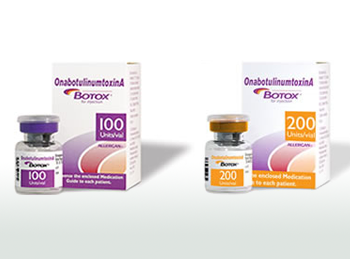
With the knowledge that BOTOX® can be used to partially incapacitate muscles, not allowing them to contract forcefully, it’s use in this particular case was clearly indicated. Though not FDA approved for this specific purpose at this time, its use with patients has produced encouraging results. By preventing forceful muscle contraction over three to four months after injection, the sore and tender jaw muscles benefit from increased blood flow bringing oxygen and nutrients essential to healing. As a result Carly’s pain symptoms eased considerably and her days were  no longer consumed by constant massage and mouth opening movements to “loosen my face.”

Most importantly, Carly regained optimism that her problem could be helped though she would likely require additional injections to undue years of muscle compromise. As BOTOX® is not a cure, Carly understood that any efforts she made to keep her muscles out of trouble would go a long way towards maximizing the benefit of the BOTOX®. As a result of this understanding she continues to use her oral appliance at night and practices relaxation breathing techniques frequently throughout the day.

The end result is that Carly is feeling better and realizes that her life does not have to be filled with pain and suffering.

BOTOX® for teeth grinding is in the news! I was recently interviewed on ABC’s Good Morning America on the topic, Can BOTOX® be used to treat teeth grinding?  Click the link to watch the segment.

Categories
Facial Pain TMJ

Chronic Facial Pain More Debilitating Than Back Pain

A lot of times people deal with aches and pains by simply ignoring it, or taking an aspirin in the morning before heading out to work. In many cases aches and pains are the unfortunate byproducts of getting older or working hard. For some patients, they look at having a TMJ problem in a similar fashion. They’ll take a couple aspirin, massage their jaw muscles or maybe switch to soup for a day, and then try to ignore it. But did you know that TMJ disorders can be among the most debilitating forms of pain people can suffer?

According to a recent study by University College in London, orofacial pain is any type of pain that occurs in the region of the face, including the mouth, jaw (TMJ), nose, ears, eyes, neck, and head are considered more debilitating to its sufferers than those suffering with chronic back pain or headaches. When compared, those who suffered from facial pain reported higher levels of disability and limitation than those who suffered from backaches or headaches by a margin of more than 19%.

Dr. Leeson, a member of the pain study, said. “These initial results suggest that chronic orofacial pain can have a significant impact on patient’s lives, affecting their normal daily activities, ability to work and causing marked disability.”

Though creating high levels of suffering, help is available for these problems. Rather than suffer through the pain and jeopardize your ability to perform at your job, or to have a fulfilling life, consulting with an orofacial pain specialist is the first step in getting relief. It is not uncommon for patients who have been suffering for months or even years to find considerable relief from the nonsurgical therapies that are commonly employed. If, however, care is not provided, these problems can become rather complex and challenging to manage.

Dr. Donald Tanenbaum is a specialist with offices in New York City and Long Island, NY. He is uniquely qualified to diagnose and treat facial pain associated with jaw problemsTMJreferred painnerve pain, and migraines. Find out more at www.nytmj.com.

Categories
TMJ

Can I Develop TMJ after Suffering Whiplash in a Car Accident?

Very often I get patients who come to me complaining of limited or painful jaw movement and are looking to pinpoint why. After tests, X-rays, and long discussions with the patient, they might casually let it slip that they were in a car accident recently and banged their head on the dashboard. The light bulb didn’t go off in their heads. They didn’t see a connection. But is there one? Can a patient develop painful or reduced jaw movement from a collision, even if they hadn’t made direct contact with their jaw?

According to a recent Canadian study, released in the Journal of American Dental Association (JADA), a population-based survey has revealed a strong connection between reduced or painful jaw movement and whiplash-associated disorders (WADs).

The questionnaire sent out to Canadians who filed personal injury claims over an 18-month period, and the responses determined:

  • A greater number of victims with WADs reported limited or painful jaw movement than those without WADs.
  • Those who experienced limited or painful jaw movement were greater among women.
  • Those who experience limited or painful jaw movement were greater among younger claimants.

The JADA study threw out respondents who had suffered from limited or painful jaw movement prior to the motor vehicle accident. It also excluded respondents who were hospitalized for more than two days, or who were pedestrians, bicyclists, or motorcyclists involved in the accident.

The message? If you’re involved in a motor vehicle accident and suffer from some kind of whiplash-related pain or injury, you might also be susceptible to symptoms similar to TMJ. In our consultations, we always ask patients details that may seem insignificant, but are backed by research. Some of these questions might pertain to your psychological state, work or life stresses, and yes; whether you’ve been in a motor vehicle accident recently.

Dr. Donald Tanenbaum is a specialist with offices in New York City and Long Island, NY. He is uniquely qualified to diagnose and treat facial pain associated with jaw problemsTMJreferred painnerve pain, and migraines. Find out more at www.nytmj.com.

Categories
Nightguards & Oral Appliances TMJ

Can Mouth Guards Cure TMJ?

Patients will often come to me suffering from symptoms of TMJ and looking for solutions that don’t involve medication or surgery. Symptoms such as facial pain, headaches in the temples, inability to open to the mouth widely, sensitive teeth, or aching and throbbing jaw muscles can be unbearable. There are numerous remedies, for jaw related symptoms that include massages, home exercises, physical therapy, modified diets, and changes in daytime behaviors/postures. At times an oral appliance is an important part of care. These devices are commonly used for the treatment of TMJ problems and can be used in a number of different ways.

What is an oral appliance?

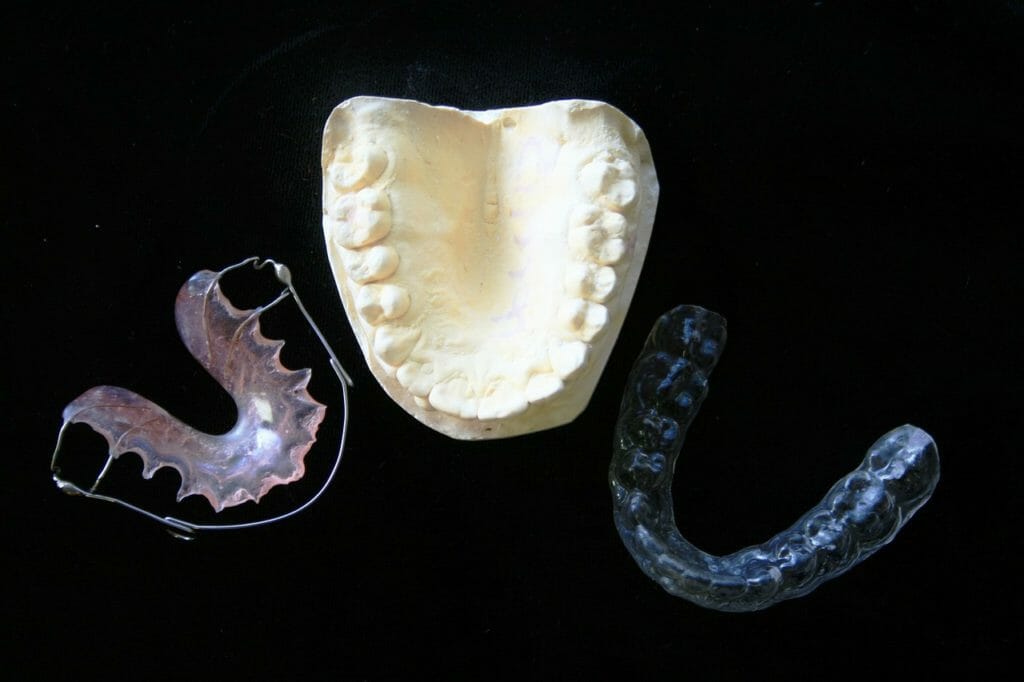
An oral appliance is a device that fits over your teeth with the intent of reducing tooth wear, tooth mobility, tooth sensitivity, muscle pain and soreness and joint pain and instability. At times but not frequently these devices are designed to “align the jaw.”  They can also be used to discourage some of the daytime behaviors many patients don’t realize they’re doing, such as resting their teeth together, clenching their teeth, or biting their nails or cuticles. These appliances can be worn at night and/or during the day

In general the intent of these appliances is based on the problems experienced by patients.

Night guards: Most commonly these appliances are chosen by dentists to address tooth wear, soreness, and mobility that occur as a result of night clenching or grinding of the teeth. Many patients that develop tooth wear do not even realize that they have a problem and often deny grinding their teeth at night. These devices when used in patients without active symptoms (just wear of the teeth) don’t require much adjustment and should be brought by the patient when they return to the dentist for tooth cleaning visits. Typically these devices are custom fit so that they are retentive, not too thick, and modifiable over time. Over the counter devices sold in pharmacies and online are for the most part inadequate, as they are often too thick, poorly retentive, and inadequately cover all of the teeth. As a result these devices can often prompt more clenching, and/or allow tooth shift.

Night appliances to address TMJ problems: Based on the specific jaw problem that is diagnosed (muscle soreness, morning temporal headaches, limited jaw opening in the morning…etc) oral appliances at night are designed to reduce overuse and loading forces to the TM Joints and jaw muscles. The biting surface of the appliance is therefore designed and modified to most efficiently address the problems at hand. Most commonly the biting surfaces are flat but, at times, inclines and ramps are used to confront unstable joint ligaments and displaced discs. When used in patients with active symptoms, these appliances require frequent modifications requiring patient follow-up visits.

Day appliances to address TMJ Problems: At times there is necessity to have a patient wear an appliance during the day. For the most part these appliances are needed when there is extreme instability in a TM joint that has led to clicking, locking, and pain problems. These appliances are not worn all day and virtually never during chewing. At other times, oral appliances worn during the day hours can be used to get in the way of day behaviors and/or remind patients that during the day the jaw should be hanging in a rest position with the teeth apart.

How about oral appliances to re-align the jaw? This concept of jaw re-alignment to address a TMJ problem remains controversial. To date there is no science to support the concept that a poor bite or mal-aligned jaw is responsible for the emergence of TMJ symptoms. At most a bad bite or mal-aligned jaw may be a risk factor but with no more weight than other risk factors such as; female gender, gum chewing, clenching, night grinding, or stress. As long as there remain millions of people with bad bites and asymmetric jaws without symptoms this concept has to be viewed with skepticism. In addition, if an appliance were to be made to re-align the jaw, it would require the patient to bite or rest on it when in the mouth to hold the jaw in the ‘better’ position. This action of course would violate the principle that the jaws should hang at rest during the day. Clearly this option must be chosen with great care.

From an overall perspective the concept of curing a TMJ problem with an oral appliance is probably a bit of a stretch. Their use however is a critical part of TMJ treatment!

These appliances are extremely helpful in reducing the damage from night clenching or grinding. They work by diminishing the forces exerted on the TM joints and by diminishing the amount of contracture that can be generated in the jaw muscles.  Night guards are most effective when custom fit, and adjusted over the course of time. Or you can purchase a generic set at a drug store. Obviously, custom-made night guards that have been conformed to your individual bite-print are more effective in treating TMJ symptoms, but the trade-off is that they’re more expensive.

  • Bite Splints: This form of therapy uses a mouth guard to physically correct the bite, rather than just relieve pain or reduce damage to the teeth. Bite splints are best for you if you have more extreme TMJ symptoms that need correcting in order to have a hope for any long-term relief. The primary difference between a bite splint and a night guard is that bite splints are worn around the clock, 24-7. It’s a full commitment to correcting the misalignment issues that are causing your TMJ.

So, can mouth guards cure your TMJ? The short answer is: Yes. In some cases, particularly with corrective bite splints, you can realign your bite over the course of time and eliminate those painful TMJ symptoms. In other cases, mouth guards can relieve your symptoms to the point where you feel very little pain or discomfort at all. Stop in to our office and see Dr. Donald T. Tanenbaum for a consultation, fitting, and to end your suffering today.

Learn more about Dr. Tanenbaum’s unique qualifications and expertise, here.

Live or work in New York City or on Long Island? You can schedule a consultation with me here or call 212-265-0110

Categories
Jaw Problems

Case Study: Jaw Locking All Day With Tremendous Pain

A patient came to my office four months ago complaining that she woke up every morning with her jaw in a locked position. It was so bad that her morning routine starting by standing in the shower bathing her jaw with hot water until her jaw popped open. Then she could start her day.

Her problem however didn’t stop with this unlocking event. Her jaw would click and then lock numerous times during the day and she had no choice but to manually force it open. Each unlocking effort was accompanied with pain that intensified as the day passed. She also had to support her jaw with her hand in order to chew and she worried that her lockjaw problem would interfere with her ability to talk and fulfill her professional responsibilities as a teacher.

Remarkably her problem seemingly just started one morning. There was no history of trauma, no recent dental visits, and no underlying medical problems that could be responsible for the onset of the jaw clicking and locking. It just started one day and then took over her life.

Treating Locked Jaw

Just like a knee problem, the nature of my patient’s problem was related to compromised cartilage and unstable ligaments in the jaw joint. These problems are “orthopedic” in nature and require treatment that is similar to those used for injured knees and or ankles The treatment planned was designed to stop further injury, stabilize the joint and give the body a chance to heal.

The treatment for this patient had three parts:

• An oral appliance (orthotic) designed to prevent joint locking, relax the jaw muscles, and reduce joint inflammation.

• Exercises and physical therapy to help improve and restore proper jaw mechanics, muscle coordination, and stability of the ligaments

• Daytime behavior modification strategies to ease postural strains on the jaw and neck muscles and jaw joints

The Outcome

After four months of treatment, my patient has responded well with no morning jaw locking, no pain, better eating capacity and optimism that this problem was not going to compromise her ability to hold a teaching job. Though not ‘cured’, her orthopedic problem had stabilized and she was in her own words “better” and not in need of ongoing care in my office. Maintaining a home program would likely be all that she needed to stay comfortable and avoid future problematic situations.

This ability to help patients “get their lives back on track” never gets old and continues to be a source of my daily efforts when patients come seeking advice, guidance and care.

Dr. Donald Tanenbaum is a specialist with offices in New York City and Long Island, NY. He is uniquely qualified to diagnose and treat facial pain associated with jaw problemsTMJreferred painnerve pain, and migraines. Find out more at www.nytmj.com.

Categories
Case Studies Facial Pain Jaw Problems TMJ

Case Study: High-Powered Executive Wakes Up With A Locked Jaw

Last week a new patient came in for a consultation. She had been having pain in her jaw for quite awhile, but had ignored it. Like many of my new patients, what made her suddenly take it seriously was the terribly frightening experience of waking up with a locked jaw. Eventually her jaw loosened up enough for her to call her dentist and be referred to me. Understandably, she was pretty scared when she walked in the door.

Here’s the backstory:

This patient is a highly successful businesswoman in her early 50’s. She has a high level job as an executive for an international garment manufacturer and manages a large group of employees. She had a lot of responsibility at work, and obligations at home managing the lives of teenage children and watching out for the welfare of her aging parents. As if this was not enough, her daily struggle with a chronic digestion ailment made the challenges of life all the more difficult.

What I was able to uncover in my conversation with this patient was that unbeknownst to her, she had been resting her teeth together and clenching her teeth for a very long time, not just at night, but during the day, as well. From asking the right questions, she realized that she was maintaining a tooth contact position when working on her daily financial reports, when dealing with her bosses, and even when she was on the phone with clients.

Over time, this action of “making a fist in your face” can begin to fatigue the jaw muscles and result in the “locked jaw” and pain that this patient experienced.

You see, the mind-body connection is very strong. When you are under stress for a long period of time, the brain becomes understandably upset. As a result, the brain is unable to maintain control over blood flow, muscle tension, and nerve discharges that are essential for muscle comfort. Loss of this control therefore ultimately leads to an accumulation of irritating chemicals in your muscles like lactic acid, and others that lead to pain and muscle tightening.

In the presence of this irritating chemical environment the nerves that run through your muscles fire excessively and cause pain along with a muscle tightening result. In essence a brain under emotional siege, sets the stage for muscles to falter.

My patient left the office beginning to understand what happened to her jaw. The first thing she has to do is to begin the process of changing the destructive behaviors that had led to her jaw problems. To accomplish this she was provided with strategies designed to relax her jaw, which included a series of  breathing exercises that she must do………… but that easily fits into her day.

Beyond treatment therefore, understanding the mind-body connection is the first step to stopping damaging behaviors such as day tooth contact or clenching that often have unpleasant outcomes.

Dr. Donald Tanenbaum is a specialist with offices in New York City and Long Island, NY. He is uniquely qualified to diagnose and treat facial pain associated with jaw problemsTMJreferred painnerve pain, and migraines. Find out more at www.nytmj.com.

Categories
Facial Pain TMJ

Get to the Source of Your Facial Pain

Quite often patients come to our office stating that they have been diagnosed with a TMJ problem due to the location of their facial pain and jaw pain complaints. Though statistically other than toothache pain, the most common facial pain problem is due to the jaw muscles (part of the TMJ system), there are a number of other pain problems that we see routinely. These problems are in fact distinguishable from TMJ problems in a number of ways.

Remembering that a TMJ problem is an orthopedic problem, similar to those in the knees, elbows or ankles, the complaints and findings should be familiar and predictable. For instance if you have a knee problem, there is a good chance that going for a jog or using the knee repetitively during exercise would increase the pain, noise in the knee, or the experience of joint instability. The same should happen in the TM Joint during chewing or keeping the mouth open such as during frequent yawning or sitting in the dental chair.

If a patient says that she* can open and close her mouth, chew whatever she wants, and maintains jaw opening without predictably increasing pain and or making it worse, it is likely that she does not have a TMJ problem. In addition, the pain of a TMJ problem is like that in an elbow that has been overused or strained overtime. The pain has an aching quality that typically is not gone completely during some hours of a day and miserable during other hours for no apparent reason. So, if it’s not a TMJ problem, what can it be?

3 types of Facial Pain that are NOT related to TMJ:

  1. Facial Pain referred from the neck and shoulders
  2. Facial Pain of nerve origin
  3. Facial Pain due to migraines

Pain From The Neck And Shoulders: These problems are related typically to muscles in the neck and shoulders that are in a state of tension. These tense muscles have the ability to refer pain to the face (pain location is frequently not the same place as the pain origin). The pain is often felt in the lowest part of the jaw and does not typically increase with chewing…even with bagels!!!! Examination of these muscles reveals tenderness and often can reproduce the pain in the face. These muscles often refer pain to the ear and teeth prompting medical and dental investigations.

Pain Of Nerve Origin: Though often labeled Trigeminal Neuralgia (which may be the diagnosis), there are a number of variations. The most important thing to remember is that these pains can often be present for seconds or minutes and then totally go away for no apparent reason or time frame. The pain is often sharp and described as excruciating (which, in contrast, is a word never used by a TMJ sufferer). The onset of the pain is often unprovoked but in the words of many patients, “it just comes out of nowhere.” Other nerve pain problems that may be more constant often having a burning quality.

Pain Due To Migraines: Facial pain, including toothache complaints, can be due to migraine problems. This pain often has an odd character, which may include a sense of numbness in the face, and again often do not relate to jaw use. The pain may be preceded by light and noise sensitivity and or a headache across the forehead or in the mid-face region. At times a sense of nausea may accompany these symptoms. Typically these pain complaints are not accompanied by limited jaw motion, jaw noises, or eating challenges.

*Note: facial pain can affect anyone, but the majority of sufferers are female

Dr. Donald Tanenbaum is a specialist with offices in New York City and Long Island, NY. He is uniquely qualified to diagnose and treat facial pain associated with jaw problemsTMJreferred painnerve pain, and migraines. Find out more at www.nytmj.com.

Categories
Sleep Apnea Snoring

Treatment for Sleep Apnea May Assist in Weight Loss

While on a recent airplane flight to Chicago, I was unfortunately sitting across from a young man around thirty years old who was sleeping fitfully. From his outward appearance he was not overly tall, likely about 5’11” but clearly overweight particularly in the midsection.

With each breath came a snoring (or roaring) sound accompanied occasionally by a gasp for air. It was clear that this young gentleman had the appearance of obstructive sleep apnea and one can only wonder about his future if he did not address this problem with weight loss or medical intervention.

This scenario of young men and women snoring excessively is played out daily across America and the reason most of the time is obesity. Though there are many individuals that snore and develop obstructive sleep apnea, due to large tonsils and small airways due to thin necks and set back lower jaws, the problem is most commonly seen in overweight people.

For these individuals their calorie intake continues to exceed the calories they burn with the end result of fat being deposited in the neck and airway along with their midsections. Once established these patterns of weight gain are hard to reverse taking tremendous self control and discipline.

The end result unfortunately is not only a disturbed bed partner and daytime fatigue but new evidence suggests that a persistent obstructive sleep apnea condition can weaken the body’s immune system and increase the risk for cancer, as the results of a recent study published in the American Journal of Respiratory and Critical Care Management suggests.

What is also interesting is that once an obstructive sleep apnea problem has been established with the associated oxygen deficits while sleeping, there is also a disruption of the delicate hormonal balance that controls appetite and hunger patterns.

As a result it has been shown that moderate to severe obstructive sleep apnea conditions often impair weight loss efforts despite caloric control and increased exercise. As a result of this reality, a great number of patients in our office are using oral appliance therapy while sleeping and as a result are breathing better and losing the weight that they were unable to previously shed. As an end result, their improved airway capacity will most certainly reduce their risk of cancer in the future and help all of us rest peacefully on our next airplane flight.

Categories
Sleep Apnea

Sleep Apnea Treatment Improves Heart Function

In a previous blog post, I discussed how CPAP (Continuous Positive Airway Pressure) and custom oral appliances could be used to facilitate night-time airflow into the lungs, preventing snoring and aiding mild to moderate sleep apnea.

Researchers in England have found a new development in sleep apnea treatment. A CPAP breathing machine can improve heart function and may even prevent heart failure.

According to a new study, published by the American Heart Association, researchers at England’s University of Birmingham used echocardiogram exams to study heart structures and function in sleep apnea patients before and after CPAP therapy.

Patients were broken into three groups:

  • Group One: Patients with High Blood Pressure
  • Group Two: Patients with Obstructive Sleep Apnea
  • Group Three: Healthy Control Group

The lead researcher, Gregory Lip, found asymptomatic sleep apnea patients had measurable heart damage. The observable structural and functional changes found in moderate to severe sleep apnea patients were found to be akin to those suffering from high-blood pressure.

All three groups were treated across six months with CPAP. After a second round of echocardiograms, much of the heart damage had been reversed in several major areas:

  • Reduced thickness of the heart muscle wall
  • Improvement in cardiac function
  • Loosening of the cardiac chambers

Given the therapy’s role in improving overall heart health, sleep apnea patients should consider CPAP treatment regardless of cardiac problems. This could translate to a major reduction in stroke and risk for other heart-related diseases.

If you suffer from sleep apnea and are considering CPAP as treatment please do not hesitate to contact me. Learn more about Dr. Tanenbaum here.

Categories
BOTOX® Bruxism

BOTOX® and Bruxism

In previous blog posts on bruxism, I’ve discussed how teeth grinding can lead to worn teeth, fractured teeth, facial or jaw pain, and a host of other maladies. There are many ways to treat bruxism, and one of the most recent and perhaps unexpected is BOTOX®.

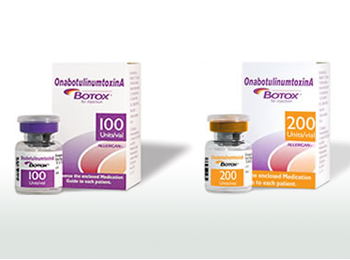
BOTOX® was originally used for treating muscle spasticity diseases such as strabismus (eye misalignment), blepharospasm (eyelid spasm), and torticollis (wry neck). BOTOX® works by temporarily decreasing or paralyzing the muscles it is injected into. The logical extension of this would be to apply BOTOX® to a myriad of other medical conditions in which excessive or intense muscle contractions are causing pain or dysfunction.

It turns out that BOTOX® can in some cases, be a sensible medical application to bruxism, as injections of BOTOX® into the masseter and temporalis muscles – the large muscles that close the mouth and bring the teeth together – can reduce the forces of bruxism to a significant extent.

The Procedure: By injecting small doses of BOTOX® (different levels are used for each patient) directly into the masseter and temporalis muscles, the muscles are weakened enough to diminish the forces associated with involuntary grinding of the teeth and clenching of the jaw. As a result damage due to the TMJs and symptoms of jaw pain and headaches should be reduced if not eliminated after 2- 3 injection sessions over several months. Luckily, chewing and facial expressions will not be effected by BOTOX®.

Reasons to Consider BOTOX®:

  • If you know you are clenching at night but oral appliances are not helping or making your morning symptoms worse.
  • Positive effects can be felt within 10- 14 days even if you have been suffering for month or years.
  • If helpful, the need for medication (muscle relaxants) at bedtime and pain medications during the day will be reduced or even eliminated.

The optimal dose of BOTOX® must be determined for each patient as some people have stronger muscles requiring more BOTOX®.  The effects last for about three months. After a few rounds of injections, many of our patients require no further  injection sessions though we continue to advise the use of an oral appliance while sleeping if tolerated.

If are suffering from bruxism please do not hesitate to contact me so I can assist you in making treatment decisions.

BOTOX® for teeth grinding is in the news! I was recently interviewed on ABC’s Good Morning America on the topic, Can BOTOX® be used to treat teeth grinding?  Click the link to watch the segment.

Categories
Sleep Apnea Snoring

Is Snoring Causing Your Child’s Behavioral Problems?

In very young children and even in infants, sleep-inhibiting breathing such as sleep apnea, mouth breathing, and even snoring may affect more than just a healthy night’s sleep.

According to a recent New York Times article, a study conducted by Karen Bonuck, PhD., at the Albert Einstein College of Medicine at Yeshiva University found that sleep-inhibiting breathing starting in infancy and early development is causing more than just problems with sleeping and staying awake during the day. This longitudinal study tested 11,000 children (controlling for future behavioral problems caused by events such as maternal smoking and prematurity) found a definitive link between children with sleeping problems during early development and later behavioral problems.

Sleep-inhibiting breathing leads to a poor night’s rest for your child potentially providing their brain with too little oxygen or too much carbon dioxide. This could seriously affect the prefrontal cortex area of the brain which is directly linked to behavioral decision-making.

Parents need to pay attention to their child’s breathing at night, even as early as infancy. A good night’s sleep restores what a developing brain has lost during the day.

If you feel your child is having a problem with snoring, sleep apnea, or mouth breathing, do not hesitate to contact me. Learn more about Dr. Tanenbaum here.

Categories
Facial Pain Referred Pain

Causes of Facial Pain: The Psycho-Muscle Connection

The Muscle Connection is Key

In my book, Doctor, Why Does My Face Still Ache?,” we explore puzzling questions that do not have simple or anticipated answers:
• Why would a person experience a constant toothache when the tooth that hurts is completely fine?
• How does someone gradually lose the ability to open his or her mouth or talk when there hasn’t been a direct injury to the area, or medical disease diagnosed?
• Why does someone experience non-stop aches or pains in their face when a medical evaluation suggests that nothing is wrong?

Unfortunately in the search for answers, many practitioners tend to overlook the muscle connection when it comes to the cause of facial pain. But considering how much of the face is made up of muscles, it’s beneficial to know how muscles can be affected by factors such as emotional issues and the stress of life-challenges. In the book, I call this state a “Brain Under Siege.”

Facial Pain and Emotions

A brain is under siege when it is faced with many challenges, which may include but not limited to:
• Economic uncertainty
• Loss of control relating to illness, aging parents, work relationships, etc.
• Inability to express fear and anger
• Pressure to “Keep Up with the Joneses”
• Marital and or relationship turmoil

For patients experiencing one or more (or perhaps all) of these stressors, the toll it can take on jaw and neck muscles could directly cause facial pain. I realize that many people might want to reject this theory. Our culture is such that we often look for external or structural causes of facial pain. Even medical professionals are tempted to ignore these connections to muscle pain, perhaps because they’re uncomfortable posing sensitive questions to their patients. But this doesn’t mean that a connection doesn’t exist.

Of course there are many causes of facial pain, and in many cases traditional methods of relieving this pain works fine. But each patient needs to be evaluated individually, and all aspects of what causes facial pain need to be taken into account. Most facial muscle pain sufferers can be helped, and it often requires patient insight and participation so the proper treatment can be applied.

Though we often wish it were so, sometimes facial muscle pain can’t be solved by the patient simply walking into the office and saying, ‘Doctor, fix me.’

Dr. Donald Tanenbaum is a co-founder of New York TMJ & Orofacial Pain. We have four locations in the NYC metropolitan area: Manhattan, White Plains, Long Island, and Springfield NJ. Each location is staffed with board-certified Orofacial Pain specialists who are qualified to diagnose and treat symptoms associated with TMJ problems. Find out more at www.NYTMJ.com

Categories
Facial Pain

What Causes Facial Pain?

Over the course of 25 years in practice, I have seen thousands of patients who complained of persistent pain in their face, ears, teeth, and/or jaw. These pain complaints have often been accompanied by tightness and soreness in their jaw and facial muscles, limited jaw opening, difficulty chewing due to pain, and at times other symptoms such as burning and tingling in the face and lips. Many of these patients have been told by their doctors that their symptoms are “in their head” as a result of past treatment failures. At other times, patients have felt as if they were being personally blamed for having a problem.

If you are one of those people who have facial pain that has lingered, not only is your pain real, it is not your fault! Facial pain can be understood and effectively treated. Facial pain problems fall into one of five recognizable categories. These are:

  • Pain of Tooth Origin
  • Pain of Muscle and Joint Origin
  • Pain of Nerve Origin
  • Headache including Migraines
  • Pain due to Medical Problems

Unfortunately, many facial pain problems are often misunderstood and misdiagnosed because of three key factors:

Referred Pain: This means that the location of the pain being experienced is not where the pain is coming from. The most familiar referred pain is the pain experienced in the left arm just prior to or during a heart attack. The phenomenon of referred pain is common in the face, leading to treatment at the site of the described pain, but not at the true source of the pain. As a result, pain continues.

Misinterpreting Pain Intensity: Often facial pain is so intense that patients assume that something is terribly wrong. Though it is known that the intensity of symptoms often has nothing to do with the seriousness of a problem, doctors are often persuaded to order lots of medical tests leading to anxious moments while patients wait for the results. When nothing of concern is discovered, a short moment of relief is replaced with the question: “I still hurt, what do I do now?”

Emotions and Pain: Since most people are not able to accept the concept that emotions and stress, through their influence on muscles, can cause significant pain, and because the majority of doctors are unwilling to adequately explain how this occurs, the most common source of facial pain, muscles, are often neglected. As a result, pain lingers and becomes more difficult to treat over time.

So, if you are one of those people who are suffering, using pain medications frequently and having trouble at work or in school because of your facial pain, you really can get help. The most important thing is to find a doctor who listens, understands, and takes into consideration all the aspects of your life that could be contributing to your problem.

From there, many treatments options are available, and your doctor should be able to identify the right one for you. To find out more about facial pain, check out the groundbreaking book “Doctor, Why Does My Face Still Ache”.

Dr. Donald Tanenbaum has been practicing in New York City and Long Island for over 20 years. He is uniquely qualified to diagnose and treat bruxism, TMJ and TMD problems, Sleep Apnea, facial pain, muscle pain disorders, nerve pain disorders, tension headaches, and snoring. Learn more about Dr. Tanenbaum here.

Categories
Facial Pain Jaw Problems

Creams for Face Pain and Jaw Pain

Are there any topical creams that I can use to decrease my face and jaw pain?

A patient recently came to the office with a cream rub that she had been rubbing into her jaw and facial muscles. Although the cream smelled terrible, she thought it was helping. The question is then, do these creams work?

According to research performed on over-the-counter TOPICAL PAIN RELIEF products, creams designed to relieve muscle pain are generally safe, can provide short-term benefit but do not provide long-term relief. The reason these products have only limited usefulness is likely related to the fact that they do not penetrate deeply enough into the muscles.

The most common types of creams contain these basic ingredients:

• Menthol (a counter-irritant)

• Salicylates (aspirin)

• Capsaicin (a pain reliever found in hot pepper)

Menthol: Common products such as Flexall 454, Icy Hot, and Biofreeze contain menthol, wintergreen, or eucalyptus oil that makes the skin feel hot or cold and provides a distraction from the pain. Patients who come into my office tell me these products either provide temporary relief, or do not help at all. Generally these counter-irritant products are rubbed into the jaw muscles 3-4 times a day. When using these products on the face, care must be exercised to avoid contact with the eyes or lips.

Salicylates: The common ingredient found in aspirin, Salicylates are most effective when taken orally. Research indicates that the effectiveness of salicylates decreases to a significant degree when used as a topical cream. Bengay, Aspercreme, and Sportscreme contain this ingredient and are commonly used by my patients.

Capsaicin: A compound found in chili peppers, capsaicin causes a hot, burning sensation when applied to the skin. This topical rub actually depletes a chemical in nerve cells responsible for sending pain signals to the brain. Common products that use this compound are Capzasin, and Zostrix. These products, however, can be risky when applied to the face, as they can cause intense burning and irritation should they get in the eyes, or on the lips.

As expected, some patients swear by these products despite what the research reports. In my opinion there is likely some placebo effect taking place to account for at least 1/3 of the pain relief experienced by patients using these rubs. Additionally, the physical act of rubbing and massaging the facial muscles when applying these products can also provide relief by increasing blood circulation to the area.

In summary, self-help actions can go a long way toward reducing face and jaw pain. Despite poor scientific evidence, these creams can provide some degree of benefit and are recommended as part of an overall self care plan.

Live or work in New York City or on Long Island? You can schedule a consultation with me here or call 212-265-0110

Categories
Ear Pain TMJ

Causes of Ear Pain

Many patients come into my practice complaining of ear pain, when other physicians have found nothing wrong with their ears. The ear pain complaints heard most often are these:

• My ear feels full

• My ear feels stuffy

• I feel like something is dripping in my ear

• I feel pressure in my ear

• There is ringing in my ears

• I hear a hissing sound

• I hear a buzzing sound

More often than not, patients complaining of ear pain will see their general practitioner, internist, or an ENT (ear, nose, and throat) doctor. But if there is no evidence of an infection, and there is no fluid or inflammation in the ear (or other problems with ear function) the ear pain could be happening because of a malfunction in the muscles of the face, jaw, or TMJ (Temporomandibular Joint).

Because of the way our ears, face, and jaw develop inside the womb, the malfunction of one area can cause pain in the other. To figure out if your persistent ear pain is related to a muscular issue, pay close attention if the ear pain you’re experiencing:

• Increases when you eat

• Increases when you talk

• Increases when you open or close your mouth

• Is constant and intense

If these are the dominating symptoms, chances are the ear pain will not go away unless doctors can address the muscle and joints in the face that are causing it to begin with. Treatment that focuses specifically on the ear will not work if the ear pain is just a symptom of a different problem.

Dr. Donald Tanenbaum has been practicing in New York City and Long Island for over 20 years. He is uniquely qualified to diagnose and treat bruxism, TMJ and TMD problems, Sleep Apnea, facial pain, muscle pain disorders, nerve pain disorders, tension headaches, and snoring. Learn more about Dr. Tanenbaum here.