Manhattan

212-265-0110

White Plains

914-227-2305

Springfield, NJ

973-315-7830

Hauppauge

631-265-3136
Categories
Jaw Problems Orofacial Pain Referred Pain TMJ

How To Get Relief From TMJ Pain When Nothing Is Working

When exercises, medication, nightguards, relaxation techniques, and a soft diet don’t provide relief from TMJ pain, injections for TMJ may be the next step.

What Causes TMJ/TMD Problems?

Note: TMJ stands for Temporomandibular Joint, which is your jaw joint, and TMD stands for Temporomandibular Joint Dysfunction, which refers to jaw problems. Because most people use the catchall term “TMJ” to describe all TMDs, I use the term TMJ in this article.

Anything that causes your jaws to be overworked and fatigued, such as continually clenching your teeth, biting your nails during the day, or clenching and grinding at night, puts you at high risk for TMJ. However, your TMJ problem could stem from a history of trauma or a medical or dental procedure that sprained your jaw joints or strained the muscles and tendons. In some cases, systemic disease or a disorder can predispose you to experience inflammation, pain and instability in your jaw joints, ligaments, and/or tendons.

Regardless of the cause of your TMJ, if your jaw’s in trouble, you want treatment that will provide relief.

First-Line Therapies For Relief From TMJ Pain

I’ve been a TMJ doctor and orofacial pain specialist for nearly four decades. During that time, I’ve treated thousands of patients and have at my disposal many first-line therapies to help my patients feel better and get better (once an accurate diagnosis has been made). They include:

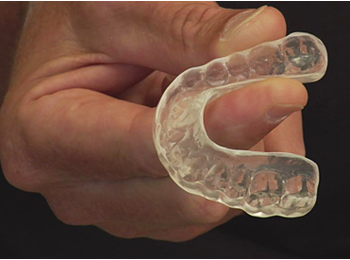
  • Nightguards or specifically designed oral appliances that address teeth clenching, grinding, and joint instability during sleep
  • At-home exercises
  • Anti-inflammatory and/or muscle relaxant medications
  • Stress-reducing activities such as meditation or yoga
  • Adherence to a soft diet
  • Reducing or eliminating the daytime behaviors that overwork the jaws
  • Physical therapy

While most of my patients respond well to the first-line therapies above, you may be someone for whom the above strategies simply don’t work. What’s next for you?
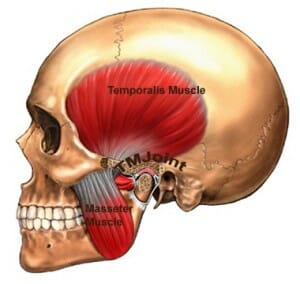
massage for TMJ, temporalis and masseter

Injections For TMJ

I’m sure you’ve read about people having BOTOX® injections for TMJ problems, but BOTOX® is not the only injectable that can help. In fact, it is not the right choice for many patients. The good news is there are injections for TMJ that are less risky and can be very helpful to provide relief from TMJ pain. They include jaw muscle injections, injections into the tendons or ligaments, and injections into the temporomandibular joint itself.

Jaw Muscle Injections For TMJ

  • Trigger point injections, sometimes called dry needling, can help reduce the muscle spasms, tension, associated pain and limited jaw motion experienced by many TMJ sufferers. They’re also designed to reduce the likelihood of “referred” pain when irritated jaw muscles refer pain to other locations such as your teeth, ears and sinuses. With trigger point injections, the mechanical prodding of the muscle with a needle creates the benefit. Some providers inject a bit of Lidocaine, a local anesthetic, to make the procedure more comfortable. Trigger point injections are typically repeated several times before the spasms and muscle tension release. When combined with exercises and other home care techniques, trigger point injections for TMJ can be very effective for people whose problems have not responded to first-line treatments.

Tendon and Ligament Injections For TMJ

Sometimes first-line therapies fail because pain is due to stubborn and persistent inflammation in a jaw tendon or ligament. In this case, prolotherapy and steroid injections are often effective:

  • Prolotherapy, also known as proliferative therapy, involves a combination of dextrose and an anesthetic. Dextrose is a natural irritant that can kick-start your body’s natural healing response and the anesthetic helps deaden pain. When injected directly into damaged tendons and/or ligaments prolotherapy can strengthen and repair them. When combined with exercises and home care strategies, prolotherapy injections for TMJ can provide a great deal of relief from TMJ pain and also promote healing. The injections typically need to be repeated several times over a few months for full effectiveness.
  • Steroid injections into irritated tendons and ligaments can also provide life-changing relief from TMJ pain and usually are administered in a series. If overused, however, steroids carry some serious risks, so your steroid injections should be administered only under the guidance of an experienced clinician.

Injections Into The Jaw Joint

Some TMJ problems stem from inflammation or structural compromises in the jaw joint itself. They can’t move their jaw without severe pain and experience mechanical symptoms as well, such as clicking, popping, or locking and gravelly sounds emanating from the joint.   Injections directly into the temporomandibular joint can often help. There are two types of joint injections for TMJ: steroids and hyaluronic acid.

  • Steroid injections are frequently used to ease pain in the knees, hips, shoulders, etc. So, it’s no surprise that steroids can also provide relief from pain in the TM joint. Depending upon the severity of your underlying joint problem, one shot may be all you need for life-changing pain relief. If your pain doesn’t diminish with just one injection, you may need a series. Proceed with caution because, as I mentioned above, steroid injections carry risks when overused.
  • Hyaluronic acid injections into the jaw joint are another strategy. Your jaw joint contains a substance called synovial fluid, which provides nourishment and shock absorption to keep them healthy. When there’s a change in the volume or quality of synovial fluid due to jaw overuse or trauma, the result can be pain and joint noises. When hyaluronic acid, a lubricating substance, is injected into the joint, the relief from TMJ pain and noises can be profound. Research suggests that hyaluronic acid also provides an anti-inflammatory effect. The only drawback to hyaluronic acid injections for TMJ is that the positive effects can be short-lived.

New Injections For TMJ Are On The Horizon!

Many research efforts show that over 30 million Americans have TMJ/TMD problems. Some problems are minor, but others can lead to life-compromising pain and jaw function limitations. There is a great need for earlier diagnoses and pain and discomfort management for people who suffer. There’s also a need for therapies that are specifically designed for treating stubborn and persistent TMJ problems.

Fortunately, emerging therapies such as stem cell and blood component injections may be able to regenerate new tissue in TM joints, ligaments and tendons. The research is very promising, and I suspect in the near future, these new and innovative types of injections will become commonplace for treating TMJ/TMD problems and provide the kind of healing that has not been achievable with other established injection therapies.

The Last Word

If you’re suffering from jaw problems, we know what you’re going through. Orofacial pain specialists like us have the knowledge to accurately diagnose your problem and the skills to help you find relief from TMJ pain, whether by first-line therapies or injections for TMJ. We invite you to set up a consultation with one of our Orofacial Pain specialists in the NYC metropolitan area. Our office locations and contact information are below. If you’re not in the NYC metropolitan area, go to the American Board Of Orofacial Pain and search for a physician with diplomate credentials in your area.

Feel Better!


Further Reading:

All About BOTOX® For TMJ

What Is Referred Pain?

The Connection Between Pain & Sleep

Categories
Facial Pain Jaw Problems Orofacial Pain TMJ

BOTOX® Injections For TMJ – 6 Things You Need To Know

During the past few years in my practice as a dentist who focuses primarily on TMJ and orofacial pain problems, I have seen a lot of success using BOTOX® injections for TMJ to treat muscle pain and oral nerve pain.

BOTOX® is not suitable for every patient, however. Care must be taken as to when to use it, how to use it, and who is a good candidate. If you’re considering BOTOX® as part of your treatment for TMJ problems, jaw pain, pain in or around your teeth, or because of a change in the shape of your jaw, please read on:

6 Important Things You Need To Know About BOTOX® Injections For TMJ

  1. BOTOX® is Not a First-Line Treatment for Jaw Muscle Pain
    First-line treatment for jaw muscle pain (and spasm or tightness) is dictated by a careful evaluation to identify why you have symptoms in the first place. For example, it may be necessary for you to change some daytime habits, postures and behavioral tendencies that fatigue the jaw and neck muscles. Or if you clench or grind your teeth at night you may need to wear a protective night guard. In addition, you may get relief from medications, home jaw and neck exercises, breathing exercises, meditation, a change in your diet, or all of the above. Muscle injections or dry needling would be next in line along with visits to a physical therapist, chiropractor or osteopath who would work to promote muscle comfort. The bottom line, however, is that you the patient, must participate in the process of getting better and BOTOX® will not produce the desired goals if the underlying reasons for your pain have not been identified and dealt with.
  2. BOTOX® Will Not Ease Certain Types Of Muscle Pain
    There are times when muscles hurt even though they have not been overused. When life circumstances, emotions or thoughts cause your muscles to tighten and ultimately ache, then BOTOX® injections for TMJ will not likely help. Instead, counseling, talk therapy, cognitive behavioral therapy, and the like may be the right strategies to pursue.
  3. If You Currently Wear a Night Guard
    If you currently wear a night guard and still have morning symptoms of muscle pain or tightness, joint noises, locking, and/or pain, you may be a good candidate for BOTOX®. This is particularly true if you find yourself biting hard on the guard when you wake up in the morning. Keep in mind however, that BOTOX® will be most helpful if you continue to wear your night guard. Two strategies are better than one in this scenario.
  4. If You Can’t Tolerate A Night Guard
    If you have simply cannot tolerate a night guard (and have tried various types, with your dentist’s guidance) BOTOX® injections for TMJ may provide meaningful benefit.
  5. If Your Jaw Muscles Are Too Big
    If your jaw muscles are just too big and visibly over-built, BOTOX® may be an option. One of the predictable things that BOTOX® does is reduce muscle bulk when used over time. BOTOX® has been shown to be effective in producing a flatter and more natural-looking profile. You will likely need three BOTOX® sessions in three-month intervals to achieve the best results. However, jaw bulk may creep back if the reasons your muscles become larger have not been identified and dealt with.
  6. If You Experience Persistent Oral Nerve Pain
    Small quantities of BOTOX® may be helpful if you experience persistent pain in your gum tissue, at the site of a tooth or tooth extraction, or at other sites around your face. Nerve pain inside your mouth or in your face is often due to electrical discharge from the trigeminal nerve. BOTOX® injections for TMJ into the painful sites (often called trigger zones) can provide real benefit, especially if you don’t respond well to oral medications. In spite of being relatively new, this type of treatment is showing promise.

In Conclusion

BOTOX® has become a helpful component in the management of TMJ, jaw muscle pain and oral nerve pain problems. The important thing for you, the patient, is to understand that BOTOX® injections for TMJ are not a cure-all. Careful assessment by an experienced practitioner remains the key to making treatment decisions that will result in a long-term positive outcome. If you choose BOTOX® as first-line therapy without understanding the origins of your pain, you will likely be out of pocket quite a bit of money with nothing to show for it.

Related reading:

BOTOX® for teeth grinding is in the news! I was recently interviewed on ABC’s Good Morning America on the topic, Can BOTOX® be used to treat teeth grinding?  Click the link to watch the segment.

Dr. Donald Tanenbaum is a dentist with offices in New York City and Long Island, NY. He is uniquely qualified to diagnose and treat problems associated with facial pain, TMJ and sleep apnea. To make an appointment for a consultation, call: Manhattan: 212-265-0110, Suffolk county: 631-265-3136.

Categories
Bruxism Nightguards & Oral Appliances TMJ

Biteplates Need To Be Monitored

Thousands of people every year are prescribed biteplates by their dentists. There are two common scenarios that prompt a dentist to make this recommendation.

Scenario 1: Tooth Grinding

You went to your dentist for a routine appointment and you were told that there is evidence that you are grinding your teeth at night  (sleep bruxism). Your dentist may in fact show you areas of tooth wear on your teeth. You have no jaw or tooth  pain, which is good, but a biteplate is made to protect your teeth at night while you sleep. This biteplates may be made of hard acrylic, dual laminate materials with a soft inside and hard outer shell, or may be totally soft and pliable.

Since you have no symptoms of jaw or tooth pain, there is no need to do anything else. Your dentist should ask you to bring it with you when you go in for a routine tooth cleaning  appointment. Overtime it may have to be remade due to wear and tear, or adjusted if new dental restorations have been placed.

Scenario 2: Jaw Pain, Stiffness, and more…

You are experiencing pain/tightness/stiffness in the jaw muscles, pain in the Temporomandibular Joints (TMJ’s), or clicking that is new or getting worse. Your symptoms may be worse in the morning as many people often wake up with symptoms of jaw pain, diminished jaw motion, and even a jaw that feels locked and out of place. Your dentist will in this situation commonly make a biteplate that can be modified over time as your symptoms change. It may have a flat biting surface or inclines to address your specific problem.

These adjustable biteplates need to be monitored as your condition improves, or if it is not helping to reduce symptoms. Just like an orthopedic splint for the knee,  problems, modifications, or changes are required overtime as the situation dictates.

If your jaw problem was due to a specific trauma or injury  (sports related/eating/accidental) which lead to a joint sprain, muscle strain, or joint inflammation, as healing occurs you will likely wear the appliance less until you don’t need it at all.

However, if your jaw pain, locked jaw, decreased motion, sore teeth, or headaches resulted from persistent and aggressive sleep bruxism , then long term use of the biteplate may be required. Periodic visits to the dentist will be required to determine when, and if the biteplate use can be reduced or eliminated. Regardless of the reasons that you needed a biteplate to begin with, please make sure your dentist monitors its use at least once a year.

Learn more about biteplates and oral appliances.

Dr. Donald Tanenbaum is a specialist with offices in New York City and Long Island, NY. He is uniquely qualified to diagnose and treat facial pain associated with jaw problemsTMJreferred painnerve pain, and migraines. Find out more at www.nytmj.com.

Categories
Facial Pain Jaw Problems Referred Pain

2 Techniques to Help You Relax During Difficult Times

Time for yourself during difficult times….

For many of us on the Northeast coast, the last two weeks have tested our physical and mental fortitude in ways that we have never experienced. Despite our best attempts to stay upbeat and positive, the loss of lives, property, businesses, and income have been a tough pill to swallow. As a result of these ongoing stressors that have no easy answers and unpredictable outcomes that have not yet been determined, many of us have felt like we have lost control of our ways of life and daily routines.

Unfortunately when we lose control of our world and our efforts to restore order are met with obstacles that are tough if not impossible to budge, a price is often paid both emotionally and physically. The impact on your body is often seen as symptoms such as headaches, neck aches, back pain, stomach distress, rashes, high blood pressure, and jaw pain. Some of these symptoms occur as a result of the loss of regulation in critical body systems or the loss of quality sleep while others occur due to behaviors that develop during the day as a response to your brain being under constant siege. Specifically shallow breathing and bracing of the jaw, face, and neck muscles are common occurrences when humans are faced with challenging life circumstances.

With the knowledge that there are no easy fixes to the situations many of us are facing, here are some simple concepts and techniques that can be employed simply.

1) Take stock of your body posture frequently during the day. Are your shoulders raised? Are you creasing your brow? Are you jutting your jaw forward or bracing your jaw muscles? Are your teeth resting together or worse still are you clenching your teeth together as you attempt to accomplish a physical task, or is this activity accompanying an unpleasant thought? Are you holding your breath???

If so here is an easy technique to follow. Whether you are sitting or standing throughout the day, make a conscious effort to wet your lips and let the lips lightly touch each other with your teeth part. In this posture you can let your tongue gently touch the inside surface of the lower front teeth or place the tip of your tongue on the roof of your mouth. Once in this position, breath slowly through your nose holding the gentle lip seal. Fill your belly with air (not your chest), hold for 2 seconds and then blow the air out through your lips over 3 seconds. Then repeat this sequence 6 times. At the same time make sure your shoulders are down, your hands unclenched, and your forehead held without tension. To stay reminded of this muscle relaxation technique, place some reminder stickers on critical places like cell phones, computers, the dashboard of your car or watch face, for example. Every time you see these reminders repeat this breathing cycle. You will find the effort calming within several hours or a few short days…

2) Once you have mastered the techniques above, try the following. Once every hour, isolate one minute. During this minute attempt the following. Try to take 6 breaths during this minute, 10 seconds each.  Proceed like this:  With your lips sealed, Breath air in through your nose, filling your belly, taking 4 seconds to do this. Then exhale air through your slightly parted lips, taking 4 seconds to do this. Then pause for 2 seconds. This is the first 10-second breath. Now repeat five more times…though this is difficult to master you will find that you will look forward to this minute. It is your place to calm the mind.

Remember, taking a few moments for yourself during these difficult times will enable you to remain capable of helping others in need.

Dr. Donald Tanenbaum is a specialist with offices in New York City and Long Island, NY. He is uniquely qualified to diagnose and treat facial pain associated with jaw problemsTMJreferred painnerve pain, and migraines. Find out more at www.nytmj.com.