Manhattan

212-265-0110

White Plains

914-227-2305

Springfield, NJ

973-315-7830

Hauppauge

631-265-3136
Categories
BOTOX® Jaw Problems Orofacial Pain TMJ

BOTOX® For TMJ Treatment – Your Questions Answered

As a board-certified orofacial pain specialist in NYC and Long Island, I’ve used BOTOX® for TMJ treatment for over fifteen years. If jaw problems greet you upon waking up in the morning, limit your food choices, prompt you to take pain medications like Advil®, Aleve®, or Tylenol® on a routine basis, and have had a negative impact on your life, BOTOX® injections may be something for you to consider.

7 Common Questions About BOTOX® For TMJ Treatment

BOTOX® for TMJ treatment is a subject around which there is a considerable amount of confusion. To make the best decision for yourself, you should know what BOTOX® is, how it is administered for TMJ treatment, and how to choose the right health provider. Here are 7 of the most common questions I get from new patients and the answers:

1. What Is  BOTOX®?

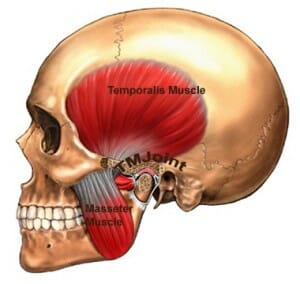
BOTOX®, or botulinum toxin, is what’s known as a neuromodulator. Neuromodulators reduce the ability of a muscle to contract to its maximum capacity. In BOTOX® for TMJ treatment, it is injected into your temporalis and masseter muscles, which are the muscles that enable you to bring your upper and lower teeth together.
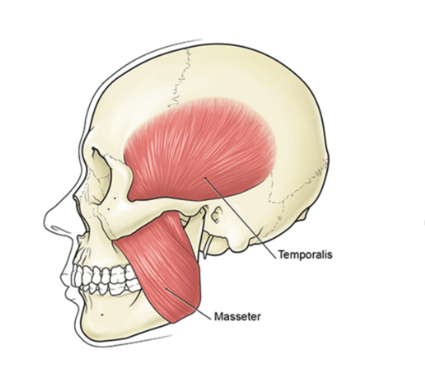
botox for tmj in nyc and long island, donald tanenbaum, BOTOX® masseter, BOTOX® temporalis

When we inject BOTOX® into masseter and temporalis muscles, it partially inhibits their ability to tighten to their fullest extent. The result is a reduction in the force of jaw clenching and grinding – one of the common causes of TMJ pain. When the force is lessened, the pain being experienced is also often reduced.

BOTOX® can also reduce the bulk and size of your jaw muscles. Some patients come to my office simply seeking to change the shape of their jaw or reduce the size of their masseter muscles.

2. What’s The Difference Between BOTOX® For Wrinkles & BOTOX® For TMJ Treatment?

In your face, you have “muscles of facial expression.” These muscles enable you to frown, scowl, flare your nostrils, move your eyelids, and smile. To do so, they pull on your skin. As you age and your skin loses some elasticity, it causes wrinkles to appear.

BOTOX® injections have been found to effectively reduce or even eliminate wrinkles by reducing the ability of the muscles to pull on your skin. But, the forces of facial expression are always present, so the use of BOTOX® injections to reduce wrinkles is a lifetime commitment.

BOTOX® for TMJ treatment works differently – instead of injecting into your muscles of facial expression, the injections are into your “muscles of mastication” (your jaw muscles). During an office visit, BOTOX® is commonly injected into four to six areas in the masseter muscle and three to four areas in the temporalis muscles.

While skin wrinkling is a normal part of aging, overworked and symptomatic jaw muscles are not. They get that way for a reason, regardless of whether you’re 18 or 80.

BOTOX® can be a valuable tool to allow your jaw muscles to heal if your pain and stiffness persist after the risk factors that caused your TMJ problems have been identified, reduced, or eliminated.

3. How Long Does It Take For BOTOX® To Kick-In?

BOTOX® and other neuromodulators, such as Xeomin®, can be life-changing. But the benefits do not kick-in right away, and most people have to wait four days to a week before they experience the first indication of relief. Here’s why:

Your muscles contain and rely on a neurotransmitter called acetylcholine which enables them to contract. After BOTOX® injections, it will take a few days for your muscles to use up their supply of acetylcholine. When the level of acetylcholine drops and is not replenished to its normal level, the positive effects of the injections are usually felt.

4. How Long Will The Benefits Last?

The vast majority of TMJ patients that chose BOTOX® find that their symptoms are reduced even after the first injection visit, though not eliminated. The getting better process is slow, as it takes months for long-term muscle injuries to heal.

The best results are achieved when patients continue to complement the BOTOX® with a nightguard, jaw stretching exercises,  a cautious diet, and ongoing efforts to pay attention to daytime jaw overuse behaviors. For most patients, there is a need for one or two additional injection sessions, spaced three months apart, so that the jaw muscles continue to get the rest they need to recover adequately. Within nine to twelve months, there is often a significant reduction in jaw muscle pain, tightness, and daily soreness.

5. How Many Injections Will I Need?

The full benefits of BOTOX® for TMJ treatment are typically not achieved from just one round of injections. Instead, you will likely require a series of injections spaced three months apart.

BOTOX® is, in most cases, not the first treatment you’ll be offered to reduce your jaw pain, soreness, stiff muscles, and motion limitations. The truth is that other treatments usually get the job done. Most of my patients get better by a combination of treatments such as modifying their diet, jaw exercises, massage, physical therapy, chiropractic care, medications, nightguards, and by non-BOTOX® muscle injectionsAnd most importantly, trying to reduce or eliminate daytime jaw overuse behaviors such as nail-biting and teeth clenching.

6. What Are The Side Effects Of BOTOX® For TMJ Treatment?

Repeated injections of BOTOX® in masseter and temporalis muscles over a long period of time can cause some problems. If it is not administered properly, the result can be muscle weakness, and an acceleration of joint noises, making it difficult to eat certain foods. It could hollow out your temporalis muscles and flatten the contour of your face.

Therefore, it is of critical importance that when you seek a healthcare professional to administer BOTOX® for TMJ treatment, you choose one who fully understands the anatomy and function of the muscles of mastication and the risk factors that prompted your muscles to become overused.

7. Will I Need Long-Term, BOTOX®  Injection Sessions?

There is always a  small percentage of patients whose chronic jaw muscle pain (often years in the making) require ongoing BOTOX® injections, in a way similar to Migraine sufferers. Here’s why:Muscle pain occurs when muscle fibers are injured or overworked. Injured and overworked jaw muscles, often due to daytime clenching and nighttime grinding, a high level of lactic acid is produced. When the lactic acid builds up to a high level, a muscle’s nerve endings become excessively excited, which leads to persistent pain.

The pain is now not only in the muscles but in the nerves themselves. This condition is called sensitization (think of it as a sunburn). Sensitization is much more challenging to turn off than simple muscle.

Fortunately, BOTOX® can help nerve sensitization, but the results are harder to achieve and maintain. As a result, ongoing BOTOX® injections may be needed for some patients, with a frequency of three to four times a year without an absolute stop date. Careful attention is required for these patients to ensure their jaw muscles do not become excessively weakened.

BOTOX® For TMJ Treatment – The Bottom Line

If your problems have persisted for a long period of time and despite treatment by your dentist,  you’re still suffering, the next step is to find a board-certified orofacial pain specialist that has experience using BOTOX® for TMJ treatment.

If you or someone you know is experiencing persistent or acute pain in the face or jaw, we invite you to set up a consultation with one of our Orofacial Pain specialists in the NYC metropolitan area. Our office locations and contact information are below.

You do not have to suffer every day from the pain and discomfort of TMJ. Relief is available.

More helpful information about BOTOX® from Dr. Tanenbaum:

7 Things To Know If You’re Considering BOTOX® Injections For Your TMJ

BOTOX® for TMJ Pain

Categories
Jaw Problems Orofacial Pain Referred Pain TMJ

How To Get Relief From TMJ Pain When Nothing Is Working

When exercises, medication, nightguards, relaxation techniques, and a soft diet don’t provide relief from TMJ pain, injections for TMJ may be the next step.

What Causes TMJ/TMD Problems?

Note: TMJ stands for Temporomandibular Joint, which is your jaw joint, and TMD stands for Temporomandibular Joint Dysfunction, which refers to jaw problems. Because most people use the catchall term “TMJ” to describe all TMDs, I use the term TMJ in this article.

Anything that causes your jaws to be overworked and fatigued, such as continually clenching your teeth, biting your nails during the day, or clenching and grinding at night, puts you at high risk for TMJ. However, your TMJ problem could stem from a history of trauma or a medical or dental procedure that sprained your jaw joints or strained the muscles and tendons. In some cases, systemic disease or a disorder can predispose you to experience inflammation, pain and instability in your jaw joints, ligaments, and/or tendons.

Regardless of the cause of your TMJ, if your jaw’s in trouble, you want treatment that will provide relief.

First-Line Therapies For Relief From TMJ Pain

I’ve been a TMJ doctor and orofacial pain specialist for nearly four decades. During that time, I’ve treated thousands of patients and have at my disposal many first-line therapies to help my patients feel better and get better (once an accurate diagnosis has been made). They include:

  • Nightguards or specifically designed oral appliances that address teeth clenching, grinding, and joint instability during sleep
  • At-home exercises
  • Anti-inflammatory and/or muscle relaxant medications
  • Stress-reducing activities such as meditation or yoga
  • Adherence to a soft diet
  • Reducing or eliminating the daytime behaviors that overwork the jaws
  • Physical therapy

While most of my patients respond well to the first-line therapies above, you may be someone for whom the above strategies simply don’t work. What’s next for you?

massage for TMJ, temporalis and masseter

Injections For TMJ

I’m sure you’ve read about people having BOTOX® injections for TMJ problems, but BOTOX® is not the only injectable that can help. In fact, it is not the right choice for many patients. The good news is there are injections for TMJ that are less risky and can be very helpful to provide relief from TMJ pain. They include jaw muscle injections, injections into the tendons or ligaments, and injections into the temporomandibular joint itself.

Jaw Muscle Injections For TMJ

  • Trigger point injections, sometimes called dry needling, can help reduce the muscle spasms, tension, associated pain and limited jaw motion experienced by many TMJ sufferers. They’re also designed to reduce the likelihood of “referred” pain when irritated jaw muscles refer pain to other locations such as your teeth, ears and sinuses. With trigger point injections, the mechanical prodding of the muscle with a needle creates the benefit. Some providers inject a bit of Lidocaine, a local anesthetic, to make the procedure more comfortable. Trigger point injections are typically repeated several times before the spasms and muscle tension release. When combined with exercises and other home care techniques, trigger point injections for TMJ can be very effective for people whose problems have not responded to first-line treatments.

Tendon and Ligament Injections For TMJ

Sometimes first-line therapies fail because pain is due to stubborn and persistent inflammation in a jaw tendon or ligament. In this case, prolotherapy and steroid injections are often effective:

  • Prolotherapy, also known as proliferative therapy, involves a combination of dextrose and an anesthetic. Dextrose is a natural irritant that can kick-start your body’s natural healing response and the anesthetic helps deaden pain. When injected directly into damaged tendons and/or ligaments prolotherapy can strengthen and repair them. When combined with exercises and home care strategies, prolotherapy injections for TMJ can provide a great deal of relief from TMJ pain and also promote healing. The injections typically need to be repeated several times over a few months for full effectiveness.
  • Steroid injections into irritated tendons and ligaments can also provide life-changing relief from TMJ pain and usually are administered in a series. If overused, however, steroids carry some serious risks, so your steroid injections should be administered only under the guidance of an experienced clinician.

Injections Into The Jaw Joint

Some TMJ problems stem from inflammation or structural compromises in the jaw joint itself. They can’t move their jaw without severe pain and experience mechanical symptoms as well, such as clicking, popping, or locking and gravelly sounds emanating from the joint.   Injections directly into the temporomandibular joint can often help. There are two types of joint injections for TMJ: steroids and hyaluronic acid.

  • Steroid injections are frequently used to ease pain in the knees, hips, shoulders, etc. So, it’s no surprise that steroids can also provide relief from pain in the TM joint. Depending upon the severity of your underlying joint problem, one shot may be all you need for life-changing pain relief. If your pain doesn’t diminish with just one injection, you may need a series. Proceed with caution because, as I mentioned above, steroid injections carry risks when overused.
  • Hyaluronic acid injections into the jaw joint are another strategy. Your jaw joint contains a substance called synovial fluid, which provides nourishment and shock absorption to keep them healthy. When there’s a change in the volume or quality of synovial fluid due to jaw overuse or trauma, the result can be pain and joint noises. When hyaluronic acid, a lubricating substance, is injected into the joint, the relief from TMJ pain and noises can be profound. Research suggests that hyaluronic acid also provides an anti-inflammatory effect. The only drawback to hyaluronic acid injections for TMJ is that the positive effects can be short-lived.

New Injections For TMJ Are On The Horizon!

Many research efforts show that over 30 million Americans have TMJ/TMD problems. Some problems are minor, but others can lead to life-compromising pain and jaw function limitations. There is a great need for earlier diagnoses and pain and discomfort management for people who suffer. There’s also a need for therapies that are specifically designed for treating stubborn and persistent TMJ problems.

Fortunately, emerging therapies such as stem cell and blood component injections may be able to regenerate new tissue in TM joints, ligaments and tendons. The research is very promising, and I suspect in the near future, these new and innovative types of injections will become commonplace for treating TMJ/TMD problems and provide the kind of healing that has not been achievable with other established injection therapies.

The Last Word

If you’re suffering from jaw problems, we know what you’re going through. Orofacial pain specialists like us have the knowledge to accurately diagnose your problem and the skills to help you find relief from TMJ pain, whether by first-line therapies or injections for TMJ. We invite you to set up a consultation with one of our Orofacial Pain specialists in the NYC metropolitan area. Our office locations and contact information are below. If you’re not in the NYC metropolitan area, go to the American Board Of Orofacial Pain and search for a physician with diplomate credentials in your area.

Feel Better!


Further Reading:

All About BOTOX® For TMJ

What Is Referred Pain?

The Connection Between Pain & Sleep

Categories
Bruxism Jaw Problems Orofacial Pain

3 Tips To Reduce Jaw Problems From Aligners

Over the last 10-15 years, the use of clear aligners has found a place, favored by many patients, amidst other traditional orthodontic techniques. When directed by an orthodontist or a trained dentist, tooth movement accomplished by the use of aligners can lead to better dental hygiene and periodontal health, create more stable bite relationships, and boost self-confidence as a result of improved smile esthetics. All of these are positive outcomes.

As a TMJ specialist, however, I see many patients who are in the midst of aligner therapy to straighten their teeth experiencing a variety of jaw symptoms. Some are receiving their care from a trained orthodontist or dentist, and some have opted for self-directed care using mail-order aligners. Either way, their complaints are typically the same: after wearing their aligners for several weeks or months, they have difficulty opening their mouths, their jaw joints are clicking and popping, and most often, they have jaw pain. If this sounds like you, I’d like to offer you some tips on how to reduce jaw problems from aligners.

But first, it’s essential to understand that aligner therapy is a form of orthodontic treatment, the same as old-fashioned metal braces. In fact, anything designed to move teeth is a form of orthodontic treatment. Over the past few years, I’ve identified some reasons why some people experience jaw problems from aligners, whether they’re under professional care or are wearing mail-order aligners. It all has to do with the posture and position of your jaw while your aligners are in place…

Jaw Problems – During The Day

When you wear your aligners during the majority of the daytime hours, there’s a pretty good chance that the aligners are in contact with each other. This may seem ok, but in reality, once the aligners are in contact the jaw is no longer at rest. In fact, the normal rest position of your jaw is hanging in a loose way with the lips relaxed and teeth apart. So, when your aligners are in contact, your jaw is not at rest but is in a braced and tense muscle posture.

As a result of the top and bottom aligners being in contact for hours on end, your jaw muscles can fatigue and the jaw joints are put in a braced position. As a result of being overworked, injury can occur, in a fashion common to all joints in your body. Injury leads to symptoms of soreness and pain in the muscles and the onset of joint clicking and popping. At times jaw motion can become restricted as a result of the joint and muscle injuries. This is often called lockjaw.

Unfortunately, there are times when a new aligner tray doesn’t seat fully on the teeth when first used. At these times, patients are often provided what are called ‘chewies’ and instructed to bite on them to help engage the trays fully onto the teeth, so that the planned tooth movement can occur. Though this may be an important step, it can’t possibly be good for the jaw joints and muscles!!

Jaw Problems – While You’re Asleep

Since aligners are always used during the sleeping hours, some patients notice that they are clenching their teeth (often for the first time in their lives). Others who recognized that they were always night clenchers without morning symptoms prior to the aligners being used, now experience jaw soreness and pain as the result of the aligners and wonder why. One reason may be that the top of the aligners are not commonly adjusted to make sure that when they do come together, the right and left sides hit evenly. For some patients, this imbalance is all that is needed to start an injury process. This imbalance can be overlooked even if you’re under the professional supervision of an orthodontist or dentist. So, if you’ve opted for mail-order aligners, this concern will definitely be overlooked. The bottom line, however, is that contact of the trays in any way for a sustained period of time increases the risk for jaw muscle and joint injuries to occur.

So, if you’re in the midst of treatment or are considering it, here are some tips I’ve put together that can reduce the risk of a jaw problem developing

3 Tips To Help Reduce Jaw Problems From Aligners

During the day, try to keep your upper and lower aligners separated. Your lower jaw should hang like a hammock in the breeze. If you find this difficult, try some breathing exercises to help you relax. My patients get great results from Buteyko breathing and techniques like those found online on Headspace, Calm, and Buddhify (links below).

If you’re under the care of an orthodontist or dentist and suspect that you have been clenching while you’re asleep, make an appointment to have your aligners adjusted. If you are indeed clenching, at least you’ll be clenching evenly on the right and the left sides. For those of you who’ve chosen self-directed mail-order aligner therapy, this is one of the risks.

If you suspect jaw problems from aligners are developing as a result of what is happening during your sleeping hours, speak to whoever is guiding your care and consider giving your jaw a rest, and don’t wear them for a week or so.  Or, wear only one aligner at a time at night for a short period of time as long as contact against the teeth on the other arch is even.

Conclusion

Clear aligners are here to stay and clearly, patients will benefit on many levels from pursuing this innovative form of tooth movement. However,  if you’re having jaw problems since starting with aligners, and are under the care of an orthodontist or dentist, make an appointment right to address your concerns, If you’ve opted to “fly on your own” with mail-order aligners and have noticed jaw pain, that your jaw is clicking or popping, or if you’re having trouble opening your mouth all the way, I strongly advise you to discontinue treatment and seek professional advice.

Helpful Links:

Categories
Headaches Jaw Problems Nightguards & Oral Appliances Orofacial Pain TMJ

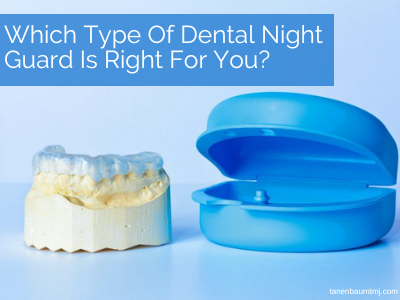
Which Type Of Dental Night Guard Is Right For You?

As an orofacial pain specialist, patients come to me when they’re suffering from the painful symptoms of a temporomandibular disorder, which you may know as TMJ. TMJ refers to the temporomandibular joint, the joint that enables you to open and close your mouth. Many new patients who come to my office have been wearing a standard dental night guard (sometimes called an oral appliance, occlusal splint, or mouth guard) while they sleep, but their symptoms are not improving or even getting worse. Before I explain which type of dental night guard is right for you, I want to make sure you understand TMJ and its causes.

First, What Causes TMJ?

Symptoms of jaw (TMJ) problems often arise due to sleep bruxism, a condition characterized by constantly grinding or clenching your teeth during sleep. Sleep bruxism affects about 10% of adults and up to 15% of children.

The American Dental Association has been surveying dentists about TMJ since the beginning of the pandemic. More than 70% report a significant increase of patients who are grinding and clenching their teeth both during sleep and while awake (called awake bruxism) – many of whom never had the issue before. Some patients even have cracked or broken teeth as a result of bruxing. Bruxism is thought to be related to several risk factors, including high-stress levels – so it comes as no surprise that this increase coincides with the pandemic.

How To Determine Which Type of Dental Night Guard Is Right For You

If you’re like many people, your dentist may have informed you that your teeth are becoming flat and worn-down because of grinding and clenching while you’re asleep. Your dentist may have recommended you start wearing a dental night guard while you sleep, or you may have already purchased one over-the-counter at your pharmacy.

If this sounds familiar, the standard type of night guard made by your dentist is probably adequate. However, over-the-counter night guards must be used with caution and for a limited amount of time because they can cause your teeth to shift.

However, if you’re one of those people who have a sense that something’s wrong because your teeth are sore, or your jaw muscles feel tight when you wake up in the morning, or if you have any of the symptoms listed below, a standard guard made by your dentist or an over-the-counter night guard you buy at a pharmacy is probably not the dental night guard that’s right for you.

All Dental Night Guards Are Not The Same

TMJ problems often involve the structures of your temporomandibular joints and usually require more evaluation and different types of dental night guards for your specific problem. If you suffer from any of the TMJ symptoms below, a standard dental night guard will likely not address your specific problem and could even make your problems worse.

Symptoms of TMJ:

  • Difficulty opening your mouth
  • Pain (beyond soreness or discomfort) when opening/closing your mouth
  • Jaw pain when you eat
  • Clicking or popping in your jaw during movement
  • A sense that your jaw is locked
  • A feeling that your bite is “off”
  • Daily pain and tension in your face
  • Headaches when you wake up
  • Tension or pain in your neck

Like other joint systems in your body, TM joint problems are orthopedic problems. There are ligaments that support your jaw joints and shock-absorbing discs that cushion them. And, there’s also a lubrication system that keeps your TMJs moist and nourished. These all can become compromised due to teeth grinding and clenching, whether it happens while you’re asleep, during the day, or both.

The result is often injury to your TMJs resulting in sprains, instability and painful inflammation. Sometimes, the pressure of grinding and clenching can even cause one of your shock-absorbing discs to change and cause joint noises, lockjaw and pain.

What To Do Next

Your next step is to make an appointment with an orofacial pain specialist. An orofacial pain specialist will likely provide you with a clear understanding of your problem (a specific diagnosis beyond “you have TMJ.”). And explain why your jaw muscles and joints are in trouble and what treatments are available in addition to a dental night guard. Many factors can give rise to a TMJ problem, so you will likely be asked questions about your medical health, mental health, sleep, dental history, and about you as a person.

Based on the information gathered and an examination, there’s a good chance your orofacial pain specialist will fabricate a dental night guard that’s right for you – designed to address your specific orthopedic problem – not just to protect your teeth. Factors like the thickness of the night guard, its surface (flat or designed to prevent shifting of the lower jaw), its use on the upper or lower teeth, and where the support is provided are just some of the factors that will be considered.

To find an orofacial pain specialist in your area, ask your dentist for a referral or check the directory at the American Board of Orofacial Pain website.

Your Dental Night Guard Needs To Be Monitored

A diagnosis beyond “You have TMJ” is essential in designing a night guard that will reduce strain and injury to your jaw muscles and tendons, joint ligaments, shock-absorbing discs and lubrication systems. Here’s the most important thing to understand: regardless of whether your dental night guard was designed by your dentist or an orofacial pain specialist, it will not stop your bruxism. When properly designed, your night guard will instead reduce the impact on your teeth, muscles and TMJs caused by your grinding and clenching. In essence, it lets you clench or grind in a “better neighborhood” with the goal of keeping more injury from occurring while you work on reducing the risk factors that caused your jaw to be in trouble in the first place.

And, because a well-constructed dental night guard redistributes force, it must be monitored and adjusted while healing occurs and your symptoms change. It’s essential to go in for regularly scheduled reassessments and modifications to maximize the potential for treatment to be successful.

So, Which Type Of Dental Night Guard Is Right For You?

If you wake up with any of the TMJ symptoms above – even if you’ve been wearing a dental night guard, do not give up hope! A more specific diagnosis, a better understanding of why you have the problem, and a night guard designed to address your individual symptoms may well be the answer. Based upon the nature of your problem, more comprehensive care is usually part of the plan, which may include exercises, stress-reducing activities such as mediation or yoga, medication, dry needling and trigger point injections, BOTOX® injections or joint injections. These decisions are best made by an orofacial pain specialist.

Feel better!

Learn more about TMJ and bruxism here

Categories
Headaches Jaw Problems TMJ

Can A Dentist Cure Your Headaches?

Most people who suffer from severe headaches don’t think about going to their dentist to get help. But a dentist may be the right professional to turn to if your physician has not been able to determine the root cause of your pain. But first, it’s important to determine whether the headaches you are experiencing fit into a primary or secondary category.

Primary headaches are migraines, tension headaches, and cluster headaches. Many dentists do see patients with primary headache problems, but it’s for the secondary type of headache that they can be particularly effective.

Secondary headaches can be caused by many things, but in particular, trauma to the temporomandibular joint. The temporomandibular joint is your jaw joint and problems in this area are commonly referred to as TMJ. A traumatized jaw joint can be the result of injury, a structural deficiency, a malocclusion (bad bite), newly placed or worn dental work, oral disease, or sleep bruxism (teeth grinding and clenching at night).

Today, many dentists are trained in assessing and treating these kinds of orofacial pain problems. In fact, in 2020, the American Dental Association approved orofacial pain as a dental specialtyOrofacial pain specialists are now board-certified dental specialists who limit their care to patients with orofacial pain disorders. Dentists trained in this special field are increasingly important as health team members in the diagnosis and treatment of severe and persistent headaches that are TMJ-related.

The Negative Effects Of Sleep Bruxism

If you clench or grind your teeth at night, you are not alone. Millions of Americans do it. Why does bruxism often cause severe headaches? The constant pressure is being exerted by the act of clenching and grinding your teeth can cause trauma to your TMJs. Next, the nerves become agitated, and here comes pain. But what’s tricky is that pain from TMJ can show up in other places on your body, such as your neck, your face, or even your head. This is called referred pain. Your TM joints are positioned very close to your cranial nerves, and severe headaches are often the result.

So, Can A Dentist Cure Your Headaches?

If you feel your headaches could be caused by teeth grinding and clenching (at night or during the day, or both), now’s the time to seek the help of an orofacial pain specialist. They will not only be able to determine the source of your pain, but will put a treatment plan in place that may include massage, relaxation techniques, a nightguard to protect your teeth, or even BOTOX®. I’ve been treating patients with these problems for over 3 years, and in most cases, a change in lifestyle to reduce bruxism combined with treatment, the outcomes are very positive.

Start by asking your physician or dentist for a referral to an orofacial pain specialist or check out the American Board of Orofacial Pain’s physician directory here, and search for a member with “Diplomate” status.

Good luck!

If you live or work in the NYC or Long Island metro area, feel free to call my office to make an appointment for a consultation. I see patients in person or by telemedicine on Zoom. NYC 212-265-0110 Hauppauge 631-265-3136

Categories
Jaw Problems TMJ

TMJ & Arthritis In The Jaw Joints

As an Orofacial Pain Specialist, people come to me when they’re suffering from the painful symptoms of a TM Disorder, which you may have heard referred to as TMJ, which is short for temporomandibular joints, which are your jaw joints. For most people, when properly treated, their TMJ problems can be controlled.

But, for some, what began as a common TMJ problem can progress to arthritis in the jaw joints – specifically osteoarthritis. To appreciate why arthritis can impact the jaw joints, let’s review some basic concepts about jaw disorders:

TMJ Disorders & What Causes Them

TM disorders are a group of conditions that affect your TMJs, your jaw muscles, or both. They can have many origins, such as a single traumatic event and or an underlying medical disorder. However, TMJ disorders are most commonly related to other risk factors such as jaw overuse behaviors during the day such as nail and/or cuticle-biting, frequent tooth contact, teeth clenching, gum-chewing, ice-chewing, or gnawing on pencils, pens, your lips, cheeks, or your tongue.

Nighttime bruxism, where you grind and/or clench your teeth while you’re asleep, can play a significant role in causing TMJ in some people. For others, the way their teeth come together and the spatial relationship of their upper and lower jaw plays a role. And, some research points to biological factors as potential initiators of jaw symptoms such as sex hormones, and psychosocial influences such as exposure to stress, chronic pain, catastrophizing, and other emotions.

But the most common initiators of TMJ problems – overuse behaviors and nighttime bruxism – exert a tremendous amount of pressure on your jaw joints and over time, can lead to a reduction in synovial fluid, the lubricant that nourishes your jaw joints and is responsible for maintaining the shape of your articular disc, the natural shock-absorber of your jaw. Because the supportive ligaments that keep your articular disc in place have become weak this all can result in inflamed and unstable jaw joints.

The most common symptoms caused by daytime overuse behaviors and nighttime bruxism are jaw pain, jaw joint clicking, compromised jaw motion, difficultly opening your mouth, joint locking, and changes in your bite. But for some people, bone and cartilage changes also occur and can lead to arthritis in the jaw joints.

The Symptoms Of Arthritis In The Jaw Joints

Once arthritis emerges, it can cause considerable pain, limited jaw movement, bite changes, and even chewing problems. It can also lead to muscle tension, causing headaches, ear pain, and/or toothaches. Some patients even experience gravel-like sounds when opening and closing their mouths due to the dryness and friction in their joints. As jaw osteoarthritis progresses, the bite can become dominant on one side with a gap on the other (for some, this is the only symptom that appears).

Are You At Risk Of Developing Arthritis In The Jaw Joints?

The good news is: not everyone who has TMJ will develop osteoarthritis. In fact, the vast majority of my patients with common TMJ disorders do not. I often see the signs of arthritis in patients who don’t recall ever suffering from a problem related to jaw arthritis. This suggests that our TM joints have a tremendous adaptive capacity and even when injured or persistently overworked, healing and adaptive changes can occur.

If you think (or know) you have jaw joint arthritis and associated symptoms, there’s an excellent chance, with proper treatment, your symptoms can be diminished and the progression of the disease reduced. Treatment can include non-steroidal anti-inflammatory medications, short-term oral steroids, injections of steroid in the joints, and the elimination and/or control of the behaviors that have overworked your TMJs. Bite plates (also called oral appliances, tooth protectors, and night guards) are often used to protect your joints while you sleep. For some, injections of lubricating substances such as hyaluronic acid are helpful over the short term. Only in extreme cases is joint surgery necessary.

Happily, it is rare for TMJ osteoarthritis to advance to such a degree that it causes disabling pain and jaw function limitations. With careful assessment and the proper treatment strategies, getting better is predictably successful.

Conclusion

If you’ve been suffering from a TMJ disorder and are concerned it is progressing, it’s time to seek a professional assessment from an experienced Orofacial Pain Specialist. To find one in your area, hop on over to the website of the American Academy of Orofacial Pain and look for a specialist with Diplomate status.

Live or work in New York City or on Long Island? You can schedule a consultation with me here or call 212-265-0110.

Categories
Headaches Jaw Problems Nightguards & Oral Appliances Orofacial Pain Sleep Apnea TMJ

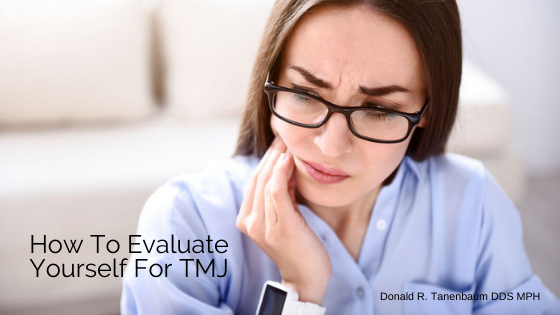
How To Evaluate Yourself For TMJ

Note: This article explains how to evaluate yourself for TMJ, what you can do about it, and how to determine when you need to get some professional help.

This past year’s pandemic challenges have led more people to seek care for TMJ problems than ever before. In fact, you may be reading this article because you’ve had your first experience of TMJ during the past year.

If you suffer from these kinds of problems, there are some steps you can take to relieve your symptoms. But before you try to evaluate yourself for TMJ, you must first understand the risk factors that led to your jaw being in trouble in the first place.

As an orofacial pain specialist for the past 35 years, I have treated thousands of patients who came to me suffering from jaw problems. They usually arrive at my office with complaints of jaw pain or stiffness, headaches in their temples, or facial pain that, in some cases, is taking over their lives. Many have limited jaw opening, joint popping and/or cracking. Some even experience locked jaws upon waking up in the morning.

While a traumatic event such as a car accident or an underlying medical disorder or treatment can be the culprit, for most people a wide variety of risk factors can cause TMJ pain problems. It is my job to properly diagnose, identify the causes, help my patients cope with TMJ – and eventually, get better.

Before You Evaluate Yourself For TMJ, You Must Understand What TMJ Is

The most important thing to understand about TMJ problems is that they are orthopedic in nature. Just like any other muscle and joint structure in your body – knees and shoulders, for example – if they become overworked, sprained, fatigued or injured, pain and instability will arise. Your jaw muscles and jaw joints (TMJs) are no different. An orthopedic problem can’t be treated until what is causing the pain is identified. It’s the same for TMJ problems.

How To Evaluate Yourself For TMJ – Identify The Cause & Make Changes

TMJ problems can involve your muscles, joints or both. To evaluate yourself for TMJ joint problems, pay attention to whether the pain is in front of your ear when you move your jaw or touch the area and if your jaw joints click, pop and/or lock. If you can answer yes to both questions, you should not try to cure yourself. See a dentist with experience in TMJ care or a TMJ specialist in your area right away. (There’s a link at the bottom of this page to the American Academy of Orofacial Pain, where you can find a specialist in your area.)

To evaluate yourself for TMJ muscle problems, you would probably describe your symptoms as soreness, stiffness, spasms or achiness. If you push your fingers firmly along your jawline or into your temples, you will experience more pain than you expected. Your jaw motion may be limited but it’s not accompanied by joint clicking or popping sounds.

If you’ve determined your TMJ problem is of the muscle variety, your next step is to figure out why and how your muscles became so irritable in the first place. To do so, you’ll need to do a little investigating to find out what is happening in your life during the day and at night.

6 Daytime Behaviors & Postures That Could Be Causing Your TMJ Problems

Starting today, pay careful attention to your daytime behaviors and postures, particularly while you’re working. Working behaviors and postures are some of the leading causes of TMJ problems. And, working at home is a big reason for the considerable increase of people seeking care during the past year.

When you evaluate yourself for TMJ of the muscle variety, look for these six common daytime behaviors that could be causing your jaw or neck muscles to fatigued:

  • Your head leans forward while you work at your computer.
  • You consistently look down at your phone.
  • You hold your breath or take shallow quick breaths with your mouth open.
  •  You brace your jaw muscles (but your teeth are not clenched).
  • You often keep your teeth clenched.
  •  You bite your nails and/or cuticles, cheeks, lips or tongue.

Did you identify any of the six behaviors or postures above during your workday? If you said yes, believe it or not, that is good news! Because if you can start eliminating them right away. And there’s a pretty good chance you can start feeling better right away, too.

Start by paying attention to your breathing patterns. If you discover that you hold your breath or breathe shallowly, go online and search for “restful breathing techniques.” You’ll see a lot of results and almost any you choose will help. Also, take more breaks. And make some adjustments to your workstation to improve your head posture. (Here’s a helpful guide). Also, download a reminder app such as Time Out for Mac that will help you remember to take breaks.

5 Nighttime Factors That Could Be Causing Your TMJ Problems

An essential step in evaluating yourself for TMJ is identifying what is happening to your jaw muscles, jaw joints or neck muscles while you’re asleep. This, understandably, is not easy – but it’s definitely doable. If you consistently wake up with jaw or neck pain, tightness in your jaw, or headaches – you can assume one or more of the following four factors are present:

  • Insomnia – You have trouble falling asleep or staying asleep.
  • Fragmented Sleep – Your sleep is full of lots of small arousals. Your brain wakes you up numerous times during the night.
  • Inadequate Sleep – You routinely get less than the recommended hours of sleep. (See the link at the bottom of this page to determine what is recommended for your age group).
  • Bruxism – You clench and/or grind your teeth while you sleep.
  • Breathing Problems – You struggle with breathing due to nasal or other airway restrictions while you sleep.

If you suspect factors 1, 2 or 3, try one or more of the following:

  • Take melatonin at bedtime.
  • Don’t drink coffee after noon.
  • Don’t use your electronic devices late into the evening.
  • Stop all work-related activities one hour before going to bed.
  • Read a good book.
  • Exercise in the morning instead of after work.
  • Eat dinner earlier.
  • Practice some breathing exercises before you get into bed.
  • Try some gentle stretching or yoga before bed.

If you suspect factor 3 – Bruxism – this is for you:

If you wake up occasionally with sore teeth but nothing more severe than that, consider purchasing an over-the-counter oral appliance at your local pharmacy. (Note: there are many terms for oral appliances such as mouthguards, bite plates, and teeth protectors – they all mean pretty much the same thing.)

If your symptoms get better after wearing your over-the-counter oral appliance at night for several weeks, your next step is to visit your dentist to be fitted for a custom oral appliance. This is very important because wearing an oral appliance over a long period of time that is not custom-fitted can lead to complications such as shifting teeth, bite changes and even airway obstruction.

If your symptoms do not get better after wearing your over-the-counter oral appliance it’s time for you to get some professional help. Make an appointment with your dentist or an orofacial pain specialist. (See the link at the bottom of this page to the American Academy of Orofacial Pain to find an orofacial pain specialist).

If you suspect Factor 4 – Breathing Problems – here’s what to do:

If your self-evaluation for TMJ leads you to suspect you have a nighttime breathing problem – it may be sleep apnea and you must see a sleep professional right away. Your struggle to breathe at night is likely reducing airflow and causing your blood oxygen to lower. That places excess stress on your body.

You should opt for an overnight sleep evaluation monitored by a professional. (Link here to find a sleep center near you.) If the sleep evaluation indicates you do have a sleep breathing disorder such as apnea, there are many options for you after the sleep study. You may be told to sleep on your side, wear nasal strips, use a custom-made oral appliance, or lose weight. Many people find that a continuous positive airway pressure (CPAP) machine is a lifesaver. (Read: What Is CPAP?) In severe cases, nasal surgery, orthodontics, jaw advancement or another correction surgery may be the solution.

How To Evaluate Yourself For TMJ – In Conclusion

Let’s say you have been able to get your TMJ problems under control by changing one or more of the six daytime behaviors above. That is great. And even if your nighttime behaviors are of the Factors 1, 2, or 3 variety and you tried some of the simple solutions I recommend, there’s a chance you’re already feeling better.

TMJ problems, however, are often caused by several risk factors. For you, relief may only be achieved with a professional approach. Take a little bit of time to find a trained orofacial pain practitioner in your area and you should be able to get on the road to feeling better very soon.

Helpful Links:

American Academy Of Orofacial Pain (Look for a provider with Diplomate status)

How Many Hours Of Sleep Are Enough For Good Health?

Categories
Ear Pain Facial Pain Jaw Problems

Why Wearing A Mask Can Cause TMJ Symptoms

Wearing a mask all day is routine for some people, including dentists and surgeons. It’s just part of their jobs and they’re used to it. For everyone else wearing a mask for all (or most) of the day is completely unnatural. And, what’s going on under our masks can cause many problems – because wearing a mask can cause TMJ symptoms to emerge.

Without even realizing it, you may be pressing your lips together in a pursed position or clenching your teeth under your mask. These are normal human reactions to fear, anxiety, and worry. But, when the jaw and facial muscles in this contracted position for an extended length of time, they become overworked. And, like any other muscle in your body, when jaw and facial muscles become overworked, lactic acid accumulates. That irritates the nerve fibers running through the overworked muscles. The result is pain. Sometimes, “really bad pain.”

4 Ways to Reduce (or Avoid) TMJ Symptoms While Wearing a Mask

Most of us are required to wear a mask in public these days. As a board-certified orofacial pain specialist, I’m have been seeing patients whose previous symptoms are getting worse, people whose previously-resolved symptoms have returned, and many people who never had TMJ problems in their lives. Here a few of the tips I give them to help reduce their TMJ pain and/or minimize the potential for pain to emerge:

  1. Avoid Chin-Pullavoid ear pulling mask, wearing a mask can cause TMJ symptoms, donald tanenbaum, tmj doctor in nyc, tmj doctor in long island
    Most masks extend under the chin, and that’s a good thing. If you wear a homemade or surgical mask you’re probably pretty comfortable because it fits loosely. But, if you wear an N95 or KN95 mask, it fits tighter and applies tension to your chin that pulls your jaw upwards. Many of us are unconsciously and repeatedly pushing down on our chin attempting to move the mask away and release the tension. As a consequence, we experience fatigued and sore muscles. I recommend only wearing tight N95 or KN 95 masks if you’re out shopping, plan to be in a crowded area with poor ventilation, are using public transportation, or will be in a public space with other people for a sustained period of time. Because wearing a mask can cause TMJ symptoms, I recommend your use a less-restricting mask when you’re not in a risky environment.
  2. Stop Using Ear Loopsavoid ear pulling mask, wearing a mask can cause TMJ symptoms, donald tanenbaum, tmj doctor in nyc, tmj doctor in long island
    Earloops that pull and tug on your ears are another reason why wearing a mask can cause TMJ symptoms. They can cause pain that can be felt from your ears, across your jaw joints, and into your face – all within a short period of time. Some people even get headaches that extend from their ears into their temples. The culprit is the trigeminal nerve. The trigeminal nerve (visible in the diagram above) is responsible for face and jaw sensations and influences the muscles that allow you to move your jaw. When your mask’s ear loops are constantly tugging, the trigeminal nerve can become excessively excited, resulting in pain and tension in your jaw muscles. A great solution to this problem is ear savers. Ear savers allow you to ditch earloops and eliminate the maddening pulling they can cause. If you’re crafty, you can make them yourself – there are lots of instructional videos on YouTube). For the rest of us, it’s easy to find them online. In fact, Etsy has a huge selection of ear savers and they are very affordable.
  3. Keep Your Neck Muscles Loosesore neck, wearing a mask can cause TMJ symptoms, donald tanenbaum, tmj doctor in nyc, tmj doctor in long island
    Another reason that wearing a mask can cause TMJ symptoms involves your neck. Your mask can cause you to change your normal head position. That can have a negative impact on your neck muscles. Several of my patients, after sometimes just a few hours of mask-wearing, experience stiff and aching neck muscles. Their tense neck muscles ultimately lead to jaw pain and sometimes limited jaw motion – typical symptoms of TMJ. If your neck is stiff and sore, check out Bob and Brad’s neck exercises on YouTube. Bob Schrupp and Brad Heineck are physical therapists. They offer advice, tips, and information on how to stay healthy, fit, and pain-free. (They’re very entertaining, too).
  4. Smile!mask can cause TMJ symptoms, donald tanenbaum, There’s a pretty good chance that while your face is covered by a mask, you don’t smile very much. Plus, if you have your lips pursed and your teeth clenched under your mask,  there’s a good possibility that you’re holding your breath, too.

Try to keep a smile on your face when your mask is on. This may seem ridiculous because no one can see your mouth, but try to keep your lips loose and your teeth apart as much as possible. Concentrate on your breath now and then, which also helps your jaw to relax.

It’s True: Wearing A Mask Can Cause TMJ Symptoms

There’s no question we live in very stressful times and, for most people, wearing a mask feels unnatural. If you already have TMJ symptoms or want to avoid them, please try some of the tips in this post. You can be safe and comfortable at the same time.

Live or work in New York City or on Long Island? You can schedule a consultation with me here or call 212-265-0110


Categories
Facial Pain Jaw Problems Referred Pain TMJ

How To Self-Treat Jaw and Face Pain During Stressful Times

As an orofacial pain specialist in New York City and Long Island, patients come to me because they suffer from the painful symptoms of TMJ. Most often their symptoms are a result of their stressful lives.

During the pandemic, most people have been living with an unusually high level of stress. Poor sleep and limited exercise is one reason. Also involved are continually tensed shoulders, breathing in a strained manner, and grinding and clenching your teeth at night (or during the day). The result can be headaches, pain in the neck and back, or pain in your face, teeth, and jaw, or all of them.

How To Detect A TMJ Problem

When your TMJs (your jaw joints) are in trouble, it typically shows in five ways. You may have one, a few, or all of these symptoms:

  • Facial pain
  • Clicking or popping when you open and close your mouth
  • An unexplained toothache
  • Difficulty opening your mouth
  • Unexplained headaches, particularly when you wake up

It’s easy to understand how living with the pandemic for the past few years could trigger stress-related symptoms even in people who are normally calm and positive. I’ve seen hundreds of new patients never had a TMJ problem before the pandemic and just as many who suffered from TMJ in the past.

My advice is to become hyper-aware of how stress is impacting your jaw muscles. Stop every now and then during the day and take note if you are:

  • Holding your breath
  • Bracing your jaw muscles
  • Furrowing your brow
  • Clenching your teeth
  • Biting your nails
  • Raising your shoulders

Tips: How To Treat Jaw & Face Pain During Stressful Times

Control Your Daytime Breathing

Perform these three steps if you notice you’re holding your breath or breathing more rapidly than normal:

  • Slowly breathe in through your nose deep into your core and hold it for 3 seconds. It’s easier if you place the tip of your tongue on the roof of your mouth or behind your lower front teeth as you breathe.
  • Let the air out for three seconds through your lips and pause for 3 seconds.
  • Repeat 6 times.

Note: If your nose does not let air in (quite possible during allergy season) breathe in through your mouth in a slow, controlled way with your lips barely touching. There are no absolute rules; just do the best you can.

how to relax your face, donald tanenbaum
Loosen-Up Your Face and Jaws

Notice if you hold tension in your face or brace your jaw muscles when you’re at your computer, reading, or listening to the news. If you are, use this 3-step method to relax your face and jaw:

  • Let your jaw hang limp – kind of the way your hands hang limp when you drop them at your sides.
  • Keep your lips together, teeth apart.
  • Breathe.

Do this every time you notice tension in your face or jaw.

how to stop biting nails, donald tanenbaum
Stop Biting!

Biting your lips, cheeks, nails, or cuticles, can all lead to jaw muscle fatigue and pain. The 3 tips below may help you stop:

  • Keep your lips soft (don’t purse them).
  • Keep your lips touching lightly and your teeth apart (you don’t have to keep your mouth open.
  • Let your face and jaw hang in a neutral, relaxed posture (same as step 1 above).

how to treat face and neck pain, donald tanenbaum
Soften Your Shoulders

Many people experience headaches and neck and jaw pain as a result of tense shoulders. It’s called referred pain. To keep your shoulders soft:

  • Don’t hunch up your shoulders up close to your ears. Periodically stop what you’re doing and gently push them down.
  • Try not to cross your arms.

Both tips will ease your neck tension, help your breathing, and reduce the onset or the intensity of the muscle tension that leads pain.

get up and move around, face and neck pain, computer neck, donald tanenbaum
Get Up & Move Around

It’s never a good idea to sit in one place for hours and hours even in less stressful times.

  • Every 45-minutes get up and walk around, even if it’s just to throw in a load of laundry or cook a meal.
  • If you’re experiencing severe neck tension or pain, the Feldenkrais Method® is a great way to manage it, too. It’s an easy and gentle technique that eases neck and jaw tension.

moist heat to treat face and jaw pain, donald tanenbaum
Use Moist Heat

Moist heat is a good way to treat jaw and face pain:

  • Use a wet towel, heat pack, or TMJ wrap – available in many pharmacies.
  • Apply the heat for 15-minutes
  • Then perform a gentle jaw muscle self-massage. Here’s how:
    • Open your mouth halfway.
    • With your index and middle finger massage the fleshy part of your jaw muscles in a circular motion for 10-seconds
    • Then, move in the opposite direction for 10-seconds.
    • Next, with your mouth still half-open, move your fingers to your temples right under the hairline and perform the same massage technique. If you feel muscle soreness as you massage, you’re doing it right.

Do this moist heat massage twice a day.

TENS unit for neck pain, donald tanenbaum
Purchase A TENS Unit

If your pain is severe and moist heat doesn’t help, go online and purchase a TENS unit (Nursal EMS TENS unit). Place the pads as directed on your jaw muscles (called masseters) and your large neck muscles (your trapezius) once or twice a day. Most TENS units come with simple instructions and there are many videos online with instructions.

biofreeze for neck pain, donald tanenbaum
Try Biofreeze®

Another method that works for many people is to rub Biofreeze® onto the jaw and neck muscles several times a day. Just make sure you keep it away from your eyes.

calm your mind to treat face and jaw pain, donald tanenbaum
Calm Your Mind

Yoga or meditation are great ways to keep stress from impacting your body. Online you can find hundreds of classes, many of them free. I like the app Insight Timer. Headspace, Calm, and Buddhify are also terrific apps. Find the one that fits your style and needs and try not to make it a challenge but a regular part of your day and/ir when you really need it.

tension while sleeping, donald tanenbaum
Is Your Body Tense While You Sleep? Try this:

If you wake up with headaches, facial, jaw, or teeth pain, you are problem clenching or grinding your teeth at night. Try these tips:

  • Drink warm chamomile or Sleepytime® tea before bed.
  • Try magnesium. Before you retire for the night, eat a banana or buy a magnesium supplement at the pharmacy (ask the pharmacist to recommend a good one).
  • If you’re really suffering, purchase a dental night guard at the pharmacy. The best one is made by DenTek™. However, some patients report that over-the-counter devices actually make them clench more! If that’s the case, talk to your dentist about having a custom-made nightguard made for you.

By following the above tips, you can treat your jaw and face pain at home. But note, it may take some time for your symptoms to subside. Don’t give up!

Now that life is getting back to normal it’s time we all assess our physical and emotional state and do what we need to do to feel better.

For more information about TMJ, please link here

Categories
Jaw Problems Orofacial Pain TMJ

Orofacial Pain Is A Board-Certified Specialty

For decades, the field of orofacial pain was not a specialty recognized by the American Dental Association. This made it difficult for patients who suffered from TMJ and jaw problems to get proper treatment.

Equally difficult was the fact that dentists and dental specialists had a hard time finding practitioners to refer their patients to who had the experience and skills to assess and manage these problems and sometimes disabling pain conditions. For years, orofacial pain academies and the American Board of Orofacial Pain consistently urged the American Dental Association to designate orofacial pain as a board-certified specialty. Their efforts were always met with defeat.

As a result, practitioners were left to take on the challenges of treating patients with facial and jaw pain (TMJ), with the knowledge that people in leadership at the ADA had not yet grasped the importance and professional value of this initiative. Despite these setbacks, the push to create a new specialty was never abandoned.

On March 31, 2020, the American Dental Associations’ National Commission on Specialty Status finally approved orofacial pain as a specialty. (To see the full definition, scroll down)

What Does This Mean For Patients?

Because of this move, I expect more dental schools to expand their commitment to teaching the concepts of orofacial pain assessment and treatment. As a result, more dentists will graduate familiar with the pain problems they will encounter in their practices, including TMJ. In addition, over time, graduating dentists will pursue careers in the field and fill voids that currently exist in communities throughout our nation and the world. It’s too early to predict the full outcome of this important new designation, but I’m hopeful that people who are suffering will find it easier to get the treatment they so desperately need. 

If you have questions about  TMJ, please feel free to reach out to me.

Onward and upward! 

Definition Of Orofacial Pain

The specialty of Orofacial Pain (OFP) “involves the assessment, diagnosis and treatment of patients with orofacial pain disorders, including temporomandibular muscle and joint (TMJ) disorders, oromotor and jaw behavior disorders, neuropathic and neurovascular pain disorders, and related head and neck pain, as well as expanding our knowledge of the underlying cause and mechanisms of these disorders. This specialty also includes screening, management, and coordination of care associated with sleep-related breathing disorders.”

Categories
Jaw Problems TMJ

Invisalign® & Aligner Therapy Can Trigger Jaw Problems

Today, in nearly every field of medicine, new and innovative therapies emerge that change lives for the better. But, over time, however, unanticipated complications can arise. Invisalign®  and aligner therapy to move teeth is one such innovation. It turns out aligner therapy can trigger jaw problems. 

Invisalign® & Aligner Therapy Move Teeth In Remarkable Ways

The use of clear aligners as an alternative to traditional braces has transformed how tooth movement is accomplished. Aligners are effective and practically invisible. That makes them an excellent choice if you don’t love the idea of walking around with a mouth full of brackets and wires for months or years.

There’s another reason that invisible braces are so popular – dentists, who in the past could not offer tooth movement services, can now provide them. 

Why Aligner Therapy Can Trigger Jaw Problems – Sometimes

As a TMJ doctor, I see patients with jaw problems that have been triggered by aligner therapy. Common symptoms are jaw muscle and joint pain, jaw clicking, locking, and headaches. Patients who find that aligner therapy can trigger jaw problems tend to fall into two distinct categories:

1. People who never before had a TMJ problem.

2. People who previously had TMJ problems sometime in the distant past and experienced a re-emergence during aligner therapy.

In my experience (and my colleagues may dispute this), the common theme when aligner therapy triggers jaw problems has to do with patients biting down on the aligners. Many people tend to bite down hard on their aligners for hours at a time during the day. They don’t necessarily do it on purpose. Still, the result is that the upper and lower aligners are in contact for hours at a time. 

Why Is It A Problem To Bite-Down On Your Aligners?

The natural rest position of your jaw is upper and lower teeth apart and nothing but air between them. When you bite down for a length of time beyond what is necessary to eat, for example, you disrupt the natural tone of your jaw muscles. Over time, jaw symptoms can emerge.

If your top and bottom aligners are in contact with each other for long periods, your jaw muscles are in a non-stop state of contraction. To illustrate, imagine how it would feel to make a fist with your hand for hours. Muscle soreness and pain would likely occur. Your jaw muscles work the same way.

In some patients, their jaw joints (TMJs) become so overloaded that they experience joint clicking and popping and even at times a locked jaw, often accompanied by pain. 

Luckily, not every patient who bites down on aligners develops jaw problems. But, if you notice that you tend to bite down on your aligners and that your jaws are sore and joints making noise, you should consider taking a break for a while until the symptoms go away. 

If you experienced TMJ problems in the past and your aligners have triggered your jaw problems to resurface, aligner therapy is probably not for you.

Note: Some practitioners recommend that their patients bite down on the aligners for the teeth to move more quickly. If that has been recommended to you, please ask your dentist if it is necessary. It’s smarter to slow down your aligner therapy and avoid jaw problems that may not go away once treatment ends.

The Bottom Line

If you previously suffered from TMJ problems, it’s critical to inform your dentist about it before you begin aligner therapy. If you are in the process of aligner therapy and have started to notice jaw clicking, locking, or pain, please stop wearing your aligners and speak to your dentist immediately.  

Everyone wants a beautiful smile, and the miracle of Invisalign® and aligner therapy is an excellent choice. However, it can also trigger jaw problems that may require long-term care. 

Be an informed patient so you can make the right choice for you. 

Categories
BOTOX® Bruxism Case Studies Facial Pain Jaw Problems Orofacial Pain TMJ Women & Pain

Facial Pain – Is It Bruxism or Is It Bulimia?

TMJ /Facial Pain Symptoms & Eating Disorders – The Connection

As a TMJ doctor, every year I see a number of patients who are suffering from an extraordinarily high level of face and jaw pain. At first glance, the level of suffering they report is much greater than what I commonly see. One such group are people with a history of one particular eating disorder – bulimia nervosa. In these patients, the typical characteristics I see in people with TMJ are not present. Although their symptoms may lead them to believe that their pain is driven by stress-related jaw tension and bruxism (teeth grinding and clenching), the telltale signs are simply not there. That’s when I ask myself, is it bruxism or is it bulimia?


Is It Bruxism or Bulimia? A Case Study

Marci was 26 when she arrived at my office some three years ago. For several years she’d been dealing with debilitating jaw and face pain almost daily. The pain was centered at the angles of her jaw on both sides and it had become, as she described it, “unmanageable.”

Pain was ruining her life.

Many doctors and therapists had tried to help Marci find relief. She’d been prescribed pain medications and muscle relaxers. She’d been treated by physical therapists. She had acupuncture and trigger point injections. She even tried wearing an oral appliance to bed, thinking her problems were the result of bruxism.

Frustrated and discouraged, Marci was still suffering – with no resolution in sight.


4 Clues That Bruxism Was Not The Culprit

At first, Marci didn’t share her entire medical history with me. Possibly because she was embarrassed or simply didn’t think there was a connection. However, even without knowing her full history, several clues pointed to the fact that Marci’s pain was not caused by bruxism, but instead was a result of bulimia:

  1. No signs of the kind of tooth wear characteristic of bruxism were detected.
  2. Her masseter (jaw) muscles were not rock hard and well-built, typically a sign of bruxism.
  3. The biting surfaces of her lower molars showed a complete loss of enamel.
  4. Her face was extremely puffy.

So, Why Did I Ask If It Was Bruxism Or Bulimia?

In order to answer the question, is it bruxism or is it bulimia, each clue pointed to the answer. You see, bulimia can wreak havoc in the mouth because frequent vomiting exposes the teeth to acid, which can dissolve their protective enamel. This is seen on the back of the upper front teeth and in the center of the lower back teeth where regurgitated acid can pool. And, over time, frequent vomiting can cause the parotid gland (the largest salivary gland) to become inflamed and enlarged, resulting in acute nerve pain in the overlying jaw muscles and prompting facial puffiness.


Facial & Jaw Pain Caused by Bulimia – Treatment

Probing deeper into Marci’s medical history, I concluded that it was indeed bulimia, not bruxism that was the cause of Marci’s pain. Now it was time to offer a plan of treatment. I prescribed the medication nortriptyline (a once-popular antidepressant) that, when used in small doses has been shown to be effective in reducing pain in muscles by quieting nerve excitation. It is thought to work over time by increasing the activity of serotonin in the brain, according to the Mayo Clinic.

Marci also had a series of BOTOX® injections in her masseter muscles at my office, designed to not only reduce muscle tension but to also diminish the release of nerve-irritating chemicals. (See BOTOX® Injections For TMJ – 6 Things You Need To Know)

She was also given a custom-made topical salve containing a mixture of anesthetic, nerve membrane stabilizers, and anti-inflammatory medications to rub over the sore areas of her jaw three times a day.

A Much Happier Existence

Four weeks into treatment, Marci reported that her pain was more than 40% reduced. A second series of BOTOX® injections months later provided even better results. With her pain reduced, she was more motivated than ever to continue talk therapy, which she had started in an attempt to get a handle on her bulimia.

Today, Marci comes into my office every 4-6 months for a refill of her nortriptyline prescription and occasional BOTOX® injections. She’s nearly pain-free, almost bulimia free, and she leads a much happier existence.


Do You Know Someone Who Has Bulimia?

If you or someone you care about has bulimia and is suffering from facial and /or jaw pain, it is quite possible that a relationship exists. It’s very important to answer the question, is it bruxism or is it bulimia, so the right treatment can be put into place.

Although strategies like those used in Marci’s case won’t provide a cure, they can go a long way towards improving the quality of a suffering person’s life.

Live or work in New York City or on Long Island? You can schedule a consultation with me here or call 212-265-0110.

Categories
Children & TMJ Jaw Problems TMJ

9 Causes Of TMJ Problems In Teens & College Students

A Guide For Parents

I’m a dentist who focuses exclusively on treating people who suffer from jaw, tooth and head pain due to what’s commonly known as TMJ. Some of my patients tell me that they grind and clench their teeth all night (called sleep bruxism); some tell me they clench all day (called awake bruxism). Millions of people, in fact, suffer from bruxism and as a result, many experience jaw pain, headaches, toothaches, and ear pain. A surprising trend was uncovered during a recent review of my patient roster. We have seen a significant increase in young patients (between the ages of 16 and 25) who arrive at my office with complaints of a headache, intense jaw pain, and or daily facial pain. Why are there so many cases of TMJ problems in teens and college students and why do so many young people experience jaw and facial pain problems? What puts their jaw muscles and TM joints so at risk? Here are the nine most common risk factors:

9 Causes Of TMJ Problems In Teens & College Students

  • Screen-Related Activities: Countless hours with the head down while studying, playing video games, surfing the web, using social media, texting, etc. Neck tension is the result and is a risk factor that can prompt jaw problems.
  • ADD/ADHD Medications: These medications are stimulants, and although they’re usually taken early in the day, the effects often linger well into the evening. Stimulants, in general, tighten muscles and the jaw can be impacted.
  • Caffeine: Overconsumption and/or frequent consumption of coffee, Red Bull, or other high caffeine beverages keep the heart rate up and adrenaline pumping.  Muscles are therefore at risk to maintain high levels of tension.
  • Nicotine: Another stimulant now consumed in high milligram doses in nicotine e-cigarettes which are popular mainly with college students, and young college grads. One vape cartridge apparently holds as much nicotine as three packs of cigarettes. Nicotine is a stimulant and can increase muscle pain.
  • Breathing Problems: Persistent allergies, sinus problems, and asthma often disrupt sleep and are associated with bruxism.
  • Airway Problems: Airflow can be blocked during sleep due to large tonsils, weight gain, or oral/jaw anatomy. Fragmented sleep has been associated with sleep bruxism.
  • Pain: Chronic pain is a significant source of sleep disruption. Neck and back pain and gastrointestinal pain can often fragment sleep, predisposing to more sleep bruxism activity.
  • Daytime Habits: Daytime habits such as nail and cuticle biting, pen chewing, excessive gum chewing, lip and cheek biting, and teeth grinding and clenching. All these behaviors can fatigue jaw muscles.
  • Anxiety & Psychological Disorders: Young patients often struggle to cope with life’s challenges and experience ongoing anxiety, which can lead to the onset of jaw tension and pain.

What’s A Parent To Do?

If your child complains about facial or jaw pain and you can say “Yes!” to at least two of the common risk factors listed above, it’s important to do something about it before it gets worse.

If you live in the New York metropolitan area, I invite you to make an appointment for a consultation at my office. We are thorough, compassionate and have many tools at our disposal to help your child.

If you are located outside the New York area, you can find a practitioner in near you on the website of The American Academy of Orofacial Pain. Choose a doctor who is listed as Diplomate.

I welcome your questions and comments.

Pain issues and sleep challenges do not have to be lifetime afflictions. You need someone who listens and possesses the knowledge and compassion to get your pain and sleep problems under control.

I am that someone – and you’re in the right place.
Dr. Donald Tanenbaum, DDS MPH

SCHEDULE A CONSULTATION


Categories
Bruxism Jaw Problems

4 Surprising Reasons You Grind Your Teeth

In my practice, I often evaluate and treat patients who suffer from the effects of Sleep Bruxism. Bruxism is the clinical term for the act of clenching and/or grinding your teeth while you’re asleep.

Sleep Bruxism can cause all kinds of problems for people of any age. Most of the patients who end up in my office complain of some, or all, of the following issues, particularly in the mornings:

  • Jaw soreness or pain
  • Limited or stiff jaw motion
  • Headaches or earaches
  • Sensitive teeth
  • Jaw noises of all types
  • Locked jaw
  • Neck pain
  • Foggy brain
  • A bite that feels off-balance

Although millions of people grind and clench at night, not everyone ends up with these problems. For those who do, the need for care is critical because the potential long-term consequences of untreated Sleep Bruxism can be profound. They include, but are not limited to, a change in your facial profile, worn-down or fractured teeth, persistent jaw pain, headaches focused in your temples, jaw clicking and popping, and a locked jaw.

For many years, those of us in the field have felt that the primary fuel powering Sleep Bruxism is stress. As more research is performed and as practitioners like myself identify common risk factors, that thinking is changing. Life’s stresses cause adrenaline to be dumped into your bloodstream, which that can keep you from getting a good night’s sleep – and cause you to grind and clench your teeth.

However, there are other risk factors out there that can awaken your brain at night and fragment your sleep. Here are a few:

4 Surprising Reasons You Grind Your Teeth

1. ADHD Medication

More and more teens, college students and adults are turning to ADHD drugs to address daily focus issues. These medications, such as Strattera, Vyvanse, and Adderall, may be prompting new and/or higher levels of tooth grinding and clenching at night because they work to activate the body’s fight-or-flight mechanism.

For example, I’ve seen patients who were previously treated for Sleep Bruxism, had it under control but began experiencing symptoms again when they started taking ADHD medication. In the absence of other new risk factors, if you are on these medications, consider them when searching for the cause of your Bruxism.

2. Anti-Depressants

Certain SSRI antidepressants (such as Effexor and Paxil) can initiate Sleep Bruxism activity, too. Up to fifteen percent of people who are on SSRIs experience it, and many new studies have begun in this area.

If you’re on SSRIs and are clenching and grinding your teeth at night, consider trying a different drug.

3. Obstructive Sleep Apnea/Upper Airway Resistance

According to the American Sleep Apnea Organization, over 22 million Americans have an upper airway problem. The telltale signs are snoring and multiple awakenings during the night as the body attempts to get more oxygen. The lack of oxygen and subsequent constant brain arousals activate the sympathetic nervous symptom and may be another potential initiator of Sleep Bruxism. Though there is not a one to one correlation between Apnea and Bruxism, additional investigation and collaborations with sleep physicians may be warranted.

If you suspect you have an airway problem (if you don’t know, ask your significant other) it’s essential to have a sleep study performed – mainly because it allows your dentist to choose the correct an oral appliance for you.

4. Vaping

If you’ve kept your eyes open, you’ve noticed many people walking around using vape pens, some of which contain high amounts of nicotine, a powerful stimulant. Although the impact of nicotine on muscles, the nervous system, and sleep varies from person to person, it is indisputable that stimulants can and do influence jaw muscle pain and tension and can also disrupt sleep. For many people, nicotine adds to their already troublesome Sleep Bruxism and its resulting symptoms.

If you are using high nicotine vapes, please let your dentist or doctor know as you work through finding a solution for grinding and clenching.

In conclusion, if you’ve been waking up in the morning with a stiff, painful or locked jaw or if you experience morning headaches, sensitive teeth, earaches, a bite that feels off-balance, or your jaw clicks – there’s a good chance you have Sleep Bruxism.

See your dentist and discuss the risks factors that you can identify, especially those above. There are many effective avenues of treatment available to you.

You deserve a good night’s sleep!

For more on the long-term effects of Sleep Bruxism, link here

Categories
Case Studies Jaw Problems TMJ

Successful TMJ Treatment – How Long Will It Last?

Two Case Studies

As a dentist who specializes in TMJ problems, my patients often ask me how long the positive outcomes of their successful TMJ treatment will last. It can be challenging to answer this question due to the fact that most patients simply stop coming into the office for care when their pain or jaw function problems have gone away. That leaves me to assume that their goals have been reached and they no longer need my care.

Or so I hope.

Many patients arrive at my office because they’re suffering because of compromised temporomandibular joints (TMJs) and associated arthritic changes, inflammation, or ligament and cartilage injuries. Others have tendinitis and or muscle pain. These are not easy cases to treat.

But, when the pain and discomfort have been reduced and jaw function improved to the degree that a patient no longer comes in for care, I am curious as to whether he or she is still feeling good a few years down the road.

Two recent encounters with former patients not only satisfied my curiosity but also reinforced my theory that when assisted by practical and time-tested TMJ treatment, Mother Nature can do a remarkable job of healing. 

TMJ Treatment Case Study – Patricia

When Patricia first came into my office, she was 44-years old and had been suffering for many years from a painful, locking right TM joint. She finally decided to seek care when one morning she woke up and her jaw was locked to the point where she couldn’t insert even a pinky finger between her top and bottom teeth. She went to a specialist who ordered an MRI and concluded that the only option was surgery.

Patricia then sought me out for a second opinion. After I listened to her history, performed a physical exam, and reviewed her MRI results, I had to agree that a surgical approach was probably her best option.

However, Patricia was firmly opposed to surgery and persuaded me to try an alternative path of care. We settled on a course of TMJ treatment that included oral appliance therapy, physical therapy, BOTOX® muscle injections, a steroid joint injection, and instructions that guided her full participation in the process.

I’m happy to report that the non-surgical treatment worked. After a few months, Patricia stopped coming in for TMJ treatment altogether. I had to assume that she was still feeling better.

A couple of years after her last appointment I happened to be at a party and ran into her. She introduced me to her husband this way: “This is the guy who fixed my TMJ!”

And later that evening I noticed she was laughing and comfortably eating. I was assured then that success had indeed been realized. In Patricia’s case, the combination of treatment, her participation, and nature’s healing process got the job done.

TMJ Treatment Case Study – Susan

Susan was 45-years old when she became my patient. She’d been suffering from wicked migraines for years. Medication and a regimen of BOTOX® injections every three months had provided a bit of relief. But she had a feeling that her migraines were somehow related to her jaw muscles and that’s what brought her to me for TMJ treatment.

Many mornings when she woke up her teeth were clamped tightly together. And almost every day she was aware of what she could only describe as a “bracing” feeling in her jaw.

Like many people who suffer from jaw muscle tension, I suspected that Susan’s stress-filled 18-hour days were the culprit. She was in a perpetual state of “fight or flight” as if she always was ready for battle.

I agreed; Susan’s jaw muscle tension was a likely contributor to the severity of her migraines.

Susan’s treatment protocol included a custom-designed oral appliance to wear at night, a series of daily jaw and neck exercises, and daily self-directed muscle massage. I encouraged her to also pay careful attention to the pace and manner of her breathing during the day, especially while she was at work.

With TMJ treatment in place, Susan agreed to return in four months for a re-evaluation. But she never did.

Almost two years later as I was waiting in line to buy a movie ticket, I noticed Susan was also in line. She apologized for not coming into the office for a re-evaluation and told me that her migraines were now few and far between. She had followed the plan of treatment I designed and her jaw muscles were much less symptomatic and her migraines much less severe.

In Conclusion

If you commit to being an active participant in your care, the benefits of TMJ treatment can last for years. And, even if you’re someone who has suffered for decades from jaw problems, it’s never too late to seek an answer.


Learn more about TMJ treatment here.

Categories
Jaw Problems

What Causes Lockjaw?

Suffice it to say, if you wake up one morning and your jaw is locked shut, you’re going to be extremely frightened. You have lockjaw clinically known as trismus. As a TMJ and orofacial pain specialist, I see many patients every year with lockjaw. So, what causes lockjaw, and is there anything you can do about it?  

Before I answer that questions, I need to explain a bit about how our jaws work. The jaw joint is essentially a hinge and is controlled by four muscles: 1) the masseter 2) the temporalis 3) the internal pterygoid 4) the external pterygoid. These names may sound like extinct dinosaur species, but they are very delicate muscles that together perform the important job of opening and closing the jaw and moving it from side to side.

There are two causes of lockjaw –  jaw muscle spasms or impaired, incapacitated or shortened jaw muscles. To determine if your jaw is opening normally try this – open your mouth and insert three full fingers horizontally with your fingertips facing into your mouth. If they fit easily, you’re in good shape. If they don’t, read on:

What Causes Lockjaw Is A Variety Of Behaviors & Conditions  

Here’s what can cause lockjaw:

1) Daytime Behavior

When over-used, your jaw muscles, just like most other muscles in your body, can become fatigued and go into spasm. This results in pain, limited motion, or both. If you’re a gym rat, you’ve probably experienced that sensation from over-working your hamstring or calf muscle – limited motion, pain, or both. Your jaw muscles behave in exactly the same way.

Many types of daytime behavior can cause lockjaw. Your jaw muscles can become fatigued from excessive gum chewing, prolonged contact between your upper and lower teeth, frequent nail-biting, and if you keep your teeth clenched for long periods of time.

Prolonged tension in your upper neck can also cause lockjaw. Your jaw muscles can become shortened then it’s impossible for you to fully open your mouth. If you’re under a tremendous amount of stress, feel anger, discontent, worry, anxiety, or fear during a long period of time can be the cause of lockjaw symptoms. 

However, millions of people chew gum, clench their teeth, and bite their nails and they don’t develop the symptoms of lockjaw. In my field, orofacial pain, we consider those behaviors risk factors – as opposed to being the cause of lockjaw symptoms. 

2. Temporomandibular Joint (TMJ) Problems
Your jaw joints are also known as TM joints, are literally hinges that allow your top teeth and your bottom teeth to move independently of each other. Problems that arise in the TM joints can lead to jaw pain, jaw clicking, and lockjaw, to name just a few. The cause of lockjaw symptoms in these cases is a result of pain, muscle tightening, spasms, or mechanical interferences in the hinge itself. 

3. Jaw Trauma
Trauma, such as from an auto accident or sports mishap, that has caused a fracture, inflammation, muscle bruising, hematoma formation, a sprain in the TM joint can cause lockjaw. A change in the joint’s anatomy can cause it as well.

4. Cancer Therapy
Cancer therapy, such as radiation to address head or neck cancer, can cause the jaw and neck muscles to become less flexible and lead to symptoms of lockjaw. 

5. Head Or Neck Tumors

Certain tumors in jaw muscles and/or in the TM joint can cause lockjaw symptoms, as well. Tumors in the throat, larynx, pharynx, thyroid, parotid gland, or ear can also be culprits.

6. Tetanus
Most people already know that tetanus can cause lockjaw. Thankfully, modern medicine has made tetanus very rare in the United States today. It’s a bacterial infection that causes muscle spasms that most often start in the jaw then progress to the rest of the body. 

7. Other Infections
Infections such as those associated with impacted wisdom teeth, infected tonsil, or infected salivary glands can also cause lockjaw. 

8. Dental Work

Dentists often need to use a mandibular block injection with a local anesthetic to comfortably treat a patient’s lower molar tooth or to remove a lower wisdom tooth. Mandibular block injections are performed millions of times a day with no problems. But on rare occasions, a patient may wake up unable to open their mouth. This is sometimes accompanied by jaw pain that can last for a few days after the injection. The cause of lockjaw, in this case, is trauma to a nearby muscle, bleeding, too much anesthetic or a slowly-developing infection.

How Lockjaw Symptoms Are Diagnosed

To diagnose lockjaw, your doctor needs to identify the cause or risk factors associated with the symptoms. Every lockjaw situation is accompanied by some limited jaw motion. Some lockjaw symptoms include pain and soreness. Sometimes there is no pain at all – just restricted motion. A clicking jaw joint that suddenly doesn’t click anymore can be a clue, too. Your doctor may order x-rays, a CAT scan or an MRI of your TM joints, your head and/or neck depending upon the clues uncovered from your history and exam.

Every patient is different and in order for your medical professional to discover in your case what causes lockjaw it’s critical that you explain in detail what was going on right before your symptoms emerged. 

How Lockjaw Is Treated

Once your doctor has figured out what causes lockjaw in your case, he or she will develop a treatment plan tailored for you. Your plan might include jaw exercises, warm moist heat applications, anti-inflammatory medication  or antibiotics for a short period of time. Physical therapy may be recommended, as well.

For you, what causes lockjaw is only the start. A full recovery can take several months. It’s important to be patient. 

Categories
BOTOX® Bruxism Jaw Problems Nightguards & Oral Appliances Orofacial Pain

BOTOX® For Jaw Problems – Who To Trust

The effectiveness of BOTOX® to erase the signs of aging is well-known. But BOTOX®, as you may have heard, can be used to treat a number of medical conditions, as well. As the popularity of BOTOX® has grown so has the number of people who are willing to inject it. BOTOX® for jaw problems, including symptoms associated with TMJ (temporomandibular joint dysfunction), is no exception.

If you’re reading this article you’re possibly experiencing jaw pain or know someone who is. I’ve been treating patients for jaw problems for over 30 years, and during most of that time, I depended upon oral appliances (also called tooth protectors, night guards, or bite plates) as part of first-line therapy to help my patients. Countless people are a tremendous amount of relief from the devices and some won’t consider sleeping without them.

Unfortunately, a small percentage of people do not get relief from first-line TMJ treatment, and some of them develop even more jaw symptoms when using them. If you’re one of these folks, you may be considering injections of BOTOX® for jaw problems as many others are, too.

However, it’s critical for you to understand that BOTOX®, like the oral appliances that help so many of my patients, will not cure your jaw problem. You must address the reasons your jaw got into trouble in the first place.

For BOTOX® for jaw problems to work effectively, it must be injected into both the masseter and temporalis muscles. And, the injections will likely need to be repeated for a time at three-month intervals. Your jaw is a complex structure and is integral to the quality of your life.

You need to be extremely careful about who you choose to administer BOTOX® injections. In some cases, BOTOX® doesn’t work and may even do more harm than good.

BOTOX® For Jaw Problems Is A Serious Decision

First, it’s critical that you are evaluated by an experienced orofacial pain specialist before you have BOTOX® injected into your delicate jaw muscles. Orofacial pain specialists have a specific focus on jaw problems and they have the experience, education, skill and knowledge to determine if BOTOX® for jaw problems will help you.

Here are five scenarios where BOTOX® for jaw problems can be appropriate:

1. You Overuse Your Jaw Muscles

When jaw muscles become overworked, over-built, and consequently, sore and painful, it can be for a variety of reasons. Most people know that TMJ symptoms can be caused by grinding and clenching your teeth at night. But, there are a lot of other causes of TMJ that happen during the day such as gum chewing, nail or cuticle biting, gnawing on pens or pencils, or even bracing your jaw muscles as you work, especially when you sit for hours at a computer.

I do administer BOTOX® for jaw problems in my practice, but not before I work closely with a patient and help them modify or eliminate the overuse behaviors that caused their problems in the first place. Many strategies including muscle-stretching exercises, breathing exercises, and relaxation techniques are very effective and non-invasive. If the overuse behaviors are not addressed and changed, BOTOX® for jaw problems has little – or no – benefit.

2. Your Jaw Muscles Bulge

BOTOX® for jaw problems is predictably effective when a patient’s jaw muscles are so overbuilt that they bulge even when they’re contracted. 

3. You Have Jaw Pain Only On One Side

If your jaw pain is not the same on both sides, before you choose BOTOX® injections, you must be examined by a medical professional who is educated and experienced in the relationships between teeth, bite and jaw postures and how they influence muscle health, overdevelopment and pain. BOTOX® injections must be placed strategically and it’s critical that the correct amount is injected into each muscle site. It’s critical that the person administering the injections has a great deal of expertise.

4. If You Have A Locked Jaw

It requires some deep investigating to determine when and if BOTOX® injections are the right treatment for patients whose jaw locks frequently or has been locked for a while. A locked jaw can be due to a myriad of factors. Figuring out why it’s happening in the first place is critical before you consider BOTOX® for jaw problems. Only an experienced orofacial or TMJ specialist can make the right decision

5. Your Jaw Is Clicking

Constant clicking in the jaw joint is usually due to a problem in the ligaments, bones and/or cartilage. Although a clicking jaw can be caused by overuse behaviors like the ones stated above, BOTOX® for jaw problems won’t help if the clicking has become persistent. In fact, BOTOX® can cause even more jaw clicking. If your jaw is clicking and it’s accompanied by pain, a thorough examination by an orofacial pain specialist is your first step. The last thing you need is more problems.

Conclusion

I have been treating patients with jaw problems for over 35 years and BOTOX® or jaw problems is becoming more and more important. But it’s only one of the ways I help my suffering patients. The instinct I’ve developed from my years in practice combined with my focus on science enables me to determine when, and if, BOTOX® is the correct treatment option in each case, where it should be injected and the correct amount of medicine to use.

If you’re considering BOTOX® for jaw problems related to TMJ, lockjaw, clicking or pain, please let an experienced orofacial pain specialist evaluate you before making the decision.  To find an orofacial pain specialist in your area, link here.

I was interviewed on Good Morning America about BOTOX® for jaw problems. Click here to view the interview.

Categories
Jaw Problems Orofacial Pain TMJ

Dr. Sarno and My Approach to TMD

On June 23, 2017, Dr. John Sarno passed away at the age of 93. A controversial figure in mind/body medicine as it relates to back pain, Dr. Sarno explored the connection between the mind, emotions and back pain. He was a truly a pioneer. He challenged his medical colleagues to consider the uncomfortable notion that the majority of back pain sufferers were in trouble not because of structural flaws in their backs, but rather a result of muscle tension.

Dr. Sarno felt strongly that back pain results from what he called TMS – Tension Myositis Syndrome – which was a direct result of “internal rage” driven by life’s conflicts, unrealized dreams, childhood traumas, uncontrolled tension stressors, and other factors that could persistently upset the brain. His theory was this: when an upset brain turns on the body’s sympathetic nervous system, the blood flow to muscles and nerves is reduced and causes mild oxygen deprivation. The result is pain in the back muscles.

An obituary in The New York Times states: “Revered by some as a saint and dismissed by others as a quack, Dr. Sarno maintained that most non-traumatic instances of chronic pain – including back pain, gastrointestinal disorders, headaches, and fibromyalgia – are physical manifestations of deep-seated psychological anxieties.

Despite his detractors, Dr. Sarno had many supporters in the medical community who conducted research in an effort to lend science to his assertions. In a 2007 study led by University of Southern California Professor David Schechter, it was found that chronic pain subjects who underwent mind/body treatment (reading educational materials, journaling about emotions, and in more extreme cases, undergoing psychotherapy) experienced an average pain reduction of 52 percent.

Dr. Sarno and My Approach to TMD

I met Dr. Sarno a number of times and attended many of his lectures, which were open to the public. Many of the principles he embraced resonated with me when I carefully considered the population of TMD sufferers who were coming to my practice seeking pain relief.

Over the years I discovered that when a patient’s jaw and orofacial pain was not due to an identifiable trauma, major structural imbalances, or an underlying medical disorder, the patient’s problem was likely of muscle origin and due to overuse fatigue. With a bit of investigation, overuse fatigue was usually due to daytime acquired behaviors such as nail and cuticle biting, jaw muscle bracing, frequent daytime tooth contact, tooth clenching, raised shoulders, furrowed brows, tense lips, or strained fast paced chest breathing. 

In reality, the same life scenarios that Dr. Sarno identified in his back pain patients were often characteristic of my TMD patients. At times these personal conflicts would also be responsible for restless and fragmented sleep and the onset of sleep bruxism activity, further adding to muscle overuse and fatigue.

What is critical to realize, however, is that by the time patients arrive at my practice looking for help,  tissue injury has already occurred due to physiologic changes in the jaw and neck muscles – and sometimes the temporomandibular joints. As a result, not only is it critical to make the mind body connections, but the majority of patients we see are engaged in assistive therapies that may include exercises, physical therapy, and or injections for the compromised muscles and or Tm joints.

For unclear reasons, Dr. Sarno rejected all assistive therapies such as massage, physical therapy, acupuncture, and injection techniques. This is where he and I differ in philosophy. In the book “Doctor, Why Does My Face Still Ache?” which I co-authored with my mentor, Seymour Roistacher, DDS, we carefully outline what I think leads to compromises in the temporomandibular system and why, therefore, the use of additive therapies makes sense if healing is to be achieved.

In the process of understanding each TMD sufferer that I treat, I strongly feel that the most important question I ultimately ask is this:

Who are you?”

It’s only then I can begin to unravel the mysteries of each patient’s persistent orofacial pain and TMJ problems.

Artwork from www.ThankYouDrSarno.org

Click here to read the 2007 University of Southern California study.

Click here for Dr. Sarno’s obituary in The New York Times. 

Live or work in New York City or on Long Island? You can schedule a consultation with me here or call 212-265-0110.