Manhattan

212-265-0110

White Plains

914-227-2305

Springfield, NJ

973-315-7830

Hauppauge

631-265-3136
Categories
Bruxism Case Studies Orofacial Pain TMJ

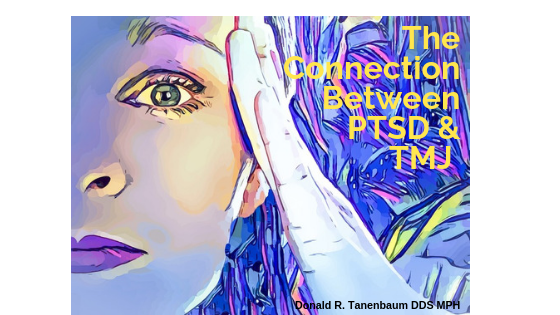
The Connection Between PTSD & TMJ

Identifying the origin of a patient’s chronic orofacial and TMJ pain is what makes my work both challenging and rewarding. Sometimes the answers are readily apparent while at other times uncovering important clues is more difficult. In all cases, there is no substitute for obtaining a careful history as the insights gained often help point to the mechanism of pain that is driving a patient’s suffering.

With this thought in mind, I’ve treated numerous patients whose chronic orofacial and TMJ pain is the result of unresolved trauma to the nervous system. A careful history, however, reveals that this trauma is not because of a physical event such as a documented injury or ongoing activities such as nighttime bruxing, but instead, it is the result of personal anguish.

I’ve treated many patients whose problems are not caused by classic scenarios, but instead, are caused by unresolved trauma to their nervous systems. They feel they have no control over their lives, that there is no resolution to their grim situation, or are unable to escape a potentially dangerous environment.

These scenarios are commonly associated with individuals diagnosed as having Post Traumatic Stress Disorder, or PTSD.

These patients are not unlike our servicemen and women who return from overseas carrying the trauma of what they experienced. Although in my practice, military service is not the most common source of patient problems, these patients need just as much understanding and support as our soldiers.

PTSD Affects The Nervous System In A Specific Way

When dealing with a highly traumatic event or many persistent traumatic events over time, the body’s sympathetic nervous system goes survival mode. In medicine, it’s called the hyperactive state.

When the nervous system is in the hyperactive state for an extended length of time, tissue injury often occurs. It can be accompanied by pain, restricted motion in the joints, muscle cramping, and muscle fatigue. The body also releases stress hormones (primarily cortisol), which can cause biologic changes that prevent healthy healing and can lead to chronic pain. This particularly affects muscles that are already overworked or tense.

When a patient previously suffered from issues such as migraines, neck pain, or back pain – they invariably get worse. When the pain becomes persistent, that’s when feelings of anxiety, hopelessness, and depression can emerge.

A patient in this condition has trouble reacting to stressful situations in a healthy way, which creates even more life challenges.

PTSD & TMJ – A Case Study

“Jill” is a 39-year-old woman who arrived at my practice with the classic symptoms of TMJ: ongoing jaw pain, jaw tension, and limited jaw motion. Not unlike hundreds of other patients, her symptoms were the result of jaw muscle and joint tissue compromise.

However, upon examination, I did not detect the telltale signs of nighttime bruxism, nor any of the most common origins of chronic orofacial pain.

The next step was to sit down with Jill and see if I could get her to talk candidly about her life, which she did. It turns out that Jill is a single mom. She works full time, and her job is stressful and demanding. On top of that, Jill has another, even more, extreme stressor in her life. Her child was born with a severe medical condition, of which there is no cure, that requires constant care and monitoring.

Faced with the overwhelming pressure of raising a medically-compromised child, working at a stressful job, and constantly worrying about the future, Jill had been living in a continuous flight-or-fight mode for years.

As a result, Jill’s natural state was shoulders raised, quick, shallow breathing, and a tendency to brace her jaw muscles or clench her teeth for minutes, even hours, at a time.

Can A Combination Of PTSD & TMJ Be Treated?

So the question was, can someone like Jill, who problems are caused by the stress in her life that she can’t change, actually get better?

The road is not easy, but when a patient participates in TMJ treatment, there is hope. Meditation, Cognitive Behavior Therapy (CBT), psychotherapy, physical therapy, Tai Chi, breathing exercises, or other techniques, are useful. Being aware of and working to change daytime behaviors such as jaw bracing, tooth contact, breath-holding, and shoulder raising can also help.

Conclusion

It was not fast or easy, but by employing a number of these strategies, Jill continues to be “much better than the day I met her.” She takes fewer over-the-counter pain medications, sleeps more soundly, and most importantly, she believes that a better day is coming for her.

While it’s often impossible for someone suffering from PTSD to change her environment, she can make changes to how she exists within that environment. This can lead the way to unravel the complexities of PTSD and its associated symptoms.


Categories
BOTOX® Bruxism Case Studies Facial Pain Jaw Problems Orofacial Pain TMJ Women & Pain

Facial Pain – Is It Bruxism or Is It Bulimia?

TMJ /Facial Pain Symptoms & Eating Disorders – The Connection

As a TMJ doctor, every year I see a number of patients who are suffering from an extraordinarily high level of face and jaw pain. At first glance, the level of suffering they report is much greater than what I commonly see. One such group are people with a history of one particular eating disorder – bulimia nervosa. In these patients, the typical characteristics I see in people with TMJ are not present. Although their symptoms may lead them to believe that their pain is driven by stress-related jaw tension and bruxism (teeth grinding and clenching), the telltale signs are simply not there. That’s when I ask myself, is it bruxism or is it bulimia?


Is It Bruxism or Bulimia? A Case Study

Marci was 26 when she arrived at my office some three years ago. For several years she’d been dealing with debilitating jaw and face pain almost daily. The pain was centered at the angles of her jaw on both sides and it had become, as she described it, “unmanageable.”

Pain was ruining her life.

Many doctors and therapists had tried to help Marci find relief. She’d been prescribed pain medications and muscle relaxers. She’d been treated by physical therapists. She had acupuncture and trigger point injections. She even tried wearing an oral appliance to bed, thinking her problems were the result of bruxism.

Frustrated and discouraged, Marci was still suffering – with no resolution in sight.


4 Clues That Bruxism Was Not The Culprit

At first, Marci didn’t share her entire medical history with me. Possibly because she was embarrassed or simply didn’t think there was a connection. However, even without knowing her full history, several clues pointed to the fact that Marci’s pain was not caused by bruxism, but instead was a result of bulimia:

  1. No signs of the kind of tooth wear characteristic of bruxism were detected.
  2. Her masseter (jaw) muscles were not rock hard and well-built, typically a sign of bruxism.
  3. The biting surfaces of her lower molars showed a complete loss of enamel.
  4. Her face was extremely puffy.

So, Why Did I Ask If It Was Bruxism Or Bulimia?

In order to answer the question, is it bruxism or is it bulimia, each clue pointed to the answer. You see, bulimia can wreak havoc in the mouth because frequent vomiting exposes the teeth to acid, which can dissolve their protective enamel. This is seen on the back of the upper front teeth and in the center of the lower back teeth where regurgitated acid can pool. And, over time, frequent vomiting can cause the parotid gland (the largest salivary gland) to become inflamed and enlarged, resulting in acute nerve pain in the overlying jaw muscles and prompting facial puffiness.


Facial & Jaw Pain Caused by Bulimia – Treatment

Probing deeper into Marci’s medical history, I concluded that it was indeed bulimia, not bruxism that was the cause of Marci’s pain. Now it was time to offer a plan of treatment. I prescribed the medication nortriptyline (a once-popular antidepressant) that, when used in small doses has been shown to be effective in reducing pain in muscles by quieting nerve excitation. It is thought to work over time by increasing the activity of serotonin in the brain, according to the Mayo Clinic.

Marci also had a series of BOTOX® injections in her masseter muscles at my office, designed to not only reduce muscle tension but to also diminish the release of nerve-irritating chemicals. (See BOTOX® Injections For TMJ – 6 Things You Need To Know)

She was also given a custom-made topical salve containing a mixture of anesthetic, nerve membrane stabilizers, and anti-inflammatory medications to rub over the sore areas of her jaw three times a day.

A Much Happier Existence

Four weeks into treatment, Marci reported that her pain was more than 40% reduced. A second series of BOTOX® injections months later provided even better results. With her pain reduced, she was more motivated than ever to continue talk therapy, which she had started in an attempt to get a handle on her bulimia.

Today, Marci comes into my office every 4-6 months for a refill of her nortriptyline prescription and occasional BOTOX® injections. She’s nearly pain-free, almost bulimia free, and she leads a much happier existence.


Do You Know Someone Who Has Bulimia?

If you or someone you care about has bulimia and is suffering from facial and /or jaw pain, it is quite possible that a relationship exists. It’s very important to answer the question, is it bruxism or is it bulimia, so the right treatment can be put into place.

Although strategies like those used in Marci’s case won’t provide a cure, they can go a long way towards improving the quality of a suffering person’s life.

Live or work in New York City or on Long Island? You can schedule a consultation with me here or call 212-265-0110.

Categories
Bruxism Case Studies Persistent Toothache TMJ

Pain And The Brain – They’re Inseparable 

As an orofacial pain specialist,  I treat patients who suffer from facial pain and the pain symptoms associated with Temporomandibular Disorders (commonly referred to as TMJ), I think about pain, a lot.

A great deal of new scientific knowledge has been gained in my field in the past several years. Being familiar with this knowledge is an essential part of how I make difficult decisions about my patients’ pain problems. However, taking advantage of this knowledge is only part of it. My years of experience and knowledge of the right questions to ask are what enable me to figure out the “why” of a patient’s pain problem.

Case Study – Robin

Robin, a 43-year old woman, came to my office because she was experiencing tooth and jaw pain that seemed to have come from nowhere. She had always taken good care of her teeth at home and visited her dentist twice a year for routine cleanings and monitoring.

Robin was experiencing pain – and it was getting worse. She had already been to her dentist. Her dentist sent her to see a root canal specialist. Neither professional was able to detect anything to explain her pain, and, as a result, no treatment was rendered. Yet, her pain was getting worse.

When I first met her, Robin was using over-the-counter pain medication and avoided chewing on the painful side of her mouth. Her jaw felt stiff and tight. At times it felt like her jaw muscles were cramping. The simple acts of smiling and talking prompted her pain to flare. She was not yet miserable but was clearly heading in that direction.

Sometimes Robin’s pain would vanish for hours but then return with a vengeance. There was no discernible pattern.

Before I proceed, it’s essential for you to understand a few facts about pain. Contrary to what you may think…

  • Pain can occur without tissue damage.
  • The intensity of pain can have little to do with the seriousness of the problem.
  • Every pain experience starts in the brain, regardless of its origin or severity.
  • The intensity of pain is ultimately the opinion of your brain (and your brain is not always your friend).

Back To Robin

After an examination, it was clear to me (despite Robin’s high level of suffering) that no clear-cut physical findings existed to tie her pain to a specific tooth or jaw joint/muscle compromise. Sore jaw and neck muscles were the only recognizable finding.

Robin’s level of suffering appeared to be more profound than were my physical findings. 

Pain & The Brain – The Right Questions To Ask 

At his point, I asked Robin some very specific questions designed to identify the presence of any risk factors that could potentially be impacting her pain thresholds, and causing her jaw and neck muscle discomfort.

As I gathered her medical history, I was not surprised to find out that Robin experienced long-standing sleep deprivation and chronic, painful gastrointestinal problems. And that she was taking care of her aging mother and had a job, which required her attention 24/7.

When I put it all together, it was clear that Robin lived in a state of emotional distress. Essentially, she was ready for battle on an ongoing basis. Next, I looked at her for other clues and found them: raised shoulders, crossed arms, shallow quick breathing, and an acquired behavior of keeping her jaw muscles braced, usually with her teeth clenched, as well.

I concluded that Robin’s tendencies and behaviors had fatigued her jaw and neck muscles to the point where she experienced pain. And the tooth pain she experienced was actually “referred pain”, originating in her jaw and neck.

Essentially the parts of her nervous system that are responsible for maintaining normal pain thresholds and allowing the brain to interpret incoming nerve transmissions correctly were failing. This led to what is called a state of sensitization. In this state, normal life activities, such as opening your mouth, eating, smiling, and talking can lead to pain – even in the absence of apparent tissue injury.

Pain Is In Your Head

I carefully explained to Robin why her pain had developed at the same time validated that the pain was real. Many people in Robin’s situation have been told, “your pain is all in your head.”

But not the way they mean it.

I then outlined what I refer to as the “60/40 rule of care”. I was going to direct 40% of her treatment, which included physical therapy, muscle injections, and medication. She was going to be responsible for the other 60%. She was to do 20 minutes of physical exercise every other day, make an effort to get more sleep, and begin to pay attention to her diet to avoid heightened gastric distress.

Robin also agreed to address issues at her job, and most importantly, to pay attention to changing her stressful breathing patterns and postures driven and shaped by her challenging life.

Pain & The Brain – How Is Robin Now?

Although Robin cannot escape all of the risk factors of her life, she is now able to change the way her body and her breathing react to them.

Like many patients with her type of pain scenario, she has responded well to the strategies we put into place. She acknowledges that her participation in the process has been critical.

Today, when flare-ups occur, Robin now understands in those moments her brain is not her friend. And she is learning how to change her brain’s opinion – quickly. 


Pain issues and sleep challenges do not have to be lifetime afflictions. You need someone who listens and possesses the knowledge and compassion to get your pain and sleep problems under control.

I am that someone – and you’re in the right place.
Dr. Donald Tanenbaum, DDS MPH

SCHEDULE A CONSULTATION


Categories
Case Studies Jaw Problems TMJ

Successful TMJ Treatment – How Long Will It Last?

Two Case Studies

As a dentist who specializes in TMJ problems, my patients often ask me how long the positive outcomes of their successful TMJ treatment will last. It can be challenging to answer this question due to the fact that most patients simply stop coming into the office for care when their pain or jaw function problems have gone away. That leaves me to assume that their goals have been reached and they no longer need my care.

Or so I hope.

Many patients arrive at my office because they’re suffering because of compromised temporomandibular joints (TMJs) and associated arthritic changes, inflammation, or ligament and cartilage injuries. Others have tendinitis and or muscle pain. These are not easy cases to treat.

But, when the pain and discomfort have been reduced and jaw function improved to the degree that a patient no longer comes in for care, I am curious as to whether he or she is still feeling good a few years down the road.

Two recent encounters with former patients not only satisfied my curiosity but also reinforced my theory that when assisted by practical and time-tested TMJ treatment, Mother Nature can do a remarkable job of healing. 

TMJ Treatment Case Study – Patricia

When Patricia first came into my office, she was 44-years old and had been suffering for many years from a painful, locking right TM joint. She finally decided to seek care when one morning she woke up and her jaw was locked to the point where she couldn’t insert even a pinky finger between her top and bottom teeth. She went to a specialist who ordered an MRI and concluded that the only option was surgery.

Patricia then sought me out for a second opinion. After I listened to her history, performed a physical exam, and reviewed her MRI results, I had to agree that a surgical approach was probably her best option.

However, Patricia was firmly opposed to surgery and persuaded me to try an alternative path of care. We settled on a course of TMJ treatment that included oral appliance therapy, physical therapy, BOTOX® muscle injections, a steroid joint injection, and instructions that guided her full participation in the process.

I’m happy to report that the non-surgical treatment worked. After a few months, Patricia stopped coming in for TMJ treatment altogether. I had to assume that she was still feeling better.

A couple of years after her last appointment I happened to be at a party and ran into her. She introduced me to her husband this way: “This is the guy who fixed my TMJ!”

And later that evening I noticed she was laughing and comfortably eating. I was assured then that success had indeed been realized. In Patricia’s case, the combination of treatment, her participation, and nature’s healing process got the job done.

TMJ Treatment Case Study – Susan

Susan was 45-years old when she became my patient. She’d been suffering from wicked migraines for years. Medication and a regimen of BOTOX® injections every three months had provided a bit of relief. But she had a feeling that her migraines were somehow related to her jaw muscles and that’s what brought her to me for TMJ treatment.

Many mornings when she woke up her teeth were clamped tightly together. And almost every day she was aware of what she could only describe as a “bracing” feeling in her jaw.

Like many people who suffer from jaw muscle tension, I suspected that Susan’s stress-filled 18-hour days were the culprit. She was in a perpetual state of “fight or flight” as if she always was ready for battle.

I agreed; Susan’s jaw muscle tension was a likely contributor to the severity of her migraines.

Susan’s treatment protocol included a custom-designed oral appliance to wear at night, a series of daily jaw and neck exercises, and daily self-directed muscle massage. I encouraged her to also pay careful attention to the pace and manner of her breathing during the day, especially while she was at work.

With TMJ treatment in place, Susan agreed to return in four months for a re-evaluation. But she never did.

Almost two years later as I was waiting in line to buy a movie ticket, I noticed Susan was also in line. She apologized for not coming into the office for a re-evaluation and told me that her migraines were now few and far between. She had followed the plan of treatment I designed and her jaw muscles were much less symptomatic and her migraines much less severe.

In Conclusion

If you commit to being an active participant in your care, the benefits of TMJ treatment can last for years. And, even if you’re someone who has suffered for decades from jaw problems, it’s never too late to seek an answer.


Learn more about TMJ treatment here.

Categories
Case Studies Facial Pain Jaw Problems TMJ

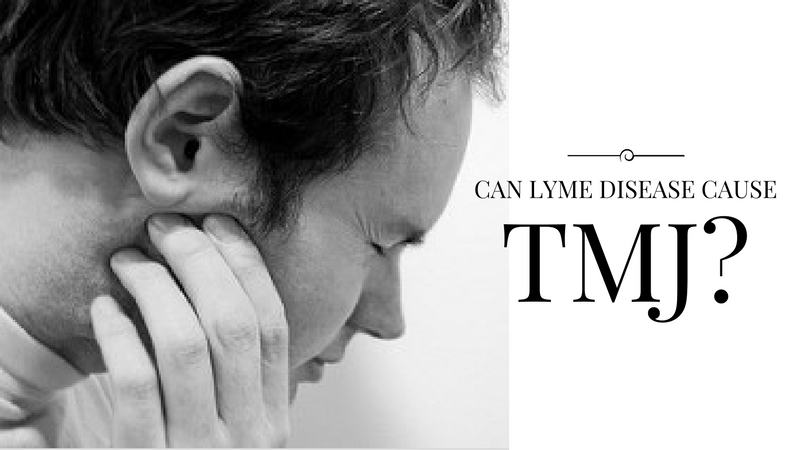
Can Lyme Disease Cause TMJ? – 3 Case Studies

As a specialist in orofacial pain and TMJ for over 30 years, it’s my conclusion that the impact of Lyme Disease on the peripheral and central nervous systems can produce nerve and muscle pain that mimics the symptoms of TMJ. But can Lyme Disease cause TMJ?

Starting in the early 90’s many patients have visited my office exhibiting the symptoms of TMJ – jaw pain, limited jaw opening, and severe facial pain. But upon evaluation, I did not find the common histories and risk factors that typically cause the muscle strain and inflammation associated with TMJ problems.

Lyme Disease infects over 300,000 people in the United States every year. But making a diagnosis is extremely difficult due to the fact that the only blood tests available are unpredictable. On top of that, only 25-50% of infected people ever develop the telltale rash associated with a deer tick bite (the tick that carries Lyme).

If left untreated, Lyme can cause facial tics (contraction and twitching of muscles), jaw pain, headaches in the temples, neck stiffness, and episodes of pain during talking and smiling. Very similar, if not identical to TMJ. 

The three case studies that follow prompted me to ask this question:

Can Lyme Disease Cause TMJ?

3 Case Studies

Case Study #1: John

In 1992 I treated a patient named John. John was a 38-year-old landscape gardener who worked at a golf course on the East End of Long Island. His complaints were acute jaw pain, limited jaw opening, and an inability to bring his teeth together in a consistent way.

At first glance, it seemed that John had the type of jaw problem that I see every day in my office so I prescribed the course of treatment that helps most of my patients. But it didn’t help him. Then I discovered that John had been diagnosed with Lyme Disease.

Case Study #2: Anne

A recent patient named Anne. She is a 52-year old female. She describes her symptoms this way: “I have pain in my face that can be so intense that I have thought about going out on disability.”

Ann’s pain is triggered whenever she talks. And her jaw muscles feel as if they’re “pulling all the time”. At times her teeth ache. And when the frames of her glasses press on her temples, the pain escalates. Anne’s facial and jaw symptoms have been present for seven months and are accompanied by exhaustion, disabling headaches, and what she describes as “bizarre sensations in my body”.

As with John, my evaluation did not suggest the reason for Anne’s suffering was a typical TMJ problem. But evaluations don’t always indicate Lyme, either. Due to the fact that she takes long walks in the Connecticut woods and because she remembers getting bitten by insects (she never had the telltale rash) her infectious disease doctor has considered starting her on antibiotic therapy for Lyme Disease.

Case Study #3: Sue

Another patient named Sue, a 45-year old female, came in with jaw problems, too. She had been diagnosed with Lyme disease seven years earlier. Sue felt sure that her Lyme had been “successfully treated with alternative remedies.” But still, she suffers from tight jaw muscles, intense pain when she lays her face on a pillow, fragile emotions that prompt daily outbursts of crying, and “raging pain in my face and jaw”. She was sure she had TMJ but never imagined that the effects of Lyme Disease cause TMJ symptoms.

Sue also suffers from bouts of intense back pain with a nerve-like character, that comes on suddenly and as quickly passes.

As noted, Sue believes that her Lyme Disease has already been “cured” by alternative remedies. But as in the cases of John and Anne, my evaluation provided no evidence of the typical causes of TMJ symptoms. With her belief in alternative treatments, it is no surprise that Anne is very reluctant to try antibiotic therapy. But she is about ready to move in that direction.

Did Lyme Disease Cause TMJ Symptoms In John, Sue, or Anne?

The outcome of these cases remains to be determined, but they are very similar to many other confirmed cases of Lyme Disease I have encountered since 1992 when I first began to wonder if can Lyme Disease cause TMJ symptoms. 

It is my conclusion, therefore, that the impact of Lyme Disease on the peripheral and central nervous systems can produce nerve and muscle pain that mimics the symptoms of TMJ. I am hopeful that better testing, control of the deer tick population, more effective treatments, and even perhaps a vaccine is on the horizon for these suffering patients. 

If you would like to add your comments please feel free to do so below.

Live or work in New York City or on Long Island? You can schedule a consultation with me here or call 212-265-0110.

Categories
Case Studies Sleep Apnea Snoring

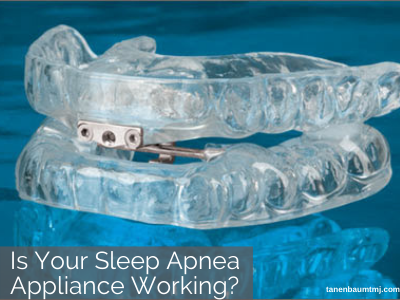
Is Your Sleep Apnea Appliance Working?

Snoring and obstructive sleep apnea are not only disruptive to your bed partner; they may also be the cause of many other illnesses. And as we have seen in the news recently, can result in deadly vehicle accidents. If you have opted to wear an oral appliance at night for snoring and/or sleep apnea (as opposed to using a CPAP machine) you may have noticed that it’s not working as well as it did when it was first fitted by your dentist. So, how do you know if your sleep apnea appliance is working?

John: A Case Study

My patient John is a 45-year old who had chosen to wear a sleep appliance to spare his wife from the disrupted sleep she was experiencing as “he snored like a jackhammer.” However, after a period of time his snoring (and consequently his wife’s nighttime annoyance) had reappeared.

John came to my office and we sat down to talk. He confessed that he had gained a whopping 15 pounds over nine months, so it wasn’t surprising that the appliance was no longer effective. I subsequently corrected the fit of his appliance (basically moving it slightly forward), which took care of his nightly jackhammer snoring (and probably saved his marriage!). But, another problem developed.

John began experiencing morning jaw tension and an awkward bite, which lasted for about an hour. Another visit to the office and a bit more adjustment took care of the issue. Now John is sleeping peacefully and not worried about a TMJ problem. So, if you use an oral appliance to manage sleep apnea/snoring, and your weight varies you should be going back to your dentist to reset the appliance

How To Determine If Your Oral Appliance Is Working

For those snoring without sleep apnea, your bed partner feedback will certainly alert you as to when the appliance is not working, but how do you know if you live alone? If you sleep alone and are wearing an appliance to protect the tissues in the back of your throat from the consequences of snoring over time, monitoring is key.

How To Monitor Snoring and Apnea With Technology

There are a number of mobile apps that can monitor your snoring at night. The best ones are SnoreLab and SnoringU.

For those with obstructive sleep apnea (with or without a bed partner) the absolute best way to know if your appliance is working properly is to use a pulse oximeter on two consecutive nights. A pulse oximeter will measure your blood oxygen levels while you are sleeping. If there is less than optimal oxygen your blood, then your appliance needs to be adjusted. The pulse oximeter can be purchased online or provided by your dentist.

Even more information can be obtained through using a HST (home sleep test), which is often covered under insurance plans and obtained through a sleep clinic or your dentist.

Important: technologies such as FitBit and JawBone cannot be used for monitoring oral appliances and Basis Peak and Microsoft Band, though sensing body motion and monitoring heart rate, also come up short.

The message is clear…don’t assume that once fitted, your oral appliance will always maintain its effectiveness. It’s necessary to have it monitored at least once, preferably twice, every year.


Dr. Donald Tanenbaum is a specialist with offices in New York City and Long Island, NY. He is uniquely qualified to diagnose and treat problems associated with facial painTMJ, headaches and sleep apnea.

Categories
Case Studies Women & Pain

PCOS, Toothache, and Facial Pain – The Connection

Case Study: Regina, Female, Age 45

In this case study, I discuss the connection between PCOS (Polycystic Ovary Syndrome), Toothache, and Facial Pain.

For over two years Regina had suffered with toothache pains, which persisted despite several root canal procedures and ultimately the extraction of several teeth. Even with these efforts and consultations with a number of dentists and dental specialists, she continued to suffer.

Evaluations by an internist and a neurologist led to further upset as she was told that “there is nothing wrong” and that she should return to her dentist.

Regina did not know where to turn.

Like many other patients that I see, Regina did in fact have tooth pain but the origin was not in her teeth. Her pain was due to a type of neuropathy (damage to the nervous system) that was likely related to a medical condition called PCOS and it’s association with Type 2 Diabetes.

PCOS, the common abbreviation for Polycystic Ovary Syndrome, is a condition in which a woman has an imbalance of female sex hormones. This may lead to menstrual cycle changes, trouble getting pregnant, and other health issues. Most important, however, the disorder shares a key factor with Type 2 Diabetes; namely the imbalance of blood glucose and insulin called Insulin Resistance.

Simply stated, Insulin Resistance is a malfunction of the body’s blood sugar control system (insulin system) is frequent in women with PCOS, who often have elevated blood insulin levels. Researchers believe that these abnormalities may be related to the development of PCOS.

In individuals where diabetes is not well controlled there are often constant high levels of blood sugar. Over time this can cause damage to both blood vessels and nerves throughout the body, including these structures in the face. The nerves can become physically damaged or inflamed causing pain, numbness and weakness.

According to the National Diabetes Information Clearinghouse, when this affects the nerves of the face, it is called a Focal Neuropathy. In fact, Diabetes is the biggest risk factor for neuropathy today!

How Was Regina Helped?

With the knowledge that Regina’s tooth pains were unrelated to her teeth but rather to her underlying PCOS and Diabetes, the focus of her treatment completely changed. All dental efforts (which had previously done nothing but make her pain worse or spread to adjacent teeth) were suspended and she was put into the hands of a group of medical specialists, of which I was one, who focused on her blood glucose levels and her weight gain, which had made her anxious and constantly upset.

I prescribed medications to diminish Regina’s nerve excitability and taught her strategies to ease jaw muscle tension, spasm and pain, which had developed secondary to her tooth pain suffering, which had persisted without answers. An oral appliance was also prescribed while sleeping as her variable blood glucose levels has impacted the quality of her sleep and led to increased levels of night clenching. My interventions helped ease her suffering considerably while her other physicians addressed the blood sugar issues.

Regina Today

For the most part Regina is pain-free except the when her blood glucose levels fluctuate excessively during times of high stress or sleep deprivation. When she does come to my office once in a while complaining of tooth pain and sensitivity in teeth that are structurally sound, I provide reassurance that her pain is real, but just not in the teeth.

This validation and getting Regina back on track with regard to sleep, stress, glucose levels, and weight remain critical to her long-term comfort.

Live or work in New York City or on Long Island? You can schedule a consultation with me here or call 212-265-0110

Dr. Donald Tanenbaum is a specialist with offices in New York City and Long Island, NY. He is uniquely qualified to diagnose and treat facial pain associated with jaw problemsTMJreferred painnerve pain, and migraines. Find out more at www.nytmj.com.

Categories
Case Studies Facial Pain Headaches Women & Pain

Headaches & Facial Pain Caused by Emotional Distress

Caring for the Caregiver

Case Study: Joan

Joan was referred to my office due to her daily headaches and facial pain that had continued to get worse despite taking over-the-counter medication on a daily basis and treating herself to a few massage sessions. She had seen her family doctor who had assured her that there was nothing terribly wrong, that the headaches and facial pain were a result of stress, and that she should start exercising more frequently and try to get more sleep.

Joan came to me when she could no longer tolerate the pain. After careful listening and a full examination, it was clear to me that her pain likely had a muscle origin. For Joan, along with countless other people in America and across the globe, her aching facial, jaw, and neck muscles were undoubtedly the result of an ongoing burden that had begun to dominate her life. Joan’s particular burden was that six months prior, her husband had suffered a debilitating stroke and she had become his sole caregiver.

Joan’s world had changed overnight. She was now a full time, worrier, cook, chauffeur, appointment maker, and sole provider of her husband’s physical and emotional needs. Although she took on these responsibilities with love and commitment, it was clear that she had been unprepared for the enormous challenges she faced. As the weeks and months passed, friends and family retreated to their own worlds, and she was left to fill the voids in her husband’s life, knowing that this job came with an unknown future.

As a result of her daily caregiver obligations, Joan’s sleep suffered, her independence all but disappeared and her ability to exercise and stay healthy dwindled to almost nothing. Suddenly her neck ached, headaches emerged, and she found herself gritting her teeth during the day as she tried to maintain patience and deal with the physical effort it required to get her husband showered, dressed, and fed.

Joan’s headaches and facial pain were clearly the result of  muscles that were in crisis as a result of a ‘brain under siege’ and muscle fatiguing behaviors (clenching/raised shoulders…) that were prompted by the realization that she was alone and unprepared for an unknown future. The more Joan and I talked, the more I realized that not only was she suffering with pain, but she was lonely and depressed as well.

To help address Joan’s sore and painful jaw, face and neck muscles, I set her up with number of common therapies. These included “physical self regulation techniques” which help patients identify and change the behaviors that they have developed as a result of ongoing life challenges and stressors.

Just becoming aware of when the brows are furrowed, the lips are tense, the shoulders are raised, the jaw muscles are braced, or the teeth are clenched is the first step. I then taught her a number of exercises and breathing techniques that reduce muscle tension and can lead to significant pain relief over time. To complement these self-care efforts, we added medications, muscle injections, oral appliances, and physical therapy.

Though as a result of these efforts Joan felt somewhat better (in spite of the fact that nothing had actually changed in her life), there clearly was more that had to be done to help Joan not fall back into her acute pain state once formal treatment in my office stopped. That is when I introduced her to the Caregivers Survival Network, founded by Adrienne Gruberg.

By joining The Caregiver Survival Network (CSN), she became part of a community of other caregivers eager to interact, share stories and be a source of support. She found a lot of free services geared exclusively to a caregiver’s needs and links to other organizations and websites for caregivers, as well. As a result of taking advantages of the ideas and services shared on the CSN, her feelings of being alone started to dissipate and I feel that Joan is on the mend both physically and emotionally.

If you are in a similar situation, or know someone who is, please direct him or her to http://www.caregiversurvivalnetwork.com/

Categories
Case Studies Facial Pain Jaw Problems TMJ

Case Study: High-Powered Executive Wakes Up With A Locked Jaw

Last week a new patient came in for a consultation. She had been having pain in her jaw for quite awhile, but had ignored it. Like many of my new patients, what made her suddenly take it seriously was the terribly frightening experience of waking up with a locked jaw. Eventually her jaw loosened up enough for her to call her dentist and be referred to me. Understandably, she was pretty scared when she walked in the door.

Here’s the backstory:

This patient is a highly successful businesswoman in her early 50’s. She has a high level job as an executive for an international garment manufacturer and manages a large group of employees. She had a lot of responsibility at work, and obligations at home managing the lives of teenage children and watching out for the welfare of her aging parents. As if this was not enough, her daily struggle with a chronic digestion ailment made the challenges of life all the more difficult.

What I was able to uncover in my conversation with this patient was that unbeknownst to her, she had been resting her teeth together and clenching her teeth for a very long time, not just at night, but during the day, as well. From asking the right questions, she realized that she was maintaining a tooth contact position when working on her daily financial reports, when dealing with her bosses, and even when she was on the phone with clients.

Over time, this action of “making a fist in your face” can begin to fatigue the jaw muscles and result in the “locked jaw” and pain that this patient experienced.

You see, the mind-body connection is very strong. When you are under stress for a long period of time, the brain becomes understandably upset. As a result, the brain is unable to maintain control over blood flow, muscle tension, and nerve discharges that are essential for muscle comfort. Loss of this control therefore ultimately leads to an accumulation of irritating chemicals in your muscles like lactic acid, and others that lead to pain and muscle tightening.

In the presence of this irritating chemical environment the nerves that run through your muscles fire excessively and cause pain along with a muscle tightening result. In essence a brain under emotional siege, sets the stage for muscles to falter.

My patient left the office beginning to understand what happened to her jaw. The first thing she has to do is to begin the process of changing the destructive behaviors that had led to her jaw problems. To accomplish this she was provided with strategies designed to relax her jaw, which included a series of  breathing exercises that she must do………… but that easily fits into her day.

Beyond treatment therefore, understanding the mind-body connection is the first step to stopping damaging behaviors such as day tooth contact or clenching that often have unpleasant outcomes.

Dr. Donald Tanenbaum is a specialist with offices in New York City and Long Island, NY. He is uniquely qualified to diagnose and treat facial pain associated with jaw problemsTMJreferred painnerve pain, and migraines. Find out more at www.nytmj.com.