Manhattan

212-265-0110

White Plains

914-227-2305

Springfield, NJ

973-315-7830

Hauppauge

631-265-3136
Categories
Sleep Apnea

Why Patients Should Consider CPAP Alternatives


CPAP alternatives are the industry’s best-kept secret. Do you suffer from sleep apnea? If so, then you are not alone. Sleep apnea can cause several health problems, and it is important to get the right treatment for your condition. Alternatives are an option that many patients don’t know about. This blog post will discuss what they are and how they work, providing information on why dental patients should consider them when choosing their next step in treating sleep apnea-related conditions.

What are alternatives?

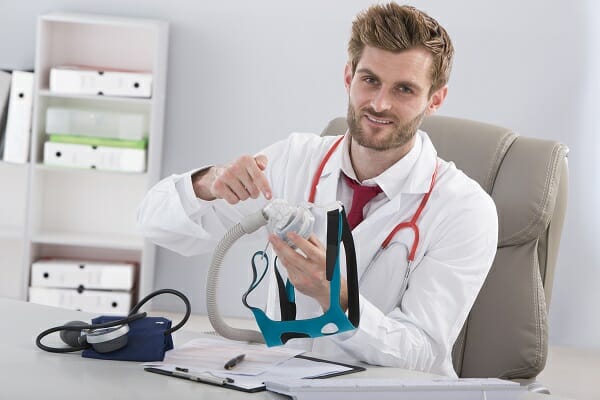
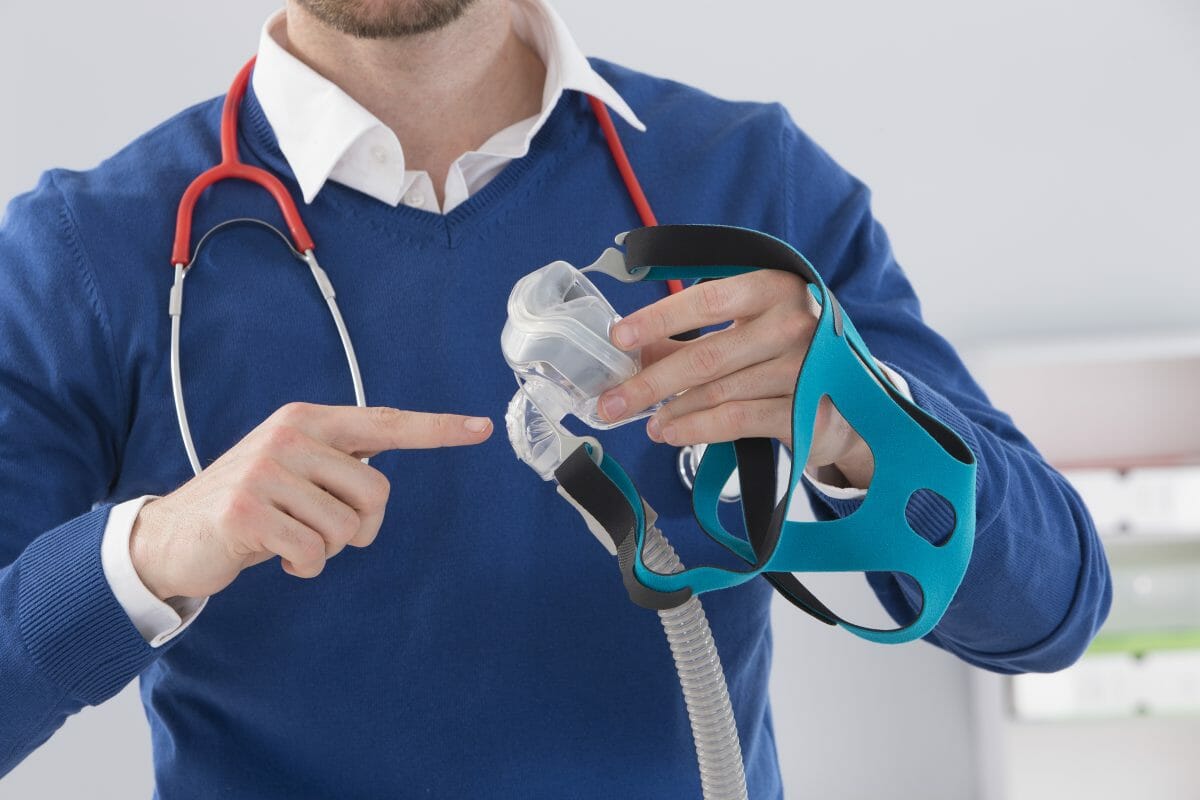
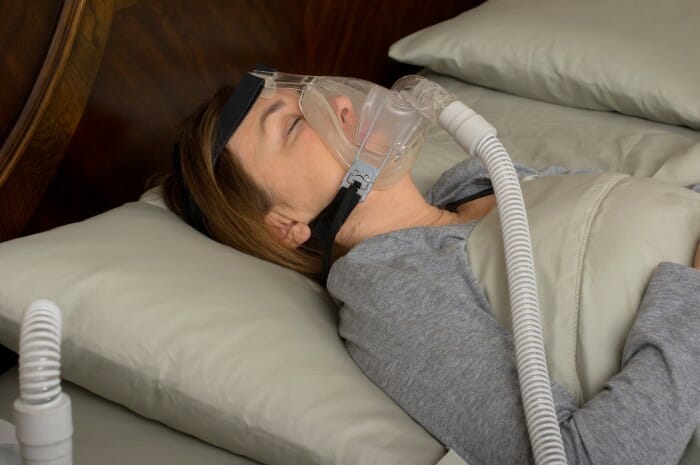
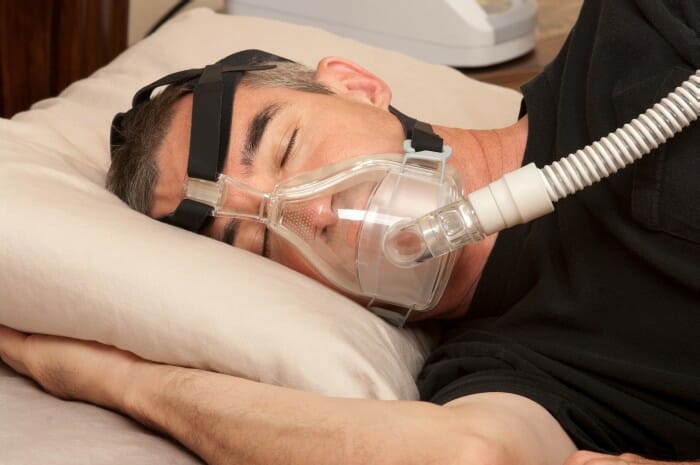
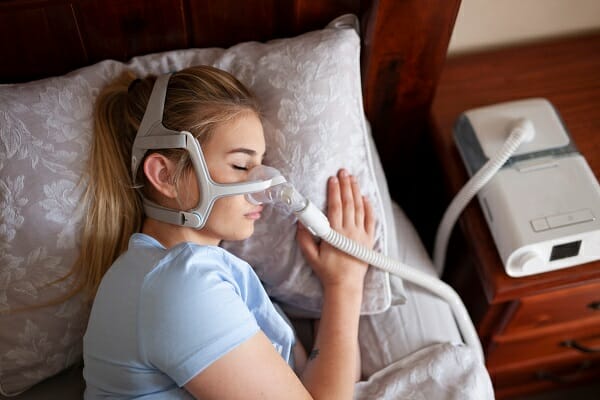
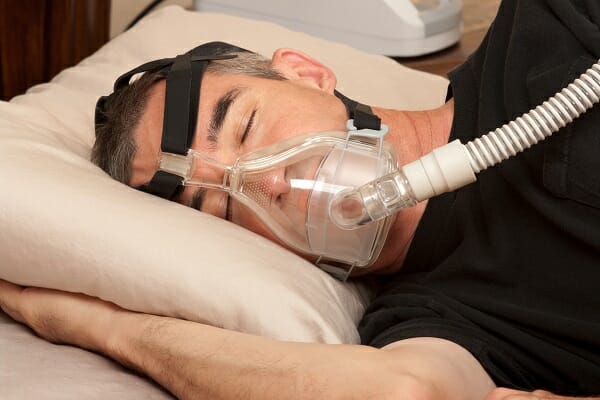
CPAP stands for continuous positive airway pressure. It is the most well-known treatment option for sleep apnea sufferers, but it may not be the best choice. This type of machine uses air to help keep your airway open at night, so you don’t have to struggle to breathe. You wear it over your nose, and it is attached to a mask that fits around your mouth.

Alternatives are not machines but adjustable oral appliances. They work in the same way as CPAP; adjustable pressure keeps your airway open while you sleep so you can enjoy deep sleep without struggling for breath. They are worn over your teeth, much like a mouthguard used by athletes.

There are many pros and cons to both CPAPs and Alternatives, but dental patients should know that each can be effective in treating sleep apnea-related conditions. Let’s take a closer look at these alternatives so you can make an informed decision about what is best for your sleep and health.

Why should I consider CPAP alternatives?

Alternatives are not as cumbersome as regular CPAPs, so they may be a better option if you can’t handle wearing a machine over your nose all night long. They are also adjustable, unlike traditional machines that offer only one level of air pressure. Many people find the adjustable nature of these appliances to be a better treatment option because they can fine-tune them to achieve comfort and effectiveness with fewer side effects.

Patients with dental work may also benefit from using Alternatives. If you have a crown or other type of dental restoration, this type of machine may be preferable.

Alternatives are also far less expensive than the traditional CPAP machines, which is another reason why patients should give them serious consideration when deciding on treatment. Many insurance carriers will not cover the cost of a sleep apnea machine, but they might help pay for an oral appliance since full coverage can lower your long-term medical expenses.

What should I expect if I choose CPAP alternatives?

The first step is to see your dental sleep apnea specialist and get a proper diagnosis of your sleep apnea condition. Your dental sleep apnea specialist can then help you decide between alternatives and traditional CPAP machines. Dental patients often prefer the sleep appliance route because of its lower cost and adjustable design, which is tailored for comfort and effectiveness.

If you ultimately decide on an alternative, your dental sleep apnea specialist will fit you for the appliance. You can choose from a complete or partial device depending on your preference, but both are equally effective in treating sleep apnea-related conditions.

If you or someone you know is experiencing persistent or acute pain in the face or jaw, we invite you to set up a consultation with one of our Orofacial Pain specialists in the NYC metropolitan area. Our office locations and contact information are below.
Categories
Sleep Apnea

Dental Sleep Medicine for a CPAP Alternative

Many dental sleep medicines are great alternatives if you struggle with CPAP therapy. CPAP therapy effectively treats obstructive sleep apnea (OSA) or pauses in your breathing while sleeping. However, it uses high pressures, loud noises, and potentially uncomfortable masks. For some people, this can make it even more challenging to fall asleep, affecting their quality of life. Furthermore, if it’s so undesirable of an option that patients are unwilling to use it, then their sleep apnea remains unresolved. Up to 50% of people who have tried CPAP do not use it frequently or adequately enough because of its discomfort.

What is obstructive sleep apnea?

OSA is a disorder in which you have intermittent pauses in breaths throughout the night. This can cause poor quality of sleep and snoring. If you have OSA, you might feel constantly tired, even after sleeping for proper amounts of time. Symptoms related to this include headaches, irritability, dry mouth, and insomnia.

OSA is caused by the muscles in your throat relaxing. This closes your airway, decreasing the amount of oxygen in your bloodstream. Your brain will realize this and quickly wake you to get more oxygen into your body. You may not even remember waking up. The constant waking up throughout the night is what will cause your poor quality of sleep. It is important to seek treatment if you suffer from OSA.

What are other dental sleep medicine options?

If CPAP doesn’t work for you or you want to explore your options, there are plenty from which to choose. There are a couple of different dental appliances that you can use. They benefit from being easy, non-surgical options that are portable and often more comfortable than a CPAP machine.

One option is to use an appliance called a mandibular advancement device (MAD) that you wear when you sleep. It will push your bottom jaw forward into the proper position to open your airways and eliminate snoring. It works by pushing your tongue and other muscles forward with your lower jaw. MADS can also have long-term benefits by strengthening the muscles involved. MADs use a combination of plastic pieces that resemble mouthguards and metal hinges.

Another option is to use a tongue retaining device (TRD), sometimes called a dental splint. This works similarly to the MAD, but instead of pushing the jaw forward, it just holds your tongue forward. It is also made entirely of plastic. For some people, this works better, but other people find them more uncomfortable. Ultimately, it is a matter of personal preference.

Yet another dental sleep medicine option is to retrofit your CPAP machine with a MAD so you can use both in conjunction. Doing so will allow you to use your CPAP machine at a lower pressure. If CPAP machines are entirely intolerable for you, this is probably not a great option, but this might be ideal for people who find them mildly uncomfortable or just too strong.

Call your dentist

If you have been diagnosed with a sleep disorder, it is important to contact your dentist. Many of the treatment options for sleep conditions can have a major impact on you and your partner. Instead, many dental options are effective, but less disruptive. Contact your dentist today to see if dental sleep medicine is an option for you to consider.

If you or someone you know is experiencing persistent or acute pain in the face or jaw, we invite you to set up a consultation with one of our Orofacial Pain specialists in the NYC metropolitan area. Our office locations and contact information are below.
Categories
Sleep Apnea

How Does an Oral Appliance for Sleep Apnea Work?

Sleep apnea is a serious sleeping disorder that is treated using oral appliance therapy. It occurs when your regular breathing is interrupted when you are sleeping. Sleep apnea affects people of all ages. If a person does not seek treatment for the condition, it can lead to several health problems, including high blood pressure, heart problems, stroke, diabetes and depression. However, this treatment is not suitable for every person with obstructive sleep apnea (OSA). People are often advised to always consult a qualified doctor to find out if an oral appliance will help and if they are good candidates for them.

Oral appliance therapy

OSA, a common type of sleep apnea, happens due to a blockage of the airway, often when the soft tissue at the back of a person’s throat ends up collapsing during sleep. Oral appliances are a good option for people who have mild or moderate OSA or snoring. These devices can hold the tongue in place to ensure that the airway remains open during sleep. A patient is supposed to place the dental device into the mouth at night just before going to bed. It should be worn while sleeping and taken out when a person wakes up.

Oral appliances

Oral appliances can effectively pull or push the lower jaw forward. This helps ensure that the tongue will not block the airway. It basically reduces the likelihood of the tongue obstructing the airway when a person is sleeping and the risk of snoring. These devices have helped many people deal with snoring problems.

How to make sure an oral appliance is working

If an oral appliance is working well, a person will sleep better and have more energy. An oral appliance may improve symptoms of OSA like daytime sleepiness, fatigue, moodiness and trouble concentrating. A repeat overnight sleep study offers a good way of figuring out if an oral appliance is helping a patient. This should be carried out with the dental device in place. If the results of the study are good, a patient will be advised to continue using the oral appliance. In a case where the symptoms return, a person should schedule an appointment with either the doctor or dentist.

Effectiveness

Treating OSA using oral appliances can help a patient’s sleep problem. Oral appliances are usually effective when a person has moderate or mild sleep apnea. These devices help patients by improving symptoms associated with OSA. However, not every patient can get the same benefits from oral appliances. For these patients, other treatment options are needed.

Takeaway

Oral appliances can help shift and support the jaw in order to ensure the airway does not collapse. Keeping your throat open can help relieve your sleep apnea. Treating your obstructive sleep apnea and snoring can improve your quality of life especially if you continue wearing the oral appliance. With the help of your dentist, you can improve your sleep and your overall health. If you suspect you have sleep apnea, talk to your dentist or doctor for more information.

If you or someone you know is experiencing persistent or acute pain in the face or jaw, we invite you to set up a consultation with one of our Orofacial Pain specialists in the NYC metropolitan area. Our office locations and contact information are below.

Categories
Sleep Apnea

Sleep Medicine Treatment FAQs

Finding out one’s sleep medicine treatment options is one of the first steps to take after receiving a sleep order diagnosis. Sleep disorders not only prevent one from getting enough sleep, but they also interfere with sleeping patterns, reducing quality sleep. Ongoing sleep deprivation can lead to physical and mental health problems.

Sleep deprivation

Learning about sleep medicine treatments is essential because when one is deprived of sleep, they may experience one or more physical and/or mental problems. Sleep deprivation can lead to one or more of the following problems: memory problems, mood changes, difficulty concentrating, high blood pressure, a weaker immune system, weight gain, a lower sex drive, poor coordination and a higher risk of being diagnosed with diabetes and heart disease.

According to Healthline, a good night’s sleep is incredibly important for your health. In fact, it’s just as important as eating healthy and exercising.

FAQs

The list below includes frequently asked questions that people have regarding the treatments available for addressing common sleep disorders.

What are popular treatments for sleep disorders?

Commonly treatment options for addressing sleeping problems include using a CPAP machine, undergoing behavior modification therapy, taking certain types of prescribed medications and losing weight under the guidance of a professional. Surgery is the last option when other treatments have not proven to work.

How does CPAP treatment work?

CPAP is a sleep medicine treatment option that delivers a constant flow of air while someone is sleeping. The air is delivered through a tube attached to a mask that needs to be worn by the patient. The pressure of the airflow helps keep the airway open, allowing patients to breathe easier. The most common sleep disorder a CPAP machine treats is sleep apnea.

What are risk factors for getting a sleep disorder?

While anyone can be diagnosed with a sleep disorder, there are certain risk factors that one may have that can increase their chances of having a sleep disorder. These risks include but are not limited to being over the age of 40, being a woman, being overweight and being diagnosed with one or more medical problems, e.g., high blood pressure, depression, anxiety, etc. While some factors, like age, cannot be changed, other factors like losing weight can be addressed.

Got more questions?

The fact that sleep deprivation can lead to one experiencing physical and mental problems makes it essential for those diagnosed with a sleep disorder to find a treatment option that works for them.

If you or someone you know is experiencing persistent or acute pain in the face or jaw, we invite you to set up a consultation with one of our Orofacial Pain specialists in the NYC metropolitan area. Our office locations and contact information are below.

Categories
Sleep Apnea

A Sleep Medicine Professional Discusses Sleep Aids

A sleep medicine professional is someone who has decided to focus on preventing, diagnosing and treating sleep disorders. Those dealing with sleeping problems can visit this type of health care professional in order to get the guidance and direction they need. Sleep disorders can be mild or severe.

About sleep disorders

Visiting a sleep medicine professional gives someone who is having trouble sleeping the ability to not only get a proper diagnosis but also understand their treatment options. While sleep disorders can affect anyone, those who are women, are overweight, have been diagnosed with a medical condition and are over the age of 40 are more likely to have a sleep disorder. According to WebMD, sleep problems, including snoring, sleep apnea, insomnia, sleep deprivation, and restless legs syndrome, are common.

Sleep aids

The list below includes three popular sleep aid treatments for those who have been diagnosed with a sleep disorder.

CPAP machine

CPAP machines are designed to provide sleep disorder patients with a constant flow of air, allowing them to breathe easier during the night when sleeping. Continuous Positive Airway Pressure machines are most often used to treat sleep apnea patients, as this particular sleep disorder is one that tends to block one’s airway, causing them to stop breathing many times throughout the night. It is also used to treat patients who are diagnosed with snoring problems.

Oral appliance

An oral appliance is a type of sleep aid that fits inside of a patient’s mouth with the goal of preventing their airway from closing while sleeping. When the airway becomes blocked, it interferes with one’s ability to properly breathe during the night, causing sleeping problems. Examples of oral appliances available to improve one’s ability to breathe easier include custom-made mouth guards, tongue-retaining devices and mandibular repositioners.

Medical treatment

Sometimes a patient will need to undergo medical treatment in order to address their sleep disorder. The type of medication that one will need will depend on their particular disorder, as well as how minor or how severe it affects them. Examples of medications used as a sleep aid include sleeping pills, melatonin supplements and allergy medications. Medical treatments may also require one to undergo a surgical procedure to address any medical problems that can cause one to be diagnosed with a sleep disorder.

In need of sleep aids?

The three sleep aids listed above are commonly used, making trying one or more of them a great idea for those who are suffering from sleep problems. If none of the above aids work, additional treatment options are available. Visit a medical professional to learn more.

If you or someone you know is experiencing persistent or acute pain in the face or jaw, we invite you to set up a consultation with one of our Orofacial Pain specialists in the NYC metropolitan area. Our office locations and contact information are below.

Categories
Sleep Apnea

A Sleep Medicine Dentist Explains How Weight Loss Can Help With Sleep Apnea

Sleep apnea is a common sleep disorder among overweight or obese people. A person with this condition often wakes up with a terrible headache and daytime tiredness. This results from pauses in breathing while sleeping and inadequate sleep. If you want to know how losing weight can help with your sleep apnea, here are explanations from a sleep medicine dentist.

What sleep apnea is

This is a condition in which the person stops breathing while asleep. This pause can last for seconds or minutes. It can affect a person’s health in a negative way. Inadequate sleep results from waking up gasping for air. This can happen several times during the night.

The person then suffers from daytime sleepiness and exhaustion. Morning headaches are also common in people with this condition because of the lack of brain oxygenation. It can also result from frequent sleep interruptions. These terrible head pains are not part of a healthy lifestyle.

Its connection to excess weight

Research shows that there is a connection between this sleep disorder and obesity. People with excess weight tend to suffer from this condition more. A thorough physical examination can determine if the overweight person is at risk or already has sleep apnea. Measurement of the neck circumference is one way to check. A neck circumference of at least 16 inches in women and 17 inches in men will increase the risk for this condition.

Its connection to weight loss

Studies show that it is possible to correct sleep apnea with weight loss in some patients. A person’s anatomy often affects this part of the treatment. Someone with prominent tonsils, a receded chin, or a deviated septum will still cause this condition to persist despite weight loss. Even so, losing weight will give anyone many health benefits. This may include the improvement of some sleep apnea symptoms.

Research proves that this sleep disorder can slow down a person’s metabolism. Inadequate sleep and improper oxygenation affect the balance of hormones in the body. This then results in a slow metabolic rate. Controlling sleep apnea can help ensure weight loss. A sleep medicine dentist can help make this happen.

How losing weight can help correct sleep apnea

A healthy weight can help improve the symptoms of this sleep disorder. Excess weight tends to form fatty layers in the tongue and neck. This obstructs the person’s breathing, especially while sleeping. Weight loss cuts down the fatty deposits in these areas. This improves the person’s breathing by increasing airway traction and lung volume. These events prevent airway collapse during sleep.

Losing a significant amount of weight can reduce irritability and daytime sleepiness. It can lower insulin resistance and blood pressure. Diet and lifestyle changes through clean living can help the person lose weight and treat sleep apnea. Some people need additional help through medication or even surgery. A dialogue between the patient and the sleep medicine dentist is ideal. It can help determine which weight loss remedy can help the patient most.

Weight loss can help improve your sleep apnea symptoms

Excess weight can cause obstructions in your upper air passages. It is a common cause of breathing pauses while you sleep. This results in many health disorders. Losing weight can help correct sleep apnea symptoms. An appointment with your sleep medicine dentist can answer more of your questions about this particular disorder.

If you or someone you know is experiencing persistent or acute pain in the face or jaw, we invite you to set up a consultation with one of our Orofacial Pain specialists in the NYC metropolitan area. Our office locations and contact information are below.
Categories
Sleep Apnea

The Role of a Sleep Medicine Trained Dentist with Treating Sleep Apnea

The growing number of sleep apnea cases needs the collaboration of health care professionals. Several treatment options are now available for people suffering from this sleep disorder. Your specially trained dental care professional can help you along the way. If you want to find out what role a sleep medicine dentist has in treating sleep apnea, here are the details.

The role of a sleep medicine-trained dentist

Dentists and doctors work together to address sleep apnea. A dentist well-trained in sleep medicine is crucial in diagnosing and treating patients with breathing disorders during sleep. A thorough dental check allows the dentist to ask about the patient’s complete medical history. The dentist could then pinpoint the symptoms. This could then result in a referral to the right doctor.

The patient will have a sleep test after a full physical exam and diagnosis. The dentist will help check if the most effective solution would be an oral appliance. A sleep medicine dentist can give the patient the right oral appliance. The device will be custom-fit. The dentist will update the doctor on the patient’s progress. This will ensure the most optimal treatment for the patient.

What dental sleep medicine offers

This focus of dental sleep medicine is the treatment of sleep apnea and loud snoring. Dentists with sleep medicine training work with clinicians and doctors to find the right treatment plan. A sleep medicine dentist helps in the management of the patient’s OSA(obstructive sleep apnea) symptoms and snoring. Using OAT (oral appliance therapy) is an effective way to correct the condition.

A dentist can offer a tongue-retaining mouthpiece if the patient has minimal jaw flexibility. This oral appliance keeps the tongue from dropping into the air passage while the person sleeps. It wraps around the tongue itself. That way, the appliance holds the tongue in place with a delicate suction.

Sleep medicine dentists can also recommend a MAD (mandibular advancement device). This oral appliance looks like an athletic mouthguard. It can fit over the lower and upper teeth. The two trays stay in place with the help of a hinge. A MAD holds the tongue in a forward position while sleeping at night. It also holds the lower jaw in place. The dentist can adjust the MAD to make it more effective and comfortable.

Using an oral appliance in sleep apnea treatment

The sleep doctor will suggest the use of a dental appliance. The recommendation will be based on the doctor’s treatment plan for OSA. The dentist with sleep medicine training will provide the oral appliance. Follow-ups will enable the dentist to adjust the oral appliance. The sleep medicine will then update the sleep doctor about the patient’s progress.

Sleep apnea is treatable with the collaboration of a sleep medicine dentist and a sleep doctor

Treating sleep apnea needs full attention from your sleep doctor and your sleep medicine dentist. This collaboration will give way to the proper fabrication and adjustments of the right oral appliance. Regular dental checks with your sleep medicine dentist can ensure optimal dental care. This will make sure the patient has a comfortable and effective sleep apnea treatment.

If you or someone you know is experiencing persistent or acute pain in the face or jaw, we invite you to set up a consultation with one of our Orofacial Pain specialists in the NYC metropolitan area. Our office locations and contact information are below.
Categories
Sleep Apnea

Benefits of Oral Appliance Sleep Medicine Treatment to Address Sleep Apnea

People with sleep apnea understand how this condition can disrupt lives and affect health. If you are suffering from the signs and symptoms of this illness, you should get help right away. A sleep medicine dentist can help. The dentist may prescribe an oral appliance, which can effectively open your airway and help you to breathe well once again. This treatment might make more sense for you than other interventions.

Understanding sleep apnea: the effects and the signs

When this illness is present, the person suffering from it will stop and start breathing throughout the night during sleep. This can occur because the brain fails to send signals to the respiratory system to breathe properly. Or, it can happen when there is an obstruction in the airway, preventing enough oxygen from getting into the body. If this disease is not addressed, it can cause cardiovascular problems and can even be fatal.

Oral appliance options

Many people think that wearing a CPAP machine or getting surgery are the only ways to combat sleep apnea. There are other choices, and a sleep medicine dentist can help patients choose what makes the most sense. The two most common are tongue depressors and mouthguards. A tongue depressor holds the tongue in place, keeping it from rolling to the back of the mouth and blocking the airway. A mouthguard will custom-fit the wearer and push the jaw down and forward. This opens the airway more and helps to prevent the sudden stopping of breathing at night.

Less equipment to worry about

While CPAP machines can work well to promote effective breathing, they are not always the right option. Some people struggle with them because of the amount of equipment they come with. With oral appliances to treat sleep apnea, patients do not have to deal with extra parts. These include hoses, cords, face masks, and other apparatuses the devices have. This can be especially beneficial when traveling or when going camping.

Adjustments when necessary

The dentist will not have difficulties adjusting the mouthguard or tongue depressor. There may be times when the appliances stop fitting well or are no longer working properly. All the patient has to do is make an appointment with the dentist and come in for another fitting. It may only take a few minor tweaks to the appliance to help it fit well once more. It is also not as difficult to replace a depressor or mouthguard if they break.

Cost-effective

In most cases, an oral appliance will not be as much of a financial commitment as a CPAP machine. This is also the case when comparing a mouthguard or a tongue depressor to having surgery. If finances are a concern, the patient should speak with the dentist about using mouth appliances to treat sleep apnea. Most insurance plans should cover using this treatment.

An effective difference

If you have concerns about using a CPAP machine or undergoing surgery, there are alternatives. Talk to your sleep medicine dentist about whether you are a good candidate for oral appliances. Wearing these at night could help you breathe well while you sleep. There are clear benefits to using this approach to fight sleep apnea.

Categories
Sleep Apnea

Sleep Apnea Treatment Options From a Sleep Medicine Dentist

Living with sleep apnea can be scary for both you and your family members. This condition is nothing you should dismiss or shrug off. If you have this issue, you repeatedly stop breathing in the night. The consequences can cause you not to get enough sleep at night. Worse, it could eventually lead to heart problems, including heart attacks or strokes. You should speak to your dentist right away about the most effective ways to treat this serious health condition.

The warning signs

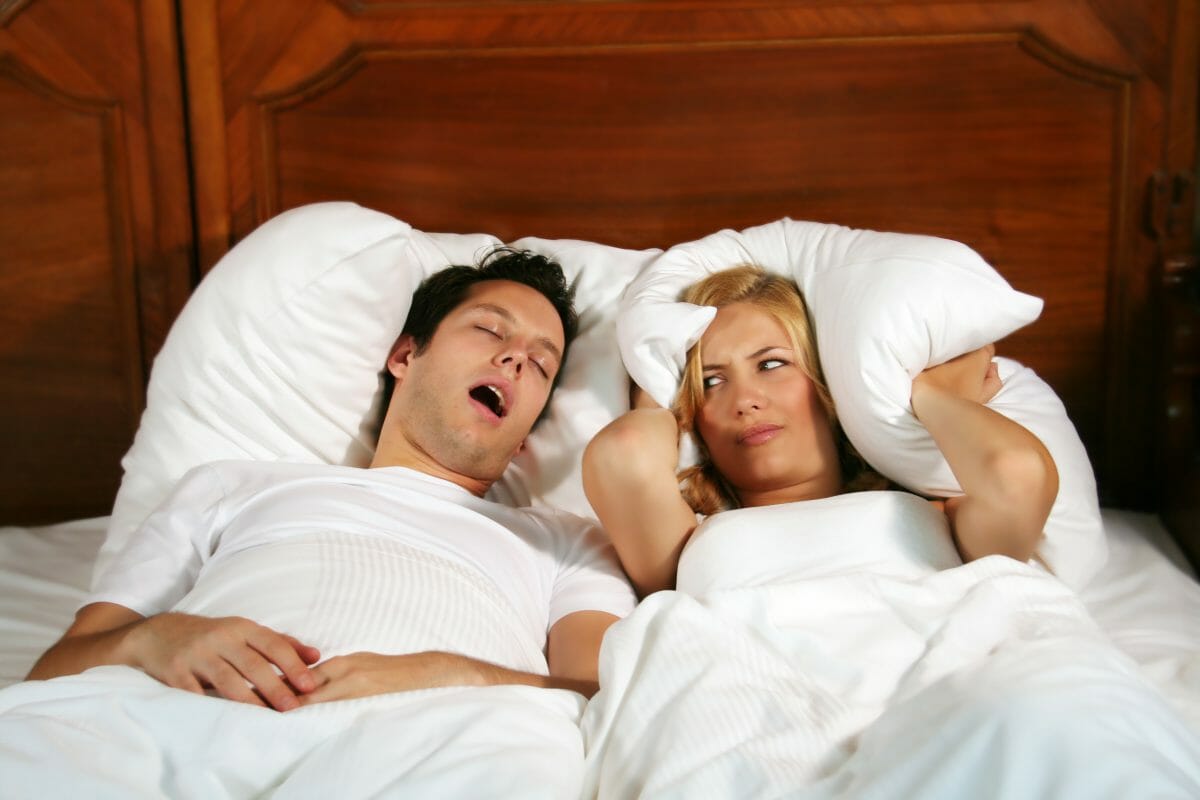
Determining that a person has sleep apnea does not have to be guesswork. There are some clear signs that an individual might be struggling with this disease. One of the most obvious is snoring, which a bed partner could readily point out. Snoring occurs when relaxed or enlarged muscles or tissues in the mouth or throat are preventing proper airflow. The restricted air vibrates as the person tries to breathe.

Other signs are effects of waking up several times in the night as the person stops breathing and suddenly restarts. These include irritability and being short-tempered. A person with sleep apnea may also be exhausted the next day or have trouble focusing. High blood pressure can also be a result of this condition.

Meeting with the dentist

Before taking any treatment action, an individual should consult a sleep medicine dentist. This professional has the knowledge and training to make a proper diagnosis. The dentist will examine the patient and will take X-rays of the mouth and throat to identify airway blockage. This examination enables the dentist to prescribe the right treatment.

Treating sleep apnea with a mouthguard

When people think of dental appliances, they might think of devices to hold teeth in place or to prevent teeth-grinding. Such an apparatus can also treat sleep apnea. The dentist can custom-make a mouthguard to fit over the patient’s teeth and push the jaw down and forward. This will open the airway and allow for more airflow while the person sleeps. The dentist can adjust the mouthguard as necessary.

Tongue depressor

Another way in which a person’s airflow has blockage is when the tongue rolls to the back of the mouth. This can make it difficult for oxygen to get into and out of the airway. A tongue depressor holds the tongue in place during sleep. The patient should only wear it when they are sleeping.

Surgeries

When mouth appliances are not enough to treat sleep apnea, surgery might be necessary. The dentist will determine what operations are necessary. These may include removing excess tissue or creating more room in the airway. Patients may have tonsils or adenoids removed. The dentist might have to trim other abnormally large tissues to improve the flow of air in the mouth.

Treat your condition now

Never put off a visit to the sleep medicine dentist if you are struggling with sleep apnea. The longer you wait, the more likely you are to experience serious problems. A device such as a tongue depressor or mouthguard could be just what you need to treat this condition. Talk to your dentist about what makes the most sense for you.

Categories
Sleep Apnea

Finding a Dentist Who is a Sleep Apnea Specialist

Sleep apnea is an under-recognized medical condition that can be diagnosed and treated by a sleep apnea specialist. Sleep apnea can lead to hypertension, heart disease, depression, and even death when sleep apnea goes untreated. Some dental sleep apnea specialists can prescribe appliances or oral mandibular advancement devices that prevent the tongue from blocking the throat or advancing the lower jaw. These devices are an excellent alternative for those who have trouble tolerating a continuous positive airway pressure machine.

What causes obstructive sleep apnea

There are three forms of sleep apnea, but the most common of the three is obstructive sleep apnea, and this is the form that a dentist who is an asleep apnea specialist can help you with. Obstructive sleep apnea causes the muscles in the back of your throat to relax too much. These muscles are there to support the tongue, tonsils, roof of your mouth known as the soft palate, and the teardrop-shaped piece of soft tissue that hangs down from the roof of your mouth, also known as the uvula.

When these muscles become too relaxed, it narrows your airway and brings about a pause in your breathing that will repeat itself during the night as you sleep. This often lowers the oxygen level in your blood and causes a buildup of carbon dioxide. When this happens, your brain senses the pause and briefly rouses you from sleep, alerting you to reopen your airway. This pattern might repeat itself up to 30 times per hour during the night, disrupting your sleep which is why you may feel sleepy during waking hours.

  • Observed episodes of stopped breathing during sleep
  • Waking abruptly while gasping for air or choking
  • Awakening with a dry mouth or a sore throat
  • High blood pressure
  • Feeling excessively sleepy during the day
  • Morning headache
  • Difficulty concentrating
  • Mood changes such as depression or irritability
  • Loud snoring

Your dentist can help with sleep apnea

Once a dentist who is also a sleep apnea specialist has decided you are a candidate for this treatment, he or she will make an impression of your teeth and have the device made. Later they will call you back for a fitting. When you are given the device, you will also be given a morning repositioner to realign your bite each time you remove the appliance.

Using the appliance will keep your airway open and allow you to get a good night’s sleep. Getting enough sleep is good for your heart and helps you control your weight. When you sleep better, you make less ghrelin which is the hormone that stimulates appetite, and you make more of the hormone leptin that reduces appetite. Sleep also improves memory and concentration. An added benefit is that your snoring will be reduced, and for anyone sleeping alongside you or within earshot, they will sleep better, and you will have the peace of mind that you are not just helping yourself but also the ones you care most about.

Categories
Sleep Apnea

5 Signs You Need to See a Sleep Apnea Specialist

If you are new to sleep apnea, it can be hard to tell if you need the help of a sleep apnea specialist. As a dental patient, you may be experiencing symptoms of sleep apnea without even realizing it. This is because many different symptoms can go unnoticed by the individual. However, if you have been feeling tired throughout the day and struggling to focus on your daily tasks, then this could mean that you need to see a Sleep Apnea Specialist for further evaluation. Here are five signs that your specialist may notice during your next appointment that might indicate that you should see a specialist:

1. Trouble staying asleep

Many people with this condition may go to bed and wake up in the morning without even remembering that they were awake during the night. This is because sleep apnea causes your brain to completely shut off when you’re sleeping, so you may not remember what happened when you were in a deep sleep. If this has been happening every night for longer than a few weeks, it may be time to talk to a specialist.

You feel tired throughout the day and find that you have trouble staying focused on daily tasks. If you find yourself yawning throughout the day or struggling to concentrate at work, then you might have sleep apnea. You must see a specialist as soon as possible to better diagnose the problem.

2. Snoring or gasping sounds while sleeping

If you or your bed partner has noticed that you’re making unusual sounds while sleeping, then this may also be a sign of sleep apnea. It could mean that your airway is obstructed because of the way that your tongue is positioned in your mouth. People with this condition may also breathe heavily or stop breathing altogether during the night, which means that your partner could notice these symptoms too. This is something that you should bring up to a specialist at your earliest convenience.

3. Fatigued throughout the day

If you don’t get enough sleep at night, then you’re more likely to be tired during the day and struggle with focusing on your daily tasks. This is very common for people who are suffering from sleep apnea because they’ll wake up several times throughout the night and not get enough rest. This is something that you should bring up to your dentist at your next appointment.

4. Trouble breathing while sleeping

Snoring is one of the most obvious symptoms when it comes to sleep apnea, but this isn’t the only symptom. People who suffer from this condition will also struggle to breathe while they’re asleep, which means you may have trouble waking up in the morning because you’ve slept for so long. If this sounds familiar, then it’s time to talk to a specialist about your symptoms as soon as possible.

5. Sore throat in the morning

Your dentist may notice that you’re having trouble waking up because you’re sleeping with your mouth open, which means that your airway is obstructed when you’re sleeping. This also means that your throat will become sore when you wake up in the morning because of how long it has been since anyone has given it a break. If your dentist notices this, then it’s time to talk about your symptoms with a specialist as soon as possible.

If you’ve noticed that you’re fatigued throughout the day and struggling to stay concentrated on tasks at work or school, then it might be time to talk to a sleep apnea specialist about your condition. This is because fatigue and lack of concentration are both symptoms of sleep apnea, which is why many people may not know that they have the disorder. If you feel tired throughout the day, this could be a sign that your airway has been obstructed while you’re sleeping.

These are just a few of the most common signs that you may be suffering from sleep apnea and need to see a specialist. If you feel like any of these symptoms could apply to you, then make an appointment with your dentist as soon as possible, and they will give you the diagnosis and treatment that you need.

Categories
Sleep Apnea

Sleep Apnea in Children

Looking for information on the topic of sleep apnea? This dental-related condition can affect both children and adults, and because it can be quite serious, getting treatment as soon as possible is necessary. According to the American Academy of Dental Sleep Medicine, oral appliance therapy is an effective treatment option for snoring and obstructive sleep apnea.

Oral appliance benefits

Understanding the benefits that come with each sleep apnea solution is a great idea. These benefits are especially important for children who have been diagnosed with this common sleeping condition, as it is often more difficult to treat children vs. adults. These benefits include but are not limited to: being comfortable to wear and being easy to wear, use and care for.

How sleep apnea can affect children

Children who suffer from sleep apnea are not getting the sleep they need during the night, which will affect them during the day. Common ways that this sleeping disorder can negatively affect children include feeling tired throughout the day, performing poorly in school, potential bedwetting problems and even learning and behavior disorders. This makes it essential for parents to pay close attention to their child, as their behavior could be due to them not getting enough sleep during the night.

Causes and risk factors

The most common cause of sleep apnea in children is due to enlarged tonsils and adenoids. While the most common cause of sleep apnea in adults is due to obesity, it is less common for children who are obese to be diagnosed with this common sleeping disorder. Risk factors that can increase a child’s chances of being diagnosed with sleep apnea include finding out that they have cerebral palsy, Down syndrome, sickle cell disease, neuromuscular disease, face abnormalities and a family history of sleep apnea.

Treatment options

There are a few different treatment options available for children who have been diagnosed with this sleeping disorder. These include using oral appliances in order to open up the child’s upper airway, using a CPAP machine to keep their airway open, removing their tonsils and adenoids and prescribing certain medications that are proven to help children diagnosed with a mild case of sleep apnea.

In need of a diagnosis?

Parents who believe their child might have sleep apnea need to make an appointment with their primary care professional in order to get a proper diagnosis. If a child is diagnosed with sleep apnea, then the primary care professional will work with dental professionals in order to find the optimal solution.

Categories
Sleep Apnea

What Can Happen if Sleep Apnea Goes Untreated?

Sleep apnea is a medical condition that affects a lot of people each night. The symptoms can cause serious problems for patients if they go ignored. Some of the symptoms include snoring, shortness of breath or an inability to breathe throughout the night.

Want to learn more about sleep apnea? In this article, we discuss what can happen if it goes untreated. This information is important to take note of, especially for patients who believe they are suffering from sleep apnea. Any symptoms should be immediately addressed by a dentist who can administer treatment.

What can happen if sleep apnea goes untreated?

Below, we outline what can happen if sleep apnea goes ignored. Keep reading to find out more!

High blood pressure

When a patient experiences apnea while asleep, it typically causes their blood oxygen levels to plummet. When this occurs, the blood pressure increases significantly, which can cause strain on the entire cardiovascular system. In the long term, if sleep apnea goes untreated, the high blood pressure can result in irreparable damage to the entire cardiovascular system.

Fatigue

One of the most obvious things that can happen when sleep apnea goes untreated is fatigue. Most patients who suffer from this condition do not get a good night’s sleep. Repeatedly waking up in the middle of the night due to the airway becoming obstructed can become very disruptive. Long-term, fatigue can cause problems with the patient’s personal and professional life. Outside of that, the patient’s health can become at risk. Sleep is important and without it, the body will not function the way that it is supposed to.

Headaches

Another long-term result of untreated sleep apnea is headaches. These can occur on a frequent basis even when sleep apnea first begins. Headaches can also cause severe problems for a patient’s personal and professional life. They may inhibit a person from performing necessary tasks such as work or caring for their families.

Memory problems

Sleep apnea is also known to cause memory problems for patients who do not undergo treatment. When a patient’s sleep is repeatedly disrupted by the obstruction in their airway, it is likely that they will become fatigued. Fatigue can lead to short-term memory loss, which could eventually turn into long-term. Over time, if the sleep apnea is not treated, the patient’s memory could suffer severely.

Sleep apnea treatment

It is important to have symptoms of sleep apnea diagnosed and treated by a medical professional. The information provided in this article only outlines some of the possible things that could happen; there are many other conditions that could develop as a result of untreated sleep apnea.

If you have questions or concerns about treating sleep apnea, then reach out to our office so that we can help you. Our team can go over your symptoms and help determine what type of treatment route is best for you.

Categories
Sleep Apnea

FAQs About Sleep Medicine Oral Appliance Treatment for Sleep Apnea

Sleep apnea is a serious condition that can be fatal if not treated effectively. The longer you wait to address this issue, the biggest risks you will have. You could develop other health problems, including cardiovascular troubles. Fortunately, there are ways that you can treat this illness and overcome its symptoms. Your dentist may recommend wearing an oral appliance while you sleep. Before you start this treatment, the dentist will explain what will take place and what the benefits will be.

Avoiding sleep apnea

Certain types of people have a higher risk of developing this disease than others. Lifestyle factors can play a role, so there are things people can do to stay away from this condition. Obesity and being overweight increase a person’s chances of having the illness. Exercising and eating right can control weight effectively.

Limiting or avoiding alcohol will also help to prevent sleep apnea. Not smoking will also remove risk factors. However, age and genetics can also contribute to having this condition. So, for some people it is difficult or impossible to stay away from.

The dentist is a good resource

Many people think first of a sleep doctor or a general physician to treat sleep apnea. While these health professionals can diagnose the condition and treat it, a dentist will usually take a different approach. Doctors often turn to CPAP machines or surgery to improve airflow. However, the dentist prefers oral appliances. To decide whether this makes sense for the patient, the dentist will examine them, looking for blockage in the airway due to excess tissue in the mouth or throat. The dentist can custom-make an oral device that fits over the person’s jaw.

Worn only during sleep

Unlike dentures, retainers, or other common oral appliances, apparatuses to treat sleep apnea are for sleep time use only. The patient will put in the appliance before going to bed. A tongue depressor holds the tongue in place, keeping it from moving to the back of the mouth and blocking the airway. A mouthguard pushes the jaw down and forward, opening the airway more and preventing the restriction of airflow.

Not as invasive

CPAP machines can be effective at opening the airway and promoting proper breathing during the night. Many people do not prefer this treatment for sleep apnea, though, because it includes a lot of equipment. With an oral appliance, the wearer will not have to worry about machinery and extra cords and hoses. Storage and transportation is a non-issue with oral appliances. People who are camping or traveling can enjoy these benefits.

Talk to the dentist

You should pay attention to the signs and symptoms of sleep apnea. If you believe you have this condition, make an appointment with your sleep medicine dentist right away. After a thorough examination, the dentist can confirm the diagnosis and begin treatment. By wearing an oral appliance while you sleep, you can open the previously blocked airway and breathe well at night once again. As a result, you can avoid many of the health problems that this condition can cause.

Categories
Sleep Apnea

How Sleep Apnea Can Affect Your Health

Sleep apnea is a sleep condition that causes one’s breathing to pause recurrently and temporarily during sleep. Once breathing stops, the brain forces the body to wake up and continue breathing. The sleeping disruption prevents good sleep and causes you to feel drowsy and tired during the day. Daytime sleepiness is not the only consequence of sleep apnea; without treatment, it can lead to other health complications, such as cardiovascular disease and diabetes.

The health effects of sleep apnea

Sleep apnea occurs when there is a blockage in the air passages while sleeping. When breathing stops momentarily, the person might produce a loud snort or wake up with a choking feeling after the brain initiates the wake-up alert. Several health conditions have been associated with sleep apnea. These conditions, coupled with the effects of sleep deprivation, can be detrimental to body systems.

High blood pressure

Sleep apnea can worsen hypertension in patients. Poor sleep and recurrent wakeups at night stress the body. The blood pressure level rises when the hormone system is poorly regulated. The blood’s oxygen levels drop with continuous breath stoppage, which can be as many as 100 times in an hour, lasting for more than 10 seconds in each episode. Visiting the sleep apnea specialist for treatment can help manage blood pressure.

Cardiovascular issues

Sleep apnea can also contribute to heart attacks. Scientists believe that this is due to low oxygen levels and stress from waking up repeatedly. It can also cause stroke and atrial fibrillation. The condition compromises oxygen delivery to the body, making it harder for the brain to manage blood flow in the arteries and the brain.

Diabetes

This condition is prevalent among people with diabetes. Sleep apnea can increase the risk of developing insulin resistance, which affects how the body processes insulin. When the body does not absorb insulin normally, patients can develop type-2 diabetes.

Weight gain

Gaining extra weight can increase the risk of sleep apnea. The condition can make weight loss efforts harder and unsuccessful.

Accidents

Sleep deprivation causes daytime drowsiness. One can drift into sleep behind the wheel. Sleep apnea patients are at a higher risk of accidents.

The need for treatment

Undergoing treatment at the sleep dentist’s office can help patients get a good night’s rest. It has many health benefits besides waking up in the morning feeling invigorated. Good sleep improves cognitive functions and reduces the risk of health complications. The sleep dentist can screen patients for sleep apnea through a sleep study. After a diagnosis, they will discuss treatment options to keep the airways open during sleep.

In conclusion

Sleep apnea can make a night’s sleep feel like a futile effort and can increase the risk of many health conditions that affect major body systems, from the endocrine and digestive to the nervous, respiratory, and cardiovascular. Treatment options typically include dental appliances and continuous positive airway pressure devices, which ensure constant airflow to the lungs during sleep.

Categories
Sleep Apnea

Get  Sleep Apnea Treated at a Sleep and TMJ Center

As uncommon as most people think it is, sleep apnea actually affects people every day. While a lot of people that experience sleep apnea think that there isn’t hope for themselves, there actually is. With the help of a sleep and TMJ center, a person can receive the treatment that they need in order to help with their sleep apnea.

In this article, we discuss getting sleep apnea treated at a sleep and TMJ center. For those who suffer from sleep apnea, being aware of what to expect from treatment can be helpful. Sleep and TMJ centers aim to treat people that suffer from all types of sleeping problems including apnea.

Sleep apnea

What is sleep apnea?

While the people that experience sleep apnea are very familiar with what it is, a lot of people aren’t aware because sleep apnea may not ever affect them. However, being aware of what it is can be helpful for those who are curious or who are concerned about someone they know.

Sleep apnea is a serious disorder that affects someone while they are asleep. One’s breathing will repeatedly stop and start which can cause a lack of oxygen to the body. People that experience sleep apnea may stop breathing up to one hundred times in one night.

How is sleep apnea treated?

There are many different ways that a person can treat their sleep apnea. Often times, a person’s doctor will recommend physical exercises or airway management. However, someone that has a severe case of sleep apnea may not find that self-care remedies help. And, if these initial attempts of care don’t work then it is likely that a visit to a sleep and TMJ center will be helpful.

Sleep and TMJ centers for sleep apnea

What to expect

When a person visits a sleep and TMJ center for their sleep apnea, it is likely that they are attempting to receive treatment for this dangerous condition. And, a sleep study will likely be conducted to determine how bad the sleep apnea is.

During the sleep study, a professional will monitor a person throughout the night when they are asleep. Additional equipment may be used to monitor the person’s breathing habits as well. Having a sleep study conducted will allow the professional to determine what type of treatment is necessary.

The treatment process

Treatments for sleep apnea range depending on how severe a person’s sleep apnea is. At a sleep and TMJ center, a professional may recommend the use of an oral appliance that can help regulate breathing. Oral appliances can help the jaw to be positioned differently so that breathing is more even and steady,

Other options for treatment include breathing masks or positive airway pressure machines. Both of these treatment options can be monitored by professionals at the center to ensure that they help regulate breathing.

Talk with a sleep and TMJ center today

People that suffer from sleep apnea often feel hopeless but by talking to a sleep and TMJ center, they will likely be able to find ways to treat this harmful condition. It’s best to consult with a professional from one of these centers so that they can best help you.

If you have questions then reach out to our office so that we can help you further.

Categories
Sleep Apnea

Patient Quick Guide to Sleep Medicine

As its name implies, sleep medicine is the study, diagnosis and treatment of sleep-related disorders in children and adults. Restful, regular sleep is crucial to a healthy lifestyle, and a lack of quality rest can have a negative impact on the body physically, mentally and emotionally. Those who do not receive adequate rest are at an increased risk for several conditions, including diabetes, heart disease, obesity and kidney disease. Focus and memory can be seriously impaired and learning may become more difficult. Mood swings, depression and anger can also result from insufficient sleep. To avoid this myriad of unhealthy side effects, it is important for those who suffer from sleep disorders to seek evaluation from a medical doctor or board-certified sleep medicine dental professional.

The most common sleep disorders

Sleep apnea is one of the most common types of sleep disorders affecting Americans today. It occurs when breathing repeatedly stops and restarts during sleep. Insomnia is also relatively prevalent and involves frequent difficulty falling asleep and/or staying asleep. Other types of sleep disorders may seem less severe, but can still have a highly negative impact on health and overall well-being. Snoring, bruxism (clenching or grinding of the teeth) and even acid reflux can be considered serious medical conditions if they impact restful sleep.

Medical professionals involved in sleep medicine

People suffering from one of the many types of sleep disorders, regardless of perceived severity, should schedule an appointment for evaluation, diagnosis and treatment. Depending on the patient’s symptoms and medical history, a referral may be scheduled with one or several professionals who study and practice sleep medicine. These may include a dental specialist, pulmonologist, psychiatrist, neurologist or otolaryngologist (ear, nose and throat doctor/ENT). In many cases, several professionals will work as a team to develop a proper and well-rounded treatment plan for the patient.

Diagnostic and treatment procedures

When an individual reports trouble sleeping, several diagnostic procedures may be ordered to determine the cause and acuteness of the condition. Often coupled with blood work, a physical exam is typically performed to search for physical abnormalities or obstructions that could lead to impaired sleep.

Patients may be ordered to keep a sleep journal to record the frequency of specific symptoms and possible contributing factors, like dietary choices or stress. In some cases, a sleep study may be ordered to measure heart rate, oxygen levels, brain activity and body movement. Once a diagnosis is made, treatment plans could include medication or supplements, physical therapy, corrective devices and/or surgery.

Conclusion

Difficulty sleeping is common among all individuals at certain stages of life. However, if the difficulty persists and begins to impact quality rest and a healthy lifestyle, it is important to consult a board-certified sleep medicine specialist for evaluation. Ignoring the problem could result in a major decline in health as well as the development of a serious disease or condition. However, with a proper diagnosis and treatment, many people are able to enjoy regular, deep sleep.

Categories
Sleep Apnea

Common Sleep Medicine Treatments

With sleep medicine treatment, there is no universal solution. Like many other medical conditions, the right treatment plan for a person will depend on the diagnosed sleep disorder and certain factors specific to the patient. To overcome the challenges of sleep disorder, patients must be diagnosed and treated by a board-certified dental sleep medicine specialist.

Common treatments

The following are treatments often recommended for different forms of sleep disorder:

Medication

According to the National Sleep Foundation (NSF), medication is the most popular treatment for every major sleep disorder, except sleep apnea. Although the specific drugs for treating the disorders are different, it is common for meds to be used along with other methods of treatment. The following are major sleep disorders where drugs are the primary treatment option:

Insomnia: Hypnotics are the type of medication used for treating this sleep condition. They help induce sleep and keep people asleep.

Narcolepsy: Dental specialists prescribe stimulant medications to lower the effects of daytime drowsiness, while antidepressants are used to treat other narcolepsy symptoms, such as sleep paralysis and hypnogogic hallucinations. Patients dealing with narcolepsy may also get prescription meds to induce sleep and boost their sleep quality.

Periodic Limb Movement: Drugs are highly effective for treating this condition but are typically only recommended when another disorder is present.

REM Behavior Disorder: The dentist may recommend Clonazepam for managing this disorder. When it is not effective, other drugs may be prescribed to control behavior.

Restless Leg Syndrome (RLS): Some drugs are specifically made to treat RLS. They can also be combined with other medications that have been proven to reduce RLS symptoms.

Sleepwalking: Medications such as sedatives and antidepressants can help treat sleepwalking.

Cognitive-behavioral therapy

Many sleep disorders are closely associated with a behavioral pattern. Therefore, dental sleep specialists often recommend behavioral therapy as a form of treatment to help such patients manage their sleep problems. Therapy is often used for treating narcolepsy and insomnia but may prove beneficial for people dealing with other types of sleep disorders. It can help them develop coping mechanisms to handle the emotional and social consequences of battling a sleep disorder.

Sleep routines and sleep hygiene

Virtually anyone who has a diagnosis of a sleeping disorder can enjoy the benefits of adopting good sleep hygiene and forming routines that can help them get the sleep they need. Certain sleep disorders like insomnia can lead to anxiety about sleep. This can be controlled by developing a good routine.

Good sleep hygiene can also improve the symptoms experienced by sleepwalkers. Having a supportive sleep routine such as scheduled naps can be helpful for sleep disorders like narcolepsy.

Relaxation, exercise and meditation

Relaxation techniques are another form of treatment under sleep medicine that has proven effective for minimizing the symptoms of sleep disorders such as insomnia and RLS. Patients can also experience relief by practicing yoga, meditating and engaging in guided imagery exercises. Exercise, when done early in the day, is effective for improving sleep quality in people with sleep disorders. It can also reduce stress and improve sleep in insomniacs.

Final note

The sleep medicine treatments listed above are effective for treating many sleep disorders. To get help, reach out to a dental sleep medicine specialist for an appointment.