Manhattan

212-265-0110

White Plains

914-227-2305

Springfield, NJ

973-315-7830

Hauppauge

631-265-3136
Categories
Facial Pain Orofacial Pain TMJ

TMJ Hypermobility: Jaw Instability, Clicking, and Ehlers-Danlos Syndrome

When the issue is joint instability, not tightness

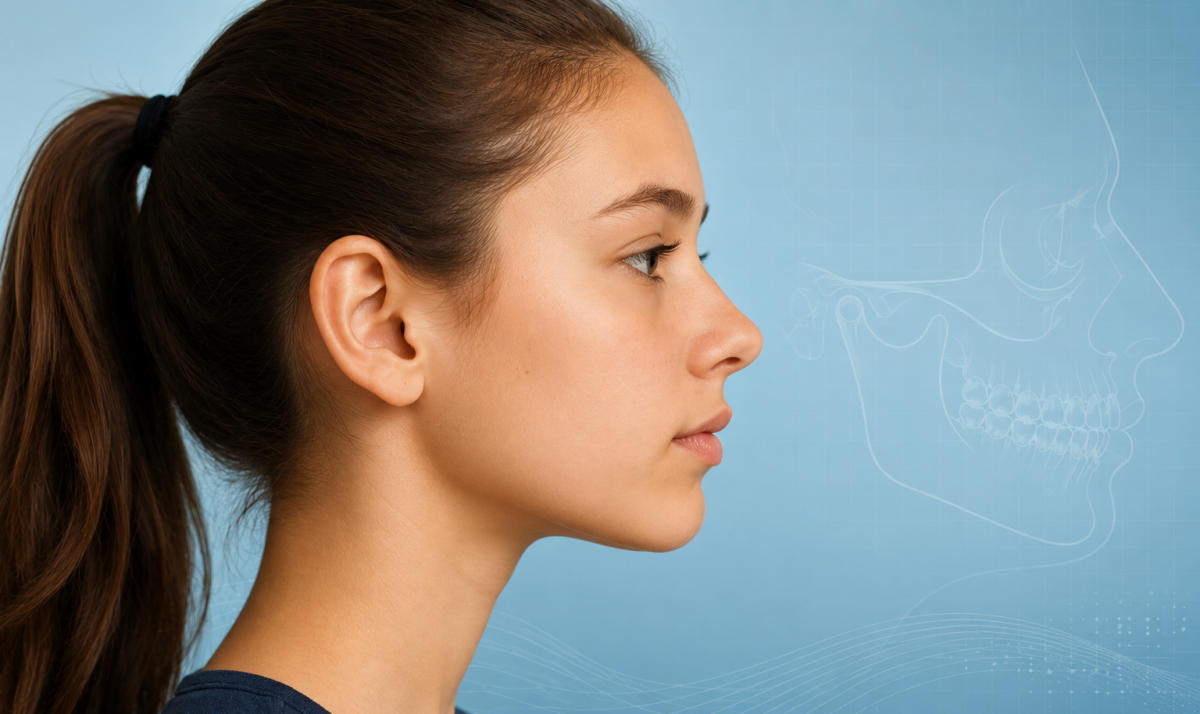
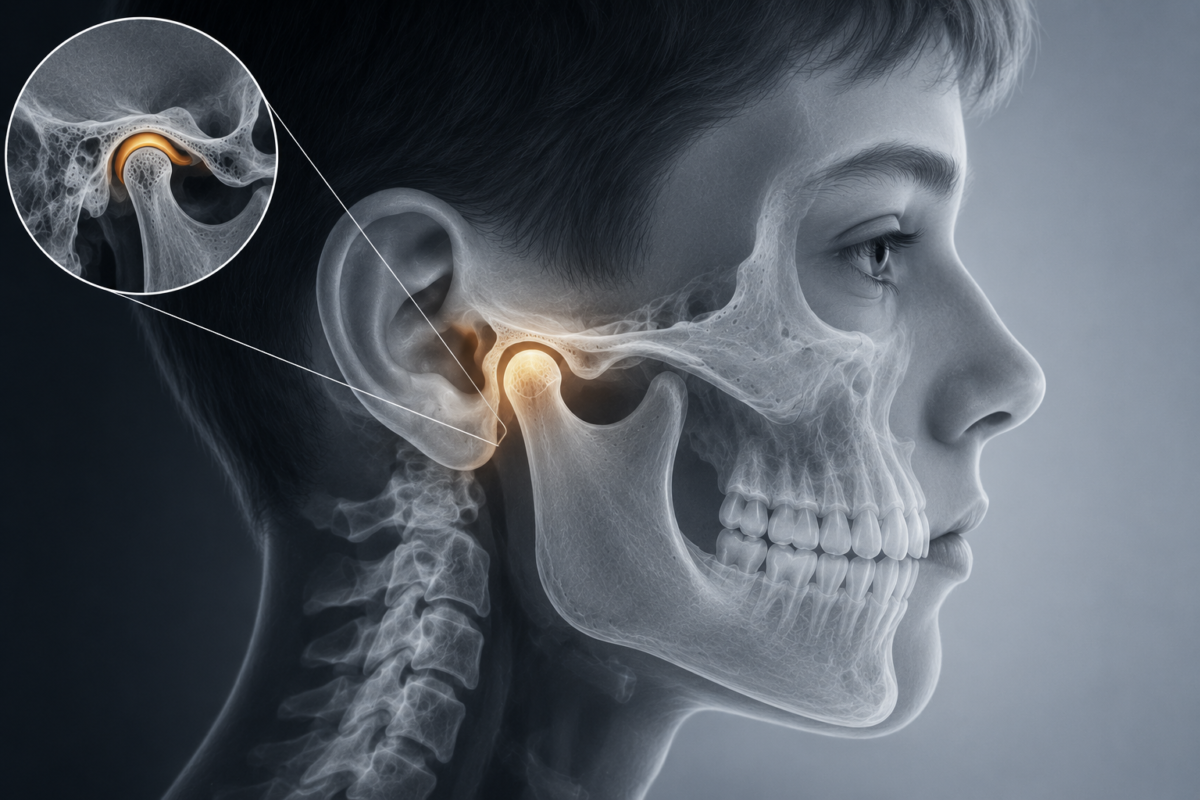
If your jaw opens very wide, clicks frequently, and feels loose or fatigued, TMJ hypermobility may be the underlying cause. This type of TMJ disorder is driven by joint instability, not restriction, and requires a specialized approach to treatment.

When Your Symptoms Do Not Fit the Usual Pattern

Most people assume TMJ problems come from a jaw that is tight or stuck.

But some patients experience the opposite.

Your jaw may open very wide. You may hear clicking or feel shifting in the joint. Instead of restriction, it can feel loose or unreliable. The muscles around it often feel constantly tired or sore, even when you are not doing much.

If this sounds familiar, TMJ hypermobility may be part of the picture. The issue is not too little movement. It is too much. In our practice in the New York City metropolitan area, we see this pattern more often than many patients expect.

The Role of TMJ Hypermobility – Why the Jaw Becomes Painful

Hypermobility means your joints move beyond the normal range.

For some people, that simply means they are flexible. For others, it reflects a connective tissue condition such as Ehlers-Danlos Syndrome.

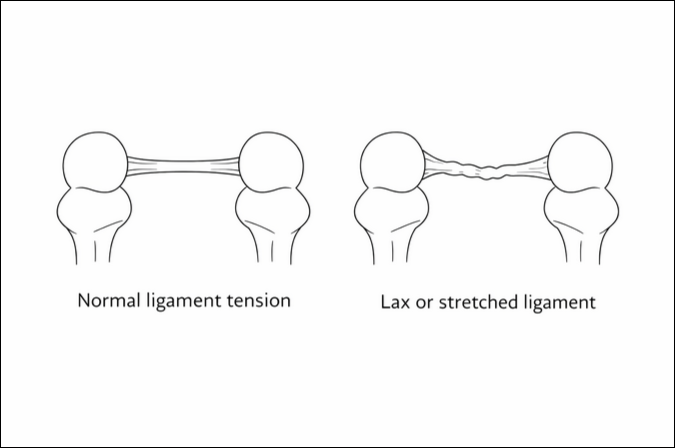
These conditions affect collagen, the material that gives structure and support to ligaments and joints. When collagen is more elastic than it should be, the joint is not held as firmly. It moves more than it should, and the body has to compensate.

In TMJ hypermobility, that compensation falls on the muscles.

Why the Jaw Becomes Painful

lax ligament vs normal tension joint instability diagram

When the joint lacks stability, the muscles step in to control it.

At first, this works. Over time, it becomes a problem.

The muscles are constantly active, trying to keep the joint steady. This leads to fatigue, soreness, and persistent discomfort. Many patients also notice clicking or popping, which often reflects instability inside the joint rather than something harmless.

This is what makes TMJ hypermobility different.

Instead of a jaw that cannot open enough, this is a joint that moves too much and lacks control.

A Common Pattern

In our practice, we often see patients who have always been “flexible.”

They may have a history of joint issues in other parts of the body. Ankles that sprain easily. Shoulders that feel unstable. Pain that takes longer than expected to resolve.

Some already have a diagnosis of hypermobility or Ehlers-Danlos Syndrome. Others have never connected these patterns before.

When the connection is made, their jaw symptoms finally start to make sense.

Why Treatment Has Not Worked

Many patients with TMJ hypermobility have already tried treatment.

They are often told to relax their muscles or adjust their bite. Sometimes this helps temporarily, but the symptoms return.

That is because the underlying issue is instability.

In a hypermobile joint, small strains do not fully resolve. The joint remains less supported, and the muscles continue to compensate. Over time, they become overworked and sensitive.

This does not mean improvement is not possible. It means the approach needs to change.

Treatment Focus: Stability and Control

The goal is not to change the underlying connective tissue.

The goal is to improve stability and reduce strain on the system.

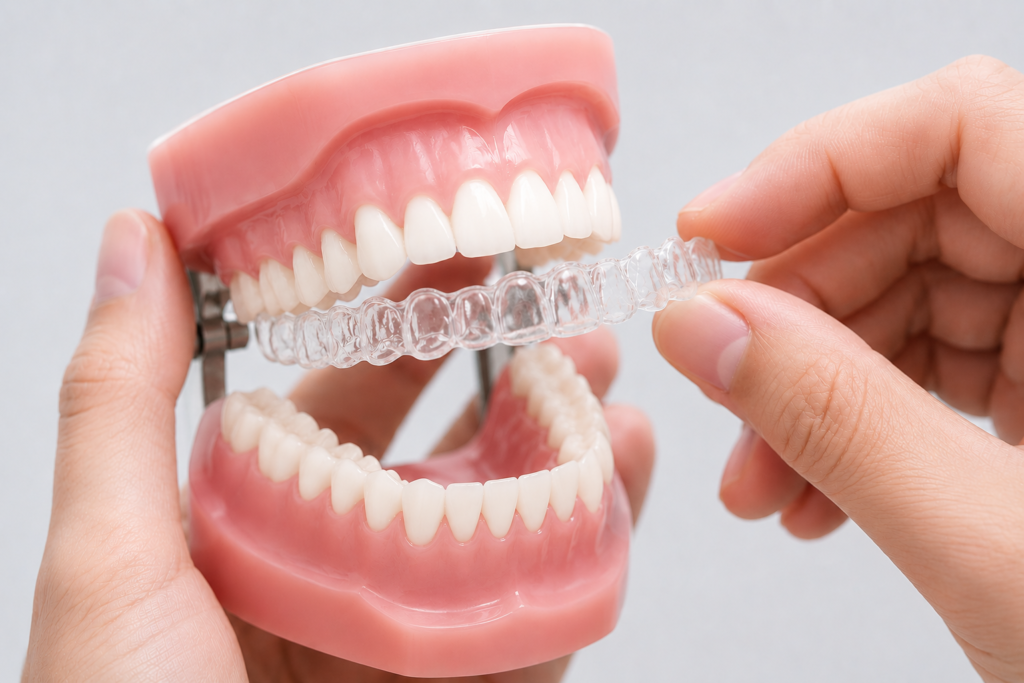
This often involves reducing clenching and jaw tension during the day and protecting the joint at night with an oral appliance. Patients are also guided to avoid extreme opening, such as wide yawning or large bites.

Physical therapy plays an important role, but the focus is different. Instead of just relaxing muscles, the emphasis is on controlled strengthening and stabilization.

When muscle pain is persistent, targeted treatments may be used to help calm the system.

In some cases, therapies that support ligament strength may also be considered.

Setting the Right Expectations

With hypermobility or Ehlers-Danlos Syndrome, the underlying tissue does not change.

But that does not mean nothing can improve.

When treatment focuses on stability, protection, and control, patients often experience less pain, better function, and more confidence in how their jaw feels.

When to Seek Evaluation

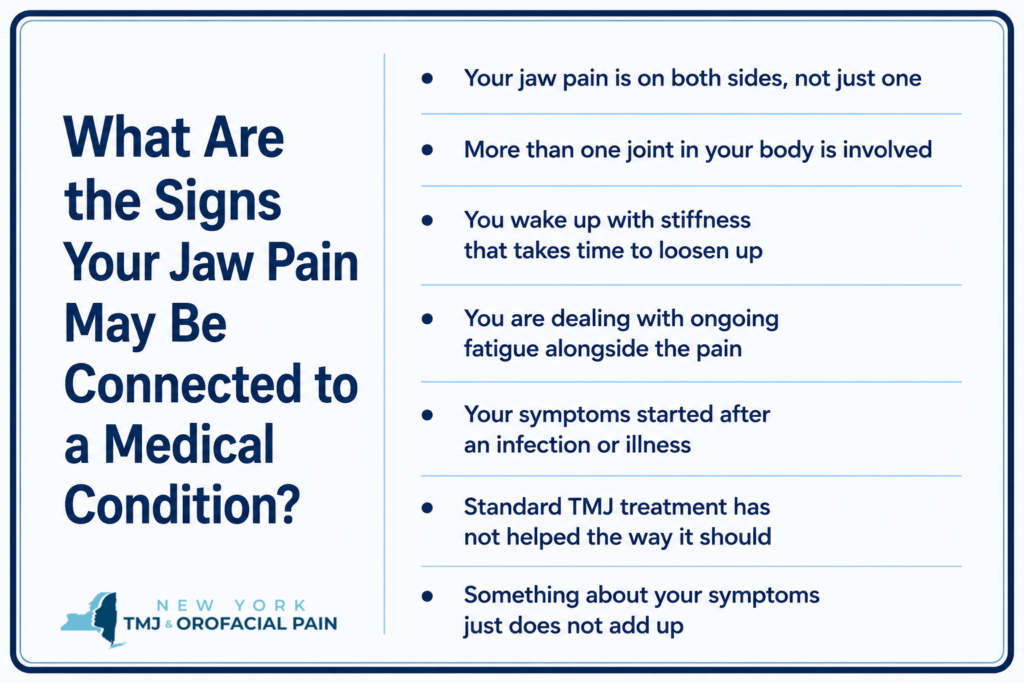
If your jaw opens unusually wide, clicks along with pain or fatigue, or has not improved with previous care, it may be worth a more specialized evaluation.

This is especially true if you have been diagnosed with hypermobility or Ehlers-Danlos Syndrome, or suspect that you may be more flexible than average.

Moving Forward

If your symptoms have never quite fit the typical TMJ pattern, there is usually a reason.

Recognizing that TMJ hypermobility is often the turning point in getting the right diagnosis and treatment.


Categories
Facial Pain Orofacial Pain TMJ Women & Pain

Why Women Experience TMJ Symptoms More Frequently Than Men


TMJ disorders affect women far more often than men.
This is not a coincidence. Differences in joint structure, hormones, and pain processing can make symptoms more likely to develop and harder to resolve.
Understanding why is often the first step toward real, lasting relief.

If you’re a woman dealing with TMJ symptoms such as jaw pain, clicking, locking, tightness, frequent headaches, or facial pain, this is for you.

I’m a board-certified orofacial pain specialist and have been treating people with TMJ symptoms for over 40 years. The majority of patients who come to our NYC practice are women. In fact, close to 70% of people seeking treatment for TMJ disorders are women.

There are biological reasons for this huge disparity, and understanding them can be essential if you are struggling to feel better.

Helping Patients Better Understand Their Persistent Symptoms

Many women come to us looking for a reason why their jaw continues to hurt, though they have used a nightguard, taken anti – inflammatory medications, and followed a soft diet for months.

TMJ (the clinical term is temporomandibular joint disorder, or TMD) involves the interaction between your joints, your muscles, and your nervous system. According to the National Institute of Dental and Craniofacial Research, these disorders are among the most common causes of facial pain.

TMJ symptoms are not something you’re imagining. They are what your body is expressing.

Why This Happens in Women

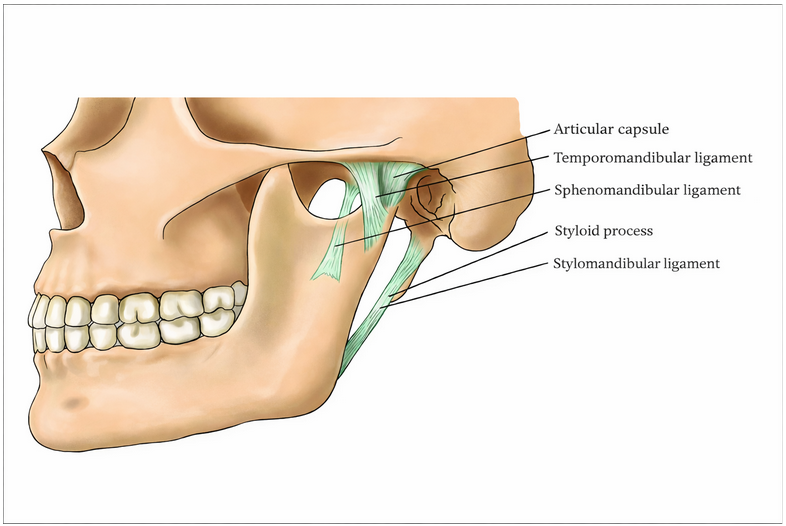
temporomandibular joint disc condyle joint space instability diagram

1. The ligaments in your temporomandibular joint are more flexible and less stable

In women, the ligaments in the temporomandibular joint tend to be more flexible and less structurally stable than in men.

There is a reason for this! The temporomandibular joint in women contains an abundance of estrogen receptors, making its tissues directly responsive to hormonal fluctuation. In fact, estrogen promotes elastin production, producing ligaments that are more flexible and less structurally organized than those in men. The result is greater joint laxity and reduced load-bearing capacity. In women, this means that the temporomandibular joint is more susceptible to compromise with everyday function, and certainly when under excessive loading during daytime jaw overuse behaviors and sleep grinding and clenching of the teeth.

More stable joint ligaments tolerate these stresses longer. More flexible ligaments reach their limits sooner.

That is why symptoms can emerge more commonly in the temporomandibular joints in women over time.

2. The female brain processes pain differently

Pain is not just about what is happening in a body part.  It is also about how your brain processes pain signals.

Men generally have stronger central nervous system modulating elements for dampening pain signals. Women, on average, have less of that built-in inhibition due to the lack of Androgens, including testosterone and related hormones. In practical terms, male hormones strengthen the brain’s capacity to send dampening signals down to pain receptors throughout the body. Women, carrying lower androgen levels, lack this same degree of biological protection

This means that the same level of inflammation and tissue injury generated pain can be experienced very differently.

What might feel like temporary soreness in a man can become persistent pain in a woman.

This is not about tolerance or resilience. It reflects real biological differences in how the nervous system regulates pain.

3. Stress has a greater physical impact on a woman’s jaw

Stress affects everyone, but it often shows up differently in women than it does in men, again for biological reasons.

Under prolonged stress, the human body can remain in an activated state, often with accompanying muscle tension. This is called sympathetic activation. Over time, this activation can deplete the neurotransmitters that support descending pain modulation, the very system that blunts pain experiences on a daily basis. With research suggesting that women have less robust pain blunting systems than men, the pain that results from ongoing muscle tension can be more profound in women and recovery even in the presence of care taking longer.

In the jaw specifically, muscle pain and fatigue as a result of stress-driven daytime clenching and night grinding can be impactful and persistent

Men can experience this as well, but women tend to develop more sustained symptoms, which increases the overall load on the system.

The Emergence of TMJ Symptoms

In our NYC metropolitan area practices, we commonly see TMJ symptoms develop as a result of a specific traumatic event, a mind-body disorder that drives persistent muscle tension, or an underlying medical condition that reduces tissue resiliency in the jaw muscles and temporomandibular joints.

Sometimes multiple factors are responsible, and symptoms develop gradually.

First, the body adapts. Then it begins to struggle. In women, as a result of the biological factors mentioned, the likelihood of a TMJ problem emerging and hanging around increases. At times, TMJ symptoms such as jaw pain, clicking, locking, tightness, frequent headaches, or facial pain no longer resolve on their own but require explanation and formal treatment.

A More Complete Understanding for Women

Biological vulnerability is real, but it does not mean that tissue healing and feeling better are not achievable. With the right evaluation, the causes and risk factors can be addressed comprehensively with education and a wide variety of supportive treatments that lead to meaningful and sustainable improvement.

Are You a Woman Experiencing TMJ Symptoms in the NYC Metropolitan Area?

If you are dealing with persistent jaw pain, clicking, locking, tightness, frequent headaches, or facial pain, there is a reason why.

At New York TMJ & Orofacial Pain, we specialize in diagnosing and treating TMJ disorders and orofacial pain. We take the time to understand what is actually driving your symptoms and build a treatment plan around it.

Our team of orofacial pain specialists provides evidence-based, individualized care at our locations in the NYC metropolitan area. We work closely with each patient and often other healthcare providers to restore comfort and function.

If your symptoms have persisted despite reassurance or prior treatment, a more specialized evaluation can make all the difference.

About Our Practice →
Treatments We Provide →
Read: Women & Pain →

Categories
Uncategorized

New CTA Blocks Demo


This can also be changed

Lorem ipsum dolor sit amet, consectetur adipiscing elit. Nam ac leo ut magna tempor egestas. Donec sed metus lorem. Nunc sed euismod est. Suspendisse quis libero id ipsum volutpat sodales. Nulla scelerisque eleifend nulla eu imperdiet.


Lorem Ipsum is simply dummy text of the printing and typesetting industry. Lorem Ipsum has been the industry’s standard dummy text ever since the 1500s, when an unknown printer took a galley of type and scrambled it to make a type specimen book. It has survived not only five centuries, but also the leap into electronic typesetting, remaining essentially unchanged. It was popularised in the 1960s with the release of Letraset sheets containing Lorem Ipsum passages, and more recently with desktop publishing software like Aldus PageMaker including versions of Lorem Ipsum.

Why do we use it?

It is a long established fact that a reader will be distracted by the readable content of a page when looking at its layout. The point of using Lorem Ipsum is that it has a more-or-less normal distribution of letters, as opposed to using ‘Content here, content here’, making it look like readable English. Many desktop publishing packages and web page editors now use Lorem Ipsum as their default model text, and a search for ‘lorem ipsum’ will uncover many web sites still in their infancy. Various versions have evolved over the years, sometimes by accident, sometimes on purpose (injected humour and the like).

Where does it come from?

Contrary to popular belief, Lorem Ipsum is not simply random text. It has roots in a piece of classical Latin literature from 45 BC, making it over 2000 years old. Richard McClintock, a Latin professor at Hampden-Sydney College in Virginia, looked up one of the more obscure Latin words, consectetur, from a Lorem Ipsum passage, and going through the cites of the word in classical literature, discovered the undoubtable source. Lorem Ipsum comes from sections 1.10.32 and 1.10.33 of “de Finibus Bonorum et Malorum” (The Extremes of Good and Evil) by Cicero, written in 45 BC. This book is a treatise on the theory of ethics, very popular during the Renaissance. The first line of Lorem Ipsum, “Lorem ipsum dolor sit amet..”, comes from a line in section 1.10.32.

The standard chunk of Lorem Ipsum used since the 1500s is reproduced below for those interested. Sections 1.10.32 and 1.10.33 from “de Finibus Bonorum et Malorum” by Cicero are also reproduced in their exact original form, accompanied by English versions from the 1914 translation by H. Rackham.

You can edit the title here

Lorem ipsum dolor sit amet, consectetur adipiscing elit. Nam ac leo ut magna tempor egestas. Donec sed metus lorem. Nunc sed euismod est. Suspendisse quis libero id ipsum volutpat sodales. Nulla scelerisque eleifend nulla eu imperdiet.

REFER A PATIENT OR DISCUSS A CASE →


Categories
Facial Pain

Low-dose Naltrexone Neuropathic Facial Pain


The Jaw Surgery Worked – But the Pain Didn’t Go Away

What low-dose naltrexone can do for persistent neuropathic facial pain

Your jaw surgery went well. The imaging looks fine. Your surgeon says everything healed the way it should.

And yet, you have pain. It aches along your jaw. The sensation feels, as one of our patients put it, like “my skin is sunburnt” – even though nothing is visibly wrong.

If this sounds familiar, you are not imagining it. And you are not alone.

Persistent pain after facial or jaw surgery is a recognized clinical reality. It has a name, a mechanism, and – importantly – treatment options that go beyond what most patients are ever offered.

Your Pain Is Real. And It Has a Medical Explanation.

One of the most disorienting experiences our patients describe is being told that everything looks fine, yet they still live with daily pain.

When surgery corrects a structural problem, but pain continues, the issue often isn’t structural at all. It’s neurological. The nervous system, particularly the pain-signaling pathways, can remain in an activated state long after the original source of injury has been addressed.

This is called neuropathic pain – pain that originates in your nervous system itself, not in damaged tissue. In some cases, it takes on a more complex form called nociplastic pain, a term from the International Association for the Study of Pain that describes pain arising from altered signaling in the central nervous system, without ongoing tissue damage to account for it.

In plain terms: your brain’s pain system has become hypersensitive. It keeps sending pain signals even after the original problem has been treated. This is not a character flaw, a low pain threshold, or something you should simply push through. It is a measurable, treatable condition.

A Case We Treated: Debbie’s Story

“Debbie” was a 52-year-old woman from the New York City area who came to us with a problem that had no easy answer.

Two years earlier, she had undergone bilateral TMJ total joint replacement – a significant surgery to address severe, progressive jaw degeneration. The procedure went well. Her jaw opened better. Imaging confirmed the prosthetics were stable. By every measurable standard, surgery was a success.

But Debbie was in constant pain.

She described a burning sensation along both sides of her jaw and temples. It was relentless, unpleasant, and unlike anything she had experienced before the surgery. She had tried NSAIDs, benzodiazepines, opioids, and anticonvulsant medications. None helped. Several caused side effects severe enough to stop.

When she arrived at our practice, the examination revealed something important: light touch to the affected areas caused heightened sensitivity and a kind of distorted sensation. This told us that her issue wasn’t structural, but neurological. Her pain wasn’t coming from the joint. It was coming from a sensitized nervous system.

This is where a mechanism-based approach – asking not just what is causing pain, but how and why her pain system had become dysregulated – becomes essential.

Introducing Low-Dose Naltrexone (LDN)

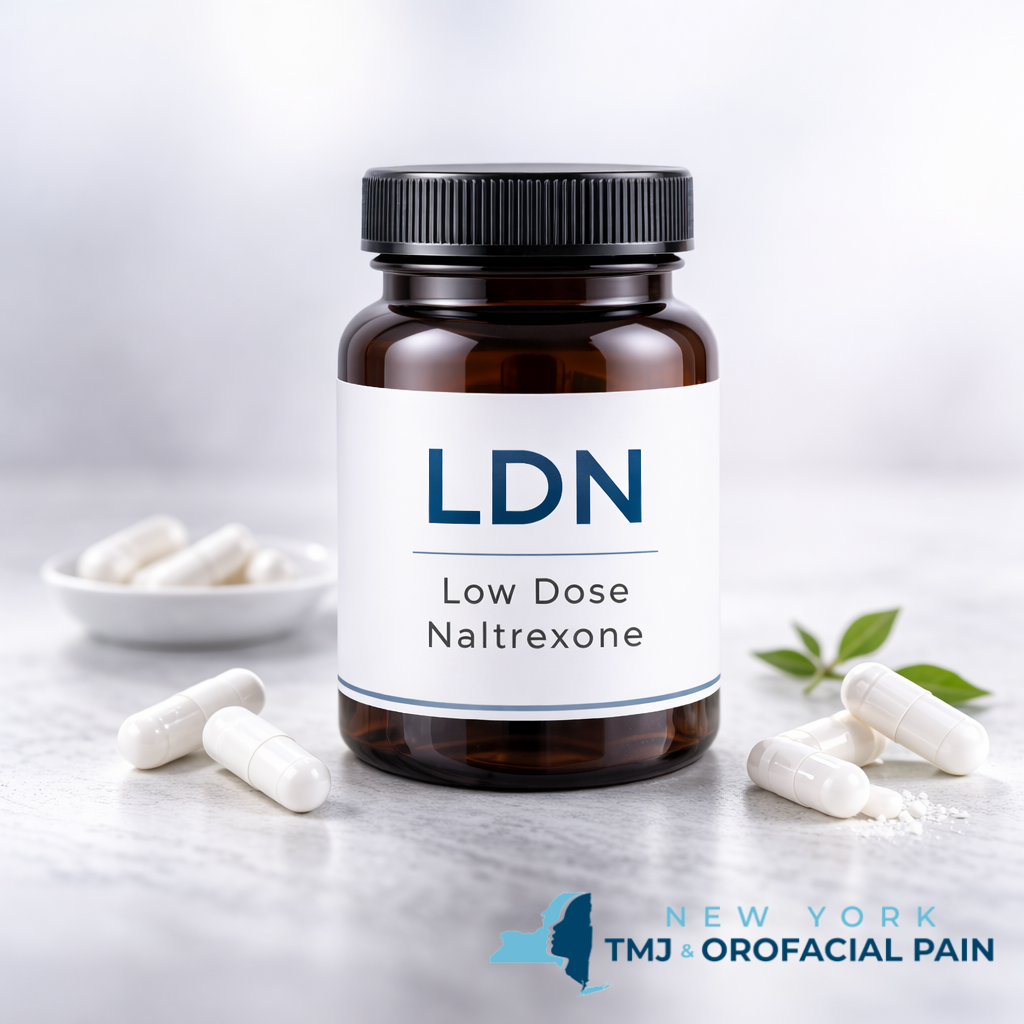
Low-dose naltrexone (LDN) bottle used in the treatment of neuropathic facial pain and centrally mediated pain disorders
Low-dose naltrexone is used off-label for neuropathic and centrally mediated facial pain conditions.

What Is Low-Dose Naltrexone (LDN?)

Naltrexone is a medication with a long track record in addiction medicine, typically prescribed at 50 to 100 mg daily. Low-dose naltrexone (LDN) refers to the same medication prescribed at a fraction of that dose – generally 1.5 to 6 mg daily – where it appears to work through an entirely different set of mechanisms. LDN is obtained through a compounding pharmacy and used off-label for centrally mediated and neuropathic pain conditions.

Naltrexone is a medication with a long track record in addiction medicine when used in large doses. But at a fraction of that dose, it appears to work through an entirely different set of mechanisms, ones that are particularly relevant to persistent, centrally mediated pain.

This low-dose application is called Low-Dose Naltrexone (LDN).

How Low-Dose Naltrexone Works: Two Mechanisms That Matter

1. Low-Dose Naltrexone helps your body produce more of its own natural pain-relievers.

At low doses, naltrexone temporarily and mildly blocks the body’s opioid receptors for a few hours. The body responds by producing more endorphins, which are its own natural pain-modulating molecules. When the mild blockade resolves, those elevated endorphins flood back into the system. The result is a net increase in the body’s own pain-relief capacity.

2. It calms an overactivated immune response in the brain.

The central nervous system contains immune cells called microglia. In patients with chronic or neuropathic pain, microglia can become chronically activated, releasing inflammatory signals that amplify pain. LDN appears to reduce this microglial activation, quieting the neuroinflammatory response that keeps pain pathways in a heightened state.

Together, these two mechanisms address something many conventional pain medications do not: the underlying nervous system dysregulation driving persistent pain.

How Low-Dose Naltrexone Is Prescribed

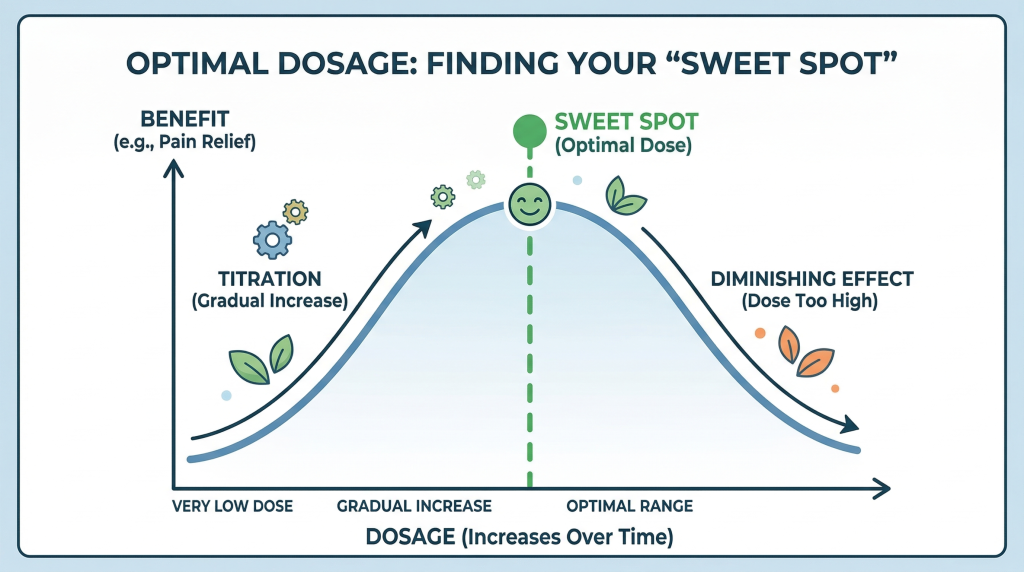
A bell curve graph showing Low-Dose Naltrexone (LDN) titration, highlighting the "sweet spot" where pain relief is highest before benefits diminish at higher doses.

Treatment typically begins at a very low dose nightly, with gradual increases every two to three weeks, depending on how you respond.

One of the most important things to understand about LDN is that more is not necessarily better. There is what clinicians describe as a “sweet spot”, an optimal dose where the benefit peaks. Going above that range can actually diminish the effect. This is why individualized, carefully supervised titration matters.

LDN is generally well tolerated. The most commonly reported side effects are vivid dreams, mild insomnia, or light nausea, but they are usually transient and dose-dependent. Importantly, LDN cannot be used concurrently with opioid medications, as it would block their effect.

What Happened with Debbie

Debbie began LDN nightly. After minimal change, we increased the dose and within days, her burning pain had begun to decrease substantially.

At her two-month follow-up, she described the change this way: she could still feel her face, but the sensation was no longer unpleasant or painful. After years of burning, that distinction was everything.

“She could still feel her face – but the sensation was no longer unpleasant or painful.”

Common Misconceptions About Post-Surgical Pain

Patients with persistent pain after facial or jaw surgery often encounter frustrating responses from providers who haven’t yet connected the dots between mechanism and treatment. Here is what we often hear and what the evidence actually says:

“If the surgery worked, you should be pain-free.”

Structural success does not always equal pain resolution. Neuropathic and nociplastic pain can persist independently of tissue healing.

“There is nothing left to try.”

Mechanism-based options like LDN are often not explored until later in a patient’s journey – if at all. They represent a distinct category from conventional neuropathic medications.

“It may be psychological.”

Nociplastic pain involves measurable central nervous system changes. It is not “in your head” – though behavioral and psychological factors can influence how any pain is experienced, as they do with all chronic conditions.

Who May Benefit from This Approach

Low-dose naltrexone may be an appropriate consideration for you if you experience:

  • Persistent burning or aching pain following TMJ surgery
  • Post-surgical facial pain with negative or stable imaging
  • Neuropathic facial pain that has not responded to standard medications
  • Persistent idiopathic facial pain
  • Burning mouth syndrome
  • Chronic headache or orofacial pain with a centrally mediated component

Patient selection and dose titration are essential. This is not a first-line treatment for acute or clearly structural pain. Instead, it is a targeted option for a specific mechanism.

Our Approach: Finding the “Why” Before the “What”

At New York TMJ & Orofacial Pain, we do not begin with a treatment. We begin with a question: what is actually driving your pain?

For patients like Debbie, that question led to an answer that changed everything. Her pain was not structural. It was neurological. And once we understood the mechanism, we could target it directly.

That same principle applies across the full range of conditions we treat. Whether the pain stems from muscle dysfunction, joint pathology, nerve sensitization, or a combination of factors, our goal is always the same: identify the true cause and build a plan around it, not around generic protocols.

LDN is one tool within that framework. It is not right for every patient. But for the right patient, it can offer relief that nothing else has.

Are You Experiencing Persistent Facial Pain in the NYC Metropolitan Area?

If you have had facial or jaw surgery, or if you’ve been living with facial pain that no one has been able to explain, you deserve more than temporary relief. You deserve answers.

At New York TMJ & Orofacial Pain, we specialize exclusively in diagnosing and treating TMJ disorders and orofacial pain. We take the time to identify the true cause of your symptoms and build a treatment plan that directly addresses it.

We have four convenient locations across the region, staffed with experienced orofacial pain specialists:

  • Midtown Manhattan
  • White Plains
  • Hauppauge, Long Island
  • Springfield, New Jersey

Contact us today to schedule a comprehensive evaluation.

https://www.nytmj.com/contact-us-locations/

About the Author

Dr. John Dinan is a Diplomate of the American Board of Orofacial Pain and the American Board of Dental Sleep Medicine, with offices serving the New York City metropolitan area.

Learn more about Dr. Dinan →

Learn about our treatments →

Read: Trigeminal Neuralgia and the Experience of Tooth Pain →


Categories
TMJ

What Causes TMJ?


3 Reasons Why You May Have It


For more than 40 years, I’ve treated TMJ disorders in the New York metropolitan area. Over that time, one principle has guided my approach: the most important question is not simply, “What symptoms are you experiencing?” The real question is, “Why are those symptoms occurring?” Once we understand the underlying cause, the path to effective treatment becomes much clearer.

What Causes TMJ?

If you’ve been dealing with jaw pain, tooth pain without a clear cause, clicking or popping sounds, morning headaches, or difficulty opening your mouth, you’re not alone. TMJ disorders are common, real, and treatable. But here’s something most people don’t realize:

TMJ is not one condition with one cause.

There are three common and distinct reasons you may have it, and they can each lead to the same frustrating symptoms:

  • Mind-body disorders, where stress and nervous system dysregulation cause real physical changes in the jaw
  • Physical trauma, where a specific injury sets off a chain of damage and dysfunction
  • Underlying medical conditions, where genetics or systemic disease make joints and muscles more vulnerable

Unless your doctor identifies which reason or reasons apply to you, treatment may miss the mark entirely. Proper diagnosis determines proper treatment.

1. Could Stress and Emotions Be Causing Your TMJ Symptoms?

Yes. Emotional and psychological stress can cause real physical injury to your jaw joints and muscles. This is not about imaginary symptoms. It is about how the autonomic nervous system directly affects muscle and joint function.

Man at desk touching jaw due to stress-related TMJ symptoms

What Does a Mind-Body TMJ Disorder Look Like?

A mind-body disorder occurs when emotional factors such as chronic stress, anxiety, unresolved trauma, or persistent fear trigger measurable physical changes in the body. In TMJ, this occurs through autonomic nervous system dysregulation.

When the body remains in fight or flight mode for prolonged periods, it:

  • Increases muscle tension throughout the jaw, neck, and head
  • Reduces blood flow to tissues
  • Depletes cellular energy
  • Creates microscopic tissue damage over time, known as microtrauma

The result is real pain, real joint sounds, and real functional limitation, even without a distinct injury or disease process.

Who Is Most Likely to Experience This Type of TMJ?

This presentation commonly appears in patients between ages 17 and 60, and approximately 70 percent are women. Many describe symptoms that fluctuate and worsen during stressful periods. Anxiety, depression, and chronic stress are frequent contributing factors.

Daytime behaviors such as tooth clenching, jaw bracing, nail biting, and forward head posture place additional strain on the jaw. At night, bruxism can repeatedly overload the TM joints and muscles.

The symptoms of stress-mediated TMJ can look identical to those caused by trauma or disease. This is why accurate diagnosis is essential.

2. Could an Injury Be the Reason You Have TMJ?

Yes. Physical trauma is a common and identifiable cause of TMJ disorders. If your jaw has not felt normal since a specific event, lingering symptoms often reflect tissue injury.

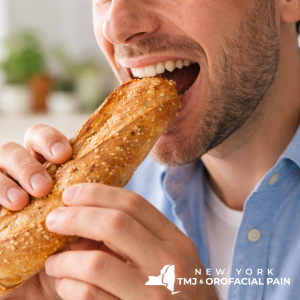
Man biting into a crusty baguette that may contribute to TMJ strain

What Types of Injuries Can Trigger TMJ?

Events that frequently precede trauma-related TMJ include:

  • Sports injuries, car accidents, or direct blows to the jaw
  • Prolonged mouth opening during dental procedures or general anesthesia
  • Biting into hard foods such as a crusty baguette or biscotti
  • Opening the mouth excessively wide

Patients often recall the exact moment symptoms began. “I bit into something hard and heard a pop.” “My jaw was open for two hours during a procedure.” “I was in a fender-bender and the airbag struck my jaw.”

Can a Minor Injury Lead to Long-Term Symptoms?

Yes. When trauma affects the ligaments, joint capsule, or articular disc, inflammation and protective muscle guarding follow. If healing is incomplete, acute discomfort can evolve into chronic dysfunction involving pain, joint sounds, and restricted opening.

3. Could an Underlying Medical Condition Be the Cause?

Yes. In some individuals, TMJ develops because the joints and connective tissues are inherently more vulnerable due to systemic medical conditions.

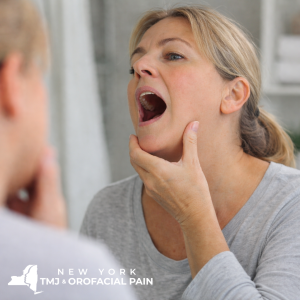
 Woman gently opening jaw to assess TMJ symptoms related to connective tissue disorder or arthritis

Hypermobility and Connective Tissue Disorders

Conditions such as Ehlers-Danlos syndrome and other hypermobility disorders alter the structural integrity of connective tissue. Everyday activities, including chewing, yawning, and speaking, may gradually destabilize the jaw joints. What is harmless for most people can become injurious in this population.

Arthritis and Autoimmune Conditions

Rheumatoid arthritis, psoriatic arthritis, and other autoimmune diseases can directly involve the temporomandibular joint and the jaw muscles.  Inflammation may lead to cartilage breakdown and structural joint changes. Osteoarthritis can also compromise joint resilience.

And There are Other Less Considered Factors

Sleep-related breathing disorders, neuromuscular disorders, and even compromised gastrointestinal functions can adversely impact jaw structures over time. Evaluating and addressing these conditions often affects the outcome of the overall treatment plan.

Why Do Women Experience TMJ More Frequently?

Hormonal influences, particularly estrogen, affect both connective tissue characteristics and pain modulation. This contributes to the higher prevalence of TMJ among women and to symptom fluctuation across the menstrual cycle, during menopause, and in response to birth control pills and hormone replacement therapy.

Does a Medical Condition Guarantee TMJ?

No. These conditions create vulnerability, not inevitability. Symptoms typically emerge when underlying susceptibility combines with contributing factors such as muscle tension, oral habits, or minor trauma. Treatment must address both systemic and local contributors.

Knowing the Cause Is the Foundation of Treatment

All three pathways can produce nearly identical symptoms, including jaw and unresolved tooth pain, restricted opening, muscle tenderness, joint sounds, and headaches.

This is why identifying the underlying cause is critical. A stress-mediated case requires nervous system regulation alongside physical care. A trauma-induced case requires targeted tissue rehabilitation. A medically mediated case requires long-term management strategies.

Treating all TMJ the same way is one of the most common reasons patients fail to improve. Determining the cause changes the outcome.

Are You Experiencing TMJ Symptoms in the NYC Metropolitan Area?

If you’re in the New York City metropolitan area and you’ve been dealing with unexplained jaw pain, clicking, locking, headaches, or difficulty chewing, you deserve answers, not just temporary relief.

At New York TMJ & Orofacial Pain, we specialize exclusively in diagnosing and treating TMJ disorders and orofacial pain. Dr. Tanenbaum and our team take the time to identify the true cause of your symptoms and build a treatment plan that directly addresses it.

Contact us today to schedule a comprehensive evaluation.

Interested in learning more? Explore additional TMJ topics in our Learning Center.

Frequently Asked Questions: What Causes TMJ?

1. What are the three main reasons someone develops TMJ?

The three most common causes are stress-related mind-body mechanisms, physical trauma, and underlying medical conditions such as connective tissue disorders or arthritis.

2. Is TMJ always caused by stress?

No. While stress can contribute significantly in some cases, many patients develop TMJ due to injury or systemic medical vulnerability.

3. Can stress cause actual damage to the jaw?

Yes. Chronic stress can lead to prolonged muscle contraction, reduced circulation, and gradual microtrauma, resulting in genuine tissue injury.

4. How can I tell if my TMJ started after an injury?

Trauma-related TMJ typically follows a clearly identifiable event such as a blow to the jaw, prolonged dental procedure, or motor vehicle accident. A comprehensive evaluation can help determine the connection.

5. Why is TMJ more common in women?

Hormonal influences, particularly estrogen, affect connective tissue properties and pain sensitivity, contributing to higher prevalence.

6. Can TMJ related to a medical condition be treated?

Yes. Treatment focuses on management and functional stability, reducing strain and preventing flare-ups.

7. Why do different causes produce similar symptoms?

Different underlying mechanisms can produce the same clinical presentation. Symptoms alone do not identify the cause. Expert evaluation is required.

8. Where can I find a TMJ specialist in the NYC area?

New York TMJ & Orofacial Pain provides comprehensive evaluations and individualized care in Manhattan, Long Island, Westchester County, and Northern New Jersey.

Categories
Orofacial Pain TMJ

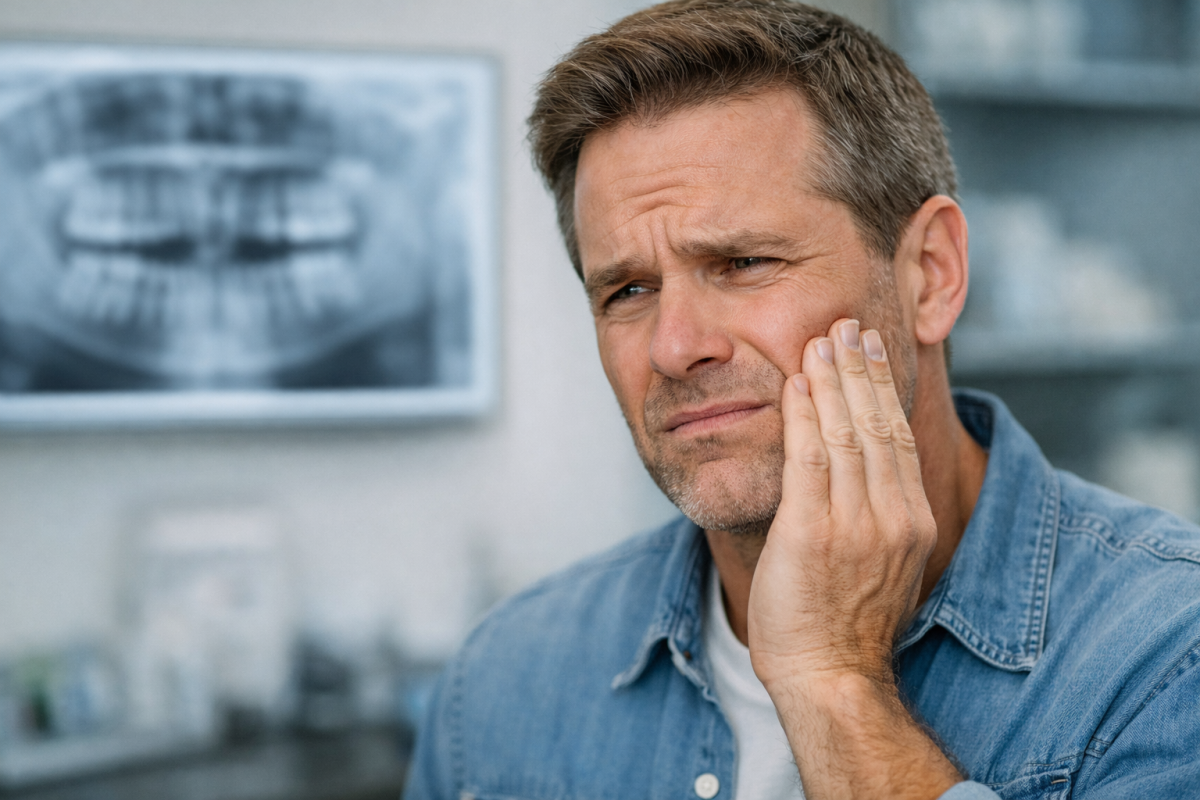
When Your Tooth Pain Won’t Go Away (But Your Dentist Says Nothing’s Wrong)


Have you been told “everything looks fine” while you’re still suffering? You’re not alone.


We see many patients at our TMJ and orofacial pain practice who are feeling frustrated, scared, and frankly, a little crazy. They’ve been dealing with tooth pain for months, sometimes years, but their dentist keeps saying nothing’s wrong, and they’re left wondering if they’re imagining things.

If this sounds like your story, I want you to know: your pain is real, and there’s often a very treatable explanation.

Why do I have tooth pain but my dentist says nothing’s wrong?

Quick answer: Tooth pain that isn’t caused by a dental issue is called nonodontogenic pain. It’s often caused by overworked jaw muscles, like the masseter, especially in people who clench or grind their teeth during the day or at night.

Let me tell you about “Jason” (not his real name), a 49-year-old entrepreneur who came to see me after two years of this exact frustration. He was absolutely convinced his pain was coming from his lower right tooth. So convinced, in fact, that he’d had multiple root canals trying to fix it.

But his pain kept getting worse.

When Jason found our practice, he was taking acetaminophen and ibuprofen daily, with occasional hydrocodone for the really bad episodes. The pain would hit him “randomly” several times a month and radiate from his tooth into his jaw and ear.

Sound familiar? You’re experiencing what thousands of patients go through: tooth pain but your dentist says nothing is wrong, and you feel lost and dismissed.

There really was nothing wrong with the tooth

When I examined Jason, I found exactly what his previous dentists had found: there was nothing wrong with his tooth. No signs of infection, no evidence of problems on his X-rays, no tenderness when I tapped on the tooth.

But here’s what’s different about an orofacial pain specialist’s examination: I also checked the muscles around his jaw.

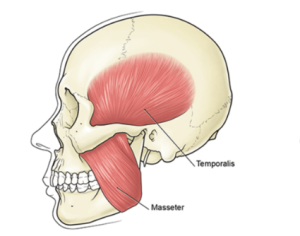
Anatomical diagram showing the masseter and temporalis muscles on the side of the skull—key sources of referred tooth and jaw pain.

That’s when I found it. Jason’s masseter muscle (a large muscle that helps you chew) was overbuilt, tight, and incredibly tender. He also had an uneven bite that was putting extra stress on that muscle every single day.

Even more telling, Jason had never been told something crucial: your teeth should not touch throughout the day unless you’re actively chewing or swallowing. He was unconsciously keeping his teeth together day after day, which was overworking that muscle constantly.

Why does muscle pain feel like tooth pain?

This might sound strange, but muscles can “refer” pain to other areas. Your brain sometimes gets confused about where pain signals are actually coming from. The masseter muscle, when it’s overworked and full of trigger points (painful muscle knots), commonly refers pain right to your teeth, especially your back teeth.

This is called nonodontogenic dental pain, which simply means “tooth pain that doesn’t come from the tooth.” It’s one of the most common reasons people experience tooth pain but their dentist says nothing’s wrong.

How did we figure out what was really going on?

I started Jason on trigger point therapy that same day by injecting a small amount of lidocaine into the tight knots in his masseter muscle. This served two purposes: it was both a test to see if this was the source of his pain, and a treatment to start giving him relief.

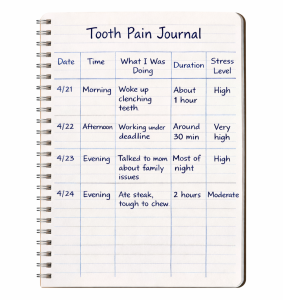
But the real breakthrough came with something simple: pain journaling.

Tooth pain journal showing dated entries with pain triggers, duration, and stress levels to help identify patterns in non-dental tooth pain.

I asked Jason to start tracking when his pain occurred, what he was doing before it started, how long it lasted, and what made it better. This seemed like a simple request, but it changed everything.

Jason’s pain patterns revealed the truth

Within a few weeks of documenting his symptoms, Jason realized his “random” pain episodes weren’t random at all. They followed stressful periods at work and happened more often when he’d been drinking alcohol.

By his second appointment, he was becoming aware of when he was clenching his teeth: something he’d been doing unconsciously for years, especially when stressed.

The transformation was remarkable. Within one month, Jason’s need for pain medication decreased dramatically. He felt less anxious because he could finally predict and control his symptoms instead of feeling helpless.

Could this be what’s happening to you?

If you’re dealing with the frustrating situation where you have tooth pain but your dentist says nothing’s wrong, here are some questions to ask yourself:

Does your pain:

  • Radiate beyond just the tooth (into your jaw, ear, or temple)?
  • Seem to come and go without clear dental triggers?
  • Get worse during stressful periods?
  • Persist even after dental treatment?
  • Feel more like a dull ache than a sharp, stabbing pain?

Do you:

  • Clench or grind your teeth, especially when concentrating or stressed?
  • Wake up with jaw soreness?
  • Keep your teeth touching during the day?
  • Have an uneven bite?
  • Drink alcohol regularly (which can increase muscle tension)?

If you answered yes to several of these, there’s a good chance your tooth pain might actually be coming from your jaw muscles.

What you can do right now

Start paying attention to your pain patterns. Keep a simple log noting:

  • When the pain occurs
  • What you were doing beforehand
  • How long it lasts
  • What helps it feel better
  • Your stress level that day

Also, try to notice if you’re keeping your teeth together during the day. Your lips should be together, but your teeth should be slightly apart unless you’re actively chewing.

How to get help

Jason’s story isn’t unique. We see patients regularly who’ve experienced tooth pain, but their dentist says nothing’s wrong. The good news is that once the real source of their pain has been identified, treatment is typically very successful!

If Jason’s story sounds like yours, you deserve answers. We have four locations in the New York City metropolitan area, and we will be happy to see you. Not in New York? Locate an orofacial pain specialist in your area by clicking here: The American Board of Orofacial Pain

If you’re in the NYC metro area and this story sounds like yours, please don’t hesitate to reach out. You deserve answers, and more importantly, you deserve relief.

Dr. Aimee Werfel specializes in orofacial pain at New York TMJ & Orofacial Pain. The practice has locations in Manhattan, White Plains, Springfield NJ, and Hauppauge on Long Island and, and is dedicated to helping patients find answers when traditional dental approaches haven’t worked.

You may also be interested in:

Why Do You Have A Toothache After A Root Canal?

Why Your Jaw Hurts & What To Do

The Best Treatments For TMJ – So You Can Feel Better


Frequently Asked Questions About Tooth Pain When the Dentist Finds Nothing Wrong

  • Why does my tooth hurt even though my dentist says it’s fine?
    Tooth pain can sometimes be referred from overworked jaw muscles like the masseter. This is called nonodontogenic pain—pain that feels dental but isn’t caused by a tooth problem.
  • What is nonodontogenic tooth pain?
    It refers to pain that mimics a toothache but originates from other structures, often the jaw muscles or nerves.
  • Can TMJ or jaw muscles really cause tooth pain?
    Yes. The masseter muscle, when overworked or tight, can send pain signals that feel like they’re coming from a tooth.
  • What are trigger points in jaw muscles?
    Trigger points are tight, irritated spots in muscles that can refer pain elsewhere—like your teeth, jaw, or ear.
  • How do I know if my tooth pain is from clenching?
    If your pain comes and goes, worsens with stress, and isn’t explained by dental exams, clenching or grinding may be the cause.
  • Is there a treatment for non-dental tooth pain?
    Yes. Treatments can include trigger point injections, behavioral therapy, bite adjustments, and stress management.
  • Can stress cause tooth or jaw pain?
    Absolutely. Stress often leads to unconscious clenching or grinding, which overworks jaw muscles and can trigger pain.
  • What should I do if my tooth pain won’t go away?
    Track your symptoms, observe clenching habits, and consult an orofacial pain specialist if dental exams show no clear cause.


Learn More About Toothaches of Non-Dental Origin in this Brochure from The American Academy of Orofacial Pain 


Categories
Nightguards & Oral Appliances

Can a Store-Bought Nightguard Change Your Bite?


The answer is: Yes.

A store-bought nightguard can change your bite, sometimes significantly, if it does not fit well or does not cover all of your teeth. These changes can lead to new discomfort, shifting bite patterns, or jaw and muscle pain.

Many people turn to store-bought nightguards hoping to reduce clenching or protect their teeth. Unfortunately, these over-the-counter guards can sometimes create new problems, including changes in how the bite fits together. This most often occurs when the nightguard does not cover all of the teeth or does not fit the bite correctly, allowing some teeth to rise or shift over time.

Questions People Often Ask About Store-Bought Nightguards

Q: Can a store-bought nightguard change my bite?
A: Yes. If the nightguard does not fit well or does not cover all your teeth, it can gradually shift your bite.

Q: Why do my teeth feel different after using a nightguard?
A: Over-the-counter nightguards may place uneven pressure on the teeth or leave some teeth uncovered, which can cause subtle movement over time.

Q: Will my bite go back to normal if I stop using the nightguard?
A: In many cases it will. Bite changes often improve once you discontinue the poorly fitting appliance and receive the right guidance.

Q: When should I see a TMJ specialist?
A: If your bite no longer feels right, your front teeth no longer meet, or you feel new jaw discomfort after using a nightguard, it is time to see a specialist.

We See This More Often Than Many People Realize

At New York TMJ & Orofacial Pain, we regularly meet people who try to help themselves by buying a nightguard from a pharmacy or online. These nightguards seem harmless and easy to use, but they are not always the right solution.

Jessica was one of those patients.

After a long dental visit left her jaw sore, she bought a store-bought nightguard hoping it would ease tension and protect her teeth. Instead, her bite slowly began to change. Her front teeth no longer met the way they used to, chewing felt different, and her jaw muscles remained tender.

She eventually saw an orthodontist, who recognized that the problem was not orthodontic and referred her to our practice in the New York City metropolitan area.

When Jessica arrived, we found that the store-bought nightguard she had used covered only some of her teeth. Over time, the uncovered teeth had begun to rise out of their proper position, which caused her bite to shift.

Jessica is far from alone.

Why Store-Bought Nightguards Can Shift Your Bite

Nightguards are not all the same, and they do not all protect your teeth in the same way. Here are the main reasons store-bought versions can cause trouble.

  • They often do not fit very well
    If a nightguard does not match your bite, even slight pressure changes can lead to tooth or jaw muscle changes over time.
  • They are typically soft and chewable
    Many people chew on soft nightguards while asleep without realizing it. This increases muscle strain and reinforces clenching habits.
  • They rarely cover all of your teeth
    This is the biggest concern. When back teeth are not covered, they may slowly rise upward. This changes the way the teeth meet and can create a noticeably different bite pattern. Jessica experienced exactly this.

Research has shown that certain types of nightguards, especially those that do not cover all of the teeth, can contribute to unwanted bite changes. (For a detailed review, see this article from the  British Dental Journal.)

What This Looks Like (A Simple Visual Guide)

How Bite Changes Happen Over Time


Bite with a store-bought nightguard in place, showing that the back teeth are not fully covered.
A normal bite where the upper and lower teeth meet evenly.
Bite with a store-bought nightguard in place, showing that the back teeth are not fully covered.
With a store-bought nightguard in place, the back teeth may not be fully covered.
Diagram showing how uncovered back teeth can slowly rise over time when a nightguard does not cover them.
Over time, teeth that are not covered by the nightguard can slowly rise, changing the bite.
Diagram showing how only the back teeth touch and the front teeth no longer meet after long-term use of a store-bought nightguard.
Eventually, only the back teeth may touch, and the front teeth may no longer meet.

How We Helped Jessica Recover

The first and most important step was stopping the store-bought nightguard. Once she discontinued it, we focused on calming irritated muscles and reducing the clenching patterns that had made her symptoms worse.

Over the next several months, her bite began improving. We monitored how her teeth settled and collaborated with her orthodontist once her bite stabilized. When the time is right, a custom-made nightguard that covers all of her teeth will help protect her long-term without altering her bite.

Jessica felt relieved once she understood what had happened and had a clear plan forward.

If Your Bite Has Changed After Using a Nightguard, You Are Not Alone

People from all over the NYC metro area come to us with concerns like these. They may feel confused or frustrated when a nightguard they purchased to protect their teeth ends up causing new symptoms. The reassuring news is that many bite changes improve once the right steps are taken.

When to Seek Care

A professional evaluation is recommended if you notice that your bite suddenly feels different, your front teeth no longer meet, only one side of your teeth touches, your jaw muscles feel tense or tired, the nightguard seems to make symptoms worse, or you are unsure whether the appliance is helping or harming you.

If you are in the New York City metropolitan area, our team can help determine what is happening and guide you toward the safest and most effective treatment.

Why People Choose Us

At New York TMJ & Orofacial Pain, we focus exclusively on TMJ disorders, orofacial pain, bite changes, bruxism, and appliance-related complications. Our practice is led by board-certified specialists in orofacial pain, providing evidence-based care in a calm and supportive environment.

Patients seek us out when symptoms are confusing or when treatments they tried elsewhere, such as store-bought nightguards, have made things worse. We coordinate closely with your general dentist, orthodontist, or other providers to ensure your care is safe, effective, and well-managed.

Looking for an orofacial pain specialist outside the NYC metro area

Use this directory to find a board-certified specialist near you. Simply go to this website and enter your location and country.

Frequently Asked Questions

Q: Can a store-bought nightguard really change my bite?
A: Yes. If it does not fit well or does not cover all of your teeth, it can gradually shift the bite.

Q: Is this permanent?
A: In many cases, no. Bite changes often improve once the appliance is discontinued, although some situations may require orthodontic or restorative support.

Q: What should I do first?
A: Stop using the store-bought nightguard and schedule a professional evaluation to understand what is happening.

Q: Are custom nightguards safer?
A: Yes. Custom appliances are designed to protect the teeth and jaw without altering the way the bite comes together.

Q: If my bite feels off, does that mean something is wrong?
A: Not always, but it is a sign that the situation needs to be evaluated sooner rather than later.

Q: How long does recovery take?
A: Improvements can begin within weeks to months after discontinuing a poorly fitting appliance, especially when the right care plan is in place.


Related Reading

Categories
TMJ

Could Your Tinnitus Be Related To Your Jaw?


If you’ve been living with a persistent ringing, buzzing, or hissing in your ears and every test has come back normal, you’re not alone. Many people with tinnitus struggle to find answers. For some, especially when symptoms seem to fluctuate with jaw movement or posture, the explanation may lie outside the ear itself. This article explores the infrequent but important tinnitus-jaw connection for patients seeking clarity.

While tinnitus is most often linked to hearing loss or inner ear disorders, there are cases where the musculoskeletal systems play a role. Specifically, the jaw- and neck-related muscles may be involved. This isn’t common, but it does happen.

Quick Answers 

Q: Can TMJ cause tinnitus?
A: Most tinnitus is not caused by the jaw. However, in a small number of cases, jaw or neck muscle tension can influence ear ringing, especially if the sound changes with jaw movement. This is called somatosensory tinnitus.

Q: How can I tell if my tinnitus is related to my jaw?
A: If your tinnitus changes when you clench your teeth, open wide, chew, or move your jaw side to side, there may be a TMJ component.

Q: Can treating TMJ help reduce tinnitus?
A: Many patients feel improvement when jaw and neck muscle tension is reduced.

Q: Should I see a TMJ specialist about tinnitus?
A: If your tinnitus clearly changes with jaw movement or if you also have jaw pain, clicking, or clenching, an evaluation may be helpful.

Q: Is TMJ-related tinnitus permanent?
A: Not usually. When tinnitus is influenced by jaw or neck muscles, symptoms often improve once tension is addressed.

Meet the Expert

I’m Dr. Donald Tanenbaum, a board-certified orofacial pain specialist with over 40 years of experience diagnosing and treating jaw disorders, facial pain, and complex head and neck conditions. At New York TMJ & Orofacial Pain, our team is dedicated to helping patients find relief when traditional medical evaluations fall short.

In some patients, tinnitus that remains unexplained and changes with jaw or neck movement points to the temporomandibular joint (TMJ) or surrounding muscles as possible contributors.

A Patient Story: When the Clues Point to the Jaw

Matt, a 37-year-old delivery manager, came to my office after months of fullness and ringing in his right ear. His ENT had done everything, including hearing tests, MRI scans, and a full evaluation. All results were normal.

However, Matt shared that he clenched his teeth during the day, had a history of nighttime grinding, and sometimes noticed that his tinnitus changed pitch when he clenched his jaw or opened wide. That was an important clue. His symptoms suggested somatosensory tinnitus, a form of tinnitus influenced by physical movement and muscle activity.

Understanding the Tinnitus Jaw Connection for Patients

If you’ve already read my article 5 Signs Your Tinnitus May Be Linked to TMJ, this post will take you a step further by exploring how and why that connection may occur, and what signs to watch for.

Temporomandibular disorders (TMDs) can affect the jaw joint, muscles, and nearby structures. In infrequent situations, these issues may contribute to tinnitus. Here’s how the connection might work.

1. The Discomalleolar (Pinto’s) Ligament

Discomalleolar ligament anatomical diagram

This small ligament links the TMJ disc to a middle ear bone. When the TMJ disc is displaced or under tension, force may be transmitted into the ear, possibly altering sound perception.

2. The Tensor Veli Palatini and Tensor Tympani Muscles

Tensor Veli Palatini muscle diagram

These muscles help regulate pressure in the middle ear and reduce internal sounds like chewing. They share nerve supply with the jaw muscles. If your jaw is tight or overused, these muscles may become hyperactive, contributing to fullness or tinnitus.

3. Overworked Jaw and Neck Muscles

Muscles of mastication anatomy

Clenching, grinding, or poor posture can lead to tension in the muscles of the jaw and neck. Though not a direct cause of tinnitus, this tension can overstimulate nerves and influence how the brain interprets sound signals.

When the Sound Changes with Movement

If your tinnitus changes in pitch, intensity, or location when you do any of the below, you may be experiencing somatosensory tinnitus. That’s a key sign your musculoskeletal system may be involved:

  • Clench or unclench your teeth
  • Open your mouth wide
  • Move your jaw from side to side
  • Tilt or turn your head

Matt’s experience aligned with this pattern. His tinnitus changed with jaw activity and eased slightly with certain movements. These patterns helped us identify the likely source and develop a tailored treatment plan.

What Treatment Can Look Like

If your tinnitus is linked to jaw or neck muscle tension, treatment aims to reduce overactivity and restore muscle balance. While improvement is not guaranteed, some patients experience noticeable relief. Options may include:

  • Correct posture to reduce neck and jaw tension, causing tinnitus
    Physical therapy for posture and neck mobility
  • Jaw relaxation exercise to ease TMJ-related tinnitus
    Relaxation exercises for jaw and facial muscles
  • Coaching to reduce daytime clenching and jaw-bracing behaviors
    Coaching to reduce daytime clenching and jaw-bracing behaviors
  • Physical therapy for jaw and neck tension to reduce tinnitus
    Massage, muscle injections, or chiropractic care
  • Acupuncture or BOTOXⓇ injections for reducing persistent muscle tension
    Acupuncture or BOTOXⓇ for persistent muscle tension

Matt’s treatment plan involved posture correction, jaw relaxation techniques, physical therapy, and targeted muscle injections. Within two months, he experienced a significant reduction in symptom intensity and gained confidence in managing his condition.

Consider Seeing an Orofacial Pain Specialist

If your tinnitus has no clear medical cause and seems to change with jaw or head movement, it may be worth exploring whether a musculoskeletal issue is contributing.

Orofacial pain specialists are dental professionals with advanced training in diagnosing and treating disorders of the jaw, face, and neck. They are uniquely positioned to assess the tinnitus jaw connection for patients who have not found answers through conventional care.

You can search for a board-certified provider through the American Board of Orofacial Pain directory: Find a Specialist

If you are in the New York City area, New York TMJ & Orofacial Pain has multiple locations and offers expert evaluation and care by board-certified orofacial pain specialists.

Final Thoughts

Most tinnitus is not caused by TMJ problems. But for certain patients, especially when the sound changes with movement, the connection between the jaw and tinnitus deserves attention.

This article was written to explain the tinnitus-jaw connection for patients. Now you’re better equipped to ask informed questions, explore new options, and take the next step toward finding relief.

For additional background on tinnitus, the National Institute on Deafness and Other Communication Disorders provides helpful information: https://www.nidcd.nih.gov/health/tinnitus

In-Depth Questions About TMJ and Tinnitus

Q: Could TMJ be causing my tinnitus?
A: Yes, in some cases, TMJ disorders can contribute to tinnitus, especially when symptoms change with jaw movement or posture.

Q: What is somatosensory tinnitus?
A: It’s a type of tinnitus that changes in response to physical movement, like jaw clenching or neck turning.

Q: How do I know if my tinnitus is related to my jaw?
A: If your tinnitus gets louder, softer, or changes pitch when you move your jaw, it may be related to the TMJ.

Q: What kind of doctor treats TMJ-related tinnitus?
A: A board-certified orofacial pain specialist is trained to evaluate and treat tinnitus caused by jaw or muscle tension.

Q: Can treating TMJ reduce tinnitus symptoms?
A: Yes, some patients experience relief when jaw tension and muscle overactivity are properly managed.

Q: Is TMJ-related tinnitus permanent?
A: Not always. Many patients find their symptoms improve with targeted care, especially when treated early.

Q: Why does my tinnitus get louder when I clench my jaw?
A: Clenching activates muscles and nerves near the ear, which can affect sound perception and trigger or worsen tinnitus.

Q: Can neck posture affect tinnitus?
A: Yes. Poor posture or muscle strain in the neck can influence somatosensory tinnitus in some individuals.

Q: How common is TMJ-related tinnitus?
A: It is relatively uncommon. Most tinnitus is not caused by TMJ issues, but the tinnitus-jaw connection does exist for a small group of patients.

Q: Where can I find an orofacial pain specialist?
A: You can visit abop.net to find a board-certified provider near you.

Related Reading

If you are experiencing tinnitus or ear symptoms that change with jaw movement, our team at New York TMJ and Orofacial Pain can help.

Request an Appointment

Categories
TMJ

What Parents Should Know About Infant Botulism


As a specialist in orofacial pain and TMJ, I often write about the positive impact of relieving jaw-related muscle problems, from clenching and grinding to persistent pain. Professionals in my specialty routinely use neurotoxins such as BOTOX® to relieve jaw-related muscle problems.

But recently, my understanding of botulinum toxin shifted from professional to personal in a way I never could have expected.

If you’re a parent of a baby under 12 months old, understanding infant botulism could make a life-saving difference. Though rare, this illness requires fast action, and knowing the signs early is key.

A Personal Experience With Infant Botulism

In April 2025, two of my daughters gave birth to boys just six days apart. But seven weeks later, that joy turned to fear when one of my daughters called with concern in her voice.

Her baby had stopped having bowel movements, was refusing his bottle, and seemed unusually listless. As a healthcare professional, I knew these symptoms warranted immediate attention. As a grandfather, I felt the same worry any parent or grandparent would.

A Friday Morning Emergency

My daughter and son-in-law, who live in Manhattan, had made an appointment at their pediatrician’s office for later in the day, but their instincts told them not to wait. They took their son to the Weill Cornell Pediatric Emergency Room, where a team of doctors and nurses immediately put him on IV fluids and began running tests.

While we were anxiously awaiting results, one ER physician made a diagnosis that seemed to come out of nowhere. Based on my grandson’s symptoms and his own clinical experience, he suspected infant botulism.

He had seen seven similar cases in his 20-year career. His intuition and willingness to act before test results confirmed anything likely prevented a far more serious outcome.

What Is Infant Botulism?

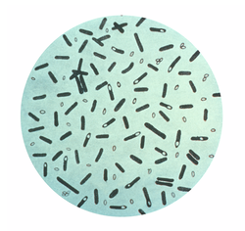
Infant botulism occurs when babies under one year old ingest spores of Clostridium botulinum, which grow in their immature digestive systems and release powerful toxins.

Unlike adult botulism, which usually results from contaminated food, infant botulism begins when spores germinate in the gut, typically within 12 to 36 hours. The resulting toxins interfere with nerve signals that control muscle movement, causing a progressive paralysis that starts with digestion and swallowing.

Infant botulism is rare, with about 100 to 150 cases per year in the U.S., but it’s serious and early recognition is critical.

Microscopic image of Clostridium botulinum, the bacteria that causes infant botulism

The bacterium Clostridium botulinum produces the toxin that causes infant botulism.

What Parents Should Know: Recognizing the Signs of Infant Botulism

Doctors often refer to the key symptoms as “The 4 Cs.” My grandson displayed them all:

  • Constipation (often the earliest sign)
  • Poor Cry (weak or altered vocal tone)
  • Poor Control of head and neck muscles
  • Poor Coordination of sucking and swallowing

If your baby exhibits more than one of these symptoms, especially suddenly, don’t wait. Trust your instincts and seek care immediately.

A Likely Source: Soil from Construction

Honey is the most well-known source of infant botulism spores, but we suspect a different one in this case: soil exposure.

Construction work had just started outside my daughter’s New York City apartment the week they brought their son home. Their apartment, facing the street with open windows in the early spring, may have allowed airborne spores from disturbed soil to enter.

Clostridium botulinum spores are naturally found in soil worldwide. When construction stirs up that soil, those spores can become airborne, especially in urban settings.

Sidewalk construction in New York City residential area disturbing soil near buildings
Construction activity can stir up soil, releasing dormant spores into the air near homes.

When Every Minute Matters: Treatment for Infant Botulism

Once infant botulism is suspected, speed is essential. The ER doctor immediately contacted infectious disease specialists and began the process of securing Botulism Immune Globulin (BIG-IV) the only antitoxin treatment available.

BIG-IV is distributed through a specialized program coordinated by the California Department of Public Health. In our case, the nearest supply was in North Carolina. The earlier the antitoxin is administered, the better the outcome because it prevents further damage from circulating toxin.

A Long but Hopeful Recovery

Recovery takes time. My grandson spent 16 days in the hospital, receiving IV nutrition, respiratory monitoring, and careful support as his body healed.

About a week in, stool tests confirmed the presence of Clostridium botulinum, validating the diagnosis and the aggressive treatment approach. But the greatest relief came from seeing his energy and appetite slowly return.

Newborn baby in hospital care representing infant botulism awareness.
With timely treatment and careful hospital support, most infants make a full recovery from infant botulism.

A Medical Miracle Made Possible by Research

This experience was a powerful reminder of the importance of scientific research and preparedness.

Without the decades of work behind BIG-IV, from discovery to distribution, our family’s outcome could have been very different. The dedication of researchers, doctors, and public health professionals created the safety net that saved my grandson.

Scientist in medical research lab analyzing samples related to infectious disease.
Research in infectious disease labs made the development and distribution of the infant botulism antitoxin possible.

Parents: Trust Your Instincts

Today, my grandson is a thriving, healthy baby. He’s met all his developmental milestones and has no lingering effects from his illness.

If your baby shows signs of unusual weakness, feeding difficulty, or seems “off” in any way, trust your gut. Don’t wait. Get help, and know that treatment exists.

What parents should know about infant botulism is simple but vital. It’s rare, but real. And early action can mean the difference between crisis and recovery.

10 Essential FAQs About Infant Botulism

How rare is infant botulism really?

About 100 to 150 babies are affected each year in the U.S. It’s uncommon, but serious.

What are the early warning signs of infant botulism?

Constipation, weak crying, poor head control, and trouble feeding. These may appear suddenly.

Why can’t babies under 12 months have honey?

Honey can contain botulism spores. A baby’s gut isn’t mature enough to prevent them from growing.

How quickly do symptoms appear after exposure?

Usually within 12 to 36 hours, but sometimes longer.

Are there other sources of infant botulism besides honey?

Yes. Soil, dust, construction, or improperly prepared food.

How is infant botulism diagnosed?

Mostly by symptoms and clinical judgment. Stool tests confirm the diagnosis but may take days.

What’s the treatment for infant botulism?

BIG-IV antitoxin, plus supportive care like IV fluids and respiratory monitoring.

Will my baby recover fully?

Most babies make full recoveries if treated early, though healing can take weeks to months.

What happens if infant botulism is not caught early?

Paralysis can progress, leading to “floppy baby syndrome,” breathing issues, and greater risk of complications.

How can I reduce my baby’s risk of infant botulism?

Avoid honey before 12 months, minimize dust and soil exposure, and always trust your instincts.

Learn More About Dr. Donald R. Tanenbaum

Categories
TMJ

TMJ Self-Care: Simple Tools That Actually Work


Jaw Pain Relief at Home

If you’re dealing with TMJ pain, jaw stiffness, or that frustrating feeling when your jaw just won’t cooperate, you’ve probably wondered: “What can I actually do about this at home?” The good news is that there are proven self-care tools that can make a real difference in how you feel day-to-day.

After decades of treating patients with temporomandibular disorders (TMD), I’ve seen which home-care approaches truly help people manage their symptoms between office visits. These aren’t complicated treatments; they’re simple, accessible tools that my patients consistently tell me have improved their quality of life.

Why Self-Care Matters for TMJ

Your jaw works harder than almost any other part of your body. Think about it: you talk, chew, yawn, and express emotions all day long. When your temporomandibular joints and surrounding muscles are stressed, inflamed, or overworked, that constant activity can make healing difficult.

The right self-care tools give your jaw the support it needs to recover while you go about your daily life. They’re not magic bullets, but when used consistently, they can significantly reduce discomfort and help you regain normal function.

6 TMJ Self-Care Tools That Actually Work


1. TMJ Wraps: Your Go-To for Muscle Relief

What it does: Delivers targeted heat or cold therapy to soothe tense jaw muscles and reduce inflammation.

Moist heat has been recommended for jaw muscle pain for decades, and for good reason: it works. TMJ wraps make it easy to get consistent, comfortable heat therapy exactly where you need it.

Your Go-To for Muscle Relief

How to use it:

  • For muscle tension: Heat the microwaveable pouches and apply for 20 minutes, twice daily
  • For joint inflammation: Use the same wrap chilled for 10 minutes, 3-4 times per day

What patients tell me: “I use this every morning while I have my coffee, and it really helps loosen up my jaw for the day.”

Where to find it: Available on Amazon and other online retailers.


2. gentle jaw®: “Yoga for Your Jaw”

What it does: Helps restore jaw motion that may be restricted due to TMD, trauma, surgery, or other conditions.

This pocket-sized device supports gentle jaw stretching and movement. Think of it as physical therapy you can do anywhere. When used multiple times throughout the day, many patients notice real improvements in how easily their jaw opens and closes.

gentle jaw® device used for TMJ stretching and motion recovery.

Why it helps:

  • Enhances jaw mobility and reduces stiffness
  • Promotes healing of muscle fibers through gentle movement
  • Portable enough to use at work or while traveling

What patients tell me: “I keep one in my desk drawer and use it during the day. It’s like having a reminder to take care of my jaw.”

Where to find it: Available at gentlejaw.com.


3. Thera Cane®: Release the Neck Tension That Feeds Jaw Pain

What it does: Allows you to apply targeted pressure to release neck muscle knots that can worsen TMJ symptoms.

Here’s something many people don’t realize: neck muscle tension and jaw pain are closely connected. The Thera Cane® lets you work on those hard-to-reach neck muscles that might be contributing to your jaw discomfort.

Thera Cane® tool for relieving neck tension linked to TMJ pain.

Why it matters: Many TMJ symptoms are influenced by neck muscle tension. By addressing both areas, you can often get better overall relief.

Best used: Before doing neck stretches or exercises. The combination can significantly improve your results.

What patients tell me: “I had no idea my neck was connected to my jaw pain until I started using this. It’s been a game-changer.”

Where to find it: Available at theracane.com and many other online stores.


4. Cervical Support Pillows: Better Sleep, Less Morning Pain

What it does: Provides proper head and neck alignment during sleep, reducing pressure on your jaw.

How you position your head and neck at night affects your TMJ health more than you might think. A good cervical pillow can help you wake up with less jaw stiffness and fewer morning symptoms.

Cervical pillow used to support neck alignment and reduce jaw clenching.

Why it works: Proper alignment takes pressure off your jaw joints and muscles while you sleep, giving them a chance to rest and recover.

Pro tip: It might take some trial and error to find the right pillow for your preferred sleep position, but it’s worth the effort.

What patients tell me: “I used to wake up with my jaw clenched tight. This pillow has made such a difference in how I feel in the morning.”

Where to find it: Tempurpedic.com and many online retailers


5. Cork Rolling: The Simple Technique That Started It All

What it does: Provides gentle massage to jaw muscles, similar to how a foam roller works for other parts of your body.

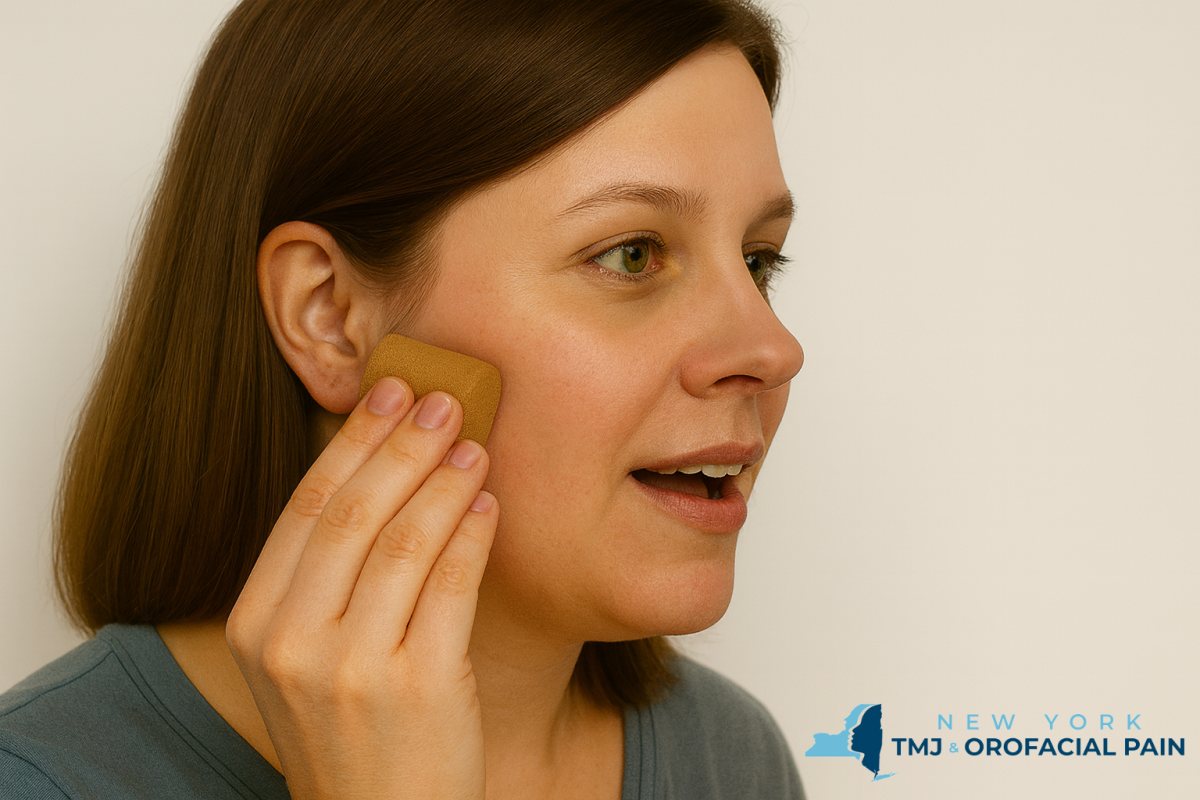
For years, I recommended that patients use a simple wine cork to gently massage their jaw muscles, the masseter and temporalis muscles specifically. It sounds almost too simple, but patients consistently reported that this gentle rolling motion brought welcome relief and often accelerated their recovery.

Wine cork used to massage jaw muscles for TMJ relief.

How to do it: Gently roll the cork over sore jaw muscle areas multiple times per day.

Why it works: The gentle pressure helps increase blood flow to the muscles and can reduce tension and soreness.


6. The TMJAID Roller: Taking Cork Rolling to the Next Level

What it does: Provides enhanced control and coverage for jaw muscle massage therapy.

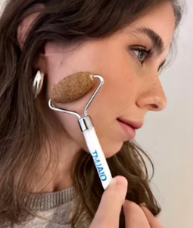
The TMJAID Roller was actually inspired by one of my patients who suggested we could improve on the wine cork technique. They were right; this tool provides better control, more consistent pressure, and easier use than the original cork method.

TMJAID Roller used for jaw muscle massage and TMJ pain relief.

What makes it special:

  • Patient-approved design based on real experiences
  • Clinician-developed from direct experience treating jaw muscle dysfunction
  • Simple, affordable, and rooted in clinical reality

What patients tell me: “This is so much easier to use than trying to hold a wine cork, and I feel like I can target the sore spots better.”

Where to find it: Available at TMJAIDRoller.com.

Making These Tools Work for You

The key to success with any TMJ self-care routine is consistency. These tools work best when they become part of your regular routine, not something you only use when pain flares up.

When to Seek Professional Help

While these self-care tools can make a significant difference, they’re most effective when used as part of a comprehensive treatment plan. If you’re dealing with persistent jaw pain, clicking, locking, or other TMJ symptoms, it’s important to get a proper diagnosis from someone who specializes in these conditions.

Ready to Take Control of Your TMJ Pain?

You don’t have to let jaw pain dictate how you live your life. These simple, proven tools can help you take back control and start feeling better.

If you’re in the NYC metro area and ready to address your TMJ symptoms with expert care, we’re here to help. Contact us at one of our convenient locations in Manhattan, White Plains, New Jersey, or Long Island. Together, we’ll create a treatment plan that includes both professional care and effective home management strategies.

If you’re outside our area, you can find a qualified orofacial pain specialist near you through the American Board of Orofacial Pain directory.

Have you tried any of these TMJ self-care tools? What’s worked best for managing your symptoms? Share your experiences! As a community, we all learn from what works in real life.

You may also be interested in:

Learn About TMD & TMJ Disorders
Why Your Jaw Hurts & What To Do
BOTOX® For TMJ Treatment: Your Questions Answered


Frequently Asked Questions


What can I do at home to relieve TMJ pain?

Start with moist heat therapy using a TMJ wrap, gentle jaw stretching devices like the gentle jaw®, and massage techniques such as cork rolling or using the TMJAID Roller.

Does heat or cold help TMJ pain more?

It depends on the cause. Heat is typically best for muscle tension, while cold is better for inflammation in the joint. TMJ wraps can be used for both.

Can massaging my jaw muscles make TMJ worse?

Gentle, targeted massage—especially using tools like the TMJAID Roller—can be very effective when done correctly. Avoid aggressive pressure and stick to short sessions multiple times a day.

Are these tools a replacement for seeing a specialist?

No. They work best when used alongside a professional treatment plan. If you’re in NYC, Long Island, or Northern New Jersey, our team at NYTMJ can help.
Where can I get personalized TMJ treatment in NYC and the surrounding area?

NYTMJ offers expert care for TMJ disorders at offices in Manhattan, White Plains, Long Island, and New Jersey. Call us at the numbers below to schedule a consultation at an office near you.


Categories
TMJ

Why Does Your Tooth Still Hurt?

Understanding Periodontal Ligament Pain and Lingering Toothaches

Meet the Expert

For decades, I’ve helped people struggling with pain in their teeth, jaw, and face, especially when that pain doesn’t respond to traditional care. At my practice, New York TMJ & Orofacial Pain, I focus exclusively on diagnosing and treating complex orofacial pain problems. If you’re dealing with a toothache that no one seems able to explain, I’m here to help you find real answers.

Why Won’t My Toothache Go Away?

If you’ve had a toothache that just won’t quit, you’re not alone. Many people experience lingering tooth pain that has no clear dental cause and or has not responded to multiple treatments.  When this happens, the culprit may be the periodontal ligament.

Why Won’t Your Toothache Go Away?

What Is the Periodontal Ligament?

Every tooth in your mouth is held in place by a small, stretchy tissue called the periodontal ligament (PDL). Think of it as a cushion that anchors your tooth in its socket and helps you chew without discomfort. The PDL is packed with nerve endings, making it extremely sensitive—sometimes detecting even the tiniest particles in your food.

But just like any ligament in the body, it can get injured. When that happens, the result is often pain that can linger far longer than you’d expect.

Yes, Your Tooth Can Get “Sprained”

It might sound strange, but it’s true. If you’ve ever bitten into something unexpectedly hard, like a popcorn kernel, or taken a hit to your jaw or chin, you could have overstretched your tooth’s ligament. That’s a PDL sprain.
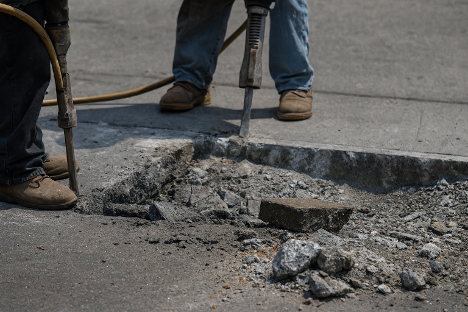
At first, the pain might come and go while chewing. But if the ligament becomes sensitized, even light pressure or simple contact can feel painful, and the pain may stick around for weeks or longer.

Common Causes of Periodontal Ligament Pain

  • Biting down on hard or unexpected objects
  • Injuries to the jaw or face (from falls, sports, or accidents)
  • Recent dental work or surgery
  • Daily habits like clenching, nail biting, or chewing on pens
  • Grinding your teeth at night (bruxism)

Why the Pain Lingers: It’s Not All in Your Head

Long-lasting tooth pain isn’t always caused by damage you can see. In some cases, your nerves continue sending exaggerated signals to your brain, even after the tissue has healed. This is called neuropathic pain. In other cases, your brain starts interpreting normal sensations as harmful – this is nociplastic  pain.

Stress and anxiety can also play a role. The more worried or focused you are on the pain, the more sensitive your brain becomes to those signals. It’s a frustrating cycle, but it can be broken.

When Basic Care Isn’t Enough: Time to See a Specialist

If your pain continues despite time,  and evaluations and treatments in your dentist’s office, it may be time to consult an orofacial pain specialist.

What Is an Orofacial Pain Specialist?

Orofacial pain specialists are dentists with advanced training in the diagnosis and treatment of pain involving the mouth, jaw, face, head, and neck. We’re experts at solving complex cases—especially pain that doesn’t have a clear cause or hasn’t responded to traditional dental treatments.

If a sprained ligament is diagnosed , treatment options may include:

  • Prescription medications that calm overactive nerves, and or support an individual’s pain blunting systems
  • Custom-made devices (called “neuro shields”) to protect the tooth and deliver medicated gels directly to the area
  • BOTOX® injections with local anesthetic to quiet hypersensitive nerves

How to Get Help Now

If you live in the NYC metro area and are ready to uncover the root of your orofacial pain, we are here to guide you. Take the first decisive step by scheduling a consultation at one of our convenient offices in Manhattan, White Plains, New Jersey, or Long Island. Together, we’ll get to the bottom of what’s causing your suffering and get you on the road to recovery.

Visit the footer below to contact the office nearest you. Each of our locations has a dedicated team ready to help you take the next step toward relief.

If you’re outside the NYC metro area, you can still get help. The American Board of Orofacial Pain maintains a national directory of certified specialists across the country. Just enter your zip code to find someone near you.


You may also be interested in:

Categories
TMJ

When Your Jaw Locks Up: The Surprising Truth About Lockjaw

Are You Struggling to Open Your Mouth?

There’s a good chance you’re reading this because you woke up one morning and couldn’t open your mouth properly. Or maybe you’ve been struggling with limited jaw movement for weeks or even months. Perhaps your jaw makes clicking sounds and sometimes feels like it might “catch” or lock up completely.

If this sounds familiar, you’re likely dealing with what’s commonly called “lockjaw” – and you’re not alone.

What’s Really Happening When Your Jaw Won’t Open

Lockjaw (medically known as trismus) is exactly what it sounds like – a condition where your jaw muscles lock up, making it difficult or even impossible to open your mouth normally. While many people associate lockjaw with tetanus infection, the reality is that most cases today are related to problems with your temporomandibular joints (TMJs) and the surrounding muscles.

Think about everything your jaw does all day long – talking, chewing, yawning, expressing emotions. When this complex system becomes strained, unstable, or overworked, the result can be a temporomandibular disorder (TMD) that leaves you literally struggling to open wide.

TMD problems can be of muscle origin, related to structural compromises in the temporomandibular joints or a combination of the two. Common problems include muscle guarding and soreness, spasm and tendonitis which are often associated with pain and jaw motion limitations. When the temporomandibular joints are compromised structurally, clicking and popping noises can emerge associated with disc interferences. Over time these problems can be associated with pain, limited jaw motion and at times the onset of arthritic changes

The Real Causes of Your Locked Jaw

So what’s actually causing your jaw to lock up? Let’s break down the most common culprits:

1.    Trauma and Injuries

Did you know that trauma from a car accident, sports injury, or even a punch to the face can trigger TMD problems months or even years later? Your jaw joint might have been damaged in ways that weren’t immediately obvious but eventually lead to restricted movement.

2.    Neck Problems

This might surprise you, but your neck and jaw are intimately connected. Injuries or chronic pain in your neck can gradually cause your jaw muscles to tighten up and restrict movement. This connection explains why people with whiplash often develop jaw problems later.

3.    Little Everyday Habits

Do you:

  • Chew gum regularly?
  • Bite your nails or cuticles?
  • Chew on pens or pencils?
  • Clench your teeth during the day?
  • Hold your phone between your shoulder and ear?

These seemingly innocent habits put tremendous strain on your jaw muscles and joints over time, potentially leading to that locked-up feeling.

4.    Stress and Anxiety

When you’re stressed, where does that tension go? For many people, it heads straight to the jaw. The muscles tighten, sometimes without you even realizing it, creating a cycle where worrying about life stressors leads to jaw problems, which creates more stress!

5.    Medication Side Effects

This one surprises many patients: certain medications, particularly those prescribed for attention disorders (like Concerta®, Adderall®, and Ritalin®), can increase jaw muscle tension in some people. If your jaw problems started a few weeks or months after beginning one of these medications, there might be a connection.

6.    Night-Time Teeth Grinding

Do you wake up with a sore jaw or headache? You might be grinding your teeth at night. This nighttime habit (called sleep bruxism) can exhaust your jaw muscles, leaving them too fatigued to work properly by morning.

7. Medical and Dental Conditions

Several medical and dental conditions can affect your ability to open your mouth normally:

  • Arthritis in your jaw joints: Whether it’s osteoarthritis, rheumatoid, or psoriatic arthritis, inflammation in these joints can significantly limit jaw movement.
  • Movement disorders: Conditions like dystonia that cause involuntary muscle contractions can affect your jaw and neck muscles.
  • Medical treatments: Tumors in the head and neck area or side effects from radiation therapy can cause protective muscle tightening or ok scarring.
  • Dental problems: An infected wisdom tooth or other dental infections can trigger muscle spasms that restrict jaw opening.
  • Dental procedure complications: Sometimes after getting a dental injection, you might develop “post-injection trismus” – a temporary but severe limitation in jaw opening that can last 3-12 weeks before getting better on its own.

What Lockjaw Does to Your Daily Life

When your jaw doesn’t open properly, suddenly simple activities become challenging:

  • Taking a bite of a sandwich or apple becomes painful or impossible
  • Speaking clearly gets difficult
  • Brushing and flossing your back teeth becomes a struggle
  • Even yawning can cause pain

The impacts go beyond physical discomfort – many patients report feeling embarrassed or anxious about their condition, especially when eating in public or speaking in professional settings.

Orofacial Pain Specialists Understand What You’re Going Through

As an Orofacial Pain specialist, I’ve helped hundreds of patients overcome lockjaw and regain normal jaw function. Many arrive at our office after seeing multiple healthcare providers without finding relief.

For most patients, simply understanding what’s happening is the first step toward recovery. That moment when someone finally explains why your jaw is locking up – and confirms that you’re not imagining things – can be incredibly validating.

If you’ve been nodding along as you read this post, thinking “That’s exactly what I’m experiencing!” – it’s time to get help from someone who specializes in jaw disorders.

How to Get Help Now

You don’t have to live with a jaw that won’t open properly. Our team of board-certified orofacial pain specialists will thoroughly evaluate your condition, explain what’s happening in terms you can understand, and create a personalized treatment plan to get your jaw moving normally again.

We have four convenient office locations: Manhattan, White Plains, New Jersey, and Long Island. Don’t spend another day struggling with lockjaw. Contact us to book your appointment today.

(Note: if you don’t live in our area, find a specialist near you here.)

Categories
TMJ

TMJ Patient Finds Relief With Trigger Point Therapy

A patient’s journey from chronic pain to daily comfort.

Are you struggling with jaw locking, facial pain, or headaches that are affecting your daily life? You’re not alone. At New York TMJ & Orofacial Pain, we see patients every week who thought they might never find relief.

A Case Study: Lindsay

Meet Lindsay, a vibrant 32-year-old who came to our practice after suffering for years from debilitating jaw-locking and facial pain. The pain disrupted her life to such a degree that simple acts like chewing and speaking were excruciating.

Like many of our patients, she had been to numerous providers before finding us; each offered temporary solutions but never addressed the root cause of her pain.

Our Patient-First Approach: We Listen Differently

During our first consultation, I carefully listened to Lindsay’s story. This approach at our practice always reveals crucial information to help us understand her symptoms, which she described as being:

  • Neck stiffness and discomfort
  • Intense facial pain
  • Frequent headaches

While Lindsay had been living with a lot of stress, her other providers simply blamed the stress for her symptoms. But, as I discovered, her condition was more complex than that.

Jaw clenching and strained posture, along with other daily habits, had created so much tension in her facial and neck muscles that they were now inflamed and irritated. I explained to her that her problem could have indeed started during times of stress, but just learning to relax more would not solve the problem.

Trigger Point Therapy For Lindsay

I decided to use trigger point therapy to help Lindsay. Trigger Point therapy is a specialized needling technique that releases tight muscles and tendons, providing significant relief from the type of orofacial pain she had been suffering from. When administered by a highly experienced professional, it directly targets the source of pain.

After the very first session, Lindsay experienced an immediate improvement in her neck mobility! But I didn’t stop there.

Long Term Relief

In conjunction with trigger point therapy, I used BOTOX® injections to maximize the effects and keep her muscles from automatically tightening over the long term. I also designed an individualized home care plan and collaborated with her physical therapist.

Lindsay’s Comprehensive Care Plan

  • Precision Trigger Point Release
  • Targeted Low-Dose BOTOX®:
  • Home Care Protocol
  • Physical Therapy

Life After Treatment

Today, Lindsay’s quality of life has dramatically improved. She no longer relies on pain medications routinely or worries constantly about jaw-locking episodes. With effective pain management and a renewed sense of control, she is optimistic about her future and can enjoy life to the fullest.

If you experience TMJ pain or neck and facial discomfort like Lindsay and live in the New York City metropolitan area, New York TMJ & Orofacial Pain might be the solution you’ve been searching for. We have four convenient locations: Manhattan, Long Island, Westchester, and Springfield, NJ. Call 212-265-0110 today to schedule a consultation and take the first step toward lasting relief.

Dr. Aimee Werfel has been practicing at our Manhattan location for over 2.5 years. She is a highly valued member of our team because of her competence in diagnosing and managing orofacial pain and TMJ problems and her empathetic, patient-first approach.

Categories
TMJ

What Causes Lockjaw?

If you’ve ever woken up in the morning and couldn’t open your mouth, this is for you…

What Is Lockjaw?

Lockjaw, which is medically known as trismus, is a prolonged, spasmodic contraction of your jaw muscles that makes it difficult to open your mouth normally.

In years past, lockjaw was typically tied to a serious bacterial infection called tetanus. Tetanus is rare in the United States today, but the term “lockjaw” so accurately describes the experience of not being able to open your mouth wide, it’s still being used.

What Causes Lockjaw?

As an Orofacial Pain Specialist, I provide advice and care to patients suffering from jaw problems, including “locked jaws”. The following insights shed some light on why it happens.

TMJ Is The #1 Cause Of Lockjaw

The term TMJ refers to the temporomandibular joints. They are the joints in front of your ears on either side of your face that can lock-up and keep you from being able to open your mouth wide – or at all! So, what causes TMJ?

A Single Event: TMJ can be the result of a one-time event that impacted your jaw, such as a sports injury, a car accident, being punched or kicked in the face or neck, or a dental or medical procedure where you had to keep your mouth open for a long period of time. Sometimes, jaw problems appear long after the injury occurred.

Sleep Bruxism: Sleep bruxism is when you grind or clench your teeth while you’re asleep – has been linked to TMJ, as well. Everyone who grinds or clenches at night doesn’t develop jaw problems, but bruxism is considered a distinct risk factor.

Your Lifestyle: Your lifestyle can set you up for TMJ, too. If you routinely chew gum, bite your nails, clench your teeth during the day, or any other habit that puts a strain on your jaw muscles and joints, you’re setting yourself up for the possibility of TMJ.

Anxiety Or Medications: Frequent anxiety and ADD/ADHD medications are also considered a risk. They both can cause your jaw muscles to tighten and therefore keep you from being able to open your mouth wide.

Other Causes Of TMJ: Other, less common links to TMJ include arthritis, a dental injury, some neurological conditions, and other health conditions.

What To Do About Your Locked Jaw

Now that you understand the causes of lockjaw, you’ve taken the first step toward treatment and relief. Even if your jaw isn’t currently locking, recognizing and trying to eliminate the risk factors listed above will go a long away.

If your jaws lock frequently, don’t be scared. There are doctors who specialize in jaw problems (like me!). We can help alleviate your current pain and discomfort and help you prevent it from happening again.

Get Help Now: If you live in the NYC metropolitan area and suffer from lockjaw, contact New York TMJ & Orofacial Pain. We have four convenient locations. Our contact info is below.

If you live outside our area and need help, search for “TMJ specialists” on Google or use the American Academy of Orofacial Pain’s professional directory here.

Categories
TMJ

Relief from Burning Mouth Syndrome: The Capsaicin Approach

Have you ever bitten into a spicy dish and immediately felt your mouth light up with heat? Now, picture that same burning sensation lingering in your mouth every day, even without the spices. This frustrating condition is known as Burning Mouth Syndrome (BMS), and it can be a real torment if you’re dealing with it. Typically, it feels like a searing pain on the top side of your tongue, and sometimes, it might seem like it’s emerging out of nowhere.

A Surprising Solution from Spicy Food

Interestingly, a component commonly found in spicy food could offer you some relief. Let’s talk about capsaicin – it’s the substance that gives chili peppers their fiery kick. To give you a perspective, imagine a friend who orders their dish “Thai spicy” and ends up with a tomato-red face, sweating profusely. That reaction is thanks to capsaicin, which activates certain receptors in our bodies that are responsible for heat and pain sensations.

For those experiencing Burning Mouth Syndrome, applying capsaicin directly to the area of discomfort might seem a bit counterintuitive – like trying to douse a flame with gasoline. But here’s the fascinating part: capsaicin can actually dial down the pain over time.

How Can Capsaicin Help You?

Capsaicin works by repeatedly firing up the heat and pain receptors (known as TRPV1 receptors), and over time, these nerves exhaust their supply of Substance P, which is crucial for ferrying pain signals to our brain. So, by stripping down Substance P, your nerves become less adept at communicating pain — meaning you experience less discomfort from BMS.

This mechanism is somewhat akin to developing a tolerance for spicy food. Regularly braving spicy dishes can train your receptors to be less sensitive, making spicy foods more bearable. Turning to topical capsaicin treatment has yielded promising outcomes for individuals with Burning Mouth Syndrome, effectively diminishing symptoms.

Exploring Other Options

Capsaicin is not the only path to relief. Topical and oral medications or therapeutic strategies such as Cognitive Behavioral Therapy for Pain Management can be effective as well. These alternatives can also provide significant relief and enhance the quality of life for those grappling with BMS.

In Summary

Living with Burning Mouth Syndrome can be taxing, but there are manageable solutions out there, with capsaicin being a notably surprising one. If you or a loved one is battling this condition, looking into capsaicin treatment or consulting a specialist in Orofacial Pain could be a game-changer.

Remember, you’re not in this alone, and finding the right treatment could dramatically uplift your daily experience.

I’d genuinely appreciate your thoughts or any experiences you’d be willing to share about this condition.

Categories
Jaw Problems TMJ

Why Your Jaw Hurts & What To Do

In a recent episode of “Fit as a Fiddle,” I had the privilege of discussing a subject that has been the focus of my career with host Dr. Sneha Gazi. Temporomandibular Disorders (TMD) represent a complex and often misunderstood group of conditions. My colleagues and I at New York TMJ and Orofacial Pain are dedicated to unfolding the layers of TMD and providing relief to those afflicted.

Understanding the Orthopedic Complexity of TMD

TMD is not just about dental health; it’s an orthopedic issue that involves the musculoskeletal system of the jaw. Much like conditions affecting the knees, hips, or ankles, TMD requires a detailed understanding of the anatomy and function of the jaw. Distinguishing between the various causes of TMD symptoms—be it muscle tension, tendon issues, or joint dysfunction—is critical for effective treatment.

The Crucial Role of Diagnosis

A cornerstone of our discussion centered around the vital importance of accurately diagnosing TMD. With symptoms ranging from pain to limited jaw movement or even audible mechanical noises, the precise source needs careful identification. This emphasis on diagnosis not only guides our treatment approach but also helps the patient understand their condition better.

Emphasizing Patient Participation in Treatment

In my experience, successful treatment of TMD hinges on the active participation of the patient. The journey to recovery is a shared one, requiring changes in daily habits, posture, diet, and stress management. By engaging in their health and treatment plan, patients can significantly influence their outcomes, heralding a more effective and lasting relief.

Beyond Traditional Treatments: A Holistic Approach

While traditional treatments like oral appliances, muscle and joint injections and medications  play a role in managing TMD, they are but a part of the holistic approach we advocate. The inclusion of lifestyle adjustments, reduction of daily jaw overuse behaviors and  neck posture fatigue  along with management of life stressors remains vital.

Closing Thoughts: A Path Forward for TMD Patients

As we concluded our conversation on the “Fit as a Fiddle” podcast, the overarching message was one of hope and optimism. TMD, with its multifactorial nature, requires a concerted effort both from the healthcare provider and the patient. Together with my colleagues at New York TMJ and Orofacial Pain, we stand ready to guide patients through their journey to recovery, using a comprehensive and empathetic approach. Here, you’re not just a statistic but a participant in a shared quest for understanding, relief, and recovery.

We have four locations in the New York City metropolitan area staffed by experienced and caring board-certified Orofacial Pain specialists who will correctly diagnose your condition and create a treatment plan to help you feel better. Please call us to schedule a consultation at your nearest location (see below). If you live outside the NYC area, the American Academy of Orofacial Pain’s directory will help you find an Orofacial Pain specialist in your area.

Remember, the path to overcoming TMD is a collaborative venture, and you are not alone.

You can listen to the full interview here.

You may also be interested in the following articles:

What Is TMD?
The Secret Behind Unexplained Toothaches & Facial Pain
The #1 Reason You Have TMJ Pain

Categories
TMJ Women & Pain

TMJ Problems: 3 Reasons Women Are More Affected Than Men

In the intricate workings of the human body, few conditions are more intertwined with biology, psychology, and neurology quite like TMJ (temporomandibular joint) disorders. As someone deeply entrenched in the study and treatment of TMJ disorders for over 4 decades, I’ve seen firsthand the disproportionate impact these conditions have on women.

At our practice, New York TMJ & Orofacial Pain, 77% of our patients are women. This figure intriguingly spikes to almost 90% among those opting for BOTOX® injections to combat severe jaw muscle pain.

Not Mere Statistics

These numbers are more than mere statistics; they help Orofacial Pain specialists like us understand gender-specific vulnerabilities and design targeted, effective treatments for our female patients. The research that’s been done into this gender bias has primarily focused on three areas:

  1. The Influence of Estrogen
  2. Psychological Factors
  3. Neurological Factors

Estrogen’s Critical Role

Estrogen has a critical role in reproductive health, but it also wields significant influence over TMJ symptoms. Fluctuations in estrogen levels punctuate women’s life events from menstruation to pregnancy to menopause. However, most people don’t know that these fluctuations can have a significant impact on the severity of TMJ symptoms.

This hormonally fueled modulation of pain perception and inflammation, coupled with its impact on ligament elasticity, intricately ties a woman’s hormonal rhythms to the functionality of their jaw joints.

Menstruation, Menopause, & Hormone Therapy

Estrogen levels fluctuate during menstruation, menopause and for those using hormone replacements or birth control pills, potentially making pain more pronounced. Many patients tell us that during the week leading up to menstruation and during menopause, they experience increased TMJ pain and dysfunction. Estrogen also reduces the strength of ligaments, making the ligaments in the jaw structure more flexible, which can cause injury to the TMJs. Jaw overuse behaviors such as awake or sleep bruxism, chewing gum, nail-biting, cuticle biting, and the like cause more TMJ dysfunction in women than in men.

Pregnancy’s Unique TMJ Challenge

During pregnancy, a woman’s body releases Relaxin, a hormone that prepares the body for childbirth (a good thing) but can intensify or trigger TMJ problems. This underscores the need for nuanced, compassionate care strategies that resonate with the body’s unique hormonal landscape during pregnancy.

The Mechanics of Muscle Fatigue

Jaw muscles respond to stress and strain in a unique way. Overuse behaviors can quickly fatigue them, producing lactic acid that causes pain and spasms. Moreover, the flexibility of the muscles, a trait more pronounced in women, may also be linked to jaw hypermobility – a common precursor to TMJ problems.

The Neurological Perspective

Finally, groundbreaking research has revealed that men and women process pain differently. Brain imaging techniques show differing patterns of brain activation in response to pain between women and men. Women have significantly lower pain thresholds than men and, therefore, typically seek care for TMJ-related symptoms more quickly. This spotlights the critical need for gender-aware TMJ specialists.

The Road Forward

It’s obvious why TMJ disorders disproportionately affect women. This knowledge enriches our practice’s understanding and cements our commitment to fostering hope and healing for women and everyone.

If you or someone you know is suffering, look for care at a practice that appreciates the gender-specific nuances of the experience.

Conclusion

At New York TMJ & Orofacial Pain, we provide compassionate, empathetic, and personalized care for people suffering from the often devastating effects of TMJ problems. Here, you’re not just a statistic but a participant in a shared quest for understanding, relief, and recovery.

We have four locations in the New York City metropolitan area staffed by experienced and caring board-certified Orofacial Pain specialists who will correctly diagnose your condition and create a treatment plan to help you feel better. Please call us to schedule a consultation at your nearest location (see below). If you live outside the NYC area, the American Academy of Orofacial Pain’s directory will help you find an Orofacial Pain specialist in your area.

You may also be interested in the following articles:
How To Evaluate Yourself For TMJ
Facial Pain – Is It Bruxism or Is It Bulimia?
Is Your TMJ Pain Actually A Migraine?

Categories
Headaches TMJ

Does Teeth Clenching Cause Your Morning Headaches?

Or Is It Something Else….

Is this you?

Every day, you wake up with a pounding headache in your temples. It’s been going on for months. In an attempt to identify what’s causing your headaches, you jump online and come across more than a few web pages that suggest they could be caused by nighttime teeth clenching, also called Night Bruxism.

I’m John Dinan, an Orofacial Pain specialist practicing in the New York City metropolitan area. Orofacial pain is a dental specialty that helps people suffering from unexplained pain in their head, face, or neck.

Does Teeth Clenching Cause Your Morning Headaches?

Identifying the Cause: Teeth Clenching or More?

Morning headaches can indeed be related to nighttime teeth clenching, particularly if your pain is felt in the sides of your head. Here’s why: Your temporalis muscles, which cover the sides of your head up to the edges of your eye sockets, allow your jaw to open and close. When you clench your teeth for hours every night, your temporalis muscles can become very sore, resulting in pain in your temples when you wake up.

Other Contributors to Morning Headaches

Not every morning headache is caused by teeth clenching. There are dozens of conditions that can result in morning headaches. So, it’s essential to rule out other possible causes before scheduling an appointment with an Orofacial Pain specialist.

Does Teeth Clenching Cause Your Morning Headaches?

  • Poor Sleep : Sleep is essential to health, and according to the American Academy of Sleep Medicine, adults should get at least 7 hours of sleep per night. Sadly, most people simply do not allow themselves enough time for sleep, and this lack of sleep over time can lead to health problems such as cardiovascular disease, depression, diabetes, and pain.

    Sleep hygiene best practices include going to sleep at the same time every night, making sure your bedroom is quiet, dark, relaxing, and a comfortable temperature, removing electronic devices from the bedroom such as TVs, computers, and smartphones, avoiding large meals, and drinking caffeine or alcohol before bedtime.

Does Teeth Clenching Cause Your Morning Headaches?

  • Migraine : Migraines are characterized by recurrent, often disabling, headache attacks and affect about 12% of Americans. Many people who get migraines go to bed feeling fine but wake up with a throbbing headache, sensitivity to light and sound, and nausea.If your morning headaches sound like this, you may have a migraine condition. Happily, migraines can be successfully treated by your primary care provider or a neurologist.

Does Teeth Clenching Cause Your Morning Headaches?

  • Alcohol & Caffeine : A typical alcohol hangover is characterized by a wicked headache the next morning. However, caffeine withdrawal symptoms can cause morning headaches, too. Within 24 hours of having your last cup of coffee, your body may start to experience withdrawal symptoms, including headaches upon awakening, as the effects of yesterday morning’s coffee wear off. And, of course, many illicit drugs have withdrawal side effects, including morning headaches.

    If you suspect alcohol, caffeine, or other drugs may be causing your headaches, it’s time to reduce or stop and see if they subside.

Does Teeth Clenching Cause Your Morning Headaches?

  • The ‘Headache Bucket’ Theory : Envision a metaphorical bucket representing your capacity for headaches. Various elements contribute to this ‘headache bucket’ — including poor sleep, migraines, and sleep bruxism — each adding to the overall burden. When your bucket overflows, you experience a headache. It’s important to realize that even if sleep bruxism isn’t the primary issue, it could still play a significant role in amassing the volume that leads to your pain.

Does Teeth Clenching Cause Your Morning Headaches?

Moving Forward: Steps to Alleviate Your Pain :

Let’s confront these causes together. When other potential reasons have been excluded or are being managed, yet the headaches persist upon waking, it’s time to consult an Orofacial Pain specialist. If teeth grinding emerges as a contributory factor, rest assured, there is a suite of effective treatments on hand, ranging from conservative self-care approaches to sophisticated therapeutic interventions.

Does Teeth Clenching Cause Your Morning Headaches?

Taking Action: Don’t Let Headaches Hold Your Mornings Hostage :

The pathway to alleviating your morning headache lies in a proactive approach—explore each cause, seek professional advice, and embrace the treatments that resonate with your needs. Reflect on your sleep habits and substance intake, and consult a specialist for personalized guidance.

Dr. John Dinan, DMD MS is a board-certified Orofacial Pain specialist at New York TMJ & Orofacial Pain.

If you live in the NYC metropolitan area and are suffering from TMJ symptoms, feel free to contact us and make an appointment to see one of our Orofacial Pain specialists.