Manhattan

212-265-0110

White Plains

914-227-2305

Springfield, NJ

973-315-7830

Hauppauge

631-265-3136
Categories
BOTOX® Jaw Problems Orofacial Pain TMJ

BOTOX® For TMJ Treatment – Your Questions Answered

As a board-certified orofacial pain specialist in NYC and Long Island, I’ve used BOTOX® for TMJ treatment for over fifteen years. If jaw problems greet you upon waking up in the morning, limit your food choices, prompt you to take pain medications like Advil®, Aleve®, or Tylenol® on a routine basis, and have had a negative impact on your life, BOTOX® injections may be something for you to consider.

7 Common Questions About BOTOX® For TMJ Treatment

BOTOX® for TMJ treatment is a subject around which there is a considerable amount of confusion. To make the best decision for yourself, you should know what BOTOX® is, how it is administered for TMJ treatment, and how to choose the right health provider. Here are 7 of the most common questions I get from new patients and the answers:

1. What Is  BOTOX®?

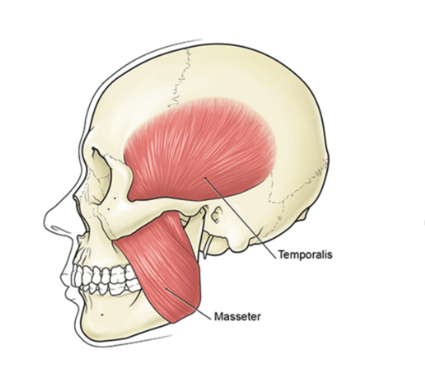
BOTOX®, or botulinum toxin, is what’s known as a neuromodulator. Neuromodulators reduce the ability of a muscle to contract to its maximum capacity. In BOTOX® for TMJ treatment, it is injected into your temporalis and masseter muscles, which are the muscles that enable you to bring your upper and lower teeth together.
botox for tmj in nyc and long island, donald tanenbaum, BOTOX® masseter, BOTOX® temporalis

When we inject BOTOX® into masseter and temporalis muscles, it partially inhibits their ability to tighten to their fullest extent. The result is a reduction in the force of jaw clenching and grinding – one of the common causes of TMJ pain. When the force is lessened, the pain being experienced is also often reduced.

BOTOX® can also reduce the bulk and size of your jaw muscles. Some patients come to my office simply seeking to change the shape of their jaw or reduce the size of their masseter muscles.

2. What’s The Difference Between BOTOX® For Wrinkles & BOTOX® For TMJ Treatment?

In your face, you have “muscles of facial expression.” These muscles enable you to frown, scowl, flare your nostrils, move your eyelids, and smile. To do so, they pull on your skin. As you age and your skin loses some elasticity, it causes wrinkles to appear.

BOTOX® injections have been found to effectively reduce or even eliminate wrinkles by reducing the ability of the muscles to pull on your skin. But, the forces of facial expression are always present, so the use of BOTOX® injections to reduce wrinkles is a lifetime commitment.

BOTOX® for TMJ treatment works differently – instead of injecting into your muscles of facial expression, the injections are into your “muscles of mastication” (your jaw muscles). During an office visit, BOTOX® is commonly injected into four to six areas in the masseter muscle and three to four areas in the temporalis muscles.

While skin wrinkling is a normal part of aging, overworked and symptomatic jaw muscles are not. They get that way for a reason, regardless of whether you’re 18 or 80.

BOTOX® can be a valuable tool to allow your jaw muscles to heal if your pain and stiffness persist after the risk factors that caused your TMJ problems have been identified, reduced, or eliminated.

3. How Long Does It Take For BOTOX® To Kick-In?

BOTOX® and other neuromodulators, such as Xeomin®, can be life-changing. But the benefits do not kick-in right away, and most people have to wait four days to a week before they experience the first indication of relief. Here’s why:

Your muscles contain and rely on a neurotransmitter called acetylcholine which enables them to contract. After BOTOX® injections, it will take a few days for your muscles to use up their supply of acetylcholine. When the level of acetylcholine drops and is not replenished to its normal level, the positive effects of the injections are usually felt.

4. How Long Will The Benefits Last?

The vast majority of TMJ patients that chose BOTOX® find that their symptoms are reduced even after the first injection visit, though not eliminated. The getting better process is slow, as it takes months for long-term muscle injuries to heal.

The best results are achieved when patients continue to complement the BOTOX® with a nightguard, jaw stretching exercises,  a cautious diet, and ongoing efforts to pay attention to daytime jaw overuse behaviors. For most patients, there is a need for one or two additional injection sessions, spaced three months apart, so that the jaw muscles continue to get the rest they need to recover adequately. Within nine to twelve months, there is often a significant reduction in jaw muscle pain, tightness, and daily soreness.

5. How Many Injections Will I Need?

The full benefits of BOTOX® for TMJ treatment are typically not achieved from just one round of injections. Instead, you will likely require a series of injections spaced three months apart.

BOTOX® is, in most cases, not the first treatment you’ll be offered to reduce your jaw pain, soreness, stiff muscles, and motion limitations. The truth is that other treatments usually get the job done. Most of my patients get better by a combination of treatments such as modifying their diet, jaw exercises, massage, physical therapy, chiropractic care, medications, nightguards, and by non-BOTOX® muscle injectionsAnd most importantly, trying to reduce or eliminate daytime jaw overuse behaviors such as nail-biting and teeth clenching.

6. What Are The Side Effects Of BOTOX® For TMJ Treatment?

Repeated injections of BOTOX® in masseter and temporalis muscles over a long period of time can cause some problems. If it is not administered properly, the result can be muscle weakness, and an acceleration of joint noises, making it difficult to eat certain foods. It could hollow out your temporalis muscles and flatten the contour of your face.

Therefore, it is of critical importance that when you seek a healthcare professional to administer BOTOX® for TMJ treatment, you choose one who fully understands the anatomy and function of the muscles of mastication and the risk factors that prompted your muscles to become overused.

7. Will I Need Long-Term, BOTOX®  Injection Sessions?

There is always a  small percentage of patients whose chronic jaw muscle pain (often years in the making) require ongoing BOTOX® injections, in a way similar to Migraine sufferers. Here’s why:Muscle pain occurs when muscle fibers are injured or overworked. Injured and overworked jaw muscles, often due to daytime clenching and nighttime grinding, a high level of lactic acid is produced. When the lactic acid builds up to a high level, a muscle’s nerve endings become excessively excited, which leads to persistent pain.

The pain is now not only in the muscles but in the nerves themselves. This condition is called sensitization (think of it as a sunburn). Sensitization is much more challenging to turn off than simple muscle.

Fortunately, BOTOX® can help nerve sensitization, but the results are harder to achieve and maintain. As a result, ongoing BOTOX® injections may be needed for some patients, with a frequency of three to four times a year without an absolute stop date. Careful attention is required for these patients to ensure their jaw muscles do not become excessively weakened.

BOTOX® For TMJ Treatment – The Bottom Line

If your problems have persisted for a long period of time and despite treatment by your dentist,  you’re still suffering, the next step is to find a board-certified orofacial pain specialist that has experience using BOTOX® for TMJ treatment.

If you or someone you know is experiencing persistent or acute pain in the face or jaw, we invite you to set up a consultation with one of our Orofacial Pain specialists in the NYC metropolitan area. Our office locations and contact information are below.

You do not have to suffer every day from the pain and discomfort of TMJ. Relief is available.

More helpful information about BOTOX® from Dr. Tanenbaum:

7 Things To Know If You’re Considering BOTOX® Injections For Your TMJ
BOTOX® for TMJ Pain

Categories
BOTOX® Bruxism Case Studies Facial Pain Jaw Problems Orofacial Pain TMJ Women & Pain

Facial Pain – Is It Bruxism or Is It Bulimia?

TMJ /Facial Pain Symptoms & Eating Disorders – The Connection

As a TMJ doctor, every year I see a number of patients who are suffering from an extraordinarily high level of face and jaw pain. At first glance, the level of suffering they report is much greater than what I commonly see. One such group are people with a history of one particular eating disorder – bulimia nervosa. In these patients, the typical characteristics I see in people with TMJ are not present. Although their symptoms may lead them to believe that their pain is driven by stress-related jaw tension and bruxism (teeth grinding and clenching), the telltale signs are simply not there. That’s when I ask myself, is it bruxism or is it bulimia?


Is It Bruxism or Bulimia? A Case Study

Marci was 26 when she arrived at my office some three years ago. For several years she’d been dealing with debilitating jaw and face pain almost daily. The pain was centered at the angles of her jaw on both sides and it had become, as she described it, “unmanageable.”

Pain was ruining her life.

Many doctors and therapists had tried to help Marci find relief. She’d been prescribed pain medications and muscle relaxers. She’d been treated by physical therapists. She had acupuncture and trigger point injections. She even tried wearing an oral appliance to bed, thinking her problems were the result of bruxism.

Frustrated and discouraged, Marci was still suffering – with no resolution in sight.


4 Clues That Bruxism Was Not The Culprit

At first, Marci didn’t share her entire medical history with me. Possibly because she was embarrassed or simply didn’t think there was a connection. However, even without knowing her full history, several clues pointed to the fact that Marci’s pain was not caused by bruxism, but instead was a result of bulimia:

  1. No signs of the kind of tooth wear characteristic of bruxism were detected.
  2. Her masseter (jaw) muscles were not rock hard and well-built, typically a sign of bruxism.
  3. The biting surfaces of her lower molars showed a complete loss of enamel.
  4. Her face was extremely puffy.

So, Why Did I Ask If It Was Bruxism Or Bulimia?

In order to answer the question, is it bruxism or is it bulimia, each clue pointed to the answer. You see, bulimia can wreak havoc in the mouth because frequent vomiting exposes the teeth to acid, which can dissolve their protective enamel. This is seen on the back of the upper front teeth and in the center of the lower back teeth where regurgitated acid can pool. And, over time, frequent vomiting can cause the parotid gland (the largest salivary gland) to become inflamed and enlarged, resulting in acute nerve pain in the overlying jaw muscles and prompting facial puffiness.


Facial & Jaw Pain Caused by Bulimia – Treatment

Probing deeper into Marci’s medical history, I concluded that it was indeed bulimia, not bruxism that was the cause of Marci’s pain. Now it was time to offer a plan of treatment. I prescribed the medication nortriptyline (a once-popular antidepressant) that, when used in small doses has been shown to be effective in reducing pain in muscles by quieting nerve excitation. It is thought to work over time by increasing the activity of serotonin in the brain, according to the Mayo Clinic.

Marci also had a series of BOTOX® injections in her masseter muscles at my office, designed to not only reduce muscle tension but to also diminish the release of nerve-irritating chemicals. (See BOTOX® Injections For TMJ – 6 Things You Need To Know)

She was also given a custom-made topical salve containing a mixture of anesthetic, nerve membrane stabilizers, and anti-inflammatory medications to rub over the sore areas of her jaw three times a day.

A Much Happier Existence

Four weeks into treatment, Marci reported that her pain was more than 40% reduced. A second series of BOTOX® injections months later provided even better results. With her pain reduced, she was more motivated than ever to continue talk therapy, which she had started in an attempt to get a handle on her bulimia.

Today, Marci comes into my office every 4-6 months for a refill of her nortriptyline prescription and occasional BOTOX® injections. She’s nearly pain-free, almost bulimia free, and she leads a much happier existence.


Do You Know Someone Who Has Bulimia?

If you or someone you care about has bulimia and is suffering from facial and /or jaw pain, it is quite possible that a relationship exists. It’s very important to answer the question, is it bruxism or is it bulimia, so the right treatment can be put into place.

Although strategies like those used in Marci’s case won’t provide a cure, they can go a long way towards improving the quality of a suffering person’s life.

Live or work in New York City or on Long Island? You can schedule a consultation with me here or call 212-265-0110.

Categories
BOTOX® TMJ

3 Questions & Answers About BOTOX® Injections For TMJ

BOTOX® first became popular as a way to reduce wrinkles and facial lines. But being treated with BOTOX® injections for TMJ problems has become very popular. It is effective in treating pain and/or overactive muscles – when administered by a trained and experienced professional.

As an orofacial pain specialist, I often turn to BOTOX® for TMJ symptoms in patients whose pain has not responded to traditional first-line therapies such as exercises, medications, relaxation techniques, oral appliances, etc.,

If you’re at a point where nothing has provided relief from your painful TMJ symptoms, BOTOX® injections for TMJ could be the next step. BOTOX® is injected into your masseter muscles – the big muscles that bring your teeth together and bulge when you clench your teeth.

Naturally, a lot of questions pop up when I recommend BOTOX® injections for TMJ to my patients. Here are three of them:

3 Frequently Asked Questions BOTOX® Injections For TMJ

“One side of my face has a more developed masseter muscle than the other side. Will BOTOX® for TMJ improve the symmetry of my face?”

Yes, BOTOX® injections for TMJ can be used to achieve facial muscle symmetry. But here’s the important thing to know. It must be injected with a protocol that will selectively reduce the muscle bulk. Both the location and volume of BOTOX® used must be carefully planned to achieve the result desired.

Don’t go forward until you find a practitioner who is highly trained and experienced in this type of treatment.

“How do I know if, or when, I will need more BOTOX® injection for TMJ?”

BOTOX® is injected into the jaw (masseter) muscles for one of two reasons: The first, and most common, is to reduce pain. The second reason that patients opt to have BOTOX® injected into their masseters is to slim down their jaw profile. Many people develop large, bulky jaw muscles as a result of clenching and grinding their teeth, which is called Bruxism.

If pain was the reason you chose BOTOX®, you’ll know you need more treatment if the pain returns and you have controlled all the risk factors that brought on the pain in the first place. If your pain is significantly diminished or completely gone, you may not need more injections.

For pain relief, the current protocol has defined waiting a period of three months between injections.

If achieving a slimmer-looking jaw was your reason for pursuing BOTOX®, what you see in the mirror is the indication that you need more BOTOX®. It is likely that more than one session of BOTOX® injections will get the job done, so keep that in mind.

In addition, if you have not learned to reduce the behaviors that made your jaw muscles larger, or addressed the impact of sleep bruxism if present, results will take longer to achieve and may never be fully satisfying.

Learn about the behaviors that cause enlarged jaw muscles and what you can do about them here.

“If I just stop chewing gum and eating hard food, will my bulky jaw slim down so I don’t need BOTOX® injections?

Your bulky jaw is the result of your masseter muscles being overworked over the course of many years. If you simply stop those activities your muscles aren’t going to slim down on their own. You are probably a good candidate for BOTOX® injections for TMJ.

But as long as you continue the behaviors that made your jaw bulky in the first place, such as teeth grinding and clenching, the results of the BOTOX® won’t last long. 

The Bottom Line

BOTOX® can be highly effective as a treatment for the pain and jaw bulkiness that are symptoms of TMJ problems. However, if administered improperly it may not work or even produce some very unpleasant outcomes. 

How To Find A TMJ Specialist

To find an orofacial pain specialist who’s trained and experienced in your area, go to this website www.aaop.org. Look for a specialist in your area with the designation Diplomate. If you live in the New York City metropolitan area, feel free to call my office at 212-265-0110 to discuss your case. I’d be honored to help you feel better.

Have more questions about BOTOX® for TMJ in the masseter muscles? Feel free to comment below:

Categories
BOTOX® Bruxism Jaw Problems Nightguards & Oral Appliances Orofacial Pain

BOTOX® For Jaw Problems – Who To Trust

The effectiveness of BOTOX® to erase the signs of aging is well-known. But BOTOX®, as you may have heard, can be used to treat a number of medical conditions, as well. As the popularity of BOTOX® has grown so has the number of people who are willing to inject it. BOTOX® for jaw problems, including symptoms associated with TMJ (temporomandibular joint dysfunction), is no exception.

If you’re reading this article you’re possibly experiencing jaw pain or know someone who is. I’ve been treating patients for jaw problems for over 30 years, and during most of that time, I depended upon oral appliances (also called tooth protectors, night guards, or bite plates) as part of first-line therapy to help my patients. Countless people are a tremendous amount of relief from the devices and some won’t consider sleeping without them.

Unfortunately, a small percentage of people do not get relief from first-line TMJ treatment, and some of them develop even more jaw symptoms when using them. If you’re one of these folks, you may be considering injections of BOTOX® for jaw problems as many others are, too.

However, it’s critical for you to understand that BOTOX®, like the oral appliances that help so many of my patients, will not cure your jaw problem. You must address the reasons your jaw got into trouble in the first place.

For BOTOX® for jaw problems to work effectively, it must be injected into both the masseter and temporalis muscles. And, the injections will likely need to be repeated for a time at three-month intervals. Your jaw is a complex structure and is integral to the quality of your life.

You need to be extremely careful about who you choose to administer BOTOX® injections. In some cases, BOTOX® doesn’t work and may even do more harm than good.

BOTOX® For Jaw Problems Is A Serious Decision

First, it’s critical that you are evaluated by an experienced orofacial pain specialist before you have BOTOX® injected into your delicate jaw muscles. Orofacial pain specialists have a specific focus on jaw problems and they have the experience, education, skill and knowledge to determine if BOTOX® for jaw problems will help you.

Here are five scenarios where BOTOX® for jaw problems can be appropriate:

1. You Overuse Your Jaw Muscles

When jaw muscles become overworked, over-built, and consequently, sore and painful, it can be for a variety of reasons. Most people know that TMJ symptoms can be caused by grinding and clenching your teeth at night. But, there are a lot of other causes of TMJ that happen during the day such as gum chewing, nail or cuticle biting, gnawing on pens or pencils, or even bracing your jaw muscles as you work, especially when you sit for hours at a computer.

I do administer BOTOX® for jaw problems in my practice, but not before I work closely with a patient and help them modify or eliminate the overuse behaviors that caused their problems in the first place. Many strategies including muscle-stretching exercises, breathing exercises, and relaxation techniques are very effective and non-invasive. If the overuse behaviors are not addressed and changed, BOTOX® for jaw problems has little – or no – benefit.

2. Your Jaw Muscles Bulge

BOTOX® for jaw problems is predictably effective when a patient’s jaw muscles are so overbuilt that they bulge even when they’re contracted. 

3. You Have Jaw Pain Only On One Side

If your jaw pain is not the same on both sides, before you choose BOTOX® injections, you must be examined by a medical professional who is educated and experienced in the relationships between teeth, bite and jaw postures and how they influence muscle health, overdevelopment and pain. BOTOX® injections must be placed strategically and it’s critical that the correct amount is injected into each muscle site. It’s critical that the person administering the injections has a great deal of expertise.

4. If You Have A Locked Jaw

It requires some deep investigating to determine when and if BOTOX® injections are the right treatment for patients whose jaw locks frequently or has been locked for a while. A locked jaw can be due to a myriad of factors. Figuring out why it’s happening in the first place is critical before you consider BOTOX® for jaw problems. Only an experienced orofacial or TMJ specialist can make the right decision

5. Your Jaw Is Clicking

Constant clicking in the jaw joint is usually due to a problem in the ligaments, bones and/or cartilage. Although a clicking jaw can be caused by overuse behaviors like the ones stated above, BOTOX® for jaw problems won’t help if the clicking has become persistent. In fact, BOTOX® can cause even more jaw clicking. If your jaw is clicking and it’s accompanied by pain, a thorough examination by an orofacial pain specialist is your first step. The last thing you need is more problems.

Conclusion

I have been treating patients with jaw problems for over 35 years and BOTOX® or jaw problems is becoming more and more important. But it’s only one of the ways I help my suffering patients. The instinct I’ve developed from my years in practice combined with my focus on science enables me to determine when, and if, BOTOX® is the correct treatment option in each case, where it should be injected and the correct amount of medicine to use.

If you’re considering BOTOX® for jaw problems related to TMJ, lockjaw, clicking or pain, please let an experienced orofacial pain specialist evaluate you before making the decision.  To find an orofacial pain specialist in your area, link here.

I was interviewed on Good Morning America about BOTOX® for jaw problems. Click here to view the interview.

Categories
Facial Pain Jaw Problems Orofacial Pain TMJ

BOTOX® Injections For TMJ – 6 Things You Need To Know

During the past few years in my practice as a dentist who focuses primarily on TMJ and orofacial pain problems, I have seen a lot of success using BOTOX® injections for TMJ to treat muscle pain and oral nerve pain.

BOTOX® is not suitable for every patient, however. Care must be taken as to when to use it, how to use it, and who is a good candidate. If you’re considering BOTOX® as part of your treatment for TMJ problems, jaw pain, pain in or around your teeth, or because of a change in the shape of your jaw, please read on:

6 Important Things You Need To Know About BOTOX® Injections For TMJ

  1. BOTOX® is Not a First-Line Treatment for Jaw Muscle Pain
    First-line treatment for jaw muscle pain (and spasm or tightness) is dictated by a careful evaluation to identify why you have symptoms in the first place. For example, it may be necessary for you to change some daytime habits, postures and behavioral tendencies that fatigue the jaw and neck muscles. Or if you clench or grind your teeth at night you may need to wear a protective night guard. In addition, you may get relief from medications, home jaw and neck exercises, breathing exercises, meditation, a change in your diet, or all of the above. Muscle injections or dry needling would be next in line along with visits to a physical therapist, chiropractor or osteopath who would work to promote muscle comfort. The bottom line, however, is that you the patient, must participate in the process of getting better and BOTOX® will not produce the desired goals if the underlying reasons for your pain have not been identified and dealt with.
  2. BOTOX® Will Not Ease Certain Types Of Muscle Pain
    There are times when muscles hurt even though they have not been overused. When life circumstances, emotions or thoughts cause your muscles to tighten and ultimately ache, then BOTOX® injections for TMJ will not likely help. Instead, counseling, talk therapy, cognitive behavioral therapy, and the like may be the right strategies to pursue.
  3. If You Currently Wear a Night Guard
    If you currently wear a night guard and still have morning symptoms of muscle pain or tightness, joint noises, locking, and/or pain, you may be a good candidate for BOTOX®. This is particularly true if you find yourself biting hard on the guard when you wake up in the morning. Keep in mind however, that BOTOX® will be most helpful if you continue to wear your night guard. Two strategies are better than one in this scenario.
  4. If You Can’t Tolerate A Night Guard
    If you have simply cannot tolerate a night guard (and have tried various types, with your dentist’s guidance) BOTOX® injections for TMJ may provide meaningful benefit.
  5. If Your Jaw Muscles Are Too Big
    If your jaw muscles are just too big and visibly over-built, BOTOX® may be an option. One of the predictable things that BOTOX® does is reduce muscle bulk when used over time. BOTOX® has been shown to be effective in producing a flatter and more natural-looking profile. You will likely need three BOTOX® sessions in three-month intervals to achieve the best results. However, jaw bulk may creep back if the reasons your muscles become larger have not been identified and dealt with.
  6. If You Experience Persistent Oral Nerve Pain
    Small quantities of BOTOX® may be helpful if you experience persistent pain in your gum tissue, at the site of a tooth or tooth extraction, or at other sites around your face. Nerve pain inside your mouth or in your face is often due to electrical discharge from the trigeminal nerve. BOTOX® injections for TMJ into the painful sites (often called trigger zones) can provide real benefit, especially if you don’t respond well to oral medications. In spite of being relatively new, this type of treatment is showing promise.

In Conclusion

BOTOX® has become a helpful component in the management of TMJ, jaw muscle pain and oral nerve pain problems. The important thing for you, the patient, is to understand that BOTOX® injections for TMJ are not a cure-all. Careful assessment by an experienced practitioner remains the key to making treatment decisions that will result in a long-term positive outcome. If you choose BOTOX® as first-line therapy without understanding the origins of your pain, you will likely be out of pocket quite a bit of money with nothing to show for it.

Related reading:

BOTOX® for teeth grinding is in the news! I was recently interviewed on ABC’s Good Morning America on the topic, Can BOTOX® be used to treat teeth grinding?  Click the link to watch the segment.

Dr. Donald Tanenbaum is a dentist with offices in New York City and Long Island, NY. He is uniquely qualified to diagnose and treat problems associated with facial pain, TMJ and sleep apnea. To make an appointment for a consultation, call: Manhattan: 212-265-0110, Suffolk county: 631-265-3136.

Categories
Facial Pain

BOTOX Effective In The Treatment Of Severe Facial Pain

In my practice of over 30 years I have had many opportunities to think about why people develop facial pain problems and what I can do to get them out of trouble. The majority of patients who come my way suffer from pain that is muscle-based and in turn is caused by any number of factors. I have found BOTOX® to be effective in the treatment of persistent facial pain, especially when other strategies have failed.

In order to determine who is a good candidate for BOTOX® therapy I first investigate the cause of the muscle stress in the first place. Usually I discover that my patient is experiencing one (or more) of the following:

  • Poor sleep quantity and quality.
  • Repetitive work postures fatiguing the neck and shoulder region.
  • Behaviors repeated throughout the day which tighten the jaw, neck and shoulder muscles.
  • Emotional upset and challenging life circumstances.
  • Shallow and fast chest breathing patterns.
  • Excessive consumption of stimulants in beverages and food.
  • Stimulant-based medications.
  • Poor breathing at night while sleeping.
  • Autoimmune problems, which lower pain thresholds.
  • Physical exercise choices that continually stress the neck muscles such as spinning classes.

BOTOX® is proving to be another way to break the cycle of chronic pain. A series of injections are administered into the jaw muscles, upper neck muscles and across the forehead. The goal is to reduce or eliminate the pain, which in turn often imparts a new sense of optimism to my patients who have suffered for years, many believing that there was no solution.

In addition to relieving pain, BOTOX® is helpful for patients who experience nighttime teeth clenching and grinding. After treatment there is a period of time when the muscles simply cannot contract as aggressively. And although the cause of the bruxing isn’t eliminated, many people discover that the achy, tight jaw that they normally wake up with is gone.

BOTOX® is not a miracle drug but it is becoming an increasingly important part of my toolbox to help my patients get better. Do you have questions about BOTOX® therapy? Please use the comment box below.


BOTOX® is in the news! I was recently interviewed on ABC’s Good Morning America on the topic, Can BOTOX® be used to treat teeth grinding?  Click the link to watch the segment.

Categories
Bruxism Facial Pain Jaw Problems TMJ

BOTOX® Is Effective For Facial Pain Treatment


As an orofacial pain specialist for over 30 years, I have had many opportunities to think about why people develop facial pain problems and what I can do to get them out of trouble. The majority of patients who come my way suffer from pain that is muscle-based and in turn is caused by any number of factors. I have found that BOTOX® is effective for facial pain treatment, especially when other strategies have failed.

In order to determine who is a good candidate for BOTOX® therapy, I must first investigate the cause of the muscle stress in the first place. Usually, I discover that my patient is experiencing one (or more) of the following:

  • Poor sleep quantity and quality.
  • Repetitive work postures fatiguing the neck and shoulder region.
  • Behaviors repeated throughout the day which tightens the jaw, neck and shoulder muscles.
  • Emotional upset and challenging life circumstances.
  • Shallow and fast chest breathing patterns.
  • Excessive consumption of stimulants in beverages and food.
  • Stimulant-based medications.
  • Poor breathing at night while sleeping.
  • Autoimmune problems, which lower pain thresholds.
  • Physical exercise choices that continually stress the neck muscles such as spinning classes.

When BOTOX® Is Effective For Facial Pain Treatment

BOTOX® is proving to be another way to break the cycle of chronic pain. A series of injections are administered into the jaw muscles, upper neck muscles and across the forehead. The goal is to reduce or eliminate the pain, which in turn often imparts a new sense of optimism to my patients who have suffered for years, many believing that there was no solution.

In addition to relieving pain, BOTOX® is helpful for patients who experience nighttime teeth clenching and grinding. After treatment, there is a period of time when the muscles simply cannot contract as aggressively. And although the cause of the bruxing isn’t eliminated, many people discover that the achy, tight jaw that they normally wake up with is gone.

BOTOX® is not a miracle drug but it is becoming an increasingly important part of my toolbox to help my patients get better. Do you have questions about BOTOX® therapy? Please use the comment box below.

Dr. Donald Tanenbaum is a specialist with offices in New York City and Long Island, NY. He is uniquely qualified to diagnose and treat problems associated with facial painTMJ and sleep apnea.

Categories
BOTOX® Bruxism Jaw Problems

Case Study: 10 Years of Teeth Clenching

Last week a 44-year old woman came in to see me concerned with the fact that the her face had become more and more “square-shaped” over the past ten years. She openly revealed that working full time and raising three kids had been no easy task for her and that she often went through the entire day with her teeth clenched. I explained to her that those ten years of teeth clenching had essentially been causing her to make a “fist in her face” for all those years. With that kind of daily stress on the muscles, it’s no wonder that her face had changed!

The end result of her clenching behavior was that she had “buffed” her jaw muscles. They bulged outwardly just like your biceps would as a result of lifting weights every day over a prolonged period of time. Remarkably, my patient never experienced any pain in her face or her jaws, which probably would have caused her to seek help sooner. The issue for her now, however, was the change in her appearance.

My examination (not surprisingly) revealed that she had bulky and powerful jaw muscles (masseter) that bulged outwardly when her teeth were clenched together. Even the muscles in her temples bulged! Over the decade this patient had actually increased the size and number of muscle fibers giving her a ‘Clint Eastwood’ look.

The first hurdle in treatment was to get the patient to actually change her acquired behavior and learn to live in the world with her teeth apart during the day. The clenching tendency that she had developed was likely the result of trying to cope with her daily stresses, some of which were not under her control. Relaxation and breathing techniques were reviewed, and she began to use an oral appliance during the day to create awareness. This was the first part of the plan. As experience has taught me, just stopping new muscle building does not effectively reduce the bulk of jaw muscles in a predictable fashion. Once built, these muscles tend to stay large as a result of normal daily activities. So what next?

BOTOX® Injections:
In order to actually decrease the size of her well-built muscles, we needed to reduce the ability of these muscles to contract forcefully on a day-to-day basis. This is where BOTOX® can really help. We administered three BOTOX® injections into the patient’s masseter muscles; each injection session approximately three months apart. With time, the BOTOX® led to muscle atrophy (size reduction and less strength) without compromise of eating or talking along the way. The result was a return to a more normal jaw profile.

To assure a lasting result my patient has to continue participating. This means teeth apart during the day and wearing the bite plate appliance at night (to diminish the impact of her night clenching). Some simple jaw stretching exercises are also required to keep the jaw muscles supple.

Although it took almost one full year from start to finish, this cosmetic makeover has truly made a difference in slimming my patients’ facial profile that was the end result of years of muscle building. This is probably the only time that reducing muscle bulk actually can make someone look better!

BOTOX® for teeth grinding is in the news! I was recently interviewed on ABC’s Good Morning America on the topic, Can BOTOX® be used to treat teeth grinding?  Click the link to watch the segment.

Categories
BOTOX® TMJ

Is It TMJ or is It a Tumor?

In my practice, most patients are referred by their dentist, physician, or other health care professionals because they are experiencing facial pain or the common symptoms of TMJ/TMD (Temporomandibular Joint Disorder), which can include one more of the following: ear pain, jaw pain, limited jaw motion, joint noise, the inability to bring teeth together, facial tightness, and headaches often focused in the temples.

At times, however, the patient’s description of their symptoms and the history of their problem indicates that though their complaints are familiar, the origin of their problem may relate to an underlying medical disease or condition that has yet to be discovered. In other words, things are not what they seem to be!

For instance, the following medical conditions (a small sample) can produce the signs and symptoms of a TMJ/TMD problem:

  • Sinus Tumors
  • Acoustic Neuromas
  • Thyroid disease
  • Lyme Disease
  • Tumors in the Salivary Glands
  • Blocked Coronary Artery Tumors in the Neck
  • Facial neuralgias

Though these conditions occur much less frequently than a common jaw ailment, they must be considered when a patient’s TMJ symptoms are not responding to common therapies and/or progressing over time. Once a specific diagnosis has been made, the treatments put into place will address the disease first, with the result of the secondary symptoms easing or disappearing over time. Unfortunately, at times if making the proper diagnosis is delayed, and the TMJ structures (muscles or joints) are treated instead of the real problem, suffering will continue.

From another perspective, there are times when the treatment for a diagnosed medical problem in the head and neck region requires surgery or radiation therapy. As a result of these treatments, however, jaw motion can become limited, and pain may develop that is continuous or related to jaw function. This, for example, can occur following surgery to remove a brain tumor, which requires cutting through the muscles in the temple.

As a result, scarring can occur, leading to diminished jaw motion. In the presence of these outcomes, however, there are a number of traditional TMJ therapies that can aid in the restoration of jaw function and regaining comfort. These could include:

Clearly, then, facial pain and jaw-related problems are complicated at times. Your thoughts are welcome:

Categories
BOTOX® Bruxism TMJ

Case Study: BOTOX® for TMJ

At times we are challenged by patients with chronic pain and soreness in their jaw muscles. Though these patients have received benefits using oral appliances, performing home exercises and massage techniques, using medications and even going for physical therapy, they continue to suffer as a result of daily and continuous aching pain in their face. Though we may not fully understand why their muscles continue to hurt, the use of BOTOX® injections has restored hope for many of these sufferers

Consider the case of Carly a thirty eight year old female with a 20-year history of facial pain and tooth clenching activity during the day and at night. She was first treated while still in high school during the stress of exams and applying to college. Her symptoms however continued through college and into her adulthood often with acute flareups prompting the use of pain medications and muscle relaxants at bedtime. Despite professional treatment and ongoing self care she continues to brace her jaw muscles and clench during the day and wakes up with “my teeth plastered together.” As a result her muscles were paying a price!

With the knowledge that BOTOX® can be used to partially incapacitate muscles, not allowing them to contract forcefully, it’s use in this particular case was clearly indicated. Though not FDA approved for this specific purpose at this time, its use with patients has produced encouraging results. By preventing forceful muscle contraction over three to four months after injection, the sore and tender jaw muscles benefit from increased blood flow bringing oxygen and nutrients essential to healing. As a result Carly’s pain symptoms eased considerably and her days were  no longer consumed by constant massage and mouth opening movements to “loosen my face.”

Most importantly, Carly regained optimism that her problem could be helped though she would likely require additional injections to undue years of muscle compromise. As BOTOX® is not a cure, Carly understood that any efforts she made to keep her muscles out of trouble would go a long way towards maximizing the benefit of the BOTOX®. As a result of this understanding she continues to use her oral appliance at night and practices relaxation breathing techniques frequently throughout the day.

The end result is that Carly is feeling better and realizes that her life does not have to be filled with pain and suffering.

BOTOX® for teeth grinding is in the news! I was recently interviewed on ABC’s Good Morning America on the topic, Can BOTOX® be used to treat teeth grinding?  Click the link to watch the segment.

Categories
BOTOX® Bruxism

BOTOX® and Bruxism

In previous blog posts on bruxism, I’ve discussed how teeth grinding can lead to worn teeth, fractured teeth, facial or jaw pain, and a host of other maladies. There are many ways to treat bruxism, and one of the most recent and perhaps unexpected is BOTOX®.

BOTOX® was originally used for treating muscle spasticity diseases such as strabismus (eye misalignment), blepharospasm (eyelid spasm), and torticollis (wry neck). BOTOX® works by temporarily decreasing or paralyzing the muscles it is injected into. The logical extension of this would be to apply BOTOX® to a myriad of other medical conditions in which excessive or intense muscle contractions are causing pain or dysfunction.

It turns out that BOTOX® can in some cases, be a sensible medical application to bruxism, as injections of BOTOX® into the masseter and temporalis muscles – the large muscles that close the mouth and bring the teeth together – can reduce the forces of bruxism to a significant extent.

The Procedure: By injecting small doses of BOTOX® (different levels are used for each patient) directly into the masseter and temporalis muscles, the muscles are weakened enough to diminish the forces associated with involuntary grinding of the teeth and clenching of the jaw. As a result damage due to the TMJs and symptoms of jaw pain and headaches should be reduced if not eliminated after 2- 3 injection sessions over several months. Luckily, chewing and facial expressions will not be effected by BOTOX®.

Reasons to Consider BOTOX®:

  • If you know you are clenching at night but oral appliances are not helping or making your morning symptoms worse.
  • Positive effects can be felt within 10- 14 days even if you have been suffering for month or years.
  • If helpful, the need for medication (muscle relaxants) at bedtime and pain medications during the day will be reduced or even eliminated.

The optimal dose of BOTOX® must be determined for each patient as some people have stronger muscles requiring more BOTOX®.  The effects last for about three months. After a few rounds of injections, many of our patients require no further  injection sessions though we continue to advise the use of an oral appliance while sleeping if tolerated.

If are suffering from bruxism please do not hesitate to contact me so I can assist you in making treatment decisions.

BOTOX® for teeth grinding is in the news! I was recently interviewed on ABC’s Good Morning America on the topic, Can BOTOX® be used to treat teeth grinding?  Click the link to watch the segment.