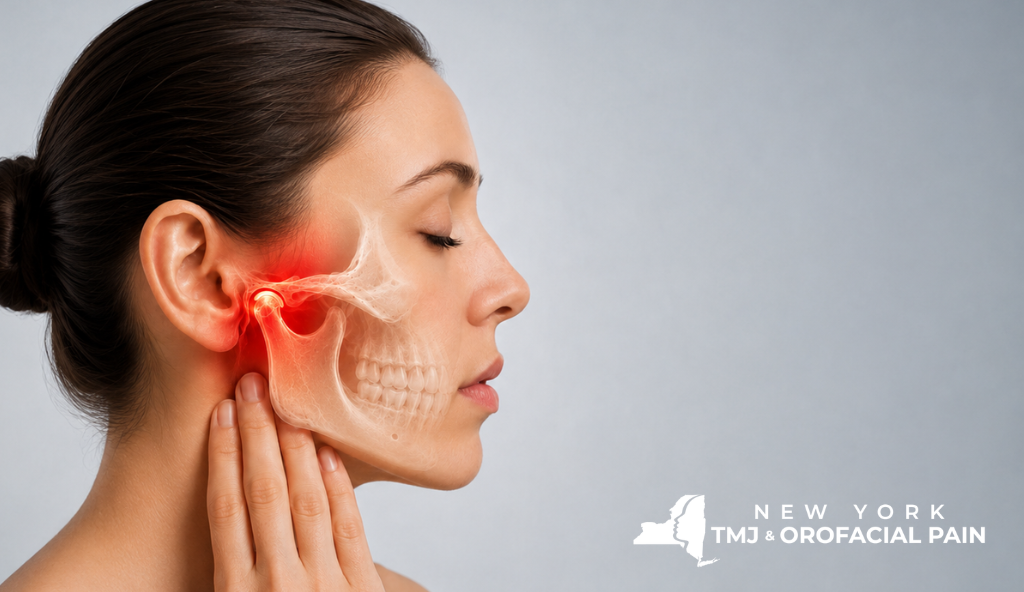
When the issue is joint instability, not tightness
If your jaw opens very wide, clicks frequently, and feels loose or fatigued, TMJ hypermobility may be the underlying cause. This type of TMJ disorder is driven by joint instability, not restriction, and requires a specialized approach to treatment.
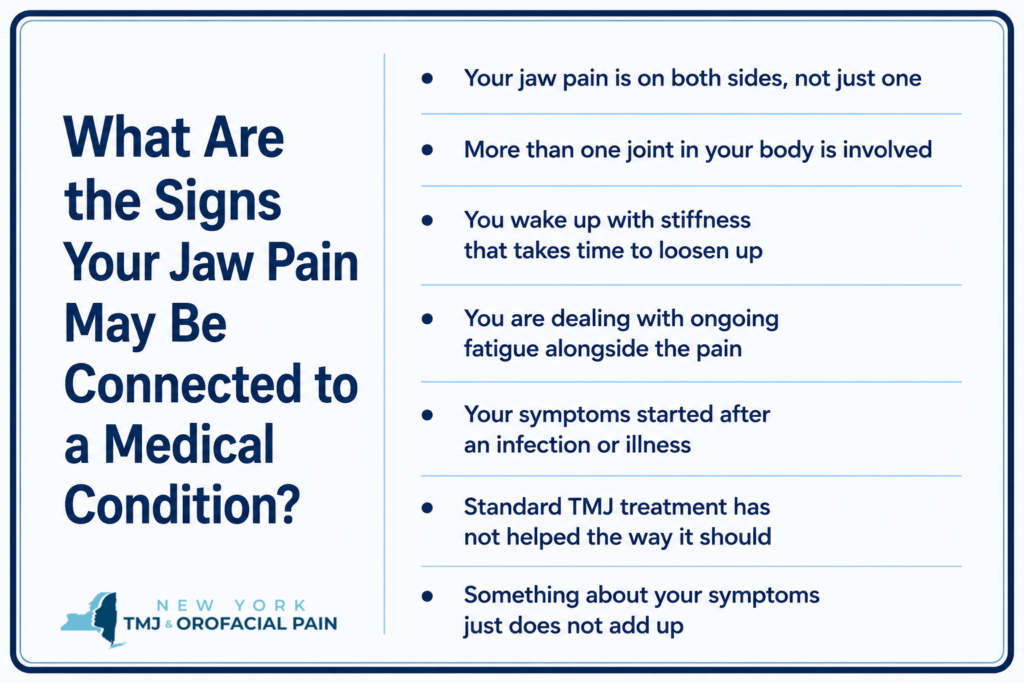
When Your Symptoms Do Not Fit the Usual Pattern
Most people assume TMJ problems come from a jaw that is tight or stuck.
But some patients experience the opposite.
Your jaw may open very wide. You may hear clicking or feel shifting in the joint. Instead of restriction, it can feel loose or unreliable. The muscles around it often feel constantly tired or sore, even when you are not doing much.
If this sounds familiar, TMJ hypermobility may be part of the picture. The issue is not too little movement. It is too much. In our practice in the New York City metropolitan area, we see this pattern more often than many patients expect.
The Role of TMJ Hypermobility – Why the Jaw Becomes Painful
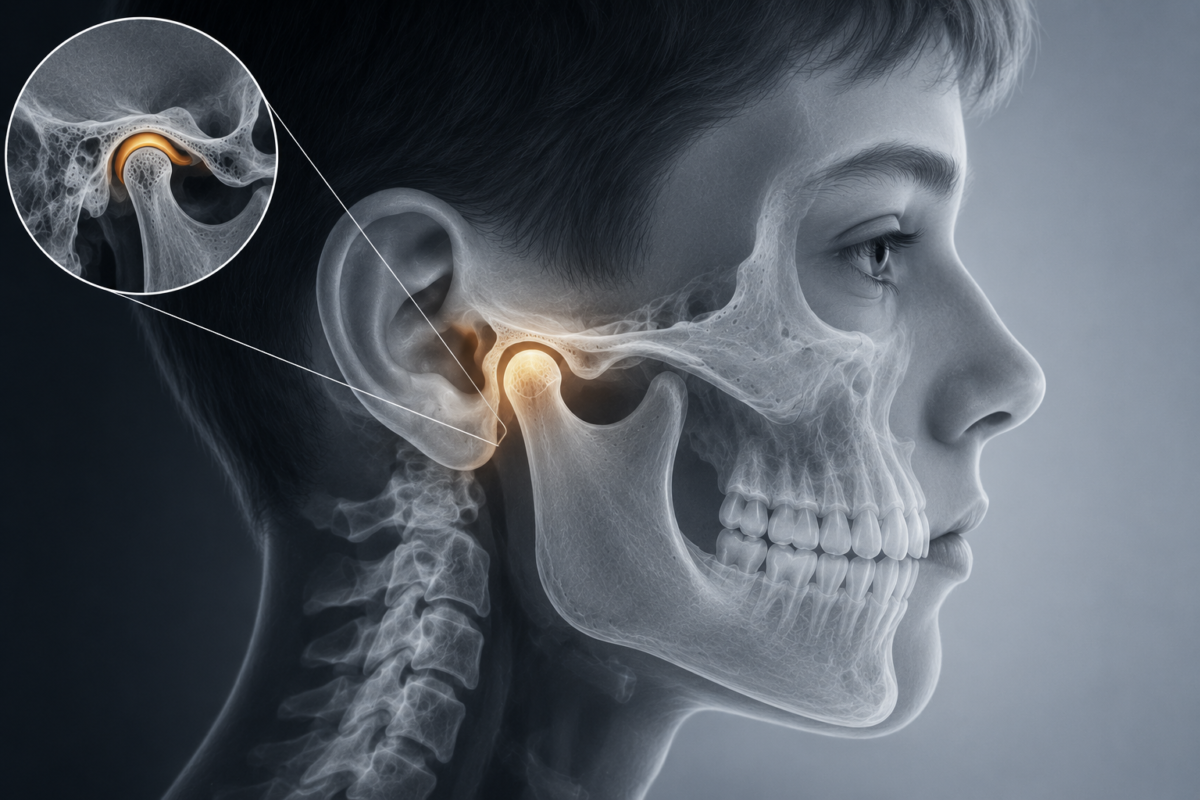
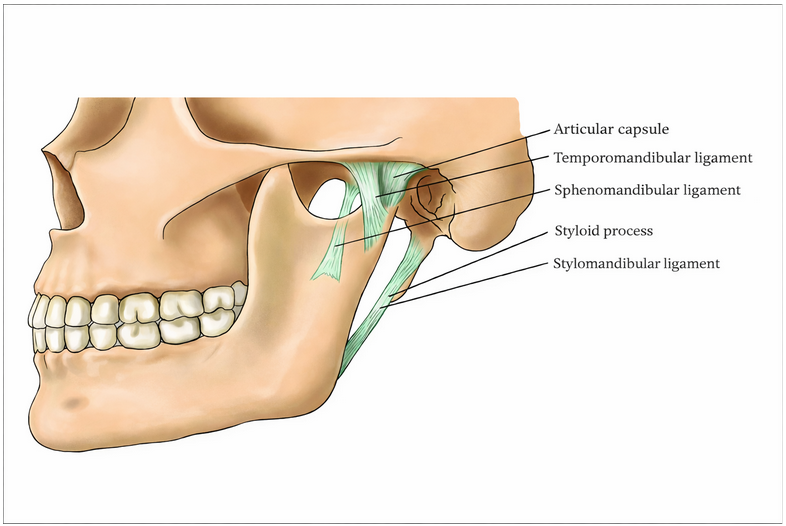
Hypermobility means your joints move beyond the normal range.
For some people, that simply means they are flexible. For others, it reflects a connective tissue condition such as Ehlers-Danlos Syndrome.
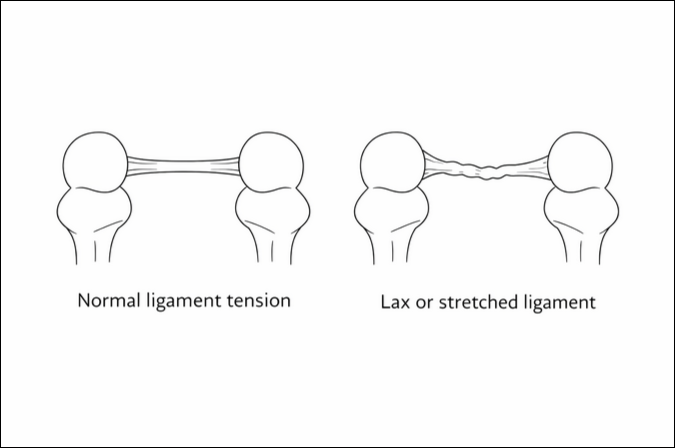
These conditions affect collagen, the material that gives structure and support to ligaments and joints. When collagen is more elastic than it should be, the joint is not held as firmly. It moves more than it should, and the body has to compensate.
In TMJ hypermobility, that compensation falls on the muscles.
Why the Jaw Becomes Painful
When the joint lacks stability, the muscles step in to control it.
At first, this works. Over time, it becomes a problem.
The muscles are constantly active, trying to keep the joint steady. This leads to fatigue, soreness, and persistent discomfort. Many patients also notice clicking or popping, which often reflects instability inside the joint rather than something harmless.
This is what makes TMJ hypermobility different.
Instead of a jaw that cannot open enough, this is a joint that moves too much and lacks control.
A Common Pattern
In our practice, we often see patients who have always been “flexible.”
They may have a history of joint issues in other parts of the body. Ankles that sprain easily. Shoulders that feel unstable. Pain that takes longer than expected to resolve.
Some already have a diagnosis of hypermobility or Ehlers-Danlos Syndrome. Others have never connected these patterns before.
When the connection is made, their jaw symptoms finally start to make sense.
Why Treatment Has Not Worked
Many patients with TMJ hypermobility have already tried treatment.
They are often told to relax their muscles or adjust their bite. Sometimes this helps temporarily, but the symptoms return.
That is because the underlying issue is instability.
In a hypermobile joint, small strains do not fully resolve. The joint remains less supported, and the muscles continue to compensate. Over time, they become overworked and sensitive.
This does not mean improvement is not possible. It means the approach needs to change.
Treatment Focus: Stability and Control
The goal is not to change the underlying connective tissue.
The goal is to improve stability and reduce strain on the system.
This often involves reducing clenching and jaw tension during the day and protecting the joint at night with an oral appliance. Patients are also guided to avoid extreme opening, such as wide yawning or large bites.
Physical therapy plays an important role, but the focus is different. Instead of just relaxing muscles, the emphasis is on controlled strengthening and stabilization.
When muscle pain is persistent, targeted treatments may be used to help calm the system.
In some cases, therapies that support ligament strength may also be considered.
Setting the Right Expectations
With hypermobility or Ehlers-Danlos Syndrome, the underlying tissue does not change.
But that does not mean nothing can improve.
When treatment focuses on stability, protection, and control, patients often experience less pain, better function, and more confidence in how their jaw feels.
When to Seek Evaluation
If your jaw opens unusually wide, clicks along with pain or fatigue, or has not improved with previous care, it may be worth a more specialized evaluation.
This is especially true if you have been diagnosed with hypermobility or Ehlers-Danlos Syndrome, or suspect that you may be more flexible than average.
Moving Forward
If your symptoms have never quite fit the typical TMJ pattern, there is usually a reason.
Recognizing that TMJ hypermobility is often the turning point in getting the right diagnosis and treatment.
TMJ disorders affect women far more often than men.
This is not a coincidence. Differences in joint structure, hormones, and pain processing can make symptoms more likely to develop and harder to resolve.
Understanding why is often the first step toward real, lasting relief.
If you’re a woman dealing with TMJ symptoms such as jaw pain, clicking, locking, tightness, frequent headaches, or facial pain, this is for you.
I’m a board-certified orofacial pain specialist and have been treating people with TMJ symptoms for over 40 years. The majority of patients who come to our NYC practice are women. In fact, close to 70% of people seeking treatment for TMJ disorders are women.
There are biological reasons for this huge disparity, and understanding them can be essential if you are struggling to feel better.
Helping Patients Better Understand Their Persistent Symptoms
Many women come to us looking for a reason why their jaw continues to hurt, though they have used a nightguard, taken anti – inflammatory medications, and followed a soft diet for months.
TMJ (the clinical term is temporomandibular joint disorder, or TMD) involves the interaction between your joints, your muscles, and your nervous system. According to the National Institute of Dental and Craniofacial Research, these disorders are among the most common causes of facial pain.
TMJ symptoms are not something you’re imagining. They are what your body is expressing.
Why This Happens in Women
1. The ligaments in your temporomandibular joint are more flexible and less stable
In women, the ligaments in the temporomandibular joint tend to be more flexible and less structurally stable than in men.
There is a reason for this! The temporomandibular joint in women contains an abundance of estrogen receptors, making its tissues directly responsive to hormonal fluctuation. In fact, estrogen promotes elastin production, producing ligaments that are more flexible and less structurally organized than those in men. The result is greater joint laxity and reduced load-bearing capacity. In women, this means that the temporomandibular joint is more susceptible to compromise with everyday function, and certainly when under excessive loading during daytime jaw overuse behaviors and sleep grinding and clenching of the teeth.
More stable joint ligaments tolerate these stresses longer. More flexible ligaments reach their limits sooner.
That is why symptoms can emerge more commonly in the temporomandibular joints in women over time.
2. The female brain processes pain differently
Pain is not just about what is happening in a body part. It is also about how your brain processes pain signals.
Men generally have stronger central nervous system modulating elements for dampening pain signals. Women, on average, have less of that built-in inhibition due to the lack of Androgens, including testosterone and related hormones. In practical terms, male hormones strengthen the brain’s capacity to send dampening signals down to pain receptors throughout the body. Women, carrying lower androgen levels, lack this same degree of biological protection
This means that the same level of inflammation and tissue injury generated pain can be experienced very differently.
What might feel like temporary soreness in a man can become persistent pain in a woman.
This is not about tolerance or resilience. It reflects real biological differences in how the nervous system regulates pain.
3. Stress has a greater physical impact on a woman’s jaw
Stress affects everyone, but it often shows up differently in women than it does in men, again for biological reasons.
Under prolonged stress, the human body can remain in an activated state, often with accompanying muscle tension. This is called sympathetic activation. Over time, this activation can deplete the neurotransmitters that support descending pain modulation, the very system that blunts pain experiences on a daily basis. With research suggesting that women have less robust pain blunting systems than men, the pain that results from ongoing muscle tension can be more profound in women and recovery even in the presence of care taking longer.
In the jaw specifically, muscle pain and fatigue as a result of stress-driven daytime clenching and night grinding can be impactful and persistent
Men can experience this as well, but women tend to develop more sustained symptoms, which increases the overall load on the system.
The Emergence of TMJ Symptoms
In our NYC metropolitan area practices, we commonly see TMJ symptoms develop as a result of a specific traumatic event, a mind-body disorder that drives persistent muscle tension, or an underlying medical condition that reduces tissue resiliency in the jaw muscles and temporomandibular joints.
Sometimes multiple factors are responsible, and symptoms develop gradually.
First, the body adapts. Then it begins to struggle. In women, as a result of the biological factors mentioned, the likelihood of a TMJ problem emerging and hanging around increases. At times, TMJ symptoms such as jaw pain, clicking, locking, tightness, frequent headaches, or facial pain no longer resolve on their own but require explanation and formal treatment.
A More Complete Understanding for Women
Biological vulnerability is real, but it does not mean that tissue healing and feeling better are not achievable. With the right evaluation, the causes and risk factors can be addressed comprehensively with education and a wide variety of supportive treatments that lead to meaningful and sustainable improvement.
Are You a Woman Experiencing TMJ Symptoms in the NYC Metropolitan Area?
If you are dealing with persistent jaw pain, clicking, locking, tightness, frequent headaches, or facial pain, there is a reason why.
At New York TMJ & Orofacial Pain, we specialize in diagnosing and treating TMJ disorders and orofacial pain. We take the time to understand what is actually driving your symptoms and build a treatment plan around it.
Our team of orofacial pain specialists provides evidence-based, individualized care at our locations in the NYC metropolitan area. We work closely with each patient and often other healthcare providers to restore comfort and function.
If your symptoms have persisted despite reassurance or prior treatment, a more specialized evaluation can make all the difference.
The Jaw Surgery Worked – But the Pain Didn’t Go Away
What low-dose naltrexone can do for persistent neuropathic facial pain
Your jaw surgery went well. The imaging looks fine. Your surgeon says everything healed the way it should.
And yet, you have pain. It aches along your jaw. The sensation feels, as one of our patients put it, like “my skin is sunburnt” – even though nothing is visibly wrong.
If this sounds familiar, you are not imagining it. And you are not alone.
Persistent pain after facial or jaw surgery is a recognized clinical reality. It has a name, a mechanism, and – importantly – treatment options that go beyond what most patients are ever offered.
Your Pain Is Real. And It Has a Medical Explanation.
One of the most disorienting experiences our patients describe is being told that everything looks fine, yet they still live with daily pain.
When surgery corrects a structural problem, but pain continues, the issue often isn’t structural at all. It’s neurological. The nervous system, particularly the pain-signaling pathways, can remain in an activated state long after the original source of injury has been addressed.
This is called neuropathic pain – pain that originates in your nervous system itself, not in damaged tissue. In some cases, it takes on a more complex form called nociplastic pain, a term from the International Association for the Study of Pain that describes pain arising from altered signaling in the central nervous system, without ongoing tissue damage to account for it.
In plain terms: your brain’s pain system has become hypersensitive. It keeps sending pain signals even after the original problem has been treated. This is not a character flaw, a low pain threshold, or something you should simply push through. It is a measurable, treatable condition.
A Case We Treated: Debbie’s Story
“Debbie” was a 52-year-old woman from the New York City area who came to us with a problem that had no easy answer.
Two years earlier, she had undergone bilateral TMJ total joint replacement – a significant surgery to address severe, progressive jaw degeneration. The procedure went well. Her jaw opened better. Imaging confirmed the prosthetics were stable. By every measurable standard, surgery was a success.
But Debbie was in constant pain.
She described a burning sensation along both sides of her jaw and temples. It was relentless, unpleasant, and unlike anything she had experienced before the surgery. She had tried NSAIDs, benzodiazepines, opioids, and anticonvulsant medications. None helped. Several caused side effects severe enough to stop.
When she arrived at our practice, the examination revealed something important: light touch to the affected areas caused heightened sensitivity and a kind of distorted sensation. This told us that her issue wasn’t structural, but neurological. Her pain wasn’t coming from the joint. It was coming from a sensitized nervous system.
This is where a mechanism-based approach – asking not just what is causing pain, but how and why her pain system had become dysregulated – becomes essential.
Introducing Low-Dose Naltrexone (LDN)
Low-dose naltrexone is used off-label for neuropathic and centrally mediated facial pain conditions.
What Is Low-Dose Naltrexone (LDN?)
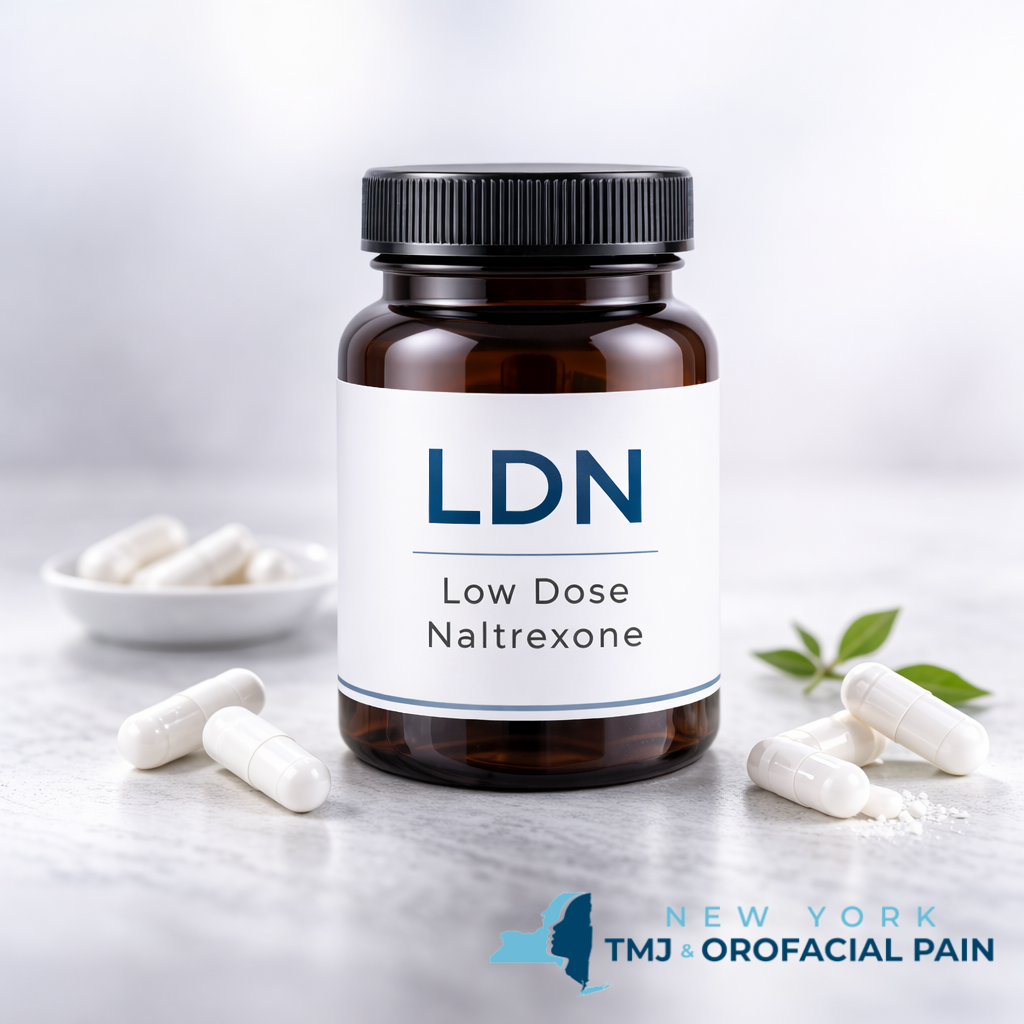
Naltrexone is a medication with a long track record in addiction medicine, typically prescribed at 50 to 100 mg daily. Low-dose naltrexone (LDN) refers to the same medication prescribed at a fraction of that dose – generally 1.5 to 6 mg daily – where it appears to work through an entirely different set of mechanisms. LDN is obtained through a compounding pharmacy and used off-label for centrally mediated and neuropathic pain conditions.
Naltrexone is a medication with a long track record in addiction medicine when used in large doses. But at a fraction of that dose, it appears to work through an entirely different set of mechanisms, ones that are particularly relevant to persistent, centrally mediated pain.
This low-dose application is called Low-Dose Naltrexone (LDN).
How Low-Dose Naltrexone Works: Two Mechanisms That Matter
1. Low-Dose Naltrexone helps your body produce more of its own natural pain-relievers.
At low doses, naltrexone temporarily and mildly blocks the body’s opioid receptors for a few hours. The body responds by producing more endorphins, which are its own natural pain-modulating molecules. When the mild blockade resolves, those elevated endorphins flood back into the system. The result is a net increase in the body’s own pain-relief capacity.
2. It calms an overactivated immune response in the brain.
The central nervous system contains immune cells called microglia. In patients with chronic or neuropathic pain, microglia can become chronically activated, releasing inflammatory signals that amplify pain. LDN appears to reduce this microglial activation, quieting the neuroinflammatory response that keeps pain pathways in a heightened state.
Together, these two mechanisms address something many conventional pain medications do not: the underlying nervous system dysregulation driving persistent pain.
How Low-Dose Naltrexone Is Prescribed
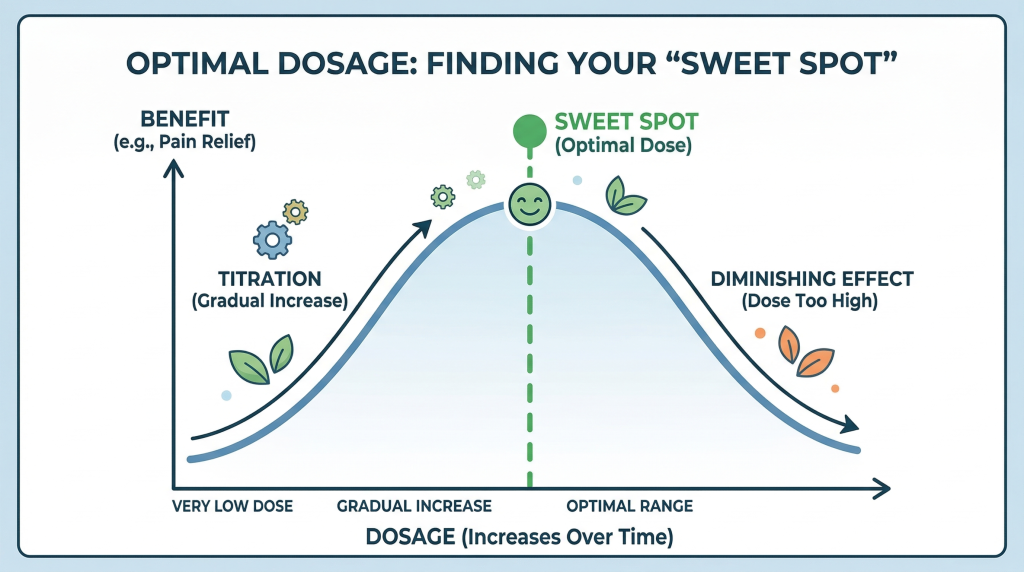
Treatment typically begins at a very low dose nightly, with gradual increases every two to three weeks, depending on how you respond.
One of the most important things to understand about LDN is that more is not necessarily better. There is what clinicians describe as a “sweet spot”, an optimal dose where the benefit peaks. Going above that range can actually diminish the effect. This is why individualized, carefully supervised titration matters.
LDN is generally well tolerated. The most commonly reported side effects are vivid dreams, mild insomnia, or light nausea, but they are usually transient and dose-dependent. Importantly, LDN cannot be used concurrently with opioid medications, as it would block their effect.
What Happened with Debbie
Debbie began LDN nightly. After minimal change, we increased the dose and within days, her burning pain had begun to decrease substantially.
At her two-month follow-up, she described the change this way: she could still feel her face, but the sensation was no longer unpleasant or painful. After years of burning, that distinction was everything.
“She could still feel her face – but the sensation was no longer unpleasant or painful.”
Common Misconceptions About Post-Surgical Pain
Patients with persistent pain after facial or jaw surgery often encounter frustrating responses from providers who haven’t yet connected the dots between mechanism and treatment. Here is what we often hear and what the evidence actually says:
“If the surgery worked, you should be pain-free.”
Structural success does not always equal pain resolution. Neuropathic and nociplastic pain can persist independently of tissue healing.
“There is nothing left to try.”
Mechanism-based options like LDN are often not explored until later in a patient’s journey – if at all. They represent a distinct category from conventional neuropathic medications.
“It may be psychological.”
Nociplastic pain involves measurable central nervous system changes. It is not “in your head” – though behavioral and psychological factors can influence how any pain is experienced, as they do with all chronic conditions.
Who May Benefit from This Approach
Low-dose naltrexone may be an appropriate consideration for you if you experience:
Persistent burning or aching pain following TMJ surgery
Post-surgical facial pain with negative or stable imaging
Neuropathic facial pain that has not responded to standard medications
Persistent idiopathic facial pain
Burning mouth syndrome
Chronic headache or orofacial pain with a centrally mediated component
Patient selection and dose titration are essential. This is not a first-line treatment for acute or clearly structural pain. Instead, it is a targeted option for a specific mechanism.
Our Approach: Finding the “Why” Before the “What”
At New York TMJ & Orofacial Pain, we do not begin with a treatment. We begin with a question: what is actually driving your pain?
For patients like Debbie, that question led to an answer that changed everything. Her pain was not structural. It was neurological. And once we understood the mechanism, we could target it directly.
That same principle applies across the full range of conditions we treat. Whether the pain stems from muscle dysfunction, joint pathology, nerve sensitization, or a combination of factors, our goal is always the same: identify the true cause and build a plan around it, not around generic protocols.
LDN is one tool within that framework. It is not right for every patient. But for the right patient, it can offer relief that nothing else has.
Are You Experiencing Persistent Facial Pain in the NYC Metropolitan Area?
If you have had facial or jaw surgery, or if you’ve been living with facial pain that no one has been able to explain, you deserve more than temporary relief. You deserve answers.
At New York TMJ & Orofacial Pain, we specialize exclusively in diagnosing and treating TMJ disorders and orofacial pain. We take the time to identify the true cause of your symptoms and build a treatment plan that directly addresses it.
We have four convenient locations across the region, staffed with experienced orofacial pain specialists:
Midtown Manhattan
White Plains
Hauppauge, Long Island
Springfield, New Jersey
Contact us today to schedule a comprehensive evaluation.
Dr. John Dinan is a board-certified Orofacial Pain specialist dedicated to the treatment of TMJ/TMD disorders and related conditions. He practices in our Manhattan and Springfield, NJ offices.
As an orofacial pain specialist in New York City and Long Island, patients come to me because they suffer from the painful symptoms of TMJ. Most often their symptoms are a result of their stressful lives.
During the pandemic, most people have been living with an unusually high level of stress. Poor sleep and limited exercise is one reason. Also involved are continually tensed shoulders, breathing in a strained manner, and grinding and clenching your teeth at night (or during the day). The result can be headaches, pain in the neck and back, or pain in your face, teeth, and jaw, or all of them.
How To Detect A TMJ Problem
When your TMJs (your jaw joints) are in trouble, it typically shows in five ways. You may have one, a few, or all of these symptoms:
Facial pain
Clicking or popping when you open and close your mouth
An unexplained toothache
Difficulty opening your mouth
Unexplained headaches, particularly when you wake up
It’s easy to understand how living with the pandemic for the past few years could trigger stress-related symptoms even in people who are normally calm and positive. I’ve seen hundreds of new patients never had a TMJ problem before the pandemic and just as many who suffered from TMJ in the past.
My advice is to become hyper-aware of how stress is impacting your jaw muscles. Stop every now and then during the day and take note if you are:
Holding your breath
Bracing your jaw muscles
Furrowing your brow
Clenching your teeth
Biting your nails
Raising your shoulders
Tips: How To Treat Jaw & Face Pain During Stressful Times
Control Your Daytime Breathing
Perform these three steps if you notice you’re holding your breath or breathing more rapidly than normal:
Slowly breathe in through your nose deep into your core and hold it for 3 seconds. It’s easier if you place the tip of your tongue on the roof of your mouth or behind your lower front teeth as you breathe.
Let the air out for three seconds through your lips and pause for 3 seconds.
Repeat 6 times.
Note: If your nose does not let air in (quite possible during allergy season) breathe in through your mouth in a slow, controlled way with your lips barely touching. There are no absolute rules; just do the best you can.
Loosen-Up Your Face and Jaws
Notice if you hold tension in your face or brace your jaw muscles when you’re at your computer, reading, or listening to the news. If you are, use this 3-step method to relax your face and jaw:
Let your jaw hang limp – kind of the way your hands hang limp when you drop them at your sides.
Keep your lips together, teeth apart.
Breathe.
Do this every time you notice tension in your face or jaw.
Stop Biting!
Biting your lips, cheeks, nails, or cuticles, can all lead to jaw muscle fatigue and pain. The 3 tips below may help you stop:
Keep your lips soft (don’t purse them).
Keep your lips touching lightly and your teeth apart (you don’t have to keep your mouth open.
Let your face and jaw hang in a neutral, relaxed posture (same as step 1 above).
Soften Your Shoulders
Many people experience headaches and neck and jaw pain as a result of tense shoulders. It’s called referred pain. To keep your shoulders soft:
Don’t hunch up your shoulders up close to your ears. Periodically stop what you’re doing and gently push them down.
Try not to cross your arms.
Both tips will ease your neck tension, help your breathing, and reduce the onset or the intensity of the muscle tension that leads pain.
Get Up & Move Around
It’s never a good idea to sit in one place for hours and hours even in less stressful times.
Every 45-minutes get up and walk around, even if it’s just to throw in a load of laundry or cook a meal.
If you’re experiencing severe neck tension or pain, the Feldenkrais Method® is a great way to manage it, too. It’s an easy and gentle technique that eases neck and jaw tension.
Use Moist Heat
Moist heat is a good way to treat jaw and face pain:
Use a wet towel, heat pack, or TMJ wrap – available in many pharmacies.
Apply the heat for 15-minutes
Then perform a gentle jaw muscle self-massage. Here’s how:
Open your mouth halfway.
With your index and middle finger massage the fleshy part of your jaw muscles in a circular motion for 10-seconds
Then, move in the opposite direction for 10-seconds.
Next, with your mouth still half-open, move your fingers to your temples right under the hairline and perform the same massage technique. If you feel muscle soreness as you massage, you’re doing it right.
Do this moist heat massage twice a day.
Purchase A TENS Unit
If your pain is severe and moist heat doesn’t help, go online and purchase a TENS unit (Nursal EMS TENS unit). Place the pads as directed on your jaw muscles (called masseters) and your large neck muscles (your trapezius) once or twice a day. Most TENS units come with simple instructions and there are many videos online with instructions.
Try Biofreeze®
Another method that works for many people is to rub Biofreeze® onto the jaw and neck muscles several times a day. Just make sure you keep it away from your eyes.
Calm Your Mind
Yoga or meditation are great ways to keep stress from impacting your body. Online you can find hundreds of classes, many of them free. I like the app Insight Timer. Headspace,Calm, and Buddhifyare also terrific apps. Find the one that fits your style and needs and try not to make it a challenge but a regular part of your day and/ir when you really need it.
Is Your Body Tense While You Sleep? Try this:
If you wake up with headaches, facial, jaw, or teeth pain, you are problem clenching or grinding your teeth at night. Try these tips:
Drink warm chamomile or Sleepytime® tea before bed.
Try magnesium. Before you retire for the night, eat a banana or buy a magnesium supplement at the pharmacy (ask the pharmacist to recommend a good one).
If you’re really suffering, purchase a dental night guard at the pharmacy. The best one is made by DenTek™. However, some patients report that over-the-counter devices actually make them clench more! If that’s the case, talk to your dentist about having a custom-made nightguard made for you.
By following the above tips, you can treat your jaw and face pain at home. But note, it may take some time for your symptoms to subside. Don’t give up!
Now that life is getting back to normal it’s time we all assess our physical and emotional state and do what we need to do to feel better.
TMJ /Facial Pain Symptoms & Eating Disorders – The Connection
As a TMJ doctor, every year I see a number of patients who are suffering from an extraordinarily high level of face and jaw pain. At first glance, the level of suffering they report is much greater than what I commonly see. One such group are people with a history of one particular eating disorder – bulimia nervosa. In these patients, the typical characteristics I see in people with TMJ are not present. Although their symptoms may lead them to believe that their pain is driven by stress-related jaw tension and bruxism (teeth grinding and clenching), the telltale signs are simply not there. That’s when I ask myself, is it bruxism or is it bulimia?
Is It Bruxism or Bulimia? A Case Study
Marci was 26 when she arrived at my office some three years ago. For several years she’d been dealing with debilitating jaw and face pain almost daily. The pain was centered at the angles of her jaw on both sides and it had become, as she described it, “unmanageable.”
Pain was ruining her life.
Many doctors and therapists had tried to help Marci find relief. She’d been prescribed pain medications and muscle relaxers. She’d been treated by physical therapists. She had acupuncture and trigger point injections. She even tried wearing an oral appliance to bed, thinking her problems were the result of bruxism.
Frustrated and discouraged, Marci was still suffering – with no resolution in sight.
4 Clues That Bruxism Was Not The Culprit
At first, Marci didn’t share her entire medical history with me. Possibly because she was embarrassed or simply didn’t think there was a connection. However, even without knowing her full history, several clues pointed to the fact that Marci’s pain was not caused by bruxism, but instead was a result of bulimia:
No signs of the kind of tooth wear characteristic of bruxism were detected.
Her masseter (jaw) muscles were not rock hard and well-built, typically a sign of bruxism.
The biting surfaces of her lower molars showed a complete loss of enamel.
Her face was extremely puffy.
So, Why Did I Ask If It Was Bruxism Or Bulimia?
In order to answer the question, is it bruxism or is it bulimia, each clue pointed to the answer. You see, bulimia can wreak havoc in the mouth because frequent vomiting exposes the teeth to acid, which can dissolve their protective enamel. This is seen on the back of the upper front teeth and in the center of the lower back teeth where regurgitated acid can pool. And, over time, frequent vomiting can cause the parotid gland (the largest salivary gland) to become inflamed and enlarged, resulting in acute nerve pain in the overlying jaw muscles and prompting facial puffiness.
Facial & Jaw Pain Caused by Bulimia – Treatment
Probing deeper into Marci’s medical history, I concluded that it was indeed bulimia, not bruxism that was the cause of Marci’s pain. Now it was time to offer a plan of treatment. I prescribed the medication nortriptyline (a once-popular antidepressant) that, when used in small doses has been shown to be effective in reducing pain in muscles by quieting nerve excitation. It is thought to work over time by increasing the activity of serotonin in the brain, according to the Mayo Clinic.
Marci also had a series of BOTOX® injections in her masseter muscles at my office, designed to not only reduce muscle tension but to also diminish the release of nerve-irritating chemicals. (See BOTOX® Injections For TMJ – 6 Things You Need To Know)
She was also given a custom-made topical salve containing a mixture of anesthetic, nerve membrane stabilizers, and anti-inflammatory medications to rub over the sore areas of her jaw three times a day.
A Much Happier Existence
Four weeks into treatment, Marci reported that her pain was more than 40% reduced. A second series of BOTOX® injections months later provided even better results. With her pain reduced, she was more motivated than ever to continue talk therapy, which she had started in an attempt to get a handle on her bulimia.
Today, Marci comes into my office every 4-6 months for a refill of her nortriptyline prescription and occasional BOTOX® injections. She’s nearly pain-free, almost bulimia free, and she leads a much happier existence.
Do You Know Someone Who Has Bulimia?
If you or someone you care about has bulimia and is suffering from facial and /or jaw pain, it is quite possible that a relationship exists. It’s very important to answer the question, is it bruxism or is it bulimia, so the right treatment can be put into place.
Although strategies like those used in Marci’s case won’t provide a cure, they can go a long way towards improving the quality of a suffering person’s life.
Live or work in New York City or on Long Island? You can schedule a consultation with me here or call 212-265-0110.
As a specialist in orofacial pain and TMJ for over 30 years, it’s my conclusion that the impact of Lyme Disease on the peripheral and central nervous systems can produce nerve and muscle pain that mimics the symptoms of TMJ. But can Lyme Disease cause TMJ?
Starting in the early 90’s many patients have visited my office exhibiting the symptoms of TMJ – jaw pain, limited jaw opening, and severe facial pain. But upon evaluation, I did not find the common histories and risk factors that typically cause the muscle strain and inflammation associated with TMJ problems.
Lyme Disease infects over 300,000 people in the United States every year. But making a diagnosis is extremely difficult due to the fact that the only blood tests available are unpredictable. On top of that, only 25-50% of infected people ever develop the telltale rash associated with a deer tick bite (the tick that carries Lyme).
If left untreated, Lyme can cause facial tics (contraction and twitching of muscles), jaw pain, headaches in the temples, neck stiffness, and episodes of pain during talking and smiling. Very similar, if not identical to TMJ.
The three case studies that follow prompted me to ask this question:
Can Lyme Disease Cause TMJ?
3 Case Studies
Case Study #1: John
In 1992 I treated a patient named John. John was a 38-year-old landscape gardener who worked at a golf course on the East End of Long Island. His complaints were acute jaw pain, limited jaw opening, and an inability to bring his teeth together in a consistent way.
At first glance, it seemed that John had the type of jaw problem that I see every day in my office so I prescribed the course of treatment that helps most of my patients. But it didn’t help him. Then I discovered that John had been diagnosed with Lyme Disease.
Case Study #2: Anne
A recent patient named Anne. She is a 52-year old female. She describes her symptoms this way: “I have pain in my face that can be so intense that I have thought about going out on disability.”
Ann’s pain is triggered whenever she talks. And her jaw muscles feel as if they’re “pulling all the time”. At times her teeth ache. And when the frames of her glasses press on her temples, the pain escalates. Anne’s facial and jaw symptoms have been present for seven months and are accompanied by exhaustion, disabling headaches, and what she describes as “bizarre sensations in my body”.
As with John, my evaluation did not suggest the reason for Anne’s suffering was a typical TMJ problem. But evaluations don’t always indicate Lyme, either. Due to the fact that she takes long walks in the Connecticut woods and because she remembers getting bitten by insects (she never had the telltale rash) her infectious disease doctor has considered starting her on antibiotic therapy for Lyme Disease.
Case Study #3: Sue
Another patient named Sue, a 45-year old female, came in with jaw problems, too. She had been diagnosed with Lyme disease seven years earlier. Sue felt sure that her Lyme had been “successfully treated with alternative remedies.” But still, she suffers from tight jaw muscles, intense pain when she lays her face on a pillow, fragile emotions that prompt daily outbursts of crying, and “raging pain in my face and jaw”. She was sure she had TMJ but never imagined that the effects of Lyme Disease cause TMJ symptoms.
Sue also suffers from bouts of intense back pain with a nerve-like character, that comes on suddenly and as quickly passes.
As noted, Sue believes that her Lyme Disease has already been “cured” by alternative remedies. But as in the cases of John and Anne, my evaluation provided no evidence of the typical causes of TMJ symptoms. With her belief in alternative treatments, it is no surprise that Anne is very reluctant to try antibiotic therapy. But she is about ready to move in that direction.
Did Lyme Disease Cause TMJ Symptoms In John, Sue, or Anne?
The outcome of these cases remains to be determined, but they are very similar to many other confirmed cases of Lyme Disease I have encountered since 1992 when I first began to wonder if can Lyme Disease cause TMJ symptoms.
It is my conclusion, therefore, that the impact of Lyme Disease on the peripheral and central nervous systems can produce nerve and muscle pain that mimics the symptoms of TMJ. I am hopeful that better testing, control of the deer tick population, more effective treatments, and even perhaps a vaccine is on the horizon for these suffering patients.
If you would like to add your comments please feel free to do so below.
Live or work in New York City or on Long Island? You can schedule a consultation with me here or call 212-265-0110.
During the past few years in my practice as a dentist who focuses primarily on TMJ and orofacial pain problems, I have seen a lot of success using BOTOX® injections for TMJ to treat muscle pain and oral nerve pain.
BOTOX® is not suitable for every patient, however. Care must be taken as to when to use it, how to use it, and who is a good candidate. If you’re considering BOTOX® as part of your treatment for TMJ problems, jaw pain, pain in or around your teeth, or because of a change in the shape of your jaw, please read on:
6 Important Things You Need To Know About BOTOX® Injections For TMJ
BOTOX® is Not a First-Line Treatment for Jaw Muscle Pain
First-line treatment for jaw muscle pain (and spasm or tightness) is dictated by a careful evaluation to identify why you have symptoms in the first place. For example, it may be necessary for you to change some daytime habits, postures and behavioral tendencies that fatigue the jaw and neck muscles. Or if you clench or grind your teeth at night you may need to wear a protective night guard. In addition, you may get relief from medications, home jaw and neck exercises, breathing exercises, meditation, a change in your diet, or all of the above. Muscle injections or dry needling would be next in line along with visits to a physical therapist, chiropractor or osteopath who would work to promote muscle comfort. The bottom line, however, is that you the patient, must participate in the process of getting better and BOTOX® will not produce the desired goals if the underlying reasons for your pain have not been identified and dealt with.
BOTOX® Will Not Ease Certain Types Of Muscle Pain
There are times when muscles hurt even though they have not been overused. When life circumstances, emotions or thoughts cause your muscles to tighten and ultimately ache, then BOTOX® injections for TMJ will not likely help. Instead, counseling, talk therapy, cognitive behavioral therapy, and the like may be the right strategies to pursue.
If You Currently Wear a Night Guard
If you currently wear a night guard and still have morning symptoms of muscle pain or tightness, joint noises, locking, and/or pain, you may be a good candidate for BOTOX®. This is particularly true if you find yourself biting hard on the guard when you wake up in the morning. Keep in mind however, that BOTOX® will be most helpful if you continue to wear your night guard. Two strategies are better than one in this scenario.
If You Can’t Tolerate A Night Guard
If you have simply cannot tolerate a night guard (and have tried various types, with your dentist’s guidance) BOTOX® injections for TMJ may provide meaningful benefit.
If Your Jaw Muscles Are Too Big
If your jaw muscles are just too big and visibly over-built, BOTOX® may be an option. One of the predictable things that BOTOX® does is reduce muscle bulk when used over time. BOTOX® has been shown to be effective in producing a flatter and more natural-looking profile. You will likely need three BOTOX® sessions in three-month intervals to achieve the best results. However, jaw bulk may creep back if the reasons your muscles become larger have not been identified and dealt with.
If You Experience Persistent Oral Nerve Pain
Small quantities of BOTOX® may be helpful if you experience persistent pain in your gum tissue, at the site of a tooth or tooth extraction, or at other sites around your face. Nerve pain inside your mouth or in your face is often due to electrical discharge from the trigeminal nerve. BOTOX® injections for TMJ into the painful sites (often called trigger zones) can provide real benefit, especially if you don’t respond well to oral medications. In spite of being relatively new, this type of treatment is showing promise.
In Conclusion
BOTOX® has become a helpful component in the management of TMJ, jaw muscle pain and oral nerve pain problems. The important thing for you, the patient, is to understand that BOTOX® injections for TMJ are not a cure-all. Careful assessment by an experienced practitioner remains the key to making treatment decisions that will result in a long-term positive outcome. If you choose BOTOX® as first-line therapy without understanding the origins of your pain, you will likely be out of pocket quite a bit of money with nothing to show for it.
BOTOX® for teeth grinding is in the news! I was recently interviewed on ABC’s Good Morning America on the topic, Can BOTOX® be used to treat teeth grinding? Click the link to watch the segment.
Dr. Donald Tanenbaum is a dentist with offices in New York City and Long Island, NY. He is uniquely qualified to diagnose and treat problems associated with facial pain, TMJ and sleep apnea. To make an appointment for a consultation, call: Manhattan: 212-265-0110, Suffolk county: 631-265-3136.
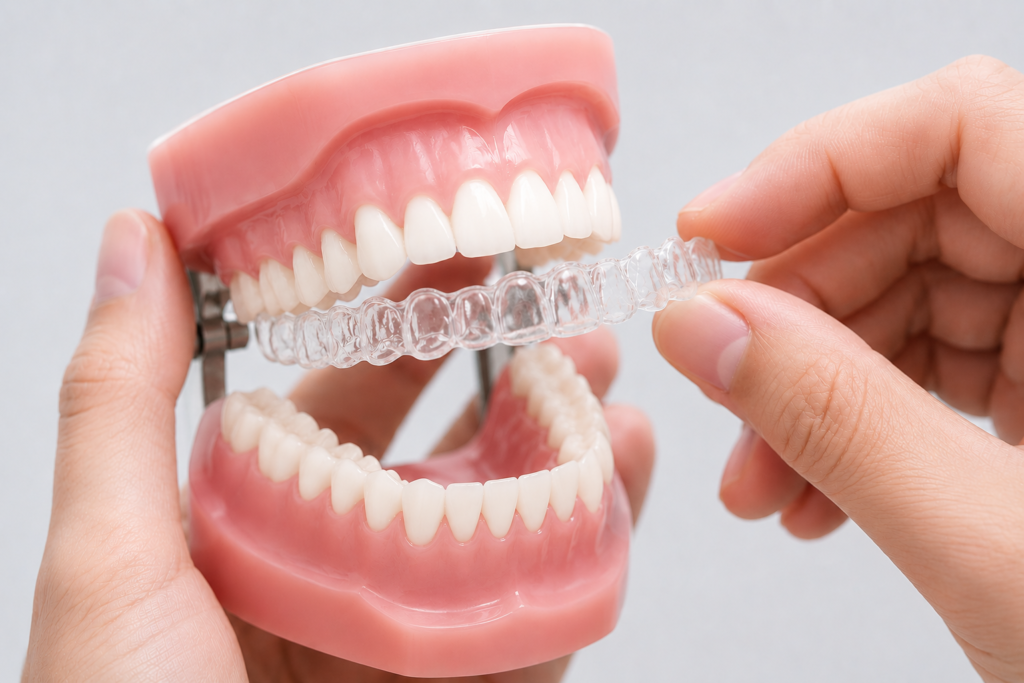
Modern technology has changed nearly every aspect of dentistry during the past ten years. The world of orthodontics, in particular, has seen incredible advances that allow teeth to be moved in a revolutionary way. Because of software technology dentists can now simulate the tooth movement steps that are necessary to go from starting point to end point before treatment has even begun. This remarkable technology is known to most of us as Invisalign.
Invisalign has not only changed the way teeth are moved, it enables many more dentists than before to offer tooth movement services. This is a huge shift in the way orthodontic treatment is delivered. And for millions of people, Invisalign is more desirable than traditional braces. However, despite the wonderful outcomes, many patients experience TMJ problems during Invisalign
More Patients Experiencing TMJ Problems During Invisalign Treatment
My practice is made up mostly of patients that suffer from disorders of the temporomandibular joint, most commonly referred to as TMJ. One of the significant risk factors that may initiate a TMJ problem is the presence of frequent and aggressive tooth contact during the day and at night. These tendencies are called awake bruxism and sleep bruxism respectively. Before the popularity of Invisalign, I normally saw a small proportion of patients every year that were actively involved with orthodontic treatment.
But recently I have seen an influx of patients with TMJ problems during Invisalign treatment. They represent all ages: teens, adolescents and adults. And they arrive with a combination of jaw muscle problems and jaw joint-related problems. From treating these patients I have begun to see a pattern emerge. Let me explain:
Patients in Invisalign treatment must wear their upper and lower aligner trays on a nearly full-time basis. The only exception is while eating. These clear aligners are made from a very rigid material that is relatively thick. Consequently, they take up a considerable amount of the free space between the upper and lower teeth, even when the jaw is in a relaxed position. For some patients, the upper and lower aligner trays are always in contact, which means their jaw muscles are always contracted in braced state. Over time these contracted muscles can become sore, painful and tight. In some cases, the jaw joint gets involved as well with symptoms such as popping, clicking and locking. And that’s what happened to Paula.
Paula is a 56-year-old who arrived at my office in a state of panic. Her jaw had locked and she was in considerable pain. Paula told me that only two months into her Invisalign treatment she had begun to experience jaw tightness and jaw joint noise upon arising every morning. Reporting it to her dentist, he assured her that her problem was likely not related to Invisalign, as he had “never seen this before.”
Although concerned, Paula pushed ahead with Invisalign until one morning she woke up in tremendous pain with a locked jaw. During our consultation, it became apparent to me that her Invisalign trays had prompted her to her jaw in a braced jaw position during the day and a clenched position at night. Because Paula’s history revealed no other risk factors, it is likely that her jaw muscles and jaw joints were compromised due to repetitive overuse.
Paula is not the only patient I’ve seen in the past few weeks with TMJ problems during Invisalign treatment. Take into consideration Nicole, who is 13-years old. Nicole had a minor jaw click before starting Invisalign. She wore her aligners for only a short period of time before her minor click became out of control and she was in tremendous pain. During her consult, I recognized that with the aligners in place, Nicole could not maintain a relaxed jaw posture. It is, therefore, easy to understand why her previously minor jaw problem had escalated during Invisalign treatment.
Many people have a history of tooth clenching or consistent teeth contact before they ever enter into Invisalign treatment. And some people don’t even know they do it because they don’t experience the typical symptoms. For these folks the introduction of Invisalign trays makes it very hard to maintain a neutral and restful jaw position and the risk of TMJ problems is very real.
How To Prevent TMJ Problems During Invisalign Treatment
The best way to prevent TMJ problems during Invisalign treatment is to ask your dentist some very specific questions before you make the decision to go ahead. Here are some sample questions:
YOU’VE HAD TMJ PROBLEMS IN THE PAST: “I have had jaw problems in the past. Is Invisalign the best choice for me?”
YOU DON’T KNOW IF YOU CLENCH OR GRIND YOUR TEETH: “I don’t know if I clench or grind my teeth during the night. Can you check for signs before I decide to start Invisalign?”
YOU’RE ENTERING INTO A STRESSFUL PERIOD IN YOUR LIFE, such as moving or a divorce: “I’m going to be under a lot of stress in the near future. Should I wait until life is calmer to begin the Invisalign treatment?”
YOU’RE ON A MEDICATION THAT COULD CAUSE MUSCLE TENSION such as Adderall. “I am currently taking Adderall. Could that impact my treatment?”
You may have your heart set on Invisalign, but it’s best to know for sure that it’s right for you before starting. If you are in the midst of treatment I recommend that you make great efforts to be as mindful as you can to keep your trays apart during the day. Report your concerns about night clenching to your dentist immediately if you suspect you are doing it. TMJ problems during Invisalign treatment can negatively affect the outcome.
More than anything else: choose a dentist that you trust and who listens to you and addresses your concerns. It’s better to be safe than sorry.
If you or someone you know is experiencing persistent or acute pain in the face or jaw, we invite you to set up a consultation with one of our Orofacial Pain specialists in the NYC metropolitan area. Our office locations and contact information are below.
In my practice of over 30 years I have had many opportunities to think about why people develop facial pain problems and what I can do to get them out of trouble. The majority of patients who come my way suffer from pain that is muscle-based and in turn is caused by any number of factors. I have found BOTOX® to be effective in the treatment of persistent facial pain, especially when other strategies have failed.
In order to determine who is a good candidate for BOTOX® therapy I first investigate the cause of the muscle stress in the first place. Usually I discover that my patient is experiencing one (or more) of the following:
Poor sleep quantity and quality.
Repetitive work postures fatiguing the neck and shoulder region.
Behaviors repeated throughout the day which tighten the jaw, neck and shoulder muscles.
Emotional upset and challenging life circumstances.
Shallow and fast chest breathing patterns.
Excessive consumption of stimulants in beverages and food.
Stimulant-based medications.
Poor breathing at night while sleeping.
Autoimmune problems, which lower pain thresholds.
Physical exercise choices that continually stress the neck muscles such as spinning classes.
BOTOX® is proving to be another way to break the cycle of chronic pain. A series of injections are administered into the jaw muscles, upper neck muscles and across the forehead. The goal is to reduce or eliminate the pain, which in turn often imparts a new sense of optimism to my patients who have suffered for years, many believing that there was no solution.
In addition to relieving pain, BOTOX® is helpful for patients who experience nighttime teeth clenching and grinding. After treatment there is a period of time when the muscles simply cannot contract as aggressively. And although the cause of the bruxing isn’t eliminated, many people discover that the achy, tight jaw that they normally wake up with is gone.
BOTOX® is not a miracle drug but it is becoming an increasingly important part of my toolbox to help my patients get better. Do you have questions about BOTOX® therapy? Please use the comment box below.
BOTOX® is in the news! I was recently interviewed on ABC’s Good Morning America on the topic, Can BOTOX® be used to treat teeth grinding? Click the link to watch the segment.
As an orofacial pain specialist for over 30 years, I have had many opportunities to think about why people develop facial pain problems and what I can do to get them out of trouble. The majority of patients who come my way suffer from pain that is muscle-based and in turn is caused by any number of factors. I have found that BOTOX® is effective for facial pain treatment, especially when other strategies have failed.
In order to determine who is a good candidate for BOTOX® therapy, I must first investigate the cause of the muscle stress in the first place. Usually, I discover that my patient is experiencing one (or more) of the following:
Poor sleep quantity and quality.
Repetitive work postures fatiguing the neck and shoulder region.
Behaviors repeated throughout the day which tightens the jaw, neck and shoulder muscles.
Emotional upset and challenging life circumstances.
Shallow and fast chest breathing patterns.
Excessive consumption of stimulants in beverages and food.
Stimulant-based medications.
Poor breathing at night while sleeping.
Autoimmune problems, which lower pain thresholds.
Physical exercise choices that continually stress the neck muscles such as spinning classes.
When BOTOX® Is Effective For Facial Pain Treatment
BOTOX® is proving to be another way to break the cycle of chronic pain. A series of injections are administered into the jaw muscles, upper neck muscles and across the forehead. The goal is to reduce or eliminate the pain, which in turn often imparts a new sense of optimism to my patients who have suffered for years, many believing that there was no solution.
In addition to relieving pain, BOTOX® is helpful for patients who experience nighttime teeth clenching and grinding. After treatment, there is a period of time when the muscles simply cannot contract as aggressively. And although the cause of the bruxing isn’t eliminated, many people discover that the achy, tight jaw that they normally wake up with is gone.
BOTOX® is not a miracle drug but it is becoming an increasingly important part of my toolbox to help my patients get better. Do you have questions about BOTOX® therapy? Please use the comment box below.
Dr. Donald Tanenbaum is a specialist with offices in New York City and Long Island, NY. He is uniquely qualified to diagnose and treat problems associated with facial pain, TMJ and sleep apnea.
It is not uncommon to see patients that present with facial or jaw pains that are not associated with disease, injury or illness of any type. These patients, typically women between the age of 18-55, relate that their pains came on without specific events, emerging spontaneously upon awakening one morning after a fatiguing day or associated with a routine meal, for example. As all medical and dental investigations are unrevealing, answers are searched for and often prompt comments like “there is nothing wrong.”
Over the course of the last several years I have also seen numerous patients present with the same historical account, but instead of suffering with pain they complain of debilitating ear ringing, humming, buzzing and whooshing sounds. For these patients the onset of their ear complaints (often lumped under the term tinnitus) also started for no good reason and prompted multiple tests which were all normal.
So what is going on with these two patient groups that are plagued with symptoms that have no specific origin. How to ease their suffering? From my perspective, the pain and ear noises (tinnitus) represent a specific type of sensory disorder that typically occurs after prolonged periods of challenging life circumstances and emotional distress. In short, these patients consistently relate that they have lost control over their daily existence. As a result, the human brain is upset, and an upset human brain loses its ability to regulate nerve function, muscle tone, heart and breathing rates, and hormonal regulation. The end result is something called sensitization…when normal stimuli are perceived by the brain as noxious (like putting a shirt on after a sunburn).
For the patient with tinnitus, I believe that everyday normal sounds are interpreted as noxious and patients describe their symptoms with variable choices of language, such as humming, ringing, buzzing, hissing, whooshing, and “fullness.” For the patient with facial pain any type of superficial stimulation (a hug, chewing, yawning, or speaking too much) prompts the sensation and experience of pain.
The good news is that with time (months or years) the majority of these patients improve (at times the relief occurs for “no good reason” the same way the symptoms emerged. The key is for these patients to avoid unnecessary and unproven treatments, particularly if surgical explorations are involved. The most useful treatments involve strategies to quiet the mind and body. Programs like the Stop and Breathe Program advocated by Susan Ginsberg have provided relief for patients along with Transcendental Meditation, Biofeedback, Autogenic Training, and Progressive Muscle Relaxation to name just a few. The use of medications like Clonazepam and/or supplements can also be found to be helpful. And, periodic assessments with pain doctors and audiologists are always advised.
Recently I had the opportunity to evaluate a 55-year old woman who complained of right side facial pain that by its description seemingly had a nerve-related origin. Her pain was daily and was most intense during the first few bites of a meal. In addition, as she brought food to her lips, (which initiates salivation), her pain greatly intensified. The pain was described as bright, sharp, and debilitating during eating and lingered even after the meal was over.
Prior to her consultation in my office she had seen a number of ENT doctors whose evaluation did not lead to a diagnosis or an effective course of treatment. All dental exams and X-rays were also negative. What then could be causing this pain problem characterized by nerves that were firing abnormally essentially sparking when stimulated? Trauma and disease had been ruled out as the source of the pain based on the patient’s pain history and complete MRI scanning.
How did I approach this mystery? There was a risk factor that needed consideration: the patient was diabetic! While many patients with diabetes experience no nerve symptoms, others have pain, tingling, and even numbness. This condition is called diabetic neuropathy. Diabetic neuropathy in fact can impact every organ in the body. Some studies have shown that 60% to 70% of patients with diabetes have some form of neuropathy and the highest rates are in those who have had diabetes for more than 25 years.
The causes of diabetic neuropathy are multiple and researchers are now studying how prolonged exposure to high blood glucose causes nerve damage. Nerve damage, however, is likely due to a combination of factors:
Metabolic factors: high blood glucose levels, and possibly low levels of insulin
Neurovascular factors: lead to damage of the blood vessels that carry oxygen and nutrients to nerves
Autoimmune factors: can cause inflammation in nerves
Lifestyle factors: smoking or alcohol use (in this case, the patient also smoked!)
So my patient’s intense facial pain was most likely glossopharyngeal neuralgia, a type of neuropathy that individuals with diabetes may develop, particularly when aggravated by chronic smoking! Glossopharyngeal neuralgia causes sudden, intense pain in the throat, mouth, tongue, jaw, ear, and neck and may be brought on by swallowing, sneezing, chewing, clearing the throat, eating spicy foods, drinking cold liquids, speaking, laughing, or coughing.
As with other neuralgic pain, the course of treatment has been to use medications to reduce the spontaneous firing of nerves in the presence of normal stimuli, in this case eating. Though glossopharyngeal neuralgias are often quite receptive to medications, my patient’s history of diabetes and long-term smoking will likely be complicating factors that will influence her ability to respond to treatment.
For more information about neuropathy and diabetes, link here.
Dr. Donald Tanenbaum is a specialist with offices in New York City and Long Island, NY. He is uniquely qualified to diagnose and treat facial pain associated with jaw problems, TMJ, referred pain, nerve pain, and migraines. Find out more at www.nytmj.com.
Live or work in New York City or on Long Island? You can schedule a consultation with me here or call 212-265-0110
Three patient visits in the past week alone made me think that it may be time to consider formulating a new diagnostic term to categorize the countless people that I see who are suffering with facial and jaw pain but who have no history of disease, identifiable injury, or illness. I am therefore proposing a new term: Persistent Domestic Stress Disorder (PDSD), modeled after PTSD (Post Traumatic Stress Disorder) which was coined in the 1980’s as a result of ongoing studies of Vietnam veterans who returned from combat as different people.
Though defined in many ways, the most classic definition of PTSD is a “debilitating condition that affects people who have been exposed to a major traumatic event” (“Post- Traumatic Stress Disorder, PTSD”). Traumatic events that may trigger PTSD include violent personal assaults, natural or unnatural disasters, accidents, or military combat. To fit the criteria of PTSD the individual must exhibit certain symptoms subsequent to the event(s).
Symptoms of PTSD:
Intense fear, helplessness, loss of control over daily life events
Persistent re-experiencing of the traumatic event
Continual avoidance of reminders associated with the event
Increased arousal, an overwhelming inability to cope with flashbacks, insomnia, and nightmares
A duration of these conditions for at least one month*
Surely many of these elements are absent in our pain patients but there are unfortunately many similarities, therefore my new diagnostic term: Persistent Domestic Stress Disorder. Though domestic challenges and specific events may not be as vividly upsetting as those encountered in war, they are no less traumatic to the mind and soul.
Consider the following scenarios I commonly hear: 80-hour weeks to preserve a job or to become eligible for advancement, 24/7 care for an elderly parent with progressive dementia, persistent worry in our young adult patients focused around achieving in school or finding the right partner, verbal or physical abuse at home or in the workplace, fragile and unsatisfying marital relationships, uninspired children that need ongoing emotional and financial support, and coping with personal medical infirmities that cast doubt on one’s future. These are just some of the profiles that are seen routinely in my practice.
As a consequence of these challenges I see increased arousal in my patients’ nervous systems (always in “fight or flight” mode with excess levels of adrenaline and cortisol being found in their bloodstream). I hear complaints of insomnia (inability to get to sleep or stay asleep), I see shallow breathing patterns (with the end result of imbalances in the levels of oxygen and carbon dioxide in their systems) and I see acquired behaviors (such as tooth clenching, furrowing of the brow, raised shoulder, etc.) that fatigue the muscles of the head, neck, face and jaw.
As these challenges persist well beyond one month, the brain remains under siege and ultimately subtle changes in neural thresholds and muscle tone result leading to pain symptoms along with complaints of ringing/fullness in the ears, burning in the mouth, loss of balance, or tingling in the face. Patients arrive at my office often exhibiting helplessness and are easily moved to tears when they are reminded of the issues in their lives that they have been trying to avoid thinking about.
Though bringing these concepts to light may make patients wonder if they can actually feel better when faced by these huge obstacles, there truly are strategies that can be employed that bring definitive relief.
If you are suffering from facial or jaw pain, your symptoms are real. They are common and familiar to those of us trained in the recognition and treatment of Orofacial pain and Temporomandibular disorders. There is no “quick fix,” rather comfort will only be realized if nerve thresholds return to normal, muscle tension eases, sleep is regained and optimism and control are restored within an individual’s personal world.
You can be helped to feel better. Fortunately there are strategies that work and health care providers like myself who can help.
Read more about how I work with patients suffering with facial and jaw pain, and the symptoms of TMJ on my website.
I’m a TMJ specialist. Patients often tell me that they’ve been told that there is no treatment for TMJ problems and that they will struggle with this problem for the rest of their lives. To the contrary! TMJ problems like all other orthopedic problems are common and treatable.
We have many types of specific treatments for TMJ in the office, but there are also a number of home therapies that have shown to be rather beneficial for the vast majority of TMJ sufferers. Whether your TMJ problem is focused in the jaw muscles, the jaw hinges (the temporomandibular joints), or the associated tendons and ligaments, the basic principles used to treat all orthopedic problems apply.
Rest, support, medication, and rehabilitation are often the key ingredients to success. Though only some jaw related problems require professional care, ALL TMJ problems require home care strategies to achieve the goals of pain elimination and restoration of function. What follows is a thorough list of home care strategies for overcoming TMJ pain.
15 Home Therapies for TMJ Sufferers
1) Apply heat over tender muscles and apply cold over tender joints. At times, my patients choose to cool with ice packs first over both the muscles and joints for 5 minutes and then follow with heat for 15 minutes. This can be repeated several times a day.
2) Avoid overuse of jaw activities and behavior that fatigues the jaw muscles. This is critical to achieve healing. Overuse activities include gum chewing, nail & cuticle biting, biting on pens, pencils, straws, ice, plastic items, eyeglass frames; the list goes on.
3) Avoid clenching your teeth during the daytime. For techniques to help you overcome this behavior, click here.
4) Avoid cradling your phone between your shoulder and neck and try to reduce the amount of time you are texting. Your head in a forward posture for lengths of time wreaks havoc on your neck and jaw muscles.
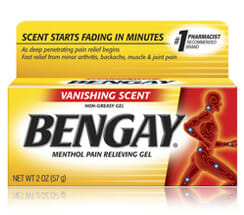
5) Apply pain-soothing gels over the jaw, neck muscles, and jaw joints. These may include BenGay, Aspercreme, Biofreeze, but many other preparations are available in the local pharmacy. (Note: some of these products contain menthol, arnica, aspirin, and other anti-inflammatory ingredients so make sure you are not allergic or sensitive to these products.)
6) Try TENS stimulation. TENS is a form of muscle stimulation that can help reduce spasm, muscle tension, and relieve pain. TENS devices can now be found on the Internet, but be advised as they do require instruction in order to be used safely.
7) Muscle massage techniques can be used over the temporalis muscle and masseter muscle (which is the big muscle that bulges when you clench your teeth). These muscles can be rubbed and massaged as you would for a sore calf or thigh muscle, applying enough force to be uncomfortable but not too much force that your eyes tear. This can be done for 2-3 minutes 3-4 times a day and the best place to do it is in the shower. There are a number of YouTube videos you can watch to help guide your technique.
8) Avoid hard, large, tough, and/or chewy food. I don’t recommend a mushy diet but rather a thoughtful diet. If you experience pain during or after a meal, you probably ate the wrong food.
9) Minimize caffeine intake (even chocolate) and nicotine use.
10) Abstain from drinking alcohol close to bedtime hours as it leads to restless sleep.
11) Hydrate with a good amount of water throughout the entire day.
12) Try your best to get 7-8 hours of restful sleep every night.
13) Avoid electronic stimulation prior to going to bed. Your cellphone, laptop, and other various devices can all negatively affect your sleep cycle.
14) Exercise routinely, at least a few times throughout the course of the week, to build endorphins and reduce daily stress. Endorphins are our bodies’ natural painkillers.
15) Practice diaphragmatic breathing or even meditate during the day to slow the number of breaths you take per minute.
Certainly you may need more directions of care, as every patient is unique, but these ideas, if pursued consistently, will surely provide some relief or buy some time until you are able to see the proper medical professional. If any of these recommended techniques increase your pain or aggravate your jaw in any way, they should be discontinued immediately.
Live or work in New York City or on Long Island? You can schedule a consultation with me here or call 212-265-0110
Dr. Donald Tanenbaum is a specialist with offices in New York City and Long Island, NY. He is uniquely qualified to diagnose and treat facial pain associated with jaw problems, TMJ, referred pain, nerve pain, and migraines. Find out more at www.nytmj.com.
Joan was referred to my office due to her daily headaches and facial pain that had continued to get worse despite taking over-the-counter medication on a daily basis and treating herself to a few massage sessions. She had seen her family doctor who had assured her that there was nothing terribly wrong, that the headaches and facial pain were a result of stress, and that she should start exercising more frequently and try to get more sleep.
Joan came to me when she could no longer tolerate the pain. After careful listening and a full examination, it was clear to me that her pain likely had a muscle origin. For Joan, along with countless other people in America and across the globe, her aching facial, jaw, and neck muscles were undoubtedly the result of an ongoing burden that had begun to dominate her life. Joan’s particular burden was that six months prior, her husband had suffered a debilitating stroke and she had become his sole caregiver.
Joan’s world had changed overnight. She was now a full time, worrier, cook, chauffeur, appointment maker, and sole provider of her husband’s physical and emotional needs. Although she took on these responsibilities with love and commitment, it was clear that she had been unprepared for the enormous challenges she faced. As the weeks and months passed, friends and family retreated to their own worlds, and she was left to fill the voids in her husband’s life, knowing that this job came with an unknown future.
As a result of her daily caregiver obligations, Joan’s sleep suffered, her independence all but disappeared and her ability to exercise and stay healthy dwindled to almost nothing. Suddenly her neck ached, headaches emerged, and she found herself gritting her teeth during the day as she tried to maintain patience and deal with the physical effort it required to get her husband showered, dressed, and fed.
Joan’s headaches and facial pain were clearly the result of muscles that were in crisis as a result of a ‘brain under siege’ and muscle fatiguing behaviors (clenching/raised shoulders…) that were prompted by the realization that she was alone and unprepared for an unknown future. The more Joan and I talked, the more I realized that not only was she suffering with pain, but she was lonely and depressed as well.
To help address Joan’s sore and painful jaw, face and neck muscles, I set her up with number of common therapies. These included “physical self regulation techniques” which help patients identify and change the behaviors that they have developed as a result of ongoing life challenges and stressors.
Just becoming aware of when the brows are furrowed, the lips are tense, the shoulders are raised, the jaw muscles are braced, or the teeth are clenched is the first step. I then taught her a number of exercises and breathing techniques that reduce muscle tension and can lead to significant pain relief over time. To complement these self-care efforts, we added medications, muscle injections, oral appliances, and physical therapy.
Though as a result of these efforts Joan felt somewhat better (in spite of the fact that nothing had actually changed in her life), there clearly was more that had to be done to help Joan not fall back into her acute pain state once formal treatment in my office stopped. That is when I introduced her to the Caregivers Survival Network, founded by Adrienne Gruberg.
By joining The Caregiver Survival Network (CSN), she became part of a community of other caregivers eager to interact, share stories and be a source of support. She found a lot of free services geared exclusively to a caregiver’s needs and links to other organizations and websites for caregivers, as well. As a result of taking advantages of the ideas and services shared on the CSN, her feelings of being alone started to dissipate and I feel that Joan is on the mend both physically and emotionally.
For many of us on the Northeast coast, the last two weeks have tested our physical and mental fortitude in ways that we have never experienced. Despite our best attempts to stay upbeat and positive, the loss of lives, property, businesses, and income have been a tough pill to swallow. As a result of these ongoing stressors that have no easy answers and unpredictable outcomes that have not yet been determined, many of us have felt like we have lost control of our ways of life and daily routines.
Unfortunately when we lose control of our world and our efforts to restore order are met with obstacles that are tough if not impossible to budge, a price is often paid both emotionally and physically. The impact on your body is often seen as symptoms such as headaches, neck aches, back pain, stomach distress, rashes, high blood pressure, and jaw pain. Some of these symptoms occur as a result of the loss of regulation in critical body systems or the loss of quality sleep while others occur due to behaviors that develop during the day as a response to your brain being under constant siege. Specifically shallow breathing and bracing of the jaw, face, and neck muscles are common occurrences when humans are faced with challenging life circumstances.
With the knowledge that there are no easy fixes to the situations many of us are facing, here are some simple concepts and techniques that can be employed simply.
1) Take stock of your body posture frequently during the day. Are your shoulders raised? Are you creasing your brow? Are you jutting your jaw forward or bracing your jaw muscles? Are your teeth resting together or worse still are you clenching your teeth together as you attempt to accomplish a physical task, or is this activity accompanying an unpleasant thought? Are you holding your breath???
If so here is an easy technique to follow. Whether you are sitting or standing throughout the day, make a conscious effort to wet your lips and let the lips lightly touch each other with your teeth part. In this posture you can let your tongue gently touch the inside surface of the lower front teeth or place the tip of your tongue on the roof of your mouth. Once in this position, breath slowly through your nose holding the gentle lip seal. Fill your belly with air (not your chest), hold for 2 seconds and then blow the air out through your lips over 3 seconds. Then repeat this sequence 6 times. At the same time make sure your shoulders are down, your hands unclenched, and your forehead held without tension. To stay reminded of this muscle relaxation technique, place some reminder stickers on critical places like cell phones, computers, the dashboard of your car or watch face, for example. Every time you see these reminders repeat this breathing cycle. You will find the effort calming within several hours or a few short days…
2) Once you have mastered the techniques above, try the following. Once every hour, isolate one minute. During this minute attempt the following. Try to take 6 breaths during this minute, 10 seconds each. Proceed like this: With your lips sealed, Breath air in through your nose, filling your belly, taking 4 seconds to do this. Then exhale air through your slightly parted lips, taking 4 seconds to do this. Then pause for 2 seconds. This is the first 10-second breath. Now repeat five more times…though this is difficult to master you will find that you will look forward to this minute. It is your place to calm the mind.
Remember, taking a few moments for yourself during these difficult times will enable you to remain capable of helping others in need.
Dr. Donald Tanenbaum is a specialist with offices in New York City and Long Island, NY. He is uniquely qualified to diagnose and treat facial pain associated with jaw problems, TMJ, referred pain, nerve pain, and migraines. Find out more at www.nytmj.com.
At times we are challenged by patients with chronic pain and soreness in their jaw muscles. Though these patients have received benefits using oral appliances, performing home exercises and massage techniques, using medications and even going for physical therapy, they continue to suffer as a result of daily and continuous aching pain in their face. Though we may not fully understand why their muscles continue to hurt, the use of BOTOX® injections has restored hope for many of these sufferers
Consider the case of Carly a thirty eight year old female with a 20-year history of facial pain and tooth clenching activity during the day and at night. She was first treated while still in high school during the stress of exams and applying to college. Her symptoms however continued through college and into her adulthood often with acute flareups prompting the use of pain medications and muscle relaxants at bedtime. Despite professional treatment and ongoing self care she continues to brace her jaw muscles and clench during the day and wakes up with “my teeth plastered together.” As a result her muscles were paying a price!
With the knowledge that BOTOX® can be used to partially incapacitate muscles, not allowing them to contract forcefully, it’s use in this particular case was clearly indicated. Though not FDA approved for this specific purpose at this time, its use with patients has produced encouraging results. By preventing forceful muscle contraction over three to four months after injection, the sore and tender jaw muscles benefit from increased blood flow bringing oxygen and nutrients essential to healing. As a result Carly’s pain symptoms eased considerably and her days were no longer consumed by constant massage and mouth opening movements to “loosen my face.”
Most importantly, Carly regained optimism that her problem could be helped though she would likely require additional injections to undue years of muscle compromise. As BOTOX® is not a cure, Carly understood that any efforts she made to keep her muscles out of trouble would go a long way towards maximizing the benefit of the BOTOX®. As a result of this understanding she continues to use her oral appliance at night and practices relaxation breathing techniques frequently throughout the day.
The end result is that Carly is feeling better and realizes that her life does not have to be filled with pain and suffering.
BOTOX® for teeth grinding is in the news! I was recently interviewed on ABC’s Good Morning America on the topic, Can BOTOX® be used to treat teeth grinding? Click the link to watch the segment.
A lot of times people deal with aches and pains by simply ignoring it, or taking an aspirin in the morning before heading out to work. In many cases aches and pains are the unfortunate byproducts of getting older or working hard. For some patients, they look at having a TMJ problem in a similar fashion. They’ll take a couple aspirin, massage their jaw muscles or maybe switch to soup for a day, and then try to ignore it. But did you know that TMJ disorders can be among the most debilitating forms of pain people can suffer?
According to a recent study by University College in London, orofacial pain is any type of pain that occurs in the region of the face, including the mouth, jaw (TMJ), nose, ears, eyes, neck, and head are considered more debilitating to its sufferers than those suffering with chronic back pain or headaches. When compared, those who suffered from facial pain reported higher levels of disability and limitation than those who suffered from backaches or headaches by a margin of more than 19%.
Dr. Leeson, a member of the pain study, said. “These initial results suggest that chronic orofacial pain can have a significant impact on patient’s lives, affecting their normal daily activities, ability to work and causing marked disability.”
Though creating high levels of suffering, help is available for these problems. Rather than suffer through the pain and jeopardize your ability to perform at your job, or to have a fulfilling life, consulting with an orofacial pain specialist is the first step in getting relief. It is not uncommon for patients who have been suffering for months or even years to find considerable relief from the nonsurgical therapies that are commonly employed. If, however, care is not provided, these problems can become rather complex and challenging to manage.
Dr. Donald Tanenbaum is a specialist with offices in New York City and Long Island, NY. He is uniquely qualified to diagnose and treat facial pain associated with jaw problems, TMJ, referred pain, nerve pain, and migraines. Find out more at www.nytmj.com.