Manhattan

212-265-0110

White Plains

914-227-2305

Springfield, NJ

973-315-7830

Hauppauge

631-265-3136
Categories
Headaches Jaw Problems Nightguards & Oral Appliances Orofacial Pain Sleep Apnea TMJ

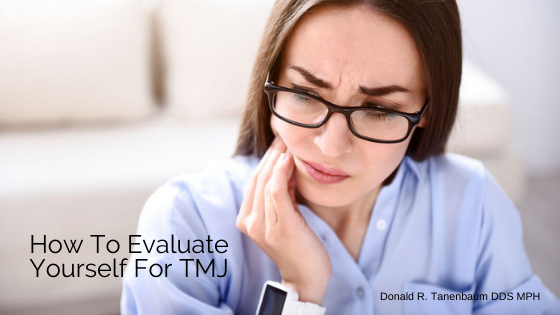
How To Evaluate Yourself For TMJ

Note: This article explains how to evaluate yourself for TMJ, what you can do about it, and how to determine when you need to get some professional help.

This past year’s pandemic challenges have led more people to seek care for TMJ problems than ever before. In fact, you may be reading this article because you’ve had your first experience of TMJ during the past year.

If you suffer from these kinds of problems, there are some steps you can take to relieve your symptoms. But before you try to evaluate yourself for TMJ, you must first understand the risk factors that led to your jaw being in trouble in the first place.

As an orofacial pain specialist for the past 35 years, I have treated thousands of patients who came to me suffering from jaw problems. They usually arrive at my office with complaints of jaw pain or stiffness, headaches in their temples, or facial pain that, in some cases, is taking over their lives. Many have limited jaw opening, joint popping and/or cracking. Some even experience locked jaws upon waking up in the morning.

While a traumatic event such as a car accident or an underlying medical disorder or treatment can be the culprit, for most people a wide variety of risk factors can cause TMJ pain problems. It is my job to properly diagnose, identify the causes, help my patients cope with TMJ – and eventually, get better.

Before You Evaluate Yourself For TMJ, You Must Understand What TMJ Is

The most important thing to understand about TMJ problems is that they are orthopedic in nature. Just like any other muscle and joint structure in your body – knees and shoulders, for example – if they become overworked, sprained, fatigued or injured, pain and instability will arise. Your jaw muscles and jaw joints (TMJs) are no different. An orthopedic problem can’t be treated until what is causing the pain is identified. It’s the same for TMJ problems.

How To Evaluate Yourself For TMJ – Identify The Cause & Make Changes

TMJ problems can involve your muscles, joints or both. To evaluate yourself for TMJ joint problems, pay attention to whether the pain is in front of your ear when you move your jaw or touch the area and if your jaw joints click, pop and/or lock. If you can answer yes to both questions, you should not try to cure yourself. See a dentist with experience in TMJ care or a TMJ specialist in your area right away. (There’s a link at the bottom of this page to the American Academy of Orofacial Pain, where you can find a specialist in your area.)

To evaluate yourself for TMJ muscle problems, you would probably describe your symptoms as soreness, stiffness, spasms or achiness. If you push your fingers firmly along your jawline or into your temples, you will experience more pain than you expected. Your jaw motion may be limited but it’s not accompanied by joint clicking or popping sounds.

If you’ve determined your TMJ problem is of the muscle variety, your next step is to figure out why and how your muscles became so irritable in the first place. To do so, you’ll need to do a little investigating to find out what is happening in your life during the day and at night.

6 Daytime Behaviors & Postures That Could Be Causing Your TMJ Problems

Starting today, pay careful attention to your daytime behaviors and postures, particularly while you’re working. Working behaviors and postures are some of the leading causes of TMJ problems. And, working at home is a big reason for the considerable increase of people seeking care during the past year.

When you evaluate yourself for TMJ of the muscle variety, look for these six common daytime behaviors that could be causing your jaw or neck muscles to fatigued:

  • Your head leans forward while you work at your computer.
  • You consistently look down at your phone.
  • You hold your breath or take shallow quick breaths with your mouth open.
  •  You brace your jaw muscles (but your teeth are not clenched).
  • You often keep your teeth clenched.
  •  You bite your nails and/or cuticles, cheeks, lips or tongue.

Did you identify any of the six behaviors or postures above during your workday? If you said yes, believe it or not, that is good news! Because if you can start eliminating them right away. And there’s a pretty good chance you can start feeling better right away, too.

Start by paying attention to your breathing patterns. If you discover that you hold your breath or breathe shallowly, go online and search for “restful breathing techniques.” You’ll see a lot of results and almost any you choose will help. Also, take more breaks. And make some adjustments to your workstation to improve your head posture. (Here’s a helpful guide). Also, download a reminder app such as Time Out for Mac that will help you remember to take breaks.

5 Nighttime Factors That Could Be Causing Your TMJ Problems

An essential step in evaluating yourself for TMJ is identifying what is happening to your jaw muscles, jaw joints or neck muscles while you’re asleep. This, understandably, is not easy – but it’s definitely doable. If you consistently wake up with jaw or neck pain, tightness in your jaw, or headaches – you can assume one or more of the following four factors are present:

  • Insomnia – You have trouble falling asleep or staying asleep.
  • Fragmented Sleep – Your sleep is full of lots of small arousals. Your brain wakes you up numerous times during the night.
  • Inadequate Sleep – You routinely get less than the recommended hours of sleep. (See the link at the bottom of this page to determine what is recommended for your age group).
  • Bruxism – You clench and/or grind your teeth while you sleep.
  • Breathing Problems – You struggle with breathing due to nasal or other airway restrictions while you sleep.

If you suspect factors 1, 2 or 3, try one or more of the following:

  • Take melatonin at bedtime.
  • Don’t drink coffee after noon.
  • Don’t use your electronic devices late into the evening.
  • Stop all work-related activities one hour before going to bed.
  • Read a good book.
  • Exercise in the morning instead of after work.
  • Eat dinner earlier.
  • Practice some breathing exercises before you get into bed.
  • Try some gentle stretching or yoga before bed.

If you suspect factor 3 – Bruxism – this is for you:

If you wake up occasionally with sore teeth but nothing more severe than that, consider purchasing an over-the-counter oral appliance at your local pharmacy. (Note: there are many terms for oral appliances such as mouthguards, bite plates, and teeth protectors – they all mean pretty much the same thing.)

If your symptoms get better after wearing your over-the-counter oral appliance at night for several weeks, your next step is to visit your dentist to be fitted for a custom oral appliance. This is very important because wearing an oral appliance over a long period of time that is not custom-fitted can lead to complications such as shifting teeth, bite changes and even airway obstruction.

If your symptoms do not get better after wearing your over-the-counter oral appliance it’s time for you to get some professional help. Make an appointment with your dentist or an orofacial pain specialist. (See the link at the bottom of this page to the American Academy of Orofacial Pain to find an orofacial pain specialist).

If you suspect Factor 4 – Breathing Problems – here’s what to do:

If your self-evaluation for TMJ leads you to suspect you have a nighttime breathing problem – it may be sleep apnea and you must see a sleep professional right away. Your struggle to breathe at night is likely reducing airflow and causing your blood oxygen to lower. That places excess stress on your body.

You should opt for an overnight sleep evaluation monitored by a professional. (Link here to find a sleep center near you.) If the sleep evaluation indicates you do have a sleep breathing disorder such as apnea, there are many options for you after the sleep study. You may be told to sleep on your side, wear nasal strips, use a custom-made oral appliance, or lose weight. Many people find that a continuous positive airway pressure (CPAP) machine is a lifesaver. (Read: What Is CPAP?) In severe cases, nasal surgery, orthodontics, jaw advancement or another correction surgery may be the solution.

How To Evaluate Yourself For TMJ – In Conclusion

Let’s say you have been able to get your TMJ problems under control by changing one or more of the six daytime behaviors above. That is great. And even if your nighttime behaviors are of the Factors 1, 2, or 3 variety and you tried some of the simple solutions I recommend, there’s a chance you’re already feeling better.

TMJ problems, however, are often caused by several risk factors. For you, relief may only be achieved with a professional approach. Take a little bit of time to find a trained orofacial pain practitioner in your area and you should be able to get on the road to feeling better very soon.

Helpful Links:

American Academy Of Orofacial Pain (Look for a provider with Diplomate status)
How Many Hours Of Sleep Are Enough For Good Health?

Categories
Sleep Apnea

Sleep Apnea Treatment Improves Heart Function

In a previous blog post, I discussed how CPAP (Continuous Positive Airway Pressure) and custom oral appliances could be used to facilitate night-time airflow into the lungs, preventing snoring and aiding mild to moderate sleep apnea.

Researchers in England have found a new development in sleep apnea treatment. A CPAP breathing machine can improve heart function and may even prevent heart failure.

According to a new study, published by the American Heart Association, researchers at England’s University of Birmingham used echocardiogram exams to study heart structures and function in sleep apnea patients before and after CPAP therapy.

Patients were broken into three groups:

  • Group One: Patients with High Blood Pressure
  • Group Two: Patients with Obstructive Sleep Apnea
  • Group Three: Healthy Control Group

The lead researcher, Gregory Lip, found asymptomatic sleep apnea patients had measurable heart damage. The observable structural and functional changes found in moderate to severe sleep apnea patients were found to be akin to those suffering from high-blood pressure.

All three groups were treated across six months with CPAP. After a second round of echocardiograms, much of the heart damage had been reversed in several major areas:

  • Reduced thickness of the heart muscle wall
  • Improvement in cardiac function
  • Loosening of the cardiac chambers

Given the therapy’s role in improving overall heart health, sleep apnea patients should consider CPAP treatment regardless of cardiac problems. This could translate to a major reduction in stroke and risk for other heart-related diseases.

If you suffer from sleep apnea and are considering CPAP as treatment please do not hesitate to contact me. Learn more about Dr. Tanenbaum here.

Categories
BOTOX® Bruxism

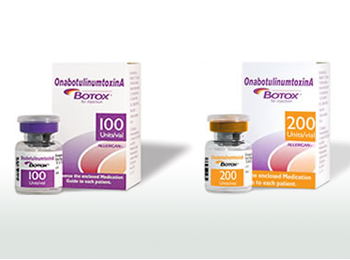
BOTOX® and Bruxism

In previous blog posts on bruxism, I’ve discussed how teeth grinding can lead to worn teeth, fractured teeth, facial or jaw pain, and a host of other maladies. There are many ways to treat bruxism, and one of the most recent and perhaps unexpected is BOTOX®.

BOTOX® was originally used for treating muscle spasticity diseases such as strabismus (eye misalignment), blepharospasm (eyelid spasm), and torticollis (wry neck). BOTOX® works by temporarily decreasing or paralyzing the muscles it is injected into. The logical extension of this would be to apply BOTOX® to a myriad of other medical conditions in which excessive or intense muscle contractions are causing pain or dysfunction.

It turns out that BOTOX® can in some cases, be a sensible medical application to bruxism, as injections of BOTOX® into the masseter and temporalis muscles – the large muscles that close the mouth and bring the teeth together – can reduce the forces of bruxism to a significant extent.

The Procedure: By injecting small doses of BOTOX® (different levels are used for each patient) directly into the masseter and temporalis muscles, the muscles are weakened enough to diminish the forces associated with involuntary grinding of the teeth and clenching of the jaw. As a result damage due to the TMJs and symptoms of jaw pain and headaches should be reduced if not eliminated after 2- 3 injection sessions over several months. Luckily, chewing and facial expressions will not be effected by BOTOX®.

Reasons to Consider BOTOX®:

  • If you know you are clenching at night but oral appliances are not helping or making your morning symptoms worse.
  • Positive effects can be felt within 10- 14 days even if you have been suffering for month or years.
  • If helpful, the need for medication (muscle relaxants) at bedtime and pain medications during the day will be reduced or even eliminated.

The optimal dose of BOTOX® must be determined for each patient as some people have stronger muscles requiring more BOTOX®.  The effects last for about three months. After a few rounds of injections, many of our patients require no further  injection sessions though we continue to advise the use of an oral appliance while sleeping if tolerated.

If are suffering from bruxism please do not hesitate to contact me so I can assist you in making treatment decisions.

BOTOX® for teeth grinding is in the news! I was recently interviewed on ABC’s Good Morning America on the topic, Can BOTOX® be used to treat teeth grinding?  Click the link to watch the segment.

Categories
Sleep Apnea Snoring

Oral Appliance Saves Marriage

Recently, a 52 year old female patient told me about her experience with CPAP. She has a history of loud and disruptive snoring, which ultimately caused her husband to sleep in a separate bedroom.

After being evaluated at a sleep lab, she was diagnosed with mild to moderate Obstructive Sleep Apnea (OSA) and was prescribed a CPAP device. Thanks to the CPAP, her snoring was gone, but her husband still slept in the next room–he refused to get into bed with Darth Vadar. Now it was the cumbersome CPAP mask was causing her love life to suffer.

We made her an oral appliance to use nightly as an alternative to the CPAP. Presently, husband and wife are happy again.

Dr. Donald Tanenbaum has been practicing in New York City and Long Island for over 20 years. He is uniquely qualified to diagnose and treat Sleep Apnea, facial pain, TMJ and TMD problems, muscle pain disorders, nerve pain disorders, tension headaches, and snoring. Learn more here

Categories
Sleep Apnea Snoring

What is CPAP?

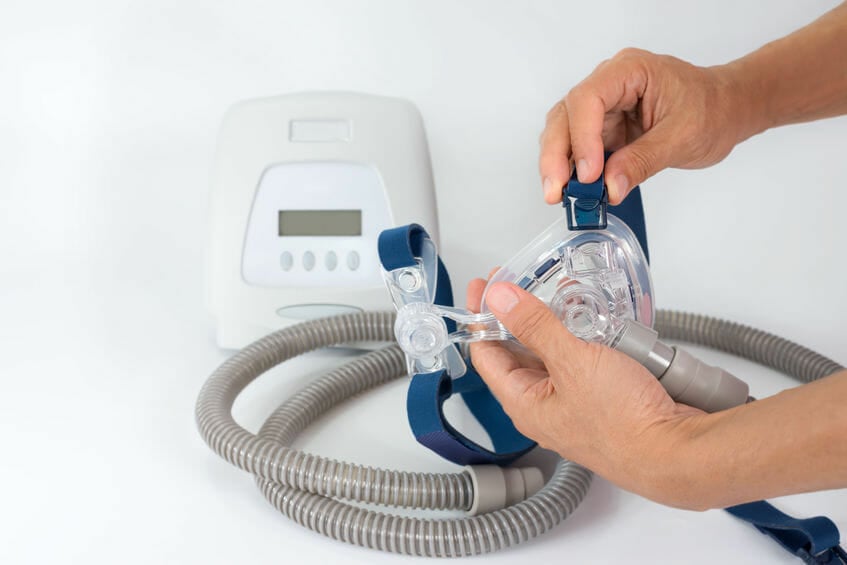
CPAP, or Continuous Positive Airway Pressure, is the primary therapy used to manage a condition called Obstructive Sleep Apnea (OSA). As the airway narrows during sleep in individuals with OSA, the CPAP device is designed to provide a constant flow of compressed air under pressure to keep the airway open.

Often called the most effective nonsurgical treatment for obstructive sleep apnea, wearing a CPAP mask at night can improve the quality of sleep. Nightly use of the CPAP machine can also reduce high blood pressure, daytime sleepiness and snoring.

Though the CPAP machine can provide great results, it is NOT the right solution for everyone. As a matter of fact, many people find CPAP to be uncomfortable, preventing them from falling or staying asleep. As a result, according to the American Sleep Apnea Association, 60% of CPAP users discontinue use within one year because of discomfort or side effects.

Drawbacks of CPAP include:

• Can cause excessive dreaming and nightmares
• The mask often causes skin irritation
• The mask or nasal attachments often slip out of position while sleeping, diminishing the effectiveness of the device
• The airway hoses can wrap themselves around the wearers head
• The mask creates a sense of claustrophobia
• The machine is loud and can disrupt you or your sleep partner

Alternative to CPAP

An alternative to a CPAP machine is a custom fitted oral appliance which can be used to prevent snoring and to treat mild to moderate sleep apnea. Scientific studies have shown that properly constructed and adjusted oral appliances have the capacity to consistently facilitate nighttime air flow into the lungs thereby reducing the risk of stroke and high blood pressure developing in individuals with this medical condition.

An oral appliance works one of two ways. The first and most commonly utilized type of oral appliance repositions the jaw forward, carrying the tongue out of the airway . This type of appliance attaches directly to the teeth of the upper and lower dental arches. With the tongue forward the patency of the airway increases. The second type which is infrequently used is called a tongue retaining device. This appliance attaches only to the tongue and via a suction mechanism, the tongue is pulled forward out of the mouth. The end result is typically a sore tongue and a restless nights sleep.

The Perfect Marriage

As any one treatment over the course of many years can become monotonous we continue to advocate the use of both oral appliances and CPAP in patients that seek our advice. Whether a fixed schedule of alternating between the oral appliance and the CPAP is established or whether the oral appliance is just worn when traveling for work or on vacation, many of our patients have benefitted from this scenario. As over the long term oral appliances have been shown to have a better than 70% compliance they have therefore become an important component of managing OSA and socially disruptive snoring.

If you enjoyed this blog post, please consider subscribing. Thank You!

Dr. Donald Tanenbaum has been practicing in New York City and Long Island for over 20 years. He is uniquely qualified to diagnose and treat Sleep Apnea, facial pain, TMJ and TMD problems, muscle pain disorders, nerve pain disorders, tension headaches, and snoring. Learn more here