Manhattan

212-265-0110

White Plains

914-227-2305

Springfield, NJ

973-315-7830

Hauppauge

631-265-3136
Categories
Ear Pain TMJ

Causes of Ear Pain

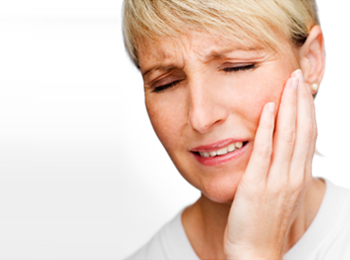
Many patients come into my practice complaining of ear pain, when other physicians have found nothing wrong with their ears. The ear pain complaints heard most often are these:

• My ear feels full

• My ear feels stuffy

• I feel like something is dripping in my ear

• I feel pressure in my ear

• There is ringing in my ears

• I hear a hissing sound

• I hear a buzzing sound

More often than not, patients complaining of ear pain will see their general practitioner, internist, or an ENT (ear, nose, and throat) doctor. But if there is no evidence of an infection, and there is no fluid or inflammation in the ear (or other problems with ear function) the ear pain could be happening because of a malfunction in the muscles of the face, jaw, or TMJ (Temporomandibular Joint).

Because of the way our ears, face, and jaw develop inside the womb, the malfunction of one area can cause pain in the other. To figure out if your persistent ear pain is related to a muscular issue, pay close attention if the ear pain you’re experiencing:

• Increases when you eat

• Increases when you talk

• Increases when you open or close your mouth

• Is constant and intense

If these are the dominating symptoms, chances are the ear pain will not go away unless doctors can address the muscle and joints in the face that are causing it to begin with. Treatment that focuses specifically on the ear will not work if the ear pain is just a symptom of a different problem.

Dr. Donald Tanenbaum has been practicing in New York City and Long Island for over 20 years. He is uniquely qualified to diagnose and treat bruxism, TMJ and TMD problems, Sleep Apnea, facial pain, muscle pain disorders, nerve pain disorders, tension headaches, and snoring. Learn more about Dr. Tanenbaum here.

Categories
Ear Pain Tinnitus

What Causes Ringing in the Ears?

Ringing in the ears, or tinnitus,is a symptom often described as a ringing noise heard in one or both ears, that can be present continually at the same level or vary in intensity. The presence of ringing in the ears during the course of a day is based on jaw movements, head positions and tongue activity. In addition to ringing, some people describe sounds such as hissing, buzzing, humming, clicking, whistling or roaring. Along with these perceived sounds individuals often report hearing loss.

Tinnitus can have its origin from a wide number of possible causes. For some tinnitus is short-lived while for others it is ongoing and disruptive to everyday life.

Subjective tinnitus, that which is described by a patient but not heard or detected by an examining physician, is often prompted by factors like exposure to abnormally loud sounds (one bad exposure or of long duration), chronic ear infections, ear pain, trauma to the inner ear, hearing loss, Menieire’s disease, Acoustic neuromas, chronic use of medications like aspirin, antibiotics or antiviral drugs, and neurologic diseases amongst others.

At times it has been suggested that temporomandibular disorders can be responsible for the onset of tinnitus. Though symptoms such as ear pain are commonly associated with TMJ disorders it is my opinion that no greater than 10-15% of all those patients that we see with TMJ problems report the symptom of tinnitus.

Since the histories and examinations of these patients are no different than those without tinnitus, the reason why they are suffering with ringing in the ears remains unclear. It has been proposed that overuse of the TM joints during gum chewing, tooth grinding, or nail biting for instance can sometimes cause tinnitus but this remains more opinion than fact. If, however, the ringing in your ears increases or changes with opening or closing of your mouth, or forward and side-to-side shifts of your jaw, there is a chance that a relationship exists between the tinnitus and your jaw. In addition, if you are a heavy nighttime tooth grinder or clencher and wake up with tinnitus it would be wise to investigate whether there are treatment options available to address this distressing and often disabling symptom.

The final word is that the symptom of tinnitus often cannot be attributed to any one or specific medical disorder or physical cause. As a result patients are often left to wonder whether relief will ever be found! If your tinnitus symptoms seemingly have any relationship to jaw function an investigation with a properly trained dentist would certainly be advised.