TMJ disorder is common in the United States and affects more than three million people annually. One of the more frequent and severe symptoms of TMJ disorder is migraines. Often, treating TMJ disorder is essential for stopping chronic migraines.
TMJ disorder and migraines: is there a connection between the two?
TMJ disorder can put a lot of stress on a person and lead to the onset of migraines. Migraines can hinder a person’s ability to function properly each day, so treating the underlying concern is often essential. The following is a review of how patients are able to find relief through TMJ treatment.
What is TMJ disorder?
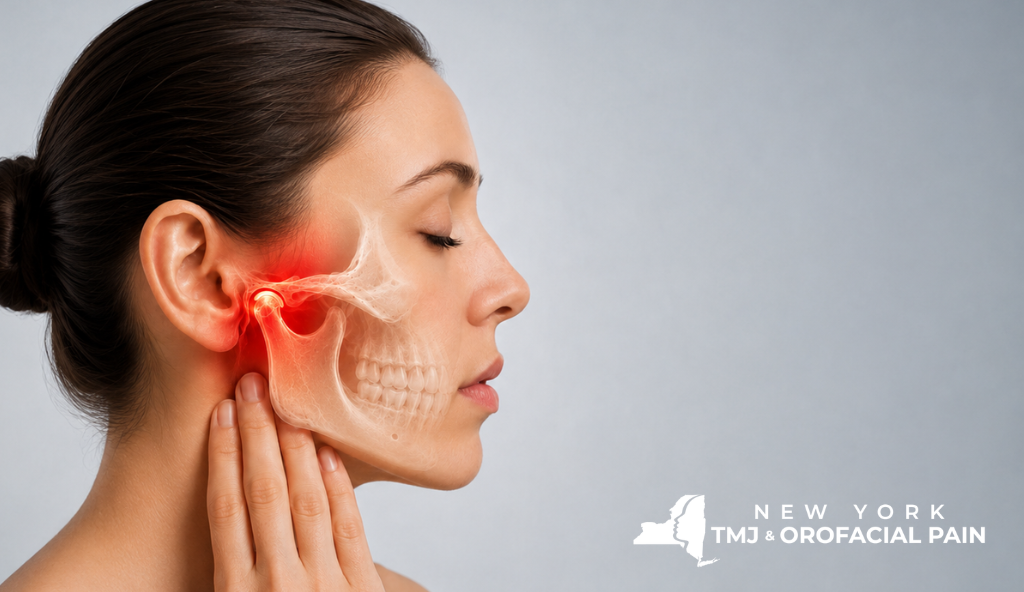
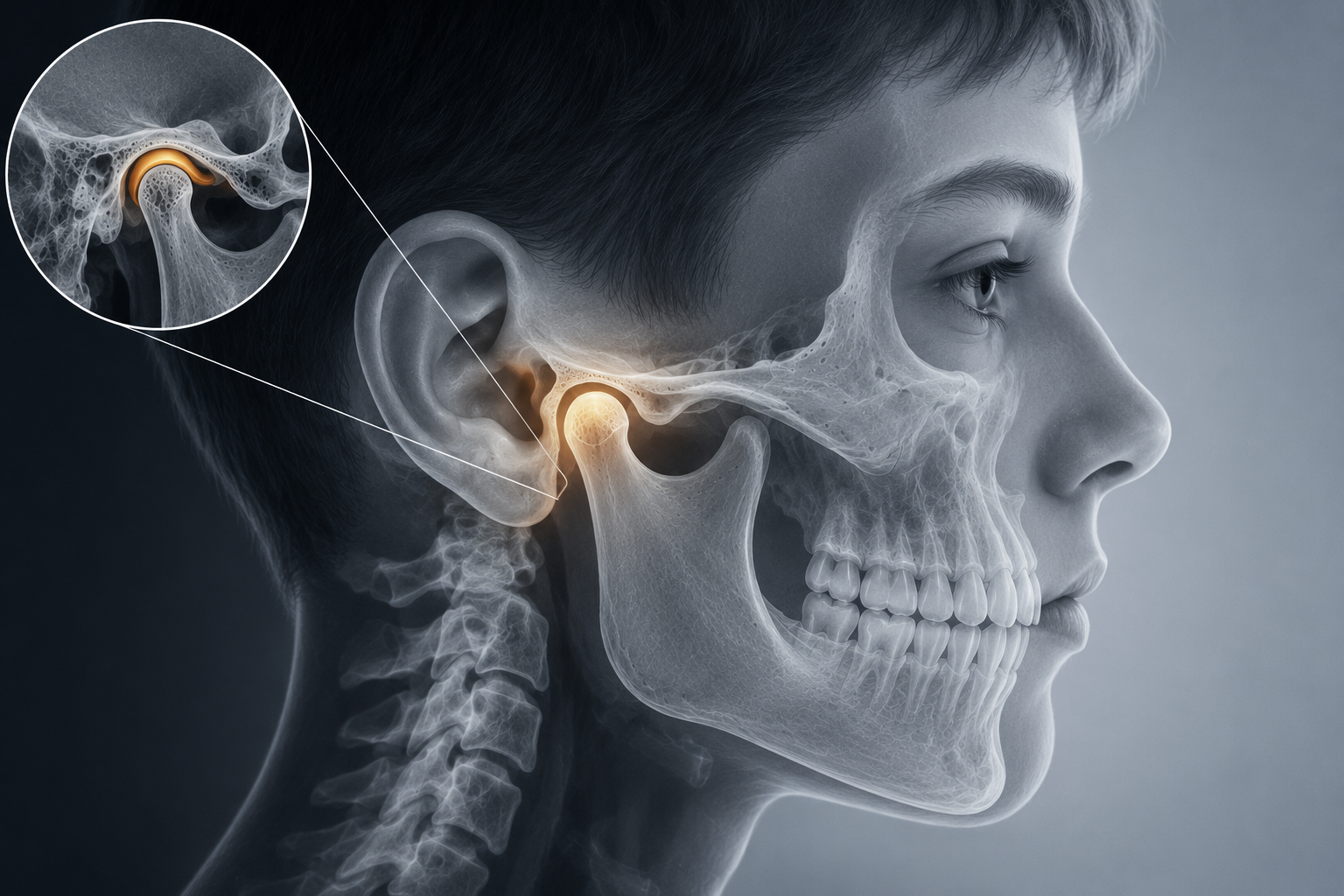
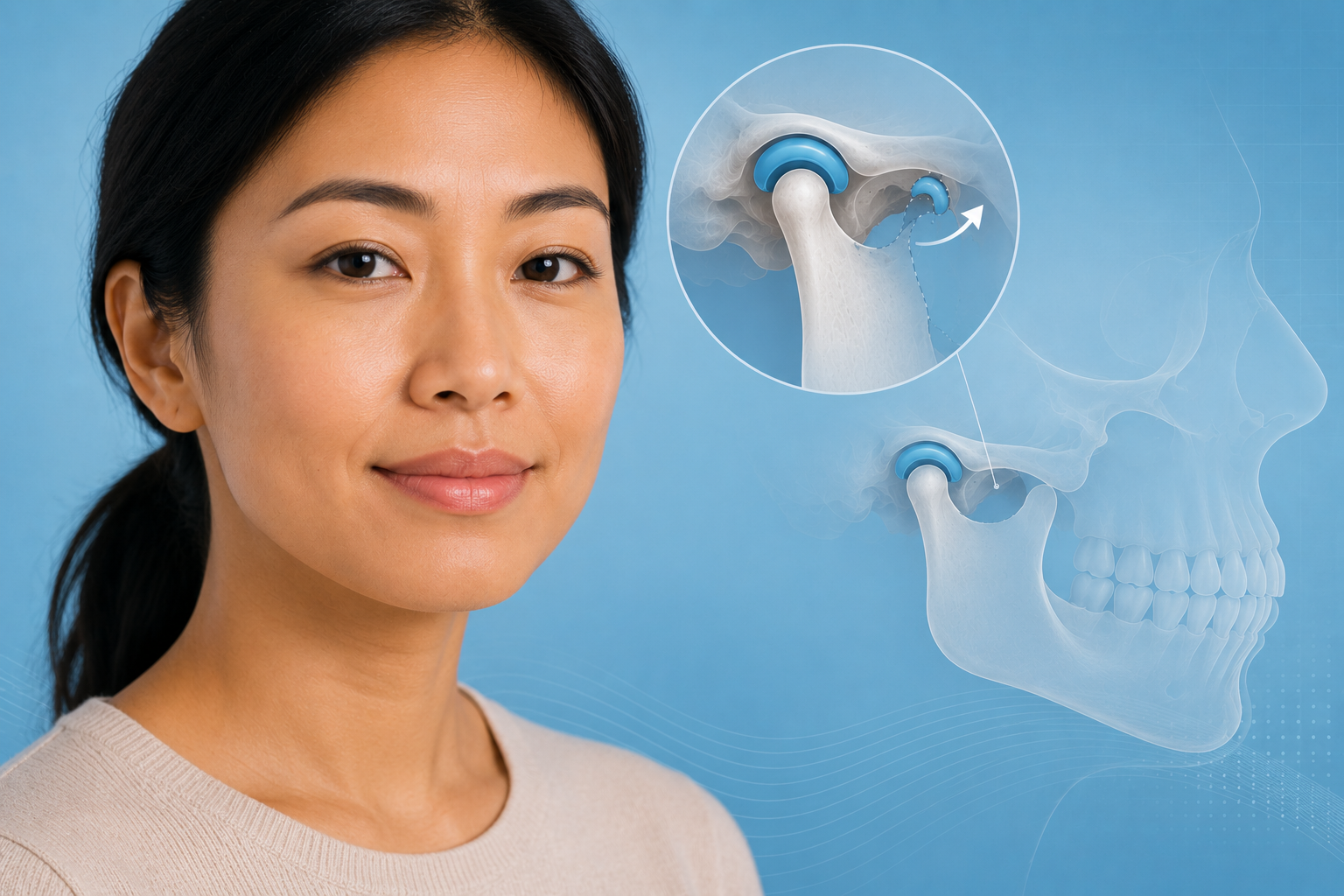
TMJ disorder affects the joint that is responsible for the mouth opening and closing, known as the temporomandibular joint (TMJ). This joint serves as a sliding hinge and may become stiff, sore, or even locked, which can create discomfort in the face and lead to symptoms such as locked jaw and migraines.
How are TMJ disorder and migraines related?
TMJ disorder is not considered a cause of migraines. However, it is often considered a trigger. This is largely due to the physical stress that TMJ disorder places upon the facial muscles. It can lead to a tension headache that can eventually progress into a full-blown migraine. Studies have suggested that many who treat their TMJ disorder see the frequency of their migraines significantly reduce or go away entirely.
How is TMJ disorder treated?
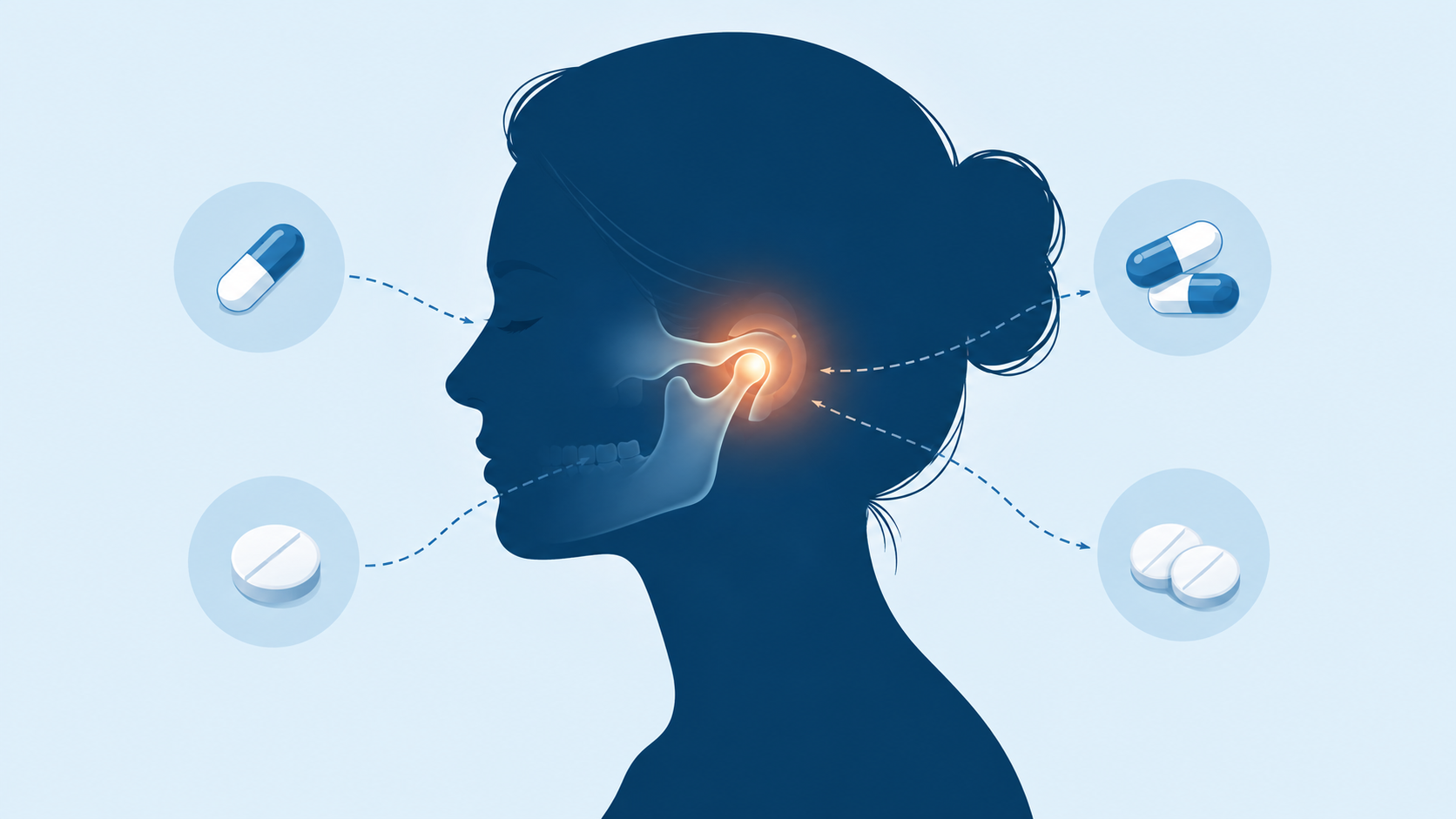
TMJ disorder treatments vary based on the severity and reason for the problem. Self-care and the use of a mouthguard to wear while sleeping may be all that is necessary in some minor instances. Therapies such as biofeedback and some medications may be appropriate as well. In the most severe cases, surgery may be an option.
What are the symptoms of TMJ disorder?
TMJ disorder may look different for everyone who has it. However, some symptoms are more frequently reported. These symptoms include:
- Chronic jaw pain
- Headaches
- Migraines
- Difficulty chewing
- A clicking sound from the jaw
- Locked jaw
- Face and ear pain
- Toothache
Many of these symptoms could be related to alternative oral health concerns, so it is important to visit a TMJ specialist for an accurate diagnosis and an appropriate treatment plan.
Additional tips for migraine prevention
For many patients, particularly those whose underlying cause of migraines is TMJ disorder, treating TMJ disorder is all that is necessary to relieve the migraines. However, some patients may still experience migraines if there are other causes. To further reduce the risk of migraines, consider keeping a journal of foods and activities to determine potential triggers that may increase the risk of migraines.
Speak with a member of our team about TMJ disorder treatment
Our TMJ specialist can help you put together a treatment plan that not only addresses your migraines but also relieves TMJ disorder, which is often the primary reason for migraines. To learn more about TMJ disorder treatment, contact our team today to schedule a visit.