Medications For TMJ At New York TMJ & Orofacial Pain
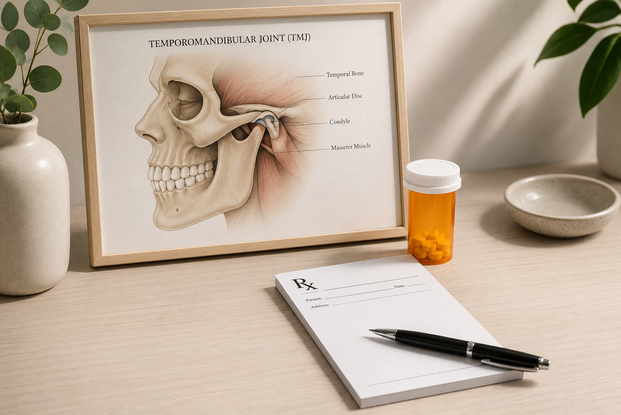
TMJ pain is typically caused by muscle soreness/spasm and/or inflammation in the jaw muscles, tendons, and TM joints. The most commonly used medications for TMJ at our practice:
- NSAIDs (e.g., Advil, Aleve, prescription-strength) – for pain from muscle fatigue, joint sprains, tendonitis, or arthritis
- Steroids – short oral course (7–10 days) for significant joint inflammation
- Analgesics (e.g., Tylenol) – pain relief when inflammation isn’t present
- Muscle Relaxants (e.g., Flexeril, Soma, Skelaxin, Zanaflex, Robaxin, Baclofen) – short-term use for muscle tension/spasm and bruxism
- Anti-Anxiety Medications – low-dose, short course to reduce jaw-muscle “bracing”
- Sleep Medications (including low-dose tricyclic antidepressants) – to improve sleep and reduce pain sensitivity
- Injections (steroids, Botox, lidocaine, prolo-injections) – delivered directly to the affected muscle, ligament, or tendon
- Supplements (melatonin, magnesium) – to support sleep and muscle function
Nonsteroidal Anti-Inflammatory Medications (NSAIDs)
NSAIDs that you can buy without a prescription, like Advil and Aleve, and prescription NSAIDs, are often beneficial in relieving TMJ pain that is associated with muscle fatigue, joint sprains, tendonitis, and arthritis. You may need to be on NSAIDs for a few days to several weeks, depending on the severity of your problem and how long it has been present. NSAIDs can produce side effects, so you will be closely monitored by our team while you’re taking them.
Steroids
If your jaw pain, limited jaw motions, or bite changes are caused by profound inflammation in your temporomandibular joints (your TMJs), an oral steroid for seven to ten days may be helpful. Oral steroids can reduce and or eliminate joint inflammation and reduce your painful symptoms. While oral steroids are invaluable as a TMJ medication, they can’t be used for an extended period of time.
Analgesics (Pain Relievers)
Analgesics, such as Tylenol, are beneficial as a medication for TMJ symptoms if there is no inflammation. As with long-term use of NSAIDS, you will be monitored regularly for side effects.
Muscle Relaxants
Muscle relaxants are another medication for TMJ that are very helpful if you have muscle tension and spasms. They include brands such as Flexeril, Soma, Skelaxin, Zanaflex, Robaxin, and Baclofen and can only be obtained by prescription. Muscle relaxants are designed to be taken only for a short period of time. Muscle relaxants can reduce the intensity of sleep bruxism and help you get a better night’s sleep.
Anti-Anxiety Medications
If you have jaw muscle tension and pain in your face and jaw, we may prescribe a short course of low-dose anti-anxiety medication. Used as a TMJ medication, these drugs can help reduce the jaw muscle “bracing” that often occurs during stressful times. We will monitor your status regularly to make sure you’re getting the full benefits while avoiding side effects.
Sleep Medications
Any pain problem is more tolerable when you’re able to get a good night’s sleep. If you suffer from sleepless or restless nights, we may recommend a muscle relaxant for a short time. There is also a class of medications called tricyclic antidepressants, which in doses lower than what is used to treat depression, can quiet your nervous system, allowing you to feel less pain and sleep more restfully.
Injections
Sometimes we see a patient whose TMJ problems require injections to deliver medication to a specific site of injury. These TMJ medications are injected directly into the TMJ muscles, ligaments, or tendons. They include steroids, Botox, lidocaine, and prolo-injections. Click here to get more information on the injections we provide at New York TMJ & Orofacial Pain,
Supplements
Supplements such as melatonin and magnesium, though not strictly considered TMJ medications, are used to promote restful sleep and healthy muscle function. The way they are used in terms of dosage and timing varies from patient to patient.
Choosing the right medication (or combination) depends on your specific diagnosis, which is why an accurate exam matters more than guessing at what worked for someone else.
If you’re struggling with jaw pain, facial pain, lockjaw, unexplained headaches, or a persistent toothache, you’re in the right place. Please call 212-265-0110 to make an appointment at one of our offices in Manhattan, Westchester County, or Long Island.
If you aren’t located in the NYC region and need TMJ treatment, go to the American Board of Orofacial Pain‘s directory and look for a specialist in your area with the designation: Diplomate. Click here.
Source: TMJ.org