Manhattan

212-265-0110

White Plains

914-227-2305

Springfield, NJ

973-315-7830

Hauppauge

631-265-3136
Categories
TMJ

Home Therapy for TMJ

I’m a TMJ specialist. Patients often tell me that they’ve been told that there is no treatment for TMJ problems and that they will struggle with this problem for the rest of their lives. To the contrary! TMJ problems like all other orthopedic problems are common and treatable.

We have many types of specific treatments for TMJ in the office, but there are also a number of home therapies that have shown to be rather beneficial for the vast majority of TMJ sufferers. Whether your TMJ problem is focused in the jaw muscles, the jaw hinges (the temporomandibular joints), or the associated tendons and ligaments, the basic principles used to treat all orthopedic problems apply.

Rest, support, medication, and rehabilitation are often the key ingredients to success. Though only some jaw related problems require professional care, ALL TMJ problems require home care strategies to achieve the goals of pain elimination and restoration of function. What follows is a thorough list of home care strategies for overcoming TMJ pain.

15 Home Therapies for TMJ Sufferers

1) Apply heat over tender muscles and apply cold over tender joints. At times, my patients choose to cool with ice packs first over both the muscles and joints for 5 minutes and then follow with heat for 15 minutes. This can be repeated several times a day.

2) Avoid overuse of jaw activities and behavior that fatigues the jaw muscles. This is critical to achieve healing. Overuse activities include gum chewing, nail & cuticle biting, biting on pens, pencils, straws, ice, plastic items, eyeglass frames; the list goes on.

3) Avoid clenching your teeth during the daytime. For techniques to help you overcome this behavior, click here.

4) Avoid cradling your phone between your shoulder and neck and try to reduce the amount of time you are texting. Your head in a forward posture for lengths of time wreaks havoc on your neck and jaw muscles.

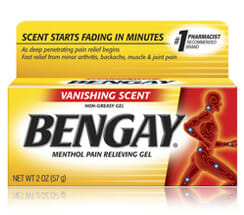
5) Apply pain-soothing gels over the jaw, neck muscles, and jaw joints. These may include BenGay, Aspercreme, Biofreeze, but many other preparations are available in the local pharmacy. (Note: some of these products contain menthol, arnica, aspirin, and other anti-inflammatory ingredients so make sure you are not allergic or sensitive to these products.)

6) Try TENS stimulation. TENS is a form of muscle stimulation that can help reduce spasm, muscle tension, and relieve pain. TENS devices can now be found on the Internet, but be advised as they do require instruction in order to be used safely.

7) Muscle massage techniques can be used over the temporalis muscle and masseter muscle (which is the big muscle that bulges when you clench your teeth). These muscles can be rubbed and massaged as you would for a sore calf or thigh muscle, applying enough force to be uncomfortable but not too much force that your eyes tear. This can be done for 2-3 minutes 3-4 times a day and the best place to do it is in the shower. There are a number of YouTube videos you can watch to help guide your technique.

8) Avoid hard, large, tough, and/or chewy food. I don’t recommend a mushy diet but rather a thoughtful diet. If you experience pain during or after a meal, you probably ate the wrong food.

9) Minimize caffeine intake (even chocolate) and nicotine use.

10) Abstain from drinking alcohol close to bedtime hours as it leads to restless sleep.

11) Hydrate with a good amount of water throughout the entire day.

12) Try your best to get 7-8 hours of restful sleep every night.

13) Avoid electronic stimulation prior to going to bed. Your cellphone, laptop, and other various devices can all negatively affect your sleep cycle.

14) Exercise routinely, at least a few times throughout the course of the week, to build endorphins and reduce daily stress. Endorphins are our bodies’ natural painkillers.

15) Practice diaphragmatic breathing or even meditate during the day to slow the number of breaths you take per minute.

Certainly you may need more directions of care, as every patient is unique, but these ideas, if pursued consistently, will surely provide some relief or buy some time until you are able to see the proper medical professional. If any of these recommended techniques increase your pain or aggravate your jaw in any way, they should be discontinued immediately.

Live or work in New York City or on Long Island? You can schedule a consultation with me here or call 212-265-0110

Dr. Donald Tanenbaum is a specialist with offices in New York City and Long Island, NY. He is uniquely qualified to diagnose and treat facial pain associated with jaw problemsTMJreferred painnerve pain, and migraines. Find out more at www.nytmj.com.

Categories
Jaw Problems

Case Study: Jaw Locking All Day With Tremendous Pain

A patient came to my office four months ago complaining that she woke up every morning with her jaw in a locked position. It was so bad that her morning routine starting by standing in the shower bathing her jaw with hot water until her jaw popped open. Then she could start her day.

Her problem however didn’t stop with this unlocking event. Her jaw would click and then lock numerous times during the day and she had no choice but to manually force it open. Each unlocking effort was accompanied with pain that intensified as the day passed. She also had to support her jaw with her hand in order to chew and she worried that her lockjaw problem would interfere with her ability to talk and fulfill her professional responsibilities as a teacher.

Remarkably her problem seemingly just started one morning. There was no history of trauma, no recent dental visits, and no underlying medical problems that could be responsible for the onset of the jaw clicking and locking. It just started one day and then took over her life.

Treating Locked Jaw

Just like a knee problem, the nature of my patient’s problem was related to compromised cartilage and unstable ligaments in the jaw joint. These problems are “orthopedic” in nature and require treatment that is similar to those used for injured knees and or ankles The treatment planned was designed to stop further injury, stabilize the joint and give the body a chance to heal.

The treatment for this patient had three parts:

• An oral appliance (orthotic) designed to prevent joint locking, relax the jaw muscles, and reduce joint inflammation.

• Exercises and physical therapy to help improve and restore proper jaw mechanics, muscle coordination, and stability of the ligaments

• Daytime behavior modification strategies to ease postural strains on the jaw and neck muscles and jaw joints

The Outcome

After four months of treatment, my patient has responded well with no morning jaw locking, no pain, better eating capacity and optimism that this problem was not going to compromise her ability to hold a teaching job. Though not ‘cured’, her orthopedic problem had stabilized and she was in her own words “better” and not in need of ongoing care in my office. Maintaining a home program would likely be all that she needed to stay comfortable and avoid future problematic situations.

This ability to help patients “get their lives back on track” never gets old and continues to be a source of my daily efforts when patients come seeking advice, guidance and care.

Dr. Donald Tanenbaum is a specialist with offices in New York City and Long Island, NY. He is uniquely qualified to diagnose and treat facial pain associated with jaw problemsTMJreferred painnerve pain, and migraines. Find out more at www.nytmj.com.

Categories
BOTOX® Bruxism

BOTOX® and Bruxism

In previous blog posts on bruxism, I’ve discussed how teeth grinding can lead to worn teeth, fractured teeth, facial or jaw pain, and a host of other maladies. There are many ways to treat bruxism, and one of the most recent and perhaps unexpected is BOTOX®.

BOTOX® was originally used for treating muscle spasticity diseases such as strabismus (eye misalignment), blepharospasm (eyelid spasm), and torticollis (wry neck). BOTOX® works by temporarily decreasing or paralyzing the muscles it is injected into. The logical extension of this would be to apply BOTOX® to a myriad of other medical conditions in which excessive or intense muscle contractions are causing pain or dysfunction.

It turns out that BOTOX® can in some cases, be a sensible medical application to bruxism, as injections of BOTOX® into the masseter and temporalis muscles – the large muscles that close the mouth and bring the teeth together – can reduce the forces of bruxism to a significant extent.

The Procedure: By injecting small doses of BOTOX® (different levels are used for each patient) directly into the masseter and temporalis muscles, the muscles are weakened enough to diminish the forces associated with involuntary grinding of the teeth and clenching of the jaw. As a result damage due to the TMJs and symptoms of jaw pain and headaches should be reduced if not eliminated after 2- 3 injection sessions over several months. Luckily, chewing and facial expressions will not be effected by BOTOX®.

Reasons to Consider BOTOX®:

  • If you know you are clenching at night but oral appliances are not helping or making your morning symptoms worse.
  • Positive effects can be felt within 10- 14 days even if you have been suffering for month or years.
  • If helpful, the need for medication (muscle relaxants) at bedtime and pain medications during the day will be reduced or even eliminated.

The optimal dose of BOTOX® must be determined for each patient as some people have stronger muscles requiring more BOTOX®.  The effects last for about three months. After a few rounds of injections, many of our patients require no further  injection sessions though we continue to advise the use of an oral appliance while sleeping if tolerated.

If are suffering from bruxism please do not hesitate to contact me so I can assist you in making treatment decisions.

BOTOX® for teeth grinding is in the news! I was recently interviewed on ABC’s Good Morning America on the topic, Can BOTOX® be used to treat teeth grinding?  Click the link to watch the segment.

Categories
Facial Pain Jaw Problems

Creams for Face Pain and Jaw Pain

Are there any topical creams that I can use to decrease my face and jaw pain?

A patient recently came to the office with a cream rub that she had been rubbing into her jaw and facial muscles. Although the cream smelled terrible, she thought it was helping. The question is then, do these creams work?

According to research performed on over-the-counter TOPICAL PAIN RELIEF products, creams designed to relieve muscle pain are generally safe, can provide short-term benefit but do not provide long-term relief. The reason these products have only limited usefulness is likely related to the fact that they do not penetrate deeply enough into the muscles.

The most common types of creams contain these basic ingredients:

• Menthol (a counter-irritant)

• Salicylates (aspirin)

• Capsaicin (a pain reliever found in hot pepper)

Menthol: Common products such as Flexall 454, Icy Hot, and Biofreeze contain menthol, wintergreen, or eucalyptus oil that makes the skin feel hot or cold and provides a distraction from the pain. Patients who come into my office tell me these products either provide temporary relief, or do not help at all. Generally these counter-irritant products are rubbed into the jaw muscles 3-4 times a day. When using these products on the face, care must be exercised to avoid contact with the eyes or lips.

Salicylates: The common ingredient found in aspirin, Salicylates are most effective when taken orally. Research indicates that the effectiveness of salicylates decreases to a significant degree when used as a topical cream. Bengay, Aspercreme, and Sportscreme contain this ingredient and are commonly used by my patients.

Capsaicin: A compound found in chili peppers, capsaicin causes a hot, burning sensation when applied to the skin. This topical rub actually depletes a chemical in nerve cells responsible for sending pain signals to the brain. Common products that use this compound are Capzasin, and Zostrix. These products, however, can be risky when applied to the face, as they can cause intense burning and irritation should they get in the eyes, or on the lips.

As expected, some patients swear by these products despite what the research reports. In my opinion there is likely some placebo effect taking place to account for at least 1/3 of the pain relief experienced by patients using these rubs. Additionally, the physical act of rubbing and massaging the facial muscles when applying these products can also provide relief by increasing blood circulation to the area.

In summary, self-help actions can go a long way toward reducing face and jaw pain. Despite poor scientific evidence, these creams can provide some degree of benefit and are recommended as part of an overall self care plan.

Live or work in New York City or on Long Island? You can schedule a consultation with me here or call 212-265-0110

Categories
Bruxism Nightguards & Oral Appliances TMJ

Mouthguards & Nightguards: How Long Do They Need to Be Worn?

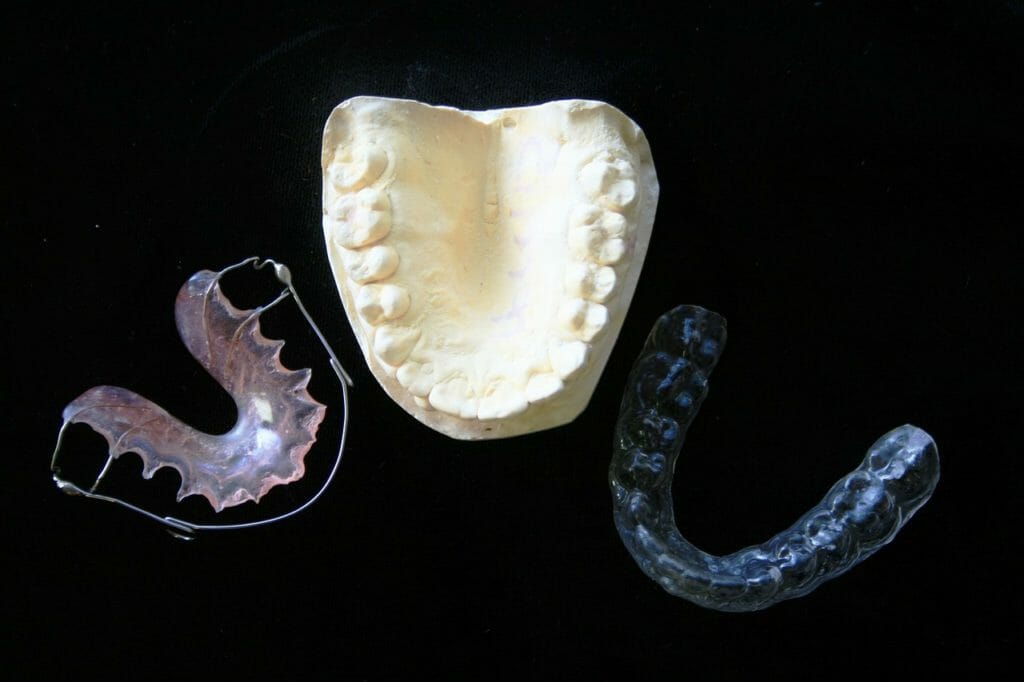
This is a common question asked by patients in my practice. The answer to this question is based mainly on the reason it was recommended in the first place! So, if you are wondering if you will have to wear your nightguard forever, here are some common scenarios. There’s a good chance that one of them fits your situation exactly:

Scenario 1: You have no teeth grinding symptoms, but your dentist notices that your teeth are worn or chipped or that fillings and caps previously placed look worn.

The dentist then informs you that you have been grinding your teeth at night. You’re shocked! You have no pain in your teeth, no jaw muscle soreness in the morning, and you haven’t noticed any other signs to indicate that you are grinding your teeth. Your dentist recommends that you wear a nightguard while you’re sleeping, warning of the problems that will develop if you don’t wear it.

Now here’s the important thing: If you move ahead and get the nightguard, bring it with you and show it to the dentist when you go in for your twice-a-year dental cleaning. If the nightguard exhibits grooves and notches cut into the acrylic, then you have been grinding and you should continue to use it. If, however, there is no evidence of wear and tear, it’s probably in your best interest to bring this to the attention of the dentist and discontinue using it.

Scenario 2: You make an appointment with your dentist because “out of nowhere” your jaw muscles and teeth are aching in the morning.

You mention to your dentist that stress levels have been high in your life and will likely stay that way for an undetermined period of time. A TMJ nightguard is advised and you wear it for a while and notice that the achiness in the morning has decreased.

What next? This all depends on what is going on in your life: stress, fragile emotions, disrupted sleep, etc. As these factors may drive the night grinding it is probably advisable to stay with the nightguard until things calm down. Once life is calm and if your morning symptoms have gone away, you can begin to reduce the number of days the nightguard is worn during the week.

Over time you will likely find that you no longer need the nightguard. Keep in mind, if life issues arise again, the grinding will likely return and you may need the nightguard again, so don’t throw it away!

Scenario 3: You not only have morning jaw muscle soreness, but your teeth ache and you have persistent facial pain during the day. In addition, you feel that you can’t open your mouth wide and chewing has become a chore because your jaw joints click and/or lock.

This scenario suggests that you may have a more significant jaw problem often called ‘TMJ’. Unlike the first two scenarios, the level of muscle and joint compromise is more significant with TMJ. And beyond the night grind there are likely other factors that have led to and are perpetuating the symptoms. In this situation the use of a nightguard at night will likely be for an extended period of time (maybe forever).

I have many patients who return to my office 3-6 years after they were last seen looking to get their nightguard repaired or replaced. Many of these patients tried to stop wearing it when they felt better, but the symptoms began again. In this situation I ask my patient to visit me at least once a year to help maintain the integrity of the device and make sure it is doing the right thing and not causing harm.

Note: There are many different names for dental nightguards:

  • Nightguard
  • Mouthguard
  • Oral Appliance
  • Splint

There are many different types as well. The decision to pick one type over another is usually made by your dentist based on your diagnosis.

If you have more questions about TMJ, and you live or work in New York City or on Long Island, schedule a consultation with me here or call 212-265-0110

Thank You!

Dr. Donald Tanenbaum has been practicing in New York City and Long Island for over 20 years. He is uniquely qualified to diagnose and treat bruxism, TMJ and TMD problems, Sleep Apnea, facial pain,  muscle pain disorders, nerve pain disorders, tension headaches, and snoring. Learn more about Dr. Tanenbaum here.

Categories
Jaw Problems

Jaw Problems Can Be Caused By Overuse

Recently, while walking through a residential neighborhood in NYC I wandered into a food market to pick up some essentials for the week. As I approached the checkout counter I happened to notice a display for something called JawliPop.

I stopped dead in my tracks.

JawliPops are the biggest jawbreaker candies that I have ever seen–the size of a small softball but as hard as a chunk of concrete! I couldn’t imagine who would find this hunk of sugar appealing, but according to the gal behind the register they are big sellers.

Intrigued as to how someone would negotiate this rock solid mass, I bought one (figuring if it was inedible it could be used to have a catch with my youngest daughter!).

Once unwrapped, it was clear that no human could either put the entire thing in their mouth or bite through the hard outer shell. The only option would be to lick the surface like a lollipop until one day, likely months later, it would be reduced to a manageable size jawbreaker. Made of pure, unadulterated sugar, this new candy was destined to be a dentist’s dream (amongst other favorites like Sugar Daddy’s and Tootsie Rolls).

Beyond the destruction to the teeth, the JawliPop is likely to be a major menace to the health and comfort of the jaw muscles and temporomandibular joints. Considering that the overuse of gum often leads to painful and fatigued jaw muscles, you can be sure the effort required to conquer this sugary orb is not worth it.

If you never thought overusing your tongue muscle would create jaw pain, try sticking your tongue out for a few minutes while moving it to the right and left in a circular motion. Imagine doing that daily for as long as it takes to get through the JawliPop. Still up for this giant sugary challenge?

Many jaw related problems are caused by overuse activities. Whether the overuse is chewing gum, biting pens, pencils, nails, or cuticles, singing, clenching or grinding of the teeth or playing musical instruments, these repetitive motions can injure the muscles, ligaments and tendons of your jaw. Once injured, the potential for pain and/or functional problems arises and can become persistent—something I doubt the makers of JawliPop had in mind.

For those of you who may have purchased the JawliPop, I suggest an alternate use for this grandest of all jawbreakers! Anyone up for a game of catch??

If you enjoyed this blog post, please consider subscribing. Thank You!

Dr. Donald Tanenbaum has been practicing in New York City and Long Island for over 20 years. He is uniquely qualified to diagnose and treat Sleep Apnea, facial pain, TMJ and TMD problems, muscle pain disorders, nerve pain disorders, tension headaches, and snoring. Learn more here