Manhattan

212-265-0110

White Plains

914-227-2305

Springfield, NJ

973-315-7830

Hauppauge

631-265-3136
Categories
Jaw Problems Orofacial Pain Referred Pain TMJ

How To Get Relief From TMJ Pain When Nothing Is Working

When exercises, medication, nightguards, relaxation techniques, and a soft diet don’t provide relief from TMJ pain, injections for TMJ may be the next step.

What Causes TMJ/TMD Problems?

Note: TMJ stands for Temporomandibular Joint, which is your jaw joint, and TMD stands for Temporomandibular Joint Dysfunction, which refers to jaw problems. Because most people use the catchall term “TMJ” to describe all TMDs, I use the term TMJ in this article.

Anything that causes your jaws to be overworked and fatigued, such as continually clenching your teeth, biting your nails during the day, or clenching and grinding at night, puts you at high risk for TMJ. However, your TMJ problem could stem from a history of trauma or a medical or dental procedure that sprained your jaw joints or strained the muscles and tendons. In some cases, systemic disease or a disorder can predispose you to experience inflammation, pain and instability in your jaw joints, ligaments, and/or tendons.

Regardless of the cause of your TMJ, if your jaw’s in trouble, you want treatment that will provide relief.

First-Line Therapies For Relief From TMJ Pain

I’ve been a TMJ doctor and orofacial pain specialist for nearly four decades. During that time, I’ve treated thousands of patients and have at my disposal many first-line therapies to help my patients feel better and get better (once an accurate diagnosis has been made). They include:

  • Nightguards or specifically designed oral appliances that address teeth clenching, grinding, and joint instability during sleep
  • At-home exercises
  • Anti-inflammatory and/or muscle relaxant medications
  • Stress-reducing activities such as meditation or yoga
  • Adherence to a soft diet
  • Reducing or eliminating the daytime behaviors that overwork the jaws
  • Physical therapy

While most of my patients respond well to the first-line therapies above, you may be someone for whom the above strategies simply don’t work. What’s next for you?
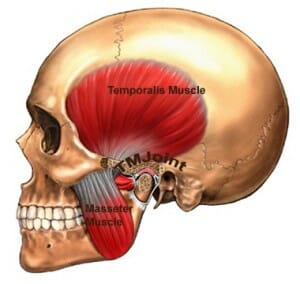
massage for TMJ, temporalis and masseter

Injections For TMJ

I’m sure you’ve read about people having BOTOX® injections for TMJ problems, but BOTOX® is not the only injectable that can help. In fact, it is not the right choice for many patients. The good news is there are injections for TMJ that are less risky and can be very helpful to provide relief from TMJ pain. They include jaw muscle injections, injections into the tendons or ligaments, and injections into the temporomandibular joint itself.

Jaw Muscle Injections For TMJ

  • Trigger point injections, sometimes called dry needling, can help reduce the muscle spasms, tension, associated pain and limited jaw motion experienced by many TMJ sufferers. They’re also designed to reduce the likelihood of “referred” pain when irritated jaw muscles refer pain to other locations such as your teeth, ears and sinuses. With trigger point injections, the mechanical prodding of the muscle with a needle creates the benefit. Some providers inject a bit of Lidocaine, a local anesthetic, to make the procedure more comfortable. Trigger point injections are typically repeated several times before the spasms and muscle tension release. When combined with exercises and other home care techniques, trigger point injections for TMJ can be very effective for people whose problems have not responded to first-line treatments.

Tendon and Ligament Injections For TMJ

Sometimes first-line therapies fail because pain is due to stubborn and persistent inflammation in a jaw tendon or ligament. In this case, prolotherapy and steroid injections are often effective:

  • Prolotherapy, also known as proliferative therapy, involves a combination of dextrose and an anesthetic. Dextrose is a natural irritant that can kick-start your body’s natural healing response and the anesthetic helps deaden pain. When injected directly into damaged tendons and/or ligaments prolotherapy can strengthen and repair them. When combined with exercises and home care strategies, prolotherapy injections for TMJ can provide a great deal of relief from TMJ pain and also promote healing. The injections typically need to be repeated several times over a few months for full effectiveness.
  • Steroid injections into irritated tendons and ligaments can also provide life-changing relief from TMJ pain and usually are administered in a series. If overused, however, steroids carry some serious risks, so your steroid injections should be administered only under the guidance of an experienced clinician.

Injections Into The Jaw Joint

Some TMJ problems stem from inflammation or structural compromises in the jaw joint itself. They can’t move their jaw without severe pain and experience mechanical symptoms as well, such as clicking, popping, or locking and gravelly sounds emanating from the joint.   Injections directly into the temporomandibular joint can often help. There are two types of joint injections for TMJ: steroids and hyaluronic acid.

  • Steroid injections are frequently used to ease pain in the knees, hips, shoulders, etc. So, it’s no surprise that steroids can also provide relief from pain in the TM joint. Depending upon the severity of your underlying joint problem, one shot may be all you need for life-changing pain relief. If your pain doesn’t diminish with just one injection, you may need a series. Proceed with caution because, as I mentioned above, steroid injections carry risks when overused.
  • Hyaluronic acid injections into the jaw joint are another strategy. Your jaw joint contains a substance called synovial fluid, which provides nourishment and shock absorption to keep them healthy. When there’s a change in the volume or quality of synovial fluid due to jaw overuse or trauma, the result can be pain and joint noises. When hyaluronic acid, a lubricating substance, is injected into the joint, the relief from TMJ pain and noises can be profound. Research suggests that hyaluronic acid also provides an anti-inflammatory effect. The only drawback to hyaluronic acid injections for TMJ is that the positive effects can be short-lived.

New Injections For TMJ Are On The Horizon!

Many research efforts show that over 30 million Americans have TMJ/TMD problems. Some problems are minor, but others can lead to life-compromising pain and jaw function limitations. There is a great need for earlier diagnoses and pain and discomfort management for people who suffer. There’s also a need for therapies that are specifically designed for treating stubborn and persistent TMJ problems.

Fortunately, emerging therapies such as stem cell and blood component injections may be able to regenerate new tissue in TM joints, ligaments and tendons. The research is very promising, and I suspect in the near future, these new and innovative types of injections will become commonplace for treating TMJ/TMD problems and provide the kind of healing that has not been achievable with other established injection therapies.

The Last Word

If you’re suffering from jaw problems, we know what you’re going through. Orofacial pain specialists like us have the knowledge to accurately diagnose your problem and the skills to help you find relief from TMJ pain, whether by first-line therapies or injections for TMJ. We invite you to set up a consultation with one of our Orofacial Pain specialists in the NYC metropolitan area. Our office locations and contact information are below. If you’re not in the NYC metropolitan area, go to the American Board Of Orofacial Pain and search for a physician with diplomate credentials in your area.

Feel Better!


Further Reading:

All About BOTOX® For TMJ

What Is Referred Pain?

The Connection Between Pain & Sleep

Categories
Headaches Jaw Problems TMJ

Can A Dentist Cure Your Headaches?

Most people who suffer from severe headaches don’t think about going to their dentist to get help. But a dentist may be the right professional to turn to if your physician has not been able to determine the root cause of your pain. But first, it’s important to determine whether the headaches you are experiencing fit into a primary or secondary category.

Primary headaches are migraines, tension headaches, and cluster headaches. Many dentists do see patients with primary headache problems, but it’s for the secondary type of headache that they can be particularly effective.

Secondary headaches can be caused by many things, but in particular, trauma to the temporomandibular joint. The temporomandibular joint is your jaw joint and problems in this area are commonly referred to as TMJ. A traumatized jaw joint can be the result of injury, a structural deficiency, a malocclusion (bad bite), newly placed or worn dental work, oral disease, or sleep bruxism (teeth grinding and clenching at night).

Today, many dentists are trained in assessing and treating these kinds of orofacial pain problems. In fact, in 2020, the American Dental Association approved orofacial pain as a dental specialtyOrofacial pain specialists are now board-certified dental specialists who limit their care to patients with orofacial pain disorders. Dentists trained in this special field are increasingly important as health team members in the diagnosis and treatment of severe and persistent headaches that are TMJ-related.

The Negative Effects Of Sleep Bruxism

If you clench or grind your teeth at night, you are not alone. Millions of Americans do it. Why does bruxism often cause severe headaches? The constant pressure is being exerted by the act of clenching and grinding your teeth can cause trauma to your TMJs. Next, the nerves become agitated, and here comes pain. But what’s tricky is that pain from TMJ can show up in other places on your body, such as your neck, your face, or even your head. This is called referred pain. Your TM joints are positioned very close to your cranial nerves, and severe headaches are often the result.

So, Can A Dentist Cure Your Headaches?

If you feel your headaches could be caused by teeth grinding and clenching (at night or during the day, or both), now’s the time to seek the help of an orofacial pain specialist. They will not only be able to determine the source of your pain, but will put a treatment plan in place that may include massage, relaxation techniques, a nightguard to protect your teeth, or even BOTOX®. I’ve been treating patients with these problems for over 3 years, and in most cases, a change in lifestyle to reduce bruxism combined with treatment, the outcomes are very positive.

Start by asking your physician or dentist for a referral to an orofacial pain specialist or check out the American Board of Orofacial Pain’s physician directory here, and search for a member with “Diplomate” status.

Good luck!

If you live or work in the NYC or Long Island metro area, feel free to call my office to make an appointment for a consultation. I see patients in person or by telemedicine on Zoom. NYC 212-265-0110 Hauppauge 631-265-3136

Categories
Facial Pain Jaw Problems Referred Pain TMJ

How To Self-Treat Jaw and Face Pain During Stressful Times

As an orofacial pain specialist in New York City and Long Island, patients come to me because they suffer from the painful symptoms of TMJ. Most often their symptoms are a result of their stressful lives.

During the pandemic, most people have been living with an unusually high level of stress. Poor sleep and limited exercise is one reason. Also involved are continually tensed shoulders, breathing in a strained manner, and grinding and clenching your teeth at night (or during the day). The result can be headaches, pain in the neck and back, or pain in your face, teeth, and jaw, or all of them.

How To Detect A TMJ Problem

When your TMJs (your jaw joints) are in trouble, it typically shows in five ways. You may have one, a few, or all of these symptoms:

  • Facial pain
  • Clicking or popping when you open and close your mouth
  • An unexplained toothache
  • Difficulty opening your mouth
  • Unexplained headaches, particularly when you wake up

It’s easy to understand how living with the pandemic for the past few years could trigger stress-related symptoms even in people who are normally calm and positive. I’ve seen hundreds of new patients never had a TMJ problem before the pandemic and just as many who suffered from TMJ in the past.

My advice is to become hyper-aware of how stress is impacting your jaw muscles. Stop every now and then during the day and take note if you are:

  • Holding your breath
  • Bracing your jaw muscles
  • Furrowing your brow
  • Clenching your teeth
  • Biting your nails
  • Raising your shoulders

Tips: How To Treat Jaw & Face Pain During Stressful Times

Control Your Daytime Breathing

Perform these three steps if you notice you’re holding your breath or breathing more rapidly than normal:

  • Slowly breathe in through your nose deep into your core and hold it for 3 seconds. It’s easier if you place the tip of your tongue on the roof of your mouth or behind your lower front teeth as you breathe.
  • Let the air out for three seconds through your lips and pause for 3 seconds.
  • Repeat 6 times.

Note: If your nose does not let air in (quite possible during allergy season) breathe in through your mouth in a slow, controlled way with your lips barely touching. There are no absolute rules; just do the best you can.

how to relax your face, donald tanenbaum
Loosen-Up Your Face and Jaws

Notice if you hold tension in your face or brace your jaw muscles when you’re at your computer, reading, or listening to the news. If you are, use this 3-step method to relax your face and jaw:

  • Let your jaw hang limp – kind of the way your hands hang limp when you drop them at your sides.
  • Keep your lips together, teeth apart.
  • Breathe.

Do this every time you notice tension in your face or jaw.

how to stop biting nails, donald tanenbaum
Stop Biting!

Biting your lips, cheeks, nails, or cuticles, can all lead to jaw muscle fatigue and pain. The 3 tips below may help you stop:

  • Keep your lips soft (don’t purse them).
  • Keep your lips touching lightly and your teeth apart (you don’t have to keep your mouth open.
  • Let your face and jaw hang in a neutral, relaxed posture (same as step 1 above).

how to treat face and neck pain, donald tanenbaum
Soften Your Shoulders

Many people experience headaches and neck and jaw pain as a result of tense shoulders. It’s called referred pain. To keep your shoulders soft:

  • Don’t hunch up your shoulders up close to your ears. Periodically stop what you’re doing and gently push them down.
  • Try not to cross your arms.

Both tips will ease your neck tension, help your breathing, and reduce the onset or the intensity of the muscle tension that leads pain.

get up and move around, face and neck pain, computer neck, donald tanenbaum
Get Up & Move Around

It’s never a good idea to sit in one place for hours and hours even in less stressful times.

  • Every 45-minutes get up and walk around, even if it’s just to throw in a load of laundry or cook a meal.
  • If you’re experiencing severe neck tension or pain, the Feldenkrais Method® is a great way to manage it, too. It’s an easy and gentle technique that eases neck and jaw tension.

moist heat to treat face and jaw pain, donald tanenbaum
Use Moist Heat

Moist heat is a good way to treat jaw and face pain:

  • Use a wet towel, heat pack, or TMJ wrap – available in many pharmacies.
  • Apply the heat for 15-minutes
  • Then perform a gentle jaw muscle self-massage. Here’s how:
    • Open your mouth halfway.
    • With your index and middle finger massage the fleshy part of your jaw muscles in a circular motion for 10-seconds
    • Then, move in the opposite direction for 10-seconds.
    • Next, with your mouth still half-open, move your fingers to your temples right under the hairline and perform the same massage technique. If you feel muscle soreness as you massage, you’re doing it right.

Do this moist heat massage twice a day.

TENS unit for neck pain, donald tanenbaum
Purchase A TENS Unit

If your pain is severe and moist heat doesn’t help, go online and purchase a TENS unit (Nursal EMS TENS unit). Place the pads as directed on your jaw muscles (called masseters) and your large neck muscles (your trapezius) once or twice a day. Most TENS units come with simple instructions and there are many videos online with instructions.

biofreeze for neck pain, donald tanenbaum
Try Biofreeze®

Another method that works for many people is to rub Biofreeze® onto the jaw and neck muscles several times a day. Just make sure you keep it away from your eyes.

calm your mind to treat face and jaw pain, donald tanenbaum
Calm Your Mind

Yoga or meditation are great ways to keep stress from impacting your body. Online you can find hundreds of classes, many of them free. I like the app Insight Timer. Headspace, Calm, and Buddhify are also terrific apps. Find the one that fits your style and needs and try not to make it a challenge but a regular part of your day and/ir when you really need it.

tension while sleeping, donald tanenbaum
Is Your Body Tense While You Sleep? Try this:

If you wake up with headaches, facial, jaw, or teeth pain, you are problem clenching or grinding your teeth at night. Try these tips:

  • Drink warm chamomile or Sleepytime® tea before bed.
  • Try magnesium. Before you retire for the night, eat a banana or buy a magnesium supplement at the pharmacy (ask the pharmacist to recommend a good one).
  • If you’re really suffering, purchase a dental night guard at the pharmacy. The best one is made by DenTek™. However, some patients report that over-the-counter devices actually make them clench more! If that’s the case, talk to your dentist about having a custom-made nightguard made for you.

By following the above tips, you can treat your jaw and face pain at home. But note, it may take some time for your symptoms to subside. Don’t give up!

Now that life is getting back to normal it’s time we all assess our physical and emotional state and do what we need to do to feel better.

For more information about TMJ, please link here

Categories
Facial Pain

Gender Bias In Chronic Pain Treatment

A common theme in many of the scientific conferences Ive recently attended is that chronic pain, when left untreated, can actually cause permanent changes to the brain and nervous system. That knowledge makes it all the more important for physicians to address pain soon after a patients struggles begin. In my practice I treat a majority of female patients who are dealing with severe jaw and facial pain. From their stories, I know first-hand that gender bias in chronic pain treatment is real.

There seems to be a common attitude among many health care providers that

women who complain about pain are exaggerating their suffering.

According to references in the book “A Nation in Painby Judy Foreman, studies have shown that doctors are more likely to request tests for male patients who complain of pain. Men“s symptoms are often treated as physical and neurological conditions while similar symptoms in women are considered due to psychological or psychosocial issues. In addition, there is evidence that physicians frequently dismiss women who report chronic pain or write them off as experiencing emotional hysteria, unlike their male counterparts.

This evidence, combined with the well-known
biologic factors that predispose women to jaw and facial pain, makes it easy for me to understand why women with longstanding pain problems ultimately seek care in my office. The problems I see are broad in nature and typically caused by disorders of muscle, joint, or nerve tissue. My patients
stories about misdiagnosis and/or delays in proper pain therapy (as a result of the attitude that the pain is all in her head) are certainly unnerving.

In addition, many of my female headache patients have been told to “tough it out” or take anti-anxiety medications for pain problems. These treatment recommendations again put the emphasis on blaming the patient as opposed to identifying a potential biological cause and directing treatment at specific pain receptors and pathways. 

Clearly these kind of gender-biased misconceptions need to be addressed if women are to get the timely pain care they deserve, especially before changes occur in the brain and along nerve pathways. As a result of research in the often-maligned diagnoses of Chronic Fatigue Syndrome and Fibromyalgia, these disorders have been redefined (Chronic Regional Pain and Systemic Exertion Intolerance Disorder) revealing that biases can be changed. As scientific investigations are today beginning to shed light on gender-specific pain problems, hopefully the same kind of change in attitude will prevail.

For the time being women suffering from chronic pain will have to seek help where they can find it. Many chronic pain support groups have sprung up (I often share their posts often on my Facebook page) which can help these patients feel less alone.

My office will continue to assess the physical and cognitive emotional components of all pain complaints that pass through our door, regardless of gender. With a female patient population approaching 82%, I know that not only do these patients have real problems I know that most of them can be helped.

Have you experienced gender bias in your quest for treatment for chronic pain? Please share:

Dr. Donald Tanenbaum is a specialist with offices in New York City and Long Island, NY. He is uniquely qualified to diagnose and treat problems associated with facial painTMJ, headaches and sleep apnea.

Categories
Jaw Problems

6 Foods That Can Break Your Jaw

Just this week I treated two patients who unfortunately chose to eat foods that not only are known to often cause fractured teeth but also can at the same time create significant jaw injuries. Now, a particular food can’t actually “break” your jaw, but an injury in the jaw joint (TMJ) can certainly feel like it.

To start the conversation, picture this: the jaw joints (or “hinges”) and the attached ligaments allow you to open and close your mouth. The attached muscles and tendons provide the power for this movement. So, if you think about the jaw as an orthopedic system (just like the knee) it is subject to sprains, strains, ligament stretch, slipped cartilage and inflammation that at times can be severe. When you bite into or munch repetitively on hard or large food substances, you can cause significant painful damage to your delicate jaw joints.

Here are the top offenders:

1. Bagels
In New York City the unquestionable leading offender is the bagel. But it’s not the hot steamy variety that has just come out of the oven or the fake-out options in the grocery store such as Lender’s Bagels. The problems come from the overly-toasted, crisp beauties that are consumed daily with cream cheese or stacked high with tomatoes, onions and favorite delicacies and eaten like a sandwich.

The most treacherous situation occurs when a college student has no choice but to grab a 3-day old, shiny bagel wrapped in cellophane and then tries to eat it as he or she runs between classes. Inevitably, I find myself providing care to students returning for the Thanksgiving or Christmas break. And this week is no exception.

2. Biscotti
Next in line are those irresistible biscotti cookies that land on your table after overindulging at your favorite Italian restaurant. The coffee or tea is on the table for dunking, but what are the chances that you will dunk the biscotti before sinking your teeth into one of those “jaw crackers?” You first encounter firmness but that doesn’t deter you from trying to break off a piece with your front teeth. With each successive effort to win the battle, you are one step closer to traumatized and sprained TMJs.

For those who have been on the cusp of this occurrence you know exactly what I am talking about. For those of you have met your match and subsequently suffered with jaw pain, limited jaw motion or joint noise, I suspect you have since become dunkers.

3. Sourdough Pretzels
Not far behind biscotti is a snacking favorite, the infamous Sourdough Pretzel. While it’s OK to eat just one or two, something compels most of us to finish the entire bag even though our jaws begin to rebel after 10 minutes. The end results are tired jaw muscles, a headache in the temples, or a painful TMJ that prevents you from eating a normal diet for a few weeks.

4. Chocolate
Chocolate delicacies are also on the Jaw Breakers list. How many of you have bitten into a piece of chocolate that you anticipated would be soft? Unfortunately by the time your brain realizes that you are up against a piece of concrete your jaw muscles have contracted with such force that your TMJs are pushed beyond their limit. The end result has been reported as “I heard an explosion in my jaw joint and since then I can’t open my mouth or bring my teeth together properly!”

And don’t forget about the frozen Snickers and Milky Way bars that have been left in the freezer for a few months. One wrong decision here may become a midnight snack you would like to forget.

5. Sandwiches
Last but not least is that oversized burger on a bun or Panini sandwich. Though soft in consistency, the need to open your mouth like an alligator is all it may take to end up reaching for Advil to ease the sharp pain radiating into your ear or in severe cases, spending the next few hours in the emergency room with your jaw stuck in an open position.

6. Candy-Covered Apples
These ruby colored beauties on a stick are particularly dangerous because they look so delicious. Almost impossible to easily bit into, they have caused jaw problems for years, particularly around Halloween.

In Conclusion

Try to exercise some good judgment and restraint when contemplating your next bite. This is particularly true for women whose joint ligaments are more vulnerable to stretch and whose muscles are more prone to fatigue. If you sense you are pushing your luck, you are probably right!

Seek care if you have suffered the consequence of an overzealous bite, particularly if several weeks have passed and you’re still suffering.

Live or work in New York City or on Long Island? You can schedule a consultation with me here or call 212-265-0110.

Categories
Persistent Toothache Referred Pain

Lingering Toothache After Root Canal

When the recommendation has been made for wisdom teeth removal, and the patient has (or has experienced TMJ problems), some very important factors must be considered because TMJ problems and wisdom teeth removal sometimes don’t play nice with each other. The trauma to the jaw during surgery can make TMJ problems flare and potentially cause longer-term problems including pain, additional joint noises and more challenging joint locking problems.

Consider the following case: An 18-year old female is preparing to go off to college in the fall. Although she is experiencing no pain symptoms associated with her wisdom teeth, her dentist and consulting oral surgeon have made a recommendation to have all four removed, in order to avoid potential problems while she’s away at college.

The patient and her parents are concerned that her recently stabilized TMJ problem (clicking, pain and sporadic morning locking) will flare up as a result of the extraction process. Is this a legitimate concern, or excessive worry?

Since TMJ problems are orthopedic in nature it is logical to assume that a difficult extraction event can cause a managed TMJ problem to resurface. This is particularly relevant if the patient mainly had joint problems that required care. Females more than males are at risk due to the fact that their TMJ structures are biologically more susceptible sprain and strain.

The following is my recommended list of questions that should be discussed before the patient goes ahead with the wisdom teeth extraction.

1. Should the teeth be left in place for a year or two to ensure further healing of the TMJ problem?

2. Should two teeth be taken out initially, instead of all four? (A lengthy surgery could therefore be avoided.)

3. Should a local anesthetic alone be used so that the patient could communicate with the surgeon if in fact she felt that the jaw was being stressed, or should sedation/general anesthetics be used to relax the patient’s muscles and diminish muscle tension due to fear.

4. Should an intravenous steroid be routinely used to minimize any potential muscle/ joint inflammation, which would lead to post-extraction pain, and excessive/prolonged limited jaw motion.

Clearly there are no easy answers to these questions. The important message is that if your son or daughter is in this position, please be proactive and ask the difficult questions.

Some more questions to consider:

  • Is the jaw clicking and/or locking due to instability of the joint ligaments or movement of the shock-absorbing disc?
  • Are the wisdom teeth impacted in bone, are they fully or partially erupted, and if impacted, are they lying on their sides? (If they are lying on their sides, it will likely require more time and more bone removal to be extracted).
  • Is there inflammation of the gum tissues surrounding or overlying the wisdom teeth? Or is the plan to remove them designed to prevent possible acute periods of pain while the patient is at school or traveling overseas for an extended period of time?
  • Is there concern that the erupting wisdom teeth may cause undesirable tooth movement after orthodontics has been completed?
  • Does the patient’s gender and age make a difference in the outcome?

Patients with TMJ histories must be handled thoughtfully, and with an open mind. Remember, the removal of wisdom teeth is most often an elective procedure. Delaying their extraction may carry with it additional risks, but a patient with a history of TMJ problems, (particularly a young female) is always at risk during the extraction process.

Categories
Case Studies Facial Pain Headaches Women & Pain

Headaches & Facial Pain Caused by Emotional Distress

Caring for the Caregiver

Case Study: Joan

Joan was referred to my office due to her daily headaches and facial pain that had continued to get worse despite taking over-the-counter medication on a daily basis and treating herself to a few massage sessions. She had seen her family doctor who had assured her that there was nothing terribly wrong, that the headaches and facial pain were a result of stress, and that she should start exercising more frequently and try to get more sleep.

Joan came to me when she could no longer tolerate the pain. After careful listening and a full examination, it was clear to me that her pain likely had a muscle origin. For Joan, along with countless other people in America and across the globe, her aching facial, jaw, and neck muscles were undoubtedly the result of an ongoing burden that had begun to dominate her life. Joan’s particular burden was that six months prior, her husband had suffered a debilitating stroke and she had become his sole caregiver.

Joan’s world had changed overnight. She was now a full time, worrier, cook, chauffeur, appointment maker, and sole provider of her husband’s physical and emotional needs. Although she took on these responsibilities with love and commitment, it was clear that she had been unprepared for the enormous challenges she faced. As the weeks and months passed, friends and family retreated to their own worlds, and she was left to fill the voids in her husband’s life, knowing that this job came with an unknown future.

As a result of her daily caregiver obligations, Joan’s sleep suffered, her independence all but disappeared and her ability to exercise and stay healthy dwindled to almost nothing. Suddenly her neck ached, headaches emerged, and she found herself gritting her teeth during the day as she tried to maintain patience and deal with the physical effort it required to get her husband showered, dressed, and fed.

Joan’s headaches and facial pain were clearly the result of  muscles that were in crisis as a result of a ‘brain under siege’ and muscle fatiguing behaviors (clenching/raised shoulders…) that were prompted by the realization that she was alone and unprepared for an unknown future. The more Joan and I talked, the more I realized that not only was she suffering with pain, but she was lonely and depressed as well.

To help address Joan’s sore and painful jaw, face and neck muscles, I set her up with number of common therapies. These included “physical self regulation techniques” which help patients identify and change the behaviors that they have developed as a result of ongoing life challenges and stressors.

Just becoming aware of when the brows are furrowed, the lips are tense, the shoulders are raised, the jaw muscles are braced, or the teeth are clenched is the first step. I then taught her a number of exercises and breathing techniques that reduce muscle tension and can lead to significant pain relief over time. To complement these self-care efforts, we added medications, muscle injections, oral appliances, and physical therapy.

Though as a result of these efforts Joan felt somewhat better (in spite of the fact that nothing had actually changed in her life), there clearly was more that had to be done to help Joan not fall back into her acute pain state once formal treatment in my office stopped. That is when I introduced her to the Caregivers Survival Network, founded by Adrienne Gruberg.

By joining The Caregiver Survival Network (CSN), she became part of a community of other caregivers eager to interact, share stories and be a source of support. She found a lot of free services geared exclusively to a caregiver’s needs and links to other organizations and websites for caregivers, as well. As a result of taking advantages of the ideas and services shared on the CSN, her feelings of being alone started to dissipate and I feel that Joan is on the mend both physically and emotionally.

If you are in a similar situation, or know someone who is, please direct him or her to http://www.caregiversurvivalnetwork.com/

Categories
Referred Pain

When a Painful Toothache Won’t Go Away

I recently treated a 35 year old woman who was referred to my practice because she had a persistent toothache that continued though she already had a new filling placed, had her bite adjusted, and was constantly taking Advil and Tylenol. Based on how she described her tooth pain symptoms (variable in terms of the severity, frequency, and not related to eating or hot or cold fluids), I suspected that her pain was coming from somewhere, but not from her tooth!

You may ask how this that possible? To have a toothache that is not caused by a tooth? To begin to understand how you can experience pain in one area that is being caused by a problem somewhere else, it is important to become familiar with the concept of referred pain.

Referred pain is best understood when you consider the most common symptom reported by patients that are about to have or are in the midst of having a heart attack: pain in the left arm, the left side of the jaw, and under the chin. All caused by signals being sent by the heart muscle. You can only imagine that 100 years ago, before this connection was understood, doctors and community healers probably went to great lengths to sooth these left sided symptoms only to often fail with dire consequences.

The knowledge we have gained about referred pain through medical research not only has helped us recognize the signs of a heart attack, but have enabled us to also understand puzzling toothaches, face pains, ear symptoms, and other problems that often elude quick solutions. Getting back to the young woman with toothache: my evaluation uncovered that her symptoms were due to referred pain from the muscles of her upper neck! My patient was dumbfounded. How could the source of her painful toothache be her neck? But soon after her care began, her symptoms diminished and she is now happily toothache-free.

The care I applied was a combination of:

• Changing learned behaviors (posture, especially)

• Home exercises

• Physiotherapy

• Injections

It is routine to be asked by one of our patients, “Why does my ear, tooth, face, and eye hurt when I have been told by my physician and dentist that there is nothing wrong and they don’t see anything?” If this describes you, I assure you, you’re not “crazy.” Referred pain is real.

Muscle referred pain is just one of many topics I will be sharing on this blog. It is my hopes that these discussions will provide the insight and knowledge that you need to get proper care and guidance as you seek information to address your pain or that of other people in your life.