Manhattan

212-265-0110

White Plains

914-227-2305

Springfield, NJ

973-315-7830

Hauppauge

631-265-3136
Categories
Tinnitus

Is Your TMJ Pain Actually A Migraine?


If you’re one of the millions of people who suffer from persistent jaw pain and unexplained headaches, there’s a good chance your dentist has diagnosed your condition as TMD (temporomandibular joint disorder). But when the treatments that work for most people, such as oral appliances, exercises, and relaxation techniques, don’t work for you, your symptoms may stem from an entirely different condition.

I’m Dr. John E. Dinan, one of the board-certified Orofacial Pain specialists at New York TMJ & Orofacial Pain. Orofacial pain specialists like me focus on the needs of patients who have jaw disorders, persistent toothaches, nerve pain disorders, and headaches – what most people call TMJ.

For years, patients have come to our practice having been diagnosed with TMJ pain and disorders only to discover they were facing something entirely different – migraine. Let me tell you about two such patients whom I’ll call “Nora” and “Veronica.”

Nora’s Story

Nora, 36, had been living with pain for over two decades. Every month during her menstrual cycle, she experienced excruciating and throbbing pain in her right temple and jaw. These episodes brought with them heightened sensitivity to light and sound. She told us that the pain was so awful that it actually made her nauseous.

Nora’s agony lasted for 48 to 72 hours before it finally subsided, only to return the next month. She also heard a clicking sound in her right temporomandibular joint (TMJ) when she opened her mouth wide. Nora had been diagnosed with TMJ many years before coming to our office. Numerous types of oral appliances gave her no relief. The only thing that helped was Ibuprofen, but it only reduced her pain by about half.

When we reviewed her dental records and x-rays, we discovered that her jaw and temporomandibular joint were normal.

Veronica’s Story

Veronica, 24, arrived at our office, also having been diagnosed with TMJ. For five years, she had experienced severe throbbing pain two to three times every month in front of her right ear and under her right eye. Like Nora, Veronica’s dental records and x-rays showed no definite jaw issues. Unlike Laura, her pain was not accompanied by jaw clicking.

Veronica’s pain episodes typically lasted between 24 and 48 hours and were accompanied by heightened sensitivity to light and sound and periods of nausea.

How We Arrived At Our Diagnosis

At our practice, the method of diagnosis is focused first on listening carefully to our patients’ stories. Next is a comprehensive medical and dental history assessment and an examination and imaging.

In the end, it was apparent that both patients did not have TMJ; they had migraine. The misdiagnosis had led to ineffective treatments and endless suffering.

Symptoms Of Migraine

Migraine affects about 12% of the population and is characterized by a combination of the following:

  • Moderate-to-severe pain intensity
  • Pain that pulses
  • Gets worse from physical activity
  • Includes nausea and/or vomiting
  • Sensitivity to light and sound
  • Pain periods from four to 72 hours


About a third of migraine sufferers also experience visual, auditory, and sensory changes right before a migraine.

When we compared Nora’s and Veronica’s symptoms to the list above, it confirmed our suspicions: the issue was migraine, not TMJ.

Next, Treatment

Both patients were ecstatic when we explained to them that they experienced migraine, and it is treatable. After years of their lives disrupted by pain, they finally could see a light at the end of the tunnel. We prescribed sumatriptan, a medication known to alleviate migraine-related symptoms such as nausea, vomiting, and light and sound sensitivity. Some patients discover their migraines vanish entirely, and others find their symptoms less intense with sumatriptan.

Great News!

Nora and Veronica both got relief from their pain attacks with sumatriptan (which further confirmed the diagnosis of migraine). They now see their primary care physician for their long-term management and prescriptions.

From a doctor’s point of view, it is a great joy to see patients emerge from the disabling impact of chronic pain. Nora’s and Veronica’s stories highlight the importance of an accurate diagnosis. While we couldn’t change the past, we opened the door for them to have a brighter future.

Conclusion

If you can relate to Nora’s and Veronica’s stories and live in the NYC metropolitan area, feel free to reach out to us. We’re here to listen to you and help you on your journey to getting relief. Click here for our office contact information.

If you’re outside the NYC region, you can locate an Orofacial Pain specialist in your area by going to the American Board of Orofacial Pain directory. Click here.

Categories
Tinnitus

5 Signs Your Tinnitus May Be Linked To TMJ


If you’ve been dealing with frustrating and sometimes debilitating ringing, buzzing, or humming in your ears and haven’t been able to find relief, it’s time to consider the possibility that your temporomandibular joints (TMJs) are playing a role. As Orofacial Pain specialists, we’re experts at dealing with jaw-related problems. We understand your challenges and how they could be negatively affecting your life, and we’d like to provide you with some clear and understandable information that can help you determine if TMJ is involved with your symptoms.

You’re Not Alone.

According to a 2022 systematic review published in the Journal of the American Medical Association (JAMA), more than 740 million people worldwide experience tinnitus. The National Institute on Deafness and Other Communication Disorders (NIDCD) estimates that over 25 million Americans (10% of the U.S. adult population) suffer from some form of the condition.

Here’s How Tinnitus and TMJ Can Be Linked

Tinnitus is defined as the perception of sound that doesn’t have an external source. It is most likely to affect people ages 45 years old and older. And, while tinnitus can have various causes – such as noise exposure, medication use, infections, and even head trauma – there’s a lesser-known possibility: a connection between tinnitus and TMJ.

An intricate relationship between your ears and jaws sheds light on the possible connection between tinnitus and TMJ. Specific structures in our ears and jaws develop simultaneously from similar tissues, which has led researchers to believe that issues with temporomandibular joints and the muscles and ligaments that control them, may have an effect on the ears and contribute to tinnitus symptoms.

Is Your Tinnitus Linked To TMJ? – 5 Questions

To determine if your tinnitus symptom TMJ may  linked to TMJ, answer these 5 questions:

  1. Does the intensity or character of your symptoms change from one day to the next?
  2. Do your symptoms change when you open or close your mouth or move your jaw forward or back?
  3. Does chewing food affect the intensity of your tinnitus?
  4. Do your tinnitus symptoms change when you clench your teeth?
  5. Do your symptoms worsen when you turn or tilt your head?

What To Do Next

If you answered yes to one or more of the above questions, we have some good news for you: There is hope for relief! Here’s what to do next:

Step 1: Rule out any serious medical conditions that could be contributing to your tinnitus. If you haven’t been seen by an Ear, Nose and Throat (ENT) doctor, make that appointment first.

Step 2: Look for a board-certified TMJ and Orofacial Pain specialist in your area (instructions below). The field has been growing rapidly since the addition of Orofacial Pain to the list of specialties approved by the American Dental Association in 2020.

Board-certified orofacial pain specialists like the professionals at our practice have dedicated their careers to helping patients who suffer from the effects of TMJ. We have completed advanced training, have many years of experience, and attend courses to stay on the cutting edge of new research and treatment.

When a specialist evaluates a patient, no stone is left unturned to determine that best treatment plan. We take into consideration the patient’s medical and dental history and ask what’s going on in their life. Why do we want to know what’s going on in a patient’s life? Because it is believed that stress can lead jaw over-use behaviors, such as teeth grinding and clenching.

Your treatment plan may include one or more of the following:

  1. Behavior Changes: Here, you become aware if you are grinding or clenching your teeth during the day, then work to reduce the daytime over-use behaviors so your jaws can relax.
  2. Exercises: Special jaw exercises designed to stretch your muscles can help alleviate symptoms.
  3. Muscle Therapy: Therapies such as trigger point injections or dry needling and BOTOX® can relieve overstressed jaw and neck muscles.
  4. Physical Therapy: Many physical therapists are now trained in techniques to manage and reduce TMJ symptoms.
  5. Oral Appliances: Also called mouthguards or teeth protectors, oral appliances are beneficial to reduce the effect of teeth grinding that can contribute to symptoms.

If you’ve been suffering for a while and are under the care of an ENT, you may be using approaches such as sound therapy. The treatments above work in tandem with other treatments, and new methods, including deep brain stimulation and repetitive transcranial magnetic stimulation, show hopeful promise for the future.

Conclusion: The Tinnitus Link To TMJ Should Not Be Overlooked

The possible connection between your tinnitus symptoms and TMJ should not be overlooked. Now that you understand the intricate relationship between jaws and ears and have answered the 5 key questions above, you’re ready to take proactive steps toward finding relief. You don’t have to be alone on this journey; solutions are within reach, and the care of an Orofacial Pain Specialist could be the turning point you’ve been waiting for.

To find an Orofacial Pain specialist in your area, search by city or state here: American Academy of Orofacial Pain. Look for a member that has “Diplomate” status

If you live in the New York City metropolitan area, New York TMJ & Orofacial Pain has a location near you. To make an appointment, click here.

To explore how the jaw and ear systems interact, read our full overview: https://www.nytmj.com/tinnitus-jaw-connection/

Categories
Jaw Problems Tinnitus TMJ

The Connection Between Tinnitus and TMJ


Editor’s Note Updated 2025: This article remains part of our archive. For the most current overview of the TMJ and tinnitus connection, visit: https://www.nytmj.com/tinnitus-jaw-connection/

My dental practice has a unique focus. The majority of our patients come to us suffering from TMJ problems. The TM joint is the hinge connecting your jaw to the temporal bones of your skull, which are located in front of each ear. The healthy function of this joint enables you to chew, talk and yawn. When the joint is inflamed, strained, or unstable it can cause pain, limited jaw movement, and a variety of jaw noises during motion. When the muscles that move the TM joint are compromised, similar symptoms may result, as well.

There is a connection between tinnitus and TMJ problems, too, and we see patients in my practice looking for relief. But before I get into the explanation of how tinnitus and TMJ are linked, I want to be sure you understand the nature and causes of tinnitus itself.

The connection between tinnitus and TMJ is real.

What Is Tinnitus?

Tinnitus Definition: The annoying sensation of hearing a sound when no external sound is present. Patients describe these sounds with words such as ringing, humming, buzzing, roaring, clicking, and hissing. This sensation is constant for some people and intermittent for others, and it can be in one or both ears. For some sufferers, the intensity of the sounds can vary from day to day while for others it is without fluctuation in intensity.

What Causes Tinnitus?

There are many known causes of tinnitus that include identifiable damage to the inner ear hair cells, age-related hearing loss, exposure to loud noises, earwax blockage, and changes in the health of the bones in the middle ear. Less commonly, tinnitus can be associated with Meniere’s disease, trauma to the head and neck region, and/or TMJ disorders. For some people, however, the cause is never discovered.

What Is The Connection Between Tinnitus And TMJ problems?

TMJ problems are essentially orthopedic in nature. The common symptoms of TMJ are many and can include pain in the jaw muscles or specifically in the jaw joints, limited jaw motion, jaw muscle tension and tightness, jaw joint clicking, popping and or locking, headache pain in the temples, and/or a bite that doesn’t feel normal. Tinnitus is a less common symptom. When TMJ problems, however, affect the ear, symptoms can be pain, stuffiness, and/or tinnitus.

The onset of these symptoms may be due to underlying medical disorders, emotional stress which drives muscle tension, disrupted sleep, traumatic events, periods of sustained jaw opening, sleep bruxism, and daily overuse behaviors and or neck postures. All of these factors can result in joint sprains, muscle strains, muscle spasms and /or inflammation.  Less common origins include a “bad bite.”

connection between tinnitus and tmj, donald tanenbaum

Why TMJ Problems Can Lead To Tinnitus (Or Make It Worse)

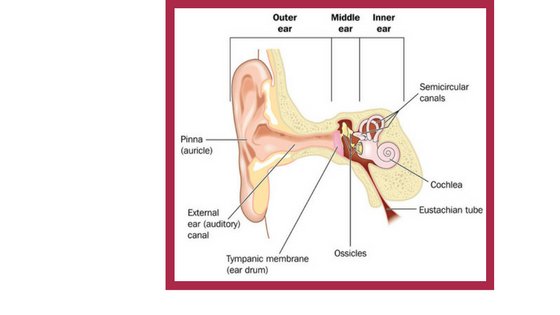
1. The nerves that serve the jaw muscles and jaw joint are also responsible for the function and tone of muscles that determine the size of the Eustachian tube and tone of the tympanic membrane. Alterations in the function of these two structures can be responsible for tinnitus.

2. There is one specific ligament connecting a middle ear bone (the malleus) to the jawbone.  When a TMJ problem changes the position of the lower jaw the malleus can be altered in its function due to ligamentous traction and that can lead to tinnitus.

3. The main nerve supply from the TM Joint has been shown to have connections to parts of the brain involved with hearing and the interpretation of sound. If TMJ problems alter the function of this nerve, it‘s quite possible that the brain will interpret normal sounds as abnormal and patients report tinnitus.

4. Worth mentioning is that because TMJ problems are often associated with neck problems, evaluations of the neck must be also part of an overall assessment. There is evidence that nerve endings in the neck make connections to the hearing centers of the brain. Ear symptoms, therefore, have been shown to emerge as a result of long-standing neck problems or those created by acute trauma.

Determining If A TMJ Problem Is Driving Tinnitus Symptoms

Try to determine if your tinnitus symptoms are influenced by moving your jaw (chewing, yawning, talking, opening it widely, sticking it forward). If you notice a link, then it’s very possible that TMJ problems are at the root of your tinnitus. The same is true for head and neck movements.

TMJ Neck Treatment To Help Tinnitus

If your tinnitus is related to your jaw or neck, dealing with these problems will be very helpful. There are a host of treatment strategies available including reducing overuse behaviors and or postures (such as teeth grinding, nail-biting, frequent computer work), exercises, home TENS therapy, muscle injections or dry needling techniques, BOTOX®, the use of oral appliances to support your jaw joints and jaw muscles (especially at night), physical therapy, medications, meditation, mindfulness training, and diaphragmatic breathing instruction.

These treatments, if found to be helpful, may require several weeks or months to see maximum results.

Summary

As I mentioned before, tinnitus can be caused by damage to your inner ear, hearing loss, exposure to loud noises, earwax blockage, and more. If your doctor has not found a link between your symptoms to any of the above, it may be time for an assessment of your jaw and neck structures. There may, indeed, be a connection between your tinnitus and TMJ problems.

Here’s a directory of orofacial pain professionals around the world: American Academy of Orofacial Pain.

You can get more information about TMJ and ear problems here: TMJ and its Relationship to Ear Problems and Sinus Symptoms

Live or work in New York City or on Long Island? You can schedule a consultation with me here or call 212-265-0110.

Dr. Donald Tanenbaum is a dentist with offices in New York City and Long Island, NY. He is uniquely qualified to diagnose and treat facial pain associated with jaw problemsTMJreferred painnerve pain, and migraines. You can contact the office here.

Categories
Facial Pain Tinnitus TMJ

Tinnitus, Facial Pain and TMD – Are They Related?

It is not uncommon to see patients that present with facial or jaw pains that are not associated with disease, injury or illness of any type. These patients, typically women between the age of 18-55, relate that their pains came on without specific events, emerging spontaneously upon awakening one morning after a fatiguing day or associated with a routine meal, for example. As all medical and dental investigations are unrevealing, answers are searched for and often prompt comments like “there is nothing wrong.”

Over the course of the last several years I have also seen numerous patients present with the same historical account, but instead of suffering with pain they complain of debilitating ear ringing, humming, buzzing and whooshing sounds. For these patients the onset of their ear complaints (often lumped under the term tinnitus) also started for no good reason and prompted multiple tests which were all normal.

So what is going on with these two patient groups that are plagued with symptoms that have no specific origin. How to ease their suffering? From my perspective, the pain and ear noises (tinnitus) represent a specific type of sensory disorder that typically occurs after prolonged periods of challenging life circumstances and emotional distress. In short, these patients consistently relate that they have lost control over their daily existence. As a result, the human brain is upset, and an upset human brain loses its ability to regulate nerve function, muscle tone, heart and breathing rates, and hormonal regulation. The end result is something called sensitization…when normal stimuli are perceived by the brain as noxious (like putting a shirt on after a sunburn).

For the patient with tinnitus, I believe that everyday normal sounds are interpreted as noxious and patients describe their symptoms with variable choices of language, such as humming, ringing, buzzing, hissing, whooshing, and “fullness.” For the patient with facial pain any type of superficial stimulation (a hug, chewing, yawning, or speaking too much) prompts the sensation and experience of pain.

The good news is that with time (months or years) the majority of these patients improve (at times the relief occurs for “no good reason” the same way the symptoms emerged. The key is for these patients to avoid unnecessary and unproven treatments, particularly if surgical explorations are involved. The most useful treatments involve strategies to quiet the mind and body. Programs like the Stop and Breathe Program advocated by Susan Ginsberg have provided relief for patients along with Transcendental Meditation, Biofeedback, Autogenic Training, and Progressive Muscle Relaxation to name just a few. The use of medications like Clonazepam and/or supplements can also be found to be helpful. And, periodic assessments with pain doctors and audiologists are always advised.

Categories
Ear Pain Tinnitus TMJ

TMJ and its Relationship to Ear Problems and Sinus Symptoms

Many of my TMJ patients also complain of ear problems and sinus symptoms. Is there a relationship between these painful and uncomfortable conditions and TMJ dysfunction? Let’s start with ears.

Ear Problems & TMJ

The experience of ear symptoms in patients with TMJ is very predictable due to a number of factors. Most importantly during growth and development the structures of the ear, the TM Joint and the jaw muscles originate from similar cells and as a result share nerve pathways that can influence muscle tone and performance. For instance, the muscle that determines the size of the Eustachian tube (influences ear pressure) is directly influenced by the same nerve that serves the jaw muscles and TM Joint. As a result, a TMJ problem can lead to changes in the way the Eustachian tube effects the ear, at times leading to symptoms of ear pressure, fullness, clogging, pain and even ringing.

In addition, the tension across the tympanic membrane and the position of the malleus bone can also be altered in patients with TMJ. As a result, ear symptoms can emerge and linger. In some cases, patients also experience tinnitus. Ringing ears or tinnitus is only occasionally related to TMJ problems. A relationship may exist when the tinnitus changes during jaw movements and or eating.  If the tinnitus (pitch and intensity) does not change as a result of jaw function and remains constant on a daily basis it is unlikely that TMJ therapy can help.

For a complete discussion of the TMJ tinnitus connection, visit: https://www.nytmj.com/tinnitus-jaw-connection.

Sinus Symptoms & TMJ

With regard to sinus symptoms it is common for patients with TMJ to complain of pain and pressure in their sinuses, despite the fact that there is no sinus disease, infection, or inflammation. The reason is due to mechanisms of referral, where the site of the symptom is not the origin of the symptom. Jaw muscles in particular can refer pain to the sinus region often making a diagnosis difficult. Muscles that are tight, inflamed, and fatigued due to overuse behaviors and sleep bruxism commonly lead to sinus symptoms. As a result TMJ therapy that reduces muscle problems often leads to the relief of the reported sinus symptoms. Some common treatments include jaw exercises; jaw muscle conditioning, massage, bite plates, and injection/needling therapy that relax tense overworked muscles.

The bottom line is that if a patient seeks care with ear and or sinus symptoms that have no apparent relationship to disease, injury or illness, then there is a good chance that an underlying TMJ problem may be responsible.

Live or work in New York City or on Long Island? You can schedule a consultation with me here or call 212-265-0110

Dr. Donald Tanenbaum is a specialist with offices in New York City and Long Island, NY. He is uniquely qualified to diagnose and treat facial pain associated with jaw problemsTMJreferred painnerve pain, and migraines. Find out more at www.nytmj.com.

Categories
Jaw Problems Tinnitus

TMJ TMD and Tinnitus

Case Study: Barry

In past blogs I made reference to the relationship between jaw problems, TMD and the occurrence of Tinnitus (ringing in the ears). Though I don’t believe that the majority of Tinnitus problems relate to the jaw, there are unquestionably a number of specific Tinnitus complaints that occur as a result of muscle problems in the jaw and upper neck.

The relationship exists as a result of the shared nerve pathways between structures in and associated with the ear and those of the jaw and neck. Tense, inflamed, and hyperactive jaw and neck muscles can adversely impact the Eustachian tube, the tympanic membrane, and the malleus bone, all critical ear structures. In the presence of ongoing TMD problems, aggressive clenching, night bruxism, neck tension, and ear symptoms inclusive of tinnitus can therefore surface. The typical Tinnitus patterns that my patients describe are often present on awakening, vary in intensity from day to day and at times are influenced by opening and closing the mouth, chewing, and jaw/head positions.

Recently Barry, 55 years old, came to the office concerned about his escalating Tinnitus. He was referred from his ENT doctor, as are many of my Tinnitus patients. The tenderness of his jaw, neck, and facial muscles, along with his admitted history of teeth clenching indicated muscles that were in crisis and potentially a driving force behind the Tinnitus.

I starting him on treatment including a combination of muscle injections, dry needling techniques, self-muscle massage, and an oral appliance. This has reduce Barry’s Tinnitus by at least 50%. As a result he is no longer using the Xanax on a daily basis, something that he had come to rely on for a number of months! With the optimism that has been created I will likely continue to see Barry for another month or two to reinforce the achieved benefits.

If your Tinnitus search has reached the end of the line, exploration of a possible muscle origin may not be a bad option.

Dr. Donald Tanenbaum is a specialist with offices in New York City and Long Island, NY. He is uniquely qualified to diagnose and treat facial pain associated with jaw problemsTMJreferred painnerve pain, and migraines. Find out more at www.nytmj.com.

Categories
Ear Pain Tinnitus

What Causes Ringing in the Ears?

Ringing in the ears, or tinnitus,is a symptom often described as a ringing noise heard in one or both ears, that can be present continually at the same level or vary in intensity. The presence of ringing in the ears during the course of a day is based on jaw movements, head positions and tongue activity. In addition to ringing, some people describe sounds such as hissing, buzzing, humming, clicking, whistling or roaring. Along with these perceived sounds individuals often report hearing loss.

Tinnitus can have its origin from a wide number of possible causes. For some tinnitus is short-lived while for others it is ongoing and disruptive to everyday life.

Subjective tinnitus, that which is described by a patient but not heard or detected by an examining physician, is often prompted by factors like exposure to abnormally loud sounds (one bad exposure or of long duration), chronic ear infections, ear pain, trauma to the inner ear, hearing loss, Menieire’s disease, Acoustic neuromas, chronic use of medications like aspirin, antibiotics or antiviral drugs, and neurologic diseases amongst others.

At times it has been suggested that temporomandibular disorders can be responsible for the onset of tinnitus. Though symptoms such as ear pain are commonly associated with TMJ disorders it is my opinion that no greater than 10-15% of all those patients that we see with TMJ problems report the symptom of tinnitus.

Since the histories and examinations of these patients are no different than those without tinnitus, the reason why they are suffering with ringing in the ears remains unclear. It has been proposed that overuse of the TM joints during gum chewing, tooth grinding, or nail biting for instance can sometimes cause tinnitus but this remains more opinion than fact. If, however, the ringing in your ears increases or changes with opening or closing of your mouth, or forward and side-to-side shifts of your jaw, there is a chance that a relationship exists between the tinnitus and your jaw. In addition, if you are a heavy nighttime tooth grinder or clencher and wake up with tinnitus it would be wise to investigate whether there are treatment options available to address this distressing and often disabling symptom.

The final word is that the symptom of tinnitus often cannot be attributed to any one or specific medical disorder or physical cause. As a result patients are often left to wonder whether relief will ever be found! If your tinnitus symptoms seemingly have any relationship to jaw function an investigation with a properly trained dentist would certainly be advised.