Understanding Periodontal Ligament Pain and Lingering Toothaches
Meet the Expert
For decades, I’ve helped people struggling with pain in their teeth, jaw, and face, especially when that pain doesn’t respond to traditional care. At my practice, New York TMJ & Orofacial Pain, I focus exclusively on diagnosing and treating complex orofacial pain problems. If you’re dealing with a toothache that no one seems able to explain, I’m here to help you find real answers.
Why Won’t My Toothache Go Away?
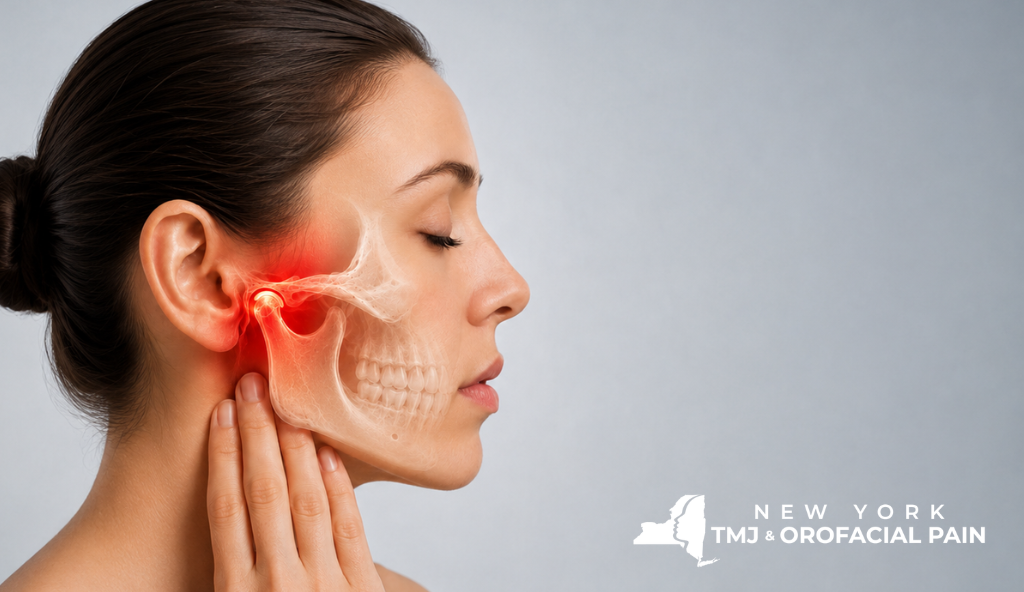
If you’ve had a toothache that just won’t quit, you’re not alone. Many people experience lingering tooth pain that has no clear dental cause and or has not responded to multiple treatments. When this happens, the culprit may be the periodontal ligament.

What Is the Periodontal Ligament?
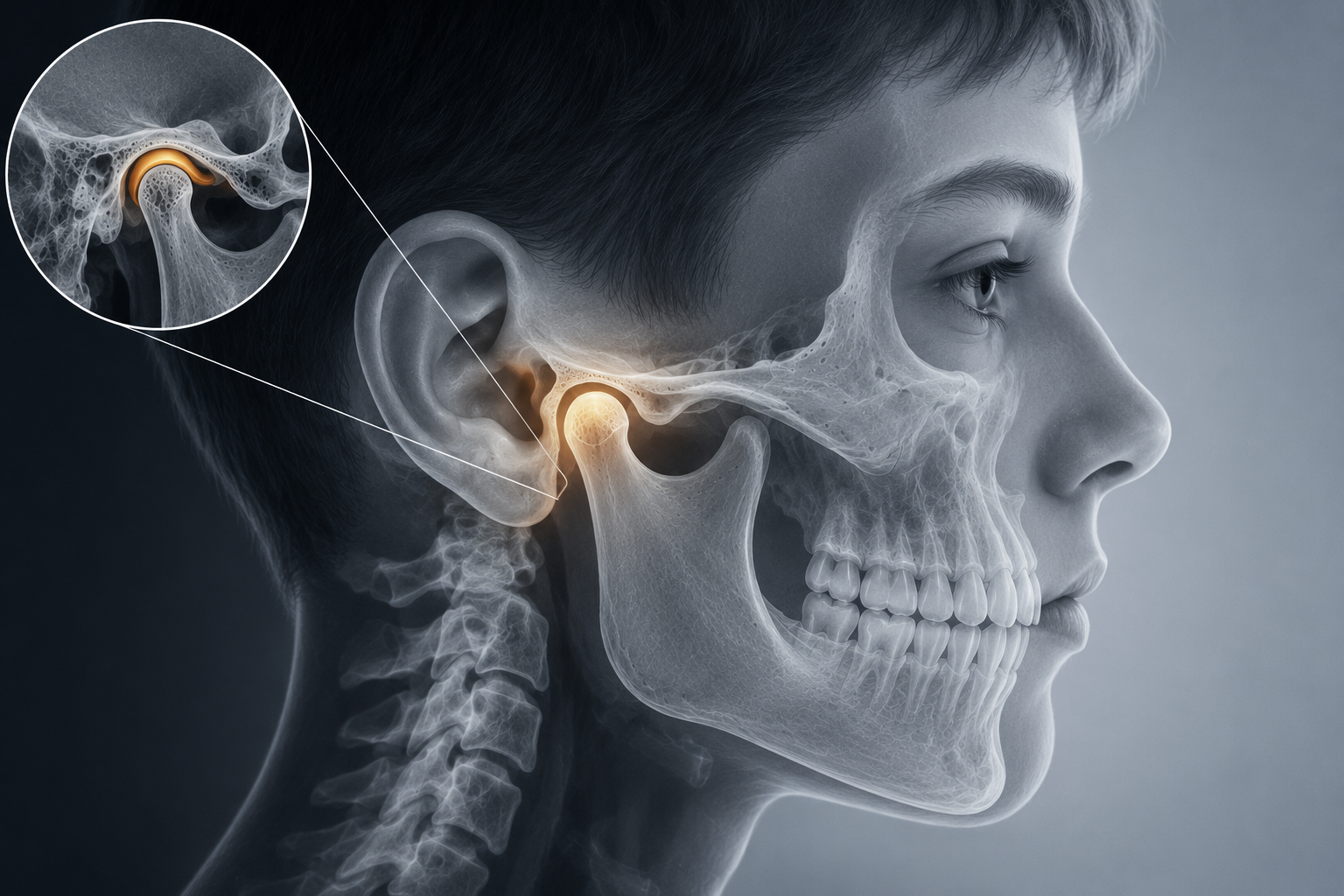
Every tooth in your mouth is held in place by a small, stretchy tissue called the periodontal ligament (PDL). Think of it as a cushion that anchors your tooth in its socket and helps you chew without discomfort. The PDL is packed with nerve endings, making it extremely sensitive—sometimes detecting even the tiniest particles in your food.
But just like any ligament in the body, it can get injured. When that happens, the result is often pain that can linger far longer than you’d expect.
Yes, Your Tooth Can Get “Sprained”
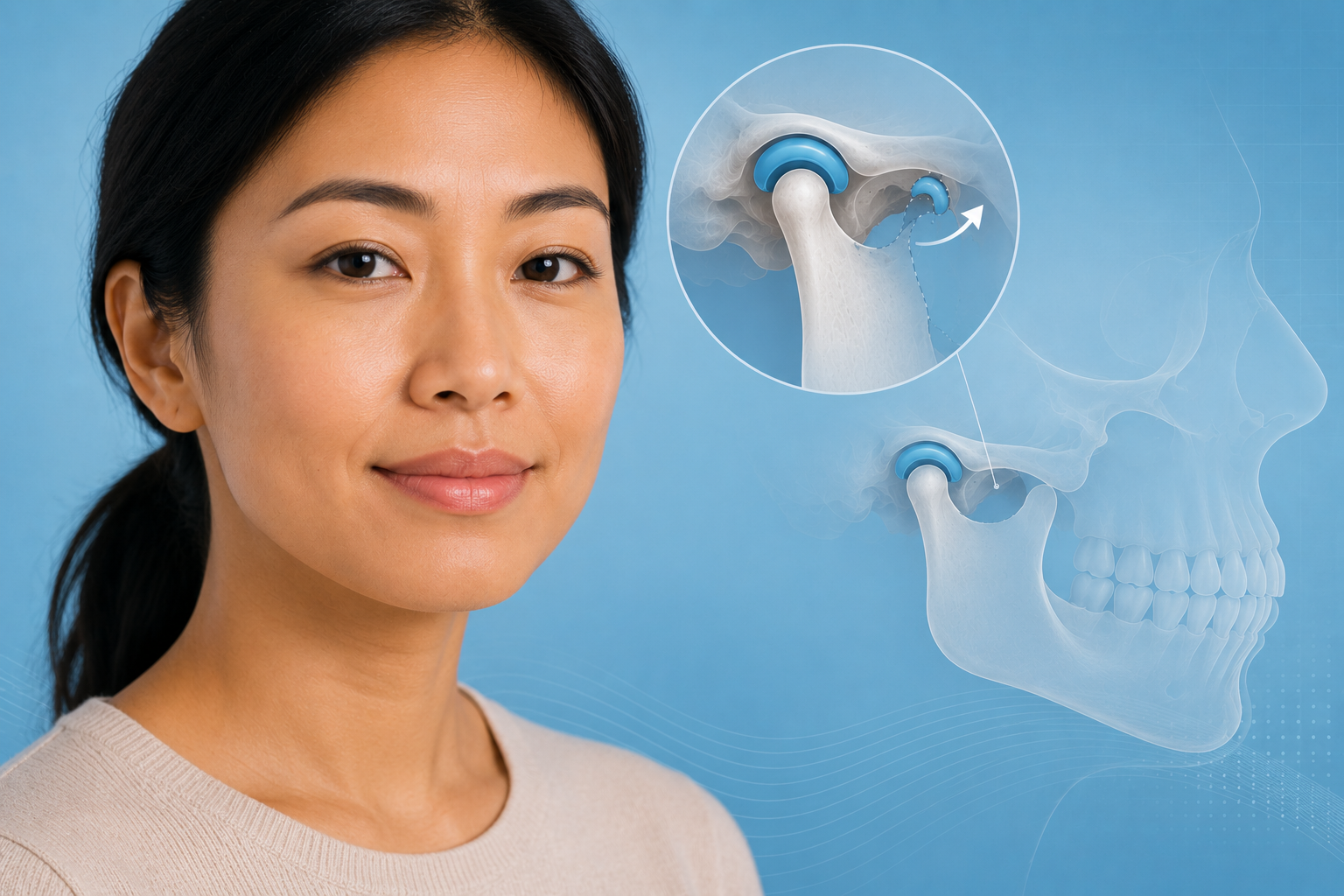
It might sound strange, but it’s true. If you’ve ever bitten into something unexpectedly hard, like a popcorn kernel, or taken a hit to your jaw or chin, you could have overstretched your tooth’s ligament. That’s a PDL sprain.
At first, the pain might come and go while chewing. But if the ligament becomes sensitized, even light pressure or simple contact can feel painful, and the pain may stick around for weeks or longer.
Common Causes of Periodontal Ligament Pain
- Biting down on hard or unexpected objects
- Injuries to the jaw or face (from falls, sports, or accidents)
- Recent dental work or surgery
- Daily habits like clenching, nail biting, or chewing on pens
- Grinding your teeth at night (bruxism)
Why the Pain Lingers: It’s Not All in Your Head
Long-lasting tooth pain isn’t always caused by damage you can see. In some cases, your nerves continue sending exaggerated signals to your brain, even after the tissue has healed. This is called neuropathic pain. In other cases, your brain starts interpreting normal sensations as harmful – this is nociplastic pain.
Stress and anxiety can also play a role. The more worried or focused you are on the pain, the more sensitive your brain becomes to those signals. It’s a frustrating cycle, but it can be broken.
When Basic Care Isn’t Enough: Time to See a Specialist
If your pain continues despite time, and evaluations and treatments in your dentist’s office, it may be time to consult an orofacial pain specialist.
What Is an Orofacial Pain Specialist?
Orofacial pain specialists are dentists with advanced training in the diagnosis and treatment of pain involving the mouth, jaw, face, head, and neck. We’re experts at solving complex cases—especially pain that doesn’t have a clear cause or hasn’t responded to traditional dental treatments.
If a sprained ligament is diagnosed , treatment options may include:
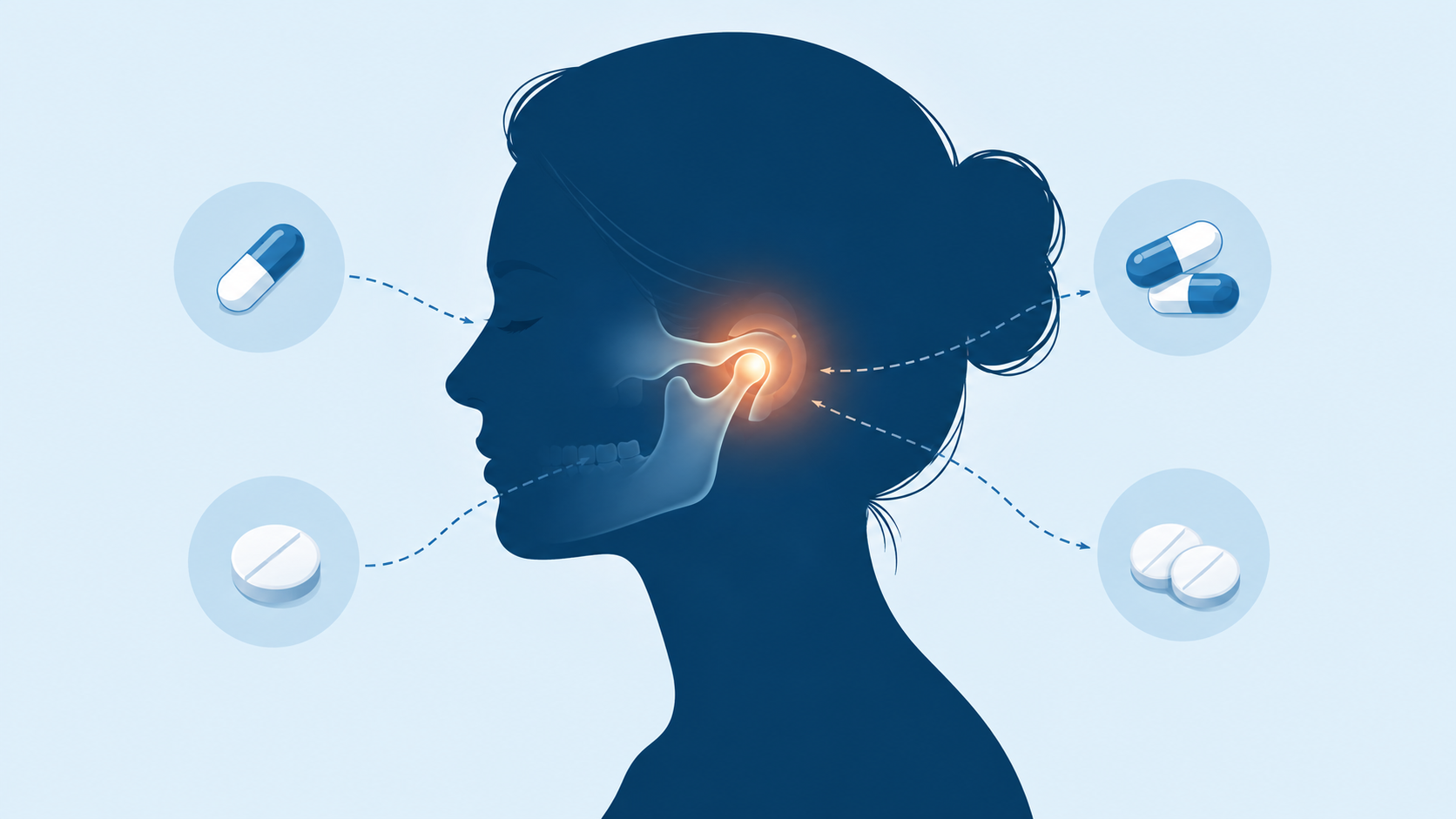
- Prescription medications that calm overactive nerves, and or support an individual’s pain blunting systems
- Custom-made devices (called “neuro shields”) to protect the tooth and deliver medicated gels directly to the area
- BOTOX® injections with local anesthetic to quiet hypersensitive nerves
How to Get Help Now
If you live in the NYC metro area and are ready to uncover the root of your orofacial pain, we are here to guide you. Take the first decisive step by scheduling a consultation at one of our convenient offices in Manhattan, White Plains, New Jersey, or Long Island. Together, we’ll get to the bottom of what’s causing your suffering and get you on the road to recovery.
Visit the footer below to contact the office nearest you. Each of our locations has a dedicated team ready to help you take the next step toward relief.
If you’re outside the NYC metro area, you can still get help. The American Board of Orofacial Pain maintains a national directory of certified specialists across the country. Just enter your zip code to find someone near you.
You may also be interested in: