Have you been told “everything looks fine” while you’re still suffering? You’re not alone.
We see many patients at our TMJ and orofacial pain practice who are feeling frustrated, scared, and frankly, a little crazy. They’ve been dealing with tooth pain for months, sometimes years, but their dentist keeps saying nothing’s wrong, and they’re left wondering if they’re imagining things.
If this sounds like your story, I want you to know: your pain is real, and there’s often a very treatable explanation.
Why do I have tooth pain but my dentist says nothing’s wrong?
Quick answer: Tooth pain that isn’t caused by a dental issue is called nonodontogenic pain. It’s often caused by overworked jaw muscles, like the masseter, especially in people who clench or grind their teeth during the day or at night.
Let me tell you about “Jason” (not his real name), a 49-year-old entrepreneur who came to see me after two years of this exact frustration. He was absolutely convinced his pain was coming from his lower right tooth. So convinced, in fact, that he’d had multiple root canals trying to fix it.
But his pain kept getting worse.
When Jason found our practice, he was taking acetaminophen and ibuprofen daily, with occasional hydrocodone for the really bad episodes. The pain would hit him “randomly” several times a month and radiate from his tooth into his jaw and ear.
Sound familiar? You’re experiencing what thousands of patients go through: tooth pain but your dentist says nothing is wrong, and you feel lost and dismissed.
There really was nothing wrong with the tooth
When I examined Jason, I found exactly what his previous dentists had found: there was nothing wrong with his tooth. No signs of infection, no evidence of problems on his X-rays, no tenderness when I tapped on the tooth.
But here’s what’s different about an orofacial pain specialist’s examination: I also checked the muscles around his jaw.
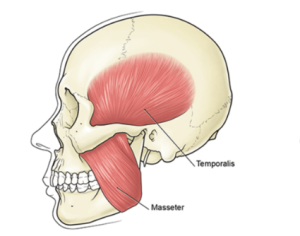
That’s when I found it. Jason’s masseter muscle (a large muscle that helps you chew) was overbuilt, tight, and incredibly tender. He also had an uneven bite that was putting extra stress on that muscle every single day.
Even more telling, Jason had never been told something crucial: your teeth should not touch throughout the day unless you’re actively chewing or swallowing. He was unconsciously keeping his teeth together day after day, which was overworking that muscle constantly.
Why does muscle pain feel like tooth pain?
This might sound strange, but muscles can “refer” pain to other areas. Your brain sometimes gets confused about where pain signals are actually coming from. The masseter muscle, when it’s overworked and full of trigger points (painful muscle knots), commonly refers pain right to your teeth, especially your back teeth.
This is called nonodontogenic dental pain, which simply means “tooth pain that doesn’t come from the tooth.” It’s one of the most common reasons people experience tooth pain but their dentist says nothing’s wrong.
How did we figure out what was really going on?
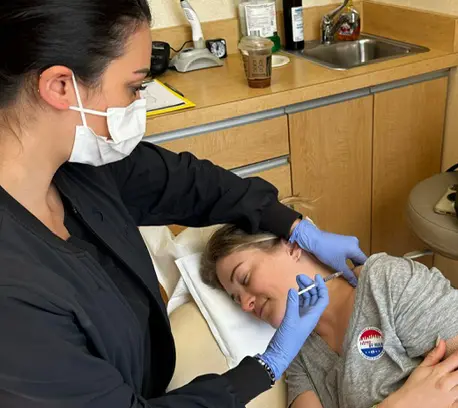
I started Jason on trigger point therapy that same day by injecting a small amount of lidocaine into the tight knots in his masseter muscle. This served two purposes: it was both a test to see if this was the source of his pain, and a treatment to start giving him relief.
But the real breakthrough came with something simple: pain journaling.
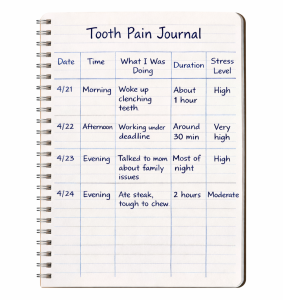
I asked Jason to start tracking when his pain occurred, what he was doing before it started, how long it lasted, and what made it better. This seemed like a simple request, but it changed everything.
Jason’s pain patterns revealed the truth
Within a few weeks of documenting his symptoms, Jason realized his “random” pain episodes weren’t random at all. They followed stressful periods at work and happened more often when he’d been drinking alcohol.
By his second appointment, he was becoming aware of when he was clenching his teeth: something he’d been doing unconsciously for years, especially when stressed.
The transformation was remarkable. Within one month, Jason’s need for pain medication decreased dramatically. He felt less anxious because he could finally predict and control his symptoms instead of feeling helpless.
Could this be what’s happening to you?
If you’re dealing with the frustrating situation where you have tooth pain but your dentist says nothing’s wrong, here are some questions to ask yourself:
Does your pain:
- Radiate beyond just the tooth (into your jaw, ear, or temple)?
- Seem to come and go without clear dental triggers?
- Get worse during stressful periods?
- Persist even after dental treatment?
- Feel more like a dull ache than a sharp, stabbing pain?
Do you:
- Clench or grind your teeth, especially when concentrating or stressed?
- Wake up with jaw soreness?
- Keep your teeth touching during the day?
- Have an uneven bite?
- Drink alcohol regularly (which can increase muscle tension)?
If you answered yes to several of these, there’s a good chance your tooth pain might actually be coming from your jaw muscles.
What you can do right now
Start paying attention to your pain patterns. Keep a simple log noting:
- When the pain occurs
- What you were doing beforehand
- How long it lasts
- What helps it feel better
- Your stress level that day
Also, try to notice if you’re keeping your teeth together during the day. Your lips should be together, but your teeth should be slightly apart unless you’re actively chewing.
How to get help
Jason’s story isn’t unique. We see patients regularly who’ve experienced tooth pain, but their dentist says nothing’s wrong. The good news is that once the real source of their pain has been identified, treatment is typically very successful!
If Jason’s story sounds like yours, you deserve answers. We have four locations in the New York City metropolitan area, and we will be happy to see you. Not in New York? Locate an orofacial pain specialist in your area by clicking here: The American Board of Orofacial Pain
If you’re in the NYC metro area and this story sounds like yours, please don’t hesitate to reach out. You deserve answers, and more importantly, you deserve relief.

Dr. Aimee Werfel specializes in orofacial pain at New York TMJ & Orofacial Pain. The practice has locations in Manhattan, White Plains, Springfield NJ, and Hauppauge on Long Island and, and is dedicated to helping patients find answers when traditional dental approaches haven’t worked.
You may also be interested in:
Why Do You Have A Toothache After A Root Canal?
Why Your Jaw Hurts & What To Do
The Best Treatments For TMJ – So You Can Feel Better
Frequently Asked Questions About Tooth Pain When the Dentist Finds Nothing Wrong
- Why does my tooth hurt even though my dentist says it’s fine?
Tooth pain can sometimes be referred from overworked jaw muscles like the masseter. This is called nonodontogenic pain—pain that feels dental but isn’t caused by a tooth problem.
- What is nonodontogenic tooth pain?
It refers to pain that mimics a toothache but originates from other structures, often the jaw muscles or nerves.
- Can TMJ or jaw muscles really cause tooth pain?
Yes. The masseter muscle, when overworked or tight, can send pain signals that feel like they’re coming from a tooth.
- What are trigger points in jaw muscles?
Trigger points are tight, irritated spots in muscles that can refer pain elsewhere—like your teeth, jaw, or ear.
- How do I know if my tooth pain is from clenching?
If your pain comes and goes, worsens with stress, and isn’t explained by dental exams, clenching or grinding may be the cause.
- Is there a treatment for non-dental tooth pain?
Yes. Treatments can include trigger point injections, behavioral therapy, bite adjustments, and stress management.
- Can stress cause tooth or jaw pain?
Absolutely. Stress often leads to unconscious clenching or grinding, which overworks jaw muscles and can trigger pain.
- What should I do if my tooth pain won’t go away?
Track your symptoms, observe clenching habits, and consult an orofacial pain specialist if dental exams show no clear cause.