The answer is: Yes.
A store-bought nightguard can change your bite, sometimes significantly, if it does not fit well or does not cover all of your teeth. These changes can lead to new discomfort, shifting bite patterns, or jaw and muscle pain.
Many people turn to store-bought nightguards hoping to reduce clenching or protect their teeth. Unfortunately, these over-the-counter guards can sometimes create new problems, including changes in how the bite fits together. This most often occurs when the nightguard does not cover all of the teeth or does not fit the bite correctly, allowing some teeth to rise or shift over time.
Questions People Often Ask About Store-Bought Nightguards
Q: Can a store-bought nightguard change my bite?
A: Yes. If the nightguard does not fit well or does not cover all your teeth, it can gradually shift your bite.
Q: Why do my teeth feel different after using a nightguard?
A: Over-the-counter nightguards may place uneven pressure on the teeth or leave some teeth uncovered, which can cause subtle movement over time.
Q: Will my bite go back to normal if I stop using the nightguard?
A: In many cases it will. Bite changes often improve once you discontinue the poorly fitting appliance and receive the right guidance.
Q: When should I see a TMJ specialist?
A: If your bite no longer feels right, your front teeth no longer meet, or you feel new jaw discomfort after using a nightguard, it is time to see a specialist.
We See This More Often Than Many People Realize
At New York TMJ & Orofacial Pain, we regularly meet people who try to help themselves by buying a nightguard from a pharmacy or online. These nightguards seem harmless and easy to use, but they are not always the right solution.
Jessica was one of those patients.
After a long dental visit left her jaw sore, she bought a store-bought nightguard hoping it would ease tension and protect her teeth. Instead, her bite slowly began to change. Her front teeth no longer met the way they used to, chewing felt different, and her jaw muscles remained tender.
She eventually saw an orthodontist, who recognized that the problem was not orthodontic and referred her to our practice in the New York City metropolitan area.
When Jessica arrived, we found that the store-bought nightguard she had used covered only some of her teeth. Over time, the uncovered teeth had begun to rise out of their proper position, which caused her bite to shift.
Jessica is far from alone.
Why Store-Bought Nightguards Can Shift Your Bite
Nightguards are not all the same, and they do not all protect your teeth in the same way. Here are the main reasons store-bought versions can cause trouble.
- They often do not fit very well
If a nightguard does not match your bite, even slight pressure changes can lead to tooth or jaw muscle changes over time. - They are typically soft and chewable
Many people chew on soft nightguards while asleep without realizing it. This increases muscle strain and reinforces clenching habits. - They rarely cover all of your teeth
This is the biggest concern. When back teeth are not covered, they may slowly rise upward. This changes the way the teeth meet and can create a noticeably different bite pattern. Jessica experienced exactly this.
Research has shown that certain types of nightguards, especially those that do not cover all of the teeth, can contribute to unwanted bite changes. (For a detailed review, see this article from the British Dental Journal.)
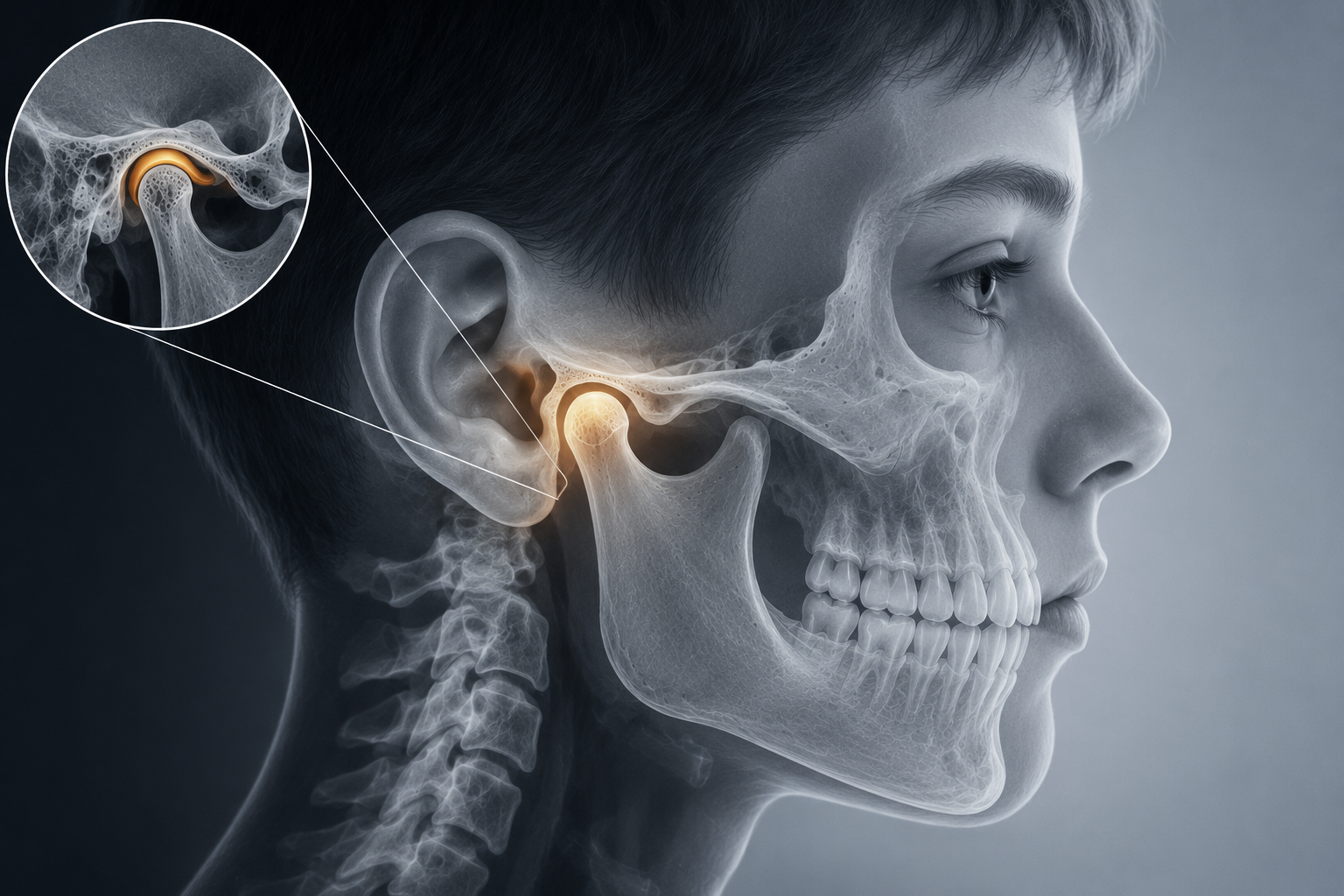
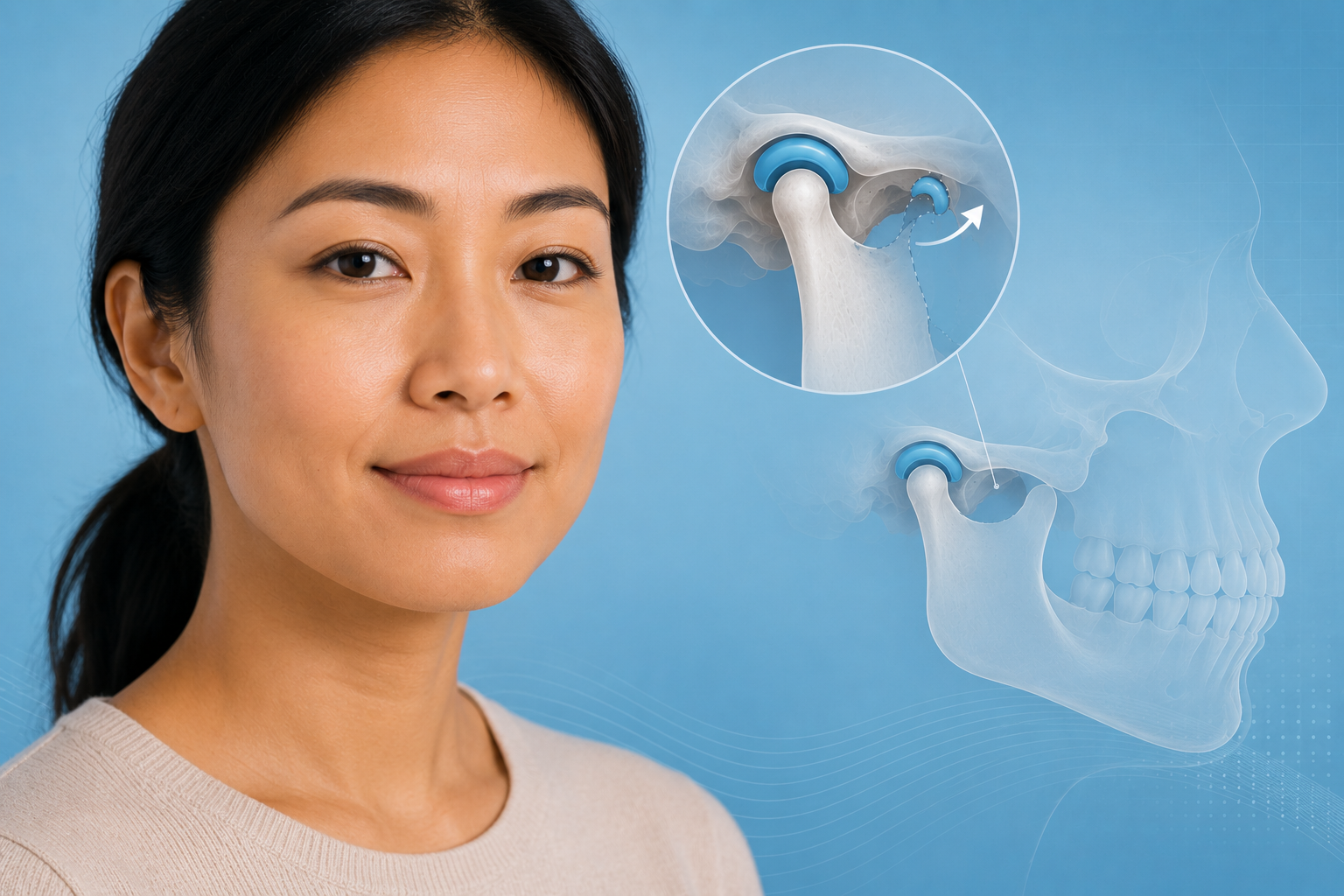
What This Looks Like (A Simple Visual Guide)
How Bite Changes Happen Over Time




How We Helped Jessica Recover
The first and most important step was stopping the store-bought nightguard. Once she discontinued it, we focused on calming irritated muscles and reducing the clenching patterns that had made her symptoms worse.
Over the next several months, her bite began improving. We monitored how her teeth settled and collaborated with her orthodontist once her bite stabilized. When the time is right, a custom-made nightguard that covers all of her teeth will help protect her long-term without altering her bite.
Jessica felt relieved once she understood what had happened and had a clear plan forward.
If Your Bite Has Changed After Using a Nightguard, You Are Not Alone
People from all over the NYC metro area come to us with concerns like these. They may feel confused or frustrated when a nightguard they purchased to protect their teeth ends up causing new symptoms. The reassuring news is that many bite changes improve once the right steps are taken.
When to Seek Care
A professional evaluation is recommended if you notice that your bite suddenly feels different, your front teeth no longer meet, only one side of your teeth touches, your jaw muscles feel tense or tired, the nightguard seems to make symptoms worse, or you are unsure whether the appliance is helping or harming you.
If you are in the New York City metropolitan area, our team can help determine what is happening and guide you toward the safest and most effective treatment.
Why People Choose Us
At New York TMJ & Orofacial Pain, we focus exclusively on TMJ disorders, orofacial pain, bite changes, bruxism, and appliance-related complications. Our practice is led by board-certified specialists in orofacial pain, providing evidence-based care in a calm and supportive environment.
Patients seek us out when symptoms are confusing or when treatments they tried elsewhere, such as store-bought nightguards, have made things worse. We coordinate closely with your general dentist, orthodontist, or other providers to ensure your care is safe, effective, and well-managed.
Looking for an orofacial pain specialist outside the NYC metro area
Use this directory to find a board-certified specialist near you. Simply go to this website and enter your location and country.
Frequently Asked Questions
Q: Can a store-bought nightguard really change my bite?
A: Yes. If it does not fit well or does not cover all of your teeth, it can gradually shift the bite.
Q: Is this permanent?
A: In many cases, no. Bite changes often improve once the appliance is discontinued, although some situations may require orthodontic or restorative support.
Q: What should I do first?
A: Stop using the store-bought nightguard and schedule a professional evaluation to understand what is happening.
Q: Are custom nightguards safer?
A: Yes. Custom appliances are designed to protect the teeth and jaw without altering the way the bite comes together.
Q: If my bite feels off, does that mean something is wrong?
A: Not always, but it is a sign that the situation needs to be evaluated sooner rather than later.
Q: How long does recovery take?
A: Improvements can begin within weeks to months after discontinuing a poorly fitting appliance, especially when the right care plan is in place.