Manhattan

212-265-0110

White Plains

914-227-2305

Springfield, NJ

973-315-7830

Hauppauge

631-265-3136
Categories
Uncategorized

New CTA Blocks Demo


This can also be changed

Lorem ipsum dolor sit amet, consectetur adipiscing elit. Nam ac leo ut magna tempor egestas. Donec sed metus lorem. Nunc sed euismod est. Suspendisse quis libero id ipsum volutpat sodales. Nulla scelerisque eleifend nulla eu imperdiet.


Lorem Ipsum is simply dummy text of the printing and typesetting industry. Lorem Ipsum has been the industry’s standard dummy text ever since the 1500s, when an unknown printer took a galley of type and scrambled it to make a type specimen book. It has survived not only five centuries, but also the leap into electronic typesetting, remaining essentially unchanged. It was popularised in the 1960s with the release of Letraset sheets containing Lorem Ipsum passages, and more recently with desktop publishing software like Aldus PageMaker including versions of Lorem Ipsum.

Why do we use it?

It is a long established fact that a reader will be distracted by the readable content of a page when looking at its layout. The point of using Lorem Ipsum is that it has a more-or-less normal distribution of letters, as opposed to using ‘Content here, content here’, making it look like readable English. Many desktop publishing packages and web page editors now use Lorem Ipsum as their default model text, and a search for ‘lorem ipsum’ will uncover many web sites still in their infancy. Various versions have evolved over the years, sometimes by accident, sometimes on purpose (injected humour and the like).

Where does it come from?

Contrary to popular belief, Lorem Ipsum is not simply random text. It has roots in a piece of classical Latin literature from 45 BC, making it over 2000 years old. Richard McClintock, a Latin professor at Hampden-Sydney College in Virginia, looked up one of the more obscure Latin words, consectetur, from a Lorem Ipsum passage, and going through the cites of the word in classical literature, discovered the undoubtable source. Lorem Ipsum comes from sections 1.10.32 and 1.10.33 of “de Finibus Bonorum et Malorum” (The Extremes of Good and Evil) by Cicero, written in 45 BC. This book is a treatise on the theory of ethics, very popular during the Renaissance. The first line of Lorem Ipsum, “Lorem ipsum dolor sit amet..”, comes from a line in section 1.10.32.

The standard chunk of Lorem Ipsum used since the 1500s is reproduced below for those interested. Sections 1.10.32 and 1.10.33 from “de Finibus Bonorum et Malorum” by Cicero are also reproduced in their exact original form, accompanied by English versions from the 1914 translation by H. Rackham.

You can edit the title here

Lorem ipsum dolor sit amet, consectetur adipiscing elit. Nam ac leo ut magna tempor egestas. Donec sed metus lorem. Nunc sed euismod est. Suspendisse quis libero id ipsum volutpat sodales. Nulla scelerisque eleifend nulla eu imperdiet.

REFER A PATIENT OR DISCUSS A CASE →



Categories
Sleep Apnea

Why Patients Should Consider CPAP Alternatives


CPAP alternatives are the industry’s best-kept secret. Do you suffer from sleep apnea? If so, then you are not alone. Sleep apnea can cause several health problems, and it is important to get the right treatment for your condition. Alternatives are an option that many patients don’t know about. This blog post will discuss what they are and how they work, providing information on why dental patients should consider them when choosing their next step in treating sleep apnea-related conditions.

What are alternatives?

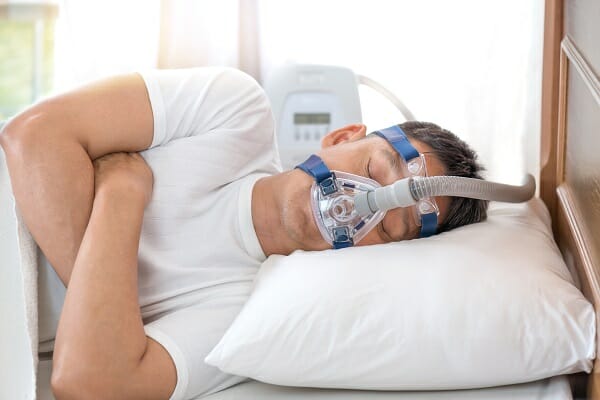
CPAP stands for continuous positive airway pressure. It is the most well-known treatment option for sleep apnea sufferers, but it may not be the best choice. This type of machine uses air to help keep your airway open at night, so you don’t have to struggle to breathe. You wear it over your nose, and it is attached to a mask that fits around your mouth.

Alternatives are not machines but adjustable oral appliances. They work in the same way as CPAP; adjustable pressure keeps your airway open while you sleep so you can enjoy deep sleep without struggling for breath. They are worn over your teeth, much like a mouthguard used by athletes.

There are many pros and cons to both CPAPs and Alternatives, but dental patients should know that each can be effective in treating sleep apnea-related conditions. Let’s take a closer look at these alternatives so you can make an informed decision about what is best for your sleep and health.

Why should I consider CPAP alternatives?

Alternatives are not as cumbersome as regular CPAPs, so they may be a better option if you can’t handle wearing a machine over your nose all night long. They are also adjustable, unlike traditional machines that offer only one level of air pressure. Many people find the adjustable nature of these appliances to be a better treatment option because they can fine-tune them to achieve comfort and effectiveness with fewer side effects.

Patients with dental work may also benefit from using Alternatives. If you have a crown or other type of dental restoration, this type of machine may be preferable.

Alternatives are also far less expensive than the traditional CPAP machines, which is another reason why patients should give them serious consideration when deciding on treatment. Many insurance carriers will not cover the cost of a sleep apnea machine, but they might help pay for an oral appliance since full coverage can lower your long-term medical expenses.

What should I expect if I choose CPAP alternatives?

The first step is to see your dental sleep apnea specialist and get a proper diagnosis of your sleep apnea condition. Your dental sleep apnea specialist can then help you decide between alternatives and traditional CPAP machines. Dental patients often prefer the sleep appliance route because of its lower cost and adjustable design, which is tailored for comfort and effectiveness.

If you ultimately decide on an alternative, your dental sleep apnea specialist will fit you for the appliance. You can choose from a complete or partial device depending on your preference, but both are equally effective in treating sleep apnea-related conditions.

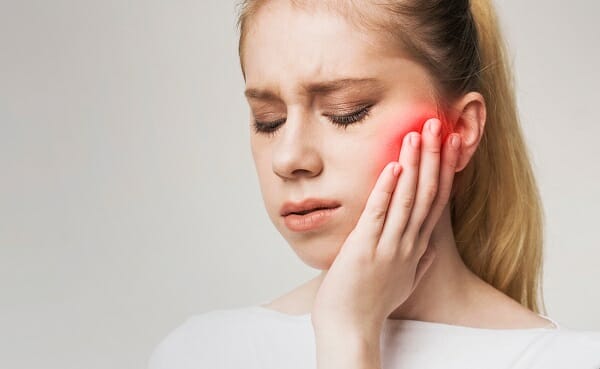
If you or someone you know is experiencing persistent or acute pain in the face or jaw, we invite you to set up a consultation with one of our Orofacial Pain specialists in the NYC metropolitan area. Our office locations and contact information are below.

Categories
Sleep Apnea

How Obstructive Sleep Apnea Affects Your Health

You have been to a sleep medicine specialist and found out you have obstructive sleep apnea. Now, you cannot help but wonder how the condition impacts your health. Sleep apnea can cause a variety of serious health conditions and even lead to premature death. Fortunately, treatment can open up your airway so that you receive enough oxygen and get restful sleep each night. Once you treat the sleep apnea, you can reverse many of these dangerous conditions.

Health conditions associated with sleep apnea

Many people with obstructive sleep apnea do not receive treatment. Some people get sleep studies that detect sleep apnea but refuse to undergo CPAP therapy. Others never receive a diagnosis from a sleep medicine provider. While there is not a cure for sleep apnea, treatment prevents the airway from closing during the night. Find out what can happen when people fail to undergo treatment.

High blood pressure

High blood pressure can occur when people have untreated obstructive sleep apnea. The body releases stress hormones when people wake up constantly during the night. That, combined with the lack of oxygen, can cause blood pressure to rise. Those who already have high blood pressure are at the greatest risk for reaching dangerous levels.

Heart disease

Heart disease is also common in people who suffer from obstructive sleep apnea. The lack of oxygen prevents the brain from controlling blood flow in the body, causing heart disease. Heart disease can cause stroke, heart attacks and other serious health issues. People also might experience chest pains due to heart disease.

Weight gain

Excess weight puts pressure on the neck, impeding breathing at night. This can lead to sleep apnea. Once people get sleep apnea, their bodies release extra ghrelin. This hormone causes people to crave unhealthy foods such as carbohydrates. The cravings make it more difficult to lose weight and can lead to extra weight gain. The added fatigue also makes it more difficult to resist food cravings.

Type 2 diabetes

People with obstructive sleep apnea are more likely to develop type 2 diabetes. Intermittent hypoxia impacts glucose metabolism. Over time, people can develop insulin resistance. Type 2 diabetes can cause a range of health issues including nerve and kidney damage and heart and blood vessel disease.

Chronic fatigue

People with sleep apnea do not get enough rest during the night. Lack of sleep causes confusion, irritability and anxiety. People who do not get the required amount of sleep are also more prone to accidents. This puts patients at risk for serious injuries that impact their overall health.

Seek treatment at a sleep medicine facility

If you have untreated sleep apnea, your health is at risk. You can develop high blood pressure, heart disease and type 2 diabetes. You also might gain extra weight, and chronic fatigue can put you at risk every time you stand up or get in a vehicle. Visit a board-certified sleep medicine specialist to get help today.

Categories
Sleep Apnea

When To Seek Treatment for Sleep Disorders


Sleep Medicine New York, NY

Sleep disorders can get in the way of sleeping through the night, which is an essential part of maintaining good health, but thankfully sleep medicine is a field focusing solely on these issues. Without a full night’s rest, a person may not be able to function properly, and this can get in the way of day-to-day activities such as work or childcare. People who struggle with sleep disorders may find this article to be helpful to understand when it may be necessary to seek treatment. Persistent trouble sleeping is not something that should go ignored. It is always recommended to consult with a board-certified sleep medicine specialist or a doctor to get back on track to sleeping soundly all through the night.

Recommended situations to get treatment for sleep disorders

If a person has enough trouble sleeping, they should consider seeking help to treat the disorder that they may be experiencing. A sleep medicine professional may be able to diagnose and treat the problem.

Trouble breathing

Sleep disorders are often associated with breathing problems. Obstructive sleep apnea is one of the most common disorders that affect people while they are asleep. OSA causes the person to stop breathing multiple times throughout the night. The airway becomes completely closed off, which can cause sudden brief occurrences of waking many times over. It is often difficult to diagnose obstructive sleep apnea because the patient is asleep during it. However, if during the day or when they first wake up, the patient experiences troubles with breathing, or the patient often wakes up with a headache or feeling unrested, it is likely that OSA is occurring.

Breathing difficulties should never go ignored. Consult with a sleep medicine professional so that they can evaluate the breathing throughout the night to determine what the root cause is.

Extreme lethargy

Almost everyone experiences feelings of sleepiness at some point throughout the day. However, feeling constant lethargic is abnormal and may indicate a reason to see a sleep medicine professional. The body needs sleep in order to properly function. When there is a constant state of sleep deprivation, a person may become less able to function normally, which can have negative long-term effects such as poor work performance or an inability to care for children.

No changes in sleeping problems

General physicians may recommend melatonin or other natural aids to help patients sleep through the night. However, these do not always work. When a person experiences a constant problem with sleeping, they should consider seeking further assistance. Sleep disorders can be disruptive and frustrating. If there is no improvement in a disturbed sleeping pattern after a week or two, then a trained sleep professional may be able to determine what is going on.

Contact us today

Unable to sleep through the night? Our team of professionals is trained, board-certified, and experienced in sleep medicine. Give us a call or stop by our office today so that we can figure out the reasons and treat your sleeping difficulties.

Categories
Sleep Apnea

What are Signs of Sleep Apnea in Children? Family Dentistry FAQs


About one to 10% of children will have sleep apnea, according to the American Family Physician. Some children will outgrow the condition. However, it is a good idea to seek treatment, as it can cause failure to thrive. Read on to learn more about this condition and what a family dentist can do for it.

What are the signs of sleep apnea in kids?

During the night, parents should check on children who are at risk for sleep apnea. Many children who snore have sleep apnea. If parents notice pauses or gasps, it is likely that the child is stopping and starting breathing. Even if children are not snoring, they may experience heavy breathing during sleep.

Kids who have sleep apnea often sleep in odd positions. This is due to a restless sleep where the child is tossing and turning. Restless sleep can result in sleepwalking. Some children may wet the bed, even if the child has previously stayed dry.

During the day, children with sleep apnea may be excessively sleepy and fall asleep. It can be difficult for them to wake up each morning. Children may have behavioral issues in school and have trouble paying attention. Sleep apnea can cause children to become hyperactive and teachers might think the child has a learning problem.

When does sleep apnea need treatment?

Unlike adults, there are no guidelines on when sleep apnea should be treated in children. Because many children will not experience sleep apnea, there is not sufficient research in the area yet. If a child has a sleep study, then the child will receive an apnea index number. A number higher than one is considered abnormal.

If a child under 12 has an AI number of five to 10, this is mild to moderate sleep apnea. The guidelines on how to proceed here are simple. A family dentist can treat this with an oral appliance. However, there are no guidelines for children with an AI number of one to five. Many studies have found that children who have sleep apnea have problems with behavior. A family dentist can help parents decide when to treat children with lower AI scores.

What are some other sleep apnea treatments?

Usually, dental appliances for children work well once the bones have stopped growing. However, younger children have other options as well. For example, devices to quickly expand the diameter of the hard palate can be helpful. This provides more space in the mouth, making sleep apnea episodes less likely. This treatment only works for children whose bones are still growing, however.

Visit a family dentist for sleep apnea treatment

Getting your child a sleep study can help a health care provider diagnose the condition. After the sleep study, a family dentist can work with the doctor to find a good treatment. This can include dental appliances and palatal expanders. Helping your child manage sleep apnea can help them become healthy and well-adjusted.

Categories
Sleep Apnea

Types of Sleep Apnea and Treatments

A relatively common type of sleep disorder, sleep apnea occurs when breathing stops and then restarts throughout the sleep cycle. As a result, major organs in the body, including the brain, receive less oxygen at varying intervals throughout the night.

A person with sleep apnea may not be aware of these events while sleeping and are only cognizant of the effects the next day, such as a dry mouth and throat, fatigue and irritability. This process is hard on the human body and can result in excessive tiredness throughout the day, even if the individual did not wake during the night. Those with sleep apnea are at an increased risk for numerous health conditions, including heart attack or heart failure, stroke, diabetes, depression and headaches. Therefore, it is critical for these individuals to obtain a proper diagnosis and begin treatment.

Diagnosing Sleep Apnea

Sleep apnea is often diagnosed or observed through a sleep study, which allows a medical professional to monitor a patient’s breathing throughout the night, as well as heart rate, brain activity and oxygen levels. Through such evaluations, it can be determined if the patient actually suffers from sleep apnea or another form of sleeping disorder, as well as which type of sleep apnea is present in the individual.

Obstructive sleep apnea is the most common form of the disorder and occurs when the airway becomes blocked and breathing is impaired. Central sleep apnea is more rare and happens when the brain fails to signal the lungs to breathe during sleep. Once a patient is diagnosed with either obstructive or central sleep apnea, treatment can begin to help maintain steady breathing throughout the night.

Treating Sleep Apnea

Depending on the severity of the case, there are several options for effective treatment. First and foremost, patients should make positive and healthy lifestyle changes to set themselves up for success, like exercising regularly, losing extra weight and avoiding drug and excessive alcohol use. One possible solution is to simply sleep in a side-lying position to prevent airway blockage while sleeping.

Many individuals find success in receiving a customized oral appliance from a dental specialist to help align the jaw or stabilize the tongue during sleep. For more serious cases, a CPAP machine may be prescribed to be worn at night and provide consistent positive air pressure to maintain breathing. In some situations, surgery may be required to repair abnormalities in the nasal passage, mouth or throat.

Conclusion

Sleep apnea is a serious condition that should not be ignored. In addition to poor sleep habits and insufficient rest for the body, it can also lead to a host of other potentially serious diseases. Diagnosis and evaluation are typically relatively straightforward and treatment can usually begin promptly afterward. While living with undiagnosed sleep apnea can be difficult both in the present and long term, many can experience relief and restful sleep with the proper treatment plan.

Categories
TMJ

What Does a TMJ Specialist Do?


A TMJ specialist’s dental office is a great resource to make use of when suffering from any temporomandibular joint dysfunction or disorder. Symptoms often include pain, aching and difficulty performing activities such as eating and speaking. Because of how serious the symptoms can be, it is essential to visit a TMJ specialist as soon as any signs of dysfunction or disorder is noticed.

Many people are surprised to learn that a dentist can diagnose and treat TMJ disorder. With that being said, it can be helpful to get familiar with what to expect. Keep reading to learn more.

About TMJ specialists

Below is an overview of TMJ specialists, including what they do and what to expect from visiting them.

What is a TMJ specialist?

A TMJ specialist is a dental professional who focuses their efforts on diagnosing, managing and treating temporomandibular joint dysfunction and disorders. Often, a TMJ specialist is a general dentist who has undergone extra education and training to care for craniofacial areas, such as the temporomandibular joint.

Why choose a TMJ specialist?

A TMJ specialist undergoes additional training in learning how to effectively and safely treat disorders of the temporomandibular joint. Most dentists are equipped to treat general TMJ disorder symptoms, however, those who specialize in treating the disorder are likely better equipped. Additionally, TMJ specialists are able to offer more extensive treatment options, such as BOTOX® injections or surgery.

During a visit to a TMJ specialist’s dental office, individuals should expect to discuss symptoms as well as health history, which may have contributing factors. Then, an evaluation will be done which will include a physical examination and x-rays, both of which will be used to determine the appropriate course of action for treatment. Treatment may consist of a number of things, ranging from simple at-home care to more extensive interventions, such as injections or surgery.

TMJ treatment options

There are a number of TMJ disorder treatment options that are typically offered by a TMJ specialist’s dental office. Outlined below are some of the most popular treatments:

  • Diet change
  • Over-the-counter pain medications
  • Bite splints
  • Moist heat application
  • Ice packs and cold compresses
  • Jaw stretching exercises
  • Oral physical therapy
  • Anti-inflammatory medications
  • Muscle relaxers
  • Injections
  • Surgical procedures
  • Nerve stimulation

Not everyone who suffers from TMJ disorder will benefit from the treatment options listed above. In most cases, a lot of trial and error will be necessary in order to determine what works best. Additionally, the TMJ specialist may recommend multiple treatment options to be used in conjunction with one another.

Get started with a TMJ specialist today

A TMJ specialist is a great resource to utilize when looking to treat TMJ symptoms. After performing a thorough evaluation, the TMJ specialist can come up with a number of ways to treat and remedy the associated symptoms. To find out more, reach out to our office today. Questions can be answered and a consultation can be scheduled at your convenience.

Categories
TMJ

How is TMJ Treated?

Looking into your TMJ treatment options? Choosing a TMJ specialist helps ensure those who are diagnosed with this jaw-related disorder received the right type of treatment. Ready to learn more?

About TMJ

Understanding what TMJ is, as well as how it is treated, is necessary for those who have been diagnosed with this disorder. TMJ is a condition that causes one’s lower jaw joints to not work properly, which causes patients to experience certain jaw-related problems. These problems tend to get in the way of normal function, as the jaw joints allow one to properly chew, swallow, talk and yawn. Common symptoms of TMJ include facial pain, jaw stiffness, a clicking or popping sound and a shift in the alignment of the upper and lower teeth.

TMJ treatment options

According to Hopkins Medicine, a health care provider will determine the ideal treatment based on the patient’s age, overall health, medical history, how well they handle specific medicines, procedures or therapies and how long the condition is expected to last.

Dental night guards

A dental night guard is one of the more popular treatment options for those diagnosed with this potentially painful jaw-related disorder. Many people who are diagnosed with TMJ will also grind their teeth, which can lead to additional problems. Night guards are worn while sleeping to prevent the wearer from grinding their teeth, as, at night, they have no control over their grinding action. Night guards also help keep the jaw in its ideal position by supporting a more natural bite position and retrain one’s jaw muscles to work properly.

Relaxation techniques

Learning some relaxation techniques is beneficial for those who believe they were diagnosed with TMJ because they experience a lot of stress during their everyday lives. Performing certain relaxation exercises helps to reduce one’s stress, which helps reduce any tension in the jaw muscles. It is necessary for those who perform TMJ relaxation techniques to start out slowly and build up to performing more exercises as they gradually begin to feel improvements in their jaw.

Hot and cold therapy

Hot and cold therapy techniques are a common treatment for those who are suffering from TMJ-related pain. Cold therapy helps to reduce any pain one experiences; it requires them to apply a cold pack on their painful area for about 10 minutes at a time. Applying a hot pack for 20 minutes at a time helps promote healing by increasing one’s blood flow to the painful area. Even though this treatment option will help relieve one’s discomfort and pain, it is not considered a permanent treatment option for those diagnosed with TMJ.

Bottom line

When someone is diagnosed with TMJ, they can undergo treatment to lessen and even eliminate their symptoms. TMJ can really get in the way of one’s ability to perform everyday actions, like eating and talking, which often makes treatment necessary. Since there are many different types of TMJ treatment options available, those diagnosed need to make a consultation appointment in order to learn which option is ideal for them.

Categories
Sleep Apnea

Dental Sleep Medicine: A Dentist Explains the Negative Effects of Sleep Deprivation


Dental sleep medicine is a medical specialty that focuses on the treatment of sleep disorders and disturbances with an oral appliance. One common problem that health care providers trained in sleep medicine focus on is sleep deprivation. This occurs when a person fails to get enough sleep. Lack of sleep can lead to many problems and can have a negative impact on your life.

sleep medicine and sleep deprivation

Sleep deprivation is very common. The amount of sleep that an individual needs varies from one person to another. But on average, a majority of adults need about seven to eight hours of sleep every night to feel well-rested and alert. For teens, they need an average of about nine hours of sleep each night.

Children need nine hours of sleep per night or more, depending on their age. Sleep deprivation may be caused by many factors. Sometimes, it can be a symptom of a sleep disorder or another medical problem that disturbs sleep. Here are some of the negative effects of sleep deprivation.

Excessive daytime sleepiness

A major effect of lack of sleep is excessive daytime sleepiness. A person who does not get enough sleep may fall asleep when forced to sit still in either a quiet or monotonous situation. This can happen during a meeting or class. This degree of severe sleepiness may lead to serious problems. It can cause workplace injuries or drowsy driving.

Mood

Lack of sleep can affect someone’s mood. It is usually linked with irritability, anxiety and lack of motivation. Over time, sleep disorders and lack of sleep can end up contributing to the symptoms of depression. Many people diagnosed with anxiety or depression sleep less than six hours at night.

Insomnia, which is a common sleep disorder, has a strong link to depression. Sleep loss usually aggravates the symptoms of depression. Depression may also make it more difficult for people to fall asleep. But treating sleep problems can help depression as well as its symptoms and vice-versa.

Thinking and learning

Sleep plays a very important role in learning and thinking. Lack of sleep has a negative effect on these cognitive processes in a variety of ways. It impairs attention, alertness, reasoning, concentration and problem-solving. This makes it difficult for people to learn efficiently. During the night, particular sleep cycles help to consolidate memories in the mind. If a person does not get enough sleep, the individual will not be able to remember what was learned and experienced during the day.

Health problems

Chronic sleep loss and sleep disorders can put people at risk for various health problems. These include high blood pressure, diabetes, heart attack and obesity. Other medical conditions or problems that sleep deprivation is associated with include an irregular heartbeat, heart failure and stroke. Many people with sleep disorders often have another health condition as well.

Takeaway

Getting enough sleep is very important. It can help prevent many of the negative effects of sleep deprivation. It is generally good for a person’s health. If your sleep deprivation is caused by a sleep disorder, you can benefit from seeing a board certified sleep medicine dentist. A health care provider may diagnose and determine that a dental sleep medicine oral appliance can be used to treat your disorder.

Categories
Sleep Apnea

Oral Appliances for Sleep Apnea

Suffering from sleep apnea? Dental sleep medicine treatment is an option that many people who have been diagnosed with this sleeping disorder are choosing to undergo, as this option uses oral appliances to treat those in need. Ready to find out if an oral appliance is the right solution for you?

About sleep apnea

Understanding that sleep apnea is a potentially life-threatening sleeping condition is the first thing one needs to recognize when they think that they have sleep apnea. According to Cleveland Clinic, sleep apnea is a serious sleep disorder that occurs when a person’s breathing is interrupted during sleep. Some people will stop breathing many times during the night, which not only affects their sleep, it can also lead to any number of overall health issues, e.g., headaches, fatigue, etc.

How dental professionals treat this common sleeping disorder

It is important for those diagnosed with sleep apnea to understand that oral appliances are used to treat mild to moderate cases of this sleeping disorder. The list below includes three common types of oral appliances that dental professionals use to treat sleep apnea.

Mandibular advancement devices

This oral appliance is often used for patients who have been diagnosed with sleep apnea because their tongue gets in the way of their ability to properly breathe during the night. The device works by positioning the lower jaw and tongue in a forward position, as this allows for easier breathing because there is more space available due to the tongue being pulled forward, preventing the airway from being blocked.

Mandibular advancement splints

This oral appliance is custom-made for every patient and pulls the lower jaw slightly forward. This helps prevent the upper airway from being blocked when sleeping and is one of the more popular oral appliances to treat sleep apnea patients. This particular oral appliance solution can be as beneficial as a CPAP machine.

Tongue retaining devices

This oral appliance focuses specifically on repositioning that tongue so it is not able to block one’s airway while sleeping. Tongue retaining devices use suction to pull the tongue forward. While it takes a little practice for patients to get used to wearing this oral appliance when sleeping, those who choose this option often experience optimal results.

Think you have this sleeping disorder?

Those who think they are living with sleep apnea should contact a dental professional in order to get a proper diagnosis. The fact that there are solutions in place for those who are suffering from any degree of sleep apnea makes it a good idea for those diagnosed to learn whether they will benefit from using one or more of the oral appliances above. For those who have questions, please do not hesitate to contact us at your earliest convenience.

Categories
Sleep Apnea

Do You Have TMJ? You Might Have Sleep Apnea


There are many scientific studies about the correlation between sleep apnea and TMJ pain. According to the Centers for Disease Control, sleep apnea is currently a national epidemic, and up to 85 percent of all cases are yet undiagnosed.

The jawbone connects with the temporal bone at the temporomandibular joint, otherwise known as TMJ. Typically, this joint enables opening and closing of the mouth for speech, eating and rest. If something goes wrong, a TMJ disorder can have adverse effects on your life and overall well-being. In this article, you will learn about how your TMJ disorder might be related to your sleeping issues.

TMJ Disorders

According to the National Institutes of Health, around 10 million people are dealing with TMJ disorder, although most cases are mild. The symptoms usually include pain, sore facial muscles and clicking or popping sounds coming from their jaw. Diagnosing the cause of the issue is essential since the stress and jaw conditions can quickly become an uncomfortable, recurrent cycle.

Teeth grinding or clenching can worsen TMJ pain. The pain can extend to the face, neck, shoulders and head. Many patients of TMJ disorder often complain of chronic migraines and headaches.

The TMJ and sleep apnea relationship

Different studies have shown that 43 percent of TMJ patients have sleeping issues. In obstructive sleep apnea, when the air passages collapse, the brain automatically triggers the lower jaw to shift forward and open the airway. The constant shifting of the TMJ can induce stress on the jaw joint, and that is the main correlation between TMJ and sleep apnea.

TMJ disorder has been associated with chronic fatigue syndrome, which worsens sleep apnea and affects overall well-being. Also, the physical position or misalignment of the jaw can prevent the air passages from remaining open during sleep. Sleep apnea is connected to the underdevelopment of the jaws, and almost all treatments available for sleep apnea are aimed towards handling such issues.

Solving the problem

In some cases, TMJ disorder disappears on its own, but you do not have to endure the pain and hardship before seeking treatment. Good sleep is essential for optimal functions of the body and overall health.

The treatments available for TMJ disorder include mouthguards and oral splints, corticosteroids for pain relief, surgery in severe cases, medications (anti-inflammatories and muscle relaxers) and BOTOX® injections to relax muscles.

Sleep apnea does not heal on its own and can cause severe health complications if untreated. Sleep apnea predisposes you to the risk of stroke, heart attack, diabetes and other chronic diseases — it can even be deadly. Treatments for sleep apnea include dental sleep appliances, CPAP machines and surgery for severe cases. The aim is to correct the impaired foundation and create a more efficient air passage system.

In conclusion

If you are feeling any form of pain in your jaw or dealing with sleeping issues such as sleep apnea, you should contact your dentist immediately for evaluation and treatment.

Categories
Nightguards & Oral Appliances

Tips To Make a Night Guard Last

A nightguard is an oral appliance that is used to protect teeth from grinding and clenching. These conditions lead to excessive
forces being applied to teeth, which can lead to wear and structural damage.

Teeth grinding tends to occur during sleep, so most people with the condition are not even aware of it until a roommate or partner lets them know about their noisy habit. Teeth grinding is believed to be caused by a variety of factors like overactive jaw muscles, stress, a poor bite or emotional issues.

Taking care of your nightguard

A nightguard helps to cushion the forces applied to teeth due to teeth grinding. The appliance is inserted into the mouth and it protects teeth during sleep. Properly maintaining your nightguard allows you to increase its longevity. Here are some things you should be doing to keep your nightguard in good condition:

  • Rinse it out in the morning: Nightguards should be rinsed with cool water in the morning to remove any plaque and saliva that accumulated on them during sleep.
  • Clean it with a toothbrush: A toothbrush should be used to clean the night guard each day. There is no need to use any toothpaste since the abrasives in it can damage the appliance, leading to it wearing down faster. Gently brush the night guard with a toothbrush and rinse it with cool water.
  • Air dry after use: Nightguards should be dried before being stored in a case. Find a clean, cool area to air dry it and place it on a paper towel. It takes about half an hour for most nightguards to dry out.
  • Store it in the proper case: Nightguards typically come with a storage case provided by a dentist. These cases are designed to keep the appliance germ-free and clean, so use it as directed.
  • Deep clean as needed: Regardless of how well nightguards are cleaned, bacteria will accumulate on their surfaces over time. Some of these bacteria can lead to illnesses when allowed to grow to unhealthy levels. A deep cleaning helps to remove bacteria building up on the appliance. This involves soaking the appliance in denture solution for about an hour or soaking it in antibacterial mouthwash for the same amount of time. Be careful not to overdo it since excessive soaking can damage the appliance

Protect your teeth with a nightguard

Often wake up in the morning with your teeth hurting, a headache or a sore jaw? It might be the result of teeth grinding. The habit will eventually lead to many of your teeth becoming damaged due to the excessive forces they are regularly exposed to. A nightguard helps to protect your teeth against these forces.

Give us a call or visit our New York clinic so our dentist can evaluate your condition. Treatments can be performed, and the dentist can provide you with a customized nightguard.

Categories
TMJ

Symptoms of TMJ – Jaw Pain?


Want to know what symptoms are associated with TMJ? There are many symptoms linked to this commonly diagnosed jaw-related disorder, including jaw pain. However, there are other symptoms, which are important to be aware of as they can help the general dentist make a diagnosis and treatment plan.

Many are surprised to learn that general dentists can diagnose and treat TMJ disorders, however, they actually tend to be the first point of contact for this disorder.

About TMJ jaw pain

Understanding where TMJ pain can occur helps individuals know whether or not they are living with the disorder. This pain can take place in the jaw, oral cavity, the neck region, the head or even all of these areas. While some individuals will experience mild to moderate pain, others will experience severe pain. Additionally, the pain can be dull or sharp, which can be hard to live with. Since TMJ-related pain can happen anytime one speaks, chews, yawns or even breathes, treatment is necessary in order to eliminate or even reduce the pain.

TMJ symptoms

While pain in or around the jaw area is the most common symptom of TMJ, there are many other symptoms that can be experienced. Outlined below are three associated symptoms that can be helpful to be aware of.

#1 – A clicking or popping sound

Many people who are living with TMJ will hear a clicking or popping sound when talking, yawning or chewing. While it is common to experience this clicking or popping every now and then, when it becomes a regular occurrence, it often indicates problems with one’s jaw joints.

#2 – Sore teeth, bad bite

When someone is living with TMJ, it likely means that the jaw is also malfunctioning. The dysfunction can cause someone to experience various problems with their teeth, such as soreness or a bad bite. It is also possible for individuals to wear down their teeth and even experience broken teeth when living with TMJ. Since good oral health requires teeth that are in good shape, it is best to undergo a thorough evaluation if there is any soreness or a bad bite.

#3 – Teeth grinding

While many people who grind their teeth will be diagnosed with TMJ, it is also possible for a TMJ diagnosis to cause someone to grind their teeth. Because TMJ causes one’s muscles and nerves to overstimulate, many people will grind their teeth as a way to deal with this overstimulation. Long-term, teeth grinding can lead to serious problems with the teeth, such as decay. Because of this risk, it is necessary to undergo treatment as soon as any signs of bruxism occur.

Find out more about TMJ

When experiencing one or more of the above symptoms, the next step to take is making an appointment with a general dentist to learn more about TMJ. TMJ-related pain can make it difficult for one to perform their everyday duties, making treatment necessary. Reach out today to learn more or to get started with an evaluation.

Categories
BOTOX®

Is BOTOX® for TMJ Safe?


Want to learn more about how BOTOX® for TMJ works? Because BOTOX® treatment requires injections, many TMJ patients wonder if BOTOX® is safe. Keep reading to learn more about BOTOX® treatment and its safety.

TMJ treatment

Choosing BOTOX® for TMJ treatment is something many TMJ sufferers are looking into to address their discomfort and pain. BOTOX® works because the facial muscles play a large role in how much pain TMJ causes. BOTOX® helps relax the affected muscles, allowing patients to experience little to no pain. It is necessary to visit a TMJ specialist in order to undergo BOTOX® injections, as they have been specifically trained in how to administer it in a safe manner. According to the American Dental Association, possible causes of TMJ disorders include arthritis, tooth and jaw misalignment, stress caused by teeth grinding and dislocation or other injuries.

About BOTOX® safety

BOTOX® is a drug that is made from a toxin, which is why people who are interested in using it wonder just how safe BOTOX® injections for treating TMJ.  BOTOX® treatment is considered a safe procedure when performed by an experienced TMJ specialist. Because BOTOX® injections were approved by the FDA in 2002 for TMJ treatment, TMJ sufferers who are considering this option can feel confident that BOTOX® injections are safe to use for addressing TMJ-related problems.

While BOTOX® is safe, it can cause certain side effects in some people. These side effects include but are not limited to swelling, bruising, headaches and flu-like symptoms. Any side effects a patient experiences are usually both minimal and temporary.

How BOTOX® relieves pain

BOTOX® works by temporarily paralyzing muscles. The fact that BOTOX® is a muscle relaxer, means that it can help reduce muscle contractions that cause pain. Because BOTOX® works by relaxing muscles, it is especially beneficial for TMJ sufferers whose TMJ is a result of teeth grinding or clenching. The relaxing of the muscles specifically helps to relieve jaw tension, as well as prevents the headaches that are so common with jaw-related problems.

How long BOTOX® injections last

Many patients who choose to undergo BOTOX® treatment to address their TMJ problems can expect their treatment to last somewhere between three and five months. It will ultimately depend on a patient’s genetic makeup and how severe their TMJ is. It is important to understand that the longer a patient undergoes treatment, the longer they can go between their treatment injections. This is due to the fact that the muscles are continuously being relaxed through BOTOX® treatment.

Have questions?

Have any questions about BOTOX® for TMJ? Those who have been diagnosed with TMJ can experience minimal pain or severe pain. Those who experience severe pain may have difficulty performing everyday functions. BOTOX® injections is a popular and safe treatment option when performed by a TMJ specialist.

Categories
Sleep Apnea

Ask a Family Dentist: Is Sleep Apnea Hereditary?


If you have sleep apnea you might be wondering if it can be inherited. The answer is that it can be because many sleep apnea factors are hereditary. Learning about what causes sleep apnea can help you understand this. Read on to learn more.

Genetic and sleep apnea

One factor that can cause sleep apnea is having a narrow airway. Other people have extra tissue in the throat. This can be inherited from the parents. These factors make someone more likely to have sleep apnea.

Each person inherits half of the genes from the father and half from the mother. An individual’s genetic makeup determines the physical structure. It also determines how vulnerable a person is to some types of diseases. People can be more at risk for one disease than the individual sitting next to them. Sleep apnea works the same way. Some people have inherited risk factors for sleep apnea, such as being overweight.

Snoring and genetics

Sleep apnea and snoring are closely linked. Both often happen when the airway is partially blocked. In snoring, these parts of the airway vibrate as the air rushes past. When the tissues are relaxed, they are more likely to move. Snoring is determined by the shape of a person’s airway. The shape of the airway is determined by family history.

One study looked at snorers to determine whether or not the snorers had a family history. The researchers found that people who had a family history were the most likely to snore. The study found that snoring has a hereditary component. This means that sleep apnea, too, has a genetic component.

Sleep apnea causes

In understanding sleep apnea, it is important to know about the three different types. Each one has different causes. In general, the most common type is obstructive sleep apnea. Medical conditions can cause other types of sleep apnea.

  • Central sleep apnea: people who have heart failure are more likely to have this form. This happens when the brain does not send signals to tell the body to breathe
  • Obstructive sleep apnea: this is one of the more common types of sleep apnea. It happens when part of the airway is blocked
  • Complex sleep apnea: when an individual has both central and obstructive sleep apnea, it is called complex sleep apnea. To treat this type of sleep apnea, a doctor must treat both central and obstructive sleep apnea

Sometimes, drugs can also cause sleep apnea. For example, opioids can limit the brain’s ability. A high altitude can cause breathing issues. These issues can cause central sleep apnea.

Get sleep apnea treatment today

Knowing what causes your sleep apnea is the first step toward treating it. For example, maybe other family members have excess tissue at the backs of their throats. This makes you more likely to have the problem as well. Once you and your doctor have worked through the potential causes, you can determine the right treatment plan.

Categories
Sleep Apnea

Common Causes of Sleep Apnea

Being diagnosed with sleep apnea can be scary, but understanding the causes and risk factors behind this sleep disorder may help you come to terms with the diagnosis. There is also the possibility that addressing some of the causes may help lessen the affects of this disorder.

Risk factors and causes that contribute to sleep apnea

Some people are more likely to be diagnosed with this disorder. Out of the 18 million Americans diagnosed with this condition, as stated by the National Sleep Foundation, there are some common causes of the symptoms and various risk factors that play a role in a person’s chances of developing this health problem.

Being overweight

Carrying more body weight is connected to various health problems, and that is also true for sleep disorders. When a person is overweight, the fat can accumulate around the airway, putting extra pressure on it and making it temporarily close during sleep. While not every person who has been diagnosed with sleep apnea is overweight, many are. Losing weight can help an individual have a healthier lifestyle overall and may help with this particular health issue although it may not cure it entirely.

Genetics and hereditary causes

Some people are at risk simply because sleep disorders run in the family. Other people have this sleep disorder as a result of a naturally more constricted airway or larger tonsils and adenoids. Another contributing factor that people have no control over is gender. This health problem is more commonly diagnosed in men than in women. Taking note of family history or genetics is important to understanding how a person may be at risk for certain health conditions.

Lifestyle risks

There are also certain lifestyle habits that have been known to contribute to sleep conditions. Both smoking and excessive drinking can lead to this condition and decrease a person’s overall health. That is not to say that every individual diagnosed with sleep apnea smokes or drinks, but people who do partake in these activities may be at greater risk than those who do not.

Pre-existing health issues

Lastly, there are some health problems that can increase the likelihood of an individual also being diagnosed with this sleep disorder. The following have been linked to restless sleep and difficulty breathing during sleep:

  • High blood pressure
  • Diabetes
  • Asthma
  • Chronic nasal congestion

Addressing these issues, such as eating healthy or using a nasal spray before going to sleep, may help with the symptoms. A doctor may recommend making these changes if other health conditions affect a sleep disorder diagnosis.

Conclusion

While it is difficult to link sleep apnea to any one specific cause, there are many factors that are related to this condition. That does not mean that each of the conditions discussed above equate to a person being diagnosed with a sleep disorder. However, these are the links that have been found to cause or put people at risk for sleep conditions and other health problems.

Categories
Sleep Apnea

What is Obstructive Sleep Apnea?


Having restless sleep or interrupted sleep can lead to various problems throughout your day, and obstructive sleep apnea may be the cause. However, this condition is difficult to treat if a person does not discuss their sleep habits with a professional. So, what is it, who is at risk for this and can it be treated?

General information about sleep apnea

This is a condition where the throat muscles relax to the point that the airway becomes closed, which then causes breathing to temporarily but continuously stop during the night. These brief pauses in breathing can last for more than 30 seconds every hour and continue for the entire night, according to the Mayo Clinic. The brain senses this disruption and forces the body to wake up. Fully understanding this condition involves knowing what signs to look for, what it is caused by and what the various treatment options are.

Common symptoms

According to the National Sleep Foundation, over 18 million adults in America alone have been diagnosed with sleep apnea. There are a few obvious symptoms that people can watch out for and that doctors may ask about. Perhaps the most noticeable one is heavy snoring. More subtle signs include feeling exhausted throughout the day even if a person slept the recommended time the night before. This can lead to drowsiness, depression, trouble focusing, irritability and even heart trouble if left untreated.

Causes and risk factors

There are many different reasons a person may have obstructive sleep apnea. It can happen to anyone, although it is more common in men than women. Often, people with this condition are completely unaware of it. However, there are certain risk factors people can watch for, including the following hereditary aspects and lifestyle habits:

  • Being overweight
  • A small airway
  • High blood pressure
  • Chronic nasal congestion
  • Diabetes
  • Excessive smoking or drinking
  • Asthma

Treatment options

Fortunately, there are treatment options that can help individuals keep breathing while asleep. Before treatment, a doctor can run numerous tests to monitor a person’s breathing during sleep to determine how severe the condition is.

A common treatment is the use of a sleep mask that delivers continuous air to the nose, mouth or both during sleep to maintain positive airway pressure, allowing for sleep uninterrupted by breathing difficulties. This device is called a continuous positive airway pressure mask. There are also some lifestyle changes that can be made, such as losing weight or applying a nasal spray before bedtime. As a last alternative, surgery is also an option if other therapies do not work for a person.

Conclusion

If you or someone you know is experiencing the symptoms listed above, it is best to speak with a doctor and undergo testing. It may be that a person is unaware of having sleep apnea, but the risk factors and subtle symptoms may provide a clue. Restful sleep is key to having a good and productive day, so do not delay in seeking professional help.

Categories
Sleep Apnea

How Is Sleep Apnea Diagnosed?


Sleep apnea is a common sleep disorder that affects many people every night. Thankfully, there are plenty of dental and sleep specialists who can address and diagnose the condition in order for the correct type of treatment to be administered. These specialists undergo extensive training so they can provide the best care to patients suffering from a sleep disorder.

Diagnosing sleep apnea can be done in a variety of ways. It is important to be aware of how the diagnosing process works so patients know what to expect. In this article, we outline how sleep apnea is diagnosed.

How is sleep apnea diagnosed?

If you are suffering from sleep apnea, then you may find this information helpful.

Evaluations

During an initial sleep apnea evaluation, the sleep specialist will likely perform a few tests to help determine the final diagnosis. Most sleep apnea evaluations involve an overnight study, which includes 24/7 monitoring while the patient is sleeping. The doctor will take special note of breathing patterns, as well as other body functions.

Most of the time, these evaluations take place at a sleep center that is staffed with trained doctors. However, sometimes the evaluation can also be done at home in order to better accommodate the patient.

Nocturnal polysomnography

Patients who undergo a nocturnal polysomnography test should expect to be heavily monitored during their sleep. They will be hooked up to a machine that monitors the heart, lungs and brain. The arm and leg movements, as well as blood oxygen, will also be monitored to see what activity takes place. Anything abnormal will be noted for the final diagnosis. When someone suffers from intense sleep apnea, it is likely that the dental or sleep specialist will require this test.

Home sleep testing

While most sleep specialists recommend that patients do a sleep study at a center, there are times when sleep apnea can be diagnosed at home. Just like the nocturnal polysomnography test, the at-home test will also monitor blood oxygen, heart rate and breathing patterns. However, the at-home one will not be as involved as having equipment hooked up to a machine.

Home sleep testing is also referred to as portable testing, and it is rarely recommended for sleep apnea. Sleep specialists prefer to have as accurate results as possible, which can typically only be achieved at a sleep center.

Contact us today

Do you want to get started with a sleep apnea test? Sleep apnea is a sleeping condition that should never go ignored or untreated. Let one of our specialists evaluate you! If you would like to get started, then reach out to our office so we can take care of you. We will be able to answer any questions you may have about sleep apnea, sleep disorder tests and sleep disorder treatments. Do give us a call or stop by today because we are here to help you in any way that we can!