Manhattan

212-265-0110

White Plains

914-227-2305

Springfield, NJ

973-315-7830

Hauppauge

631-265-3136
Categories
BOTOX® Bruxism

BOTOX® and Bruxism

In previous blog posts on bruxism, I’ve discussed how teeth grinding can lead to worn teeth, fractured teeth, facial or jaw pain, and a host of other maladies. There are many ways to treat bruxism, and one of the most recent and perhaps unexpected is BOTOX®.

BOTOX® was originally used for treating muscle spasticity diseases such as strabismus (eye misalignment), blepharospasm (eyelid spasm), and torticollis (wry neck). BOTOX® works by temporarily decreasing or paralyzing the muscles it is injected into. The logical extension of this would be to apply BOTOX® to a myriad of other medical conditions in which excessive or intense muscle contractions are causing pain or dysfunction.

It turns out that BOTOX® can in some cases, be a sensible medical application to bruxism, as injections of BOTOX® into the masseter and temporalis muscles – the large muscles that close the mouth and bring the teeth together – can reduce the forces of bruxism to a significant extent.

The Procedure: By injecting small doses of BOTOX® (different levels are used for each patient) directly into the masseter and temporalis muscles, the muscles are weakened enough to diminish the forces associated with involuntary grinding of the teeth and clenching of the jaw. As a result damage due to the TMJs and symptoms of jaw pain and headaches should be reduced if not eliminated after 2- 3 injection sessions over several months. Luckily, chewing and facial expressions will not be effected by BOTOX®.

Reasons to Consider BOTOX®:

  • If you know you are clenching at night but oral appliances are not helping or making your morning symptoms worse.
  • Positive effects can be felt within 10- 14 days even if you have been suffering for month or years.
  • If helpful, the need for medication (muscle relaxants) at bedtime and pain medications during the day will be reduced or even eliminated.

The optimal dose of BOTOX® must be determined for each patient as some people have stronger muscles requiring more BOTOX®.  The effects last for about three months. After a few rounds of injections, many of our patients require no further  injection sessions though we continue to advise the use of an oral appliance while sleeping if tolerated.

If are suffering from bruxism please do not hesitate to contact me so I can assist you in making treatment decisions.

BOTOX® for teeth grinding is in the news! I was recently interviewed on ABC’s Good Morning America on the topic, Can BOTOX® be used to treat teeth grinding?  Click the link to watch the segment.

Categories
Sleep Apnea Snoring

Is Snoring Causing Your Child’s Behavioral Problems?

In very young children and even in infants, sleep-inhibiting breathing such as sleep apnea, mouth breathing, and even snoring may affect more than just a healthy night’s sleep.

According to a recent New York Times article, a study conducted by Karen Bonuck, PhD., at the Albert Einstein College of Medicine at Yeshiva University found that sleep-inhibiting breathing starting in infancy and early development is causing more than just problems with sleeping and staying awake during the day. This longitudinal study tested 11,000 children (controlling for future behavioral problems caused by events such as maternal smoking and prematurity) found a definitive link between children with sleeping problems during early development and later behavioral problems.

Sleep-inhibiting breathing leads to a poor night’s rest for your child potentially providing their brain with too little oxygen or too much carbon dioxide. This could seriously affect the prefrontal cortex area of the brain which is directly linked to behavioral decision-making.

Parents need to pay attention to their child’s breathing at night, even as early as infancy. A good night’s sleep restores what a developing brain has lost during the day.

If you feel your child is having a problem with snoring, sleep apnea, or mouth breathing, do not hesitate to contact me. Learn more about Dr. Tanenbaum here.

Categories
Facial Pain Referred Pain

Causes of Facial Pain: The Psycho-Muscle Connection

The Muscle Connection is Key

In my book, Doctor, Why Does My Face Still Ache?,” we explore puzzling questions that do not have simple or anticipated answers:
• Why would a person experience a constant toothache when the tooth that hurts is completely fine?
• How does someone gradually lose the ability to open his or her mouth or talk when there hasn’t been a direct injury to the area, or medical disease diagnosed?
• Why does someone experience non-stop aches or pains in their face when a medical evaluation suggests that nothing is wrong?

Unfortunately in the search for answers, many practitioners tend to overlook the muscle connection when it comes to the cause of facial pain. But considering how much of the face is made up of muscles, it’s beneficial to know how muscles can be affected by factors such as emotional issues and the stress of life-challenges. In the book, I call this state a “Brain Under Siege.”

Facial Pain and Emotions

A brain is under siege when it is faced with many challenges, which may include but not limited to:
• Economic uncertainty
• Loss of control relating to illness, aging parents, work relationships, etc.
• Inability to express fear and anger
• Pressure to “Keep Up with the Joneses”
• Marital and or relationship turmoil

For patients experiencing one or more (or perhaps all) of these stressors, the toll it can take on jaw and neck muscles could directly cause facial pain. I realize that many people might want to reject this theory. Our culture is such that we often look for external or structural causes of facial pain. Even medical professionals are tempted to ignore these connections to muscle pain, perhaps because they’re uncomfortable posing sensitive questions to their patients. But this doesn’t mean that a connection doesn’t exist.

Of course there are many causes of facial pain, and in many cases traditional methods of relieving this pain works fine. But each patient needs to be evaluated individually, and all aspects of what causes facial pain need to be taken into account. Most facial muscle pain sufferers can be helped, and it often requires patient insight and participation so the proper treatment can be applied.

Though we often wish it were so, sometimes facial muscle pain can’t be solved by the patient simply walking into the office and saying, ‘Doctor, fix me.’

Dr. Donald Tanenbaum is a co-founder of New York TMJ & Orofacial Pain. We have four locations in the NYC metropolitan area: Manhattan, White Plains, Long Island, and Springfield NJ. Each location is staffed with board-certified Orofacial Pain specialists who are qualified to diagnose and treat symptoms associated with TMJ problems. Find out more at www.NYTMJ.com

Categories
Facial Pain

What Causes Facial Pain?

Over the course of 25 years in practice, I have seen thousands of patients who complained of persistent pain in their face, ears, teeth, and/or jaw. These pain complaints have often been accompanied by tightness and soreness in their jaw and facial muscles, limited jaw opening, difficulty chewing due to pain, and at times other symptoms such as burning and tingling in the face and lips. Many of these patients have been told by their doctors that their symptoms are “in their head” as a result of past treatment failures. At other times, patients have felt as if they were being personally blamed for having a problem.

If you are one of those people who have facial pain that has lingered, not only is your pain real, it is not your fault! Facial pain can be understood and effectively treated. Facial pain problems fall into one of five recognizable categories. These are:

  • Pain of Tooth Origin
  • Pain of Muscle and Joint Origin
  • Pain of Nerve Origin
  • Headache including Migraines
  • Pain due to Medical Problems

Unfortunately, many facial pain problems are often misunderstood and misdiagnosed because of three key factors:

Referred Pain: This means that the location of the pain being experienced is not where the pain is coming from. The most familiar referred pain is the pain experienced in the left arm just prior to or during a heart attack. The phenomenon of referred pain is common in the face, leading to treatment at the site of the described pain, but not at the true source of the pain. As a result, pain continues.

Misinterpreting Pain Intensity: Often facial pain is so intense that patients assume that something is terribly wrong. Though it is known that the intensity of symptoms often has nothing to do with the seriousness of a problem, doctors are often persuaded to order lots of medical tests leading to anxious moments while patients wait for the results. When nothing of concern is discovered, a short moment of relief is replaced with the question: “I still hurt, what do I do now?”

Emotions and Pain: Since most people are not able to accept the concept that emotions and stress, through their influence on muscles, can cause significant pain, and because the majority of doctors are unwilling to adequately explain how this occurs, the most common source of facial pain, muscles, are often neglected. As a result, pain lingers and becomes more difficult to treat over time.

So, if you are one of those people who are suffering, using pain medications frequently and having trouble at work or in school because of your facial pain, you really can get help. The most important thing is to find a doctor who listens, understands, and takes into consideration all the aspects of your life that could be contributing to your problem.

From there, many treatments options are available, and your doctor should be able to identify the right one for you. To find out more about facial pain, check out the groundbreaking book “Doctor, Why Does My Face Still Ache”.

Dr. Donald Tanenbaum has been practicing in New York City and Long Island for over 20 years. He is uniquely qualified to diagnose and treat bruxism, TMJ and TMD problems, Sleep Apnea, facial pain, muscle pain disorders, nerve pain disorders, tension headaches, and snoring. Learn more about Dr. Tanenbaum here.

Categories
Facial Pain Jaw Problems

Creams for Face Pain and Jaw Pain

Are there any topical creams that I can use to decrease my face and jaw pain?

A patient recently came to the office with a cream rub that she had been rubbing into her jaw and facial muscles. Although the cream smelled terrible, she thought it was helping. The question is then, do these creams work?

According to research performed on over-the-counter TOPICAL PAIN RELIEF products, creams designed to relieve muscle pain are generally safe, can provide short-term benefit but do not provide long-term relief. The reason these products have only limited usefulness is likely related to the fact that they do not penetrate deeply enough into the muscles.

The most common types of creams contain these basic ingredients:

• Menthol (a counter-irritant)

• Salicylates (aspirin)

• Capsaicin (a pain reliever found in hot pepper)

Menthol: Common products such as Flexall 454, Icy Hot, and Biofreeze contain menthol, wintergreen, or eucalyptus oil that makes the skin feel hot or cold and provides a distraction from the pain. Patients who come into my office tell me these products either provide temporary relief, or do not help at all. Generally these counter-irritant products are rubbed into the jaw muscles 3-4 times a day. When using these products on the face, care must be exercised to avoid contact with the eyes or lips.

Salicylates: The common ingredient found in aspirin, Salicylates are most effective when taken orally. Research indicates that the effectiveness of salicylates decreases to a significant degree when used as a topical cream. Bengay, Aspercreme, and Sportscreme contain this ingredient and are commonly used by my patients.

Capsaicin: A compound found in chili peppers, capsaicin causes a hot, burning sensation when applied to the skin. This topical rub actually depletes a chemical in nerve cells responsible for sending pain signals to the brain. Common products that use this compound are Capzasin, and Zostrix. These products, however, can be risky when applied to the face, as they can cause intense burning and irritation should they get in the eyes, or on the lips.

As expected, some patients swear by these products despite what the research reports. In my opinion there is likely some placebo effect taking place to account for at least 1/3 of the pain relief experienced by patients using these rubs. Additionally, the physical act of rubbing and massaging the facial muscles when applying these products can also provide relief by increasing blood circulation to the area.

In summary, self-help actions can go a long way toward reducing face and jaw pain. Despite poor scientific evidence, these creams can provide some degree of benefit and are recommended as part of an overall self care plan.

Live or work in New York City or on Long Island? You can schedule a consultation with me here or call 212-265-0110

Categories
Ear Pain TMJ

Causes of Ear Pain

Many patients come into my practice complaining of ear pain, when other physicians have found nothing wrong with their ears. The ear pain complaints heard most often are these:

• My ear feels full

• My ear feels stuffy

• I feel like something is dripping in my ear

• I feel pressure in my ear

• There is ringing in my ears

• I hear a hissing sound

• I hear a buzzing sound

More often than not, patients complaining of ear pain will see their general practitioner, internist, or an ENT (ear, nose, and throat) doctor. But if there is no evidence of an infection, and there is no fluid or inflammation in the ear (or other problems with ear function) the ear pain could be happening because of a malfunction in the muscles of the face, jaw, or TMJ (Temporomandibular Joint).

Because of the way our ears, face, and jaw develop inside the womb, the malfunction of one area can cause pain in the other. To figure out if your persistent ear pain is related to a muscular issue, pay close attention if the ear pain you’re experiencing:

• Increases when you eat

• Increases when you talk

• Increases when you open or close your mouth

• Is constant and intense

If these are the dominating symptoms, chances are the ear pain will not go away unless doctors can address the muscle and joints in the face that are causing it to begin with. Treatment that focuses specifically on the ear will not work if the ear pain is just a symptom of a different problem.

Dr. Donald Tanenbaum has been practicing in New York City and Long Island for over 20 years. He is uniquely qualified to diagnose and treat bruxism, TMJ and TMD problems, Sleep Apnea, facial pain, muscle pain disorders, nerve pain disorders, tension headaches, and snoring. Learn more about Dr. Tanenbaum here.

Categories
Jaw Problems TMJ Women & Pain

Estrogen, Pain, and TMJ

Why is TMJ Disorder So Prevalent Among Women?

Not only is there a clear dominance of TMJ in women, but also the severity of the problem is often at a level virtually never seen in men. This scenario is frequently seen in the case of teenage girls, suggesting that the problems we are confronted with could be hormonal. Some research has unveiled a link between TMJ and estrogen, which could shed light on the dominance of TMJ in women.

Take the example of Mary, a 17-year-old female who came to my practice. Mary’s problems started when she was 12 years old with the onset of non-painful TM joint noises that did not interfere with eating or jaw function. Over time, pain emerged and her bite began to change, altering her profile and appearance. Before long her pain was so debilitating and her bite so altered, that there was no choice but to seek surgical treatment. Both TM joints had “dissolved away” and her jaw profile and bite had to be reestablished.

How could this happen with no history of trauma and no apparent underlying medical disease? The role of hormones, estrogen in particular, has been identified. Research has shown that Estrogen:

  • Impacts the body’s natural pain fighters (endorphins)
  • Increases inflammation in the Temporomandibular Joints
  • Compromises the strength and adaptive ability of all ligaments

These factors, coupled with lower endurance capacity in female jaw muscles, are all that is likely needed for difficult problems to arise. Additionally, research suggests there may be specific genetic predispositions that lead to unprovoked TMJ in women.

Though the treatment that Mary had received has restored function, jaw stability, and reduced her pain, there is still much to learn about gender specific jaw problems.

Dr. Donald Tanenbaum has been practicing in New York City and Long Island for over 20 years. He is uniquely qualified to diagnose and treat bruxism, TMJ and TMD problems, Sleep Apnea, facial pain, muscle pain disorders, nerve pain disorders, tension headaches, and snoring. Learn more about Dr. Tanenbaum here.

Categories
TMJ

What is a TMJ Doctor?

Because many common symptoms of TMJ problems often can be the result of other medical conditions, those who represent themselves as “TMJ Doctors” (or “TMJ Specialists”) must be able to not only recognize common TMJ problems, but also must be adequately trained and have sufficient past experience to enable them to accurately diagnose the vast number of other problems that can produce these common TMJ symptoms:

  • Facial and jaw pain
  • Diminished jaw motion
  • Facial and temporal headaches
  • Jaw muscle spasm and tension

Whether the symptoms you are concerned about are due to a facial migraine, a nerve pain problem, disease in a salivary gland or sinus, a thyroid condition, brain tumor, or strained Temporomandibular joints and jaw muscles, the “TMJ Doctor” you see must be skilled in making what is called a “differential diagnosis.” From a patient’s perspective, that means you need to know with a degree of medical certainty that your ‘TMJ’ problem is truly due to a local muscle and joint problem, and not due, instead, to some underlying medical disease process.

In today’s world, particularly in communities with access to major medical centers, hospitals or universities, you should expect your “TMJ Doctor” to have an academic appointment or faculty position at one of those institutions. He or she should also be involved with teaching, lecturing, and/or publishing, as these positions and efforts are a clear indication that there is a commitment to learning and advancement of knowledge.

Most important, don’t be fooled by the ‘TMJ Doctor” who has high-tech computerized  equipment that (allegedly) determines whether your bite is bad or if your jaw is in the wrong position. Though imaging technology (CT scans and MRI’s) is often important in making an accurate diagnosis, the vast majority of all TMJ problems can be diagnosed accurately with a careful history and examination. The adage, “The diagnosis is in the history if the doctor chooses to listen” holds true in just about all these situations.

Lastly, because most TMJ problems respond to treatment over time and with supportive measures to heal the injured TM joints and muscles, treatment most commonly should not require changes to your teeth or bite. If your “TMJ Doctor” recommends ongoing bite adjustments (grinding the tooth surfaces with a drill), crowns to fix your bite, or extensive orthodontics as the primary focus of care, these should be looked at suspiciously, and you should definitely seek a second opinion.

Categories
TMJ

The Most Important Equipment in a TMJ Doctor’s Office

Modern technology, such as imaging, has led to wonderful advances in diagnosing medical problems, but for certain patients with TMJ/TMD* complaints, TMJ doctors can better understand individual patients by simply listening and looking. That’s why the most important equipment in the office is the doctor’s ears.

How is that? Simply put, most jaw disorders are rooted in a muscle problem, and the key to resolving the issue is for the TMJ doctor to understand what has compromised the muscle in the first place. With all symptoms of TMD—pain, tightness, restricted motion, sense of bite change, odd sensations in the face—there must be an explanation for why the muscles are fatigued, irritated, or contracted to the point where these symptoms emerge. Electronic diagnostic and treatment equipment is useful for TMJ doctors, but it doesn’t always reveal the ‘why’ of the problem the way simply speaking to the patient can.

Unless there has been an identifiable trauma (accident), recent dental changes, or an underlying medical problem that leads to muscle pain or spasm, the majority of all TMD muscle problems that we see stem from life challenges, conflicts, emotions, and learned behaviors. Some of these emotional or behavior triggers can include:

  • Gum chewing
  • Nail biting
  • Biting on pen caps, straws, or plastic items
  • Phone cradling
  • Leaning forward for long periods of time

Information about these common habits can only be gathered by engaging the patient in a conversation. In the words of famous physician Sir William Osler: “The diagnosis is in the history if we choose to listen, but most of us are deaf.”

TMJ doctors’ goal is to listen first, look second, and then integrate the information gathered to treat our patients. I suspect this formula will outlive many of the high tech diagnostic tools that continue to entice the dental practitioner looking to treat the patient with TMD.

*To understand the usage of TMJ and TMD in this article, please click here.

Dr. Donald Tanenbaum has been practicing in New York City and Long Island for over 20 years. He is uniquely qualified to diagnose and treat bruxism, TMJ and TMD problems, Sleep Apnea, facial pain, muscle pain disorders, nerve pain disorders, tension headaches, and snoring. Learn more about Dr. Tanenbaum here.

Categories
Headaches TMJ

Causes of Migraine Headaches: TMJ?

Could TMJ be the Cause of a Migraine Headache?

The answer is: No!

People who suffer from chronic debilitating headaches are often misdiagnosed because doctors sometimes mistake tension headaches (which can be cause by TMJ disorders), for migraine headaches. The reason is that it’s not unusual for people who have TMJ to experience headaches that are as intensely painful as migraines. But TMJ does cause of migraines.

How Does TMJ Cause Tension Headaches?

Tension headaches are the most common form of headaches and can be caused by the constant tension held in the muscles in your face, head, and neck when they remain contracted over a long period of time. The tension that can build in your jaw muscles from a TMJ problem can lead to such powerful headaches that they’re often mistaken for a migraine. In addition, when the muscles in your jaw, face, or neck constrict, they reduce blood flow.  As a result, less oxygen and nutrients are delivered to the muscles, which predispose them to fatigue and pain.  Also, as the nerves running through the muscles become irritated, lactic acid and other irritating chemicals accumulate. The end result is more intense headache pain symptoms, that can be as intense as a migraine.

A dentist with experience in TMJ and neuromuscular disorders of the jaw can properly diagnose the difference between TMJ and migraines. Some symptoms of TMJ headaches include:

  • Tightness around the head
  • Band-like pressure around the temples
  • Persistent aching in the jaw muscles
  • Discomfort in the facial muscles
  • Increased pain with jaw use

Once diagnosed, there are a number of relief options for TMJ-related tension headaches. Treatments include:

  • Jaw and Neck Exercises
  • Muscular Injections
  • Physiotherapy
  • Medications
  • Oral Appliances
  • Simple Relaxation and Sleep Strategies

Before you dismiss the possibility of a disorder in the TMJ (Temporomandibular Joint), be aware of the symptomatic similarities between TMJ and migraines. The difference could mean a lifetime of relief from the pain of tension headaches.

Dr. Donald Tanenbaum has been practicing in New York City and Long Island for over 20 years. He is uniquely qualified to diagnose and treat bruxism, TMJ and TMD problems, Sleep Apnea, facial pain,  muscle pain disorders, nerve pain disorders, tension headaches, and snoring. Learn more about Dr. Tanenbaum here.
Categories
TMJ

TMJ and Computer Use

Can Extended Computer Use be a Cause of TMJ?

Researchers are now finding a link between TMJ and computer use. The link is most closely associated with the way we posture our bodies while sitting at the computer. Most often we have a tendency to sit slouched forward, collapsed within ourselves, or in an unbalanced position for extended periods of time: all contributing factors to the connection between TMJ and computer use.

The TM joints are located on each side of a person’s lower jaw, a complex of tendons and muscles that allow us to open and close our mouths. When one or both of those joints sustain injury, or are compromised in any way, the result is TMJ.

Can TMJ Be Prevented if You Work at a Computer All Day?

Since many of us work at a computer for more than 40 hours per week, there are some things we can do to prevent TMJ caused or exacerbated by computer use:

▪ Be aware of how you are sitting at the computer. If you’re slouched, tilted, or off-balance, reposition yourself, or take a short break from the computer to realign your body.

▪ Avoid a leaning head posture whereby your ears are past your shoulders. This posture puts undue strain on the neck, jaw, and facial muscles. Be sure to position your ears above your shoulders when sitting at the computer.

▪ Adjust your work station to suit your body’s needs. This includes your chair height, lumbar position, and the angle of your computer monitor.

The link between TMJ and computer use can be remedied by following these and other posture guidelines to keep your body aligned and your weight evenly distributed through your spine.

Not sure if you have TMJ? Most common TMJ symptoms can include:

▪ Pain, usually associated with chewing and jaw movement

▪ Headaches

▪ Sore jaw muscles

▪ Neck tension

▪ Incidents of suddenly limited jaw opening and locking

▪ Ear symptoms, such as ringing, humming, or buzzing

Of course, there are other contributing factors to what causes TMJ, including trauma to the area in a collision, stress, or a number of other psychological factors. But the importance of posture awareness can aid in reducing the discomfort of TMJ caused by computer use.

Live or work in New York City or on Long Island? You can schedule a consultation with me here or call 212-265-0110

Note: Temporomandibular joint (TMJ) is often erroneously interchanged with temporomandibular disorder (TMD) a condition which leads to pain and, in some cases, limited jaw function. In this article, we’ll refer to TMD as TMJ, which is the term that most people associate with this condition.

Dr. Donald Tanenbaum has been practicing in New York City and Long Island for over 20 years. He is uniquely qualified to diagnose and treat bruxism, TMJ and TMD problems, Sleep Apnea, facial pain,  muscle pain disorders, nerve pain disorders, tension headaches, and snoring. Learn more about Dr. Tanenbaum here.

Categories
Bruxism TMJ

Can Bruxism Be Caused by Poor Dental Work?

Several weeks ago a 38-year-old gentleman came to my office complaining that shortly after having three crowns (caps) put in his mouth, he began to grind his teeth at night for the first time in his life. On arising in the morning he was experiencing jaw muscle soreness and on some occasions more sharp pain which limited his breakfast selections, which are common symptoms of Bruxism (the clinical terms for teeth grinding).

The first comment out of his mouth was, “I want to rip these teeth out of my mouth!” Was poor dental work the cause of this patient’s Bruxism? More questioning revealed that my patient’s new teeth were in great shape; not sensitive to hot, cold, or chewing, and his bite did not feel off balance.

Is it possible that these three new crowns were responsible for the reported night grind and if so how is this possible?

Point number 1:
Night tooth grinding (Bruxism) has been shown to have little, if anything, to do with the type of bite a person has. People with good and bad bites grind and clench their teeth at night.

Point number 2:
Night tooth grinding (Bruxism) seems to be related to arousals that occur in the brain during sleep. These brain arousals can be due to a number of factors such as drinking alcohol or caffeine close to bedtime, poor sleep environments, crying babies, chronic pain problems (back and neck), asthma, sleep apnea and or chronic tension and stress to name just a few possibilities.

Point number 3:
In clinical studies that have been conducted in patients with known histories of night grinding, the placement of dental restorations made intentionally high and out of balance with the rest of the teeth, have actually led to a diminished amount of night grinding for several weeks. This suggests that throwing the bite out of balance can actually reduce the amount of teeth grinding at night!

Conclusion

Based upon what we know, it is unlikely that Bruxism can be caused by poor dental work (unless pain developed as a result of the work and disrupted a patient’s sleep). When similar scenarios occur, other factors are likely playing a role and it is very important to see your dentist for a full evaluation.

Categories
Bruxism Nightguards & Oral Appliances TMJ

Mouthguards & Nightguards: How Long Do They Need to Be Worn?

This is a common question asked by patients in my practice. The answer to this question is based mainly on the reason it was recommended in the first place! So, if you are wondering if you will have to wear your nightguard forever, here are some common scenarios. There’s a good chance that one of them fits your situation exactly:

Scenario 1: You have no teeth grinding symptoms, but your dentist notices that your teeth are worn or chipped or that fillings and caps previously placed look worn.

The dentist then informs you that you have been grinding your teeth at night. You’re shocked! You have no pain in your teeth, no jaw muscle soreness in the morning, and you haven’t noticed any other signs to indicate that you are grinding your teeth. Your dentist recommends that you wear a nightguard while you’re sleeping, warning of the problems that will develop if you don’t wear it.

Now here’s the important thing: If you move ahead and get the nightguard, bring it with you and show it to the dentist when you go in for your twice-a-year dental cleaning. If the nightguard exhibits grooves and notches cut into the acrylic, then you have been grinding and you should continue to use it. If, however, there is no evidence of wear and tear, it’s probably in your best interest to bring this to the attention of the dentist and discontinue using it.

Scenario 2: You make an appointment with your dentist because “out of nowhere” your jaw muscles and teeth are aching in the morning.

You mention to your dentist that stress levels have been high in your life and will likely stay that way for an undetermined period of time. A TMJ nightguard is advised and you wear it for a while and notice that the achiness in the morning has decreased.

What next? This all depends on what is going on in your life: stress, fragile emotions, disrupted sleep, etc. As these factors may drive the night grinding it is probably advisable to stay with the nightguard until things calm down. Once life is calm and if your morning symptoms have gone away, you can begin to reduce the number of days the nightguard is worn during the week.

Over time you will likely find that you no longer need the nightguard. Keep in mind, if life issues arise again, the grinding will likely return and you may need the nightguard again, so don’t throw it away!

Scenario 3: You not only have morning jaw muscle soreness, but your teeth ache and you have persistent facial pain during the day. In addition, you feel that you can’t open your mouth wide and chewing has become a chore because your jaw joints click and/or lock.

This scenario suggests that you may have a more significant jaw problem often called ‘TMJ’. Unlike the first two scenarios, the level of muscle and joint compromise is more significant with TMJ. And beyond the night grind there are likely other factors that have led to and are perpetuating the symptoms. In this situation the use of a nightguard at night will likely be for an extended period of time (maybe forever).

I have many patients who return to my office 3-6 years after they were last seen looking to get their nightguard repaired or replaced. Many of these patients tried to stop wearing it when they felt better, but the symptoms began again. In this situation I ask my patient to visit me at least once a year to help maintain the integrity of the device and make sure it is doing the right thing and not causing harm.

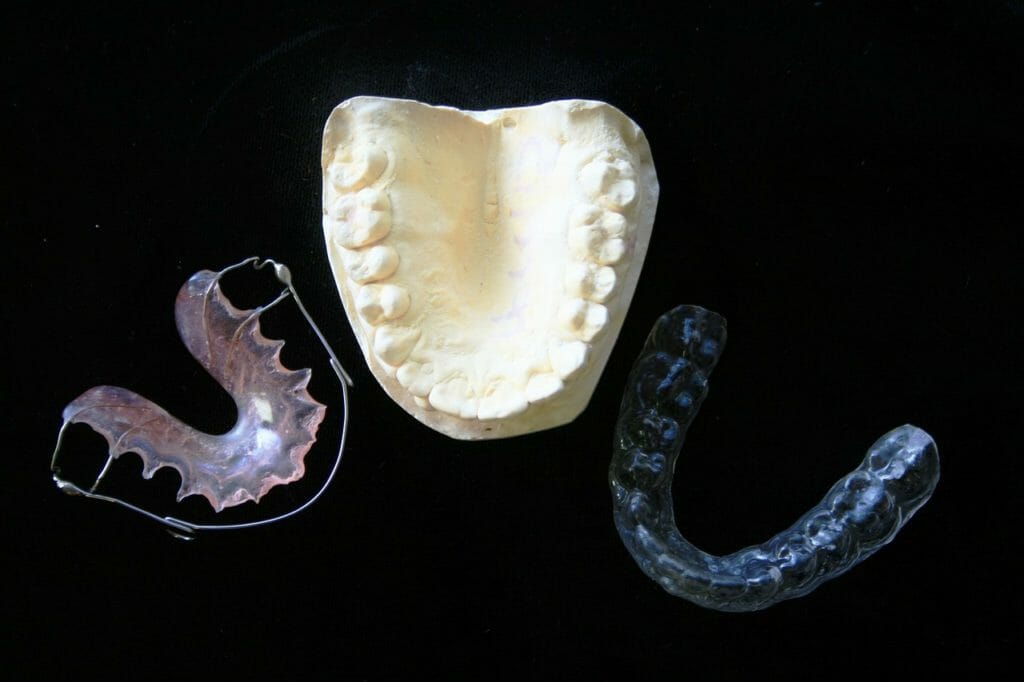
Note: There are many different names for dental nightguards:

  • Nightguard
  • Mouthguard
  • Oral Appliance
  • Splint

There are many different types as well. The decision to pick one type over another is usually made by your dentist based on your diagnosis.

If you have more questions about TMJ, and you live or work in New York City or on Long Island, schedule a consultation with me here or call 212-265-0110

Thank You!

Dr. Donald Tanenbaum has been practicing in New York City and Long Island for over 20 years. He is uniquely qualified to diagnose and treat bruxism, TMJ and TMD problems, Sleep Apnea, facial pain,  muscle pain disorders, nerve pain disorders, tension headaches, and snoring. Learn more about Dr. Tanenbaum here.
Categories
Bruxism TMJ

Teeth Grinding: Signs and Symptoms

Sleep Bruxism, the gnashing and grinding of the teeth that occurs at night, has most recently been defined by the American Academy of Sleep Medicine as a sleep related movement disorder. Though the exact cause of sleep bruxism remains unclear, research suggests that anything that can arouse the brain during sleep may be a trigger. Factors such as daily stress, longstanding anxiety and worries, obstructive sleep apnea, reactions to certain medications, a crying baby, and/or a pain producing medical conditions seem to be just some of the factors that may be playing a role. For years, a bad bite and crooked teeth were thought to be risk factors but research suggests that this is unlikely.

Grinding of the teeth on a regular basis can lead to worn teeth, fractured teeth or dental restorations, mobile teeth, sore teeth on awakening, and a number of problems associated with the jaw muscle and jaw joints. Some people however, can grind their teeth for years without any symptoms. These people commonly deny that they grind their teeth despite physical evidence of wear patterns on their teeth and reports by their bed partners of being disturbed by the clashing noise of their teeth.

Do I Have Bruxism?

If you’re experiencing any of the following symptoms particularly on arising, bruxism may be the cause. Teeth grinding symptoms may include:

  • Sore teeth when chewing
  • Tooth sensitivity to hot, cold fluids
  • Jaw pain or tightness
  • Tired jaw muscles
  • Vague earaches which relate to jaw function
  • Dull headaches in the temples which may linger throughout the day
  • Persistent facial pain
  • Limited jaw opening
  • Jaw joint noises

What to Look For:

The common physical signs of bruxism include:

  • Teeth that are worn down, flattened, fractured or chipped
  • The tops of the teeth appear yellow: when tooth enamel is lost the dentin is exposed, and dentin has a yellowish color
  • Indentations on the side of your tongue
  • Damage on the inside of your cheeks from chewing
  • Excessive bulging of your jaw and temple muscles when the teeth are brought together

If you suspect bruxism, or if your partner has complained of the sound of your teeth grinding at night, a dental consultation is advised. There are many options at your dentist’s disposal for treating bruxism.

For more information on bruxism and teeth grinding, the causes and treatment options, I invite you to visit my website. Thank You.

Dr. Donald Tanenbaum has been practicing in New York City and Long Island for over 20 years. He is uniquely qualified to diagnose and treat bruxism, TMJ and TMD problems, Sleep Apnea, facial pain,  muscle pain disorders, nerve pain disorders, tension headaches, and snoring. Learn more about Dr. Tanenbaum here.
Categories
Bruxism TMJ

Is Your Child Suffering from Bruxism?

For years, nighttime tooth grinders were thought to be adults who were overwhelmed by life’s stresses and worries. Though stress can certainly be one cause of nighttime tooth grinding, recent research suggests that anything that arouses the brain during sleep can cause excessive jaw movements.

This research explains why some children also suffer from nighttime teeth grinding, or bruxism. Nightly grinding results in sore TM joints and facial pain during the day, and can cause damage to your teeth. If your child is complaining of facial or jaw pain in the mornings, look for the following signs and symptoms of bruxism:

▪ Worn, chipped or sensitive teeth that look like they are getting shorter (the front incisors) or are getting flatter and yellow in color (the back molars)

▪ Morning headaches and/or facial and jaw pain

▪ Morning jaw noises such as clicking or popping

▪ Sensitive teeth when eating or exposed to hot or cold fluids

What Causes Bruxism in Children?

Though bruxism is often a cause of stress, it does not mean that it is what is causing your child’s nightly teeth grinding. However, persistent life stressors associated with school, unstable home environments, and social relationships may cause your child to sleep restlessly. Some of the risk factors that should be considered if you hear your child grinding his or her teeth excessively each night include:

▪ Problematic asthma conditions

▪ Enlarged tonsils and adenoids

▪ Childhood obesity that may compromise the airway at night

▪ Irritable bowel syndrome (IBS)

▪ Acid Reflux

▪ Insomnia

▪ Use of medication to treat ADHD

Can Childhood Bruxism Be Treated?

Identifying signs of bruxism early is the best way to end your child’s nightly teeth grinding habit. The good news is that once the cause is identified, there are several treatment option available. I look for enlarged tonsils and adenoids during an exam, especially with patients with histories of recurrent sore throats. If enlarged tonsils or adenoids are the cause of your child’s tooth grinding, they will likely be referred to an Ear, Nose, Throat specialist to be removed—ending the nightly bruxism.

If a child comes to my office with signs of worn teeth and loss of enamel on the biting surface of the molars, this usually indicates that a chemical erosion, like acid reflux, is occurring. This is due to stomach acid pooling on the teeth at night and is a direct result of the acid reflux. I send these kids to a Gastrointestinal doctor to be treated for reflux. If your child is taking medicine for ADHD, the solution may simple: administer the medication in the morning, not during the late afternoon or evening.

Bite appliances are used in kids even as young as 6 -12 years in an effort to buy time and protect teeth and jaws until the origin of the bruxism is determined and managed. Bruxism in children should be taken seriously as it can result in early destruction of the baby teeth, wear on the permanent teeth, jaw related problems, or tension headaches. Evaluation by a dentist with a broad understanding of teeth grinding is strongly advised.

Dr. Donald Tanenbaum has been practicing in New York City and Long Island for over 20 years. He is uniquely qualified to diagnose and treat bruxism, TMJ and TMD problems, Sleep Apnea, facial pain,  muscle pain disorders, nerve pain disorders, tension headaches, and snoring. Learn more about Dr. Tanenbaum here.

Categories
Sleep Apnea Snoring

Snoring and Weight – Yes, There Is a Connection

My patients often ask me about the relationship between snoring and weight gain. Snoring undoubtedly can be a result of obesity, and obesity can also be a result of snoring. Confused?

Fact: Obesity Causes Snoring

More than 30% of Americans are considered obese, which is having a BMI (Body Mass Index) of 30 or more. Excess weight, regardless of its amount or origin, has many effects on your breathing, and in many cases causes snoring.

Though it may feel like all the weight you’ve gained is stored in one or two areas, extra layers of fat actually distribute themselves all over your body! When excess is deposited around the throat and neck area, it can narrow the airway, causing airflow turbulence leading to that annoying snoring sound. Also, as you gain weight, fat displaces muscle tissue and you lose muscle tone. As a result the soft palate and other soft tissue in the throat become floppy and snoring levels rise.

Causes of Snoring

  • Body fat around the throat and neck
  • Loss of muscle tone in the throat and soft palate region
  • Obstructed nasal passages
  • Large tongue

Sleep Apnea and Obesity

Along with snoring, individuals who are overweight are more likely to develop sleep apnea. Sleep apnea is a serious medical condition characterized by periods during sleep when your breathing stops completely. As a result your brain is aroused and you wake up. Sometimes breathing can stop for up to 10 seconds! These stoppages in breathing can happen as many as 100 times a night leaving you exhausted in the morning and at risk for heart problems.

Fact: Snoring Causes Obesity

Believe it or not, snoring could actually be the cause of your weight gain or your inability to lose weight.

Nightly snoring prevents you from getting a good night’s sleep, leaving you feeling tired and run-down during the day. This lack of energy can keep you from going on that pre-work run or makes you choose the elevator over the stairs. The bottom line is that the weight you’ve gained is a result of sleep deprivation.

In addition in a University of Chicago study, young and healthy students were deprived of sleep for six nights in a row. The sleep deprivation resulted in measurable metabolic changes, one of which was increased hunger and appetite! As your body relies on the energy it gets from a good night’s sleep, if you aren’t getting enough sleep, your body will crave the energy from somewhere else: usually your refrigerator!

Clearly there is a direct relationship between snoring , a poor nights sleep and overeating!

Is There a Snoring Remedy?

If you’re an overweight snorer, the first step is to try to lose weight. But, if you are so sleep deprived that weight loss is impossible, other options are available. Thousands of suffering snorers (and their partners) have seen extraordinary results from using an oral appliance at night.

Using a custom-made oral appliance (mouth guard) overnight keeps your jaw forward, making air flow into your throat easier. Oral appliances can be used alone, with a CPAP mask, or as an alternate sleep device when using the CPAP becomes monotonous. Most people find that using an oral appliance greatly reduces and even eliminates their snoring.

Please share this article with anyone you care about (or his/her partner) who is dragging around during the day because of a snoring problem at night.

Dr. Donald Tanenbaum has been practicing in New York City and Long Island for over 20 years. He is uniquely qualified to diagnose and treat Sleep Apnea, facial pain, TMJ and TMD problems, muscle pain disorders, nerve pain disorders, tension headaches, and snoring. Learn more here

Categories
Ear Pain Tinnitus

What Causes Ringing in the Ears?

Ringing in the ears, or tinnitus,is a symptom often described as a ringing noise heard in one or both ears, that can be present continually at the same level or vary in intensity. The presence of ringing in the ears during the course of a day is based on jaw movements, head positions and tongue activity. In addition to ringing, some people describe sounds such as hissing, buzzing, humming, clicking, whistling or roaring. Along with these perceived sounds individuals often report hearing loss.

Tinnitus can have its origin from a wide number of possible causes. For some tinnitus is short-lived while for others it is ongoing and disruptive to everyday life.

Subjective tinnitus, that which is described by a patient but not heard or detected by an examining physician, is often prompted by factors like exposure to abnormally loud sounds (one bad exposure or of long duration), chronic ear infections, ear pain, trauma to the inner ear, hearing loss, Menieire’s disease, Acoustic neuromas, chronic use of medications like aspirin, antibiotics or antiviral drugs, and neurologic diseases amongst others.

At times it has been suggested that temporomandibular disorders can be responsible for the onset of tinnitus. Though symptoms such as ear pain are commonly associated with TMJ disorders it is my opinion that no greater than 10-15% of all those patients that we see with TMJ problems report the symptom of tinnitus.

Since the histories and examinations of these patients are no different than those without tinnitus, the reason why they are suffering with ringing in the ears remains unclear. It has been proposed that overuse of the TM joints during gum chewing, tooth grinding, or nail biting for instance can sometimes cause tinnitus but this remains more opinion than fact. If, however, the ringing in your ears increases or changes with opening or closing of your mouth, or forward and side-to-side shifts of your jaw, there is a chance that a relationship exists between the tinnitus and your jaw. In addition, if you are a heavy nighttime tooth grinder or clencher and wake up with tinnitus it would be wise to investigate whether there are treatment options available to address this distressing and often disabling symptom.

The final word is that the symptom of tinnitus often cannot be attributed to any one or specific medical disorder or physical cause. As a result patients are often left to wonder whether relief will ever be found! If your tinnitus symptoms seemingly have any relationship to jaw function an investigation with a properly trained dentist would certainly be advised.

Categories
Sleep Apnea Snoring

Oral Appliance Saves Marriage

Recently, a 52 year old female patient told me about her experience with CPAP. She has a history of loud and disruptive snoring, which ultimately caused her husband to sleep in a separate bedroom.

After being evaluated at a sleep lab, she was diagnosed with mild to moderate Obstructive Sleep Apnea (OSA) and was prescribed a CPAP device. Thanks to the CPAP, her snoring was gone, but her husband still slept in the next room–he refused to get into bed with Darth Vadar. Now it was the cumbersome CPAP mask was causing her love life to suffer.

We made her an oral appliance to use nightly as an alternative to the CPAP. Presently, husband and wife are happy again.

Dr. Donald Tanenbaum has been practicing in New York City and Long Island for over 20 years. He is uniquely qualified to diagnose and treat Sleep Apnea, facial pain, TMJ and TMD problems, muscle pain disorders, nerve pain disorders, tension headaches, and snoring. Learn more here