Manhattan

212-265-0110

White Plains

914-227-2305

Springfield, NJ

973-315-7830

Hauppauge

631-265-3136
Categories
Bruxism Nightguards & Oral Appliances TMJ

Biteplates Need To Be Monitored

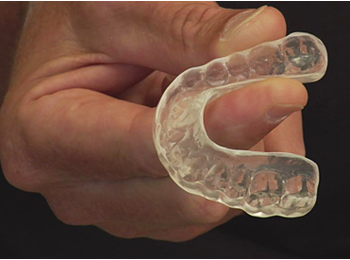
Thousands of people every year are prescribed biteplates by their dentists. There are two common scenarios that prompt a dentist to make this recommendation.

Scenario 1: Tooth Grinding

You went to your dentist for a routine appointment and you were told that there is evidence that you are grinding your teeth at night  (sleep bruxism). Your dentist may in fact show you areas of tooth wear on your teeth. You have no jaw or tooth  pain, which is good, but a biteplate is made to protect your teeth at night while you sleep. This biteplates may be made of hard acrylic, dual laminate materials with a soft inside and hard outer shell, or may be totally soft and pliable.

Since you have no symptoms of jaw or tooth pain, there is no need to do anything else. Your dentist should ask you to bring it with you when you go in for a routine tooth cleaning  appointment. Overtime it may have to be remade due to wear and tear, or adjusted if new dental restorations have been placed.

Scenario 2: Jaw Pain, Stiffness, and more…

You are experiencing pain/tightness/stiffness in the jaw muscles, pain in the Temporomandibular Joints (TMJ’s), or clicking that is new or getting worse. Your symptoms may be worse in the morning as many people often wake up with symptoms of jaw pain, diminished jaw motion, and even a jaw that feels locked and out of place. Your dentist will in this situation commonly make a biteplate that can be modified over time as your symptoms change. It may have a flat biting surface or inclines to address your specific problem.

These adjustable biteplates need to be monitored as your condition improves, or if it is not helping to reduce symptoms. Just like an orthopedic splint for the knee,  problems, modifications, or changes are required overtime as the situation dictates.

If your jaw problem was due to a specific trauma or injury  (sports related/eating/accidental) which lead to a joint sprain, muscle strain, or joint inflammation, as healing occurs you will likely wear the appliance less until you don’t need it at all.

However, if your jaw pain, locked jaw, decreased motion, sore teeth, or headaches resulted from persistent and aggressive sleep bruxism , then long term use of the biteplate may be required. Periodic visits to the dentist will be required to determine when, and if the biteplate use can be reduced or eliminated. Regardless of the reasons that you needed a biteplate to begin with, please make sure your dentist monitors its use at least once a year.

Learn more about biteplates and oral appliances.

Dr. Donald Tanenbaum is a specialist with offices in New York City and Long Island, NY. He is uniquely qualified to diagnose and treat facial pain associated with jaw problemsTMJreferred painnerve pain, and migraines. Find out more at www.nytmj.com.
Categories
Bruxism Nightguards & Oral Appliances TMJ

Mouthguards & Nightguards: How Long Do They Need to Be Worn?

This is a common question asked by patients in my practice. The answer to this question is based mainly on the reason it was recommended in the first place! So, if you are wondering if you will have to wear your nightguard forever, here are some common scenarios. There’s a good chance that one of them fits your situation exactly:

Scenario 1: You have no teeth grinding symptoms, but your dentist notices that your teeth are worn or chipped or that fillings and caps previously placed look worn.

The dentist then informs you that you have been grinding your teeth at night. You’re shocked! You have no pain in your teeth, no jaw muscle soreness in the morning, and you haven’t noticed any other signs to indicate that you are grinding your teeth. Your dentist recommends that you wear a nightguard while you’re sleeping, warning of the problems that will develop if you don’t wear it.

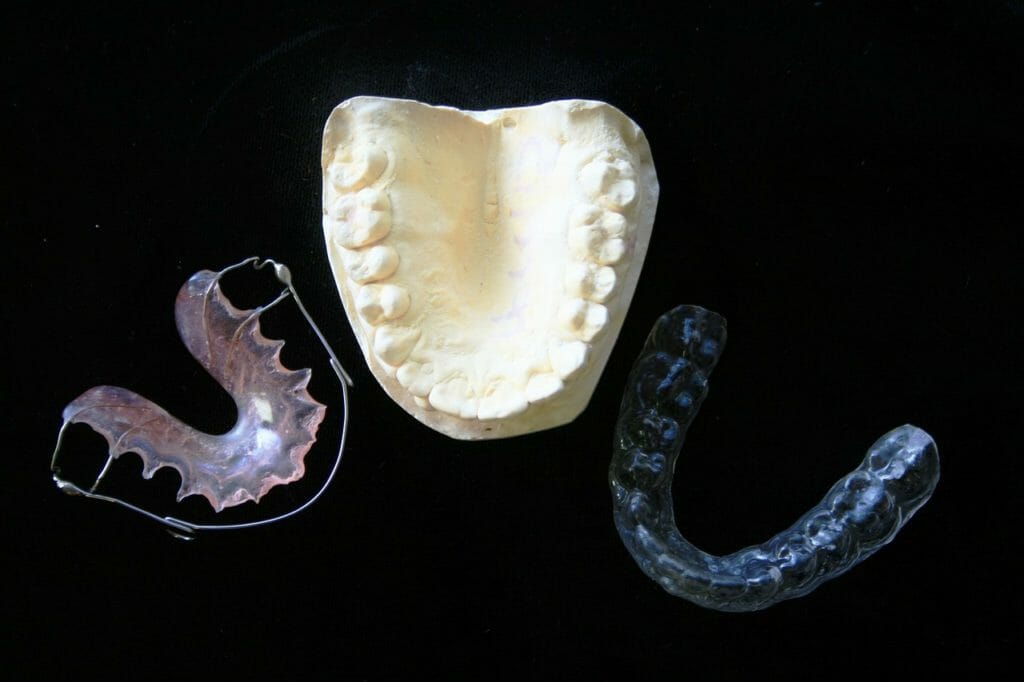
Now here’s the important thing: If you move ahead and get the nightguard, bring it with you and show it to the dentist when you go in for your twice-a-year dental cleaning. If the nightguard exhibits grooves and notches cut into the acrylic, then you have been grinding and you should continue to use it. If, however, there is no evidence of wear and tear, it’s probably in your best interest to bring this to the attention of the dentist and discontinue using it.

Scenario 2: You make an appointment with your dentist because “out of nowhere” your jaw muscles and teeth are aching in the morning.

You mention to your dentist that stress levels have been high in your life and will likely stay that way for an undetermined period of time. A TMJ nightguard is advised and you wear it for a while and notice that the achiness in the morning has decreased.

What next? This all depends on what is going on in your life: stress, fragile emotions, disrupted sleep, etc. As these factors may drive the night grinding it is probably advisable to stay with the nightguard until things calm down. Once life is calm and if your morning symptoms have gone away, you can begin to reduce the number of days the nightguard is worn during the week.

Over time you will likely find that you no longer need the nightguard. Keep in mind, if life issues arise again, the grinding will likely return and you may need the nightguard again, so don’t throw it away!

Scenario 3: You not only have morning jaw muscle soreness, but your teeth ache and you have persistent facial pain during the day. In addition, you feel that you can’t open your mouth wide and chewing has become a chore because your jaw joints click and/or lock.

This scenario suggests that you may have a more significant jaw problem often called ‘TMJ’. Unlike the first two scenarios, the level of muscle and joint compromise is more significant with TMJ. And beyond the night grind there are likely other factors that have led to and are perpetuating the symptoms. In this situation the use of a nightguard at night will likely be for an extended period of time (maybe forever).

I have many patients who return to my office 3-6 years after they were last seen looking to get their nightguard repaired or replaced. Many of these patients tried to stop wearing it when they felt better, but the symptoms began again. In this situation I ask my patient to visit me at least once a year to help maintain the integrity of the device and make sure it is doing the right thing and not causing harm.

Note: There are many different names for dental nightguards:

  • Nightguard
  • Mouthguard
  • Oral Appliance
  • Splint

There are many different types as well. The decision to pick one type over another is usually made by your dentist based on your diagnosis.

If you have more questions about TMJ, and you live or work in New York City or on Long Island, schedule a consultation with me here or call 212-265-0110

Thank You!

Dr. Donald Tanenbaum has been practicing in New York City and Long Island for over 20 years. He is uniquely qualified to diagnose and treat bruxism, TMJ and TMD problems, Sleep Apnea, facial pain,  muscle pain disorders, nerve pain disorders, tension headaches, and snoring. Learn more about Dr. Tanenbaum here.