Manhattan

212-265-0110

White Plains

914-227-2305

Springfield, NJ

973-315-7830

Hauppauge

631-265-3136
Categories
BOTOX® Bruxism Jaw Problems TMJ

Bruxism Can Change The Shape Of Your Face

As an orofacial pain specialist, I’m often asked if bruxism can change the shape of your face.

Here’s a story about a young woman named Sarah who came into my office a couple of weeks ago with her mother. Sarah is a 17-year old, college-bound, high achiever who was convinced that the shape of her face had undergone a dramatic change during the past few years. She was particularly concerned about her jawline. She felt that her jaw muscles looked bigger and more pronounced than before.

When I work with a new patient the first thing we do is sit down, relax, and have a conversation. I usually learn more during this conversation than I do from the physical examination. During my conversation with Sarah I asked her a lot of questions about her life and carefully listened to her answers. It didn’t take long for me to begin to see where her problems started. The physical examination reinforced my hypothesis.

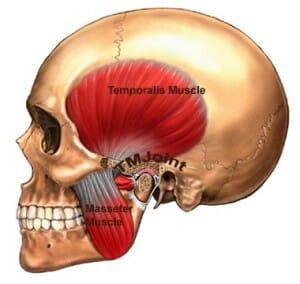
In order to understand what happened to Sarah’s face we must take a look at the master muscles; they are the muscles that control the movement of the jaw. Masseters are like all other skeletal muscles in your body in that they will maintain a baseline shape and size when used normally. And, like all other skeletal muscles in your body, they will change in size and shape when over-used. It’s the same as when you workout your biceps in order to change the size and shape of your arms.

Each time you close your jaw or even swallow, you are using your masseters. Normal chewing and swallowing will not cause them to change in shape or size. What makes masseter muscles change, is when they are contracted over and above what is considered normal, over a long period of time. Since the masseters define the shape of your jaw, over-use behavior can actually change the shape of your face.

By chewing gum, biting your nails, biting your cuticles, chewing on pens, or even holding your glasses between your teeth, you are using your masseter muscles way beyond what they were designed for. Some people hold and clench their upper and lower teeth together during the day without realizing it and over a period of time this causes their masseter muscles to bulk-up.

Also of concern is sleep bruxism. Hundreds of thousands of people grind or clench their teeth while they’re sleeping. This excessive teeth grinding, jaw movement side to side-to-side, and/or clenching in a static, braced position plays a huge factor in the enlargement of the masseters and consequently, the shape of the jaw. So, the answer is:

Yes, Bruxism Can Change The Shape Of Your Face

To reduce the impact of bruxism on the masseter muscles, I normally provide my patients with a custom-fitted oral appliance (also referred to as a night guard). The oral appliance is a very effective tool in reducing the impact of grinding and clenching. But an oral appliance will not stop over-use behavior.

Although Sarah wasn’t complaining about pain, soreness and stiffness are also common effects of bruxism. Imagine how sore your hand would be if you kept it in a fist for most of the day and night. Jaw over-use is just like making a fist in your face, and it can create excruciating pain for many people.

Let’s go back to Sarah. Through our conversation I was able to identify the main reasons that her jawline had changed so dramatically. It turns out that she is a long-time gum chewer, a nail biter, and a nighttime clencher. Sarah has literally been working-out her masseter muscles every day and night for years.

An oral appliance strategy as been put into place that will reduce the impact of Sarah’s sleep bruxism. Next, The next step is for her to change her daytime over-use behaviors. Today, Sarah is wearing the oral appliance at night and working hard to correct her daytime over-use behaviors.

An additional approach that could work for Sarah is BOTOX®. BOTOX® is a popular cosmetic therapy that has the potential to diminish the forces of nighttime bruxism. It works by diminishing the capacity of the masseters to contract, with the result often being a reduction in the bulk of the over-used muscles.

Today, Sarah is wearing the oral appliance at night and working hard to correct her daytime over-use behaviors. But before I will go forward with BOTOX® for Sarah, she must convince me that she understands that if she does not correct the daytime over-use behaviors, BOTOX® is not an option.

Here’s The Takeaway: If you have noticed changes in the shape of your face or your jawline, it’s probably not your imagination. Find a dentist that has special training in bruxism as soon as possible.

I invite you to follow me on Facebook, Twitter or LinkedIn to keep up with all the new research and case studies in this field (and with Sarah’s progress).

BOTOX® for teeth grinding is in the news! I was recently interviewed on ABC’s Good Morning America on the topic, Can BOTOX® be used to treat teeth grinding?  Click the link to watch the segment.

Categories
Bruxism Jaw Problems TMJ

Does The TMJNext Generation Device Work?

Every now and then a new product will hit the market that’s designed to assist in the management of the chronic pain problems that impact the lives of millions of people every year. And when it comes to pain caused by TMJ/TMD problems, one such product is The TMJNext Generation™ Device. Having been sold in Europe for the past few years, this device is now available in the U.S. It is being aggressively marketed not only to dentists but to other healthcare practitioners, as well. As a result, many physical therapists, chiropractors, physicians and wellness clinics are advertising that they provide the device. As a board-certified orofacial pain specialist, I’m often asked, “Does the TMJNext Generation work?

Does The TMJNext Generation Device Work?

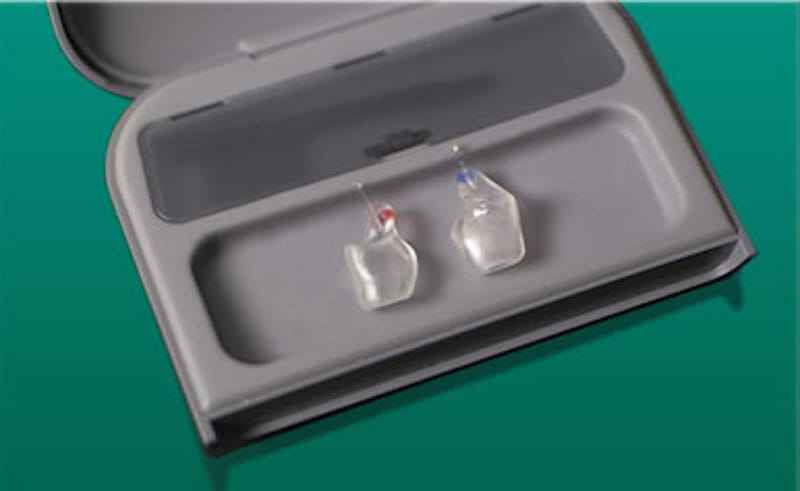
The TMJNext Generation™ Device is an ear insert which has been designed to create awareness in the patient of his or her jaw position. Here’s how it works:

First, impressions of your ear canals must be made. Although your dentist may have recommended the TMJNext Generation™, you may be referred to an audiologist (or another type of health care professional) that is willing to assume the liability of making the impressions, which may be outside of the scope of practice.

The impressions are made while your jaw is in a relaxed posture with your teeth apart. In this posture, your ear canal will assume certain dimensions in volume and shape. These dimensions get smaller when you bring your teeth together or clench them.

The ear canal impressions will be used to create custom ear inserts for you. The inserts feel comfortable when your jaw is in a resting posture, but when you bring your teeth together you feel an unpleasant pressure on the devices. The theory is that the uncomfortable feeling will get your attention and you will immediately relax your jaw. It’s like having a pebble in your shoe that makes it uncomfortable to walk.

For some people, the devices might serve as a sort of reminder to keep their jaw muscles loose. In this way, TMJNext Generation™ is essentially a biofeedback device. Anything that can help you keep your jaw loose during the day can be part of overall TMJ/TMD therapy.

Here’s the rub: Countless people who suffer from TMJ/TMD problems have NO NEED for daytime awareness because their jaw is always in a restful position during the day. It is at night while they are asleep that their grinding and clenching happens. For them, these devices could represent an unjustified expense. If physicians, chiropractors, physical therapists, and dentists who have limited expertise in the management of jaw problems are making decisions about the use of The TMJNext Generation™ Device, I’m afraid that overutilization is a real concern. So, does the TMJNext Generation device work?

As of today I have not found scientific articles that provide an understanding as to how these devices could stop or diminish the impact of sleep-related teeth grinding and clenching (bruxism) which is the way many patients get in trouble. Since the devices can apply unpleasant pressure on the jaw joints during a grind or clench, one would have to assume that the irritation would merely wake the wearer up, as opposed to helping him or her stop the activity altogether. I don’t think that would have a favorable long-term outcome.

My limited distribution of these devices at the present time precludes an endorsement or negative commentary. As always, I believe that a careful assessment must be done to adequately understand the type of jaw problem of each patient and what the initiating and perpetuating factors appear to be.

Only with that information can the treating professional guide the patient with sound advice.

Photo credit: http://tmjnextgen.com/

Dr. Donald Tanenbaum is a specialist with offices in New York City and Long Island, NY. He is uniquely qualified to diagnose and treat problems associated with facial painTMJ and sleep apnea.

Categories
Jaw Problems TMJ

Can TMJ Patients Get Better?

As an orofacial pain specialist, I’m often asked, “Can TMJ patients get better?” In the past several months, I’ve had the opportunity to host a number of dental residents in my practice as part of their formal training program. At the same time, I’ve worked with a number of practicing dentists from around the country who want to broaden their pain education. From this experience, two things have become very apparent to me.

First, Id like to focus on the dental residents, who for the most part, are recent graduates. They all have very limited practical knowledge about TMD/TMJ problems and have apparently been told in dental school that TMJ patients cannot get better.

There is no reason why recent dental graduates should think that TMD/TMJ patients can never get better and here is why: these problems, though at times attached to challenging patient personalities, are essentially orthopedic in nature. This means that they involve muscles, tendons and joints. When viewed this way the most common diagnoses include muscle strains, muscle fatigue, muscle soreness, joint sprains, inflammation, and ligament- and bone-related compromises (which can include arthritis of one form or another).

The key then is to determine the primary cause of the compromise and whether or not there are other factors responsible for perpetuating the problem. This is where the evaluation process becomes so important and is not accomplished by pen and paper questions, but rather by sitting down and having real conversations with real patients.

Time and listening are whats necessary to gather the information essential to making the right determinations. Once achieved, TMJ/TMD problems can be addressed with understandable and practical therapies that involve and require both doctor and patient participation. The time and listening formula are what distinguishes one practice from another.

So, Can TMJ Patients Get Better?

Whether the recommended treatment is medication, education, dietary caution, exercises, injections, oral appliances, physical therapy, meditation or surgery, the process of healing can be quick, or can span months.

In my experience I estimate that half of TMJ/TMD problems are straightforward and solved with education and home therapies, one quarter are moderately complicated (but can respond wonderfully to formal treatment), and one-quarter are challenging cases impacted by the nature of the patients tissue injuries and his or her medical, social, and/or behavioral profile. I suspect that common knee problems carry with them the same statistics.

After spending a day in my office dental residents often say I never knew these patients could be helped.or I was told in dental school that caring for these patients is unrewarding and endless.These comments indicate that TMJ/TMD problems are a mystery for our young graduates. Unless dental schools start getting out the right message, nothing will change. In the interim, however, it is encouraging to see how many patients can be helped despite being told somewhere in their travels that there is no answer to their problem.

Practicing dentists with an interest in this area is another story entirely. They often end up in continuing education programs where the instructors preach unscientific dogma about how fixing a patients teeth and bite will fix the problem. After they attempt this often-complicated approach a few times in their practices, they usually realize that it simply doesnt work. At this point, its very common for the dentist to stop treating TMJ/TMD problems entirely, leaving behind some very discontented patients.

Long ago I was fortunate to discover that the vast numbers of patients who get relief do so without their teeth being ground-down or built-up. Today I see the frustration on the faces of dentists who have tried these seductive approaches and when their patients don’t get better, realized that they were missing something.

The bottom line is that these problems are not big mysteries but rather understandable by practitioners, like myself, who have spent the time to learn and embrace the fact that jaw-related problems are orthopedic problems in nature and the accompanying pain emerges for specific (and often common) reasons. My practice continues to listen to, guide and educate our patients so they can be part of their healing process. And I hope that the time I spend with new graduates and practicing dentists will help to expand their understanding, as well.

Dr. Donald Tanenbaum is a specialist with offices in New York City and Long Island, NY. He is uniquely qualified to diagnose and treat problems associated with facial painTMJ and sleep apnea.

Categories
Bruxism TMJ

Clenching your teeth at night? So what’s the big deal?

As an orofacial pain specialist for over three decades, I’ve treated thousands of patients that come to me with all kinds of problems caused by sleep bruxism, which is grinding or clenching your teeth at night while you’re asleep. These activities are often linked to neck pain, jaw pain, ear pain, headaches, and toothaches that don’t respond to traditional dental treatment. Millions of Americans are clenching their teeth at night, so it shouldn’t come as too much of a surprise that the consequences can be extremely varied. Here is the story of a good friend of mine:

To protect his teeth while sleeping he has worn a night guard for many years.

Every now and then he would wake up and notice that his lower teeth were pressing against the top night guard very fiercely. He would do some relaxation breathing that I taught him and that usually was all he needed to get back to sleep. He, however, never had jaw stiffness, headaches, or tooth pain due to his clenching.

That all changed last week.

It was a Friday night and he apparently tossed and turned for hours before finally getting into a deep sleep around 2 am. The cause of his edginess was likely a combination of a large dinner with wine at an hour later than what’s normal for him and then watching a late movie. On top of that, his ears were straining to hear his daughter arrive home from a party (I’m sure all parents can relate to that!). It added up to a very restless night.

So, finally, he fell asleep but two hours later was suddenly awakened by an extreme soreness in his lower left second molar that was braced into his night guard. After taking out the night guard he fell asleep but a couple of hours later woke up to a screaming molar (that’s the only way he could describe it!). To make matters worse, his ear throbbed and his jaw ached. Even the gums around this tooth were apparently in crisis.

As it was Saturday he went to play a round of golf but by the second hole was rummaging through his bag for some Aleve. Not only was his mouth freaking out, but also his entire body had begun to tighten up as a result of that aching molar.

The Aleve did work after an hour or so and the pain, stiffness and body tightness began to ease. He was able to finish the full eighteen holes but apparently, it was a forgettable round.

So how does something like this happen? Here’s the blow-by-blow:

  • The force of my friend’s clenching was so great that it traumatized the ligament that binds the molar to the supporting bone.
  • Then the tooth’s nerve fibers started to react and the area “lit up”.
  • Pain spread from the tooth site to his jaw, ear, and the gum tissues adjacent to the traumatized molar (all these areas receive the same nerve supply as the tooth).
  • Finally, the side of his neck and left shoulder started to tighten and lock up (this is called referred pain).

In actuality, my friend had sprained the tooth ligament by so fiercely clenching his teeth, initiating the pain scenario he described! Treatment was put into place to address this ligament sprain and I’m happy to report that since he came to my office there has been significant improvement in his condition. My friend has also made it his business to go to bed at a decent hour, avoid computer work just prior to going to bed and limit daily caffeine and late-night alcohol (known risk factors that can drive teeth clenching and grinding while sleeping).

So…if you are a clencher, even if you use a night guard this could happen to you! If so here’s my advice:

After seeing your dentist to assess the damage, stop and take a good look at your lifestyle. Are you getting enough sleep? Too many glasses of wine at late-night dinners? Evening hours doing paperwork or at the computer? Stress at a high level? Dwindling exercise and relaxation time? If so, make some changes and see how you feel. You may find that the aggressive clenching will ease reducing the potential for this scenario to be a common part of your life.

And here’s something you probably don’t know: nightguards lose their effectiveness over time and can only do so much to protect your teeth and jaws; so injuries can still occur. Keep an eye on your daily world and do your best.

Categories
Facial Pain

BOTOX Effective In The Treatment Of Severe Facial Pain

In my practice of over 30 years I have had many opportunities to think about why people develop facial pain problems and what I can do to get them out of trouble. The majority of patients who come my way suffer from pain that is muscle-based and in turn is caused by any number of factors. I have found BOTOX® to be effective in the treatment of persistent facial pain, especially when other strategies have failed.

In order to determine who is a good candidate for BOTOX® therapy I first investigate the cause of the muscle stress in the first place. Usually I discover that my patient is experiencing one (or more) of the following:

  • Poor sleep quantity and quality.
  • Repetitive work postures fatiguing the neck and shoulder region.
  • Behaviors repeated throughout the day which tighten the jaw, neck and shoulder muscles.
  • Emotional upset and challenging life circumstances.
  • Shallow and fast chest breathing patterns.
  • Excessive consumption of stimulants in beverages and food.
  • Stimulant-based medications.
  • Poor breathing at night while sleeping.
  • Autoimmune problems, which lower pain thresholds.
  • Physical exercise choices that continually stress the neck muscles such as spinning classes.

BOTOX® is proving to be another way to break the cycle of chronic pain. A series of injections are administered into the jaw muscles, upper neck muscles and across the forehead. The goal is to reduce or eliminate the pain, which in turn often imparts a new sense of optimism to my patients who have suffered for years, many believing that there was no solution.

In addition to relieving pain, BOTOX® is helpful for patients who experience nighttime teeth clenching and grinding. After treatment there is a period of time when the muscles simply cannot contract as aggressively. And although the cause of the bruxing isn’t eliminated, many people discover that the achy, tight jaw that they normally wake up with is gone.

BOTOX® is not a miracle drug but it is becoming an increasingly important part of my toolbox to help my patients get better. Do you have questions about BOTOX® therapy? Please use the comment box below.


BOTOX® is in the news! I was recently interviewed on ABC’s Good Morning America on the topic, Can BOTOX® be used to treat teeth grinding?  Click the link to watch the segment.

Categories
Bruxism Facial Pain Jaw Problems TMJ

BOTOX® Is Effective For Facial Pain Treatment


As an orofacial pain specialist for over 30 years, I have had many opportunities to think about why people develop facial pain problems and what I can do to get them out of trouble. The majority of patients who come my way suffer from pain that is muscle-based and in turn is caused by any number of factors. I have found that BOTOX® is effective for facial pain treatment, especially when other strategies have failed.

In order to determine who is a good candidate for BOTOX® therapy, I must first investigate the cause of the muscle stress in the first place. Usually, I discover that my patient is experiencing one (or more) of the following:

  • Poor sleep quantity and quality.
  • Repetitive work postures fatiguing the neck and shoulder region.
  • Behaviors repeated throughout the day which tightens the jaw, neck and shoulder muscles.
  • Emotional upset and challenging life circumstances.
  • Shallow and fast chest breathing patterns.
  • Excessive consumption of stimulants in beverages and food.
  • Stimulant-based medications.
  • Poor breathing at night while sleeping.
  • Autoimmune problems, which lower pain thresholds.
  • Physical exercise choices that continually stress the neck muscles such as spinning classes.

When BOTOX® Is Effective For Facial Pain Treatment

BOTOX® is proving to be another way to break the cycle of chronic pain. A series of injections are administered into the jaw muscles, upper neck muscles and across the forehead. The goal is to reduce or eliminate the pain, which in turn often imparts a new sense of optimism to my patients who have suffered for years, many believing that there was no solution.

In addition to relieving pain, BOTOX® is helpful for patients who experience nighttime teeth clenching and grinding. After treatment, there is a period of time when the muscles simply cannot contract as aggressively. And although the cause of the bruxing isn’t eliminated, many people discover that the achy, tight jaw that they normally wake up with is gone.

BOTOX® is not a miracle drug but it is becoming an increasingly important part of my toolbox to help my patients get better. Do you have questions about BOTOX® therapy? Please use the comment box below.

Dr. Donald Tanenbaum is a specialist with offices in New York City and Long Island, NY. He is uniquely qualified to diagnose and treat problems associated with facial painTMJ and sleep apnea.

Categories
Jaw Problems TMJ

Effective At-Home Treatments for TMJ & Painful Jaw Muscles


Do you suffer from TMJ symptoms, jaw pain, or both? As a board-certified orofacial pain specialist or TMJ doctor, I have many tools at my disposal for patients who suffer from tight, painful jaw muscles. Over the years I’ve recommended (and developed) a number of relaxation techniques and massages for TMJ and jaw muscle pain. If you notice yourself opening and closing your mouth all day long to stretch out your jaw muscles, you probably have a TMJ problem. Try some of these at-home treatments for TMJ and painful jaw muscles.

2 TMJ Relaxation Techniques and Breathing Exercises

Most people with ongoing jaw pain and tightness tend to breathe with shallow chest movements during the day. As a matter of fact, if you suffer from any kind of muscle pain you’re probably already breathing too fast. When you breathe too fast, you create an imbalance of oxygen and carbon dioxide in your body. This sets you up for more even muscle pain and fatigue.

The following techniques will help you slow your breathing and help your muscles relax:

1. With your lips lightly touching, place your tongue gently on the roof of your mouth behind your front teeth, or gently against the back of your lower front teeth. Then, bring air in through your nose and extend your belly outward. Hold this for 3 seconds then exhale through your mouth while parting your lips slightly. Repeat 6 times. (You can do this once every hour.)

2. With your lips lightly touching, gently place your tongue gently against your lower front teeth, upper front teeth, or just float it in no particular position. Breathe in through your nose for 4 seconds filling your belly. Then, exhale through your lips or nose for 4 seconds. Pause for 2 seconds. Repeat 6 times over a 1-minute period. This will help you train yourself to slow down your breathing. Perform once every hour whenever you need it.

2 Massages for TMJ and Sore Jaw Muscles

A sore jaw indicates that your jaw muscle health has been compromised and is likely due to the accumulation of an irritating substance that forms in response to muscle overuse, such as lactic acid. The key here is to increase the blood flow to your sore muscles which in turn brings fresh oxygen and nutrients to the affected areas. The Temporalis and the Masseter are the two most important muscles for you to focus on.

massage for TMJ, temporalis and masseter

1. Perform this massage with your mouth hanging slightly open, and your head relaxed: with your index and your middle finger, massage the sore areas in your temporalis and masseter muscles in a circular motion for 6 seconds on the right side, and 6 seconds on the left. If you can, do both sides at the same time. Press firmly, but not so hard that tears come to your eyes. After massaging your muscles, open your mouth to its fullest non-painful position and then close it slowly. Repeat 6 times.

2. I find this one is best done in the shower. Open your mouth halfway and place the pad of your index finger on the most rear upper tooth on one side. Then slide your index finger off that tooth and move it toward your cheek in an upward direction. You should run into a wall of bone. That is where your jaw muscle attaches and it is likely to be very tender. Once you’ve found the tender region, push your index finger inward and hold for at least 30 seconds before releasing. Then switch to the other side and repeat. Massage each side 2 times. (You can also move your index finger in a circular pattern instead of maintaining constant pressure.)

3 Exercises for Sore Jaws

1. This exercise is designed to release tension in the muscles that enable you to open and close your jaw. Place your tongue as far back as possible on the roof of your mouth. Now, try to open your mouth, keeping your tongue in this position (the range of motion will be very limited). While your tongue remains in place, position your thumb under your chin and attempt to open your mouth against the resistance of your thumb. Maintain this resistance for 3 seconds before releasing. Repeat this 6 times. This exercise can be performed up to 6 times per day.

2. Here’s another technique that many of my patients find helpful: blow air into your cheek on one side and hold it for 6 seconds. Then switch to the other side and do the same thing. This can be done 6 times per day.

3. You can also do some tongue exercises to loosen your tight jaw muscles. With your lips sealed, move your tongue in a complete circle 6 times to the right and then 6 times to the left. Then take 6 cleansing belly breaths as described above and repeat the tongue movements 2 more times.

If At-Home Treatments For TMJ Don’t Work…

Tight jaw muscles can produce serious pain. If you are suffering, and the above at-home treatments for TMJ don’t work after doing them for over a week, please contact your dentist or an orofacial pain specialist in your area. You can find a provider in your area by going to the American Academy of Orofacial Pain.

Good Luck!

Dr. Donald Tanenbaum is a board-certified orofacial pain specialist with offices in New York City and Long Island, NY. He is uniquely qualified to diagnose and treat problems associated with facial painTMJ, headaches and sleep apnea.

Live or work in New York City or on Long Island? You can schedule a consultation with here or call 212-265-0110.

Categories
Facial Pain

Gender Bias In Chronic Pain Treatment

A common theme in many of the scientific conferences Ive recently attended is that chronic pain, when left untreated, can actually cause permanent changes to the brain and nervous system. That knowledge makes it all the more important for physicians to address pain soon after a patients struggles begin. In my practice I treat a majority of female patients who are dealing with severe jaw and facial pain. From their stories, I know first-hand that gender bias in chronic pain treatment is real.

There seems to be a common attitude among many health care providers that

women who complain about pain are exaggerating their suffering.

According to references in the book “A Nation in Painby Judy Foreman, studies have shown that doctors are more likely to request tests for male patients who complain of pain. Men“s symptoms are often treated as physical and neurological conditions while similar symptoms in women are considered due to psychological or psychosocial issues. In addition, there is evidence that physicians frequently dismiss women who report chronic pain or write them off as experiencing emotional hysteria, unlike their male counterparts.

This evidence, combined with the well-known
biologic factors that predispose women to jaw and facial pain, makes it easy for me to understand why women with longstanding pain problems ultimately seek care in my office. The problems I see are broad in nature and typically caused by disorders of muscle, joint, or nerve tissue. My patients
stories about misdiagnosis and/or delays in proper pain therapy (as a result of the attitude that the pain is all in her head) are certainly unnerving.

In addition, many of my female headache patients have been told to “tough it out” or take anti-anxiety medications for pain problems. These treatment recommendations again put the emphasis on blaming the patient as opposed to identifying a potential biological cause and directing treatment at specific pain receptors and pathways. 

Clearly these kind of gender-biased misconceptions need to be addressed if women are to get the timely pain care they deserve, especially before changes occur in the brain and along nerve pathways. As a result of research in the often-maligned diagnoses of Chronic Fatigue Syndrome and Fibromyalgia, these disorders have been redefined (Chronic Regional Pain and Systemic Exertion Intolerance Disorder) revealing that biases can be changed. As scientific investigations are today beginning to shed light on gender-specific pain problems, hopefully the same kind of change in attitude will prevail.

For the time being women suffering from chronic pain will have to seek help where they can find it. Many chronic pain support groups have sprung up (I often share their posts often on my Facebook page) which can help these patients feel less alone.

My office will continue to assess the physical and cognitive emotional components of all pain complaints that pass through our door, regardless of gender. With a female patient population approaching 82%, I know that not only do these patients have real problems I know that most of them can be helped.

Have you experienced gender bias in your quest for treatment for chronic pain? Please share:

Dr. Donald Tanenbaum is a specialist with offices in New York City and Long Island, NY. He is uniquely qualified to diagnose and treat problems associated with facial painTMJ, headaches and sleep apnea.

Categories
Bruxism TMJ

Good News About Teeth Grinding

“Doctor, why do I grind my teeth so fiercely every night?”

As a professional who works with TMJ and bruxism problems in my practice I hear that question almost daily. The fact is, we don’t yet know all the reasons that so many people grind their teeth at night. If you are a grinder, I have some good news for you! We are getting closer every day to a more science-based understanding of what is at the root of your problem; and that knowledge is helping to choose the best treatment for you.

Is It Your Bite?

Amongst my colleagues there is general agreement that teeth grinding and clenching are not related to the way your teeth fit together (your bite). Therefore, if you were offered treatment that promises to reduce your grinding by giving you a better bite, you would be best served by walking away from this option.

Is It Stress?

Surprisingly, stress appears to be only part of the problem. Studies have suggested that short-term stress has less to do with your nighttime teeth grinding and clenching than does long-term, unresolved stressors and life circumstances. When stress is indeed the culprit, medications can be used for a short period of time to get you through difficult patches relating to home, work, school and medical challenges. Over the long-term, medications (if continued) should be coupled with an oral appliance and routine practicing of pre–sleep jaw exercises and relaxation and breathing techniques. However, long-term medication use is discouraged and often ineffective over time.

The Good News

Researchers are finally gaining a much better understanding of the mechanisms that cause teeth grinding and clenching. In fact, grinding of the teeth is now considered to be a movement disorder (just like restless leg syndrome). Some studies suggest that teeth grinding is much more common when the brain is aroused and sleep is restless. Brain arousals (which lead to unrefreshing and restless sleep) may be due to a multitude of factors including a noisy sleep environment (a snoring bed partner), a crying baby, a chronic pain problem, airway struggles due to conditions such as asthma or sleep apnea, late evening consumption of caffeine or eating, and general anxiety (to name just a few possibilities).

Imagine this scenario, which is not uncommon in my practice: During sleep you struggle to breath because you are either not getting adequate oxygen or because of other factors such as recent weight gain, a large tongue that falls back into your airway, or tonsils that are so large that they compromise airflow. As a result your brain is frequently aroused and that causes you to wake up, take a few breaths of air, and then attempt to fall asleep again.

A severe form of this syndrome is called RERA (Respiratory Effort-Related Arousal). With RERA breathing is so labored (due a small airway) that you never get the quality sleep you need and as a result you are always tired the next day. Interestingly, people with this problem also tend to grind their teeth. If this happens to be why you grind so aggressively, treatment can be designed to address the source of your problem

Treatment For Teeth Grinding

With my patients, I look at all the risk factors that could be driving the brain arousals and are initiating grinding and clenching. Once identified, I work to create a customized treatment plan which can include:

    • Quieting The Sleep Environment: Can you imagine how peacefully you would sleep if your bed partner stopped snoring?
    • Changing Dietary Patterns In The Evening: Try to have your biggest meal at lunch and avoid caffeine (including chocolate) after 3pm. If an evening snack is important, frozen bananas can satisfy any sweet tooth!
    • Managing Chronic Pain: Providing proper treatment for your chronic pain problems, especially if your pain is in your neck and/or back.
    • Meditation: Meditating in the evening (but not necessarily right before bedtime) is helpful for many people, especially if you are prone to anxiety or if you have a very stressful life.
    • Jaw Exercises: Performing stretching exercises before you go to sleep can reduce the morning symptoms associated with clenching and grinding.
    • Losing Weight: When you lose weight you may also find that your airway will allow more efficient airflow while sleeping, and therefore less chance of brain arousal and fragmented sleep.
    • Tonsils Removal: If labored breathing during sleep is your problem, sometimes removing the tonsils or reducing their size allows easier breathing particularly in children and adolescents.
    • Sleep Positioning: Sleeping on your side instead of on your back can also increase airflow.
    • Oral Appliances: Oral appliances are very commonly chosen to address teeth grinding. However, the benefits of using oral appliances is only achieved if the design is the right one for you and addresses the specific reasons for your teeth grinding in the first place.

The Takeaway:

If you are a grinder or a clencher, don’t despair. We have more answers now than ever before and we have more treatments that can address not only the symptoms associated with your problem, but the reasons that they occur in the first place.

Have questions or comments? Go my Facebook page: http://on.fb.me/17w20sg 

photo attribution: By Aweisenfels (Own work) [CC BY-SA 4.0 (http://creativecommons.org/licenses/by-sa/4.0)], via Wikimedia Commons

Categories
Case Studies Sleep Apnea Snoring

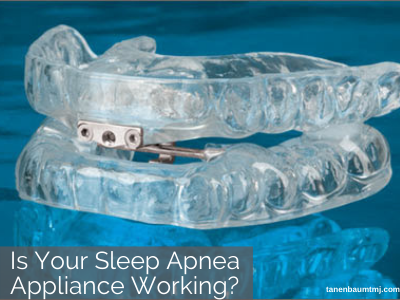
Is Your Sleep Apnea Appliance Working?

Snoring and obstructive sleep apnea are not only disruptive to your bed partner; they may also be the cause of many other illnesses. And as we have seen in the news recently, can result in deadly vehicle accidents. If you have opted to wear an oral appliance at night for snoring and/or sleep apnea (as opposed to using a CPAP machine) you may have noticed that it’s not working as well as it did when it was first fitted by your dentist. So, how do you know if your sleep apnea appliance is working?

John: A Case Study

My patient John is a 45-year old who had chosen to wear a sleep appliance to spare his wife from the disrupted sleep she was experiencing as “he snored like a jackhammer.” However, after a period of time his snoring (and consequently his wife’s nighttime annoyance) had reappeared.

John came to my office and we sat down to talk. He confessed that he had gained a whopping 15 pounds over nine months, so it wasn’t surprising that the appliance was no longer effective. I subsequently corrected the fit of his appliance (basically moving it slightly forward), which took care of his nightly jackhammer snoring (and probably saved his marriage!). But, another problem developed.

John began experiencing morning jaw tension and an awkward bite, which lasted for about an hour. Another visit to the office and a bit more adjustment took care of the issue. Now John is sleeping peacefully and not worried about a TMJ problem. So, if you use an oral appliance to manage sleep apnea/snoring, and your weight varies you should be going back to your dentist to reset the appliance

How To Determine If Your Oral Appliance Is Working

For those snoring without sleep apnea, your bed partner feedback will certainly alert you as to when the appliance is not working, but how do you know if you live alone? If you sleep alone and are wearing an appliance to protect the tissues in the back of your throat from the consequences of snoring over time, monitoring is key.

How To Monitor Snoring and Apnea With Technology

There are a number of mobile apps that can monitor your snoring at night. The best ones are SnoreLab and SnoringU.

For those with obstructive sleep apnea (with or without a bed partner) the absolute best way to know if your appliance is working properly is to use a pulse oximeter on two consecutive nights. A pulse oximeter will measure your blood oxygen levels while you are sleeping. If there is less than optimal oxygen your blood, then your appliance needs to be adjusted. The pulse oximeter can be purchased online or provided by your dentist.

Even more information can be obtained through using a HST (home sleep test), which is often covered under insurance plans and obtained through a sleep clinic or your dentist.

Important: technologies such as FitBit and JawBone cannot be used for monitoring oral appliances and Basis Peak and Microsoft Band, though sensing body motion and monitoring heart rate, also come up short.

The message is clear…don’t assume that once fitted, your oral appliance will always maintain its effectiveness. It’s necessary to have it monitored at least once, preferably twice, every year.


Dr. Donald Tanenbaum is a specialist with offices in New York City and Long Island, NY. He is uniquely qualified to diagnose and treat problems associated with facial painTMJ, headaches and sleep apnea.

Categories
TMJ

FDA Looking At Conditions That Impact Quality Of Life


There are hopes that TMD will be included.

I’m happy to announce some great news. The FDA (The Food & Drug Administration) is taking a closer look at medical conditions that can have a significant impact on your quality of life. Starting in 2016 the FDA will hold public meetings with the goal of determining the impact on daily life of 20 chosen diseases, and to look at the scope of services that are available to treat these conditions.

The TMJ Association is making huge efforts to have TMD (Temporomandibular Disorder) chosen as one of the diseases that will be focused on. That TMJ problems affect your quality of life is not news if you are one of estimated 35 million Americans who suffer from it every day.

Chronic pain problems, like TMD, rarely occur alone. It is estimated that 85% of TMD patients have other chronic pain conditions such as headaches, endometriosis, fibromyalgia, interstitial cystitis, irritable bowel syndrome, chronic fatigue syndrome, sleep disorders, or vulvodynia. In many cases these conditions are so complicated that patients don’t know where to turn to for care. As a matter of fact, I see many patients every week who have been told that they will never get better and that their problem is in “the head.”

If chosen as one of the conditions to be studied by the FDA, more information will be made readily available to you, the public, as to the nature of TMD and the treatments that are available.

Here are some facts about TMD that more people need to know:

  • TMD problems are orthopedic in nature.
  • TMD problems may be the result of (or aggravated by) rheumatologic, autoimmune or neurologic conditions.
  • Women are the largest group with TMJ symptoms as a result of specific biologic predispositions, some of which are hormone-driven.
  • Common TMJ problems may be the result of an accident, overusing the jaws, bad posture, teeth grinding (bruxism), or muscle tension caused by by emotions and life’s challenges.
  • Treatment for TMJ disorders should not focus merely on the teeth; the ultimate goal should be tissue healing and change of habits.
  • Getting better typically will lead to less pain, less medication, better function and increased optimism in people who before had anticipated a lifetime of suffering.

The same as with other orthopedic problems, after treatment patients may still have some pain, but it is likely that it will be at a much more tolerable level.

For all of you TMD/TMJ sufferers out there, the fact that the FDA has recognized that it’s time for this type of condition to be validated is welcome news. The result will be more access to information and thus, more access to treatment.


Dr. Donald Tanenbaum is a specialist with offices in New York City and Long Island, NY. He is uniquely qualified to diagnose and treat problems associated with facial painTMJ, and headaches.

Categories
Jaw Problems

6 Foods That Can Break Your Jaw

Just this week I treated two patients who unfortunately chose to eat foods that not only are known to often cause fractured teeth but also can at the same time create significant jaw injuries. Now, a particular food can’t actually “break” your jaw, but an injury in the jaw joint (TMJ) can certainly feel like it.

To start the conversation, picture this: the jaw joints (or “hinges”) and the attached ligaments allow you to open and close your mouth. The attached muscles and tendons provide the power for this movement. So, if you think about the jaw as an orthopedic system (just like the knee) it is subject to sprains, strains, ligament stretch, slipped cartilage and inflammation that at times can be severe. When you bite into or munch repetitively on hard or large food substances, you can cause significant painful damage to your delicate jaw joints.

Here are the top offenders:

1. Bagels
In New York City the unquestionable leading offender is the bagel. But it’s not the hot steamy variety that has just come out of the oven or the fake-out options in the grocery store such as Lender’s Bagels. The problems come from the overly-toasted, crisp beauties that are consumed daily with cream cheese or stacked high with tomatoes, onions and favorite delicacies and eaten like a sandwich.

The most treacherous situation occurs when a college student has no choice but to grab a 3-day old, shiny bagel wrapped in cellophane and then tries to eat it as he or she runs between classes. Inevitably, I find myself providing care to students returning for the Thanksgiving or Christmas break. And this week is no exception.

2. Biscotti
Next in line are those irresistible biscotti cookies that land on your table after overindulging at your favorite Italian restaurant. The coffee or tea is on the table for dunking, but what are the chances that you will dunk the biscotti before sinking your teeth into one of those “jaw crackers?” You first encounter firmness but that doesn’t deter you from trying to break off a piece with your front teeth. With each successive effort to win the battle, you are one step closer to traumatized and sprained TMJs.

For those who have been on the cusp of this occurrence you know exactly what I am talking about. For those of you have met your match and subsequently suffered with jaw pain, limited jaw motion or joint noise, I suspect you have since become dunkers.

3. Sourdough Pretzels
Not far behind biscotti is a snacking favorite, the infamous Sourdough Pretzel. While it’s OK to eat just one or two, something compels most of us to finish the entire bag even though our jaws begin to rebel after 10 minutes. The end results are tired jaw muscles, a headache in the temples, or a painful TMJ that prevents you from eating a normal diet for a few weeks.

4. Chocolate
Chocolate delicacies are also on the Jaw Breakers list. How many of you have bitten into a piece of chocolate that you anticipated would be soft? Unfortunately by the time your brain realizes that you are up against a piece of concrete your jaw muscles have contracted with such force that your TMJs are pushed beyond their limit. The end result has been reported as “I heard an explosion in my jaw joint and since then I can’t open my mouth or bring my teeth together properly!”

And don’t forget about the frozen Snickers and Milky Way bars that have been left in the freezer for a few months. One wrong decision here may become a midnight snack you would like to forget.

5. Sandwiches
Last but not least is that oversized burger on a bun or Panini sandwich. Though soft in consistency, the need to open your mouth like an alligator is all it may take to end up reaching for Advil to ease the sharp pain radiating into your ear or in severe cases, spending the next few hours in the emergency room with your jaw stuck in an open position.

6. Candy-Covered Apples
These ruby colored beauties on a stick are particularly dangerous because they look so delicious. Almost impossible to easily bit into, they have caused jaw problems for years, particularly around Halloween.

In Conclusion

Try to exercise some good judgment and restraint when contemplating your next bite. This is particularly true for women whose joint ligaments are more vulnerable to stretch and whose muscles are more prone to fatigue. If you sense you are pushing your luck, you are probably right!

Seek care if you have suffered the consequence of an overzealous bite, particularly if several weeks have passed and you’re still suffering.

Live or work in New York City or on Long Island? You can schedule a consultation with me here or call 212-265-0110.

Categories
Persistent Toothache

A Toothache Can Be Caused By Arthritis


Though it seems strange, a toothache can be caused by arthritis. This was what happened to one of my patients this past year. It all started when John began to experience acute pain in an upper right molar. His dentist could not find a reason for the pain, since upon evaluation there was no decay or other problem apparent. So John was sent home with instructions to use Advil or Tylenol and hope for the best.

But John’s tooth pain persisted. He returned to his dentist’s office where more x-rays were taken and a root canal procedure was scheduled, albeit reluctantly. But even after the root canal, John’s tooth still ached and at times a neighboring tooth seemed to hurt, as well. John’s complaints ultimately led to the extraction of the offending right molar.

Then John started to experience pain in the extraction site and the teeth surrounding it. To make matters even worse, the same scenario began to unfold on his left side. And still, his dental team (comprised now of a number of specialists) found nothing on x-rays or during examination to explain it.

John’s suffering grew to the degree that the quality of his life was completely compromised. In desperation, he agreed to yet another root canal and subsequent tooth extraction. No change.

By this time there was no doubt that the source of John’s wicked tooth pain had to be of non-tooth origin. His persistence in seeking care and his unwavering belief that “there must be something wrong with my tooth” led him finally to me.

We found the answer to John’s suffering and was buried in his medical history. About one year before his tooth problems began, he had sought care for multiple joint pain throughout his body. The diagnosis was a (systemic) inflammatory condition called Spondyloarthropathy, which causes pain similar to what is associated with arthritis. A rheumatologist prescribed a few months on Enbrel, a medication used to treat inflammatory autoimmune conditions, and John’s body pain symptoms went into remission.

Let’s discuss arthritis for a brief moment: Arthritis essentially means “inflammation within a joint.” This same type of inflammation can occur in tendons and ligaments, the attachment sites in muscles and joints that keep us moving and functioning. Ligaments are also what attach your teeth to their bony sockets. They are called periodontal ligaments. Therefore, unexplained tooth pain can be due to an irritable periodontal ligament.

John’s medical history was the key to finally figuring out why he experienced acute tooth (and tooth site) pain that did not respond to conventional dental treatment. His tooth pain was the result of irritated periodontal ligaments. It took only three weeks back on Enbrel for John’s tooth site pain to go away. If his arthritis condition flares-up again, his tooth pain may reemerge. But, for now John is pain-free and able to enjoy his life again.

Here’s the moral of the story: As a patient you must share your medical history with any doctor who is having difficulty with a diagnosis. And as medical professionals, we must remember to ask all the right questions, request records and collaborate with other doctors on behalf of our patients.

Pain is real and no stone should be left unturned to find the source.

Live or work in New York City or on Long Island? You can schedule a consultation with me here or call 212-265-0110.

Categories
Sleep Apnea

Communter Train Operators To Be Treated For Sleep Apnea

[NOTE: This post was previously published on October 15, 2014. In light of the recent announcement that Metro-North railroad will be starting a pilot project in January 2015 to test drivers for sleep apnea, I thought I’d post it again.

“The railroad’s 410 train operators and 20 more in training will be screened for the sleep disorder by a Metro-North health department,” according to the New York Post. “Those recommended for additional screening after the initial evaluation will be referred to a company that specializes in sleep disorders, according to the MTA.”

This is truly good news for anyone who uses the railroad every day to commute to and from work. Yes, the public is becoming more aware of the dangers of sleep disorders, but unfortunately, it sometimes takes a horrific accident such as this one to get things moving.

On the morning of December 1, 2013 a Metro North derailment in the Bronx cost four passengers their lives and injured 59 more, many seriously. Although the National Transportation Safety Board has not determined the exact cause of the accident, the agency has stated that the driver suffers from a condition called Obstructive Sleep Apnea, also known as OSA.

OSA is characterized by excessive daytime sleepiness, which is a result of night after night of poor quality sleep. When you have OSA your airway is partially blocked and your breathing repeatedly stops and starts multiple times during the night. Your blood oxygen level drops causing your brain to be aroused – essentially waking you up.

The airway obstruction and thus the drop in blood oxygen levels can be caused by a number of risk factors of which you may have one or more:

  • Excessive weight
  • Large tongue
  • Big tonsils
  • Small lower jaws that fall backwards while sleeping
  • Long and floppy soft palates and uvulas.

If you snore, stop breathing, and toss and turn all night, it’s likely that you have OSA. Certainly if you are awakened frequently throughout the night, you will be exhausted when you get up and more exhausted as the day wears on.

Obstructive Sleep Apnea Treatment

Medical care for OSA is focused on encouraging patients to lose weight, a change in sleeping position, and even surgery in some cases. Tonsils, the uvula, and even the size of the tongue can be adjusted. But, the most common therapy is called C-PAP (continuous positive airway pressure) which involves the nightly use of a mask which is connected to a small machine that sits next to your bed.

As an alternative, or in addition to C-PAP, are oral appliances, which bring the jaw forward and move the tongue away from the airway. Ongoing research has shown that these appliances not only work well, but compared to C-PAP may be easier for patients to deal with night after night. Happily, there are now ways to test whether an oral appliance would be a good option for you (ahead of time while in your own bed!).

My Opinion About OSA Related Accidents

Let’s get back to last year’s Metro North accident. The driver reported that he had gone into a “daze” as the train careened many miles above the speed limit toward the curve. Before the accident, doctors had diagnosed him as obese and having hypothyroidism, high cholesterol, low testosterone, vitamin D deficiencies, B12 deficiencies, and mild high-frequency hearing loss.

But the driver had never been screened or examined for Obstructive Sleep Apnea until after the accident!

It’s impossible to ascertain how many deadly vehicle accidents are related to undiagnosed or poorly treated OSA. We will likely never know.

I believe that it should be mandatory for all drivers of public transportation vehicles (and all truck drivers who spend long hours on the road) to be tested and treated for OSA. Imagine…oral appliances could find their way into the overnight supplies carried by truck drivers who park at rest stops, pilots who sleep at airports, and train conductors who similarly catch a few hours of sleep during the course of their work schedules.

We have the tools, now is the time to become more effective educators and providers of care and keep the public safe from these mostly avoidable deadly disasters.

Read more about the Metro North accident here: http://www.huffingtonpost.com/2014/04/07/metro-north-driver_n_5107612.html

Dr. Donald Tanenbaum is a specialist with offices in New York City and Long Island, NY. He is uniquely qualified to diagnose and treat problems associated with Obstructive Sleep Apnea

Categories
Headaches TMJ

Transcendental Meditation Can Ease TMJ Symptoms and Headaches

In my practice I work with patients who suffer from facial pain, tight jaws, headaches (of a muscle or migraine variety), neck pain, or a combination of two or three symptoms. Some of my patients are poor sleepers and many of them grind and clench their teeth at night, resulting in problems with the TMJ (temporomandibular joint). But what most of these patients have in common is an extraordinarily high level of stress due to tension at work, overwhelming financial burdens, caring for aging parents, and more.

Sound familiar to you? Read on:

The logical way to reduce stress would be to make some big changes in your life, right? But that’s no simple task, if it’s possible at all. Unfortunately, when you live with stress over a long period of time your brain can become either fatigued, upset, or both. In this state you are more likely to develop physical ailments associated with the muscles of the head, neck and jaw. This perpetual state of mind-body imbalance can result in unhappy muscles resulting in facial pain, stiffness, spasms, limited head or jaw motion, and/or frequent muscle or migraine headaches.

The question then becomes “Are there treatment strategies that deal with the source of unhappy muscles instead of merely dealing with the end result?” This is where Transcendental Meditation (TM) comes in. Though it is far from being the only technique that addresses brain fatigue and upset, there is increasing scientific evidence that suggests that TM can help achieve mind-body balance.

How does TM work to ease TMJ symptoms and headaches?

The practice of TM promotes restful alertness of the mind. When you are in a restful alertness state there is improvement in the coordinated functioning of all parts of your brain (called EEG Coherence). EEG Coherence means that brain is operating in its most efficient way. In this state there is synchronization of the many types of brain waves communicating with your organ systems, and your organs are communicating in synchronization with your brain. When these communication pathways work well, muscles and joints are under a lower level of strain, they fatigue less, and they function more smoothly and easily.

Over time, people who practice TM report less pain, decreased strain, and more comfort in their face, jaw, neck and head.

As a doctor whose specialty is treating pain I will always have patients who need prescriptions, muscle or joint injections, oral appliances, exercises, rehabilitation and other relaxation strategies. But I now strongly advise all my patients to consider making Transcendental Meditation a part of their daily routine. So far, the feedback from my patients who practice TM is very encouraging.

After a consultation in my office I can refer you to one of the TM centers that I work with; sometimes even enabling you to receive a lowered fee to be trained.

Do you practice TM? Please feel free to share your experience here:

Dr. Donald Tanenbaum is a specialist with offices in New York City and Long Island, NY. He is uniquely qualified to diagnose and treat problems associated with facial pain, TMJ, and headaches.

Categories
Jaw Problems

Lockjaw – What To Do When You Can’t Open Your Mouth

The clinical term “lockjaw” refers to a specific problem that can be the sign of a serious bacterial infection called Tetanus. Happily, due of the widespread use of the vaccine, it is extremely rare today for anyone in the U.S to develop it. But the expression “Lockjaw” lives on and is today what most people use to describe the scary feeling of waking up in the morning unable being unable to open your mouth without extreme pain.

In most cases, the causes of this kind of lockjaw are not because of a disease, but are usually related to overuse of the jaw muscle, which work much like a hinge. But that fact doesn’t mean that the average person doesn’t get very panicky when his or her mouth just won’t open without extreme pain.

If you were vaccinated for Tetanus as a child and you haven’t experienced any trauma or injury to your jaw, it’s likely that you can’t open your mouth because your jaw muscles are in spasm. Here are a few tips that should help ease the pain, help you open your mouth, and get you on your way:

Lockjaw: What To Do When You Can’t Open Your Mouth

First Thing In The Morning
If you wake up with jaw muscles which are in spasm and you can’t open your mouth or can only open it slightly, it’s a sign that you have either been overusing your jaw muscles during the day or you have been aggressively grinding or clenching your teeth during of the night. Unfortunately, grinding (also called bruxing) and clenching are common in today’s high-paced world especially for people who spend most of their working hours at a computer. Here’s what to do:

Lockjaw in the Morning
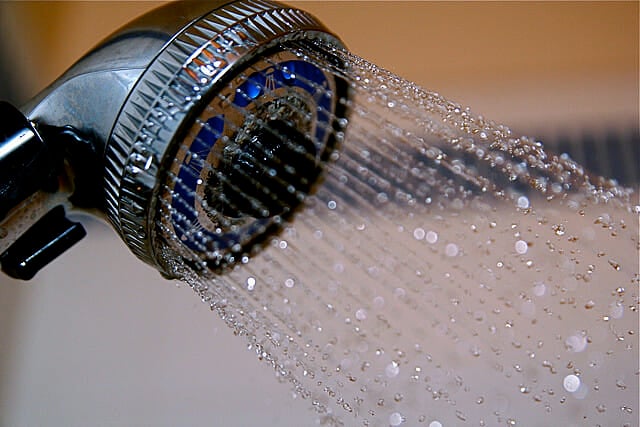
Use Moist Heat: Get into a hot shower and while the water is running on your face, gently massage your temples and your jaw. Do this for five minutes. Take a break and then do it for five more minutes. This simple method should ease the muscle spasms enough for you to gently ease your mouth open without pain.

What To Do During the Day To Avoid Lockjaw
Start to pay attention to behaviors or habits that overwork your jaw muscles and work to change them. These are commonly

  • Nail biting
  • Cuticle gnawing
  • Chewing on pens or pencils
  • Biting your lips or cheeks
  • Clenching or grinding your teeth (especially while you are working at your computer)

When To See Your Dentist
If you are experiencing a locked jaw most mornings, and if you feel or hear “clicking” in the joint your jaw joint is probably “slipping.” This is a more serious problem that needs medical attention right away.

Aside from being really frightening most cases of lockjaw are not serious. Try to change some of your habits and you will probably experience a reduction in the occurrence of this painful problem.

Dr. Donald Tanenbaum is a specialist with offices in New York City and Long Island, NY. He is uniquely qualified to diagnose and treat facial pain associated with jaw problems, and TMJ. Find out more at www.nytmj.com

Live or work in New York City or on Long Island? You can schedule a consultation with me here or call 212-265-0110

Categories
Persistent Toothache Referred Pain

Lingering Toothache After Root Canal

When the recommendation has been made for wisdom teeth removal, and the patient has (or has experienced TMJ problems), some very important factors must be considered because TMJ problems and wisdom teeth removal sometimes don’t play nice with each other. The trauma to the jaw during surgery can make TMJ problems flare and potentially cause longer-term problems including pain, additional joint noises and more challenging joint locking problems.

Consider the following case: An 18-year old female is preparing to go off to college in the fall. Although she is experiencing no pain symptoms associated with her wisdom teeth, her dentist and consulting oral surgeon have made a recommendation to have all four removed, in order to avoid potential problems while she’s away at college.

The patient and her parents are concerned that her recently stabilized TMJ problem (clicking, pain and sporadic morning locking) will flare up as a result of the extraction process. Is this a legitimate concern, or excessive worry?

Since TMJ problems are orthopedic in nature it is logical to assume that a difficult extraction event can cause a managed TMJ problem to resurface. This is particularly relevant if the patient mainly had joint problems that required care. Females more than males are at risk due to the fact that their TMJ structures are biologically more susceptible sprain and strain.

The following is my recommended list of questions that should be discussed before the patient goes ahead with the wisdom teeth extraction.

1. Should the teeth be left in place for a year or two to ensure further healing of the TMJ problem?

2. Should two teeth be taken out initially, instead of all four? (A lengthy surgery could therefore be avoided.)

3. Should a local anesthetic alone be used so that the patient could communicate with the surgeon if in fact she felt that the jaw was being stressed, or should sedation/general anesthetics be used to relax the patient’s muscles and diminish muscle tension due to fear.

4. Should an intravenous steroid be routinely used to minimize any potential muscle/ joint inflammation, which would lead to post-extraction pain, and excessive/prolonged limited jaw motion.

Clearly there are no easy answers to these questions. The important message is that if your son or daughter is in this position, please be proactive and ask the difficult questions.

Some more questions to consider:

  • Is the jaw clicking and/or locking due to instability of the joint ligaments or movement of the shock-absorbing disc?
  • Are the wisdom teeth impacted in bone, are they fully or partially erupted, and if impacted, are they lying on their sides? (If they are lying on their sides, it will likely require more time and more bone removal to be extracted).
  • Is there inflammation of the gum tissues surrounding or overlying the wisdom teeth? Or is the plan to remove them designed to prevent possible acute periods of pain while the patient is at school or traveling overseas for an extended period of time?
  • Is there concern that the erupting wisdom teeth may cause undesirable tooth movement after orthodontics has been completed?
  • Does the patient’s gender and age make a difference in the outcome?

Patients with TMJ histories must be handled thoughtfully, and with an open mind. Remember, the removal of wisdom teeth is most often an elective procedure. Delaying their extraction may carry with it additional risks, but a patient with a history of TMJ problems, (particularly a young female) is always at risk during the extraction process.

Categories
TMJ

TMJ Problems and Wisdom Tooth Removal – Is There a Right Time?

When the recommendation has been made for wisdom teeth removal, and the patient has (or has experienced TMJ problems), some very important factors must be considered because TMJ problems and wisdom teeth removal sometimes don’t play nice with each other. The trauma to the jaw during surgery can make TMJ problems flare and potentially cause longer-term problems including pain, additional joint noises and more challenging joint locking problems.

Consider the following case: An 18-year old female is preparing to go off to college in the fall. Although she is experiencing no pain symptoms associated with her wisdom teeth, her dentist and consulting oral surgeon have made a recommendation to have all four removed, in order to avoid potential problems while she’s away at college.

The patient and her parents are concerned that her recently stabilized TMJ problem (clicking, pain and sporadic morning locking) will flare up as a result of the extraction process. Is this a legitimate concern, or excessive worry?

Since TMJ problems are orthopedic in nature it is logical to assume that a difficult extraction event can cause a managed TMJ problem to resurface. This is particularly relevant if the patient mainly had joint problems that required care. Females more than males are at risk due to the fact that their TMJ structures are biologically more susceptible sprain and strain.

The following is my recommended list of questions that should be discussed before the patient goes ahead with the wisdom teeth extraction.

1. Should the teeth be left in place for a year or two to ensure further healing of the TMJ problem?

2. Should two teeth be taken out initially, instead of all four? (A lengthy surgery could therefore be avoided.)

3. Should a local anesthetic alone be used so that the patient could communicate with the surgeon if in fact she felt that the jaw was being stressed, or should sedation/general anesthetics be used to relax the patient’s muscles and diminish muscle tension due to fear.

4. Should an intravenous steroid be routinely used to minimize any potential muscle/ joint inflammation, which would lead to post-extraction pain, and excessive/prolonged limited jaw motion.

Clearly there are no easy answers to these questions. The important message is that if your son or daughter is in this position, please be proactive and ask the difficult questions.

Some more questions to consider:

    • Is the jaw clicking and/or locking due to instability of the joint ligaments or movement of the shock-absorbing disc?
    • Are the wisdom teeth impacted in bone, are they fully or partially erupted, and if impacted, are they lying on their sides? (If they are lying on their sides, it will likely require more time and more bone removal to be extracted).
    • Is there inflammation of the gum tissues surrounding or overlying the wisdom teeth? Or is the plan to remove them designed to prevent possible acute periods of pain while the patient is at school or traveling overseas for an extended period of time?
    • Is there concern that the erupting wisdom teeth may cause undesirable tooth movement after orthodontics has been completed?
    • Does the patient’s gender and age make a difference in the outcome?

Patients with TMJ histories must be handled thoughtfully, and with an open mind. Remember, the removal of wisdom teeth is most often an elective procedure. Delaying their extraction may carry with it additional risks, but a patient with a history of TMJ problems, (particularly a young female) is always at risk during the extraction process.