Manhattan

212-265-0110

White Plains

914-227-2305

Springfield, NJ

973-315-7830

Hauppauge

631-265-3136
Categories
Bruxism TMJ

5 Long-Term Effects of Bruxism

Millions of people suffer the effects of bruxism, which is the involuntary grinding and or clenching of the teeth at night. There are many reasons why you may brux your teeth. Getting to the bottom of the causes and designing a course of treatment for bruxism sufferers is a large part of what I do daily in my practice.

Since it happens at night, you may not be aware that you are grinding! However, if you consistently wake up with an aching jaw or a morning headache, there’s a good chance that you are bruxing in your sleep.

So, why is this a problem?

Because the long-term effects of bruxism can be serious:

1. A Change In Your Profile: If you are noticing that your jaw is becoming more “square” it may be a result of bruxism. As you grind, your masseter muscles can get more and more bulky. This may not bother a man, but for women, it is very concerning.

2. Sore and Worn Teeth: Bruxism can destroy your teeth! Not only can it wear them down, some people rip right through the enamel. Once enamel is compromised, the underlying dentin wears at a rate 6x faster than enamel. This affects your bite, your appearance, and even your health.

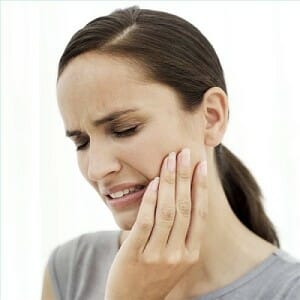
3. Jaw Pain: Some people experience jaw pain and soreness, especially in the morning. However, this pain can also linger through the day and even keep you from opening and closing your mouth without discomfort. Many individuals have daily ongoing pain in their face and jaw as a result of the nightly grind.

4. TMJ noises: Other consequences of bruxism may be the onset of jaw joint clicking as a result of strained ligaments and a dry joint environment that results from compression of the TMJs. Clenching, in particular, can squeeze all the moisture out of these joints leading to noisy, painful situations, and sometimes even locakjaw.

5. Headaches: Morning headaches in the temples are common in people who brux. As the temporal muscles fatigue during bruxism, lactic acid builds up which irritates the nerves in the muscle and the result can be a headache. In patients who suffer from migraines, this is a particularly troublesome situation, as it can trigger a more severe situation.

If you are experiencing any of the above, there’s a good chance you are bruxing. The long-term effects of bruxism can impact your life. See your dentist for advice. If you have been treated by a dentist, and are still suffering, now’s the time to seek out the help of a dentist with extensive training in this field.

Dr. Donald Tanenbaum is a specialist with offices in New York City and Long Island, NY. He is uniquely qualified to diagnose and treat facial pain associated with jaw problemsTMJreferred painnerve pain, and migraines. Find out more at www.nytmj.com.

Categories
Bruxism TMJ

5 Reasons You May Be Grinding Your Teeth

Tooth grinding (also called bruxism) is a real problem for thousands of people. It can wear down teeth, loosen teeth, and even cause severe jaw muscle and TMJ pain. At times clicking and locking of the TMJs (Temporomandibular Joint) can result from long-term bruxism. If you think you have this problem you have probably asked yourself “Why do I grind my teeth at night?”

Research suggests that tooth grinding is likely to occur if the brain becomes aroused during sleep. There are two stages of sleep during which Bruxism is most likely to take place. These include Stage 2 Sleep, which is one of the first and lighter stages of sleep and lasts approximately 20 minutes and REM (Rapid Eye Movement Sleep). Most dreaming occurs during REM.

Here are some of the suspected reasons for brain arousal (and therefore teeth grinding) during sleep:

    1. Insomnia – Individuals who have a hard time getting to sleep or staying asleep seemingly experience bruxism more often than those who don’t.


    1. Sleep Apnea and Snoring – There is some evidence that in people who have obstructive sleep apnea (breathing stops while sleeping due to airway obstruction, prompting the brain to be aroused) that tooth grinding frequency increases.


    1. New Motherhood – Being frequently awakened by a crying baby or anticipating a baby’s needs disrupts sleep and new moms report higher or new teeth grinding activity.


    1. Medications – The use of antidepressants such as Paxil and Effexor have been shown in some people to induce tooth grinding.


  1. High Achievers and Daytime Stress – People who operate at a high mental pace during the day tend to clench and grind more at night.

The Good News! There is treatment for teeth grinding regardless of the cause of the brain arousal. If you have insomnia, talk to your doctor. Medication or therapy or both can really help. Also, sleep apnea is very easy to detect (if your partner hasn’t already told you!) by a sleep study at home or at a clinic. If you are diagnosed with sleep apnea, there are a myriad of ways to treat it, from oral appliances to CPAP machines.

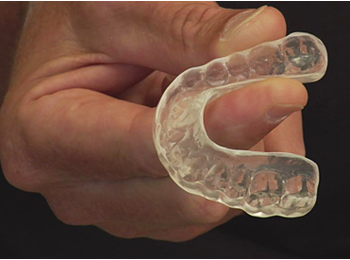
If the stresses of everyday life are causing your grinding, a custom made oral appliance (night guard) can work wonders. It won’t prevent you from grinding but it will ensure that your teeth aren’t damaged and that your jaw muscles and TMJs are not overworked.

For severe bruxism, you may need to see a TMJ specialist who can provide a variety of treatment options to address the origins and consequences of your bruxism.

Dr. Donald Tanenbaum is a specialist with offices in New York City and Long Island, NY. He is uniquely qualified to diagnose and treat facial pain associated with jaw problemsTMJreferred painnerve pain, and migraines. Find out more at www.nytmj.com.

Categories
Persistent Toothache

Lingering Toothache – Is It A Sprained Ligament?

Fortunately for those of us who have experienced a lingering toothache, relief typically follows a visit to the dentist. Whether a filling, a crown (cap) or root canal therapy was necessary, pain reduction is common within 24-48 hours. But when a toothache won’t go away in spite of the fact that the tooth pulp is healthy based on examination and x- ray investigation, believe it or not, it may be due to a sprained ligament.

To understand how a toothache can be the result of a sprained ligament, a quick review off the anatomy of a tooth is essential:

Every tooth in the mouth is anchored to the bone in which it sits by a structure called the periodontal ligament or PDL. This ligament is no different than any other ligament in the body, and when healthy, is responsible for maintaining the tooth in a stable position. This ligament, which is mainly composed of water, also acts as a shock absorber. The PDL is teeming with nerve endings, which gives it a great capacity to guide our chewing movements and tell the brain how much force to exert based upon the consistency of food in the mouth.

In addition, the PDL is the “GPS system” of the oral cavity and is so fine-tuned in its functioning that it can find a small fish bone in the midst of a mouthful of food. This capability helps protect the teeth and the surrounding soft tissues from injury that could otherwise occur during normal function.

  • Tooth pain is typically the first symptom of a PDL sprain. Common ways that sprains happen are:
  • Biting on food that is harder than anticipated
  • Impact from an expanding airbag
  • Chin trauma that forced the teeth together
  • An accidental collision with a baby’s head
  • Dental or oral surgery
  • Daytime overuse such as nail biting or pencil chewing
  • Nighttime clenching or tooth grinding (bruxism)

Once sprained, these ligaments may take some time to heal simply because it is difficult, if not impossible, to avoid using the tooth or teeth involved during chewing, speaking, and even at times, swallowing. Over time if the PDL is continually insulted, the tiny nerve endings in the ligament will become sensitized (similar to being sunburned) and as a result pain levels will increase and often spread to the surrounding gum tissue and neighboring teeth. And, if daytime overuse behaviors continue and/or sleep bruxism persists, the pain will likely continue.

Because this problem is not in the tooth pulp, or due to compromise of hard tooth structure, any dental efforts to fix the problem will likely lead to even more exacerbation of the pain. Like all ligaments if a sprain occurs, rest and support are often needed in order for healing to occur.

The key therefore is to identify why the sprain occurred before treatment is planned. If due to a single and identifiable event, time is the best therapy as healing will usually occur. Taking an anti-inflammatory medication like Advil or Aleve for five to seven days can also help along with avoidance of chewing on the painful tooth. If you suspect that night clenching or grinding of the teeth is the cause, then the use of an oral appliance  while sleeping may be the best remedy.

At times trauma to a tooth may cause ligament pain that lingers and becomes chronic due to nerve endings that begin to fire spontaneously even when provoked by normal daily activities like speaking, swallowing and eating even soft foods. These situations may  require medications that work to quiet irritable nerve endings. The most important thing to remember is that these problems are not solved by root canal therapy and this direction of care should be avoided.

Live or work in New York City or on Long Island? You can schedule a consultation with me here or call 212-265-0110

Categories
BOTOX® Bruxism Jaw Problems

Case Study: 10 Years of Teeth Clenching

Last week a 44-year old woman came in to see me concerned with the fact that the her face had become more and more “square-shaped” over the past ten years. She openly revealed that working full time and raising three kids had been no easy task for her and that she often went through the entire day with her teeth clenched. I explained to her that those ten years of teeth clenching had essentially been causing her to make a “fist in her face” for all those years. With that kind of daily stress on the muscles, it’s no wonder that her face had changed!

The end result of her clenching behavior was that she had “buffed” her jaw muscles. They bulged outwardly just like your biceps would as a result of lifting weights every day over a prolonged period of time. Remarkably, my patient never experienced any pain in her face or her jaws, which probably would have caused her to seek help sooner. The issue for her now, however, was the change in her appearance.

My examination (not surprisingly) revealed that she had bulky and powerful jaw muscles (masseter) that bulged outwardly when her teeth were clenched together. Even the muscles in her temples bulged! Over the decade this patient had actually increased the size and number of muscle fibers giving her a ‘Clint Eastwood’ look.

The first hurdle in treatment was to get the patient to actually change her acquired behavior and learn to live in the world with her teeth apart during the day. The clenching tendency that she had developed was likely the result of trying to cope with her daily stresses, some of which were not under her control. Relaxation and breathing techniques were reviewed, and she began to use an oral appliance during the day to create awareness. This was the first part of the plan. As experience has taught me, just stopping new muscle building does not effectively reduce the bulk of jaw muscles in a predictable fashion. Once built, these muscles tend to stay large as a result of normal daily activities. So what next?

BOTOX® Injections:
In order to actually decrease the size of her well-built muscles, we needed to reduce the ability of these muscles to contract forcefully on a day-to-day basis. This is where BOTOX® can really help. We administered three BOTOX® injections into the patient’s masseter muscles; each injection session approximately three months apart. With time, the BOTOX® led to muscle atrophy (size reduction and less strength) without compromise of eating or talking along the way. The result was a return to a more normal jaw profile.

To assure a lasting result my patient has to continue participating. This means teeth apart during the day and wearing the bite plate appliance at night (to diminish the impact of her night clenching). Some simple jaw stretching exercises are also required to keep the jaw muscles supple.

Although it took almost one full year from start to finish, this cosmetic makeover has truly made a difference in slimming my patients’ facial profile that was the end result of years of muscle building. This is probably the only time that reducing muscle bulk actually can make someone look better!

BOTOX® for teeth grinding is in the news! I was recently interviewed on ABC’s Good Morning America on the topic, Can BOTOX® be used to treat teeth grinding?  Click the link to watch the segment.

Categories
Jaw Problems TMJ

4 Medications For TMJ Problems

As a TMJ specialist, there are times when medications are an important part of the treatment strategy. Though side effects must be kept in mind, there are medications that are often extremely helpful for short periods of time. So, for many TMJ sufferers, I have found that there are some medications that work rather well to address pain, muscle tension, and jaw motion restrictions.

However, it’s the way that these medications are used that differentiates their effectiveness. The following information should be very helpful to those considering (or currently) taking medications for a TMJ problem.

1. Advil (Ibuprophen) and Aleve (Naproxen): For pain, particularly when inflammation is present. Very important! Advil and Aleve are not muscle relaxants, in spite of what many people believe. They are classified as non-steroidal anti-inflammatory drugs and designed to reduce inflammation in joints and muscles. Most important: For individuals who have had jaw problems for an extended period of time, these medications must be taken for 2-4 weeks in order to be maximally beneficial. At the same time, the factors that caused the inflammation must be addressed or the medications will have limited benefit.

For some inflammatory problems associated with the temporomandibular joints specifically, these medications may be necessary for 8-12 weeks just like they would be required for this duration for inflamed and painful knees. Because Advil and Aleve can upset the stomach and kidneys, care must be taken when extended use is prescribed. Alleve has been recently recommended to be the anti-inflammatory of choice for those at risk for a heart attack or have a history of heart problems .

2. Tylenol (Acetaminophen): For pain when inflammation is not present. Acetaminophen is a different class of drug than Advil and Aleve and is not an anti-inflammatory medication. It is an analgesic that is effective to relieve pain when inflammation is not present. Your doctor must monitor long-term use of Acetaminophen as it can induce headaches and can compromise liver function (particularly in individuals that consume alcohol daily).

3. Muscle Relaxants: Commonly known muscle relaxants are Flexeril, Soma, Skelaxin, Zanaflex and Robaxin. This class of drug can only be obtained with a prescription. Muscle relaxants can be used both during the day and at night before going to bed. Because some people experience fatigue when using them particularly during the day, we often need to try several types to get the right one.

Muscle relaxants can also be used while taking other products such as Aleve, Advil and other prescription anti-inflammatory options. The time frame over which these medications are taken is variable but can be used for many months (particularly when taken only at bedtime).

An added bonus for patients taking muscle relaxants is that they promote restful sleep and can often reduce the intensity of nighttime grinding and clenching of the teeth.

4. Anti-Anxiety Medication: When anxiety and worry are driving muscle tension and pain in the face and jaw it is not uncommon to prescribe small doses of anti-anxiety medications for a short period of time to be taken during the day, at bedtime, or both. These medications work in the brain and help reduce the ability of muscles to “brace” as a consequence of life events, thoughts, and or emotions.

The commonly known medications in this category are Valium, Xanax, Klonopin, and Ativan. These are controlled substances, available by prescription only, and registered in a national data bank to help prevent overuse and abuse.

When taken at bedtime they are very effective (in short term periods) in reducing tooth grinding and clenching and the consequent symptoms of pain and muscle tension in the morning. My patients often report that anti-anxiety medication “takes the edge of my pain and muscle tension.”

So, for TMJ sufferers, medications have proven to be very helpful in breaking the “pain cycle” and allowing other therapies to begin to work for long-term relief. The key is using the right one, careful monitoring, and short-term use.

Live or work in New York City or on Long Island? You can schedule a consultation with me here or call 212-265-0110

Categories
Sleep Apnea Snoring

An Implant for Obstructive Sleep Apnea?

There has been a lot in the news lately about implants as a way to treat sleep apnea. As a dentist involved in helping patients with their snoring and obstructive sleep apnea, my biggest challenge has been figuring out strategies to keep the tongue from falling back into the oropharyngeal region. Once this happens, airflow is compromised, leading to diminished levels of oxygen in the blood and frequent arousals while sleeping.

As a result, these patients never feel rested, experience daytime sleepiness, and often underperform at school or in the workplace. Others develop significant heart-related problems or even fall asleep behind the wheel with tragic outcomes. Moreover, for patients who have small lower jaw, large tonsils, fat uvulas, and long sloping and floppy soft palates: nighttime airway compromise is a big problem (even if tongue size is normal!). For obese patients with large necks, fat tongues, and weak tongue muscle strength, the problem is further compounded.

Treatment over the years has included weight loss, airway surgery, CPAP (essentially blowing air through the obstruction), and oral oral devices to prevent the tongue from falling backwards while sleeping (tongue retaining devices) or designed to actively keep the jaw forward, carrying the tongue in the process (mandibular positioning devices). Tongue retaining devices that pull the tongue forward past the lips have also been used with variable levels of success.

On the horizon, however, is a new kind of implant that may be an alternative treatment option for those with obstructive sleep apnea. As reported in the January 9th issue of the New England Journal of Medicine this implant will serve as a pacemaker of sorts, delivering electrical impulses to the nerve that is responsible for maintaining tone in the muscles that keep the tongue in a forward posture.

Tests conducted to date found that “these impulses reduced nightly sleep apnea events by about 68 percent, according to the results of the one year clinical trial. The technology also decreased by 70 percent the number of times that a person’s blood oxygen level dropped due to sleep apnea. Not surprisingly, patients reported a 40 percent improvement in their ability to stay awake during the day.”

According to new reports that reference the Journal article “the device operates by having an electrode run from the pacemaker to the hypoglossal nerve located under the tongue. Another lead wire runs down to the muscles between the ribs of the chest and keeps track of the person’s breathing. As the patient breathes in and out, the pacemaker sends electrical impulses to the nerve, which causes the person’s tongue to move slightly forward and their upper airway to contract open. Both movements keep the airway from collapsing.”

“It’s a unique and promising new treatment,” said study co-author Dr. Ryan Soose, director of the division of sleep surgery of Pittsburg Medical Center. The surgery is minimally invasive, and patients typically were back to regular activity within in a day or two.”

Though more research is needed, this new option will be a welcome addition to the treatment options that are currently available.

Dr. Donald Tanenbaum is a specialist with offices in New York City and Long Island, NY. He is uniquely qualified to diagnose and treat facial pain associated with jaw problemsTMJreferred painnerve pain, and migraines. Find out more at www.nytmj.com.

Categories
Jaw Problems

Trigger Point Injections For Jaw Muscle Pain

Amidst the commonly used therapies to address jaw muscle pain is a technique called muscle trigger point injections (sometimes referred to as “needling”).

Trigger point injection therapy was developed over 50 years ago and has been effectively used to treat muscle pain in the back, neck and jaw ever since. This technique mechanically breaks up the knots (trigger points) that form as a result of muscle fatigue, strain, injury and overuse (in my practice, that means teeth clenching and grinding). Once formed, trigger points can remain latent and not produce symptoms, but when they become active they are capable of producing intense muscle pain.

The Needling Process

Because trigger points form at predictable locations, we can use the needling process to mechanically stimulate the affected muscle, as if the muscle was being “tenderized” and actually “break up” the knots in the muscle. Often local anesthetic (lidocaine) is used so that the site of injection is less tender the next day.

Trigger point injections can be very valuable in the treatment of jaw muscle pain, which characterizes TMJ syndrome, one of the specialties of my practice. But, in order to be effective, a series of trigger point injections is necessary if benefit is to be obtained. Treatment sessions can be spaced weekly and delivered three to four times.

My patients are sent home with a series of stretching exercises, which are critical following the injections and must be performed daily. In addition, careful attention must be given to identifying factors that will likely perpetuate the problem (such as teeth grinding and jaw clenching). For many patients, monthly trigger point injection sessions are preferred over long term the medications that would be necessary if their muscle pain escalated to troublesome levels. What’s more, trigger point injections can be safely used during pregnancy (without local anesthetic).

The majority of my patients who suffer from the debilitating effects of severe jaw muscle pain benefit greatly from this simple therapy. And, trigger point injections, combined with other treatments, are extremely helpful in the long-term management of jaw muscle pain.

Dr. Donald Tanenbaum is a specialist with offices in New York City and Long Island, NY. He is uniquely qualified to diagnose and treat facial pain associated with jaw problemsTMJreferred painnerve pain, and migraines. Find out more at www.nytmj.com.

Categories
Headaches TMJ

Migraine Headaches & TMJ: The Connection

For years, patients have come to my office with acute and longstanding TMJ problems and report that they have suffered with migraine headaches as well. These problems have in fact been labeled with the term “comorbid,” representing two or more medical conditions existing simultaneously regardless of their causal relationship.

As a result of these patients’ jaw symptoms, treatments such as oral appliances, jaw exercises, muscle trigger point injections and massage/physical therapy have been routinely used. As a result of varied and unpredictable treatment results particularly among my female patients, several things have become clear:

  1. The patients’ TMJ symptoms often did not respond sufficiently to treatment if the migraine headaches were not under control.
  2. Migraine headaches that are under control by the use of medication can become more problematic when an acute TMJ problem is present.
  3. Patients whose migraine headaches are under control actually reported a further decrease in the frequency, duration and intensity of their migraines once TMJ treatment is started.

Though these are anecdotal observations, a recent article in the Journal of Orofacial Pain provides some insight into these observations. Some important factors to keep in mind are:

  1. Patients who have both TMD and migraines have an increased likelihood that the nerves in their face and jaw will fire excessively even when prompted by normal stimuli, such as talking, opening or closing the jaw, eating food of normal consistency, or when the face is placed on a pillow. As  a result, the likely emergence of pain and muscle tension increases.
  2. In women with migraines, inflammation in the TM Joints and jaw muscles can produce higher levels of suffering due to the way pain signals from these structures are interpreted in the brain.
  3. TMD pain could reduce the benefit of medications being used to treat migraine headaches.

As a result of these findings, it is now even more important to merge the evaluation and treatment strategies employed by practitioners that focus their practices on these two patient groups. A collaborative approach that can integrate TMJ treatments inclusive of oral appliances, trigger point injections, jaw/neck exercise, massage, and physical self regulation techniques with migraine therapies such as medication, diet, cognitive behavioral, and sleep strategies employed by our medical colleagues is clearly the way to go.

Dr. Donald Tanenbaum is a specialist with offices in New York City and Long Island, NY. He is uniquely qualified to diagnose and treat facial pain associated with jaw problemsTMJreferred painnerve pain, and migraines. Find out more at www.nytmj.com.

Categories
Jaw Problems TMJ

Indoor Cycling Classes Can Cause Jaw Pain and TMJ

Over the past few years in my practice we have seen an increasingly number of female patients who are committed fans of high intensity indoor cycling workouts (sometimes called “spinning”) such as Soul Cycle. They have been arriving complaining of jaw pain, limited jaw motion, and jaw clicking, all the typical signs of TMJ or Temporomandibular Disorder. What we’ve determined is that these popular high intensity indoor cycling programs may be detrimental over time for some women, particularly as they relate to the upper neck muscles.

Indoor Cycling and TMJ – What’s the Connection?

Many TMJ disorders start in the muscles of the head and neck region. Tight, fatigued, and overused neck muscles can cause changes in head position and consequently changes in the tone of jaw muscles and the position of the lower jaw (even when at rest). Over time these subtle changes can cause jaw pain and tightness. In addition, there are trigger points in the neck muscles that when active can refer pain to the jaw and lead to muscle contracture of the jaw muscles, leading to diminished jaw motion and sometimes changes in how the teeth come together.

By working one’s upper body while pedaling a stationary bicycle, the head and jaw posture is often strained in a way that can lead to extreme muscle fatigue. The head weighs about 18 lbs. and in the midst of an intense cycling class this 18 lb. ball is hanging forward and bouncing around. As a result of this challenge to the biomechanics and physiology of the neck, muscle pain and at times even nerve pain, can emerge in the face and jaw, a condition commonly referred to as TMJ.

Case Study: TMJ and Soul Cycle

Knowledge of how the neck works is important in understanding why TMJ problems can be caused by intense indoor cycling classes. My patient Nancy is a perfect example. She is 27 years old and recently came to see me complaining of severe jaw pain, limited jaw motion, and jaw clicking. A thorough interview revealed that the only change in Nancy’s daily routine was the inclusion of three to four Soul Cycle classes per week. Discussion also revealed that she had been experiencing jaw tension during class that often lingered for hours afterward. What started out as a short-term symptom had evolved into even more troublesome problems. I recommended that she give herself a break from Soul Cycle, engage in a short regimen of physical therapy, and take anti-inflammatory medication for a limited period of time. We’re happy to report that today Nancy’s jaw problems have been resolved.

I recognize that intense indoor cycling fitness programs such as Soul Cycle can have tremendous personal and physical benefits. What should be kept in mind is this: many classes every week over a long period of time may actually put your jaw at risk. And what good is a fit body if you can barely open your mouth?

Live or work in New York City or on Long Island? You can schedule a consultation with me here or call 212-265-0110

Dr. Donald Tanenbaum is a specialist with offices in New York City and Long Island, NY. He is uniquely qualified to diagnose and treat facial pain associated with jaw problems, TMJ, referred pain, nerve pain, and migraines. Find out more at https://www.nytmj.com/about-dr-tanenbaum/.

Categories
Facial Pain Tinnitus TMJ

Tinnitus, Facial Pain and TMD – Are They Related?

It is not uncommon to see patients that present with facial or jaw pains that are not associated with disease, injury or illness of any type. These patients, typically women between the age of 18-55, relate that their pains came on without specific events, emerging spontaneously upon awakening one morning after a fatiguing day or associated with a routine meal, for example. As all medical and dental investigations are unrevealing, answers are searched for and often prompt comments like “there is nothing wrong.”

Over the course of the last several years I have also seen numerous patients present with the same historical account, but instead of suffering with pain they complain of debilitating ear ringing, humming, buzzing and whooshing sounds. For these patients the onset of their ear complaints (often lumped under the term tinnitus) also started for no good reason and prompted multiple tests which were all normal.

So what is going on with these two patient groups that are plagued with symptoms that have no specific origin. How to ease their suffering? From my perspective, the pain and ear noises (tinnitus) represent a specific type of sensory disorder that typically occurs after prolonged periods of challenging life circumstances and emotional distress. In short, these patients consistently relate that they have lost control over their daily existence. As a result, the human brain is upset, and an upset human brain loses its ability to regulate nerve function, muscle tone, heart and breathing rates, and hormonal regulation. The end result is something called sensitization…when normal stimuli are perceived by the brain as noxious (like putting a shirt on after a sunburn).

For the patient with tinnitus, I believe that everyday normal sounds are interpreted as noxious and patients describe their symptoms with variable choices of language, such as humming, ringing, buzzing, hissing, whooshing, and “fullness.” For the patient with facial pain any type of superficial stimulation (a hug, chewing, yawning, or speaking too much) prompts the sensation and experience of pain.

The good news is that with time (months or years) the majority of these patients improve (at times the relief occurs for “no good reason” the same way the symptoms emerged. The key is for these patients to avoid unnecessary and unproven treatments, particularly if surgical explorations are involved. The most useful treatments involve strategies to quiet the mind and body. Programs like the Stop and Breathe Program advocated by Susan Ginsberg have provided relief for patients along with Transcendental Meditation, Biofeedback, Autogenic Training, and Progressive Muscle Relaxation to name just a few. The use of medications like Clonazepam and/or supplements can also be found to be helpful. And, periodic assessments with pain doctors and audiologists are always advised.

Categories
Facial Pain

Facial Pain & Diabetes – The Connection

Recently I had the opportunity to evaluate a 55-year old woman who complained of right side facial pain that by its description seemingly had a nerve-related origin. Her pain was daily and was most intense during the first few bites of a meal. In addition, as she brought food to her lips, (which initiates salivation), her pain greatly intensified. The pain was described as bright, sharp, and debilitating during eating and lingered even after the meal was over.

Prior to her consultation in my office she had seen a number of ENT doctors whose evaluation did not lead to a diagnosis or an effective course of treatment. All dental exams and X-rays were also negative. What then could be causing this pain problem characterized by nerves that were firing abnormally essentially sparking when stimulated? Trauma and disease had been ruled out as the source of the pain based on the patient’s pain history and complete MRI scanning.

How did I approach this mystery? There was a risk factor that needed consideration: the patient was diabetic! While many patients with diabetes experience no nerve symptoms, others have pain, tingling, and even numbness. This condition is called diabetic neuropathy. Diabetic neuropathy in fact can impact every organ in the body. Some studies have shown that 60% to 70% of patients with diabetes have some form of neuropathy and the highest rates are in those who have had diabetes for more than 25 years.

The causes of diabetic neuropathy are multiple and researchers are now studying how prolonged exposure to high blood glucose causes nerve damage. Nerve damage, however, is likely due to a combination of factors:

  • Metabolic factors: high blood glucose levels, and possibly low levels of insulin
  • Neurovascular factors: lead to damage of the blood vessels that carry oxygen and nutrients to nerves
  • Autoimmune factors: can cause inflammation in nerves
  • Lifestyle factors: smoking or alcohol use (in this case, the patient also smoked!)

So my patient’s intense facial pain was most likely glossopharyngeal neuralgia, a type of neuropathy that individuals with diabetes may develop, particularly when aggravated by chronic smoking! Glossopharyngeal neuralgia causes sudden, intense pain in the throat, mouth, tongue, jaw, ear, and neck and may be brought on by swallowing, sneezing, chewing, clearing the throat, eating spicy foods, drinking cold liquids, speaking, laughing, or coughing.

As with other neuralgic pain, the course of treatment has been to use medications to reduce the spontaneous firing of nerves in the presence of normal stimuli, in this case eating. Though glossopharyngeal neuralgias are often quite receptive to medications, my patient’s history of diabetes and long-term smoking will likely be complicating factors that will influence her ability to respond to treatment.

For more information about neuropathy and diabetes, link here.

Dr. Donald Tanenbaum is a specialist with offices in New York City and Long Island, NY. He is uniquely qualified to diagnose and treat facial pain associated with jaw problemsTMJreferred painnerve pain, and migraines. Find out more at www.nytmj.com.

Live or work in New York City or on Long Island? You can schedule a consultation with me here or call 212-265-0110

Categories
Ear Pain Tinnitus TMJ

TMJ and its Relationship to Ear Problems and Sinus Symptoms

Many of my TMJ patients also complain of ear problems and sinus symptoms. Is there a relationship between these painful and uncomfortable conditions and TMJ dysfunction? Let’s start with ears.

Ear Problems & TMJ

The experience of ear symptoms in patients with TMJ is very predictable due to a number of factors. Most importantly during growth and development the structures of the ear, the TM Joint and the jaw muscles originate from similar cells and as a result share nerve pathways that can influence muscle tone and performance. For instance, the muscle that determines the size of the Eustachian tube (influences ear pressure) is directly influenced by the same nerve that serves the jaw muscles and TM Joint. As a result, a TMJ problem can lead to changes in the way the Eustachian tube effects the ear, at times leading to symptoms of ear pressure, fullness, clogging, pain and even ringing.

In addition, the tension across the tympanic membrane and the position of the malleus bone can also be altered in patients with TMJ. As a result, ear symptoms can emerge and linger. In some cases, patients also experience tinnitus. Ringing ears or tinnitus is only occasionally related to TMJ problems. A relationship may exist when the tinnitus changes during jaw movements and or eating.  If the tinnitus (pitch and intensity) does not change as a result of jaw function and remains constant on a daily basis it is unlikely that TMJ therapy can help.

For a complete discussion of the TMJ tinnitus connection, visit: https://www.nytmj.com/tinnitus-jaw-connection.

Sinus Symptoms & TMJ

With regard to sinus symptoms it is common for patients with TMJ to complain of pain and pressure in their sinuses, despite the fact that there is no sinus disease, infection, or inflammation. The reason is due to mechanisms of referral, where the site of the symptom is not the origin of the symptom. Jaw muscles in particular can refer pain to the sinus region often making a diagnosis difficult. Muscles that are tight, inflamed, and fatigued due to overuse behaviors and sleep bruxism commonly lead to sinus symptoms. As a result TMJ therapy that reduces muscle problems often leads to the relief of the reported sinus symptoms. Some common treatments include jaw exercises; jaw muscle conditioning, massage, bite plates, and injection/needling therapy that relax tense overworked muscles.

The bottom line is that if a patient seeks care with ear and or sinus symptoms that have no apparent relationship to disease, injury or illness, then there is a good chance that an underlying TMJ problem may be responsible.

Live or work in New York City or on Long Island? You can schedule a consultation with me here or call 212-265-0110

Dr. Donald Tanenbaum is a specialist with offices in New York City and Long Island, NY. He is uniquely qualified to diagnose and treat facial pain associated with jaw problemsTMJreferred painnerve pain, and migraines. Find out more at www.nytmj.com.

Categories
TMJ

Can A Mattress Cause TMJ?

Is there a connection between your choice of a mattress and TMJ problems?

While there aren’t a lot of studies that probe the relationship between one’s choice of a mattress and TMJ pain, it’s fair to speculate that choices that prompt more restful and predictably sound sleep are obviously advantageous.

With regard to choosing a mattress, there are a number of options provided on the showroom floor of any decent-sized mattress company, and they all vary according to personal tastes. From natural and organic feather beds, to hypoallergenic materials, from old fashion coils and springs to memory foam and electronic Posturepedics, there is a mattress for every body type, weight, and co-sleeping situation.

How can your mattress choice affect TMJ, though? Bottom line is, if you already have trouble sleeping, either from insomnia, obstructive sleep apnea, chronic body pain, or tooth grinding, you never want to compound the problem with a mattress that makes you toss and turn all night.

While there may not be a lot research into mattresses and TMJ, there is research to support a relationship between sleep quality and sleep quantity with the potential onset of TMJ pain problems. Whichever mattress you choose, make sure it’s not a source of irritation that can prevent sleep or roust you from your sleep in the middle of the night. Poor sleep can lead to excess jaw clenching, grinding, and jaw muscle tightening.

We commonly hear people complain that they wake up with their hands clenched, teeth together, and shoulders raised. Could this be the symptom of a poor mattress disturbing sleep? Something to think about.

Let us know in the comments if you’ve experienced a better night’s sleep after thoroughly researching and settling on the right mattress for you.

Dr. Donald Tanenbaum is a specialist with offices in New York City and Long Island, NY. He is uniquely qualified to diagnose and treat facial pain associated with jaw problemsTMJreferred painnerve pain, and migraines. Find out more at www.nytmj.com.

Categories
Bruxism Nightguards & Oral Appliances TMJ

Biteplates Need To Be Monitored

Thousands of people every year are prescribed biteplates by their dentists. There are two common scenarios that prompt a dentist to make this recommendation.

Scenario 1: Tooth Grinding

You went to your dentist for a routine appointment and you were told that there is evidence that you are grinding your teeth at night  (sleep bruxism). Your dentist may in fact show you areas of tooth wear on your teeth. You have no jaw or tooth  pain, which is good, but a biteplate is made to protect your teeth at night while you sleep. This biteplates may be made of hard acrylic, dual laminate materials with a soft inside and hard outer shell, or may be totally soft and pliable.

Since you have no symptoms of jaw or tooth pain, there is no need to do anything else. Your dentist should ask you to bring it with you when you go in for a routine tooth cleaning  appointment. Overtime it may have to be remade due to wear and tear, or adjusted if new dental restorations have been placed.

Scenario 2: Jaw Pain, Stiffness, and more…

You are experiencing pain/tightness/stiffness in the jaw muscles, pain in the Temporomandibular Joints (TMJ’s), or clicking that is new or getting worse. Your symptoms may be worse in the morning as many people often wake up with symptoms of jaw pain, diminished jaw motion, and even a jaw that feels locked and out of place. Your dentist will in this situation commonly make a biteplate that can be modified over time as your symptoms change. It may have a flat biting surface or inclines to address your specific problem.

These adjustable biteplates need to be monitored as your condition improves, or if it is not helping to reduce symptoms. Just like an orthopedic splint for the knee,  problems, modifications, or changes are required overtime as the situation dictates.

If your jaw problem was due to a specific trauma or injury  (sports related/eating/accidental) which lead to a joint sprain, muscle strain, or joint inflammation, as healing occurs you will likely wear the appliance less until you don’t need it at all.

However, if your jaw pain, locked jaw, decreased motion, sore teeth, or headaches resulted from persistent and aggressive sleep bruxism , then long term use of the biteplate may be required. Periodic visits to the dentist will be required to determine when, and if the biteplate use can be reduced or eliminated. Regardless of the reasons that you needed a biteplate to begin with, please make sure your dentist monitors its use at least once a year.

Learn more about biteplates and oral appliances.

Dr. Donald Tanenbaum is a specialist with offices in New York City and Long Island, NY. He is uniquely qualified to diagnose and treat facial pain associated with jaw problemsTMJreferred painnerve pain, and migraines. Find out more at www.nytmj.com.

Categories
Facial Pain

Facial Pain and TMD: A Persistent Domestic Stress Disorder?

Three patient visits in the past week alone made me think that it may be time to consider formulating a new diagnostic term to categorize the countless people that I  see who are suffering with facial and jaw pain but who have no history of disease, identifiable injury, or illness. I am therefore proposing a new term: Persistent Domestic Stress Disorder (PDSD), modeled after PTSD (Post Traumatic Stress Disorder) which was coined in the 1980’s as a result of ongoing studies of Vietnam veterans who returned from combat as different people.

Though defined in many ways, the most classic definition of PTSD is a “debilitating condition that affects people who have been exposed to a major traumatic event” (“Post- Traumatic Stress Disorder, PTSD”). Traumatic events that may trigger PTSD include violent personal assaults, natural or unnatural disasters, accidents, or military combat. To fit the criteria of PTSD the individual must exhibit certain symptoms subsequent to the event(s).

Symptoms of PTSD:

  • Intense fear, helplessness, loss of control over daily life events
  • Persistent re-experiencing of the traumatic event
  • Continual avoidance of reminders associated with the event
  • Increased arousal, an overwhelming inability to cope with flashbacks, insomnia, and nightmares
  • A duration of these conditions for at least one month*

Surely many of these elements are absent in our pain patients but there are unfortunately many similarities, therefore my new diagnostic term: Persistent Domestic Stress Disorder. Though domestic challenges and specific events may not be as vividly upsetting as those encountered in war, they are no less traumatic to the mind and soul.

Consider the following scenarios I commonly hear: 80-hour weeks to preserve a job or to become eligible for advancement, 24/7 care for an elderly parent with progressive dementia, persistent worry in our young adult patients focused around achieving in school or finding the right partner, verbal or physical abuse at home or in the workplace, fragile and unsatisfying marital relationships, uninspired children that need ongoing emotional and financial support, and coping with personal medical infirmities that cast doubt on one’s future. These are just some of the profiles that are seen routinely in my practice.

As a consequence of these challenges I see increased arousal in my patients’ nervous systems (always in “fight or flight” mode with excess levels of adrenaline and cortisol being found in their bloodstream). I hear complaints of insomnia (inability to get to sleep or stay asleep), I see shallow breathing patterns (with the end result of imbalances in the levels of oxygen and carbon dioxide in their systems) and I see acquired behaviors (such as tooth clenching, furrowing of the brow, raised shoulder, etc.) that fatigue the muscles of the head, neck, face and jaw.

As these challenges persist well beyond one month, the brain remains under siege and ultimately subtle changes in neural thresholds and muscle tone result leading to pain symptoms along with complaints of ringing/fullness in the ears, burning in the mouth, loss of balance, or tingling in the face. Patients arrive at my office often exhibiting helplessness and are easily moved to tears when they are reminded of the issues in their lives that they have been trying to avoid thinking about.

Though bringing these concepts to light may make patients wonder if they can actually feel better when faced by these huge obstacles, there truly are strategies that can be employed that bring definitive relief.

If you are suffering from facial or jaw pain, your symptoms are real. They are common and familiar to those of us trained in the recognition and treatment of Orofacial pain and Temporomandibular disorders. There is no “quick fix,” rather comfort will only be realized if nerve thresholds return to normal, muscle tension eases, sleep is regained and optimism and control are restored within an individual’s personal world.

You can be helped to feel better. Fortunately there are strategies that work and health care providers like myself who can help.

Read more about how I work with patients suffering with facial and jaw pain, and the symptoms of TMJ on my website.

*Spinrad 1

Categories
Nightguards & Oral Appliances Sleep Apnea Snoring

Who is Monitoring Your Snoring or Sleep Apnea Appliance?

Based on the number of emails I weekly receive advertising courses for dentists to learn how to make and provide oral appliances for snoring and sleep apnea I can only assume that an increasing number of adults are receiving these devices. Though these devices can provide great benefit socially (allowing bed partners to sleep in the same room) and medically by reducing the risk of heart related problems, once inserted these devices must be monitored.

Why You Should Always Monitor Oral Appliances

    1. Is the oral appliance doing what it is intended to do? For the simple snoring patient the answer is easy. For the apnea patient, the answer is a guess unless a follow up sleep study (home test or laboratory) is done. Just the cessation or reduction of snoring may not mean that the apnea condition has been adequately addressed. The dentist who puts in the device must direct the follow up process.


    1. These appliances can cause tooth shift, opening spaces between teeth leading to food traps, and lead to movement of front teeth that were straightened with braces. These problems can be eliminated or minimized with follow-up visits.


    1. In approximately 15 percent of patients that wear these appliances over one year, there is a good chance that a bite change will occur not allowing the back teeth to hit as they once did. Heavy contacts are put on the front teeth with likely consequences such as chipping and reduced mobility. Follow-up visits can not only prevent this from happening but if noticed, modifications can be made with regard to how often the appliance is worn and where the position is set.


  1. In some people these appliances can lead to jaw problems such as muscle or joint pain, joint noises, and even limitations in jaw motion and functional abilities. Since the jaw is an orthopedic system, healing will then be dependent on making appropriate changes, which can only be determined by follow-up visits.

The Take Home Message About Monitoring Oral Appliances

If your dentist is not insisting on follow-up visits, speak up and get back on his or her schedule. Also, these appliances do not last forever! Replacement is usually necessary after 3 -5 years based on normal wear and tear.

Dr. Donald Tanenbaum is a specialist with offices in New York City and Long Island, NY. He is uniquely qualified to diagnose and treat facial pain associated with jaw problemsTMJreferred painnerve pain, and migraines. Find out more at www.nytmj.com.

Categories
TMJ

TMJ Symptoms: Is Technology Necessary To Feel Better?

Recently as I flipped through a running magazine I came across an article that discussed the process of getting better following a leg injury. After reading this article I reflected for a moment on the current state of thinking within the dental profession as it relates to TMJ treatment options and the process of getting better following the emergence of symptoms in the TM Joints and jaw muscles.

The running article in a straightforward fashion outlined the principles of healing that would be required for typical leg injuries, inclusive of sprains/strains in order to get better. The focus, as expected, was on resting the injured tissues, supporting the injured tissues with wraps and braces based on the established diagnosis, heating/icing the area of concern, using medications to decrease pain, inflammation, and spasm, and employing home care strategies or formal physical rehabilitation efforts. The article repeatedly conveyed the theme that healing is a process and that similar orthopedic injuries may require different timeframes and treatment selections from person to person.

Unfortunately when it comes to TMJ problems, there continues to be a constant emergence of alternative strategies that seem to suggest that healing can only occur if assisted by some sort of high-tech wizardry and rearrangement of the teeth and jaw relationships. In fact, over the last 6 to 12 months endless email messages have been sent to dentists in the U.S. and abroad that offer new technologies that not only ‘cure’ TMJ problems but add an ongoing profit center to dental practices.

According to the ‘experts’ who are behind the sales pitch, accurate diagnoses can only be made with electronic instrumentation, which tracks jaw motions, and sensors which record the sequence, intensity, and duration of tooth contacts when the teeth are brought together.To the uninformed and sometimes vulnerable patient, these bells and whistles are rather convincing but unfortunately add cost and unnecessary treatment, usually inclusive of multiple sessions of ‘bite balancing’ or ‘bite reconstruction’ based on data collected on technology that has no scientific support.

To further cloud the issues, if a patient gets better during the weeks or months of technology guided treatment, success is attributed to the technology, not to the passing of time, or other strategies that may have been initiated.

The take home message

Jaw problems like other orthopedic problems typically get better without electronic technology. Though seeking professional care may be essential to your recovery, if more time is spent by the doctor you chose hooking your head and jaw up to sensors and tracking devices, getting a second opinion is recommended and probably in your best interest.

To learn about other possible jaw & facial pain treatments, please click below:

Dr. Donald Tanenbaum is a specialist with offices in New York City and Long Island, NY. He is uniquely qualified to diagnose and treat facial pain associated with jaw problemsTMJreferred painnerve pain, and migraines. Find out more at www.nytmj.com.

Categories
TMJ

Are Anti-Inflammatory Medications Safe for TMJ?

Though it is common for many TMJ sufferers to take anti-inflammatory medications called NSAIDs, which are available without a prescription in local pharmacies and in super-sized containers in big box stores, they are not as safe as presumed.

The most common of these over the counter medications are Advil and Aleve and many of my patients down them as if they are sugar-coated candies. Even when the medications are not working, patients continue to use them, wrongly assuming that since they are available without a prescription that they are safe in any quantity.

For the most part, short-term use of these medications for a period less than ten days should not pose any health concerns. Unfortunately, many TMJ problems may require weeks of use in order for muscle and joint inflammation to be controlled. As a result, these medications can pose cardiovascular, kidney, and gastrointestinal risk.

In particular, patients with a previous history of a heart attack are more at-risk for another episode when taking this class of medication. Medications for high blood pressure and so-called ‘water pills’ (anti-diuretics) may also not work as well when NSAIDs are taken at the same time. Kidney performance can suffer as well when taking these medications in an uncontrolled manner over an extended period of time.

Though these medications are commonly associated with stomach upset prompting patients to discontinue their use after a short period of time, many patients tolerate these drugs for long periods before the side effects of upset stomach and bloody stools are experienced. By this time, damage may have already occurred to the stomach and other parts of the digestive system. So here are some suggestions:

Using NSAIDs Safely

  1. Don’t take these medications for more than two weeks without professional guidance.
  2. Make sure you take these medications with at least twelve ounces of water or after a meal.
  3. Take these medications at the recommended time interval between doses and not before, even if pain begins to increase.
  4. Don’t rely on these medications to ease symptoms. Use other strategies at the same time to help decrease inflammation. These other efforts can include following a soft diet, using ice/heat, self or professional massage, stretching your jaw muscles; the list goes on.
  5. If while taking these medications you begin to bruise easily, discontinue use immediately and consult with your physician.
  6. If you have a history of hypertension, routinely take your blood pressure when on these medications.
  7. If your stomach begins to hurt or your stools darken, discontinue these medications and consult with your doctor immediately.

In summary, NSAIDs are tremendously helpful medications, but benefit and risk should always be weighed. If you are not sure, whether to use or continue using these medications, professional consultation is always advised.

There are more treatment options available to help alleviate TMJ pain:

Dr. Donald Tanenbaum is a specialist with offices in New York City and Long Island, NY. He is uniquely qualified to diagnose and treat facial pain associated with jaw problemsTMJreferred painnerve pain, and migraines. Find out more at www.nytmj.com.