Manhattan

212-265-0110

White Plains

914-227-2305

Springfield, NJ

973-315-7830

Hauppauge

631-265-3136
Categories
Bruxism TMJ

Good News About Teeth Grinding

“Doctor, why do I grind my teeth so fiercely every night?”

As a professional who works with TMJ and bruxism problems in my practice I hear that question almost daily. The fact is, we don’t yet know all the reasons that so many people grind their teeth at night. If you are a grinder, I have some good news for you! We are getting closer every day to a more science-based understanding of what is at the root of your problem; and that knowledge is helping to choose the best treatment for you.

Is It Your Bite?

Amongst my colleagues there is general agreement that teeth grinding and clenching are not related to the way your teeth fit together (your bite). Therefore, if you were offered treatment that promises to reduce your grinding by giving you a better bite, you would be best served by walking away from this option.

Is It Stress?

Surprisingly, stress appears to be only part of the problem. Studies have suggested that short-term stress has less to do with your nighttime teeth grinding and clenching than does long-term, unresolved stressors and life circumstances. When stress is indeed the culprit, medications can be used for a short period of time to get you through difficult patches relating to home, work, school and medical challenges. Over the long-term, medications (if continued) should be coupled with an oral appliance and routine practicing of pre–sleep jaw exercises and relaxation and breathing techniques. However, long-term medication use is discouraged and often ineffective over time.

The Good News

Researchers are finally gaining a much better understanding of the mechanisms that cause teeth grinding and clenching. In fact, grinding of the teeth is now considered to be a movement disorder (just like restless leg syndrome). Some studies suggest that teeth grinding is much more common when the brain is aroused and sleep is restless. Brain arousals (which lead to unrefreshing and restless sleep) may be due to a multitude of factors including a noisy sleep environment (a snoring bed partner), a crying baby, a chronic pain problem, airway struggles due to conditions such as asthma or sleep apnea, late evening consumption of caffeine or eating, and general anxiety (to name just a few possibilities).

Imagine this scenario, which is not uncommon in my practice: During sleep you struggle to breath because you are either not getting adequate oxygen or because of other factors such as recent weight gain, a large tongue that falls back into your airway, or tonsils that are so large that they compromise airflow. As a result your brain is frequently aroused and that causes you to wake up, take a few breaths of air, and then attempt to fall asleep again.

A severe form of this syndrome is called RERA (Respiratory Effort-Related Arousal). With RERA breathing is so labored (due a small airway) that you never get the quality sleep you need and as a result you are always tired the next day. Interestingly, people with this problem also tend to grind their teeth. If this happens to be why you grind so aggressively, treatment can be designed to address the source of your problem

Treatment For Teeth Grinding

With my patients, I look at all the risk factors that could be driving the brain arousals and are initiating grinding and clenching. Once identified, I work to create a customized treatment plan which can include:

    • Quieting The Sleep Environment: Can you imagine how peacefully you would sleep if your bed partner stopped snoring?
    • Changing Dietary Patterns In The Evening: Try to have your biggest meal at lunch and avoid caffeine (including chocolate) after 3pm. If an evening snack is important, frozen bananas can satisfy any sweet tooth!
    • Managing Chronic Pain: Providing proper treatment for your chronic pain problems, especially if your pain is in your neck and/or back.
    • Meditation: Meditating in the evening (but not necessarily right before bedtime) is helpful for many people, especially if you are prone to anxiety or if you have a very stressful life.
    • Jaw Exercises: Performing stretching exercises before you go to sleep can reduce the morning symptoms associated with clenching and grinding.
    • Losing Weight: When you lose weight you may also find that your airway will allow more efficient airflow while sleeping, and therefore less chance of brain arousal and fragmented sleep.
    • Tonsils Removal: If labored breathing during sleep is your problem, sometimes removing the tonsils or reducing their size allows easier breathing particularly in children and adolescents.
    • Sleep Positioning: Sleeping on your side instead of on your back can also increase airflow.
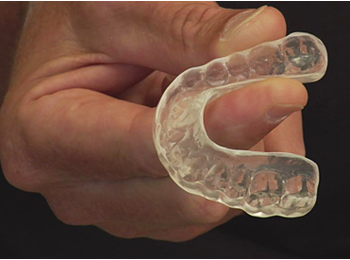
    • Oral Appliances: Oral appliances are very commonly chosen to address teeth grinding. However, the benefits of using oral appliances is only achieved if the design is the right one for you and addresses the specific reasons for your teeth grinding in the first place.

The Takeaway:

If you are a grinder or a clencher, don’t despair. We have more answers now than ever before and we have more treatments that can address not only the symptoms associated with your problem, but the reasons that they occur in the first place.

Have questions or comments? Go my Facebook page: http://on.fb.me/17w20sg 

photo attribution: By Aweisenfels (Own work) [CC BY-SA 4.0 (http://creativecommons.org/licenses/by-sa/4.0)], via Wikimedia Commons

Categories
TMJ

FDA Looking At Conditions That Impact Quality Of Life


There are hopes that TMD will be included.

I’m happy to announce some great news. The FDA (The Food & Drug Administration) is taking a closer look at medical conditions that can have a significant impact on your quality of life. Starting in 2016 the FDA will hold public meetings with the goal of determining the impact on daily life of 20 chosen diseases, and to look at the scope of services that are available to treat these conditions.

The TMJ Association is making huge efforts to have TMD (Temporomandibular Disorder) chosen as one of the diseases that will be focused on. That TMJ problems affect your quality of life is not news if you are one of estimated 35 million Americans who suffer from it every day.

Chronic pain problems, like TMD, rarely occur alone. It is estimated that 85% of TMD patients have other chronic pain conditions such as headaches, endometriosis, fibromyalgia, interstitial cystitis, irritable bowel syndrome, chronic fatigue syndrome, sleep disorders, or vulvodynia. In many cases these conditions are so complicated that patients don’t know where to turn to for care. As a matter of fact, I see many patients every week who have been told that they will never get better and that their problem is in “the head.”

If chosen as one of the conditions to be studied by the FDA, more information will be made readily available to you, the public, as to the nature of TMD and the treatments that are available.

Here are some facts about TMD that more people need to know:

  • TMD problems are orthopedic in nature.
  • TMD problems may be the result of (or aggravated by) rheumatologic, autoimmune or neurologic conditions.
  • Women are the largest group with TMJ symptoms as a result of specific biologic predispositions, some of which are hormone-driven.
  • Common TMJ problems may be the result of an accident, overusing the jaws, bad posture, teeth grinding (bruxism), or muscle tension caused by by emotions and life’s challenges.
  • Treatment for TMJ disorders should not focus merely on the teeth; the ultimate goal should be tissue healing and change of habits.
  • Getting better typically will lead to less pain, less medication, better function and increased optimism in people who before had anticipated a lifetime of suffering.

The same as with other orthopedic problems, after treatment patients may still have some pain, but it is likely that it will be at a much more tolerable level.

For all of you TMD/TMJ sufferers out there, the fact that the FDA has recognized that it’s time for this type of condition to be validated is welcome news. The result will be more access to information and thus, more access to treatment.


Dr. Donald Tanenbaum is a specialist with offices in New York City and Long Island, NY. He is uniquely qualified to diagnose and treat problems associated with facial painTMJ, and headaches.

Categories
Headaches TMJ

Transcendental Meditation Can Ease TMJ Symptoms and Headaches

In my practice I work with patients who suffer from facial pain, tight jaws, headaches (of a muscle or migraine variety), neck pain, or a combination of two or three symptoms. Some of my patients are poor sleepers and many of them grind and clench their teeth at night, resulting in problems with the TMJ (temporomandibular joint). But what most of these patients have in common is an extraordinarily high level of stress due to tension at work, overwhelming financial burdens, caring for aging parents, and more.

Sound familiar to you? Read on:

The logical way to reduce stress would be to make some big changes in your life, right? But that’s no simple task, if it’s possible at all. Unfortunately, when you live with stress over a long period of time your brain can become either fatigued, upset, or both. In this state you are more likely to develop physical ailments associated with the muscles of the head, neck and jaw. This perpetual state of mind-body imbalance can result in unhappy muscles resulting in facial pain, stiffness, spasms, limited head or jaw motion, and/or frequent muscle or migraine headaches.

The question then becomes “Are there treatment strategies that deal with the source of unhappy muscles instead of merely dealing with the end result?” This is where Transcendental Meditation (TM) comes in. Though it is far from being the only technique that addresses brain fatigue and upset, there is increasing scientific evidence that suggests that TM can help achieve mind-body balance.

How does TM work to ease TMJ symptoms and headaches?

The practice of TM promotes restful alertness of the mind. When you are in a restful alertness state there is improvement in the coordinated functioning of all parts of your brain (called EEG Coherence). EEG Coherence means that brain is operating in its most efficient way. In this state there is synchronization of the many types of brain waves communicating with your organ systems, and your organs are communicating in synchronization with your brain. When these communication pathways work well, muscles and joints are under a lower level of strain, they fatigue less, and they function more smoothly and easily.

Over time, people who practice TM report less pain, decreased strain, and more comfort in their face, jaw, neck and head.

As a doctor whose specialty is treating pain I will always have patients who need prescriptions, muscle or joint injections, oral appliances, exercises, rehabilitation and other relaxation strategies. But I now strongly advise all my patients to consider making Transcendental Meditation a part of their daily routine. So far, the feedback from my patients who practice TM is very encouraging.

After a consultation in my office I can refer you to one of the TM centers that I work with; sometimes even enabling you to receive a lowered fee to be trained.

Do you practice TM? Please feel free to share your experience here:

Dr. Donald Tanenbaum is a specialist with offices in New York City and Long Island, NY. He is uniquely qualified to diagnose and treat problems associated with facial pain, TMJ, and headaches.

Categories
TMJ

TMJ Problems and Wisdom Tooth Removal – Is There a Right Time?

When the recommendation has been made for wisdom teeth removal, and the patient has (or has experienced TMJ problems), some very important factors must be considered because TMJ problems and wisdom teeth removal sometimes don’t play nice with each other. The trauma to the jaw during surgery can make TMJ problems flare and potentially cause longer-term problems including pain, additional joint noises and more challenging joint locking problems.

Consider the following case: An 18-year old female is preparing to go off to college in the fall. Although she is experiencing no pain symptoms associated with her wisdom teeth, her dentist and consulting oral surgeon have made a recommendation to have all four removed, in order to avoid potential problems while she’s away at college.

The patient and her parents are concerned that her recently stabilized TMJ problem (clicking, pain and sporadic morning locking) will flare up as a result of the extraction process. Is this a legitimate concern, or excessive worry?

Since TMJ problems are orthopedic in nature it is logical to assume that a difficult extraction event can cause a managed TMJ problem to resurface. This is particularly relevant if the patient mainly had joint problems that required care. Females more than males are at risk due to the fact that their TMJ structures are biologically more susceptible sprain and strain.

The following is my recommended list of questions that should be discussed before the patient goes ahead with the wisdom teeth extraction.

1. Should the teeth be left in place for a year or two to ensure further healing of the TMJ problem?

2. Should two teeth be taken out initially, instead of all four? (A lengthy surgery could therefore be avoided.)

3. Should a local anesthetic alone be used so that the patient could communicate with the surgeon if in fact she felt that the jaw was being stressed, or should sedation/general anesthetics be used to relax the patient’s muscles and diminish muscle tension due to fear.

4. Should an intravenous steroid be routinely used to minimize any potential muscle/ joint inflammation, which would lead to post-extraction pain, and excessive/prolonged limited jaw motion.

Clearly there are no easy answers to these questions. The important message is that if your son or daughter is in this position, please be proactive and ask the difficult questions.

Some more questions to consider:

    • Is the jaw clicking and/or locking due to instability of the joint ligaments or movement of the shock-absorbing disc?
    • Are the wisdom teeth impacted in bone, are they fully or partially erupted, and if impacted, are they lying on their sides? (If they are lying on their sides, it will likely require more time and more bone removal to be extracted).
    • Is there inflammation of the gum tissues surrounding or overlying the wisdom teeth? Or is the plan to remove them designed to prevent possible acute periods of pain while the patient is at school or traveling overseas for an extended period of time?
    • Is there concern that the erupting wisdom teeth may cause undesirable tooth movement after orthodontics has been completed?
    • Does the patient’s gender and age make a difference in the outcome?

Patients with TMJ histories must be handled thoughtfully, and with an open mind. Remember, the removal of wisdom teeth is most often an elective procedure. Delaying their extraction may carry with it additional risks, but a patient with a history of TMJ problems, (particularly a young female) is always at risk during the extraction process.

Categories
Bruxism TMJ

5 Long-Term Effects of Bruxism

Millions of people suffer the effects of bruxism, which is the involuntary grinding and or clenching of the teeth at night. There are many reasons why you may brux your teeth. Getting to the bottom of the causes and designing a course of treatment for bruxism sufferers is a large part of what I do daily in my practice.

Since it happens at night, you may not be aware that you are grinding! However, if you consistently wake up with an aching jaw or a morning headache, there’s a good chance that you are bruxing in your sleep.

So, why is this a problem?

Because the long-term effects of bruxism can be serious:

1. A Change In Your Profile: If you are noticing that your jaw is becoming more “square” it may be a result of bruxism. As you grind, your masseter muscles can get more and more bulky. This may not bother a man, but for women, it is very concerning.

2. Sore and Worn Teeth: Bruxism can destroy your teeth! Not only can it wear them down, some people rip right through the enamel. Once enamel is compromised, the underlying dentin wears at a rate 6x faster than enamel. This affects your bite, your appearance, and even your health.

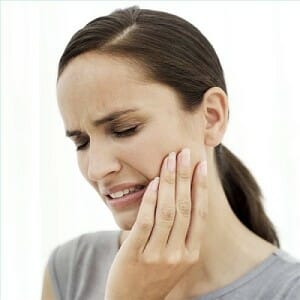
3. Jaw Pain: Some people experience jaw pain and soreness, especially in the morning. However, this pain can also linger through the day and even keep you from opening and closing your mouth without discomfort. Many individuals have daily ongoing pain in their face and jaw as a result of the nightly grind.

4. TMJ noises: Other consequences of bruxism may be the onset of jaw joint clicking as a result of strained ligaments and a dry joint environment that results from compression of the TMJs. Clenching, in particular, can squeeze all the moisture out of these joints leading to noisy, painful situations, and sometimes even locakjaw.

5. Headaches: Morning headaches in the temples are common in people who brux. As the temporal muscles fatigue during bruxism, lactic acid builds up which irritates the nerves in the muscle and the result can be a headache. In patients who suffer from migraines, this is a particularly troublesome situation, as it can trigger a more severe situation.

If you are experiencing any of the above, there’s a good chance you are bruxing. The long-term effects of bruxism can impact your life. See your dentist for advice. If you have been treated by a dentist, and are still suffering, now’s the time to seek out the help of a dentist with extensive training in this field.

Dr. Donald Tanenbaum is a specialist with offices in New York City and Long Island, NY. He is uniquely qualified to diagnose and treat facial pain associated with jaw problemsTMJreferred painnerve pain, and migraines. Find out more at www.nytmj.com.

Categories
Bruxism TMJ

5 Reasons You May Be Grinding Your Teeth

Tooth grinding (also called bruxism) is a real problem for thousands of people. It can wear down teeth, loosen teeth, and even cause severe jaw muscle and TMJ pain. At times clicking and locking of the TMJs (Temporomandibular Joint) can result from long-term bruxism. If you think you have this problem you have probably asked yourself “Why do I grind my teeth at night?”

Research suggests that tooth grinding is likely to occur if the brain becomes aroused during sleep. There are two stages of sleep during which Bruxism is most likely to take place. These include Stage 2 Sleep, which is one of the first and lighter stages of sleep and lasts approximately 20 minutes and REM (Rapid Eye Movement Sleep). Most dreaming occurs during REM.

Here are some of the suspected reasons for brain arousal (and therefore teeth grinding) during sleep:

    1. Insomnia – Individuals who have a hard time getting to sleep or staying asleep seemingly experience bruxism more often than those who don’t.


    1. Sleep Apnea and Snoring – There is some evidence that in people who have obstructive sleep apnea (breathing stops while sleeping due to airway obstruction, prompting the brain to be aroused) that tooth grinding frequency increases.


    1. New Motherhood – Being frequently awakened by a crying baby or anticipating a baby’s needs disrupts sleep and new moms report higher or new teeth grinding activity.


    1. Medications – The use of antidepressants such as Paxil and Effexor have been shown in some people to induce tooth grinding.


  1. High Achievers and Daytime Stress – People who operate at a high mental pace during the day tend to clench and grind more at night.

The Good News! There is treatment for teeth grinding regardless of the cause of the brain arousal. If you have insomnia, talk to your doctor. Medication or therapy or both can really help. Also, sleep apnea is very easy to detect (if your partner hasn’t already told you!) by a sleep study at home or at a clinic. If you are diagnosed with sleep apnea, there are a myriad of ways to treat it, from oral appliances to CPAP machines.

If the stresses of everyday life are causing your grinding, a custom made oral appliance (night guard) can work wonders. It won’t prevent you from grinding but it will ensure that your teeth aren’t damaged and that your jaw muscles and TMJs are not overworked.

For severe bruxism, you may need to see a TMJ specialist who can provide a variety of treatment options to address the origins and consequences of your bruxism.

Dr. Donald Tanenbaum is a specialist with offices in New York City and Long Island, NY. He is uniquely qualified to diagnose and treat facial pain associated with jaw problemsTMJreferred painnerve pain, and migraines. Find out more at www.nytmj.com.

Categories
Jaw Problems TMJ

4 Medications For TMJ Problems

As a TMJ specialist, there are times when medications are an important part of the treatment strategy. Though side effects must be kept in mind, there are medications that are often extremely helpful for short periods of time. So, for many TMJ sufferers, I have found that there are some medications that work rather well to address pain, muscle tension, and jaw motion restrictions.

However, it’s the way that these medications are used that differentiates their effectiveness. The following information should be very helpful to those considering (or currently) taking medications for a TMJ problem.

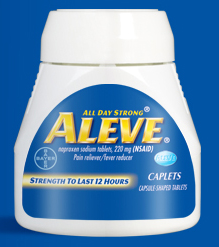
1. Advil (Ibuprophen) and Aleve (Naproxen): For pain, particularly when inflammation is present. Very important! Advil and Aleve are not muscle relaxants, in spite of what many people believe. They are classified as non-steroidal anti-inflammatory drugs and designed to reduce inflammation in joints and muscles. Most important: For individuals who have had jaw problems for an extended period of time, these medications must be taken for 2-4 weeks in order to be maximally beneficial. At the same time, the factors that caused the inflammation must be addressed or the medications will have limited benefit.

For some inflammatory problems associated with the temporomandibular joints specifically, these medications may be necessary for 8-12 weeks just like they would be required for this duration for inflamed and painful knees. Because Advil and Aleve can upset the stomach and kidneys, care must be taken when extended use is prescribed. Alleve has been recently recommended to be the anti-inflammatory of choice for those at risk for a heart attack or have a history of heart problems .

2. Tylenol (Acetaminophen): For pain when inflammation is not present. Acetaminophen is a different class of drug than Advil and Aleve and is not an anti-inflammatory medication. It is an analgesic that is effective to relieve pain when inflammation is not present. Your doctor must monitor long-term use of Acetaminophen as it can induce headaches and can compromise liver function (particularly in individuals that consume alcohol daily).

3. Muscle Relaxants: Commonly known muscle relaxants are Flexeril, Soma, Skelaxin, Zanaflex and Robaxin. This class of drug can only be obtained with a prescription. Muscle relaxants can be used both during the day and at night before going to bed. Because some people experience fatigue when using them particularly during the day, we often need to try several types to get the right one.

Muscle relaxants can also be used while taking other products such as Aleve, Advil and other prescription anti-inflammatory options. The time frame over which these medications are taken is variable but can be used for many months (particularly when taken only at bedtime).

An added bonus for patients taking muscle relaxants is that they promote restful sleep and can often reduce the intensity of nighttime grinding and clenching of the teeth.

4. Anti-Anxiety Medication: When anxiety and worry are driving muscle tension and pain in the face and jaw it is not uncommon to prescribe small doses of anti-anxiety medications for a short period of time to be taken during the day, at bedtime, or both. These medications work in the brain and help reduce the ability of muscles to “brace” as a consequence of life events, thoughts, and or emotions.

The commonly known medications in this category are Valium, Xanax, Klonopin, and Ativan. These are controlled substances, available by prescription only, and registered in a national data bank to help prevent overuse and abuse.

When taken at bedtime they are very effective (in short term periods) in reducing tooth grinding and clenching and the consequent symptoms of pain and muscle tension in the morning. My patients often report that anti-anxiety medication “takes the edge of my pain and muscle tension.”

So, for TMJ sufferers, medications have proven to be very helpful in breaking the “pain cycle” and allowing other therapies to begin to work for long-term relief. The key is using the right one, careful monitoring, and short-term use.

Live or work in New York City or on Long Island? You can schedule a consultation with me here or call 212-265-0110

Categories
Headaches TMJ

Migraine Headaches & TMJ: The Connection

For years, patients have come to my office with acute and longstanding TMJ problems and report that they have suffered with migraine headaches as well. These problems have in fact been labeled with the term “comorbid,” representing two or more medical conditions existing simultaneously regardless of their causal relationship.

As a result of these patients’ jaw symptoms, treatments such as oral appliances, jaw exercises, muscle trigger point injections and massage/physical therapy have been routinely used. As a result of varied and unpredictable treatment results particularly among my female patients, several things have become clear:

  1. The patients’ TMJ symptoms often did not respond sufficiently to treatment if the migraine headaches were not under control.
  2. Migraine headaches that are under control by the use of medication can become more problematic when an acute TMJ problem is present.
  3. Patients whose migraine headaches are under control actually reported a further decrease in the frequency, duration and intensity of their migraines once TMJ treatment is started.

Though these are anecdotal observations, a recent article in the Journal of Orofacial Pain provides some insight into these observations. Some important factors to keep in mind are:

  1. Patients who have both TMD and migraines have an increased likelihood that the nerves in their face and jaw will fire excessively even when prompted by normal stimuli, such as talking, opening or closing the jaw, eating food of normal consistency, or when the face is placed on a pillow. As  a result, the likely emergence of pain and muscle tension increases.
  2. In women with migraines, inflammation in the TM Joints and jaw muscles can produce higher levels of suffering due to the way pain signals from these structures are interpreted in the brain.
  3. TMD pain could reduce the benefit of medications being used to treat migraine headaches.

As a result of these findings, it is now even more important to merge the evaluation and treatment strategies employed by practitioners that focus their practices on these two patient groups. A collaborative approach that can integrate TMJ treatments inclusive of oral appliances, trigger point injections, jaw/neck exercise, massage, and physical self regulation techniques with migraine therapies such as medication, diet, cognitive behavioral, and sleep strategies employed by our medical colleagues is clearly the way to go.

Dr. Donald Tanenbaum is a specialist with offices in New York City and Long Island, NY. He is uniquely qualified to diagnose and treat facial pain associated with jaw problemsTMJreferred painnerve pain, and migraines. Find out more at www.nytmj.com.

Categories
Jaw Problems TMJ

Indoor Cycling Classes Can Cause Jaw Pain and TMJ

Over the past few years in my practice we have seen an increasingly number of female patients who are committed fans of high intensity indoor cycling workouts (sometimes called “spinning”) such as Soul Cycle. They have been arriving complaining of jaw pain, limited jaw motion, and jaw clicking, all the typical signs of TMJ or Temporomandibular Disorder. What we’ve determined is that these popular high intensity indoor cycling programs may be detrimental over time for some women, particularly as they relate to the upper neck muscles.

Indoor Cycling and TMJ – What’s the Connection?

Many TMJ disorders start in the muscles of the head and neck region. Tight, fatigued, and overused neck muscles can cause changes in head position and consequently changes in the tone of jaw muscles and the position of the lower jaw (even when at rest). Over time these subtle changes can cause jaw pain and tightness. In addition, there are trigger points in the neck muscles that when active can refer pain to the jaw and lead to muscle contracture of the jaw muscles, leading to diminished jaw motion and sometimes changes in how the teeth come together.

By working one’s upper body while pedaling a stationary bicycle, the head and jaw posture is often strained in a way that can lead to extreme muscle fatigue. The head weighs about 18 lbs. and in the midst of an intense cycling class this 18 lb. ball is hanging forward and bouncing around. As a result of this challenge to the biomechanics and physiology of the neck, muscle pain and at times even nerve pain, can emerge in the face and jaw, a condition commonly referred to as TMJ.

Case Study: TMJ and Soul Cycle

Knowledge of how the neck works is important in understanding why TMJ problems can be caused by intense indoor cycling classes. My patient Nancy is a perfect example. She is 27 years old and recently came to see me complaining of severe jaw pain, limited jaw motion, and jaw clicking. A thorough interview revealed that the only change in Nancy’s daily routine was the inclusion of three to four Soul Cycle classes per week. Discussion also revealed that she had been experiencing jaw tension during class that often lingered for hours afterward. What started out as a short-term symptom had evolved into even more troublesome problems. I recommended that she give herself a break from Soul Cycle, engage in a short regimen of physical therapy, and take anti-inflammatory medication for a limited period of time. We’re happy to report that today Nancy’s jaw problems have been resolved.

I recognize that intense indoor cycling fitness programs such as Soul Cycle can have tremendous personal and physical benefits. What should be kept in mind is this: many classes every week over a long period of time may actually put your jaw at risk. And what good is a fit body if you can barely open your mouth?

Live or work in New York City or on Long Island? You can schedule a consultation with me here or call 212-265-0110

Dr. Donald Tanenbaum is a specialist with offices in New York City and Long Island, NY. He is uniquely qualified to diagnose and treat facial pain associated with jaw problems, TMJ, referred pain, nerve pain, and migraines. Find out more at https://www.nytmj.com/about-dr-tanenbaum/.

Categories
Facial Pain Tinnitus TMJ

Tinnitus, Facial Pain and TMD – Are They Related?

It is not uncommon to see patients that present with facial or jaw pains that are not associated with disease, injury or illness of any type. These patients, typically women between the age of 18-55, relate that their pains came on without specific events, emerging spontaneously upon awakening one morning after a fatiguing day or associated with a routine meal, for example. As all medical and dental investigations are unrevealing, answers are searched for and often prompt comments like “there is nothing wrong.”

Over the course of the last several years I have also seen numerous patients present with the same historical account, but instead of suffering with pain they complain of debilitating ear ringing, humming, buzzing and whooshing sounds. For these patients the onset of their ear complaints (often lumped under the term tinnitus) also started for no good reason and prompted multiple tests which were all normal.

So what is going on with these two patient groups that are plagued with symptoms that have no specific origin. How to ease their suffering? From my perspective, the pain and ear noises (tinnitus) represent a specific type of sensory disorder that typically occurs after prolonged periods of challenging life circumstances and emotional distress. In short, these patients consistently relate that they have lost control over their daily existence. As a result, the human brain is upset, and an upset human brain loses its ability to regulate nerve function, muscle tone, heart and breathing rates, and hormonal regulation. The end result is something called sensitization…when normal stimuli are perceived by the brain as noxious (like putting a shirt on after a sunburn).

For the patient with tinnitus, I believe that everyday normal sounds are interpreted as noxious and patients describe their symptoms with variable choices of language, such as humming, ringing, buzzing, hissing, whooshing, and “fullness.” For the patient with facial pain any type of superficial stimulation (a hug, chewing, yawning, or speaking too much) prompts the sensation and experience of pain.

The good news is that with time (months or years) the majority of these patients improve (at times the relief occurs for “no good reason” the same way the symptoms emerged. The key is for these patients to avoid unnecessary and unproven treatments, particularly if surgical explorations are involved. The most useful treatments involve strategies to quiet the mind and body. Programs like the Stop and Breathe Program advocated by Susan Ginsberg have provided relief for patients along with Transcendental Meditation, Biofeedback, Autogenic Training, and Progressive Muscle Relaxation to name just a few. The use of medications like Clonazepam and/or supplements can also be found to be helpful. And, periodic assessments with pain doctors and audiologists are always advised.

Categories
Ear Pain Tinnitus TMJ

TMJ and its Relationship to Ear Problems and Sinus Symptoms

Many of my TMJ patients also complain of ear problems and sinus symptoms. Is there a relationship between these painful and uncomfortable conditions and TMJ dysfunction? Let’s start with ears.

Ear Problems & TMJ

The experience of ear symptoms in patients with TMJ is very predictable due to a number of factors. Most importantly during growth and development the structures of the ear, the TM Joint and the jaw muscles originate from similar cells and as a result share nerve pathways that can influence muscle tone and performance. For instance, the muscle that determines the size of the Eustachian tube (influences ear pressure) is directly influenced by the same nerve that serves the jaw muscles and TM Joint. As a result, a TMJ problem can lead to changes in the way the Eustachian tube effects the ear, at times leading to symptoms of ear pressure, fullness, clogging, pain and even ringing.

In addition, the tension across the tympanic membrane and the position of the malleus bone can also be altered in patients with TMJ. As a result, ear symptoms can emerge and linger. In some cases, patients also experience tinnitus. Ringing ears or tinnitus is only occasionally related to TMJ problems. A relationship may exist when the tinnitus changes during jaw movements and or eating.  If the tinnitus (pitch and intensity) does not change as a result of jaw function and remains constant on a daily basis it is unlikely that TMJ therapy can help.

For a complete discussion of the TMJ tinnitus connection, visit: https://www.nytmj.com/tinnitus-jaw-connection.

Sinus Symptoms & TMJ

With regard to sinus symptoms it is common for patients with TMJ to complain of pain and pressure in their sinuses, despite the fact that there is no sinus disease, infection, or inflammation. The reason is due to mechanisms of referral, where the site of the symptom is not the origin of the symptom. Jaw muscles in particular can refer pain to the sinus region often making a diagnosis difficult. Muscles that are tight, inflamed, and fatigued due to overuse behaviors and sleep bruxism commonly lead to sinus symptoms. As a result TMJ therapy that reduces muscle problems often leads to the relief of the reported sinus symptoms. Some common treatments include jaw exercises; jaw muscle conditioning, massage, bite plates, and injection/needling therapy that relax tense overworked muscles.

The bottom line is that if a patient seeks care with ear and or sinus symptoms that have no apparent relationship to disease, injury or illness, then there is a good chance that an underlying TMJ problem may be responsible.

Live or work in New York City or on Long Island? You can schedule a consultation with me here or call 212-265-0110

Dr. Donald Tanenbaum is a specialist with offices in New York City and Long Island, NY. He is uniquely qualified to diagnose and treat facial pain associated with jaw problemsTMJreferred painnerve pain, and migraines. Find out more at www.nytmj.com.

Categories
TMJ

Can A Mattress Cause TMJ?

Is there a connection between your choice of a mattress and TMJ problems?

While there aren’t a lot of studies that probe the relationship between one’s choice of a mattress and TMJ pain, it’s fair to speculate that choices that prompt more restful and predictably sound sleep are obviously advantageous.

With regard to choosing a mattress, there are a number of options provided on the showroom floor of any decent-sized mattress company, and they all vary according to personal tastes. From natural and organic feather beds, to hypoallergenic materials, from old fashion coils and springs to memory foam and electronic Posturepedics, there is a mattress for every body type, weight, and co-sleeping situation.

How can your mattress choice affect TMJ, though? Bottom line is, if you already have trouble sleeping, either from insomnia, obstructive sleep apnea, chronic body pain, or tooth grinding, you never want to compound the problem with a mattress that makes you toss and turn all night.

While there may not be a lot research into mattresses and TMJ, there is research to support a relationship between sleep quality and sleep quantity with the potential onset of TMJ pain problems. Whichever mattress you choose, make sure it’s not a source of irritation that can prevent sleep or roust you from your sleep in the middle of the night. Poor sleep can lead to excess jaw clenching, grinding, and jaw muscle tightening.

We commonly hear people complain that they wake up with their hands clenched, teeth together, and shoulders raised. Could this be the symptom of a poor mattress disturbing sleep? Something to think about.

Let us know in the comments if you’ve experienced a better night’s sleep after thoroughly researching and settling on the right mattress for you.

Dr. Donald Tanenbaum is a specialist with offices in New York City and Long Island, NY. He is uniquely qualified to diagnose and treat facial pain associated with jaw problemsTMJreferred painnerve pain, and migraines. Find out more at www.nytmj.com.

Categories
Bruxism Nightguards & Oral Appliances TMJ

Biteplates Need To Be Monitored

Thousands of people every year are prescribed biteplates by their dentists. There are two common scenarios that prompt a dentist to make this recommendation.

Scenario 1: Tooth Grinding

You went to your dentist for a routine appointment and you were told that there is evidence that you are grinding your teeth at night  (sleep bruxism). Your dentist may in fact show you areas of tooth wear on your teeth. You have no jaw or tooth  pain, which is good, but a biteplate is made to protect your teeth at night while you sleep. This biteplates may be made of hard acrylic, dual laminate materials with a soft inside and hard outer shell, or may be totally soft and pliable.

Since you have no symptoms of jaw or tooth pain, there is no need to do anything else. Your dentist should ask you to bring it with you when you go in for a routine tooth cleaning  appointment. Overtime it may have to be remade due to wear and tear, or adjusted if new dental restorations have been placed.

Scenario 2: Jaw Pain, Stiffness, and more…

You are experiencing pain/tightness/stiffness in the jaw muscles, pain in the Temporomandibular Joints (TMJ’s), or clicking that is new or getting worse. Your symptoms may be worse in the morning as many people often wake up with symptoms of jaw pain, diminished jaw motion, and even a jaw that feels locked and out of place. Your dentist will in this situation commonly make a biteplate that can be modified over time as your symptoms change. It may have a flat biting surface or inclines to address your specific problem.

These adjustable biteplates need to be monitored as your condition improves, or if it is not helping to reduce symptoms. Just like an orthopedic splint for the knee,  problems, modifications, or changes are required overtime as the situation dictates.

If your jaw problem was due to a specific trauma or injury  (sports related/eating/accidental) which lead to a joint sprain, muscle strain, or joint inflammation, as healing occurs you will likely wear the appliance less until you don’t need it at all.

However, if your jaw pain, locked jaw, decreased motion, sore teeth, or headaches resulted from persistent and aggressive sleep bruxism , then long term use of the biteplate may be required. Periodic visits to the dentist will be required to determine when, and if the biteplate use can be reduced or eliminated. Regardless of the reasons that you needed a biteplate to begin with, please make sure your dentist monitors its use at least once a year.

Learn more about biteplates and oral appliances.

Dr. Donald Tanenbaum is a specialist with offices in New York City and Long Island, NY. He is uniquely qualified to diagnose and treat facial pain associated with jaw problemsTMJreferred painnerve pain, and migraines. Find out more at www.nytmj.com.

Categories
TMJ

TMJ Symptoms: Is Technology Necessary To Feel Better?

Recently as I flipped through a running magazine I came across an article that discussed the process of getting better following a leg injury. After reading this article I reflected for a moment on the current state of thinking within the dental profession as it relates to TMJ treatment options and the process of getting better following the emergence of symptoms in the TM Joints and jaw muscles.

The running article in a straightforward fashion outlined the principles of healing that would be required for typical leg injuries, inclusive of sprains/strains in order to get better. The focus, as expected, was on resting the injured tissues, supporting the injured tissues with wraps and braces based on the established diagnosis, heating/icing the area of concern, using medications to decrease pain, inflammation, and spasm, and employing home care strategies or formal physical rehabilitation efforts. The article repeatedly conveyed the theme that healing is a process and that similar orthopedic injuries may require different timeframes and treatment selections from person to person.

Unfortunately when it comes to TMJ problems, there continues to be a constant emergence of alternative strategies that seem to suggest that healing can only occur if assisted by some sort of high-tech wizardry and rearrangement of the teeth and jaw relationships. In fact, over the last 6 to 12 months endless email messages have been sent to dentists in the U.S. and abroad that offer new technologies that not only ‘cure’ TMJ problems but add an ongoing profit center to dental practices.

According to the ‘experts’ who are behind the sales pitch, accurate diagnoses can only be made with electronic instrumentation, which tracks jaw motions, and sensors which record the sequence, intensity, and duration of tooth contacts when the teeth are brought together.To the uninformed and sometimes vulnerable patient, these bells and whistles are rather convincing but unfortunately add cost and unnecessary treatment, usually inclusive of multiple sessions of ‘bite balancing’ or ‘bite reconstruction’ based on data collected on technology that has no scientific support.

To further cloud the issues, if a patient gets better during the weeks or months of technology guided treatment, success is attributed to the technology, not to the passing of time, or other strategies that may have been initiated.

The take home message

Jaw problems like other orthopedic problems typically get better without electronic technology. Though seeking professional care may be essential to your recovery, if more time is spent by the doctor you chose hooking your head and jaw up to sensors and tracking devices, getting a second opinion is recommended and probably in your best interest.

To learn about other possible jaw & facial pain treatments, please click below:

Dr. Donald Tanenbaum is a specialist with offices in New York City and Long Island, NY. He is uniquely qualified to diagnose and treat facial pain associated with jaw problemsTMJreferred painnerve pain, and migraines. Find out more at www.nytmj.com.

Categories
TMJ

Are Anti-Inflammatory Medications Safe for TMJ?

Though it is common for many TMJ sufferers to take anti-inflammatory medications called NSAIDs, which are available without a prescription in local pharmacies and in super-sized containers in big box stores, they are not as safe as presumed.

The most common of these over the counter medications are Advil and Aleve and many of my patients down them as if they are sugar-coated candies. Even when the medications are not working, patients continue to use them, wrongly assuming that since they are available without a prescription that they are safe in any quantity.

For the most part, short-term use of these medications for a period less than ten days should not pose any health concerns. Unfortunately, many TMJ problems may require weeks of use in order for muscle and joint inflammation to be controlled. As a result, these medications can pose cardiovascular, kidney, and gastrointestinal risk.

In particular, patients with a previous history of a heart attack are more at-risk for another episode when taking this class of medication. Medications for high blood pressure and so-called ‘water pills’ (anti-diuretics) may also not work as well when NSAIDs are taken at the same time. Kidney performance can suffer as well when taking these medications in an uncontrolled manner over an extended period of time.

Though these medications are commonly associated with stomach upset prompting patients to discontinue their use after a short period of time, many patients tolerate these drugs for long periods before the side effects of upset stomach and bloody stools are experienced. By this time, damage may have already occurred to the stomach and other parts of the digestive system. So here are some suggestions:

Using NSAIDs Safely

  1. Don’t take these medications for more than two weeks without professional guidance.
  2. Make sure you take these medications with at least twelve ounces of water or after a meal.
  3. Take these medications at the recommended time interval between doses and not before, even if pain begins to increase.
  4. Don’t rely on these medications to ease symptoms. Use other strategies at the same time to help decrease inflammation. These other efforts can include following a soft diet, using ice/heat, self or professional massage, stretching your jaw muscles; the list goes on.
  5. If while taking these medications you begin to bruise easily, discontinue use immediately and consult with your physician.
  6. If you have a history of hypertension, routinely take your blood pressure when on these medications.
  7. If your stomach begins to hurt or your stools darken, discontinue these medications and consult with your doctor immediately.

In summary, NSAIDs are tremendously helpful medications, but benefit and risk should always be weighed. If you are not sure, whether to use or continue using these medications, professional consultation is always advised.

There are more treatment options available to help alleviate TMJ pain:

Dr. Donald Tanenbaum is a specialist with offices in New York City and Long Island, NY. He is uniquely qualified to diagnose and treat facial pain associated with jaw problemsTMJreferred painnerve pain, and migraines. Find out more at www.nytmj.com.

Categories
TMJ

The Truth About TMJ Arthritis

When people describe their arthritis pain they often mention knees, hips, hands and shoulders. Though rarely mentioned, arthritis can also be experienced in the jaws, specifically focused in the temporomandibular joints, or TMJs. Just as with these other joints, arthritis in the TMJs can be experienced as pain, stiffness, and limited motion and function.

Most of the arthritis experienced in the TMJs is the result of past trauma, or longstanding jaw problems that have caused wear and tear to the bones, cartilage, ligaments, and lubricating system (degenerative changes). As a result, friction develops giving rise to joint noise, and at times pain and function that is limited.

It is interesting to note that most arthritic changes that occur in the TMJs over time are not accompanied by acute pain. In fact, in aging populations around the world, most arthritic changes in the TMJs are not even accompanied by the need to seek care. The arthritic changes may prompt annoying and at times frightening noises, but for the most part do not limit eating, opening or closing the mouth, or talking.

At times however, arthritic changes in the TMJs cause bite changes that lead to changes in facial appearance and inefficient chewing. If pain accompanies the arthritis and lingers there may well be a need to seek professional guidance. The use of medications, steroid injections, exercise, massage, physical therapy, and dental splints may be essential in controlling the arthritic process. Treatment at times can span months in order for the arthritic process to be arrested.

The most problematic arthritis we see is in young females between the ages of 16-25. The arthritis often results from a number of risk factors including gender, genetics, overuse behaviors, sleep bruxism, and structure including the way the teeth come together. A multi-disciplinary approach is often needed to manage these problems. Certainly, painful arthritic problems need to be treated by a professional.

Other arthritis problems may include psoriatic arthritis, gouty arthritis, and rheumatoid arthritis. These may need to be investigated by a rheumatologist and at times require long-term care inclusive of medications.

If you are currently suffering from TMJ, please consider trying these 15 home remedies for TMJ pain. If they are ineffectual or the pain worsens, seek a medical professional immediately.

Dr. Donald Tanenbaum is a specialist with offices in New York City and Long Island, NY. He is uniquely qualified to diagnose and treat facial pain associated with jaw problemsTMJreferred painnerve pain, and migraines. Find out more at www.nytmj.com.

Categories
TMJ

Home Therapy for TMJ

I’m a TMJ specialist. Patients often tell me that they’ve been told that there is no treatment for TMJ problems and that they will struggle with this problem for the rest of their lives. To the contrary! TMJ problems like all other orthopedic problems are common and treatable.

We have many types of specific treatments for TMJ in the office, but there are also a number of home therapies that have shown to be rather beneficial for the vast majority of TMJ sufferers. Whether your TMJ problem is focused in the jaw muscles, the jaw hinges (the temporomandibular joints), or the associated tendons and ligaments, the basic principles used to treat all orthopedic problems apply.

Rest, support, medication, and rehabilitation are often the key ingredients to success. Though only some jaw related problems require professional care, ALL TMJ problems require home care strategies to achieve the goals of pain elimination and restoration of function. What follows is a thorough list of home care strategies for overcoming TMJ pain.

15 Home Therapies for TMJ Sufferers

1) Apply heat over tender muscles and apply cold over tender joints. At times, my patients choose to cool with ice packs first over both the muscles and joints for 5 minutes and then follow with heat for 15 minutes. This can be repeated several times a day.

2) Avoid overuse of jaw activities and behavior that fatigues the jaw muscles. This is critical to achieve healing. Overuse activities include gum chewing, nail & cuticle biting, biting on pens, pencils, straws, ice, plastic items, eyeglass frames; the list goes on.

3) Avoid clenching your teeth during the daytime. For techniques to help you overcome this behavior, click here.

4) Avoid cradling your phone between your shoulder and neck and try to reduce the amount of time you are texting. Your head in a forward posture for lengths of time wreaks havoc on your neck and jaw muscles.

5) Apply pain-soothing gels over the jaw, neck muscles, and jaw joints. These may include BenGay, Aspercreme, Biofreeze, but many other preparations are available in the local pharmacy. (Note: some of these products contain menthol, arnica, aspirin, and other anti-inflammatory ingredients so make sure you are not allergic or sensitive to these products.)

6) Try TENS stimulation. TENS is a form of muscle stimulation that can help reduce spasm, muscle tension, and relieve pain. TENS devices can now be found on the Internet, but be advised as they do require instruction in order to be used safely.

7) Muscle massage techniques can be used over the temporalis muscle and masseter muscle (which is the big muscle that bulges when you clench your teeth). These muscles can be rubbed and massaged as you would for a sore calf or thigh muscle, applying enough force to be uncomfortable but not too much force that your eyes tear. This can be done for 2-3 minutes 3-4 times a day and the best place to do it is in the shower. There are a number of YouTube videos you can watch to help guide your technique.

8) Avoid hard, large, tough, and/or chewy food. I don’t recommend a mushy diet but rather a thoughtful diet. If you experience pain during or after a meal, you probably ate the wrong food.

9) Minimize caffeine intake (even chocolate) and nicotine use.

10) Abstain from drinking alcohol close to bedtime hours as it leads to restless sleep.

11) Hydrate with a good amount of water throughout the entire day.

12) Try your best to get 7-8 hours of restful sleep every night.

13) Avoid electronic stimulation prior to going to bed. Your cellphone, laptop, and other various devices can all negatively affect your sleep cycle.

14) Exercise routinely, at least a few times throughout the course of the week, to build endorphins and reduce daily stress. Endorphins are our bodies’ natural painkillers.

15) Practice diaphragmatic breathing or even meditate during the day to slow the number of breaths you take per minute.

Certainly you may need more directions of care, as every patient is unique, but these ideas, if pursued consistently, will surely provide some relief or buy some time until you are able to see the proper medical professional. If any of these recommended techniques increase your pain or aggravate your jaw in any way, they should be discontinued immediately.

Live or work in New York City or on Long Island? You can schedule a consultation with me here or call 212-265-0110

Dr. Donald Tanenbaum is a specialist with offices in New York City and Long Island, NY. He is uniquely qualified to diagnose and treat facial pain associated with jaw problemsTMJreferred painnerve pain, and migraines. Find out more at www.nytmj.com.

Categories
BOTOX® TMJ

Is It TMJ or is It a Tumor?

In my practice, most patients are referred by their dentist, physician, or other health care professionals because they are experiencing facial pain or the common symptoms of TMJ/TMD (Temporomandibular Joint Disorder), which can include one more of the following: ear pain, jaw pain, limited jaw motion, joint noise, the inability to bring teeth together, facial tightness, and headaches often focused in the temples.

At times, however, the patient’s description of their symptoms and the history of their problem indicates that though their complaints are familiar, the origin of their problem may relate to an underlying medical disease or condition that has yet to be discovered. In other words, things are not what they seem to be!

For instance, the following medical conditions (a small sample) can produce the signs and symptoms of a TMJ/TMD problem:

  • Sinus Tumors
  • Acoustic Neuromas
  • Thyroid disease
  • Lyme Disease
  • Tumors in the Salivary Glands
  • Blocked Coronary Artery Tumors in the Neck
  • Facial neuralgias

Though these conditions occur much less frequently than a common jaw ailment, they must be considered when a patient’s TMJ symptoms are not responding to common therapies and/or progressing over time. Once a specific diagnosis has been made, the treatments put into place will address the disease first, with the result of the secondary symptoms easing or disappearing over time. Unfortunately, at times if making the proper diagnosis is delayed, and the TMJ structures (muscles or joints) are treated instead of the real problem, suffering will continue.

From another perspective, there are times when the treatment for a diagnosed medical problem in the head and neck region requires surgery or radiation therapy. As a result of these treatments, however, jaw motion can become limited, and pain may develop that is continuous or related to jaw function. This, for example, can occur following surgery to remove a brain tumor, which requires cutting through the muscles in the temple.

As a result, scarring can occur, leading to diminished jaw motion. In the presence of these outcomes, however, there are a number of traditional TMJ therapies that can aid in the restoration of jaw function and regaining comfort. These could include:

Clearly, then, facial pain and jaw-related problems are complicated at times. Your thoughts are welcome: