Manhattan

212-265-0110

White Plains

914-227-2305

Springfield, NJ

973-315-7830

Hauppauge

631-265-3136
Categories
BOTOX® Bruxism TMJ

Case Study: BOTOX® for TMJ

At times we are challenged by patients with chronic pain and soreness in their jaw muscles. Though these patients have received benefits using oral appliances, performing home exercises and massage techniques, using medications and even going for physical therapy, they continue to suffer as a result of daily and continuous aching pain in their face. Though we may not fully understand why their muscles continue to hurt, the use of BOTOX® injections has restored hope for many of these sufferers

Consider the case of Carly a thirty eight year old female with a 20-year history of facial pain and tooth clenching activity during the day and at night. She was first treated while still in high school during the stress of exams and applying to college. Her symptoms however continued through college and into her adulthood often with acute flareups prompting the use of pain medications and muscle relaxants at bedtime. Despite professional treatment and ongoing self care she continues to brace her jaw muscles and clench during the day and wakes up with “my teeth plastered together.” As a result her muscles were paying a price!

With the knowledge that BOTOX® can be used to partially incapacitate muscles, not allowing them to contract forcefully, it’s use in this particular case was clearly indicated. Though not FDA approved for this specific purpose at this time, its use with patients has produced encouraging results. By preventing forceful muscle contraction over three to four months after injection, the sore and tender jaw muscles benefit from increased blood flow bringing oxygen and nutrients essential to healing. As a result Carly’s pain symptoms eased considerably and her days were  no longer consumed by constant massage and mouth opening movements to “loosen my face.”

Most importantly, Carly regained optimism that her problem could be helped though she would likely require additional injections to undue years of muscle compromise. As BOTOX® is not a cure, Carly understood that any efforts she made to keep her muscles out of trouble would go a long way towards maximizing the benefit of the BOTOX®. As a result of this understanding she continues to use her oral appliance at night and practices relaxation breathing techniques frequently throughout the day.

The end result is that Carly is feeling better and realizes that her life does not have to be filled with pain and suffering.

BOTOX® for teeth grinding is in the news! I was recently interviewed on ABC’s Good Morning America on the topic, Can BOTOX® be used to treat teeth grinding?  Click the link to watch the segment.

Categories
Facial Pain TMJ

Chronic Facial Pain More Debilitating Than Back Pain

A lot of times people deal with aches and pains by simply ignoring it, or taking an aspirin in the morning before heading out to work. In many cases aches and pains are the unfortunate byproducts of getting older or working hard. For some patients, they look at having a TMJ problem in a similar fashion. They’ll take a couple aspirin, massage their jaw muscles or maybe switch to soup for a day, and then try to ignore it. But did you know that TMJ disorders can be among the most debilitating forms of pain people can suffer?

According to a recent study by University College in London, orofacial pain is any type of pain that occurs in the region of the face, including the mouth, jaw (TMJ), nose, ears, eyes, neck, and head are considered more debilitating to its sufferers than those suffering with chronic back pain or headaches. When compared, those who suffered from facial pain reported higher levels of disability and limitation than those who suffered from backaches or headaches by a margin of more than 19%.

Dr. Leeson, a member of the pain study, said. “These initial results suggest that chronic orofacial pain can have a significant impact on patient’s lives, affecting their normal daily activities, ability to work and causing marked disability.”

Though creating high levels of suffering, help is available for these problems. Rather than suffer through the pain and jeopardize your ability to perform at your job, or to have a fulfilling life, consulting with an orofacial pain specialist is the first step in getting relief. It is not uncommon for patients who have been suffering for months or even years to find considerable relief from the nonsurgical therapies that are commonly employed. If, however, care is not provided, these problems can become rather complex and challenging to manage.

Dr. Donald Tanenbaum is a specialist with offices in New York City and Long Island, NY. He is uniquely qualified to diagnose and treat facial pain associated with jaw problemsTMJreferred painnerve pain, and migraines. Find out more at www.nytmj.com.

Categories
TMJ

Can I Develop TMJ after Suffering Whiplash in a Car Accident?

Very often I get patients who come to me complaining of limited or painful jaw movement and are looking to pinpoint why. After tests, X-rays, and long discussions with the patient, they might casually let it slip that they were in a car accident recently and banged their head on the dashboard. The light bulb didn’t go off in their heads. They didn’t see a connection. But is there one? Can a patient develop painful or reduced jaw movement from a collision, even if they hadn’t made direct contact with their jaw?

According to a recent Canadian study, released in the Journal of American Dental Association (JADA), a population-based survey has revealed a strong connection between reduced or painful jaw movement and whiplash-associated disorders (WADs).

The questionnaire sent out to Canadians who filed personal injury claims over an 18-month period, and the responses determined:

  • A greater number of victims with WADs reported limited or painful jaw movement than those without WADs.
  • Those who experienced limited or painful jaw movement were greater among women.
  • Those who experience limited or painful jaw movement were greater among younger claimants.

The JADA study threw out respondents who had suffered from limited or painful jaw movement prior to the motor vehicle accident. It also excluded respondents who were hospitalized for more than two days, or who were pedestrians, bicyclists, or motorcyclists involved in the accident.

The message? If you’re involved in a motor vehicle accident and suffer from some kind of whiplash-related pain or injury, you might also be susceptible to symptoms similar to TMJ. In our consultations, we always ask patients details that may seem insignificant, but are backed by research. Some of these questions might pertain to your psychological state, work or life stresses, and yes; whether you’ve been in a motor vehicle accident recently.

Dr. Donald Tanenbaum is a specialist with offices in New York City and Long Island, NY. He is uniquely qualified to diagnose and treat facial pain associated with jaw problemsTMJreferred painnerve pain, and migraines. Find out more at www.nytmj.com.

Categories
Nightguards & Oral Appliances TMJ

Can Mouth Guards Cure TMJ?

Patients will often come to me suffering from symptoms of TMJ and looking for solutions that don’t involve medication or surgery. Symptoms such as facial pain, headaches in the temples, inability to open to the mouth widely, sensitive teeth, or aching and throbbing jaw muscles can be unbearable. There are numerous remedies, for jaw related symptoms that include massages, home exercises, physical therapy, modified diets, and changes in daytime behaviors/postures. At times an oral appliance is an important part of care. These devices are commonly used for the treatment of TMJ problems and can be used in a number of different ways.

What is an oral appliance?

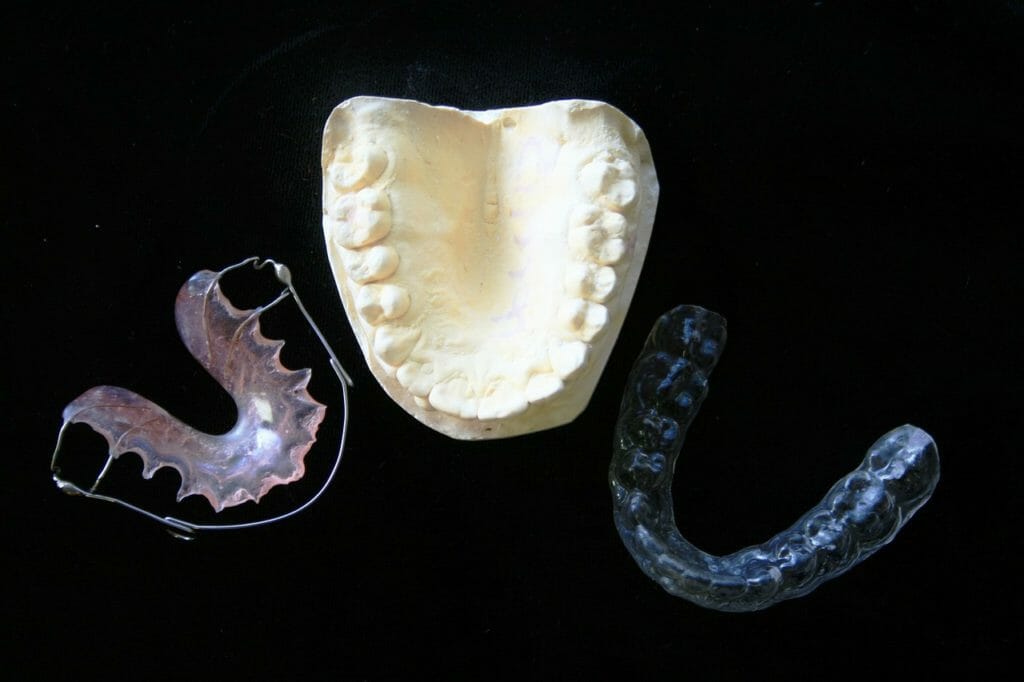
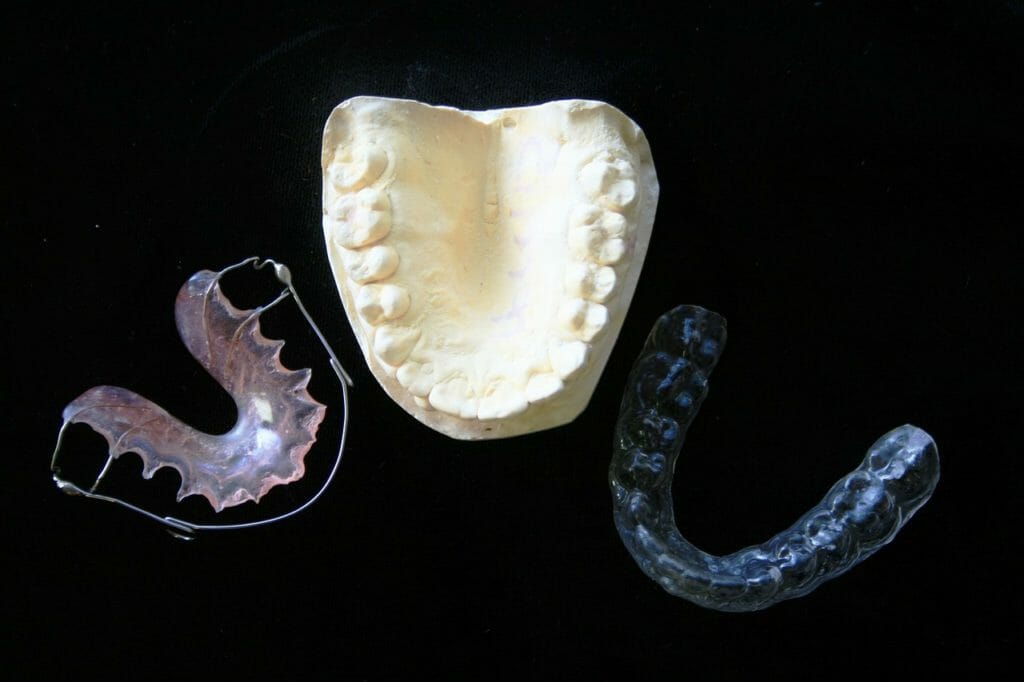
An oral appliance is a device that fits over your teeth with the intent of reducing tooth wear, tooth mobility, tooth sensitivity, muscle pain and soreness and joint pain and instability. At times but not frequently these devices are designed to “align the jaw.”  They can also be used to discourage some of the daytime behaviors many patients don’t realize they’re doing, such as resting their teeth together, clenching their teeth, or biting their nails or cuticles. These appliances can be worn at night and/or during the day

In general the intent of these appliances is based on the problems experienced by patients.

Night guards: Most commonly these appliances are chosen by dentists to address tooth wear, soreness, and mobility that occur as a result of night clenching or grinding of the teeth. Many patients that develop tooth wear do not even realize that they have a problem and often deny grinding their teeth at night. These devices when used in patients without active symptoms (just wear of the teeth) don’t require much adjustment and should be brought by the patient when they return to the dentist for tooth cleaning visits. Typically these devices are custom fit so that they are retentive, not too thick, and modifiable over time. Over the counter devices sold in pharmacies and online are for the most part inadequate, as they are often too thick, poorly retentive, and inadequately cover all of the teeth. As a result these devices can often prompt more clenching, and/or allow tooth shift.

Night appliances to address TMJ problems: Based on the specific jaw problem that is diagnosed (muscle soreness, morning temporal headaches, limited jaw opening in the morning…etc) oral appliances at night are designed to reduce overuse and loading forces to the TM Joints and jaw muscles. The biting surface of the appliance is therefore designed and modified to most efficiently address the problems at hand. Most commonly the biting surfaces are flat but, at times, inclines and ramps are used to confront unstable joint ligaments and displaced discs. When used in patients with active symptoms, these appliances require frequent modifications requiring patient follow-up visits.

Day appliances to address TMJ Problems: At times there is necessity to have a patient wear an appliance during the day. For the most part these appliances are needed when there is extreme instability in a TM joint that has led to clicking, locking, and pain problems. These appliances are not worn all day and virtually never during chewing. At other times, oral appliances worn during the day hours can be used to get in the way of day behaviors and/or remind patients that during the day the jaw should be hanging in a rest position with the teeth apart.

How about oral appliances to re-align the jaw? This concept of jaw re-alignment to address a TMJ problem remains controversial. To date there is no science to support the concept that a poor bite or mal-aligned jaw is responsible for the emergence of TMJ symptoms. At most a bad bite or mal-aligned jaw may be a risk factor but with no more weight than other risk factors such as; female gender, gum chewing, clenching, night grinding, or stress. As long as there remain millions of people with bad bites and asymmetric jaws without symptoms this concept has to be viewed with skepticism. In addition, if an appliance were to be made to re-align the jaw, it would require the patient to bite or rest on it when in the mouth to hold the jaw in the ‘better’ position. This action of course would violate the principle that the jaws should hang at rest during the day. Clearly this option must be chosen with great care.

From an overall perspective the concept of curing a TMJ problem with an oral appliance is probably a bit of a stretch. Their use however is a critical part of TMJ treatment!

These appliances are extremely helpful in reducing the damage from night clenching or grinding. They work by diminishing the forces exerted on the TM joints and by diminishing the amount of contracture that can be generated in the jaw muscles.  Night guards are most effective when custom fit, and adjusted over the course of time. Or you can purchase a generic set at a drug store. Obviously, custom-made night guards that have been conformed to your individual bite-print are more effective in treating TMJ symptoms, but the trade-off is that they’re more expensive.

  • Bite Splints: This form of therapy uses a mouth guard to physically correct the bite, rather than just relieve pain or reduce damage to the teeth. Bite splints are best for you if you have more extreme TMJ symptoms that need correcting in order to have a hope for any long-term relief. The primary difference between a bite splint and a night guard is that bite splints are worn around the clock, 24-7. It’s a full commitment to correcting the misalignment issues that are causing your TMJ.

So, can mouth guards cure your TMJ? The short answer is: Yes. In some cases, particularly with corrective bite splints, you can realign your bite over the course of time and eliminate those painful TMJ symptoms. In other cases, mouth guards can relieve your symptoms to the point where you feel very little pain or discomfort at all. Stop in to our office and see Dr. Donald T. Tanenbaum for a consultation, fitting, and to end your suffering today.

Learn more about Dr. Tanenbaum’s unique qualifications and expertise, here.

Live or work in New York City or on Long Island? You can schedule a consultation with me here or call 212-265-0110

Categories
Case Studies Facial Pain Jaw Problems TMJ

Case Study: High-Powered Executive Wakes Up With A Locked Jaw

Last week a new patient came in for a consultation. She had been having pain in her jaw for quite awhile, but had ignored it. Like many of my new patients, what made her suddenly take it seriously was the terribly frightening experience of waking up with a locked jaw. Eventually her jaw loosened up enough for her to call her dentist and be referred to me. Understandably, she was pretty scared when she walked in the door.

Here’s the backstory:

This patient is a highly successful businesswoman in her early 50’s. She has a high level job as an executive for an international garment manufacturer and manages a large group of employees. She had a lot of responsibility at work, and obligations at home managing the lives of teenage children and watching out for the welfare of her aging parents. As if this was not enough, her daily struggle with a chronic digestion ailment made the challenges of life all the more difficult.

What I was able to uncover in my conversation with this patient was that unbeknownst to her, she had been resting her teeth together and clenching her teeth for a very long time, not just at night, but during the day, as well. From asking the right questions, she realized that she was maintaining a tooth contact position when working on her daily financial reports, when dealing with her bosses, and even when she was on the phone with clients.

Over time, this action of “making a fist in your face” can begin to fatigue the jaw muscles and result in the “locked jaw” and pain that this patient experienced.

You see, the mind-body connection is very strong. When you are under stress for a long period of time, the brain becomes understandably upset. As a result, the brain is unable to maintain control over blood flow, muscle tension, and nerve discharges that are essential for muscle comfort. Loss of this control therefore ultimately leads to an accumulation of irritating chemicals in your muscles like lactic acid, and others that lead to pain and muscle tightening.

In the presence of this irritating chemical environment the nerves that run through your muscles fire excessively and cause pain along with a muscle tightening result. In essence a brain under emotional siege, sets the stage for muscles to falter.

My patient left the office beginning to understand what happened to her jaw. The first thing she has to do is to begin the process of changing the destructive behaviors that had led to her jaw problems. To accomplish this she was provided with strategies designed to relax her jaw, which included a series of  breathing exercises that she must do………… but that easily fits into her day.

Beyond treatment therefore, understanding the mind-body connection is the first step to stopping damaging behaviors such as day tooth contact or clenching that often have unpleasant outcomes.

Dr. Donald Tanenbaum is a specialist with offices in New York City and Long Island, NY. He is uniquely qualified to diagnose and treat facial pain associated with jaw problemsTMJreferred painnerve pain, and migraines. Find out more at www.nytmj.com.

Categories
Facial Pain TMJ

Get to the Source of Your Facial Pain

Quite often patients come to our office stating that they have been diagnosed with a TMJ problem due to the location of their facial pain and jaw pain complaints. Though statistically other than toothache pain, the most common facial pain problem is due to the jaw muscles (part of the TMJ system), there are a number of other pain problems that we see routinely. These problems are in fact distinguishable from TMJ problems in a number of ways.

Remembering that a TMJ problem is an orthopedic problem, similar to those in the knees, elbows or ankles, the complaints and findings should be familiar and predictable. For instance if you have a knee problem, there is a good chance that going for a jog or using the knee repetitively during exercise would increase the pain, noise in the knee, or the experience of joint instability. The same should happen in the TM Joint during chewing or keeping the mouth open such as during frequent yawning or sitting in the dental chair.

If a patient says that she* can open and close her mouth, chew whatever she wants, and maintains jaw opening without predictably increasing pain and or making it worse, it is likely that she does not have a TMJ problem. In addition, the pain of a TMJ problem is like that in an elbow that has been overused or strained overtime. The pain has an aching quality that typically is not gone completely during some hours of a day and miserable during other hours for no apparent reason. So, if it’s not a TMJ problem, what can it be?

3 types of Facial Pain that are NOT related to TMJ:

  1. Facial Pain referred from the neck and shoulders
  2. Facial Pain of nerve origin
  3. Facial Pain due to migraines

Pain From The Neck And Shoulders: These problems are related typically to muscles in the neck and shoulders that are in a state of tension. These tense muscles have the ability to refer pain to the face (pain location is frequently not the same place as the pain origin). The pain is often felt in the lowest part of the jaw and does not typically increase with chewing…even with bagels!!!! Examination of these muscles reveals tenderness and often can reproduce the pain in the face. These muscles often refer pain to the ear and teeth prompting medical and dental investigations.

Pain Of Nerve Origin: Though often labeled Trigeminal Neuralgia (which may be the diagnosis), there are a number of variations. The most important thing to remember is that these pains can often be present for seconds or minutes and then totally go away for no apparent reason or time frame. The pain is often sharp and described as excruciating (which, in contrast, is a word never used by a TMJ sufferer). The onset of the pain is often unprovoked but in the words of many patients, “it just comes out of nowhere.” Other nerve pain problems that may be more constant often having a burning quality.

Pain Due To Migraines: Facial pain, including toothache complaints, can be due to migraine problems. This pain often has an odd character, which may include a sense of numbness in the face, and again often do not relate to jaw use. The pain may be preceded by light and noise sensitivity and or a headache across the forehead or in the mid-face region. At times a sense of nausea may accompany these symptoms. Typically these pain complaints are not accompanied by limited jaw motion, jaw noises, or eating challenges.

*Note: facial pain can affect anyone, but the majority of sufferers are female

Dr. Donald Tanenbaum is a specialist with offices in New York City and Long Island, NY. He is uniquely qualified to diagnose and treat facial pain associated with jaw problemsTMJreferred painnerve pain, and migraines. Find out more at www.nytmj.com.

Categories
Ear Pain TMJ

Causes of Ear Pain

Many patients come into my practice complaining of ear pain, when other physicians have found nothing wrong with their ears. The ear pain complaints heard most often are these:

• My ear feels full

• My ear feels stuffy

• I feel like something is dripping in my ear

• I feel pressure in my ear

• There is ringing in my ears

• I hear a hissing sound

• I hear a buzzing sound

More often than not, patients complaining of ear pain will see their general practitioner, internist, or an ENT (ear, nose, and throat) doctor. But if there is no evidence of an infection, and there is no fluid or inflammation in the ear (or other problems with ear function) the ear pain could be happening because of a malfunction in the muscles of the face, jaw, or TMJ (Temporomandibular Joint).

Because of the way our ears, face, and jaw develop inside the womb, the malfunction of one area can cause pain in the other. To figure out if your persistent ear pain is related to a muscular issue, pay close attention if the ear pain you’re experiencing:

• Increases when you eat

• Increases when you talk

• Increases when you open or close your mouth

• Is constant and intense

If these are the dominating symptoms, chances are the ear pain will not go away unless doctors can address the muscle and joints in the face that are causing it to begin with. Treatment that focuses specifically on the ear will not work if the ear pain is just a symptom of a different problem.

Dr. Donald Tanenbaum has been practicing in New York City and Long Island for over 20 years. He is uniquely qualified to diagnose and treat bruxism, TMJ and TMD problems, Sleep Apnea, facial pain, muscle pain disorders, nerve pain disorders, tension headaches, and snoring. Learn more about Dr. Tanenbaum here.

Categories
Jaw Problems TMJ Women & Pain

Estrogen, Pain, and TMJ

Why is TMJ Disorder So Prevalent Among Women?

Not only is there a clear dominance of TMJ in women, but also the severity of the problem is often at a level virtually never seen in men. This scenario is frequently seen in the case of teenage girls, suggesting that the problems we are confronted with could be hormonal. Some research has unveiled a link between TMJ and estrogen, which could shed light on the dominance of TMJ in women.

Take the example of Mary, a 17-year-old female who came to my practice. Mary’s problems started when she was 12 years old with the onset of non-painful TM joint noises that did not interfere with eating or jaw function. Over time, pain emerged and her bite began to change, altering her profile and appearance. Before long her pain was so debilitating and her bite so altered, that there was no choice but to seek surgical treatment. Both TM joints had “dissolved away” and her jaw profile and bite had to be reestablished.

How could this happen with no history of trauma and no apparent underlying medical disease? The role of hormones, estrogen in particular, has been identified. Research has shown that Estrogen:

  • Impacts the body’s natural pain fighters (endorphins)
  • Increases inflammation in the Temporomandibular Joints
  • Compromises the strength and adaptive ability of all ligaments

These factors, coupled with lower endurance capacity in female jaw muscles, are all that is likely needed for difficult problems to arise. Additionally, research suggests there may be specific genetic predispositions that lead to unprovoked TMJ in women.

Though the treatment that Mary had received has restored function, jaw stability, and reduced her pain, there is still much to learn about gender specific jaw problems.

Dr. Donald Tanenbaum has been practicing in New York City and Long Island for over 20 years. He is uniquely qualified to diagnose and treat bruxism, TMJ and TMD problems, Sleep Apnea, facial pain, muscle pain disorders, nerve pain disorders, tension headaches, and snoring. Learn more about Dr. Tanenbaum here.

Categories
TMJ

What is a TMJ Doctor?

Because many common symptoms of TMJ problems often can be the result of other medical conditions, those who represent themselves as “TMJ Doctors” (or “TMJ Specialists”) must be able to not only recognize common TMJ problems, but also must be adequately trained and have sufficient past experience to enable them to accurately diagnose the vast number of other problems that can produce these common TMJ symptoms:

  • Facial and jaw pain
  • Diminished jaw motion
  • Facial and temporal headaches
  • Jaw muscle spasm and tension

Whether the symptoms you are concerned about are due to a facial migraine, a nerve pain problem, disease in a salivary gland or sinus, a thyroid condition, brain tumor, or strained Temporomandibular joints and jaw muscles, the “TMJ Doctor” you see must be skilled in making what is called a “differential diagnosis.” From a patient’s perspective, that means you need to know with a degree of medical certainty that your ‘TMJ’ problem is truly due to a local muscle and joint problem, and not due, instead, to some underlying medical disease process.

In today’s world, particularly in communities with access to major medical centers, hospitals or universities, you should expect your “TMJ Doctor” to have an academic appointment or faculty position at one of those institutions. He or she should also be involved with teaching, lecturing, and/or publishing, as these positions and efforts are a clear indication that there is a commitment to learning and advancement of knowledge.

Most important, don’t be fooled by the ‘TMJ Doctor” who has high-tech computerized  equipment that (allegedly) determines whether your bite is bad or if your jaw is in the wrong position. Though imaging technology (CT scans and MRI’s) is often important in making an accurate diagnosis, the vast majority of all TMJ problems can be diagnosed accurately with a careful history and examination. The adage, “The diagnosis is in the history if the doctor chooses to listen” holds true in just about all these situations.

Lastly, because most TMJ problems respond to treatment over time and with supportive measures to heal the injured TM joints and muscles, treatment most commonly should not require changes to your teeth or bite. If your “TMJ Doctor” recommends ongoing bite adjustments (grinding the tooth surfaces with a drill), crowns to fix your bite, or extensive orthodontics as the primary focus of care, these should be looked at suspiciously, and you should definitely seek a second opinion.

Categories
TMJ

The Most Important Equipment in a TMJ Doctor’s Office

Modern technology, such as imaging, has led to wonderful advances in diagnosing medical problems, but for certain patients with TMJ/TMD* complaints, TMJ doctors can better understand individual patients by simply listening and looking. That’s why the most important equipment in the office is the doctor’s ears.

How is that? Simply put, most jaw disorders are rooted in a muscle problem, and the key to resolving the issue is for the TMJ doctor to understand what has compromised the muscle in the first place. With all symptoms of TMD—pain, tightness, restricted motion, sense of bite change, odd sensations in the face—there must be an explanation for why the muscles are fatigued, irritated, or contracted to the point where these symptoms emerge. Electronic diagnostic and treatment equipment is useful for TMJ doctors, but it doesn’t always reveal the ‘why’ of the problem the way simply speaking to the patient can.

Unless there has been an identifiable trauma (accident), recent dental changes, or an underlying medical problem that leads to muscle pain or spasm, the majority of all TMD muscle problems that we see stem from life challenges, conflicts, emotions, and learned behaviors. Some of these emotional or behavior triggers can include:

  • Gum chewing
  • Nail biting
  • Biting on pen caps, straws, or plastic items
  • Phone cradling
  • Leaning forward for long periods of time

Information about these common habits can only be gathered by engaging the patient in a conversation. In the words of famous physician Sir William Osler: “The diagnosis is in the history if we choose to listen, but most of us are deaf.”

TMJ doctors’ goal is to listen first, look second, and then integrate the information gathered to treat our patients. I suspect this formula will outlive many of the high tech diagnostic tools that continue to entice the dental practitioner looking to treat the patient with TMD.

*To understand the usage of TMJ and TMD in this article, please click here.

Dr. Donald Tanenbaum has been practicing in New York City and Long Island for over 20 years. He is uniquely qualified to diagnose and treat bruxism, TMJ and TMD problems, Sleep Apnea, facial pain, muscle pain disorders, nerve pain disorders, tension headaches, and snoring. Learn more about Dr. Tanenbaum here.

Categories
Headaches TMJ

Causes of Migraine Headaches: TMJ?

Could TMJ be the Cause of a Migraine Headache?

The answer is: No!

People who suffer from chronic debilitating headaches are often misdiagnosed because doctors sometimes mistake tension headaches (which can be cause by TMJ disorders), for migraine headaches. The reason is that it’s not unusual for people who have TMJ to experience headaches that are as intensely painful as migraines. But TMJ does cause of migraines.

How Does TMJ Cause Tension Headaches?

Tension headaches are the most common form of headaches and can be caused by the constant tension held in the muscles in your face, head, and neck when they remain contracted over a long period of time. The tension that can build in your jaw muscles from a TMJ problem can lead to such powerful headaches that they’re often mistaken for a migraine. In addition, when the muscles in your jaw, face, or neck constrict, they reduce blood flow.  As a result, less oxygen and nutrients are delivered to the muscles, which predispose them to fatigue and pain.  Also, as the nerves running through the muscles become irritated, lactic acid and other irritating chemicals accumulate. The end result is more intense headache pain symptoms, that can be as intense as a migraine.

A dentist with experience in TMJ and neuromuscular disorders of the jaw can properly diagnose the difference between TMJ and migraines. Some symptoms of TMJ headaches include:

  • Tightness around the head
  • Band-like pressure around the temples
  • Persistent aching in the jaw muscles
  • Discomfort in the facial muscles
  • Increased pain with jaw use

Once diagnosed, there are a number of relief options for TMJ-related tension headaches. Treatments include:

  • Jaw and Neck Exercises
  • Muscular Injections
  • Physiotherapy
  • Medications
  • Oral Appliances
  • Simple Relaxation and Sleep Strategies

Before you dismiss the possibility of a disorder in the TMJ (Temporomandibular Joint), be aware of the symptomatic similarities between TMJ and migraines. The difference could mean a lifetime of relief from the pain of tension headaches.

Dr. Donald Tanenbaum has been practicing in New York City and Long Island for over 20 years. He is uniquely qualified to diagnose and treat bruxism, TMJ and TMD problems, Sleep Apnea, facial pain,  muscle pain disorders, nerve pain disorders, tension headaches, and snoring. Learn more about Dr. Tanenbaum here.

Categories
TMJ

TMJ and Computer Use

Can Extended Computer Use be a Cause of TMJ?

Researchers are now finding a link between TMJ and computer use. The link is most closely associated with the way we posture our bodies while sitting at the computer. Most often we have a tendency to sit slouched forward, collapsed within ourselves, or in an unbalanced position for extended periods of time: all contributing factors to the connection between TMJ and computer use.

The TM joints are located on each side of a person’s lower jaw, a complex of tendons and muscles that allow us to open and close our mouths. When one or both of those joints sustain injury, or are compromised in any way, the result is TMJ.

Can TMJ Be Prevented if You Work at a Computer All Day?

Since many of us work at a computer for more than 40 hours per week, there are some things we can do to prevent TMJ caused or exacerbated by computer use:

▪ Be aware of how you are sitting at the computer. If you’re slouched, tilted, or off-balance, reposition yourself, or take a short break from the computer to realign your body.

▪ Avoid a leaning head posture whereby your ears are past your shoulders. This posture puts undue strain on the neck, jaw, and facial muscles. Be sure to position your ears above your shoulders when sitting at the computer.

▪ Adjust your work station to suit your body’s needs. This includes your chair height, lumbar position, and the angle of your computer monitor.

The link between TMJ and computer use can be remedied by following these and other posture guidelines to keep your body aligned and your weight evenly distributed through your spine.

Not sure if you have TMJ? Most common TMJ symptoms can include:

▪ Pain, usually associated with chewing and jaw movement

▪ Headaches

▪ Sore jaw muscles

▪ Neck tension

▪ Incidents of suddenly limited jaw opening and locking

▪ Ear symptoms, such as ringing, humming, or buzzing

Of course, there are other contributing factors to what causes TMJ, including trauma to the area in a collision, stress, or a number of other psychological factors. But the importance of posture awareness can aid in reducing the discomfort of TMJ caused by computer use.

Live or work in New York City or on Long Island? You can schedule a consultation with me here or call 212-265-0110

Note: Temporomandibular joint (TMJ) is often erroneously interchanged with temporomandibular disorder (TMD) a condition which leads to pain and, in some cases, limited jaw function. In this article, we’ll refer to TMD as TMJ, which is the term that most people associate with this condition.

Dr. Donald Tanenbaum has been practicing in New York City and Long Island for over 20 years. He is uniquely qualified to diagnose and treat bruxism, TMJ and TMD problems, Sleep Apnea, facial pain,  muscle pain disorders, nerve pain disorders, tension headaches, and snoring. Learn more about Dr. Tanenbaum here.

Categories
Bruxism TMJ

Can Bruxism Be Caused by Poor Dental Work?

Several weeks ago a 38-year-old gentleman came to my office complaining that shortly after having three crowns (caps) put in his mouth, he began to grind his teeth at night for the first time in his life. On arising in the morning he was experiencing jaw muscle soreness and on some occasions more sharp pain which limited his breakfast selections, which are common symptoms of Bruxism (the clinical terms for teeth grinding).

The first comment out of his mouth was, “I want to rip these teeth out of my mouth!” Was poor dental work the cause of this patient’s Bruxism? More questioning revealed that my patient’s new teeth were in great shape; not sensitive to hot, cold, or chewing, and his bite did not feel off balance.

Is it possible that these three new crowns were responsible for the reported night grind and if so how is this possible?

Point number 1:
Night tooth grinding (Bruxism) has been shown to have little, if anything, to do with the type of bite a person has. People with good and bad bites grind and clench their teeth at night.

Point number 2:
Night tooth grinding (Bruxism) seems to be related to arousals that occur in the brain during sleep. These brain arousals can be due to a number of factors such as drinking alcohol or caffeine close to bedtime, poor sleep environments, crying babies, chronic pain problems (back and neck), asthma, sleep apnea and or chronic tension and stress to name just a few possibilities.

Point number 3:
In clinical studies that have been conducted in patients with known histories of night grinding, the placement of dental restorations made intentionally high and out of balance with the rest of the teeth, have actually led to a diminished amount of night grinding for several weeks. This suggests that throwing the bite out of balance can actually reduce the amount of teeth grinding at night!

Conclusion

Based upon what we know, it is unlikely that Bruxism can be caused by poor dental work (unless pain developed as a result of the work and disrupted a patient’s sleep). When similar scenarios occur, other factors are likely playing a role and it is very important to see your dentist for a full evaluation.

Categories
Bruxism Nightguards & Oral Appliances TMJ

Mouthguards & Nightguards: How Long Do They Need to Be Worn?

This is a common question asked by patients in my practice. The answer to this question is based mainly on the reason it was recommended in the first place! So, if you are wondering if you will have to wear your nightguard forever, here are some common scenarios. There’s a good chance that one of them fits your situation exactly:

Scenario 1: You have no teeth grinding symptoms, but your dentist notices that your teeth are worn or chipped or that fillings and caps previously placed look worn.

The dentist then informs you that you have been grinding your teeth at night. You’re shocked! You have no pain in your teeth, no jaw muscle soreness in the morning, and you haven’t noticed any other signs to indicate that you are grinding your teeth. Your dentist recommends that you wear a nightguard while you’re sleeping, warning of the problems that will develop if you don’t wear it.

Now here’s the important thing: If you move ahead and get the nightguard, bring it with you and show it to the dentist when you go in for your twice-a-year dental cleaning. If the nightguard exhibits grooves and notches cut into the acrylic, then you have been grinding and you should continue to use it. If, however, there is no evidence of wear and tear, it’s probably in your best interest to bring this to the attention of the dentist and discontinue using it.

Scenario 2: You make an appointment with your dentist because “out of nowhere” your jaw muscles and teeth are aching in the morning.

You mention to your dentist that stress levels have been high in your life and will likely stay that way for an undetermined period of time. A TMJ nightguard is advised and you wear it for a while and notice that the achiness in the morning has decreased.

What next? This all depends on what is going on in your life: stress, fragile emotions, disrupted sleep, etc. As these factors may drive the night grinding it is probably advisable to stay with the nightguard until things calm down. Once life is calm and if your morning symptoms have gone away, you can begin to reduce the number of days the nightguard is worn during the week.

Over time you will likely find that you no longer need the nightguard. Keep in mind, if life issues arise again, the grinding will likely return and you may need the nightguard again, so don’t throw it away!

Scenario 3: You not only have morning jaw muscle soreness, but your teeth ache and you have persistent facial pain during the day. In addition, you feel that you can’t open your mouth wide and chewing has become a chore because your jaw joints click and/or lock.

This scenario suggests that you may have a more significant jaw problem often called ‘TMJ’. Unlike the first two scenarios, the level of muscle and joint compromise is more significant with TMJ. And beyond the night grind there are likely other factors that have led to and are perpetuating the symptoms. In this situation the use of a nightguard at night will likely be for an extended period of time (maybe forever).

I have many patients who return to my office 3-6 years after they were last seen looking to get their nightguard repaired or replaced. Many of these patients tried to stop wearing it when they felt better, but the symptoms began again. In this situation I ask my patient to visit me at least once a year to help maintain the integrity of the device and make sure it is doing the right thing and not causing harm.

Note: There are many different names for dental nightguards:

  • Nightguard
  • Mouthguard
  • Oral Appliance
  • Splint

There are many different types as well. The decision to pick one type over another is usually made by your dentist based on your diagnosis.

If you have more questions about TMJ, and you live or work in New York City or on Long Island, schedule a consultation with me here or call 212-265-0110

Thank You!

Dr. Donald Tanenbaum has been practicing in New York City and Long Island for over 20 years. He is uniquely qualified to diagnose and treat bruxism, TMJ and TMD problems, Sleep Apnea, facial pain,  muscle pain disorders, nerve pain disorders, tension headaches, and snoring. Learn more about Dr. Tanenbaum here.

Categories
Bruxism TMJ

Teeth Grinding: Signs and Symptoms

Sleep Bruxism, the gnashing and grinding of the teeth that occurs at night, has most recently been defined by the American Academy of Sleep Medicine as a sleep related movement disorder. Though the exact cause of sleep bruxism remains unclear, research suggests that anything that can arouse the brain during sleep may be a trigger. Factors such as daily stress, longstanding anxiety and worries, obstructive sleep apnea, reactions to certain medications, a crying baby, and/or a pain producing medical conditions seem to be just some of the factors that may be playing a role. For years, a bad bite and crooked teeth were thought to be risk factors but research suggests that this is unlikely.

Grinding of the teeth on a regular basis can lead to worn teeth, fractured teeth or dental restorations, mobile teeth, sore teeth on awakening, and a number of problems associated with the jaw muscle and jaw joints. Some people however, can grind their teeth for years without any symptoms. These people commonly deny that they grind their teeth despite physical evidence of wear patterns on their teeth and reports by their bed partners of being disturbed by the clashing noise of their teeth.

Do I Have Bruxism?

If you’re experiencing any of the following symptoms particularly on arising, bruxism may be the cause. Teeth grinding symptoms may include:

  • Sore teeth when chewing
  • Tooth sensitivity to hot, cold fluids
  • Jaw pain or tightness
  • Tired jaw muscles
  • Vague earaches which relate to jaw function
  • Dull headaches in the temples which may linger throughout the day
  • Persistent facial pain
  • Limited jaw opening
  • Jaw joint noises

What to Look For:

The common physical signs of bruxism include:

  • Teeth that are worn down, flattened, fractured or chipped
  • The tops of the teeth appear yellow: when tooth enamel is lost the dentin is exposed, and dentin has a yellowish color
  • Indentations on the side of your tongue
  • Damage on the inside of your cheeks from chewing
  • Excessive bulging of your jaw and temple muscles when the teeth are brought together

If you suspect bruxism, or if your partner has complained of the sound of your teeth grinding at night, a dental consultation is advised. There are many options at your dentist’s disposal for treating bruxism.

For more information on bruxism and teeth grinding, the causes and treatment options, I invite you to visit my website. Thank You.

Dr. Donald Tanenbaum has been practicing in New York City and Long Island for over 20 years. He is uniquely qualified to diagnose and treat bruxism, TMJ and TMD problems, Sleep Apnea, facial pain,  muscle pain disorders, nerve pain disorders, tension headaches, and snoring. Learn more about Dr. Tanenbaum here.

Categories
Bruxism TMJ

Is Your Child Suffering from Bruxism?

For years, nighttime tooth grinders were thought to be adults who were overwhelmed by life’s stresses and worries. Though stress can certainly be one cause of nighttime tooth grinding, recent research suggests that anything that arouses the brain during sleep can cause excessive jaw movements.

This research explains why some children also suffer from nighttime teeth grinding, or bruxism. Nightly grinding results in sore TM joints and facial pain during the day, and can cause damage to your teeth. If your child is complaining of facial or jaw pain in the mornings, look for the following signs and symptoms of bruxism:

▪ Worn, chipped or sensitive teeth that look like they are getting shorter (the front incisors) or are getting flatter and yellow in color (the back molars)

▪ Morning headaches and/or facial and jaw pain

▪ Morning jaw noises such as clicking or popping

▪ Sensitive teeth when eating or exposed to hot or cold fluids

What Causes Bruxism in Children?

Though bruxism is often a cause of stress, it does not mean that it is what is causing your child’s nightly teeth grinding. However, persistent life stressors associated with school, unstable home environments, and social relationships may cause your child to sleep restlessly. Some of the risk factors that should be considered if you hear your child grinding his or her teeth excessively each night include:

▪ Problematic asthma conditions

▪ Enlarged tonsils and adenoids

▪ Childhood obesity that may compromise the airway at night

▪ Irritable bowel syndrome (IBS)

▪ Acid Reflux

▪ Insomnia

▪ Use of medication to treat ADHD

Can Childhood Bruxism Be Treated?

Identifying signs of bruxism early is the best way to end your child’s nightly teeth grinding habit. The good news is that once the cause is identified, there are several treatment option available. I look for enlarged tonsils and adenoids during an exam, especially with patients with histories of recurrent sore throats. If enlarged tonsils or adenoids are the cause of your child’s tooth grinding, they will likely be referred to an Ear, Nose, Throat specialist to be removed—ending the nightly bruxism.

If a child comes to my office with signs of worn teeth and loss of enamel on the biting surface of the molars, this usually indicates that a chemical erosion, like acid reflux, is occurring. This is due to stomach acid pooling on the teeth at night and is a direct result of the acid reflux. I send these kids to a Gastrointestinal doctor to be treated for reflux. If your child is taking medicine for ADHD, the solution may simple: administer the medication in the morning, not during the late afternoon or evening.

Bite appliances are used in kids even as young as 6 -12 years in an effort to buy time and protect teeth and jaws until the origin of the bruxism is determined and managed. Bruxism in children should be taken seriously as it can result in early destruction of the baby teeth, wear on the permanent teeth, jaw related problems, or tension headaches. Evaluation by a dentist with a broad understanding of teeth grinding is strongly advised.

Dr. Donald Tanenbaum has been practicing in New York City and Long Island for over 20 years. He is uniquely qualified to diagnose and treat bruxism, TMJ and TMD problems, Sleep Apnea, facial pain,  muscle pain disorders, nerve pain disorders, tension headaches, and snoring. Learn more about Dr. Tanenbaum here.