Manhattan

212-265-0110

White Plains

914-227-2305

Springfield, NJ

973-315-7830

Hauppauge

631-265-3136
Categories
Jaw Problems Nightguards & Oral Appliances Orofacial Pain TMJ

TMJ From Scuba Diving Or Snorkeling

During this time of year, it is common for my practice to see many patients who experience symptoms of TMJ from scuba diving or snorkeling. In fact, it has been reported that between 15%-20% of the people who scuba dive or snorkel have some level of jaw problem.

To find out why you first must understand the temporomandibular joints (TM’s) and how they function. Your TMJs are the hinges that connect your upper jaw to your lower jaw. They enable you to open and close your mouth in a smooth, unrestricted way. When functioning properly, your TMJ’s allow you to chew, talk, and yawn in comfort.

But because the TMJ’s are moved by muscles and stabilized by ligaments, any problem with those muscles and ligaments will have a negative effect on the function of your jaw and your comfort. People whose TMJs are overworked may experience pain, limited jaw opening, joint noises, and sometimes even a change in the way their teeth come together. The symptoms are very similar to an overworked knee.

TMJ From Scuba Diving Or Snorkeling Is Very Common. Here’s Why:

Whether you scuba dive or snorkel, your lower jaw must come forward to secure your breathing mouthpiece in place. It’s a very awkward position and when held for a long period of time, it fatigues your muscles and strains your ligaments. The result can be soreness, pain, and limited jaw function.

New divers are at the greatest risk for TMJ from scuba diving or snorkeling. The novice has a tendency to fiercely grip down on the mouthpiece for fear of it slipping out of place. This forceful clenching can set jaw problems into motion. And a poorly fitted mouthpiece is often a culprit, too.

Prevention & Treatment of TMJ from Scuba Diving Or Snorkeling

As an orofacial pain specialist, I have some advice for you if you are a new or inexperienced diver here’s some advice: try to maintain a loose grip on your mouthpiece and always make sure it fits properly. (If you suspect it doesn’t…don’t use it! Trade it in ASAP.) If mild symptoms start to occur, don’t dive for a day or two. Try anti-inflammatory medications such as Advil or Aleve, if tolerated. And ice packs on painful areas for seven minutes several times a day can also help.

If experiencing severe symptoms and just a day or two off from diving doesn’t improve your condition, you should see a dentist who focuses on temporomandibular disorder. TMJ is the result of tired, tight, injured or sore muscles, inflamed tendons, or compromised ligaments, bone and cartilage. As a result, TMJ treatment is similar to what is offered by an orthopedist when managing a knee problem.

Here are some of the ways we treat patients with TMJ from scuba diving or snorkeling at my practice:

  • Limiting the overuse of the jaw by dietary restrictions
  • Identifying strategies to reduce daytime habits that may prevent healing such as clenching, nail and cuticle biting, gum chewing
  • Medications to reduce inflammation and muscle tension
  • Supporting the injured joints or muscles with an oral appliance
  • Home jaw exercises and self-massage of jaw muscles 
  • Physical therapy if needed
  • Trigger point injections for pain and tension in the jaw muscles

It’s best to avoid TMJ from scuba diving or snorkeling by taking precautions such as loosening the grip on your mouthpiece and making sure it fits properly. Stop your diving activities if symptoms start and seek care to assure healing. The vast majority of our patients do heal and happily resume their diving activities after several months.

Live or work in New York City or on Long Island? You can schedule a consultation with me here or call 212-265-0110.
Categories
Jaw Problems Tinnitus TMJ

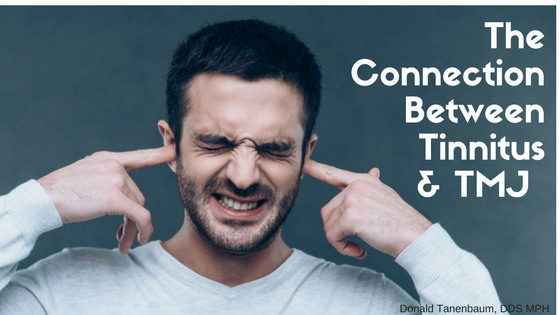
The Connection Between Tinnitus and TMJ


Editor’s Note Updated 2025: This article remains part of our archive. For the most current overview of the TMJ and tinnitus connection, visit: https://www.nytmj.com/tinnitus-jaw-connection/

My dental practice has a unique focus. The majority of our patients come to us suffering from TMJ problems. The TM joint is the hinge connecting your jaw to the temporal bones of your skull, which are located in front of each ear. The healthy function of this joint enables you to chew, talk and yawn. When the joint is inflamed, strained, or unstable it can cause pain, limited jaw movement, and a variety of jaw noises during motion. When the muscles that move the TM joint are compromised, similar symptoms may result, as well.

There is a connection between tinnitus and TMJ problems, too, and we see patients in my practice looking for relief. But before I get into the explanation of how tinnitus and TMJ are linked, I want to be sure you understand the nature and causes of tinnitus itself.

The connection between tinnitus and TMJ is real.

What Is Tinnitus?

Tinnitus Definition: The annoying sensation of hearing a sound when no external sound is present. Patients describe these sounds with words such as ringing, humming, buzzing, roaring, clicking, and hissing. This sensation is constant for some people and intermittent for others, and it can be in one or both ears. For some sufferers, the intensity of the sounds can vary from day to day while for others it is without fluctuation in intensity.

What Causes Tinnitus?

There are many known causes of tinnitus that include identifiable damage to the inner ear hair cells, age-related hearing loss, exposure to loud noises, earwax blockage, and changes in the health of the bones in the middle ear. Less commonly, tinnitus can be associated with Meniere’s disease, trauma to the head and neck region, and/or TMJ disorders. For some people, however, the cause is never discovered.

What Is The Connection Between Tinnitus And TMJ problems?

TMJ problems are essentially orthopedic in nature. The common symptoms of TMJ are many and can include pain in the jaw muscles or specifically in the jaw joints, limited jaw motion, jaw muscle tension and tightness, jaw joint clicking, popping and or locking, headache pain in the temples, and/or a bite that doesn’t feel normal. Tinnitus is a less common symptom. When TMJ problems, however, affect the ear, symptoms can be pain, stuffiness, and/or tinnitus.

The onset of these symptoms may be due to underlying medical disorders, emotional stress which drives muscle tension, disrupted sleep, traumatic events, periods of sustained jaw opening, sleep bruxism, and daily overuse behaviors and or neck postures. All of these factors can result in joint sprains, muscle strains, muscle spasms and /or inflammation.  Less common origins include a “bad bite.”

connection between tinnitus and tmj, donald tanenbaum

Why TMJ Problems Can Lead To Tinnitus (Or Make It Worse)

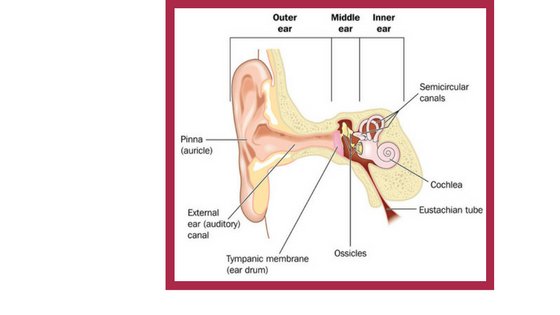
1. The nerves that serve the jaw muscles and jaw joint are also responsible for the function and tone of muscles that determine the size of the Eustachian tube and tone of the tympanic membrane. Alterations in the function of these two structures can be responsible for tinnitus.

2. There is one specific ligament connecting a middle ear bone (the malleus) to the jawbone.  When a TMJ problem changes the position of the lower jaw the malleus can be altered in its function due to ligamentous traction and that can lead to tinnitus.

3. The main nerve supply from the TM Joint has been shown to have connections to parts of the brain involved with hearing and the interpretation of sound. If TMJ problems alter the function of this nerve, it‘s quite possible that the brain will interpret normal sounds as abnormal and patients report tinnitus.

4. Worth mentioning is that because TMJ problems are often associated with neck problems, evaluations of the neck must be also part of an overall assessment. There is evidence that nerve endings in the neck make connections to the hearing centers of the brain. Ear symptoms, therefore, have been shown to emerge as a result of long-standing neck problems or those created by acute trauma.

Determining If A TMJ Problem Is Driving Tinnitus Symptoms

Try to determine if your tinnitus symptoms are influenced by moving your jaw (chewing, yawning, talking, opening it widely, sticking it forward). If you notice a link, then it’s very possible that TMJ problems are at the root of your tinnitus. The same is true for head and neck movements.

TMJ Neck Treatment To Help Tinnitus

If your tinnitus is related to your jaw or neck, dealing with these problems will be very helpful. There are a host of treatment strategies available including reducing overuse behaviors and or postures (such as teeth grinding, nail-biting, frequent computer work), exercises, home TENS therapy, muscle injections or dry needling techniques, BOTOX®, the use of oral appliances to support your jaw joints and jaw muscles (especially at night), physical therapy, medications, meditation, mindfulness training, and diaphragmatic breathing instruction.

These treatments, if found to be helpful, may require several weeks or months to see maximum results.

Summary

As I mentioned before, tinnitus can be caused by damage to your inner ear, hearing loss, exposure to loud noises, earwax blockage, and more. If your doctor has not found a link between your symptoms to any of the above, it may be time for an assessment of your jaw and neck structures. There may, indeed, be a connection between your tinnitus and TMJ problems.

Here’s a directory of orofacial pain professionals around the world: American Academy of Orofacial Pain.

You can get more information about TMJ and ear problems here: TMJ and its Relationship to Ear Problems and Sinus Symptoms

Live or work in New York City or on Long Island? You can schedule a consultation with me here or call 212-265-0110.
Dr. Donald Tanenbaum is a dentist with offices in New York City and Long Island, NY. He is uniquely qualified to diagnose and treat facial pain associated with jaw problemsTMJreferred painnerve pain, and migraines. You can contact the office here.

Categories
Facial Pain Jaw Problems Orofacial Pain TMJ

BOTOX® Injections For TMJ – 6 Things You Need To Know

During the past few years in my practice as a dentist who focuses primarily on TMJ and orofacial pain problems, I have seen a lot of success using BOTOX® injections for TMJ to treat muscle pain and oral nerve pain.

BOTOX® is not suitable for every patient, however. Care must be taken as to when to use it, how to use it, and who is a good candidate. If you’re considering BOTOX® as part of your treatment for TMJ problems, jaw pain, pain in or around your teeth, or because of a change in the shape of your jaw, please read on:

6 Important Things You Need To Know About BOTOX® Injections For TMJ

  1. BOTOX® is Not a First-Line Treatment for Jaw Muscle Pain
    First-line treatment for jaw muscle pain (and spasm or tightness) is dictated by a careful evaluation to identify why you have symptoms in the first place. For example, it may be necessary for you to change some daytime habits, postures and behavioral tendencies that fatigue the jaw and neck muscles. Or if you clench or grind your teeth at night you may need to wear a protective night guard. In addition, you may get relief from medications, home jaw and neck exercises, breathing exercises, meditation, a change in your diet, or all of the above. Muscle injections or dry needling would be next in line along with visits to a physical therapist, chiropractor or osteopath who would work to promote muscle comfort. The bottom line, however, is that you the patient, must participate in the process of getting better and BOTOX® will not produce the desired goals if the underlying reasons for your pain have not been identified and dealt with.
  2. BOTOX® Will Not Ease Certain Types Of Muscle Pain
    There are times when muscles hurt even though they have not been overused. When life circumstances, emotions or thoughts cause your muscles to tighten and ultimately ache, then BOTOX® injections for TMJ will not likely help. Instead, counseling, talk therapy, cognitive behavioral therapy, and the like may be the right strategies to pursue.
  3. If You Currently Wear a Night Guard
    If you currently wear a night guard and still have morning symptoms of muscle pain or tightness, joint noises, locking, and/or pain, you may be a good candidate for BOTOX®. This is particularly true if you find yourself biting hard on the guard when you wake up in the morning. Keep in mind however, that BOTOX® will be most helpful if you continue to wear your night guard. Two strategies are better than one in this scenario.
  4. If You Can’t Tolerate A Night Guard
    If you have simply cannot tolerate a night guard (and have tried various types, with your dentist’s guidance) BOTOX® injections for TMJ may provide meaningful benefit.
  5. If Your Jaw Muscles Are Too Big
    If your jaw muscles are just too big and visibly over-built, BOTOX® may be an option. One of the predictable things that BOTOX® does is reduce muscle bulk when used over time. BOTOX® has been shown to be effective in producing a flatter and more natural-looking profile. You will likely need three BOTOX® sessions in three-month intervals to achieve the best results. However, jaw bulk may creep back if the reasons your muscles become larger have not been identified and dealt with.
  6. If You Experience Persistent Oral Nerve Pain
    Small quantities of BOTOX® may be helpful if you experience persistent pain in your gum tissue, at the site of a tooth or tooth extraction, or at other sites around your face. Nerve pain inside your mouth or in your face is often due to electrical discharge from the trigeminal nerve. BOTOX® injections for TMJ into the painful sites (often called trigger zones) can provide real benefit, especially if you don’t respond well to oral medications. In spite of being relatively new, this type of treatment is showing promise.

In Conclusion

BOTOX® has become a helpful component in the management of TMJ, jaw muscle pain and oral nerve pain problems. The important thing for you, the patient, is to understand that BOTOX® injections for TMJ are not a cure-all. Careful assessment by an experienced practitioner remains the key to making treatment decisions that will result in a long-term positive outcome. If you choose BOTOX® as first-line therapy without understanding the origins of your pain, you will likely be out of pocket quite a bit of money with nothing to show for it.

Related reading:

BOTOX® for teeth grinding is in the news! I was recently interviewed on ABC’s Good Morning America on the topic, Can BOTOX® be used to treat teeth grinding?  Click the link to watch the segment.

Dr. Donald Tanenbaum is a dentist with offices in New York City and Long Island, NY. He is uniquely qualified to diagnose and treat problems associated with facial pain, TMJ and sleep apnea. To make an appointment for a consultation, call: Manhattan: 212-265-0110, Suffolk county: 631-265-3136.

Categories
Bruxism Jaw Problems TMJ

Can Braces Cause TMJ?

TMJ problems can be a real burden that leads to pain, limitations on eating and embarrassing jaw joint noises. In my practice as a dentist who focuses primarily on TMJ and jaw problems, patients often ask me, “Can braces cause TMJ?” Although there’s no easy answer, I’ll do my best to explain.

Can Braces Cause TMJ? Three Scenarios

If you’re concerned that braces are the cause of your jaw issue, you’ll likely fit into one of the following three scenarios:

Scenario 1: You finished orthodontic treatment less than a year ago and suddenly you have TMJ symptoms.

Let’s give this scenario some thought as there may be some concerns about what we call new bite relationships. Think about this: your teeth have been moved and have had to settle into new positions. That means your jaw muscles, tendons, joint ligaments, cartilage, bones, lubricating systems, and shock-absorbing disc all had to adapt to the new environment. Thankfully, most people experience no problems with this process.

But in some people the end orthodontic result can lead to asymmetric tooth contacts or tooth contact patterns that force the lower jaw into an awkward position when the teeth are brought together. Therefore, the jaw is consistently forced into postural positions while chewing that lead to sprains and strains. If this scenario occurs in a person who has daytime behaviors that prompt tooth contact or who has a history of night clenching or grinding, these awkward bite postures will have a greater impact and can lead to even more severe TMJ symptoms than are caused by the behaviors themselves.

If you fit into Scenario 1, the answer to the question, can braces cause TMJ? is Yes! You should to return to the orthodontist or dentist who moved your teeth. There’s a chance that to “shore up the foundation” a short phase of orthodontics or some dental procedures to provide more tooth contact symmetry can do the trick. If you don’t feel your complaints are being taken seriously, a second opinion is recommended.

In addition, you may need change your daytime over-use behaviors such as teeth grinding or clenching, wear a protective oral appliance at night, and perform jaw exercises. It’s important to identify any other risk factors that could play a role, as well. (See a list at the end of this post.)

Scenario 2: You have braces now and your TMJ problems just began.

Regardless of whether your braces are the traditional or the Invisalign-type removable aligners, if you experience occurrences of pain (beyond what’s expected during orthodontics) or joint noises and/or locking, you must report your symptoms to your orthodontist or the dentist providing your treatment. Your braces might not need to be removed, but instead adjusted to make sure your jaw is no longer stressed.(Also, it is important to be sure that the orthodontic process is not being compromised by outside factors, such as those that are listed at the end of this post.

Scenario 3: You had braces, but they were removed many years before your TMJ problems began.

Can braces cause TMJ if they were removed years ago? It’s unlikely that braces removed years before your jaw symptoms first started could be the primary or exclusive cause of TMJ. In fact, the vast majority of studies conclude that even if one’s bite is “off” for decades (one’s natural bite or an orthodontically-created bite) there is little chance this single factor is the cause of TMJ problems.

If your long-ago removed braces are not the primary reason you have TMJ, then what is? Something clearly has happened, likely over a long period of time that caused fatigue and overworked, sprained, or traumatized your jaw muscles and joints.

If you were my patient, I would conduct a full assessment and start by asking you some very important questions that fall into four distinct groups:

1. Did You Have An Injury?
The TMJs and associated jaw muscles can be injured the same way knee or elbow structures can. Were you injured on the athletic field or in a car accident? Did you have a recent medical procedure that kept your mouth open for a long period of time or in an awkward position? Did you notice sudden jaw pain or popping while eating, yawning, playing a musical instrument, or even singing? Did you recently have dental work performed or a challenging wisdom tooth removal that could have compromised your jaw structures?

2. Do You Over-Stress Your Jaw?
Over-use behaviors and head postures can impact the structure and stability of your jaw muscles and temporomandibular joints (your TMJs). Do you chew gum or bite your nails, cuticles, or pens? Do you hold your eyeglass frames between your teeth? Do you grind or clench your teeth at night and/or during the day? Do you have work-related neck strain? Do you have longstanding neck symptoms that include pain and muscle tightness?

3. Has Your Health Changed?
Changes in the your medical health can also be a source of challenge to your jaw. Are you on a new medication? Have you stopped smoking? Do you have a new neuromuscular, rheumatologic and/or autoimmune disease? Are you profoundly depressed or have anxiety? Have you been diagnosed with a chronic illness? Do you have problematic insomnia, migraines or fatigue? Have you changed your diet to one that requires more consistent chewing of tougher foods? Even merely being concerned about your health is sufficient to initiate jaw muscle tension and pain.

4. Are You Stressed-Out?
A fatigued, conflicted, and unhappy brain is a source of muscle tension and can have a negative impact on your nervous and immune system. That can lead to a lower threshold of pain. Do you have ongoing challenges at home and or at work? Are you caring for a sick child or parent? Is your marriage in trouble? Are there financial worries? The list of critical life matters that can cause changes in the way you sleep, breath and hold muscle tension throughout your body are endless. Any of these changes can cause jaw-related symptoms.

If you answered yes to any of the above, your TMJ symptoms are likely the cause of a number of factors. It is crucially important to discuss these with the orthodontist or dentist who is handling your case.

So, the answer to the question, “Can braces cause TMJ?” is “Yes, sometimes!”

If you are considering braces for yourself or your children, inform the dentist or orthodontist of any jaw problems before you start treatment. A thoughtful practitioner will make a careful assessment of the history and clinical characteristics of every patient before determining how to proceed.

Live or work in New York City or on Long Island? You can schedule a consultation with me here or call 212-265-0110.

For more information on TMJ and jaw pain, link here:
Temporomandibular Disorder
Jaw Problems

Categories
Fibromyalgia TMJ

Is It TMJ or Fibromyalgia?

The majority of patients in my practice arrive complaining of TMJ pain. For many, their pain is over the jaw joints. While others complain of pain only in their jaw muscles. These separate, but related, pain sites represent the components of a true TMJ pain problem. In fact, whether the pain is focused over the joints or in the muscles, it’s almost always the result of very specific factors such as teeth clenching or grinding during the night or day, daytime behaviors such as nail or cuticle biting, poor sleep, strained respiration, and/or chronic stress and challenging life circumstances.

I do see many patients, however, who experience severe pain in the jaw and face, but who display no evidence of common risk factors typical in the patients who have TMJ pain due to a temporomandibular disorder. For these patients, their pain is real but the cause is different. A very large percentage of them have a diagnosis of fibromyalgia in their medical history.

Is it TMJ or Fibromyalgia?

Although a full understanding of fibromyalgia remains unclear, fibromyalgia patients typically have a very low threshold of pain throughout their entire body. The best analogy is to imagine what it feels like to put on a shirt when your back has been burned from multiple days at the beach. That’s what it’s like to have fibromyalgia. All the time.

As a result common activities such as chewing, yawning, talking, or even putting their face on a pillow produces face and or jaw pain. This daily pain may often leads them to brace the jaw muscles and fatigue them. This can result in motion limitation and thus mimics a common TMJ problem.

Treatment strategies for fibromyalgia patients are markedly different than for typical TMJ patients.

When I work with typical TMJ patients I can isolate the factors that caused their problems in the first place and then help to control them. But if you are a fibromyalgia patient, it is much more challenging to manage your face and jaw pain. Treatment must focus on helping you acquire higher pain thresholds.

Through research we’ve discovered that meditation, diaphragmatic breathing, restorative yoga, exercises, a positive outlook on life, and even laughter can all be beneficial for fibromyalgia patients. In addition, certain medications show promise – particularly those designed to enhance your own pain inhibitory systems by helping restore and/or bolster levels of serotonin and endorphins. Injections of BOTOX® coupled with frequent jaw motion exercises also show promise for specific jaw muscle pain in fibromyalgia patients.

In summary, facial pain symptoms are not always the same and require careful assessment before conclusions are reached with regards to diagnosis and treatment strategies. In my practice we see progress with both the common TMJ sufferer and those with jaw pain due to fibromyalgia.

If you’re in pain and are need to know if it is TMJ or fibromyalgia, and you live in the New York City area, please feel free to call my office for a consultation. Outside the area you can find a list of professionals through the American Academy of Orofacial Pain.

Dr. Donald Tanenbaum is a dentist with offices in New York City and Long Island, NY. He is uniquely qualified to diagnose and treat problems associated with facial painTMJ and sleep apnea.

Categories
Jaw Problems Orofacial Pain TMJ

What Is An Orofacial Pain Specialist?

If you’ve never heard the term orofacial specialist, I’m not surprised. I’m one of only a few hundred formally trained orofacial pain specialists in the United States. That’s because orofacial pain specialists have not been terribly visible on the health care playing field – until recently. Until very recently the field of orofacial pain was not a recognized specialty by the American Dental Association. This fact made it difficult for patients to get proper treatment. But in March 2020, the American Dental Associations’ National Commission on Specialty Status finally named Orofacial Pain as a new dental specialty, 

Orofacial specialists like me treat patients who suffer from pain of muscle origin, joint origin, and nerve origin that is focused in the head, neck, mouth, face and jaw area. For example, we treat people who have chronic toothaches and gum pain – despite having multiple dental evaluations and treatment. The problems we treat involve jaw pain, limited mouth opening capacity, and jaw clicking and locking. In addition, many patients with TMJ issues have problematic headaches, and in many cases, have pain in the nerves that supply the teeth, gums and other facial tissues.

At times we also are called upon to diagnose and or treat patients with complex medical problems that result in facial pain.

Why don’t more people know about orofacial pain specialists?

Because until recently, this specific area of dentistry has not been granted “specialty status” by the American Dental Association. And that’s why orofacial pain specialists can be difficult to find. But now, dental schools that train dentists to become oral surgeons, endodontists (root canal), periodontists (gum therapies) and orthodontists (braces) can also train them to be experts in orofacial pain. 

To help our patients, orofacial specialists rely on a wide variety of treatment options including education, medication, therapeutic injections, oral appliances, and muscle and joint rehabilitation therapies. Patient education is crucially important in my field as many of the problems we treat in the jaw muscles and joints are the result of daytime jaw overuse behaviors and sleep-related teeth grinding and clenching. Most orofacial specialists have strong referral relationships with physical therapists, clinical psychologists, pain management physicians, psychopharmacologists, chiropractors and even acupuncturists and leaders of meditation programs. All of these together allow us to successfully care for our patients’ individual needs.

We often validate the fact that your pain is not only real but helpable despite – past treatment failures. Just knowing there’s an answer helps my patients feel better right away.

If you or someone you know has been suffering you can find an orofacial specialist in your area by linking to the American Academy of Orofacial Pain at aaop.org. Look for a specialist with “Diplomate” status. If you’re in the NYC 212-265-0110 or Long Island 631-265-3136 area, feel free to call my office for a consultation.

Relief is here.

Dr. Donald Tanenbaum is a dentist with offices in New York City and Long Island, NY. He is uniquely qualified to diagnose and treat problems associated with facial painTMJ and sleep apnea.

Categories
Bruxism Jaw Problems TMJ

BOTOX® For Jaw Reduction: The Real Story


News Flash! Bettheny Frankel Explains Why Her Face Has Changed: “I Get BOTOX® In My Jaw.”

That headline has been winding its way through the web in the past few weeks. I must admit that when I first saw it I had no idea who Ms. Frankel was (I had to ask my wife). But as an orofacial pain specialist, and someone that uses BOTOX® for jaw reduction in my practice, the headline stopped me in my tracks. It’s a topic discussed at lectures and in medical journals, but I have never seen it in mentioned in mass media before.

The article goes on to explain that the reality TV star was encouraged by her dermatologist to consider getting BOTOX® injections in her jaw. The goal was to reduce the size and shape of the jaw. It had become bulky as a result of many years of tooth grinding.

Now, if you are about to jump on the phone to your dermatologist and ask about injections of BOTOX® for jaw reduction you need to know a few facts: 

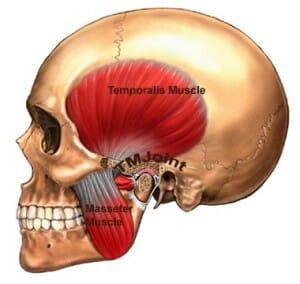
Here’s how your jaw works: The masseter muscles (define your jaw profile) combined with the muscles in your temples and the jaw joints (the “TMJ”s) all work together to enable you to open and close your mouth. They help you to chew and to speak. But…when they are used too much all kinds of problems can occur. These problems can be sore jaw muscles, headaches in the temples, sore teeth, jaw clicking and locking, diminished jaw motion, ear pain that occurs without an ear problem being identified, and more. What’s more, the size and shape of your jawline can change.

That’s what happened to Bettheny Frankel.

While BOTOX® has a prominent place in my arsenal of treatment methods, BOTOX® alone cannot change the behaviors or risk factors that can cause your jaw to change shape. BOTOX® doesn’t cure the source of the problem. In order for that to happen, you must stop overusing your jaw muscles.

For the average person over-use activities are teeth clenching and grinding. This can happen during the day (called Awake Bruxism) or at night (Sleep Bruxism). Or both.

In addition there are many daytime jaw overuse behaviors. Chewing gum, biting your nails or cuticles gnawing on a pencil, or simply clenching your teeth together will engage your muscles.  When your teeth come together, you are making a fist in your face. Imagine what can happen after hours of making that fist on a daily basis!

During sleep, teeth clenching and grinding can occur for a multitude of reason, most of which are out of your control.

Here’s the good news: Jaw over-use behaviors during the day can be changed. In addition, we continue to get better at identifying the risk factors that may be driving your sleep bruxism. Experienced TMJ/Orofacial pain dentists, like me, have gained valuable insights into these problems leading to effective treatment strategies.

The treatment options can range from natural supplements, sleep hygiene programs, prescription medications, deep breathing exercises employed during the day and before bedtime, formal meditation training, oral appliance strategies that introduce different appliance designs during the course of the week, jaw and neck exercise programs and injections. These injections can include the use of BOTOX®.

Here’s the bottom line: BOTOX® after several injection sessions can prevent the jaw muscles from contracting forcefully. That leads to more slender and less bulky muscles. BOTOX® injections can return your face to its previous proportions. But, if you want long-term success BOTOX® must be surrounded by other supportive and complementary care. Because…if you don’t stop and/or reduce your daytime jaw muscle overuse and sleep bruxism, your jaw muscles will inevitably bulk up again.

So, go ahead. Talk to your dermatologist about BOTOX® for jaw reduction. But also get a referral to a TMJ/Orofacial pain dentist who will help you maintain your normal jawline for life.

Good luck!

Read about the various methods used to correct jaw over-use behaviors:
TMJ Treatment
Can Bruxism Change The Shape Of Your Face? 
Case Study: 10 Years of Teeth Clenching 
Can TMJ Patients Get Better? 

Categories
Facial Pain Jaw Problems TMJ

TMJ Problems During Invisalign Treatment

Modern technology has changed nearly every aspect of dentistry during the past ten years. The world of orthodontics, in particular, has seen incredible advances that allow teeth to be moved in a revolutionary way. Because of software technology dentists can now simulate the tooth movement steps that are necessary to go from starting point to end point before treatment has even begun. This remarkable technology is known to most of us as Invisalign.

Invisalign has not only changed the way teeth are moved, it enables many more dentists than before to offer tooth movement services. This is a huge shift in the way orthodontic treatment is delivered. And for millions of people, Invisalign is more desirable than traditional braces. However, despite the wonderful outcomes, many patients experience TMJ problems during Invisalign

More Patients Experiencing TMJ Problems During Invisalign Treatment

My practice is made up mostly of patients that suffer from disorders of the temporomandibular joint, most commonly referred to as TMJ. One of the significant risk factors that may initiate a TMJ problem is the presence of frequent and aggressive tooth contact during the day and at night. These tendencies are called awake bruxism and sleep bruxism respectively. Before the popularity of Invisalign, I normally saw a small proportion of patients every year that were actively involved with orthodontic treatment.

But recently I have seen an influx of patients with TMJ problems during Invisalign treatment. They represent all ages: teens, adolescents and adults. And they arrive with a combination of jaw muscle problems and jaw joint-related problems. From treating these patients I have begun to see a pattern emerge. Let me explain:

Patients in Invisalign treatment must wear their upper and lower aligner trays on a nearly full-time basis. The only exception is while eating. These clear aligners are made from a very rigid material that is relatively thick. Consequently, they take up a considerable amount of the free space between the upper and lower teeth, even when the jaw is in a relaxed position. For some patients, the upper and lower aligner trays are always in contact, which means their jaw muscles are always contracted in braced state. Over time these contracted muscles can become sore, painful and tight. In some cases, the jaw joint gets involved as well with symptoms such as popping, clicking and locking. And that’s what happened to Paula.

Paula is a 56-year-old who arrived at my office in a state of panic. Her jaw had locked and she was in considerable pain. Paula told me that only two months into her Invisalign treatment she had begun to experience jaw tightness and jaw joint noise upon arising every morning. Reporting it to her dentist, he assured her that her problem was likely not related to Invisalign, as he had “never seen this before.”

Although concerned, Paula pushed ahead with Invisalign until one morning she woke up in tremendous pain with a locked jaw. During our consultation, it became apparent to me that her Invisalign trays had prompted her to her jaw in a braced jaw position during the day and a clenched position at night. Because Paula’s history revealed no other risk factors, it is likely that her jaw muscles and jaw joints were compromised due to repetitive overuse.

Paula is not the only patient I’ve seen in the past few weeks with TMJ problems during Invisalign treatment. Take into consideration Nicole, who is 13-years old. Nicole had a minor jaw click before starting Invisalign. She wore her aligners for only a short period of time before her minor click became out of control and she was in tremendous pain. During her consult, I recognized that with the aligners in place, Nicole could not maintain a relaxed jaw posture. It is, therefore, easy to understand why her previously minor jaw problem had escalated during Invisalign treatment.

Many people have a history of tooth clenching or consistent teeth contact before they ever enter into Invisalign treatment. And some people don’t even know they do it because they don’t experience the typical symptoms. For these folks the introduction of Invisalign trays makes it very hard to maintain a neutral and restful jaw position and the risk of TMJ problems is very real.

How To Prevent TMJ Problems During Invisalign Treatment

The best way to prevent TMJ problems during Invisalign treatment is to ask your dentist some very specific questions before you make the decision to go ahead. Here are some sample questions:

  • YOU’VE HAD TMJ PROBLEMS IN THE PAST: “I have had jaw problems in the past. Is Invisalign the best choice for me?”
  • YOU DON’T KNOW IF YOU CLENCH OR GRIND YOUR TEETH: “I don’t know if I clench or grind my teeth during the night. Can you check for signs before I decide to start Invisalign?”
  • YOU’RE ENTERING INTO A STRESSFUL PERIOD IN YOUR LIFE, such as moving or a divorce: “I’m going to be under a lot of stress in the near future. Should I wait until life is calmer to begin the Invisalign treatment?”
  •  YOU’RE ON A MEDICATION THAT COULD CAUSE MUSCLE TENSION such as Adderall. “I am currently taking Adderall. Could that impact my treatment?”

You may have your heart set on Invisalign, but it’s best to know for sure that it’s right for you before starting. If you are in the midst of treatment I recommend that you make great efforts to be as mindful as you can to keep your trays apart during the day. Report your concerns about night clenching to your dentist immediately if you suspect you are doing it. TMJ problems during Invisalign treatment can negatively affect the outcome.

More than anything else: choose a dentist that you trust and who listens to you and addresses your concerns. It’s better to be safe than sorry.

If you or someone you know is experiencing persistent or acute pain in the face or jaw, we invite you to set up a consultation with one of our Orofacial Pain specialists in the NYC metropolitan area. Our office locations and contact information are below.

Categories
Jaw Problems TMJ Women & Pain

Postpartum TMJ Pain – What Causes It & How To Get Relief

As a board-certified orofacial pain specialist, my practice focused on treating patients who suffer from the impact of TMJ problems, I am confronted with new challenges every day. One particularly challenging group of patients is women who suffer from postpartum TMJ pain. Here are some of my thoughts on why this population of patients is so commonly seen in my office.

The 3 Big Causes of Postpartum TMJ Pain

1- Sleep Disruption

Everyone knows that the presence of a newborn is incredibly disruptive to sleep. A fragmented, diminished and unpredictable sleep schedule leads to poor quality sleep. When sleep deprivation continues over many months or even years, pain symptoms can develop throughout the body as endorphin levels drop. Joint and muscle symptoms are common throughout the body including the jaw muscles and TM joints

If headaches in the temples are a common morning symptom suspicion of sleep bruxism must be considered. In addition, if the new mom does not quickly shed her pregnancy weight, she may be predisposed to airway problems, which further fragment sleep quality. Sometimes lingering postpartum TMJ pain is so severe that new moms seek many medical evaluations, most of them unnecessary other than for piece of mind.

2- Neck & Shoulder Strain & Fatigue

Next is the act of carrying around small babies. It seems easy at first but gets more and more difficult as a child’s weight increases. Carrying around the baby can be a challenge for anyone, particularly for small women. A 20-pound baby can cause neck strain and fatigue, which can result in pain. These neck problems very often initiate jaw problems. And thus the cycle begins.

Carrying a baby isn’t the only cause of neck and shoulder strain. Car seat challenges, pushing and folding heavy strollers (especially while holding the child in one arm), talking on the phone or cooking while holding the baby, and time spent sitting on the floor all add up to the potential for muscle problems to arise.

3- Emotional Issues

Last, but not least, the emotional issues than often arise following childbirth can be a significant cause of postpartum TMJ pain. Yes, having a baby is one of the most cherished events in life. But life as we know it is forever changed. For women whose independence started with high school graduation, college, grad school, and then career, the sudden loss of control that the new baby brings can cause tremendous emotional upheaval.

Plus, it’s no easy chore to be on call 24/7, even for the hardiest. For working moms the stress is two-fold. The hours away from her baby can create anxiety and the feeling of “being out of control.” Many new moms also sense a tremendous amount of guilt for being away from the baby every day.

Attending to poor sleepers, colicky babies, picky eaters and constant crying requires skills that must be learned, and there’s no manual.

As the challenges of motherhood continue, the limbic system (the part of the brain where emotions are formed) ultimately stimulates the fight or flight response and that gives rise to increased muscle tone, shallow and fast breathing, and daytime behaviors such as raised shoulders, furrowed brows, lip tension and clenched teeth, just to name a few. The end result, of course, can be the emergence of jaw pain, jaw stiffness, and/or headaches.

Help Is Available

There are no easy solutions for all of these challenges. However, when a new mom arrives at my practice suffering from TMJ problems, I have an arsenal of ways to help her get relief. They include:

  • Diaphragmatic breathing techniques
  • Jaw and neck exercises
  • Help to improve sleep hygiene 
  • Strategies to address awake and sleep bruxism
  • Meditation recommendations (TM is extremely helpful)
  • Referrals to Alexander and/or Feldenkrais specialists

I also encourage new moms to ask for help from their parents, siblings or even their friends. Taking some breaks from the daily obligations of caring for a newborn can go a long way to feeling better.

If you have a new baby and are suffering from postpartum TMJ, help is available. To find a dentist in your area that focuses on these types of problems, visit The American Academy of Orofacial Pain at http://www.aaop.org/.

Good luck!

(This is a follow-up to a previous post 3 Reasons Why TMJ Problems Get Worse During Pregnancy

Dr. Donald Tanenbaum is a dentist with offices in New York City and Long Island, NY. He is uniquely qualified to diagnose and treat problems associated with facial painTMJ and sleep apnea.

Live or work in New York City or on Long Island? You can schedule a consultation with me here or call 212-265-0110

Categories
Jaw Problems Nightguards & Oral Appliances TMJ

3 Reasons Why TMJ Problems Get Worse During Pregnancy

As a board-certified orofacial pain specialist, the majority of people who pass through my door have TMJ problems, and 80% of them are women. The reasons that women are more prone to TMJ problems are very complex (a subject that I cover elsewhere on my website). Happily, I can report that after a treatment period of approximately three to four months, most of my female patients experience diminished and sometimes even the complete elimination of their symptoms. It is not unusual, however, for some women that were symptom-free for a long period of time to find their way back to my office when they’re expecting a baby. That’s because TMJ problems get worse during pregnancy.

Why do TMJ problems get worse during pregnancy? There are 3 main reasons:

  1. Sleep Disruption

    Most women discover pretty early on in pregnancy that their favorite position is no longer comfortable. In many cases, she can’t even find one sleep position that’s comfortable. Add to being uncomfortable, the frequent need to get up to urinate during the night and you have a situation that wreaks havoc on the sleep cycle. Disrupted sleep and brain arousals during the night seem to increase the likelihood of tooth grinding and clenching. Therefore, the pregnant woman that experienced jaw problems in the past is certainly now at risk again. The result is the typical list of TMJ problems: pain, jaw stiffness, morning headaches and jaw clicking and/or locking.
  2. Morning Sickness
    For many women, unrelenting nausea and frequent vomiting characterize the early stages of pregnancy. Vomiting itself puts extreme pressure on the shoulder and neck muscles and causes the jaw to be violently thrust forward. Frequent vomiting can cause the jaw ligaments to be sprained and the jaw muscles to be strained. A traumatized jaw joint can be painful, stiff, and mechanically challenged. Although morning sickness usually lasts only a short time, that can be just long enough for TMJ problems to start or to reoccur.
  3. The Relaxin Hormone
    Relaxin is a very helpful hormone. It helps ligaments in the pelvis stretchier to accommodate the delivery of a baby. The ligaments become more “lax”. During the later stages of pregnancy, relaxin becomes more and more elevated in the bloodstream. While relaxin’s main job is to prepare the pelvis, it also can make the ligaments in other parts of the body more elastic, including the jaw. Here’s a frightening scenario that is experienced by many pregnant women: A visit to the dentist for a routine cleaning becomes a nightmare when her jaw gets stuck in the open position. Hello, relaxin! Relaxin has made the jaw ligaments unstable and allowed the joint to open wider than normal. Sometimes assistance is even needed to get the jaw closed and that can result in pain and soreness for days, or even weeks. The fear of this scary event happening again is very stressful. (In these cases I teach some simple exercises that are very helpful.)

If you’re pregnant, have had TMJ problems in the past, and suspect that they are beginning to resurface, see your dentist before it gets worse. A custom-fitted nightguard, a routine of jaw exercises, and some general relaxation techniques may just be what you need to relieve the symptoms and allow you to enjoy the rest of your pregnancy.

If you are experiencing postpartum TMJ problems, please link to Postpartum TMJ Pain – What Causes It & How To Get Relief.


If you liked this article, please consider subscribing to my blog. Thank you!

Dr. Donald Tanenbaum is a specialist with offices in New York City and Long Island, NY. He is uniquely qualified to diagnose and treat problems associated with TMJ, jaw problemsbruxism, and more.

Live or work in New York City or on Long Island? You can schedule a consultation with me here or call 212-265-0110

Categories
Bruxism Nightguards & Oral Appliances TMJ

Why It’s A Bad Idea To Use Whitening Trays For Bruxism

I recently came across an online press release with this compelling title:
Teeth Whitening Trays From ProDental Functions As A Night Guard Against Teeth Grinding.

The press release goes on to state:
These teeth whitening trays help to stop the condition of teeth grinding which happens drastically at night when persons sleep.”

In my 30+ years as an orofacial pain specialist, I’ve treated thousands of people who suffer from the effects of teeth grinding and I will tell you right now: it is a very bad idea to use whitening trays for bruxism.

Teeth grinding and clenching (clinically known as sleep bruxism) are caused by brain arousal during sleep. What causes the brain to become aroused? There is no easy answer. It could be any number of things: daily stress, a crying baby, chronic pain, breathing problems, too much light, a snoring bed partner…and the list goes on.

Medical practitioners face a big challenge when attempting to identify the exact cause of nighttime brain arousal. In my practice, the goal is to reduce, or even stop, nightly grinding. But that can happen only once the exact cause has been identified. This takes time and determination.

In the interim, most of my patients wear custom-fitted bruxism devices (also called oral appliances) at night. These bruxism devices protect teeth from the destructive impact of constant grinding and clenching. They diminish the loading forces placed on the jaw joints and diminish the contracture force of the jaw muscles.

However, bruxism appliances must be custom-fitted to do their job!

If you’re considering the use of whitening trays to treat your teeth grinding, as the above press release suggests, please beware. You may actually make your condition worse. Here’s why:

3 Reasons Why It’s A Bad Idea To Use Whitening Trays For Bruxism

1. Whitening Trays Are Too Loose

Whitening trays will rarely fit your teeth perfectly. In fact, they are designed to fit somewhat loose and because of that fact, they flop around in your mouth. You must clench your teeth to keep them in place. And the last thing you need is more teeth clenching.

2. Whitening Trays Are Too Short

Whitening trays that are designed for mass utilization will never extend all the way back to your rear teeth. As a result, when you clench or grind your teeth with one of these trays in place, all the force is shifted forward. Though it sounds like a good idea to prevent the back teeth from being engaged when clenching and grinding, this pattern of contact actually puts more pressure on your TM joints. Over time this can cause additional jaw stiffness, pain and even joint clicking and locking (which may not have been present before starting to wear the trays). And not only that; trays which do not cover rear teeth may cause your bite to change over time, adding another difficult problem to fix.

3. Whitening Trays Are Too Soft

Whitening trays are made of a soft, pliable material which encourages more grinding and clenching. Patients call them “chew toys” when describing how they feel. In addition, because these soft trays don’t hold your teeth in place they can cause spaces to develop in between your back teeth. If this happens to you, you’ll forever be fishing food out from between your teeth with your tongue, further aggravating your jaw.

The Takeaway:

If you wake up in the morning with jaw pain, muscle stiffness, jaw clicking or locking, or sore teeth, you likely have sleep bruxism. You may be tempted to try the teeth whitening tray solution. After all, it seems to be adequate and inexpensive. But that decision will most likely lead to more problems with your teeth and jaw.

Please, take my advice: don’t be the victim of a phony pitch that can come back to bite you with a hefty dental bill later. Seek help from an experienced practitioner.

To find a dentist in your area that concentrates on sleep bruxism problems, visit The American Academy of Orofacial Pain at http://www.aaop.org/.

Live or work in New York City or on Long Island? You can schedule a consultation with me here or call 212-265-0110

Categories
Jaw Problems Orofacial Pain TMJ

When Is TMJ Surgery Needed? What You Need To Know

TMJ surgery has received some negative press over the years. You may have read horror stories on the Internet about TMJ surgery gone bad. The reality is countless patients would still be living with acute jaw pain and limited jaw motion if they had not had surgery as an option.

I’ve spent the past 40 years focused almost exclusively on treating patients with TMJ and facial pain problems. I’m often asked how I determine when TMJ surgery is needed. 

Non-Surgical Treatments Are Always Tried Before Surgery Is Ever Considered

It’s important to understand that TM joint problems are orthopedic problems – just like tennis elbow or a rotator cuff injury, for example. Sometimes, tissue injury in the TM joints is severe and involves compromised ligaments, stubborn inflammation, displaced cartilage, and/or arthritic and erosive problems affecting the bones. 

If your TM joint pain is due to inflammation, and after we’ve tried all non-evasive therapies, our one last non-surgical effort is steroid injections into the “hot” joint.

The success of steroid treatment depends upon how long you’ve experienced pain, the origin of your problem, the condition of your underlying bone, ligaments and cartilage, and your ability to avoid new injury to the joint. If progress is made after the first injection, a second is usually administered in about three months.

However, when no relief is experienced after the first injection, the steroid method is put aside.

When Steroid Injections Don’t Work – The Next Option Is Arthrocentesis 

If steroid injections are unsuccessful, the next option is usually arthrocentesis. Arthrocentesis is a procedure whereby your injured TM joint is, in essence, washed-out to remove the irritating chemicals that accumulate when you have tissue injury.

In addition, your injured TM joints may not move easily due to sticky adhesions. So, the second goal of arthrocentesis is to break down these adhesions, which allows your joint to move more easily. When movement is easier, so are your prospects of healing. (Arthrocentesis is usually performed under local anesthetic and light sedation.)

As with steroid injections, supportive therapies are put in place afterward such as oral appliances, home treatments and exercises, dietary caution, oral medications, and physical therapy.

When Arthrocentesis Doesn’t Work, Is TMJ Surgery Next?

Like any orthopedic problem, there are times when all non-surgical treatments fail.

The procedure of choice in this instance is arthroscopic surgery. Arthroscopic surgery allows your doctor to visualize the damage in your TM joint and effectively remove any adhesions, smooth any irregular bone, and inject steroids right into areas that are inflamed. We often take tissue biopsies at the same time.

When performed by experienced hands, arthroscopic surgery is extremely effective in starting the process of natural healing, which for most patients, results in profound pain reduction and increased ease of jaw motion. Although usually performed under general anesthesia, arthroscopic surgery is an outpatient procedure.

(Home exercises and/or physical therapy are always required after arthroscopic surgery.)

When All Else Fails

If the MRI and CT scans reveal extreme tissue damage, extensive bone erosions, and/or degenerative arthritis, then we may need to surgically open the joint. Opening the joint enables extensive repairs to be made, but it requires special surgical skills and experience. Like all the procedures outlined in this article, long-term rehabilitation is put in place and is required.

A full regimen of non-surgical care must always be attempted before TMJ surgery is ever considered. TMJ surgery can repair injured tissues, relieve (or even eliminate) pain, and improve your jaw function. But it should be always considered as the last resort.

The Takeaway: If you do need surgery, ongoing collaboration between your dentist, a board-certified orofacial pain specialist, your surgeon, and your physical therapist must exist in order for you to heal and experience long-lasting results.

To find a board-certified orofacial pain specialist in your area, visit The American Academy of Orofacial Pain and look for a doctor with Diplomate status.

Categories
BOTOX® Bruxism Jaw Problems TMJ

Bruxism Can Change The Shape Of Your Face

As an orofacial pain specialist, I’m often asked if bruxism can change the shape of your face.

Here’s a story about a young woman named Sarah who came into my office a couple of weeks ago with her mother. Sarah is a 17-year old, college-bound, high achiever who was convinced that the shape of her face had undergone a dramatic change during the past few years. She was particularly concerned about her jawline. She felt that her jaw muscles looked bigger and more pronounced than before.

When I work with a new patient the first thing we do is sit down, relax, and have a conversation. I usually learn more during this conversation than I do from the physical examination. During my conversation with Sarah I asked her a lot of questions about her life and carefully listened to her answers. It didn’t take long for me to begin to see where her problems started. The physical examination reinforced my hypothesis.

In order to understand what happened to Sarah’s face we must take a look at the master muscles; they are the muscles that control the movement of the jaw. Masseters are like all other skeletal muscles in your body in that they will maintain a baseline shape and size when used normally. And, like all other skeletal muscles in your body, they will change in size and shape when over-used. It’s the same as when you workout your biceps in order to change the size and shape of your arms.

Each time you close your jaw or even swallow, you are using your masseters. Normal chewing and swallowing will not cause them to change in shape or size. What makes masseter muscles change, is when they are contracted over and above what is considered normal, over a long period of time. Since the masseters define the shape of your jaw, over-use behavior can actually change the shape of your face.

By chewing gum, biting your nails, biting your cuticles, chewing on pens, or even holding your glasses between your teeth, you are using your masseter muscles way beyond what they were designed for. Some people hold and clench their upper and lower teeth together during the day without realizing it and over a period of time this causes their masseter muscles to bulk-up.

Also of concern is sleep bruxism. Hundreds of thousands of people grind or clench their teeth while they’re sleeping. This excessive teeth grinding, jaw movement side to side-to-side, and/or clenching in a static, braced position plays a huge factor in the enlargement of the masseters and consequently, the shape of the jaw. So, the answer is:

Yes, Bruxism Can Change The Shape Of Your Face

To reduce the impact of bruxism on the masseter muscles, I normally provide my patients with a custom-fitted oral appliance (also referred to as a night guard). The oral appliance is a very effective tool in reducing the impact of grinding and clenching. But an oral appliance will not stop over-use behavior.

Although Sarah wasn’t complaining about pain, soreness and stiffness are also common effects of bruxism. Imagine how sore your hand would be if you kept it in a fist for most of the day and night. Jaw over-use is just like making a fist in your face, and it can create excruciating pain for many people.

Let’s go back to Sarah. Through our conversation I was able to identify the main reasons that her jawline had changed so dramatically. It turns out that she is a long-time gum chewer, a nail biter, and a nighttime clencher. Sarah has literally been working-out her masseter muscles every day and night for years.

An oral appliance strategy as been put into place that will reduce the impact of Sarah’s sleep bruxism. Next, The next step is for her to change her daytime over-use behaviors. Today, Sarah is wearing the oral appliance at night and working hard to correct her daytime over-use behaviors.

An additional approach that could work for Sarah is BOTOX®. BOTOX® is a popular cosmetic therapy that has the potential to diminish the forces of nighttime bruxism. It works by diminishing the capacity of the masseters to contract, with the result often being a reduction in the bulk of the over-used muscles.

Today, Sarah is wearing the oral appliance at night and working hard to correct her daytime over-use behaviors. But before I will go forward with BOTOX® for Sarah, she must convince me that she understands that if she does not correct the daytime over-use behaviors, BOTOX® is not an option.

Here’s The Takeaway: If you have noticed changes in the shape of your face or your jawline, it’s probably not your imagination. Find a dentist that has special training in bruxism as soon as possible.

I invite you to follow me on Facebook, Twitter or LinkedIn to keep up with all the new research and case studies in this field (and with Sarah’s progress).

BOTOX® for teeth grinding is in the news! I was recently interviewed on ABC’s Good Morning America on the topic, Can BOTOX® be used to treat teeth grinding?  Click the link to watch the segment.

Categories
Bruxism Jaw Problems TMJ

Does The TMJNext Generation Device Work?

Every now and then a new product will hit the market that’s designed to assist in the management of the chronic pain problems that impact the lives of millions of people every year. And when it comes to pain caused by TMJ/TMD problems, one such product is The TMJNext Generation™ Device. Having been sold in Europe for the past few years, this device is now available in the U.S. It is being aggressively marketed not only to dentists but to other healthcare practitioners, as well. As a result, many physical therapists, chiropractors, physicians and wellness clinics are advertising that they provide the device. As a board-certified orofacial pain specialist, I’m often asked, “Does the TMJNext Generation work?

Does The TMJNext Generation Device Work?

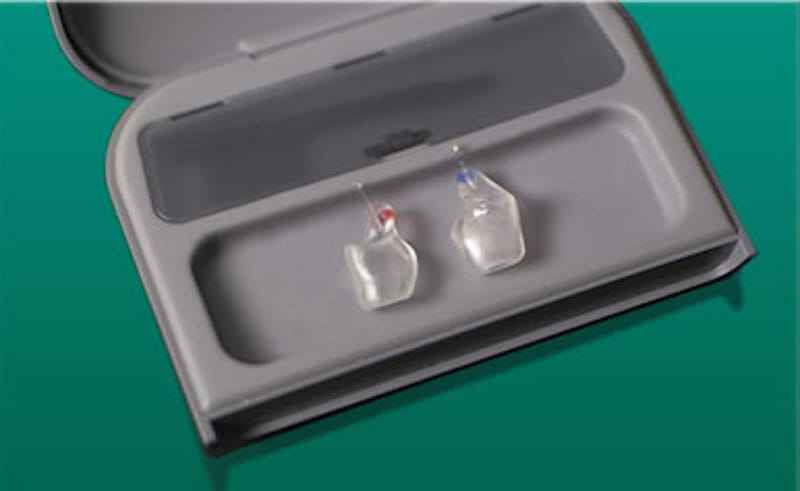
The TMJNext Generation™ Device is an ear insert which has been designed to create awareness in the patient of his or her jaw position. Here’s how it works:

First, impressions of your ear canals must be made. Although your dentist may have recommended the TMJNext Generation™, you may be referred to an audiologist (or another type of health care professional) that is willing to assume the liability of making the impressions, which may be outside of the scope of practice.

The impressions are made while your jaw is in a relaxed posture with your teeth apart. In this posture, your ear canal will assume certain dimensions in volume and shape. These dimensions get smaller when you bring your teeth together or clench them.

The ear canal impressions will be used to create custom ear inserts for you. The inserts feel comfortable when your jaw is in a resting posture, but when you bring your teeth together you feel an unpleasant pressure on the devices. The theory is that the uncomfortable feeling will get your attention and you will immediately relax your jaw. It’s like having a pebble in your shoe that makes it uncomfortable to walk.

For some people, the devices might serve as a sort of reminder to keep their jaw muscles loose. In this way, TMJNext Generation™ is essentially a biofeedback device. Anything that can help you keep your jaw loose during the day can be part of overall TMJ/TMD therapy.

Here’s the rub: Countless people who suffer from TMJ/TMD problems have NO NEED for daytime awareness because their jaw is always in a restful position during the day. It is at night while they are asleep that their grinding and clenching happens. For them, these devices could represent an unjustified expense. If physicians, chiropractors, physical therapists, and dentists who have limited expertise in the management of jaw problems are making decisions about the use of The TMJNext Generation™ Device, I’m afraid that overutilization is a real concern. So, does the TMJNext Generation device work?

As of today I have not found scientific articles that provide an understanding as to how these devices could stop or diminish the impact of sleep-related teeth grinding and clenching (bruxism) which is the way many patients get in trouble. Since the devices can apply unpleasant pressure on the jaw joints during a grind or clench, one would have to assume that the irritation would merely wake the wearer up, as opposed to helping him or her stop the activity altogether. I don’t think that would have a favorable long-term outcome.

My limited distribution of these devices at the present time precludes an endorsement or negative commentary. As always, I believe that a careful assessment must be done to adequately understand the type of jaw problem of each patient and what the initiating and perpetuating factors appear to be.

Only with that information can the treating professional guide the patient with sound advice.

Photo credit: http://tmjnextgen.com/

Dr. Donald Tanenbaum is a specialist with offices in New York City and Long Island, NY. He is uniquely qualified to diagnose and treat problems associated with facial painTMJ and sleep apnea.

Categories
Jaw Problems TMJ

Can TMJ Patients Get Better?

As an orofacial pain specialist, I’m often asked, “Can TMJ patients get better?” In the past several months, I’ve had the opportunity to host a number of dental residents in my practice as part of their formal training program. At the same time, I’ve worked with a number of practicing dentists from around the country who want to broaden their pain education. From this experience, two things have become very apparent to me.

First, Id like to focus on the dental residents, who for the most part, are recent graduates. They all have very limited practical knowledge about TMD/TMJ problems and have apparently been told in dental school that TMJ patients cannot get better.

There is no reason why recent dental graduates should think that TMD/TMJ patients can never get better and here is why: these problems, though at times attached to challenging patient personalities, are essentially orthopedic in nature. This means that they involve muscles, tendons and joints. When viewed this way the most common diagnoses include muscle strains, muscle fatigue, muscle soreness, joint sprains, inflammation, and ligament- and bone-related compromises (which can include arthritis of one form or another).

The key then is to determine the primary cause of the compromise and whether or not there are other factors responsible for perpetuating the problem. This is where the evaluation process becomes so important and is not accomplished by pen and paper questions, but rather by sitting down and having real conversations with real patients.

Time and listening are whats necessary to gather the information essential to making the right determinations. Once achieved, TMJ/TMD problems can be addressed with understandable and practical therapies that involve and require both doctor and patient participation. The time and listening formula are what distinguishes one practice from another.

So, Can TMJ Patients Get Better?

Whether the recommended treatment is medication, education, dietary caution, exercises, injections, oral appliances, physical therapy, meditation or surgery, the process of healing can be quick, or can span months.

In my experience I estimate that half of TMJ/TMD problems are straightforward and solved with education and home therapies, one quarter are moderately complicated (but can respond wonderfully to formal treatment), and one-quarter are challenging cases impacted by the nature of the patients tissue injuries and his or her medical, social, and/or behavioral profile. I suspect that common knee problems carry with them the same statistics.

After spending a day in my office dental residents often say I never knew these patients could be helped.or I was told in dental school that caring for these patients is unrewarding and endless.These comments indicate that TMJ/TMD problems are a mystery for our young graduates. Unless dental schools start getting out the right message, nothing will change. In the interim, however, it is encouraging to see how many patients can be helped despite being told somewhere in their travels that there is no answer to their problem.

Practicing dentists with an interest in this area is another story entirely. They often end up in continuing education programs where the instructors preach unscientific dogma about how fixing a patients teeth and bite will fix the problem. After they attempt this often-complicated approach a few times in their practices, they usually realize that it simply doesnt work. At this point, its very common for the dentist to stop treating TMJ/TMD problems entirely, leaving behind some very discontented patients.

Long ago I was fortunate to discover that the vast numbers of patients who get relief do so without their teeth being ground-down or built-up. Today I see the frustration on the faces of dentists who have tried these seductive approaches and when their patients don’t get better, realized that they were missing something.

The bottom line is that these problems are not big mysteries but rather understandable by practitioners, like myself, who have spent the time to learn and embrace the fact that jaw-related problems are orthopedic problems in nature and the accompanying pain emerges for specific (and often common) reasons. My practice continues to listen to, guide and educate our patients so they can be part of their healing process. And I hope that the time I spend with new graduates and practicing dentists will help to expand their understanding, as well.

Dr. Donald Tanenbaum is a specialist with offices in New York City and Long Island, NY. He is uniquely qualified to diagnose and treat problems associated with facial painTMJ and sleep apnea.

Categories
Bruxism TMJ

Clenching your teeth at night? So what’s the big deal?

As an orofacial pain specialist for over three decades, I’ve treated thousands of patients that come to me with all kinds of problems caused by sleep bruxism, which is grinding or clenching your teeth at night while you’re asleep. These activities are often linked to neck pain, jaw pain, ear pain, headaches, and toothaches that don’t respond to traditional dental treatment. Millions of Americans are clenching their teeth at night, so it shouldn’t come as too much of a surprise that the consequences can be extremely varied. Here is the story of a good friend of mine:

To protect his teeth while sleeping he has worn a night guard for many years.

Every now and then he would wake up and notice that his lower teeth were pressing against the top night guard very fiercely. He would do some relaxation breathing that I taught him and that usually was all he needed to get back to sleep. He, however, never had jaw stiffness, headaches, or tooth pain due to his clenching.

That all changed last week.

It was a Friday night and he apparently tossed and turned for hours before finally getting into a deep sleep around 2 am. The cause of his edginess was likely a combination of a large dinner with wine at an hour later than what’s normal for him and then watching a late movie. On top of that, his ears were straining to hear his daughter arrive home from a party (I’m sure all parents can relate to that!). It added up to a very restless night.

So, finally, he fell asleep but two hours later was suddenly awakened by an extreme soreness in his lower left second molar that was braced into his night guard. After taking out the night guard he fell asleep but a couple of hours later woke up to a screaming molar (that’s the only way he could describe it!). To make matters worse, his ear throbbed and his jaw ached. Even the gums around this tooth were apparently in crisis.

As it was Saturday he went to play a round of golf but by the second hole was rummaging through his bag for some Aleve. Not only was his mouth freaking out, but also his entire body had begun to tighten up as a result of that aching molar.

The Aleve did work after an hour or so and the pain, stiffness and body tightness began to ease. He was able to finish the full eighteen holes but apparently, it was a forgettable round.

So how does something like this happen? Here’s the blow-by-blow:

  • The force of my friend’s clenching was so great that it traumatized the ligament that binds the molar to the supporting bone.
  • Then the tooth’s nerve fibers started to react and the area “lit up”.
  • Pain spread from the tooth site to his jaw, ear, and the gum tissues adjacent to the traumatized molar (all these areas receive the same nerve supply as the tooth).
  • Finally, the side of his neck and left shoulder started to tighten and lock up (this is called referred pain).

In actuality, my friend had sprained the tooth ligament by so fiercely clenching his teeth, initiating the pain scenario he described! Treatment was put into place to address this ligament sprain and I’m happy to report that since he came to my office there has been significant improvement in his condition. My friend has also made it his business to go to bed at a decent hour, avoid computer work just prior to going to bed and limit daily caffeine and late-night alcohol (known risk factors that can drive teeth clenching and grinding while sleeping).

So…if you are a clencher, even if you use a night guard this could happen to you! If so here’s my advice:

After seeing your dentist to assess the damage, stop and take a good look at your lifestyle. Are you getting enough sleep? Too many glasses of wine at late-night dinners? Evening hours doing paperwork or at the computer? Stress at a high level? Dwindling exercise and relaxation time? If so, make some changes and see how you feel. You may find that the aggressive clenching will ease reducing the potential for this scenario to be a common part of your life.

And here’s something you probably don’t know: nightguards lose their effectiveness over time and can only do so much to protect your teeth and jaws; so injuries can still occur. Keep an eye on your daily world and do your best.

Categories
Bruxism Facial Pain Jaw Problems TMJ

BOTOX® Is Effective For Facial Pain Treatment


As an orofacial pain specialist for over 30 years, I have had many opportunities to think about why people develop facial pain problems and what I can do to get them out of trouble. The majority of patients who come my way suffer from pain that is muscle-based and in turn is caused by any number of factors. I have found that BOTOX® is effective for facial pain treatment, especially when other strategies have failed.

In order to determine who is a good candidate for BOTOX® therapy, I must first investigate the cause of the muscle stress in the first place. Usually, I discover that my patient is experiencing one (or more) of the following:

  • Poor sleep quantity and quality.
  • Repetitive work postures fatiguing the neck and shoulder region.
  • Behaviors repeated throughout the day which tightens the jaw, neck and shoulder muscles.
  • Emotional upset and challenging life circumstances.
  • Shallow and fast chest breathing patterns.
  • Excessive consumption of stimulants in beverages and food.
  • Stimulant-based medications.
  • Poor breathing at night while sleeping.
  • Autoimmune problems, which lower pain thresholds.
  • Physical exercise choices that continually stress the neck muscles such as spinning classes.

When BOTOX® Is Effective For Facial Pain Treatment

BOTOX® is proving to be another way to break the cycle of chronic pain. A series of injections are administered into the jaw muscles, upper neck muscles and across the forehead. The goal is to reduce or eliminate the pain, which in turn often imparts a new sense of optimism to my patients who have suffered for years, many believing that there was no solution.

In addition to relieving pain, BOTOX® is helpful for patients who experience nighttime teeth clenching and grinding. After treatment, there is a period of time when the muscles simply cannot contract as aggressively. And although the cause of the bruxing isn’t eliminated, many people discover that the achy, tight jaw that they normally wake up with is gone.

BOTOX® is not a miracle drug but it is becoming an increasingly important part of my toolbox to help my patients get better. Do you have questions about BOTOX® therapy? Please use the comment box below.

Dr. Donald Tanenbaum is a specialist with offices in New York City and Long Island, NY. He is uniquely qualified to diagnose and treat problems associated with facial painTMJ and sleep apnea.

Categories
Jaw Problems TMJ

Effective At-Home Treatments for TMJ & Painful Jaw Muscles


Do you suffer from TMJ symptoms, jaw pain, or both? As a board-certified orofacial pain specialist or TMJ doctor, I have many tools at my disposal for patients who suffer from tight, painful jaw muscles. Over the years I’ve recommended (and developed) a number of relaxation techniques and massages for TMJ and jaw muscle pain. If you notice yourself opening and closing your mouth all day long to stretch out your jaw muscles, you probably have a TMJ problem. Try some of these at-home treatments for TMJ and painful jaw muscles.

2 TMJ Relaxation Techniques and Breathing Exercises

Most people with ongoing jaw pain and tightness tend to breathe with shallow chest movements during the day. As a matter of fact, if you suffer from any kind of muscle pain you’re probably already breathing too fast. When you breathe too fast, you create an imbalance of oxygen and carbon dioxide in your body. This sets you up for more even muscle pain and fatigue.

The following techniques will help you slow your breathing and help your muscles relax:

1. With your lips lightly touching, place your tongue gently on the roof of your mouth behind your front teeth, or gently against the back of your lower front teeth. Then, bring air in through your nose and extend your belly outward. Hold this for 3 seconds then exhale through your mouth while parting your lips slightly. Repeat 6 times. (You can do this once every hour.)

2. With your lips lightly touching, gently place your tongue gently against your lower front teeth, upper front teeth, or just float it in no particular position. Breathe in through your nose for 4 seconds filling your belly. Then, exhale through your lips or nose for 4 seconds. Pause for 2 seconds. Repeat 6 times over a 1-minute period. This will help you train yourself to slow down your breathing. Perform once every hour whenever you need it.

2 Massages for TMJ and Sore Jaw Muscles

A sore jaw indicates that your jaw muscle health has been compromised and is likely due to the accumulation of an irritating substance that forms in response to muscle overuse, such as lactic acid. The key here is to increase the blood flow to your sore muscles which in turn brings fresh oxygen and nutrients to the affected areas. The Temporalis and the Masseter are the two most important muscles for you to focus on.

massage for TMJ, temporalis and masseter

1. Perform this massage with your mouth hanging slightly open, and your head relaxed: with your index and your middle finger, massage the sore areas in your temporalis and masseter muscles in a circular motion for 6 seconds on the right side, and 6 seconds on the left. If you can, do both sides at the same time. Press firmly, but not so hard that tears come to your eyes. After massaging your muscles, open your mouth to its fullest non-painful position and then close it slowly. Repeat 6 times.

2. I find this one is best done in the shower. Open your mouth halfway and place the pad of your index finger on the most rear upper tooth on one side. Then slide your index finger off that tooth and move it toward your cheek in an upward direction. You should run into a wall of bone. That is where your jaw muscle attaches and it is likely to be very tender. Once you’ve found the tender region, push your index finger inward and hold for at least 30 seconds before releasing. Then switch to the other side and repeat. Massage each side 2 times. (You can also move your index finger in a circular pattern instead of maintaining constant pressure.)

3 Exercises for Sore Jaws

1. This exercise is designed to release tension in the muscles that enable you to open and close your jaw. Place your tongue as far back as possible on the roof of your mouth. Now, try to open your mouth, keeping your tongue in this position (the range of motion will be very limited). While your tongue remains in place, position your thumb under your chin and attempt to open your mouth against the resistance of your thumb. Maintain this resistance for 3 seconds before releasing. Repeat this 6 times. This exercise can be performed up to 6 times per day.

2. Here’s another technique that many of my patients find helpful: blow air into your cheek on one side and hold it for 6 seconds. Then switch to the other side and do the same thing. This can be done 6 times per day.

3. You can also do some tongue exercises to loosen your tight jaw muscles. With your lips sealed, move your tongue in a complete circle 6 times to the right and then 6 times to the left. Then take 6 cleansing belly breaths as described above and repeat the tongue movements 2 more times.

If At-Home Treatments For TMJ Don’t Work…

Tight jaw muscles can produce serious pain. If you are suffering, and the above at-home treatments for TMJ don’t work after doing them for over a week, please contact your dentist or an orofacial pain specialist in your area. You can find a provider in your area by going to the American Academy of Orofacial Pain.

Good Luck!

Dr. Donald Tanenbaum is a board-certified orofacial pain specialist with offices in New York City and Long Island, NY. He is uniquely qualified to diagnose and treat problems associated with facial painTMJ, headaches and sleep apnea.

Live or work in New York City or on Long Island? You can schedule a consultation with here or call 212-265-0110.