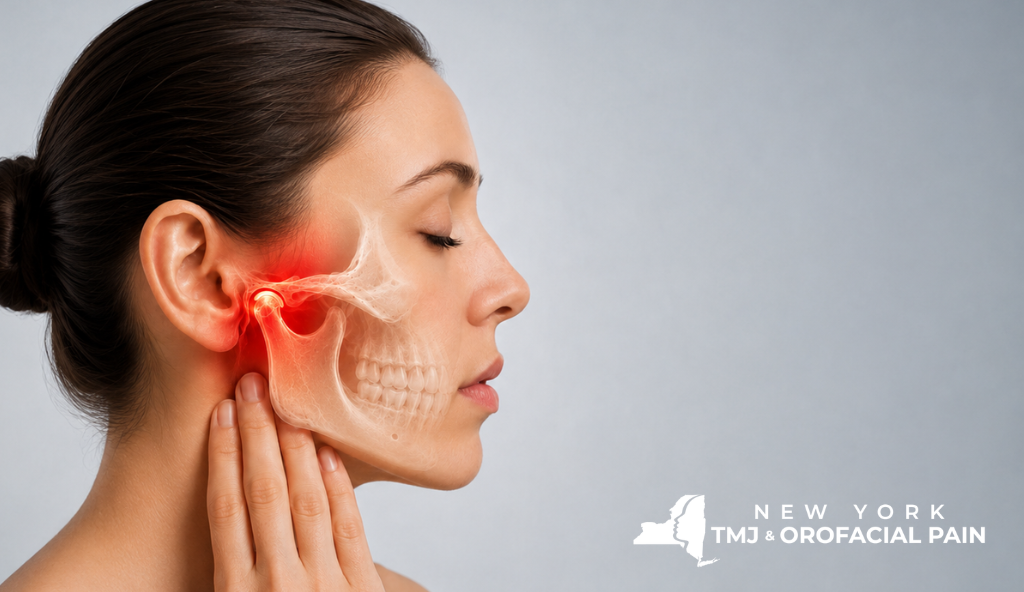
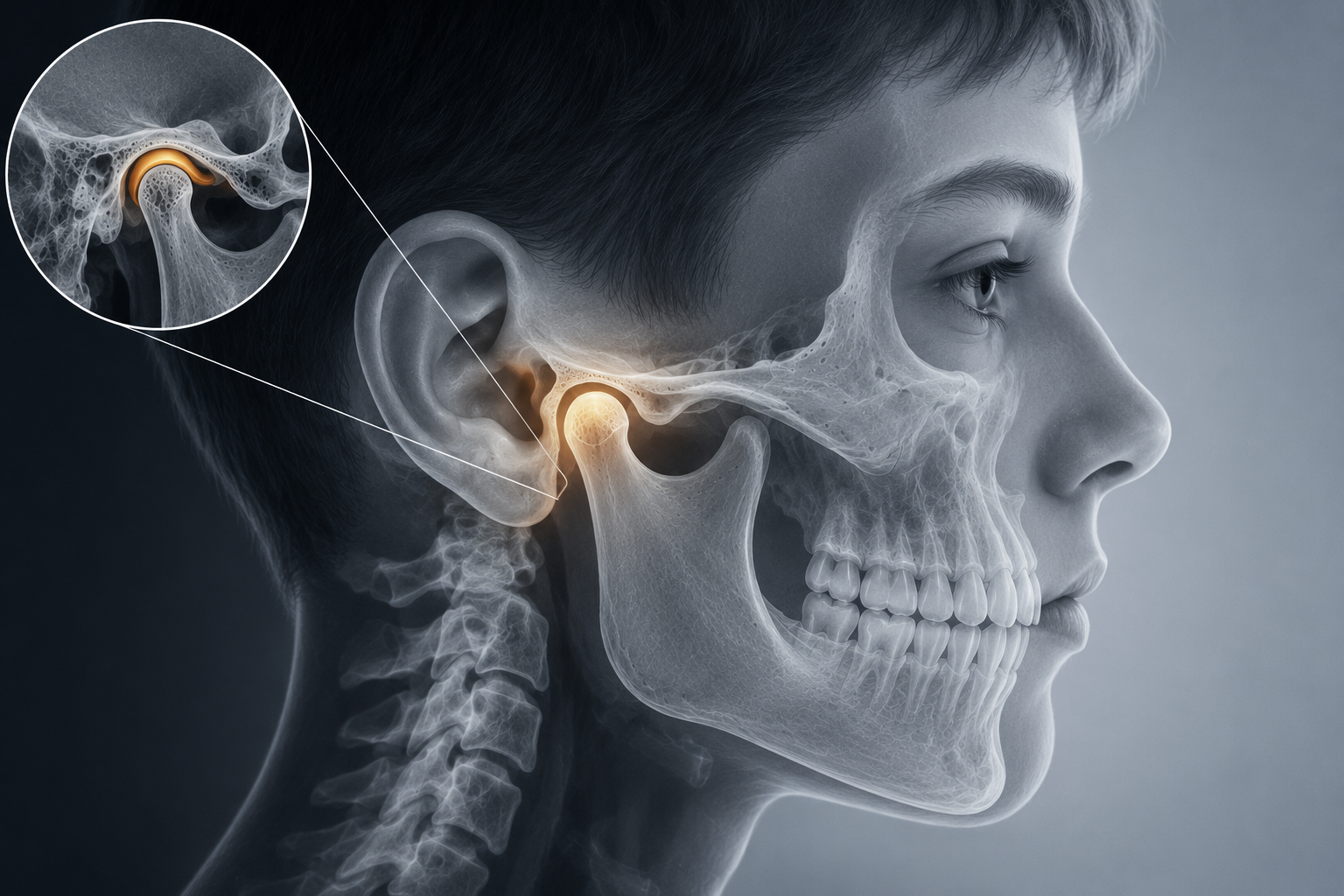
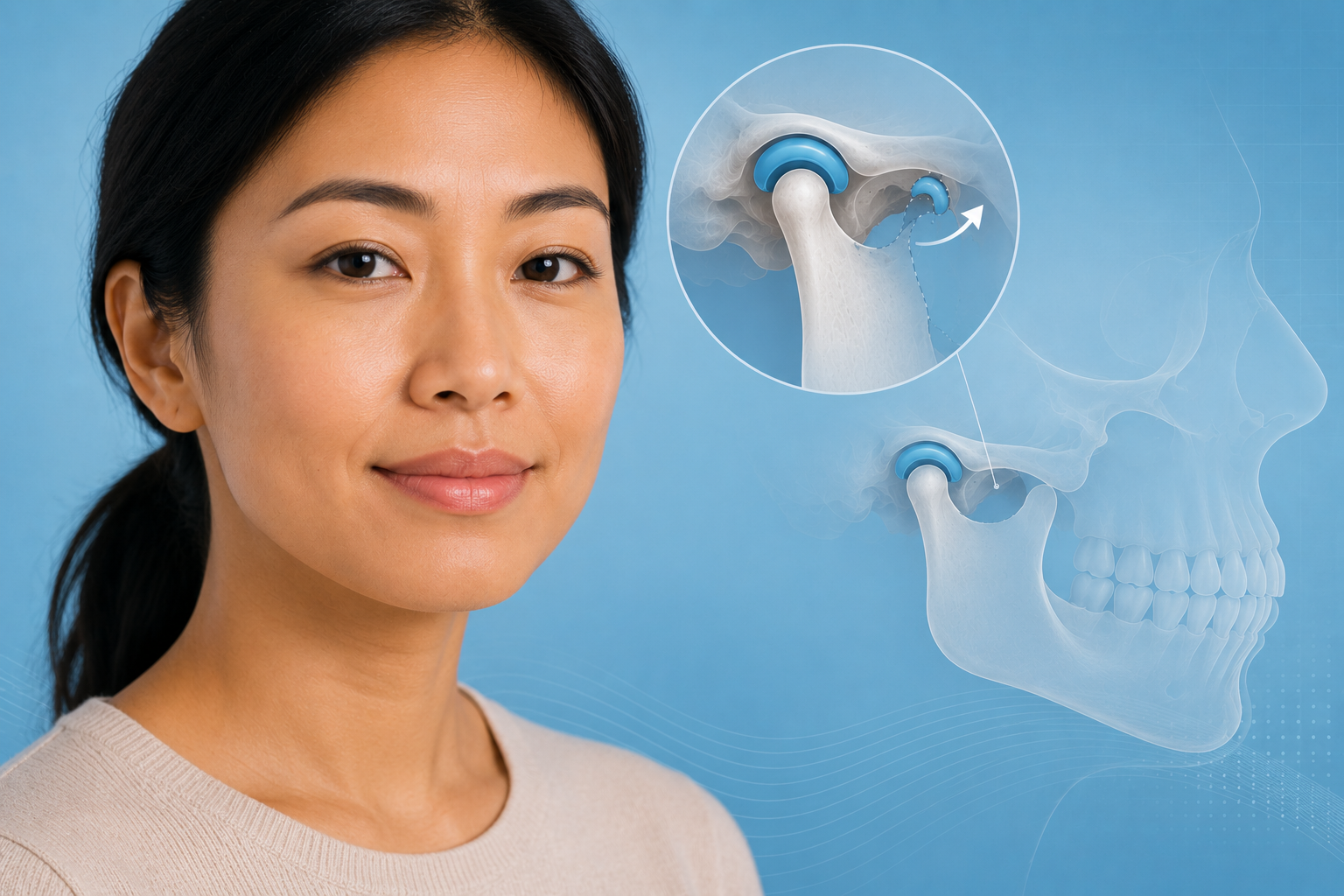
For years, patients have come to my office with acute and longstanding TMJ problems and report that they have suffered with migraine headaches as well. These problems have in fact been labeled with the term “comorbid,” representing two or more medical conditions existing simultaneously regardless of their causal relationship.
As a result of these patients’ jaw symptoms, treatments such as oral appliances, jaw exercises, muscle trigger point injections and massage/physical therapy have been routinely used. As a result of varied and unpredictable treatment results particularly among my female patients, several things have become clear:
- The patients’ TMJ symptoms often did not respond sufficiently to treatment if the migraine headaches were not under control.
- Migraine headaches that are under control by the use of medication can become more problematic when an acute TMJ problem is present.
- Patients whose migraine headaches are under control actually reported a further decrease in the frequency, duration and intensity of their migraines once TMJ treatment is started.
Though these are anecdotal observations, a recent article in the Journal of Orofacial Pain provides some insight into these observations. Some important factors to keep in mind are:
- Patients who have both TMD and migraines have an increased likelihood that the nerves in their face and jaw will fire excessively even when prompted by normal stimuli, such as talking, opening or closing the jaw, eating food of normal consistency, or when the face is placed on a pillow. As a result, the likely emergence of pain and muscle tension increases.
- In women with migraines, inflammation in the TM Joints and jaw muscles can produce higher levels of suffering due to the way pain signals from these structures are interpreted in the brain.
- TMD pain could reduce the benefit of medications being used to treat migraine headaches.
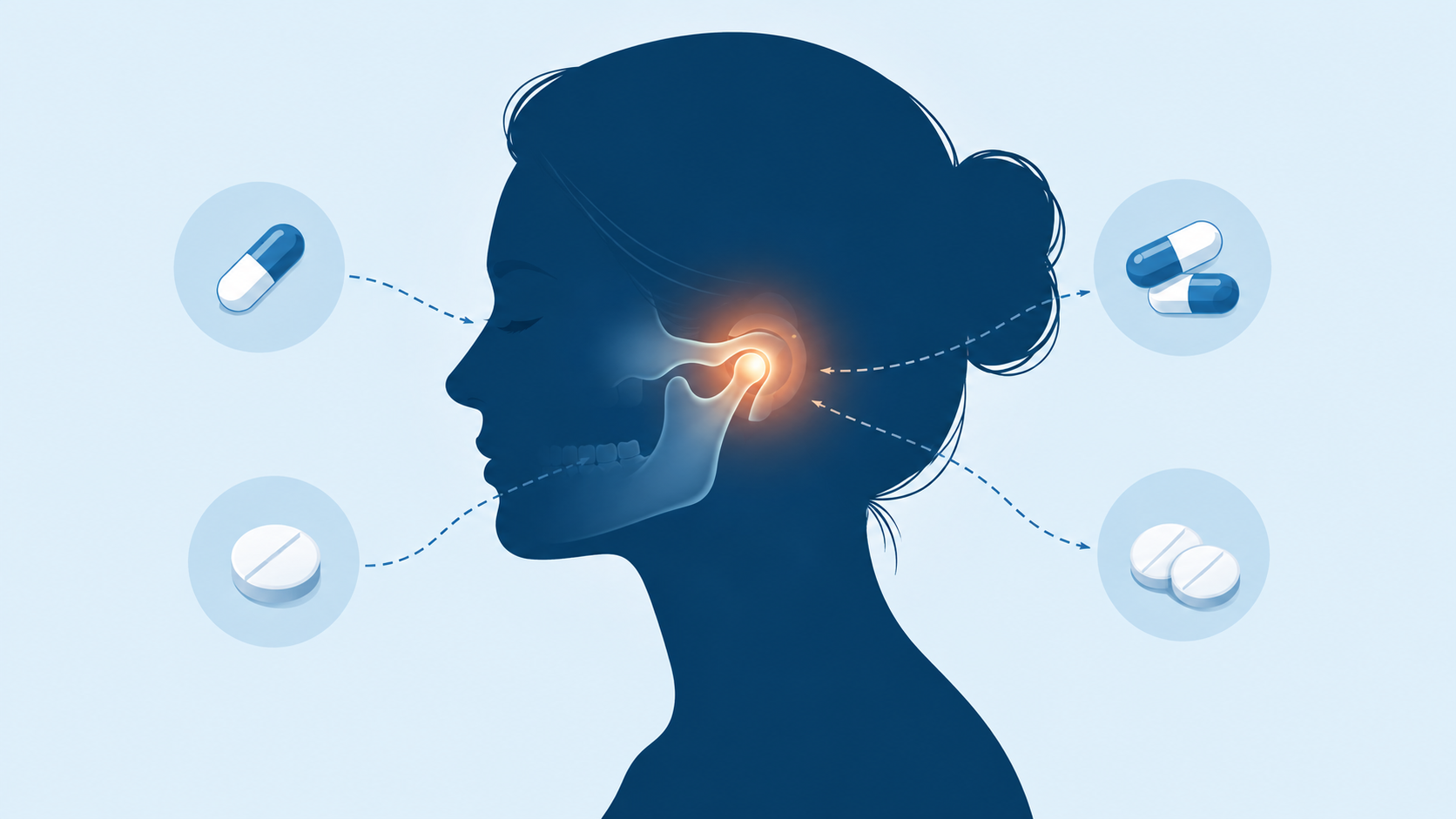
As a result of these findings, it is now even more important to merge the evaluation and treatment strategies employed by practitioners that focus their practices on these two patient groups. A collaborative approach that can integrate TMJ treatments inclusive of oral appliances, trigger point injections, jaw/neck exercise, massage, and physical self regulation techniques with migraine therapies such as medication, diet, cognitive behavioral, and sleep strategies employed by our medical colleagues is clearly the way to go.
Dr. Donald Tanenbaum is a specialist with offices in New York City and Long Island, NY. He is uniquely qualified to diagnose and treat facial pain associated with jaw problems, TMJ, referred pain, nerve pain, and migraines. Find out more at www.nytmj.com.