Manhattan

212-265-0110

White Plains

914-227-2305

Springfield, NJ

973-315-7830

Hauppauge

631-265-3136
Categories
TMJ

Common Signs of TMJ Syndrome


Many people suffer from TMJ disorders, which affect the joints of the jaws. These disorders can be difficult to diagnose because the joint is very complex. Generally, about 12% of individuals in the United States have a TMJ disorder. Usually, women get this disorder more than men. Knowing more about the signs can help you get the treatment you need quickly.

Pain

One of the most common signs of TMJ syndrome is pain in the joint. Patients will feel pain while moving the jaw, such as during eating, talking or even yawning. However, pain can occur in other areas as well. For example, many patients get migraines or headaches, backaches and ear pain. If a patient is experiencing pain that is not near the jaw, a doctor will look for other symptoms first.

Sounds in the jaw

Another common symptom of TMJ syndrome is clicking, grinding or popping sounds in the jaw. This can happen while the patient is opening the mouth during talking and eating. Sometimes, a patient will feel like the jaw is “grating” against itself when chewing. It is important to note, however, that not every popping sound is a sign of TMJ. Popping sounds are very common for healthy jaws too.

However, if the sounds are accompanied by other symptoms, then the patient may have a TMJ disorder. Patients with TMJ syndrome may hear other odd sounds as well. This can include ringing, buzzing or even numbness in the ears. These sounds may happen with earaches.

Difficulty moving the jaw

Patients with TMJ disorders may have trouble fully opening the jaw. Others may not be able to move the jaw in some directions. This may be because the pain is too severe. However, it can also be because the jaw simply will not open more. This can cause problems in normal life, such as while eating.

Causes of TMJ disorders

There are many reasons why a patient may have developed a TMJ disorder. Every patient is different, so they should work with their dentist or doctor to determine potential causes. An injury to the area can trigger TMJ syndrome. Sometimes, arthritis can cause this problem too. A few other potential causes include:

  • Autoimmune diseases
  • Infections
  • Surgery
  • Bruxism

Sometimes, people are more likely to have TMJ because of genetic problems. Overuse problems can also cause this disorder. One example of this is violinists. These individuals use their jaws to hold the violin. The strain on the jaw can cause TMJ problems. While women experience TMJ more than men, more research is needed to determine why.

Visit a dentist today

TMJ will look different for different patients. However, the most common symptoms include jaw pain and an inability to completely open the jaw. Another symptom is popping or clicking sounds. Knowing what to look for can help you decide when you need to go to the dentist. A dentist can examine your jaw and the muscles in the area to diagnose you.

Categories
TMJ

Popular Treatments for TMJ

If you have TMJ, you know how painful the condition can be. There are many factors that can cause this condition, so the treatment will vary depending on the patient. Working with a dentist can help you find the right treatment for this disorder. You might make lifestyle changes or treat an underlying condition.

Lifestyle changes

Sometimes, patients can make changes to their lifestyle to help relieve symptoms of TMJ disorders. This can work well for a mild or a moderate case of TMJ. Generally, dentists recommend that patients try to rest the jaw as much as possible. This can avoid triggering the condition. There are several ways to do this:

  • Eating soft foods
  • Avoiding gum
  • Not clenching the jaw

Using either ice or heat, as well as taking over-the-counter medications, can help relieve the pain. Sometimes, dentists may recommend that patients do gentle exercise. This can include stretching the jaw. It can be helpful to gently massage the muscles on the jaw. A dentist can help a patient determine the right combination of exercises and rest.

Treating conditions

Sometimes, TMJ pain is caused by conditions that a patient already has. Treating the underlying condition will help treat the TMJ disorder. A common cause of TMJ is teeth grinding, or bruxism. This causes a patient to clench and grind the teeth during sleep. If a patient has bruxism, then a mouthguard can be helpful. A dentist can give the patient a customized one.

Another way that teeth grinding can be treated is through muscle relaxants. These medications can also help relieve TMJ that is caused by jaw clenching or muscle spasms. A doctor may also recommend tricyclic antidepressants, including amitriptyline. These antidepressants can help manage pain and prevent teeth grinding. For patients who experience sleepless nights, amitriptyline can be helpful when taken in low doses.

In other cases, TMJ is a sign of arthritis or osteoarthritis. Sometimes, getting injections of steroids can be helpful for patients. A doctor will inject the steroid into the joint to reduce pain, swelling and joint clicking. Patients can usually feel results from the injections within a week or so. This may be either a permanent or a temporary fix.

TMJ surgery

Sometimes, cases of TMJ disorders are too advanced to treat with other methods. If this is the case, then a dentist may recommend jaw surgery. There are many causes of TMJ, including damage to the muscles or another jaw. However, if the joint is damaged, then surgery may be the only option. Rarely, an oral surgeon may need to entirely replace the joint.

Visit a dentist today

If you have a TMJ disorder, then it is a good idea to get advice from your doctor or dentist. You should not try a treatment at home unless your dentist thinks it is a good idea. You can risk damaging the joint permanently. You may also not know the extent of the condition until a health care provider evaluates you.

Categories
TMJ

What Is TMJ and How Is It Treated?

Wondering if you have TMJ, also known as temporomandibular disorder? Whenever you are experiencing any type of dental-related problem, making an appointment with a dental professional as soon as possible is necessary. If you do not, then your dental problem will only continue to get worse until you do.

What is TMJ?

Learning more about TMJ is a great idea. The more you understand about potential dental problems, the more likely you will be able to avoid any dental problems. According to Healthline, TMJ is an abbreviation used to refer to a group of health problems related to your jaw, which can cause tenderness at the joint, facial pain and difficulty moving the jaw joints. These jaw joints are what connects your lower jaw to your skull and accordingly allows you to open and close your jaw, which is necessary for performing everyday actions like talking and eating.

How is TMJ treated?

While some people who have a minor case of TMJ will recover on their own, many people will need professional treatment. The information below includes three popular TMJ treatments that are being used nowadays.

#1. Medication

Some patients will experience the relief they are looking for by taking different types of medications, which also helps with any discomfort or pain. Medication options include taking over-the-counter pain medications, pain prescriptions prescribed to them by their dental professional, anti-depressants to help with restlessness and muscle relaxers that help with muscle spasms.

#2. Therapy

Oral devices are a type of therapy often used to treat those who have been diagnosed with TMJ. These devices include mouth guards and splints, which are both worn over the teeth. Physical therapy is another option, which requires patients to perform certain prescribed stretching and strengthening exercises to strengthen their jaw muscles. Sometimes, ultrasound, heat and ice are used in a physical therapy session. Counseling is a third type of therapy and is often recommended for TMJ sufferers who grind or clench their teeth.

#3. Surgery

Surgery is often the last option and is used when other options have not worked. Because there are risks and benefits associated with each type of surgery, it is important for TMJ sufferers to understand all their surgical options. Common surgical procedures used to treat TMJ include arthrocentesis, corticosteroid injections, arthroscopy and open-joint surgery.

Need to make an appointment with us today?

Think you are in need of a TMJ diagnosis? We invite you to call us now to schedule an appointment so you can find out whether you are living with this fairly common jaw disorder. Your first step is being properly diagnosed because then you can understand what treatment options are going to be available to you. Ready to get the process started so you can once again have a healthy mouth? Call us at your earliest convenience if you have any questions or concerns about the TMJ treatment process. We are here to help!

Categories
Jaw Problems Orofacial Pain TMJ

Orofacial Pain Is A Board-Certified Specialty

For decades, the field of orofacial pain was not a specialty recognized by the American Dental Association. This made it difficult for patients who suffered from TMJ and jaw problems to get proper treatment.

Equally difficult was the fact that dentists and dental specialists had a hard time finding practitioners to refer their patients to who had the experience and skills to assess and manage these problems and sometimes disabling pain conditions. For years, orofacial pain academies and the American Board of Orofacial Pain consistently urged the American Dental Association to designate orofacial pain as a board-certified specialty. Their efforts were always met with defeat.

As a result, practitioners were left to take on the challenges of treating patients with facial and jaw pain (TMJ), with the knowledge that people in leadership at the ADA had not yet grasped the importance and professional value of this initiative. Despite these setbacks, the push to create a new specialty was never abandoned.

On March 31, 2020, the American Dental Associations’ National Commission on Specialty Status finally approved orofacial pain as a specialty. (To see the full definition, scroll down)

What Does This Mean For Patients?

Because of this move, I expect more dental schools to expand their commitment to teaching the concepts of orofacial pain assessment and treatment. As a result, more dentists will graduate familiar with the pain problems they will encounter in their practices, including TMJ. In addition, over time, graduating dentists will pursue careers in the field and fill voids that currently exist in communities throughout our nation and the world. It’s too early to predict the full outcome of this important new designation, but I’m hopeful that people who are suffering will find it easier to get the treatment they so desperately need. 

If you have questions about  TMJ, please feel free to reach out to me.

Onward and upward! 

Definition Of Orofacial Pain

The specialty of Orofacial Pain (OFP) “involves the assessment, diagnosis and treatment of patients with orofacial pain disorders, including temporomandibular muscle and joint (TMJ) disorders, oromotor and jaw behavior disorders, neuropathic and neurovascular pain disorders, and related head and neck pain, as well as expanding our knowledge of the underlying cause and mechanisms of these disorders. This specialty also includes screening, management, and coordination of care associated with sleep-related breathing disorders.”

Categories
Bruxism Children & TMJ TMJ

Your Child Is Grinding His Teeth – What Should You Do?

Is this familiar? 

You think your child is fast asleep, then suddenly, a screeching sound is coming out of his/her bedroom. What could be causing it? The most likely explanation is your child is grinding his teeth – an activity clinically known as sleep bruxism.

Sleep bruxism, which is often associated with jaw pain (TMJ), is the most common problem seen in my practice for the past 30 years. As a result, I know first-hand that a little information goes a long way to help parents understand what is happening and what can be done about it.

When A Child Grinds His Teeth, What’s Happening?

The first thing to understand is that a certain level of jaw movement during sleep is normal for most people. It’s called Rhythmic Masticatory Muscle Activity, or RMMA. Some people who grind their teeth experience higher levels of RMMA, which can result in tooth damage and jaw pain problems.

Much research has been done in the past few years on teeth grinding and sleep bruxism. One significant finding is that in many people who grind during sleep, their brain is becoming aroused and causing sleep to be fragmented. The result is the body’s fight-or-flight system becomes activated. In tandem, jaw motion (RMMA) increases and teeth grinding is often the result. 

Teeth Grinding in Children Under 10-Years Old

Newborn baby sleep with teddy bear

If your child is under ten-years-old and grinding his teeth, it’s likely during the time when his baby teeth are being lost. If you hear the telltale screeching sound that indicates your child is grinding his teeth, look for evidence of tooth wear. If you see it, a visit to your child’s dentist is highly recommended. Also, ask your child if he is experiencing jaw symptoms such as joint popping, cracking, locking, or pain. If the answer is yes, it’s time to see the dentist.

Teeth Grinding In Adolescents & Teens

child grinding his teeth, adolescent grinding his teeth, sleep bruxism, TMJ, dr tanenbaum

We have many clues about why adolescents and teens grind their teeth during sleep. Current theories include:

1. Large tonsils, a big tongue that clogs the airway, a small lower jaw, blocked nasal passages, or a long floppy soft palate can cause breathing problems during sleep, and, in turn, causes a drop in blood oxygen. The brain awakens and activates the body’s fight-or-flight system increasing the likelihood of sleep bruxism.  

2. Adrenaline – During times of stress and anxiety, the level of adrenaline (catecholamines) in the bloodstream increases. For adolescents and teens who experience long-term anxiety, high adrenaline levels have been shown to induce sleep bruxism.

3. Chronic Pain – Migraines, gastrointestinal disorders, and back and neck pain set up ideal conditions for sleep disturbances and can lead to teeth grinding.

4. ADD/ADHD Medications – Medications such as Adderall, Concerta, and Strattera stimulate the fight or flight part of a child’s nervous system and result in sleep disturbances.

5. Caffeine – Many adolescents and teens drink coffee and high caffeine beverages during the day and into the evening. Caffeine has been proven to be a contributing factor to disturbed sleep patterns.

6. Nicotine – Nicotine is a stimulant. It’s widely known to contribute to sleep problems. The use of e-cigarettes, which are very high in nicotine, is particularly prevalent among adolescents and teens and can be a direct cause of sleep problems. 

7. Not Enough Sleep – With the obligations of school and extracurricular activities, many young people are under a tremendous amount of pressure. They put in long hours and don’t get enough sleep. Others simply stay up late playing video games or communicating on social networks. Sleep quality is ultimately impacted, leading to restless nights of tossing and turning and the emergence of sleep bruxism.

What You Should Do:

By now, you can understand if your child is grinding his teeth, there are multiple risk factors. The good news is that teeth grinding is treatable and can be managed. There is a wide array of options at our disposal to help manage the problems caused by sleep bruxism for children who grind their teeth including oral appliances, jaw exercises, meditation, acupuncture, medication, and even BOTOX®.

But here’s the key – managing your child’s sleep bruxism will not cure it. It will, however, help him get through some tough periods. Meanwhile, the medical community continues to pursue a better understanding of the underlying causes of nighttime brain arousals.

If your child is grinding his teeth and you’re concerned, his dentist or orthodontist should be able to help. If the situation is dire, you can find someone in your area who focuses on Sleep Bruxism, such as a member of the American Academy of Orofacial PainAAOP. Choose a professional designated Diplomate

Categories
Jaw Problems TMJ

Invisalign® & Aligner Therapy Can Trigger Jaw Problems

Today, in nearly every field of medicine, new and innovative therapies emerge that change lives for the better. But, over time, however, unanticipated complications can arise. Invisalign®  and aligner therapy to move teeth is one such innovation. It turns out aligner therapy can trigger jaw problems. 

Invisalign® & Aligner Therapy Move Teeth In Remarkable Ways

The use of clear aligners as an alternative to traditional braces has transformed how tooth movement is accomplished. Aligners are effective and practically invisible. That makes them an excellent choice if you don’t love the idea of walking around with a mouth full of brackets and wires for months or years.

There’s another reason that invisible braces are so popular – dentists, who in the past could not offer tooth movement services, can now provide them. 

Why Aligner Therapy Can Trigger Jaw Problems – Sometimes

As a TMJ doctor, I see patients with jaw problems that have been triggered by aligner therapy. Common symptoms are jaw muscle and joint pain, jaw clicking, locking, and headaches. Patients who find that aligner therapy can trigger jaw problems tend to fall into two distinct categories:

1. People who never before had a TMJ problem.

2. People who previously had TMJ problems sometime in the distant past and experienced a re-emergence during aligner therapy.

In my experience (and my colleagues may dispute this), the common theme when aligner therapy triggers jaw problems has to do with patients biting down on the aligners. Many people tend to bite down hard on their aligners for hours at a time during the day. They don’t necessarily do it on purpose. Still, the result is that the upper and lower aligners are in contact for hours at a time. 

Why Is It A Problem To Bite-Down On Your Aligners?

The natural rest position of your jaw is upper and lower teeth apart and nothing but air between them. When you bite down for a length of time beyond what is necessary to eat, for example, you disrupt the natural tone of your jaw muscles. Over time, jaw symptoms can emerge.

If your top and bottom aligners are in contact with each other for long periods, your jaw muscles are in a non-stop state of contraction. To illustrate, imagine how it would feel to make a fist with your hand for hours. Muscle soreness and pain would likely occur. Your jaw muscles work the same way.

In some patients, their jaw joints (TMJs) become so overloaded that they experience joint clicking and popping and even at times a locked jaw, often accompanied by pain. 

Luckily, not every patient who bites down on aligners develops jaw problems. But, if you notice that you tend to bite down on your aligners and that your jaws are sore and joints making noise, you should consider taking a break for a while until the symptoms go away. 

If you experienced TMJ problems in the past and your aligners have triggered your jaw problems to resurface, aligner therapy is probably not for you.

Note: Some practitioners recommend that their patients bite down on the aligners for the teeth to move more quickly. If that has been recommended to you, please ask your dentist if it is necessary. It’s smarter to slow down your aligner therapy and avoid jaw problems that may not go away once treatment ends.

The Bottom Line

If you previously suffered from TMJ problems, it’s critical to inform your dentist about it before you begin aligner therapy. If you are in the process of aligner therapy and have started to notice jaw clicking, locking, or pain, please stop wearing your aligners and speak to your dentist immediately.  

Everyone wants a beautiful smile, and the miracle of Invisalign® and aligner therapy is an excellent choice. However, it can also trigger jaw problems that may require long-term care. 

Be an informed patient so you can make the right choice for you. 

Categories
Bruxism Case Studies Orofacial Pain TMJ

The Connection Between PTSD & TMJ

Identifying the origin of a patient’s chronic orofacial and TMJ pain is what makes my work both challenging and rewarding. Sometimes the answers are readily apparent while at other times uncovering important clues is more difficult. In all cases, there is no substitute for obtaining a careful history as the insights gained often help point to the mechanism of pain that is driving a patient’s suffering.

With this thought in mind, I’ve treated numerous patients whose chronic orofacial and TMJ pain is the result of unresolved trauma to the nervous system. A careful history, however, reveals that this trauma is not because of a physical event such as a documented injury or ongoing activities such as nighttime bruxing, but instead, it is the result of personal anguish.

I’ve treated many patients whose problems are not caused by classic scenarios, but instead, are caused by unresolved trauma to their nervous systems. They feel they have no control over their lives, that there is no resolution to their grim situation, or are unable to escape a potentially dangerous environment.

These scenarios are commonly associated with individuals diagnosed as having Post Traumatic Stress Disorder, or PTSD.

These patients are not unlike our servicemen and women who return from overseas carrying the trauma of what they experienced. Although in my practice, military service is not the most common source of patient problems, these patients need just as much understanding and support as our soldiers.

PTSD Affects The Nervous System In A Specific Way

When dealing with a highly traumatic event or many persistent traumatic events over time, the body’s sympathetic nervous system goes survival mode. In medicine, it’s called the hyperactive state.

When the nervous system is in the hyperactive state for an extended length of time, tissue injury often occurs. It can be accompanied by pain, restricted motion in the joints, muscle cramping, and muscle fatigue. The body also releases stress hormones (primarily cortisol), which can cause biologic changes that prevent healthy healing and can lead to chronic pain. This particularly affects muscles that are already overworked or tense.

When a patient previously suffered from issues such as migraines, neck pain, or back pain – they invariably get worse. When the pain becomes persistent, that’s when feelings of anxiety, hopelessness, and depression can emerge.

A patient in this condition has trouble reacting to stressful situations in a healthy way, which creates even more life challenges.

PTSD & TMJ – A Case Study

“Jill” is a 39-year-old woman who arrived at my practice with the classic symptoms of TMJ: ongoing jaw pain, jaw tension, and limited jaw motion. Not unlike hundreds of other patients, her symptoms were the result of jaw muscle and joint tissue compromise.

However, upon examination, I did not detect the telltale signs of nighttime bruxism, nor any of the most common origins of chronic orofacial pain.

The next step was to sit down with Jill and see if I could get her to talk candidly about her life, which she did. It turns out that Jill is a single mom. She works full time, and her job is stressful and demanding. On top of that, Jill has another, even more, extreme stressor in her life. Her child was born with a severe medical condition, of which there is no cure, that requires constant care and monitoring.

Faced with the overwhelming pressure of raising a medically-compromised child, working at a stressful job, and constantly worrying about the future, Jill had been living in a continuous flight-or-fight mode for years.

As a result, Jill’s natural state was shoulders raised, quick, shallow breathing, and a tendency to brace her jaw muscles or clench her teeth for minutes, even hours, at a time.

Can A Combination Of PTSD & TMJ Be Treated?

So the question was, can someone like Jill, who problems are caused by the stress in her life that she can’t change, actually get better?

The road is not easy, but when a patient participates in TMJ treatment, there is hope. Meditation, Cognitive Behavior Therapy (CBT), psychotherapy, physical therapy, Tai Chi, breathing exercises, or other techniques, are useful. Being aware of and working to change daytime behaviors such as jaw bracing, tooth contact, breath-holding, and shoulder raising can also help.

Conclusion

It was not fast or easy, but by employing a number of these strategies, Jill continues to be “much better than the day I met her.” She takes fewer over-the-counter pain medications, sleeps more soundly, and most importantly, she believes that a better day is coming for her.

While it’s often impossible for someone suffering from PTSD to change her environment, she can make changes to how she exists within that environment. This can lead the way to unravel the complexities of PTSD and its associated symptoms.


Categories
BOTOX® Bruxism Case Studies Facial Pain Jaw Problems Orofacial Pain TMJ Women & Pain

Facial Pain – Is It Bruxism or Is It Bulimia?

TMJ /Facial Pain Symptoms & Eating Disorders – The Connection

As a TMJ doctor, every year I see a number of patients who are suffering from an extraordinarily high level of face and jaw pain. At first glance, the level of suffering they report is much greater than what I commonly see. One such group are people with a history of one particular eating disorder – bulimia nervosa. In these patients, the typical characteristics I see in people with TMJ are not present. Although their symptoms may lead them to believe that their pain is driven by stress-related jaw tension and bruxism (teeth grinding and clenching), the telltale signs are simply not there. That’s when I ask myself, is it bruxism or is it bulimia?


Is It Bruxism or Bulimia? A Case Study

Marci was 26 when she arrived at my office some three years ago. For several years she’d been dealing with debilitating jaw and face pain almost daily. The pain was centered at the angles of her jaw on both sides and it had become, as she described it, “unmanageable.”

Pain was ruining her life.

Many doctors and therapists had tried to help Marci find relief. She’d been prescribed pain medications and muscle relaxers. She’d been treated by physical therapists. She had acupuncture and trigger point injections. She even tried wearing an oral appliance to bed, thinking her problems were the result of bruxism.

Frustrated and discouraged, Marci was still suffering – with no resolution in sight.


4 Clues That Bruxism Was Not The Culprit

At first, Marci didn’t share her entire medical history with me. Possibly because she was embarrassed or simply didn’t think there was a connection. However, even without knowing her full history, several clues pointed to the fact that Marci’s pain was not caused by bruxism, but instead was a result of bulimia:

  1. No signs of the kind of tooth wear characteristic of bruxism were detected.
  2. Her masseter (jaw) muscles were not rock hard and well-built, typically a sign of bruxism.
  3. The biting surfaces of her lower molars showed a complete loss of enamel.
  4. Her face was extremely puffy.

So, Why Did I Ask If It Was Bruxism Or Bulimia?

In order to answer the question, is it bruxism or is it bulimia, each clue pointed to the answer. You see, bulimia can wreak havoc in the mouth because frequent vomiting exposes the teeth to acid, which can dissolve their protective enamel. This is seen on the back of the upper front teeth and in the center of the lower back teeth where regurgitated acid can pool. And, over time, frequent vomiting can cause the parotid gland (the largest salivary gland) to become inflamed and enlarged, resulting in acute nerve pain in the overlying jaw muscles and prompting facial puffiness.


Facial & Jaw Pain Caused by Bulimia – Treatment

Probing deeper into Marci’s medical history, I concluded that it was indeed bulimia, not bruxism that was the cause of Marci’s pain. Now it was time to offer a plan of treatment. I prescribed the medication nortriptyline (a once-popular antidepressant) that, when used in small doses has been shown to be effective in reducing pain in muscles by quieting nerve excitation. It is thought to work over time by increasing the activity of serotonin in the brain, according to the Mayo Clinic.

Marci also had a series of BOTOX® injections in her masseter muscles at my office, designed to not only reduce muscle tension but to also diminish the release of nerve-irritating chemicals. (See BOTOX® Injections For TMJ – 6 Things You Need To Know)

She was also given a custom-made topical salve containing a mixture of anesthetic, nerve membrane stabilizers, and anti-inflammatory medications to rub over the sore areas of her jaw three times a day.

A Much Happier Existence

Four weeks into treatment, Marci reported that her pain was more than 40% reduced. A second series of BOTOX® injections months later provided even better results. With her pain reduced, she was more motivated than ever to continue talk therapy, which she had started in an attempt to get a handle on her bulimia.

Today, Marci comes into my office every 4-6 months for a refill of her nortriptyline prescription and occasional BOTOX® injections. She’s nearly pain-free, almost bulimia free, and she leads a much happier existence.


Do You Know Someone Who Has Bulimia?

If you or someone you care about has bulimia and is suffering from facial and /or jaw pain, it is quite possible that a relationship exists. It’s very important to answer the question, is it bruxism or is it bulimia, so the right treatment can be put into place.

Although strategies like those used in Marci’s case won’t provide a cure, they can go a long way towards improving the quality of a suffering person’s life.

Live or work in New York City or on Long Island? You can schedule a consultation with me here or call 212-265-0110.

Categories
Bruxism Case Studies Persistent Toothache TMJ

Pain And The Brain – They’re Inseparable 

As an orofacial pain specialist,  I treat patients who suffer from facial pain and the pain symptoms associated with Temporomandibular Disorders (commonly referred to as TMJ), I think about pain, a lot.

A great deal of new scientific knowledge has been gained in my field in the past several years. Being familiar with this knowledge is an essential part of how I make difficult decisions about my patients’ pain problems. However, taking advantage of this knowledge is only part of it. My years of experience and knowledge of the right questions to ask are what enable me to figure out the “why” of a patient’s pain problem.

Case Study – Robin

Robin, a 43-year old woman, came to my office because she was experiencing tooth and jaw pain that seemed to have come from nowhere. She had always taken good care of her teeth at home and visited her dentist twice a year for routine cleanings and monitoring.

Robin was experiencing pain – and it was getting worse. She had already been to her dentist. Her dentist sent her to see a root canal specialist. Neither professional was able to detect anything to explain her pain, and, as a result, no treatment was rendered. Yet, her pain was getting worse.

When I first met her, Robin was using over-the-counter pain medication and avoided chewing on the painful side of her mouth. Her jaw felt stiff and tight. At times it felt like her jaw muscles were cramping. The simple acts of smiling and talking prompted her pain to flare. She was not yet miserable but was clearly heading in that direction.

Sometimes Robin’s pain would vanish for hours but then return with a vengeance. There was no discernible pattern.

Before I proceed, it’s essential for you to understand a few facts about pain. Contrary to what you may think…

  • Pain can occur without tissue damage.
  • The intensity of pain can have little to do with the seriousness of the problem.
  • Every pain experience starts in the brain, regardless of its origin or severity.
  • The intensity of pain is ultimately the opinion of your brain (and your brain is not always your friend).

Back To Robin

After an examination, it was clear to me (despite Robin’s high level of suffering) that no clear-cut physical findings existed to tie her pain to a specific tooth or jaw joint/muscle compromise. Sore jaw and neck muscles were the only recognizable finding.

Robin’s level of suffering appeared to be more profound than were my physical findings. 

Pain & The Brain – The Right Questions To Ask 

At his point, I asked Robin some very specific questions designed to identify the presence of any risk factors that could potentially be impacting her pain thresholds, and causing her jaw and neck muscle discomfort.

As I gathered her medical history, I was not surprised to find out that Robin experienced long-standing sleep deprivation and chronic, painful gastrointestinal problems. And that she was taking care of her aging mother and had a job, which required her attention 24/7.

When I put it all together, it was clear that Robin lived in a state of emotional distress. Essentially, she was ready for battle on an ongoing basis. Next, I looked at her for other clues and found them: raised shoulders, crossed arms, shallow quick breathing, and an acquired behavior of keeping her jaw muscles braced, usually with her teeth clenched, as well.

I concluded that Robin’s tendencies and behaviors had fatigued her jaw and neck muscles to the point where she experienced pain. And the tooth pain she experienced was actually “referred pain”, originating in her jaw and neck.

Essentially the parts of her nervous system that are responsible for maintaining normal pain thresholds and allowing the brain to interpret incoming nerve transmissions correctly were failing. This led to what is called a state of sensitization. In this state, normal life activities, such as opening your mouth, eating, smiling, and talking can lead to pain – even in the absence of apparent tissue injury.

Pain Is In Your Head

I carefully explained to Robin why her pain had developed at the same time validated that the pain was real. Many people in Robin’s situation have been told, “your pain is all in your head.”

But not the way they mean it.

I then outlined what I refer to as the “60/40 rule of care”. I was going to direct 40% of her treatment, which included physical therapy, muscle injections, and medication. She was going to be responsible for the other 60%. She was to do 20 minutes of physical exercise every other day, make an effort to get more sleep, and begin to pay attention to her diet to avoid heightened gastric distress.

Robin also agreed to address issues at her job, and most importantly, to pay attention to changing her stressful breathing patterns and postures driven and shaped by her challenging life.

Pain & The Brain – How Is Robin Now?

Although Robin cannot escape all of the risk factors of her life, she is now able to change the way her body and her breathing react to them.

Like many patients with her type of pain scenario, she has responded well to the strategies we put into place. She acknowledges that her participation in the process has been critical.

Today, when flare-ups occur, Robin now understands in those moments her brain is not her friend. And she is learning how to change her brain’s opinion – quickly. 


Pain issues and sleep challenges do not have to be lifetime afflictions. You need someone who listens and possesses the knowledge and compassion to get your pain and sleep problems under control.

I am that someone – and you’re in the right place.
Dr. Donald Tanenbaum, DDS MPH

SCHEDULE A CONSULTATION


Categories
Children & TMJ Jaw Problems TMJ

9 Causes Of TMJ Problems In Teens & College Students

A Guide For Parents

I’m a dentist who focuses exclusively on treating people who suffer from jaw, tooth and head pain due to what’s commonly known as TMJ. Some of my patients tell me that they grind and clench their teeth all night (called sleep bruxism); some tell me they clench all day (called awake bruxism). Millions of people, in fact, suffer from bruxism and as a result, many experience jaw pain, headaches, toothaches, and ear pain. A surprising trend was uncovered during a recent review of my patient roster. We have seen a significant increase in young patients (between the ages of 16 and 25) who arrive at my office with complaints of a headache, intense jaw pain, and or daily facial pain. Why are there so many cases of TMJ problems in teens and college students and why do so many young people experience jaw and facial pain problems? What puts their jaw muscles and TM joints so at risk? Here are the nine most common risk factors:

9 Causes Of TMJ Problems In Teens & College Students

  • Screen-Related Activities: Countless hours with the head down while studying, playing video games, surfing the web, using social media, texting, etc. Neck tension is the result and is a risk factor that can prompt jaw problems.
  • ADD/ADHD Medications: These medications are stimulants, and although they’re usually taken early in the day, the effects often linger well into the evening. Stimulants, in general, tighten muscles and the jaw can be impacted.
  • Caffeine: Overconsumption and/or frequent consumption of coffee, Red Bull, or other high caffeine beverages keep the heart rate up and adrenaline pumping.  Muscles are therefore at risk to maintain high levels of tension.
  • Nicotine: Another stimulant now consumed in high milligram doses in nicotine e-cigarettes which are popular mainly with college students, and young college grads. One vape cartridge apparently holds as much nicotine as three packs of cigarettes. Nicotine is a stimulant and can increase muscle pain.
  • Breathing Problems: Persistent allergies, sinus problems, and asthma often disrupt sleep and are associated with bruxism.
  • Airway Problems: Airflow can be blocked during sleep due to large tonsils, weight gain, or oral/jaw anatomy. Fragmented sleep has been associated with sleep bruxism.
  • Pain: Chronic pain is a significant source of sleep disruption. Neck and back pain and gastrointestinal pain can often fragment sleep, predisposing to more sleep bruxism activity.
  • Daytime Habits: Daytime habits such as nail and cuticle biting, pen chewing, excessive gum chewing, lip and cheek biting, and teeth grinding and clenching. All these behaviors can fatigue jaw muscles.
  • Anxiety & Psychological Disorders: Young patients often struggle to cope with life’s challenges and experience ongoing anxiety, which can lead to the onset of jaw tension and pain.

What’s A Parent To Do?

If your child complains about facial or jaw pain and you can say “Yes!” to at least two of the common risk factors listed above, it’s important to do something about it before it gets worse.

If you live in the New York metropolitan area, I invite you to make an appointment for a consultation at my office. We are thorough, compassionate and have many tools at our disposal to help your child.

If you are located outside the New York area, you can find a practitioner in near you on the website of The American Academy of Orofacial Pain. Choose a doctor who is listed as Diplomate.

I welcome your questions and comments.

Pain issues and sleep challenges do not have to be lifetime afflictions. You need someone who listens and possesses the knowledge and compassion to get your pain and sleep problems under control.

I am that someone – and you’re in the right place.
Dr. Donald Tanenbaum, DDS MPH

SCHEDULE A CONSULTATION


Categories
BOTOX® TMJ

3 Questions & Answers About BOTOX® Injections For TMJ

BOTOX® first became popular as a way to reduce wrinkles and facial lines. But being treated with BOTOX® injections for TMJ problems has become very popular. It is effective in treating pain and/or overactive muscles – when administered by a trained and experienced professional.

As an orofacial pain specialist, I often turn to BOTOX® for TMJ symptoms in patients whose pain has not responded to traditional first-line therapies such as exercises, medications, relaxation techniques, oral appliances, etc.,

If you’re at a point where nothing has provided relief from your painful TMJ symptoms, BOTOX® injections for TMJ could be the next step. BOTOX® is injected into your masseter muscles – the big muscles that bring your teeth together and bulge when you clench your teeth.

Naturally, a lot of questions pop up when I recommend BOTOX® injections for TMJ to my patients. Here are three of them:

3 Frequently Asked Questions BOTOX® Injections For TMJ

“One side of my face has a more developed masseter muscle than the other side. Will BOTOX® for TMJ improve the symmetry of my face?”

Yes, BOTOX® injections for TMJ can be used to achieve facial muscle symmetry. But here’s the important thing to know. It must be injected with a protocol that will selectively reduce the muscle bulk. Both the location and volume of BOTOX® used must be carefully planned to achieve the result desired.

Don’t go forward until you find a practitioner who is highly trained and experienced in this type of treatment.

“How do I know if, or when, I will need more BOTOX® injection for TMJ?”

BOTOX® is injected into the jaw (masseter) muscles for one of two reasons: The first, and most common, is to reduce pain. The second reason that patients opt to have BOTOX® injected into their masseters is to slim down their jaw profile. Many people develop large, bulky jaw muscles as a result of clenching and grinding their teeth, which is called Bruxism.

If pain was the reason you chose BOTOX®, you’ll know you need more treatment if the pain returns and you have controlled all the risk factors that brought on the pain in the first place. If your pain is significantly diminished or completely gone, you may not need more injections.

For pain relief, the current protocol has defined waiting a period of three months between injections.

If achieving a slimmer-looking jaw was your reason for pursuing BOTOX®, what you see in the mirror is the indication that you need more BOTOX®. It is likely that more than one session of BOTOX® injections will get the job done, so keep that in mind.

In addition, if you have not learned to reduce the behaviors that made your jaw muscles larger, or addressed the impact of sleep bruxism if present, results will take longer to achieve and may never be fully satisfying.

Learn about the behaviors that cause enlarged jaw muscles and what you can do about them here.

“If I just stop chewing gum and eating hard food, will my bulky jaw slim down so I don’t need BOTOX® injections?

Your bulky jaw is the result of your masseter muscles being overworked over the course of many years. If you simply stop those activities your muscles aren’t going to slim down on their own. You are probably a good candidate for BOTOX® injections for TMJ.

But as long as you continue the behaviors that made your jaw bulky in the first place, such as teeth grinding and clenching, the results of the BOTOX® won’t last long. 

The Bottom Line

BOTOX® can be highly effective as a treatment for the pain and jaw bulkiness that are symptoms of TMJ problems. However, if administered improperly it may not work or even produce some very unpleasant outcomes. 

How To Find A TMJ Specialist

To find an orofacial pain specialist who’s trained and experienced in your area, go to this website www.aaop.org. Look for a specialist in your area with the designation Diplomate. If you live in the New York City metropolitan area, feel free to call my office at 212-265-0110 to discuss your case. I’d be honored to help you feel better.

Have more questions about BOTOX® for TMJ in the masseter muscles? Feel free to comment below:

Categories
Case Studies Jaw Problems TMJ

Successful TMJ Treatment – How Long Will It Last?

Two Case Studies

As a dentist who specializes in TMJ problems, my patients often ask me how long the positive outcomes of their successful TMJ treatment will last. It can be challenging to answer this question due to the fact that most patients simply stop coming into the office for care when their pain or jaw function problems have gone away. That leaves me to assume that their goals have been reached and they no longer need my care.

Or so I hope.

Many patients arrive at my office because they’re suffering because of compromised temporomandibular joints (TMJs) and associated arthritic changes, inflammation, or ligament and cartilage injuries. Others have tendinitis and or muscle pain. These are not easy cases to treat.

But, when the pain and discomfort have been reduced and jaw function improved to the degree that a patient no longer comes in for care, I am curious as to whether he or she is still feeling good a few years down the road.

Two recent encounters with former patients not only satisfied my curiosity but also reinforced my theory that when assisted by practical and time-tested TMJ treatment, Mother Nature can do a remarkable job of healing. 

TMJ Treatment Case Study – Patricia

When Patricia first came into my office, she was 44-years old and had been suffering for many years from a painful, locking right TM joint. She finally decided to seek care when one morning she woke up and her jaw was locked to the point where she couldn’t insert even a pinky finger between her top and bottom teeth. She went to a specialist who ordered an MRI and concluded that the only option was surgery.

Patricia then sought me out for a second opinion. After I listened to her history, performed a physical exam, and reviewed her MRI results, I had to agree that a surgical approach was probably her best option.

However, Patricia was firmly opposed to surgery and persuaded me to try an alternative path of care. We settled on a course of TMJ treatment that included oral appliance therapy, physical therapy, BOTOX® muscle injections, a steroid joint injection, and instructions that guided her full participation in the process.

I’m happy to report that the non-surgical treatment worked. After a few months, Patricia stopped coming in for TMJ treatment altogether. I had to assume that she was still feeling better.

A couple of years after her last appointment I happened to be at a party and ran into her. She introduced me to her husband this way: “This is the guy who fixed my TMJ!”

And later that evening I noticed she was laughing and comfortably eating. I was assured then that success had indeed been realized. In Patricia’s case, the combination of treatment, her participation, and nature’s healing process got the job done.

TMJ Treatment Case Study – Susan

Susan was 45-years old when she became my patient. She’d been suffering from wicked migraines for years. Medication and a regimen of BOTOX® injections every three months had provided a bit of relief. But she had a feeling that her migraines were somehow related to her jaw muscles and that’s what brought her to me for TMJ treatment.

Many mornings when she woke up her teeth were clamped tightly together. And almost every day she was aware of what she could only describe as a “bracing” feeling in her jaw.

Like many people who suffer from jaw muscle tension, I suspected that Susan’s stress-filled 18-hour days were the culprit. She was in a perpetual state of “fight or flight” as if she always was ready for battle.

I agreed; Susan’s jaw muscle tension was a likely contributor to the severity of her migraines.

Susan’s treatment protocol included a custom-designed oral appliance to wear at night, a series of daily jaw and neck exercises, and daily self-directed muscle massage. I encouraged her to also pay careful attention to the pace and manner of her breathing during the day, especially while she was at work.

With TMJ treatment in place, Susan agreed to return in four months for a re-evaluation. But she never did.

Almost two years later as I was waiting in line to buy a movie ticket, I noticed Susan was also in line. She apologized for not coming into the office for a re-evaluation and told me that her migraines were now few and far between. She had followed the plan of treatment I designed and her jaw muscles were much less symptomatic and her migraines much less severe.

In Conclusion

If you commit to being an active participant in your care, the benefits of TMJ treatment can last for years. And, even if you’re someone who has suffered for decades from jaw problems, it’s never too late to seek an answer.


Learn more about TMJ treatment here.

Categories
Sleep Apnea TMJ

The Connection Between Sleep Apnea and TMJ

Medical research continues to assess how poor sleep quality and sleep disorders in general influence pain thresholds and the experience of muscle and joint pain. One common area of study pertains to obstructive sleep apnea and the larger field of sleep-related breathing disorders – conditions that can lead to fragmented sleep.

Therefore, if you have TMJ pain, it’s really important to tell your doctor if you have a sleep-related breathing disorder (including sleep apnea), and here’s why.

The Connection Between Sleep Apnea & TMJ

According to the Mayo Clinic, sleep apnea is a potentially serious sleep disorder in which breathing repeatedly stops and starts. You may have sleep apnea if you snore loudly, and you feel tired even after a full night’s sleep. [ The most common type of sleep apnea is called obstructive sleep apnea and occurs when your throat muscles relax and cause pauses in breathing. Each pause in breathing can last from a few seconds to several minutes and can occur up to hundreds of times per hour.

This fragmented sleep can have a detrimental impact on your overall health. Aside from the obvious impact of not getting enough sleep that can include irritability, trouble concentrating, and being sleepy during the day, sleep apnea can trigger headaches, migraines, heart problems, and increase your sensitivity to pain. There are a myriad of reasons that people develop sleep apnea. Obesity, a narrow airway, large tonsils, sedatives, and smoking or drinking alcohol before bed are just some of the risk factors.

The bottom line is this. When something restricts normal breathing, oxygen levels will drop. When your oxygen levels drop, your brain will become stressed. And a stressed brain opens up the possibility of many other problems, including sleep bruxism, which is when you grind and clench your teeth while you’re sleeping. Bruxism can cause your jaw joints (TMJs) to be overworked leading to all kinds of problems, including pain.

Sleep Apnea Can Lead To Bruxism

A number of years ago, TMJ doctors began to notice that a large percentage of their patients had the signs and symptoms of sleep apnea. Studies revealed that breathing restrictions, like those accompanying sleep apnea, can trigger the nightly occurrence of sleep bruxism.

The Role Of Pain – A Double-Edged Sword

If you’ve ever been in chronic pain you know that getting a good night’s sleep can be quite a challenge. Moreover, studies reveal that insufficient sleep can actually lower your threshold of pain, meaning you feel pain more intensely than if you were well-rested. The reason is this: when you don’t sleep well your body can’t produce a normal level of endorphins (the “feel-good” chemicals that promote a sense of well-being).  On top of that, poor sleep can cause your nerve pathways to malfunction – which causes a more intense experience of pain.

So, it can go both ways.

When breathing difficulties disrupt your sleep, you become more at risk of developing bruxism. And if your overworked jaw muscles become painful, the pain can cause fragmented sleep. It’s a symbiotic relationship.

Hopefully, you can now see the connection between sleep apnea and TMJ. Please consider getting evaluated for sleep apnea if you’re suffering from TMJ pain. A careful evaluation process, which may include an overnight sleep study (which can now be done at home!) will determine the best type of treatment.

Conclusion

As the associations between jaw pain, sleep disruption and sleep bruxism continue to unfold, the need to be evaluated by a well-rounded team of medical professionals becomes even more important. The ability to have sleep testing done at home and the more recent emergence of telemedicine consults to assist patients in obtaining preliminary sleep consultations, improve doctors’ ability to arrive at accurate diagnoses. This in turn will lead to more effective treatment.

If you’re suffering from TMJ-related pain and have tried everything, it’s time to see a specialist in orofacial pain. If you live in the NYC metro area, I invite you to make an appointment for a consultation at my Manhattan or Long Island office. If you are outside of New York, go to this website www.aaop.org and search for a Diplomate in your area.

Note: BOTOX®, which has been frequently been mentioned in the news, can at times be a helpful treatment once the assessment process has been completed. You can read about the experience of one of my patients and how BOTOX® helped her here.

Categories
Bruxism Persistent Toothache TMJ

8 Surprising Reasons Your Teeth Are Sensitive

One of the most common questions about dentistry that people ask on Google is this: “Why are my teeth so sensitive?”.

Unfortunately, there’s no simple answer to this question. There could be any number of reasons why your teeth are sensitive, some of which may surprise you. In the following article, I list 8 reasons your teeth are sensitive and a brief explanation of each. Does one apply to you?

8 Reasons Your Teeth Are Sensitive

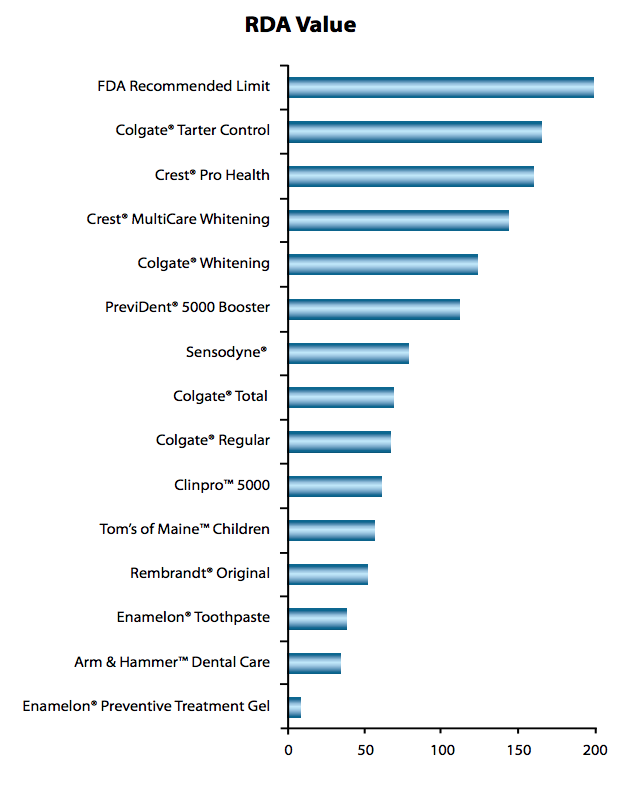
1. Your Toothpaste Is Too Abrasive

In order for toothpaste manufacturers to gain approval from the FDA they must measure and report the abrasiveness of their products. However, they are not required to report the information to consumers. To help you find out how your favorite toothpaste stacks up, refer to the chart below. Your teeth are sensitive perhaps because of the toothpaste you’ve been using.
2. You’ve Been Using Whitening Toothpaste

Whitening toothpastes often contain chemicals that help to remove surface stains and therefore, make your teeth much whiter. However, these chemicals can damage the surface of your teeth. Several whitening toothpastes have received the American Dental Associations’ (ADA) Seal of Acceptance. However, it is recommended that you consult your dentist before using whitening toothpaste to avoid damage. So, if you’ve been brushing with whitening toothpaste and your teeth are sensitive, whitening toothpaste may be the culprit.

3. There’s Too Much Acid In Your Diet

Citric acid, such as what’s found in lemons, oranges, and grapefruits, can be very damaging to your tooth enamel. It’s not hard to understand how too much citric acid could cause erosion of your teeth enamel and therefore, sensitive teeth.

On the other hand, most people don’t realize that many popular beverages, many of which don’t seem to be acidic, are very acidic. My colleague, New York dentist Michael Sinkin, warns: “…many vitamin waters, energy drinks, and sports drinks are highly acidic and if consumed in large quantities can cause your teeth’s structure to break down.” 

So, how can you find out if your favorite beverage contains enough acid to be the reason your teeth are sensitive? Check the pH! pH is the measure of acidity on a scale of 1-14. The lower the number the higher the acidity; tooth enamel begins to dissolve at pH 5.3.

The chart below shows the pH of some popular beverages. If you’ve been gulping Gatorade at the gym or if you slug down a Red Bull every afternoon to fight tiredness, those beverages may be the cause of your sensitive teeth.

Source:
http://michaelsinkindds.com/is-your-favorite-beverage-eroding-your-tooth-enamel/

4. You’re A Swisher!

The next time you drink a soda, juice, or a glass of wine, take note if you swish it around in your mouth before you swallow. Many people swish their beverages without realizing it, which can create a loss of tooth enamel and sensitize the teeth’s dentin and cementin. Wine connoisseurs in particular, who swish in order to better experience the nuances of vintages, are at especially at risk. It’s OK to swish a little, but try keeping it to a minimum.

5. Your Teeth Need A Cleaning

Even people with the means to go to their dentist two or three times a year often avoid it because of dental fear. You can floss and brush twice a day, every day, but it’s nearly impossible to remove all the tartar and plaque that will build up on your teeth naturally. When plaque builds up around and under your gums, it will cause inflammation, and therefore, sensitive teeth.

If you haven’t been to the dentist for a while you could be surprised to discover that most practices now are hyper-aware of how anxious some patients can be, even when they come in just for a simple cleaning. Dental fear is nothing to be ashamed of, so discuss it with your dentist and get those teeth cleaned!

6. You Breathe Through Your Mouth

Chronic sinusitis from allergies or a deviated septum can cause you to continually breathe through your mouth instead of through your nose. An article in RDH, The National Magazine For Dental Hygiene Professionals, states: “Mouth breathing affects the pH of the entire body… meaning the saliva.”

In other words, breathing through your mouth over a long period of time can actually make your saliva more acidic and could be the reason your teeth are sensitive. The best advice is to see an ENT (an Ear, Nose and Throat doctor) as soon as possible.

7. Your Jaw Muscles Are Being Overused

I’ve been treating patients who have tooth and jaw problems that stem from overworked jaw muscles for over 35 years. If you hold tension in your face and keep your teeth clenched together during the day, your jaw muscles are being overworked. Overworked jaw muscles can cause headaches, facial pain, persistent toothache, and sensitive teeth. Try to relax your jaw, especially when you’re working at your desk. For more help, read Problems of the Jaw.

8. You Grind Your Teeth While You’re Sleeping

Nighttime teeth grinding, also called Bruxism, is a common phenomenon that causes your jaw muscles to over-contract. In fact, some people grind their teeth so ferociously that they actually sprain their jaw ligaments, which is why their teeth are sensitive.

My practice is full of people who suffer from bruxism and just want to feel better. Our first step is to figure out what’s causing the grinding. Only once the underlying reasons are discovered can we put in place a treatment plan to eliminate the grinding and therefore, its damaging efforts.

Did you figure out why your teeth are sensitive? Whatever the cause, keep in mind that your sensitive teeth are a sign that something is going on. Don’t ignore it.

(Note: If the cause of your tooth sensitivity is related to overuse behaviors or nighttime teeth grinding and you live in the NYC metro area, please feel free to (212)-265-0110 for a consultation. If you’re outside my area, you can go to www.aaop.org  and find a Diplomate in your area.)

Read More:
Tooth Whitening/Bleaching: Treatment Considerations for Dentists and Their Patients

Categories
Orofacial Pain TMJ

The Latest In TMJ Treatment Strategies

This post has been updated and can be found here

If you’re someone who suffers from TMJ, you’ve likely tried numerous strategies to feel better. Jaw problems show up as facial pain, jaw pain, and even persistent toothaches, any of which can ruin the quality of your life. The good news is that everyday studies are done and discoveries are made that help get to the bottom of what causes these problems, which helps us find new and innovative TMJ treatment strategies to tackle them.

As an orofacial pain specialist*, my life is dedicated to helping people just like you and it enables me to be at the cutting edge of what’s working and what’s not. At the end of 2017, I took a little bit of time to reflect on the strategies that are helping my patients, some of which are a bit “out of the box”. I thought I’d share them with you:

1. Healing Is A Process

The most important thing I want you to understand is this: Healing is a process – not an event. Only when the risk factors that got your jaw in trouble in the first place have been identified, can TMJ treatment strategies for healing be put into place. Most jaw problems come on slowly and that’s how they resolve…slowly. Treatment takes time. And, I can’t stress this enough: you must be an active participant if your healing is to be successful. That means doing the exercises, wearing the oral appliance, practicing the meditation techniques, etc. Patience is key.

2. Anti-Depressants Could Be A Culprit

Although not the most common scenario, some of my patients who are on SSRI anti-depressant drugs such as Paxil, Effexor, Prozac, and Lexapro experience increased muscle pain in the neck, face, and jaw. I came to this realization by the process of elimination. There were just too many patients in my practice who had none of the typical risk factors. All of them were on SSRIs. With the involvement of their prescribing physicians, switching to alternative medications or taking a lower dosage provided them with profound pain relief. If you’re on an SSRI, you may want to speak to your doctor about adjusting your meds.

3. Sleep Quality & Quantity

The quality and quantity of sleep you get is one of the clues I look for when evaluating a patient. If you have insomnia or a sleep-related breathing disorder (obstructive sleep apnea, for example), it must be addressed before we can commence a TMJ treatment strategy to ease your persistent pain problem.

4. Lowered Pain Thresholds

Many people suffer from acute jaw, facial, or tooth pain because their overall pain thresholds have dropped. The most common cause is simply the way they live their lives. By consistently burning the candle at both ends (long work hours, little sleep, lots of stress) you keep your body in perpetual fight or flight mode. You may not be able to change your job or keep your baby from crying all night, but I’ve discovered that Chinese temple exercises or Tai Chi for just 30-45 minutes a day can work wonders for people like you.

5. Night Tooth Clenching & Grinding

Bruxism, which affects more than 10% of the population, disrupts the quality of sleep and wreaks havoc on the jaw muscles. If you habitually clench and grind, there’s no way your muscles can heal. There are many ways to stop this damaging behavior including special oral appliances and meditation techniques, all of which over time are very helpful. But again, positive outcomes will depend upon your commitment and participation to the TMJ treatment strategies that are designed for you.

6. Supplements

Despite industry claims, it’s unclear if any supplements are truly effective for pain relief. However, some of my patients are convinced that Fish Oil and Magnesium help with pain relief. Some take turmeric daily, too, and swear by it. If you’re going to go the supplement route make sure your physician is aware and involved.

7. Food As Medicine

Research has finally identified some foods that can substantially reduce nerve sensitization and inflammation, both of which cause pain. Grape seed extract, organic chicken broth, and cocoa (72% dark chocolate) combined with other TMJ treatment strategies can help diminish pain-prompting risk factors. Unfortunately, the research is in its infancy and I can’t recommend specific quantities; but moderation is always a good mantra. 

8. Breathing 

People with chronic pain are known to breathe fast and shallow. This rapid breathing causes excessive amounts of carbon dioxide to be expelled and can lead to high levels of muscle tension and nerve excitation in the body. And, rapid breathing makes it harder for your body to use oxygen. For many patients, the treatment strategy involves slow-paced belly breathing, yoga classes (particularly those that focus on the breath), meditation (Headspace.com is a great app to help you learn), and overall mindful living.

Conclusion:

By caring for TMJ patients for over 35 years I’ve discovered two important things. The first is that taking the time to discover who my patients are (not just as patients, but as people) is the only way to put the right TMJ treatment strategies into place and successfully help them get better. And secondly, the patient’s full participation is required all along the way.

There’s no good reason that you should have to suffer from persistent jaw, tooth or face pain for the rest of your life. I hope you found this article helpful.

I wish you the best of luck on your journey to healing.

* Orofacial Pain is the discipline of Dentistry which includes the assessment, diagnosis and treatment of patients with complex chronic orofacial pain and dysfunction disorders, oromotor and jaw behavior disorders, and chronic head and neck pain, as well as the pursuit of knowledge of the underlying pathophysiology and mechanisms of these disorders.

Categories
Jaw Problems Orofacial Pain TMJ

Dr. Sarno and My Approach to TMD

On June 23, 2017, Dr. John Sarno passed away at the age of 93. A controversial figure in mind/body medicine as it relates to back pain, Dr. Sarno explored the connection between the mind, emotions and back pain. He was a truly a pioneer. He challenged his medical colleagues to consider the uncomfortable notion that the majority of back pain sufferers were in trouble not because of structural flaws in their backs, but rather a result of muscle tension.

Dr. Sarno felt strongly that back pain results from what he called TMS – Tension Myositis Syndrome – which was a direct result of “internal rage” driven by life’s conflicts, unrealized dreams, childhood traumas, uncontrolled tension stressors, and other factors that could persistently upset the brain. His theory was this: when an upset brain turns on the body’s sympathetic nervous system, the blood flow to muscles and nerves is reduced and causes mild oxygen deprivation. The result is pain in the back muscles.

An obituary in The New York Times states: “Revered by some as a saint and dismissed by others as a quack, Dr. Sarno maintained that most non-traumatic instances of chronic pain – including back pain, gastrointestinal disorders, headaches, and fibromyalgia – are physical manifestations of deep-seated psychological anxieties.

Despite his detractors, Dr. Sarno had many supporters in the medical community who conducted research in an effort to lend science to his assertions. In a 2007 study led by University of Southern California Professor David Schechter, it was found that chronic pain subjects who underwent mind/body treatment (reading educational materials, journaling about emotions, and in more extreme cases, undergoing psychotherapy) experienced an average pain reduction of 52 percent.

Dr. Sarno and My Approach to TMD

I met Dr. Sarno a number of times and attended many of his lectures, which were open to the public. Many of the principles he embraced resonated with me when I carefully considered the population of TMD sufferers who were coming to my practice seeking pain relief.

Over the years I discovered that when a patient’s jaw and orofacial pain was not due to an identifiable trauma, major structural imbalances, or an underlying medical disorder, the patient’s problem was likely of muscle origin and due to overuse fatigue. With a bit of investigation, overuse fatigue was usually due to daytime acquired behaviors such as nail and cuticle biting, jaw muscle bracing, frequent daytime tooth contact, tooth clenching, raised shoulders, furrowed brows, tense lips, or strained fast paced chest breathing. 

In reality, the same life scenarios that Dr. Sarno identified in his back pain patients were often characteristic of my TMD patients. At times these personal conflicts would also be responsible for restless and fragmented sleep and the onset of sleep bruxism activity, further adding to muscle overuse and fatigue.

What is critical to realize, however, is that by the time patients arrive at my practice looking for help,  tissue injury has already occurred due to physiologic changes in the jaw and neck muscles – and sometimes the temporomandibular joints. As a result, not only is it critical to make the mind body connections, but the majority of patients we see are engaged in assistive therapies that may include exercises, physical therapy, and or injections for the compromised muscles and or Tm joints.

For unclear reasons, Dr. Sarno rejected all assistive therapies such as massage, physical therapy, acupuncture, and injection techniques. This is where he and I differ in philosophy. In the book “Doctor, Why Does My Face Still Ache?” which I co-authored with my mentor, Seymour Roistacher, DDS, we carefully outline what I think leads to compromises in the temporomandibular system and why, therefore, the use of additive therapies makes sense if healing is to be achieved.

In the process of understanding each TMD sufferer that I treat, I strongly feel that the most important question I ultimately ask is this:

Who are you?”

It’s only then I can begin to unravel the mysteries of each patient’s persistent orofacial pain and TMJ problems.

Artwork from www.ThankYouDrSarno.org

Click here to read the 2007 University of Southern California study.

Click here for Dr. Sarno’s obituary in The New York Times. 

Live or work in New York City or on Long Island? You can schedule a consultation with me here or call 212-265-0110.

Categories
Bruxism Children & TMJ Jaw Problems TMJ

Teeth Grinding in Children, Adolescents, and Teens

Teeth grinding is the first thing that parents think of when they discover signs of wear on their children’s teeth. And while teeth grinding in children, adolescents, and teens is common (which I’ll explain later in this article), it is not always the reason that teeth become worn. In many cases, frequent consumption of highly acidic beverages is what causes tooth wear in young people.

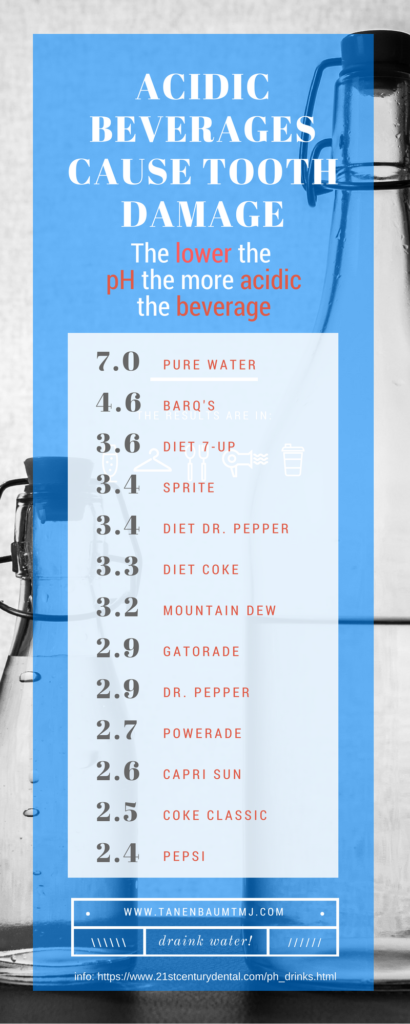
To understand why acidic beverages cause tooth destruction, it’s important to know what pH means.pH is the measure of the acidity and alkalinity of a liquid. The more acidic a liquid, the more damaging it is to your teeth.

Acidic beverages such as soda pop break can down tooth enamel, which is the outer protective coating of your teeth. When tooth enamel breaks down, dentin, the underlying tooth material, is exposed. Because dentin wears down six times faster than enamel, daily exposure to acidic beverages can cause enormous damage to teeth.

Most of the popular beverages in the U.S. are highly acidic, as you can see from the chart below. Sadly, these are also the beverages most preferred by young people. To make matters worse, it’s common for them to vigorously swish beverages from side to side in their mouths before swallowing, making the potential for tooth destruction even more probable.


Teeth Grinding in Children, Adolescents & Teens Donald Tanenbaum


When parents who are concerned about their children’s worn teeth come to my office, the first thing I look for is signs of highly developed and bulky jaw muscles. That is the hallmark of teeth grinding and clenching. If I don’t see those signs, then frequent acid exposure is most likely to be the cause.

Teeth Grinding in Children, Adolescents, and Teens

Teeth grinding in children, adolescents, and teens causes a different type of destruction. Grinding and clenching produces frictional wear as opposed to the erosion of tooth enamel caused by acid.

Grinding and clenching behavior usually occurs during sleep and, because of that, is called sleep bruxism. Sleep bruxism affects approximately 5%-10% of young people, and the number is growing.  

The underlying reasons for teeth grinding in children, adolescents, and teens remains unclear, but we believe it is likely to be related to fragmented sleep accompanied by frequent brain arousals. The cause can include (but is not limited to) insomnia, generalized states of daily anxiety, medications such as those used to treat AHD/ADHD, and obstructed breathing due to large tonsils, and/or small lower jaw profiles.

If you’ve noticed your children’s teeth are showing signs of wear, such as chips (or if they’re beginning to look smaller), it’s important to see your dentist as soon as possible. If acidic beverages are the cause of the problems, until that risk factor is addressed, the potential for excessive tooth destruction will go unchecked – and likely lead to extensive dental in the future.

Remember, the best beverage is water!

Categories
Case Studies Facial Pain Jaw Problems TMJ

Can Lyme Disease Cause TMJ? – 3 Case Studies

As a specialist in orofacial pain and TMJ for over 30 years, it’s my conclusion that the impact of Lyme Disease on the peripheral and central nervous systems can produce nerve and muscle pain that mimics the symptoms of TMJ. But can Lyme Disease cause TMJ?

Starting in the early 90’s many patients have visited my office exhibiting the symptoms of TMJ – jaw pain, limited jaw opening, and severe facial pain. But upon evaluation, I did not find the common histories and risk factors that typically cause the muscle strain and inflammation associated with TMJ problems.

Lyme Disease infects over 300,000 people in the United States every year. But making a diagnosis is extremely difficult due to the fact that the only blood tests available are unpredictable. On top of that, only 25-50% of infected people ever develop the telltale rash associated with a deer tick bite (the tick that carries Lyme).

If left untreated, Lyme can cause facial tics (contraction and twitching of muscles), jaw pain, headaches in the temples, neck stiffness, and episodes of pain during talking and smiling. Very similar, if not identical to TMJ. 

The three case studies that follow prompted me to ask this question:

Can Lyme Disease Cause TMJ?

3 Case Studies

Case Study #1: John

In 1992 I treated a patient named John. John was a 38-year-old landscape gardener who worked at a golf course on the East End of Long Island. His complaints were acute jaw pain, limited jaw opening, and an inability to bring his teeth together in a consistent way.

At first glance, it seemed that John had the type of jaw problem that I see every day in my office so I prescribed the course of treatment that helps most of my patients. But it didn’t help him. Then I discovered that John had been diagnosed with Lyme Disease.

Case Study #2: Anne

A recent patient named Anne. She is a 52-year old female. She describes her symptoms this way: “I have pain in my face that can be so intense that I have thought about going out on disability.”

Ann’s pain is triggered whenever she talks. And her jaw muscles feel as if they’re “pulling all the time”. At times her teeth ache. And when the frames of her glasses press on her temples, the pain escalates. Anne’s facial and jaw symptoms have been present for seven months and are accompanied by exhaustion, disabling headaches, and what she describes as “bizarre sensations in my body”.

As with John, my evaluation did not suggest the reason for Anne’s suffering was a typical TMJ problem. But evaluations don’t always indicate Lyme, either. Due to the fact that she takes long walks in the Connecticut woods and because she remembers getting bitten by insects (she never had the telltale rash) her infectious disease doctor has considered starting her on antibiotic therapy for Lyme Disease.

Case Study #3: Sue

Another patient named Sue, a 45-year old female, came in with jaw problems, too. She had been diagnosed with Lyme disease seven years earlier. Sue felt sure that her Lyme had been “successfully treated with alternative remedies.” But still, she suffers from tight jaw muscles, intense pain when she lays her face on a pillow, fragile emotions that prompt daily outbursts of crying, and “raging pain in my face and jaw”. She was sure she had TMJ but never imagined that the effects of Lyme Disease cause TMJ symptoms.

Sue also suffers from bouts of intense back pain with a nerve-like character, that comes on suddenly and as quickly passes.

As noted, Sue believes that her Lyme Disease has already been “cured” by alternative remedies. But as in the cases of John and Anne, my evaluation provided no evidence of the typical causes of TMJ symptoms. With her belief in alternative treatments, it is no surprise that Anne is very reluctant to try antibiotic therapy. But she is about ready to move in that direction.

Did Lyme Disease Cause TMJ Symptoms In John, Sue, or Anne?

The outcome of these cases remains to be determined, but they are very similar to many other confirmed cases of Lyme Disease I have encountered since 1992 when I first began to wonder if can Lyme Disease cause TMJ symptoms. 

It is my conclusion, therefore, that the impact of Lyme Disease on the peripheral and central nervous systems can produce nerve and muscle pain that mimics the symptoms of TMJ. I am hopeful that better testing, control of the deer tick population, more effective treatments, and even perhaps a vaccine is on the horizon for these suffering patients. 

If you would like to add your comments please feel free to do so below.

Live or work in New York City or on Long Island? You can schedule a consultation with me here or call 212-265-0110.