Manhattan

212-265-0110

White Plains

914-227-2305

Springfield, NJ

973-315-7830

Hauppauge

631-265-3136
Categories
Orofacial Pain TMJ

Orofacial Pain & TMJ Consultations Online – A New Era

An outcome of the coronavirus pandemic is orofacial pain specialists are conducting TMJ consultations online. The new era has begun…

As a dentist whose focus is directed toward treating orofacial pain and TMJ/TMD problems, I have seen first-hand the impact of life’s worries and challenges on people of all ages. 

In normal times people seek my services because their jaw muscles are sore, tired, and aching. Any number of issues, from financial worries, relationship trouble, medical stress, family problems, poor sleep, or workplace tension, can upset the brain leading to muscle tightness and, ultimately, the onset of symptoms.

When your brain is upset, what would normally be perceived as tolerable pain can become so severe that it affects your life.

The Connection Between The Upset Brain & TMJ

 A very common consequence of an upset brain is tooth and clenching and/ or bracing of the jaw muscles even without tooth contact. These activities can occur while you sleep, during the day, or both, overworking the jaw muscles and setting the stage for disruptive jaw or face pain, persistent toothaches, cracking/popping in the jaw joints, and the potential onset of TMJ problems (you can read more about TMJ here).

The current pandemic is affecting everyone. Even those who felt we had our lives under control before the crisis now face a threat we have few skills to confront. This stress can lead to an upset brain.

Therefore, it’s no mystery why patients currently under care, past patients, and those who never sought my care before are reaching out – desperate for relief. 

TMJ Consultations Online Now

During the COVID pandemic, we were not to go about business as usual. But we have been able to address the pain relief needs of patients with online TMJ consultations. For a number of years, these telehealth options have been available, but it took a crisis like the pandemic to make orofacial and TMD pain practitioners all over the world realize how invaluable and effective online consultation visits can be!!!

It turns out that TMJ consultations online give me the opportunity to meet the person behind the symptoms, and do it in a safe and low-stress atmosphere. TMJ consultations also enable a spouse, partner, or other family members to be in attendance as a second set of eyes and ears. 

And an added and unexpected benefit of TMJ consultations online is they enable patients, particularly those who are new to my practice, to meet me without my face obscured by a mask, glasses, and shield. 

TMJ Consultations Online In The Future

TMJ consultations online will never fully replace the benefits gained by hands-on examinations in my office. However, I foresee I’ll be using them to reduce the time new patients need to spend in my office – by about 30 minutes. Until social distancing becomes less critical, reducing the time we all physically spend together is an important consideration. 

I am grateful for platforms such as Zoom and Doxy as we move into our “new normal.” I clearly see that the use of technology, combined with imagination, and an ongoing commitment to providing safe and thoughtful care, will enable patients to get the care they need when they need it and for practitioners like myself, to provide it. 

Today, TMJ consultations online for new patients are an innovative concept. In the future, they just may be the norm.


If an online consultation is of interest to you, please send an email to office@drtanenbaum.com with your contact information. A staff member will reach out to you.


Categories
Sleep Apnea

Common Symptoms of Sleep Apnea


People of all ages can suffer from sleep apnea, but it is most common in adults over the age of 40. According to the National Sleep Foundation, over 18 million Americans suffer from this condition. In children, this is often caused by enlarged tonsils, which can obstruct a child’s airway during sleep. In adults, males and persons who are overweight are at risk. It is important to get this condition treated since it can lead to a variety of health issues.

Types of sleep apnea

Not every person experiences the same form of the disorder. There are three main categories of this condition.

Obstructive sleep apnea

Obstructive apnea is the most common form of the disorder. It can affect people of all ages. In adults, those who are overweight are more likely to suffer from the condition. This occurs when the airway is obstructed, or blocked, during sleep. Enlarged tonsils or soft tissue often contribute to the problem. The blockage most often occurs when people sleep on their backs.

Central sleep apnea

Unlike obstructive sleep apnea, this type occurs because the brain does not trigger the muscles to breathe, which more frequently happens in people over the age of 65 than in younger persons. As people age, medical conditions become more likely, which can cause issues with the brain signaling the lungs to breathe.

Mixed sleep apnea

Mixed sleep apnea is a combination of the two. Sometimes, people with both types do not realize it at first since medical professionals may assume that obstructive sleep apnea is the only cause. However, for those who continue to experience breathing issues when the obstructive apnea is treated, central apnea may be present as well.

Symptoms

Some symptoms are quite general, and it can be difficult to determine whether the symptoms are caused by sleep apnea or another condition. Undergoing a sleep study is one way to pinpoint the source of the problem.

Nighttime symptoms

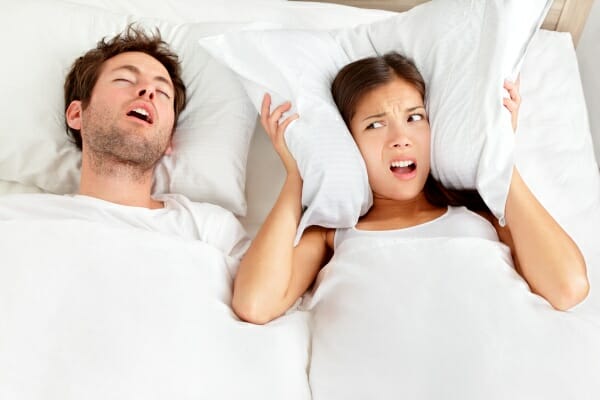
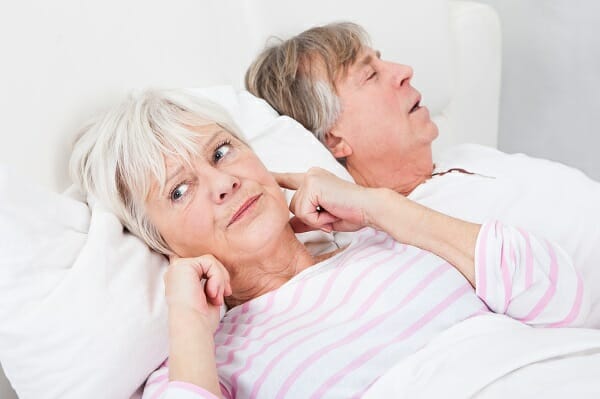
While there are some symptoms that point to a potential diagnosis, a sleep study can confirm the finding and show the severity. At night, those with sleep apnea may snore loudly. It is often loud enough to keep their partners awake. Pauses in breathing are often experienced, but the individual may not be aware of them because they typically do not cause the person to fully wake up. Gasping for breath at night is another common sign.

Daytime symptoms

People who think they are getting a good amount of sleep but are still tired may not be experiencing good sleep quality. Although a variety of reasons can cause this, it may indicate sleep apnea. In addition, waking up with a scratchy voice, sore throat, dry mouth or headache can point to a lack of quality sleep. Forgetfulness, mental fog and changes in mood can also be a sign, according to WebMD.

Sleep apnea can cause a variety of health issues and lower an individual’s quality of life. It is important for persons who suspect they might have sleep apnea to get it checked out as soon as possible.

Categories
Sleep Apnea

Lifestyle Changes to Treat Sleep Apnea

If you have sleep apnea, then you have episodes where you stop breathing throughout the night. One of the most common treatments is a Continuous Positive Airway Pressure (CPAP) machine. However, if you do not want a CPAP machine, there are several lifestyle changes that can help. Read on to learn more.

Losing weight

People who are overweight are more likely to suffer from sleep apnea. Being overweight can lead to excess tissue in the neck area, which is where the airway is. When an individual has too much tissue, it can partially or fully cover the airway during sleep. The excess tissue may also place pressure on the tongue and cause it to fall back. The individual does not have as much control over this during the night.

Quitting smoking

Smoking negatively affects the lungs and breathing habits. The smoke can irritate the tissues in the airway. When the tissues become irritated, they can begin to swell, which can block the airway. Because the airway is disrupted, it can become congested. As it vibrates, individuals will snore. Even people who previously smoked are likely to have sleep apnea.

There are many studies that link snoring, smoking and sleep apnea. One study showed that people who smoke are over twice as likely to snore than those who never smoked. Another study looked at current, past and never smokers. The study showed that one in four current or past smokers snored. But only one in seven people who never smoked snored. While snoring can be a symptom of sleep apnea, it is not always.

Avoiding drinking

Alcohol can relax an individual, so it makes sense that it can also relax the muscles in the airway. This can cause sleep apnea. However, for individuals who have mild sleep apnea, alcohol can worsen it. Several studies have shown that alcohol can lengthen the amount of time that a sleep apnea episode lasts. It allows more time to pass between the time an individual stops breathing and when the patient wakes up.

Changing positions

Sometimes, the simplest solution can work. Sleeping on the back is not a good idea for those with sleep apnea. This allows the jaw to fall back over the airway. Other tissues near the airway also become crowded when individuals sleep on their backs.

Instead, sleeping on the side is a better option. This does not cause airway blockage. It can also provide better blood flow. This is why sleeping on the left side is slightly better than sleeping on the right.

Visit a doctor for sleep apnea treatment

Sleep apnea is a serious condition. If left untreated, it can cause many health problems. If you suspect that you may have sleep apnea, it is a good idea to make the lifestyle changes above. However, it is also important to visit a doctor. Getting a sleep study can help a doctor determine if you have sleep apnea. A dentist can provide you with an oral appliance to help.

Categories
Sleep Apnea

4 Sleep Medicine Options to Help You Sleep Better Each Night

For patients struggling to sleep through the night, sleep medicine treatment may be worth considering. A lot of people suffer from sleep apnea and other similar conditions that cause a disruptive night of sleep. While some symptoms may be natural, others are not and may require the help of a medical professional such as a sleep medicine dentist or doctor.

Thankfully, modern medicine has allowed for the development of multiple sleep medicine treatments. Some of these treatments involve dentistry, while others focus solely on sleep medicine itself. In this article, discover four different options for sleep medicine treatment, all of which are said to help patients sleep better at night. This information can be especially helpful to someone who may not be sure what type of treatment plan to consider.

4 sleep medicine options to sleep better at night

Below are outlined a few common sleep medicine treatment options for patients suffering from sleep apnea or other related conditions. Keep reading to find out more!

Mandibular advancement device

One popular option for dental sleep medicine treatment is a mandibular advancement device, also known as a MAD. This is an oral appliance prescribed by sleep medicine dentists. The goal of a MAD is to position the jaw in a certain way during the night that allows the airway to never become obstructed.

Tongue-retaining device

Another common method of sleep medicine treatment for apnea is a tongue-retaining device, which is also an oral appliance. The difference of this option is that it is shaped more like a pacifier with a hole in the middle. The hole holds the tongue in a forward position so that it cannot obstruct the airway while the patient is asleep. Just like a MAD, a tongue-retaining device is also administered by a sleep medicine dentist, and it is custom-created specifically for each patient.

CPAP machines

CPAP is a continuous positive airway pressure machine that sends positive air into the patient’s body throughout the night. This sleep medicine option does not necessarily involve dentistry, but it does require a custom breathing mask for the patient to wear during the night. The mask is connected to a hose that feeds into an air machine. CPAP machines are known to produce good results, but they are more obtrusive than oral appliances.

Orofacial therapy

Some sleep medicine specialists recommend that apnea patients undergo orofacial therapy, which can help train the tongue muscles to sit in a more forward position. Over time, this type of therapy can significantly improve the way that the muscles work within the mouth, thus lowering the chances that a patient may experience breathing difficulties during the night. Orofacial therapy is also said to help patients who snore a lot, which is another type of sleeping condition.

Get started with sleep medicine today!

Want to learn more about sleep medicine treatment from a dentist or doctor? Let us help you. Our team would be happy to answer any questions or address outstanding concerns. Give us a call or stop by our office today.

Categories
Sleep Apnea

Am I a Candidate for Sleep Apnea Treatment?

Many people suffer from sleep apnea, which is a medical condition that causes a person’s airway to become closed off while they are sleeping. The condition can cause medical complications if it goes untreated, but thankfully dentists are working with other medical professionals to diagnose, treat and manage it.

Dental sleep apnea treatment is becoming more popular, and with good reason. Many patients find this type of treatment to be quite successful, which is why it is important to understand who is a candidate. This article outlines that information so that patients seeking treatment can be prepared for what the dentist may tell them.

Determining candidates for sleep apnea treatment

Outlined below is information regarding what makes someone a candidate for sleep apnea treatment from a dentist. Keep reading to find out more!

Disruptive sleeping patterns

Patients who experience disruptive sleeping patterns may be candidates for sleep apnea treatment. Disruptive sleeping patterns include difficulty falling or staying asleep, as well as waking up with breathing troubles.

Dental sleep apnea treatment can tackle disruptive sleeping patterns throughout the night. Some of the more common options include CPAP machines or oral appliances to help lower the chances that the patient will struggle with sleeping.

Severe snoring

Snoring is a main symptom of sleep apnea, and dental sleep specialists often monitor the patient’s sleeping patterns to determine if snoring takes place or not. Patients who suffer from this symptom may make good candidates for sleep apnea treatment.

When patients snore, it often causes issues within their sinuses and nasal cavities. Long-term, snoring can cause pain, as well as problems with the way the patient breathes. Most dentists will want patients who snore to undergo sleep apnea treatment as soon as possible in order to avoid future complications.

Morning-after symptoms

Patients who wake up with severe symptoms, such as headaches, ongoing fatigue or even a sore throat will likely make good candidates for sleep apnea treatment. These symptoms can disrupt the patient’s day, which could become a problem both personally and professionally later on down the line.

Sleep apnea often causes fatigue because the patient is not able to sleep through the night. Patients are also likely experience headaches and a sore throat the next day. When the airway becomes obstructed for multiple periods of time, the body will react appropriately. In this case, the reaction can cause long-term damage.

Get started today!

Sleep apnea treatment can be done through dentistry. It is often a good idea to explore all kinds of treatment to determine what would be most efficient. However, certain sleep apnea treatments may not always be effective for everyone, which is why it is important to consult with a dentist. Being aware of who is a candidate for what type of treatment can be extremely helpful.

Reach out with any questions regarding sleep apnea treatment. Our dental sleep specialists can help get you started today.

Categories
Facial Pain Jaw Problems Referred Pain TMJ

How To Self-Treat Jaw and Face Pain During Stressful Times

As an orofacial pain specialist in New York City and Long Island, patients come to me because they suffer from the painful symptoms of TMJ. Most often their symptoms are a result of their stressful lives.

During the pandemic, most people have been living with an unusually high level of stress. Poor sleep and limited exercise is one reason. Also involved are continually tensed shoulders, breathing in a strained manner, and grinding and clenching your teeth at night (or during the day). The result can be headaches, pain in the neck and back, or pain in your face, teeth, and jaw, or all of them.

How To Detect A TMJ Problem

When your TMJs (your jaw joints) are in trouble, it typically shows in five ways. You may have one, a few, or all of these symptoms:

  • Facial pain
  • Clicking or popping when you open and close your mouth
  • An unexplained toothache
  • Difficulty opening your mouth
  • Unexplained headaches, particularly when you wake up

It’s easy to understand how living with the pandemic for the past few years could trigger stress-related symptoms even in people who are normally calm and positive. I’ve seen hundreds of new patients never had a TMJ problem before the pandemic and just as many who suffered from TMJ in the past.

My advice is to become hyper-aware of how stress is impacting your jaw muscles. Stop every now and then during the day and take note if you are:

  • Holding your breath
  • Bracing your jaw muscles
  • Furrowing your brow
  • Clenching your teeth
  • Biting your nails
  • Raising your shoulders

Tips: How To Treat Jaw & Face Pain During Stressful Times

Control Your Daytime Breathing

Perform these three steps if you notice you’re holding your breath or breathing more rapidly than normal:

  • Slowly breathe in through your nose deep into your core and hold it for 3 seconds. It’s easier if you place the tip of your tongue on the roof of your mouth or behind your lower front teeth as you breathe.
  • Let the air out for three seconds through your lips and pause for 3 seconds.
  • Repeat 6 times.

Note: If your nose does not let air in (quite possible during allergy season) breathe in through your mouth in a slow, controlled way with your lips barely touching. There are no absolute rules; just do the best you can.

how to relax your face, donald tanenbaum
Loosen-Up Your Face and Jaws

Notice if you hold tension in your face or brace your jaw muscles when you’re at your computer, reading, or listening to the news. If you are, use this 3-step method to relax your face and jaw:

  • Let your jaw hang limp – kind of the way your hands hang limp when you drop them at your sides.
  • Keep your lips together, teeth apart.
  • Breathe.

Do this every time you notice tension in your face or jaw.

how to stop biting nails, donald tanenbaum
Stop Biting!

Biting your lips, cheeks, nails, or cuticles, can all lead to jaw muscle fatigue and pain. The 3 tips below may help you stop:

  • Keep your lips soft (don’t purse them).
  • Keep your lips touching lightly and your teeth apart (you don’t have to keep your mouth open.
  • Let your face and jaw hang in a neutral, relaxed posture (same as step 1 above).

how to treat face and neck pain, donald tanenbaum
Soften Your Shoulders

Many people experience headaches and neck and jaw pain as a result of tense shoulders. It’s called referred pain. To keep your shoulders soft:

  • Don’t hunch up your shoulders up close to your ears. Periodically stop what you’re doing and gently push them down.
  • Try not to cross your arms.

Both tips will ease your neck tension, help your breathing, and reduce the onset or the intensity of the muscle tension that leads pain.

get up and move around, face and neck pain, computer neck, donald tanenbaum
Get Up & Move Around

It’s never a good idea to sit in one place for hours and hours even in less stressful times.

  • Every 45-minutes get up and walk around, even if it’s just to throw in a load of laundry or cook a meal.
  • If you’re experiencing severe neck tension or pain, the Feldenkrais Method® is a great way to manage it, too. It’s an easy and gentle technique that eases neck and jaw tension.

moist heat to treat face and jaw pain, donald tanenbaum
Use Moist Heat

Moist heat is a good way to treat jaw and face pain:

  • Use a wet towel, heat pack, or TMJ wrap – available in many pharmacies.
  • Apply the heat for 15-minutes
  • Then perform a gentle jaw muscle self-massage. Here’s how:
    • Open your mouth halfway.
    • With your index and middle finger massage the fleshy part of your jaw muscles in a circular motion for 10-seconds
    • Then, move in the opposite direction for 10-seconds.
    • Next, with your mouth still half-open, move your fingers to your temples right under the hairline and perform the same massage technique. If you feel muscle soreness as you massage, you’re doing it right.

Do this moist heat massage twice a day.

TENS unit for neck pain, donald tanenbaum
Purchase A TENS Unit

If your pain is severe and moist heat doesn’t help, go online and purchase a TENS unit (Nursal EMS TENS unit). Place the pads as directed on your jaw muscles (called masseters) and your large neck muscles (your trapezius) once or twice a day. Most TENS units come with simple instructions and there are many videos online with instructions.

biofreeze for neck pain, donald tanenbaum
Try Biofreeze®

Another method that works for many people is to rub Biofreeze® onto the jaw and neck muscles several times a day. Just make sure you keep it away from your eyes.

calm your mind to treat face and jaw pain, donald tanenbaum
Calm Your Mind

Yoga or meditation are great ways to keep stress from impacting your body. Online you can find hundreds of classes, many of them free. I like the app Insight Timer. Headspace, Calm, and Buddhify are also terrific apps. Find the one that fits your style and needs and try not to make it a challenge but a regular part of your day and/ir when you really need it.

tension while sleeping, donald tanenbaum
Is Your Body Tense While You Sleep? Try this:

If you wake up with headaches, facial, jaw, or teeth pain, you are problem clenching or grinding your teeth at night. Try these tips:

  • Drink warm chamomile or Sleepytime® tea before bed.
  • Try magnesium. Before you retire for the night, eat a banana or buy a magnesium supplement at the pharmacy (ask the pharmacist to recommend a good one).
  • If you’re really suffering, purchase a dental night guard at the pharmacy. The best one is made by DenTek™. However, some patients report that over-the-counter devices actually make them clench more! If that’s the case, talk to your dentist about having a custom-made nightguard made for you.

By following the above tips, you can treat your jaw and face pain at home. But note, it may take some time for your symptoms to subside. Don’t give up!

Now that life is getting back to normal it’s time we all assess our physical and emotional state and do what we need to do to feel better.

For more information about TMJ, please link here

Categories
Nightguards & Oral Appliances

Use a Night Guard to Protect Your Teeth While Sleeping


If you habitually grind your teeth while sleeping, wearing a night guard each night is a great way to protect them. These devices reduce the stress put on teeth when grinding, and this leads to less damage as a result of bruxism.

How a night guard protects your teeth

Night guards do not actually do anything to prevent or treat bruxism. Teeth grinding is often the result of another condition the patient is dealing with, like stress, emotional issues or overactive jaw muscles. The only way to treat bruxism is by addressing the underlying cause. Given how hard it can be to diagnose the cause of bruxism (especially if the cause is non-physical), dentists often recommend using a night guard to minimize the damage being done to the patient’s teeth while the condition is being treated.

Why bruxism is bad for teeth

Teeth grinding leads to a person’s teeth enamel becoming damaged, and that can lead to a host of dental issues. Teeth enamel is the strongest part of the human body. It serves as a barrier that protects teeth from things that can damage them, like acids produced by bacteria that live in the oral cavity.

The enamel protects the inner layers of a tooth, like the dentin and pulp chamber. The pulp chamber houses a tooth’s soft tissue and nerves. People often experience consistent toothaches once the contents are exposed to saliva, food particles and bacteria.

Teeth grinding literally does what the name implies. If left untreated, it will wear a tooth down until it reaches the pulp chamber. The patient would experience unbearable pain at that point, and the dentist might need to remove the affected teeth to end the pain.

By wearing a night guard, patients can reduce the damage done to their teeth if they grind them while sleeping. The night guard absorbs a huge portion of the forces generated by their jaw, and instead of teeth enamel being worn down, the mouth guard is worn down instead.

Selecting the right night guard

Patients have two main options when it comes to selecting a mouth guard for bruxism:

1. Stock mouth guard

These are the cheapest alternative for those who grind their teeth. They are a one-size-fits-all kind of device, so patients should not expect the most comfortable fit. A stock appliance that does not fit properly can lead to the person’s teeth being misaligned, which in turn can lead to even greater forces being exerted on their teeth.

People who go this route should at least get no-impression, custom-fit devices.

2. Customized mouth guard

These are customized for the patient by a dentist and provide a much better fit than alternatives. They reduce the effects of bruxism and can even improve the alignment of the wearer’s teeth. These devices are made in a dental lab, so it can take a couple of weeks before they are ready.

Dealing with bruxism? Talk to a dentist about treatment and getting a customized mouth guard.

Categories
Sleep Apnea

Benefits of Sleep Apnea Treatment


Sleep apnea is a frustrating condition that affects many people’s ability to function normally each day. Fortunately, there are many treatment options available for sleep apnea, and those who utilize professional treatment from a dentist often see many useful benefits, such as the ability to function better each day.

Reasons to consider sleep apnea treatment

All too many who have sleep apnea avoid treatment, thinking it is either ineffective or causes more trouble than it is worth. However, there are many conventional treatment options available that are incredibly effective. The following is four reasons to consider sleep apnea treatment from a dentist.

Increased energy

The inability to function normally each day is one of the most disrupting symptoms of sleep apnea. Those who struggle with the condition are often unable to get a proper night of rest due to an inability to fall asleep and constantly waking up in the middle of the night. Sleep apnea treatment improves the patient’s breathing patterns while asleep, which allows them to stay asleep throughout the night. Subsequently, patients often see increased energy levels daily.

Healthier lifestyle

Sleep is incredibly important to a person’s health, and an inability to get a proper night of rest may lead to increased levels of stress, difficulty hearing and an inability to control blood glucose levels. Another major issue among many sleep apnea patients is chronic headaches, especially throughout the night and early in the morning. By visiting a dentist for sleep apnea treatment, many patients see their immediate and long-term health improve.

Reduced snoring

Snoring is one of the most common symptoms of sleep apnea, and most patients with sleep apnea have an issue with loud snoring. Snoring is most commonly the result of an inability to move air freely through the nose and throat while sleeping. Sleep apnea is by definition a disorder in which breathing frequently stops throughout the night, hence the connection between the two. Through sleep apnea treatment, patients often breathe better, reducing the amount of snoring they experience.

Better relationships

All too many patients with sleep apnea avoid treatment as they grow accustomed to the day time symptoms and do not notice many while they are asleep, such as snoring. However, sleep apnea causes loud snoring and leads many people to toss and turn throughout the night as they are unable to stay asleep, which often disrupts significant others or family members that may be close. Subsequently, treatment for the condition helps patients and those who sleep with or near them sleep better.

Talk to a dentist about sleep apnea treatment

Sleep apnea does not have to hold you back from getting a great night of sleep and functioning at an optimal level throughout the day. There are several treatment options available to patients, including dental devices such as a mouth guard for sleep apnea. To learn more about treatment and find out how we can help you defeat sleep apnea, consult with us today and schedule a time to come in for an initial consultation.

Categories
Persistent Toothache Referred Pain

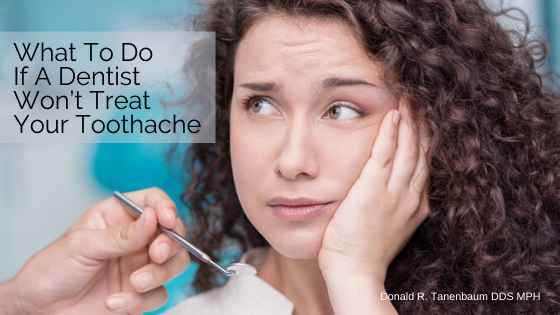
What To Do If A Dentist Won’t Treat Your Toothache

Now and then, we in the dental field see patients who suffer from toothaches that don’t seem to be caused by a tooth. If you have pain that feels like it’s coming from a tooth, but your dentist won’t treat your toothache, it can be a very frustrating situation for you and for your dentist.

(Note, you may also be seeing a dental professional such as a periodontist or an endodontist. For this article, I refer to them all as dentists).

In a situation like the above, where it’s unclear why you have pain, there are two options.

Option One: “Wait And See”

When a toothache presents in an unusual way or won’t go away even after treatment has been performed, your dentist may ask you to give it some time. The hope is that your symptoms will lessen, become more recognizable, or the examination findings become more revealing.

It’s important for you, the patient, to understand why your dentist chooses this wait and see approach, especially when you’re in pain and just want some relief. It’s not because your dentist won’t treat your toothache, it’s because additional clues to the cause of often only appear after a bit of time has gone by.

In this case, your dentist might ask you some unusual questions, such as if you have been having other medical problems, sleep difficulties, a recent virus or even cancer-related therapies including chemotherapy. This is all in an effort to get a clearer understanding of why you have a toothache when there’s nothing that indicates there’s something wrong with your tooth.

During the wait and see period, your dentist won’t treat your toothache because they want you to suffer. In fact, they may offer short term pain medications to make you more comfortable and make stay in touch with you. 

Option Two: “Treat Me Now Or I’m Leaving!”

Most dentists that won’t treat your toothache don’t want to put you through treatment if they are not convinced, without a doubt, that your pain is the result of decay or a root problem. If you are adamant about wanting your tooth to be treated and your dentist won’t do it, you can move along to a different dentist. However, it’s likely you’ll hear, “let’s wait and see” again.

There’s always a chance you could find a dentist you can convince to treat the tooth, despite the results of an exam and x-rays. 

Try to understand that even if your dentist won’t treat it right away, they really do want to fix your toothache problem. They want you to feel better and be able to get on with your life. They have no vested interest in seeing you suffer.  

If you insist on being treated and your dentist agrees (despite having no clear evidence that your tooth is in trouble) and the result is your toothache then goes away – great!

However, if your toothache does not go away even after treatment, your problem has just become a lot more complicated. Add to that the time and money you have invested – and you’re not going to be very happy.

Toothaches That Are Not Caused By Teeth 

If your dentist won’t treat your toothache, it’s important you find out what they think could be the cause. It may sound weird, but tooth pain can be triggered by factors that have very little to do with the nerve in that aching tooth! Here are just a few possibilities:

  • Neck and/or jaw muscle problems, such as tightness, spasm, and fatigue – can be caused by life tensions, bad posture, aggressive tooth clenching, degenerative cervical spine conditions, and more. When muscles are in trouble this way for a prolonged length of time, the result is what can feel like a real toothache.
  • Sinus problems can make your upper teeth hurt – sometimes acutely.
  • Nerve problems often labeled as neuralgia or neuritis can create intense tooth pain.
  • Various medical conditions including systemic inflammatory diseases, migraines, autoimmune conditions, Lyme disease, and other infectious diseases.
  • Brain tumors can lead to toothache symptoms.
  • Past chemotherapy and/or radiation treatment in the head or neck area can lead to toothache symptoms.

What To Do If A Dentist Won’t Treat Your Toothache

If your dentist won’t treat your toothache dentist won’t treat it because the reason is unclear, there are three tests you should expect:

  1. A careful exam and x-rays. Sometimes 3D scans can be helpful, too, to uncover what’s wrong.
  2. Testing your teeth with hot and cold, percussion and mobility tests, and nerve testing with a pulp stimulator.
  3. Local anesthetic injections to isolate the source of the pain.

If these tests do not identify a specific tooth that is the cause of your toothache, your dentist should ask you more questions. They should validate that your pain is real and explain why they believe the source could be somewhere else. 

The Bottom Line

If your dentist and you both want to start work on a tooth, despite being unsure if the treatment will eliminate your toothache, be prepared to consider other sources of the pain if the toothache lingers. Remember, if your dentist won’t treat your toothache, they probably have a very good reason.


Learn more about persistent toothache and referred pain.


Categories
TMJ

Common Signs of TMJ Syndrome


Many people suffer from TMJ disorders, which affect the joints of the jaws. These disorders can be difficult to diagnose because the joint is very complex. Generally, about 12% of individuals in the United States have a TMJ disorder. Usually, women get this disorder more than men. Knowing more about the signs can help you get the treatment you need quickly.

Pain

One of the most common signs of TMJ syndrome is pain in the joint. Patients will feel pain while moving the jaw, such as during eating, talking or even yawning. However, pain can occur in other areas as well. For example, many patients get migraines or headaches, backaches and ear pain. If a patient is experiencing pain that is not near the jaw, a doctor will look for other symptoms first.

Sounds in the jaw

Another common symptom of TMJ syndrome is clicking, grinding or popping sounds in the jaw. This can happen while the patient is opening the mouth during talking and eating. Sometimes, a patient will feel like the jaw is “grating” against itself when chewing. It is important to note, however, that not every popping sound is a sign of TMJ. Popping sounds are very common for healthy jaws too.

However, if the sounds are accompanied by other symptoms, then the patient may have a TMJ disorder. Patients with TMJ syndrome may hear other odd sounds as well. This can include ringing, buzzing or even numbness in the ears. These sounds may happen with earaches.

Difficulty moving the jaw

Patients with TMJ disorders may have trouble fully opening the jaw. Others may not be able to move the jaw in some directions. This may be because the pain is too severe. However, it can also be because the jaw simply will not open more. This can cause problems in normal life, such as while eating.

Causes of TMJ disorders

There are many reasons why a patient may have developed a TMJ disorder. Every patient is different, so they should work with their dentist or doctor to determine potential causes. An injury to the area can trigger TMJ syndrome. Sometimes, arthritis can cause this problem too. A few other potential causes include:

  • Autoimmune diseases
  • Infections
  • Surgery
  • Bruxism

Sometimes, people are more likely to have TMJ because of genetic problems. Overuse problems can also cause this disorder. One example of this is violinists. These individuals use their jaws to hold the violin. The strain on the jaw can cause TMJ problems. While women experience TMJ more than men, more research is needed to determine why.

Visit a dentist today

TMJ will look different for different patients. However, the most common symptoms include jaw pain and an inability to completely open the jaw. Another symptom is popping or clicking sounds. Knowing what to look for can help you decide when you need to go to the dentist. A dentist can examine your jaw and the muscles in the area to diagnose you.

Categories
Sleep Apnea

Don’t Ignore Your Sleep Apnea

The Alaska Sleep Clinic estimates that 20 million Americans live with obstructive sleep apnea, a condition that causes the cessation of breathing while one sleeps. The most obvious primary symptoms of OSA are snoring and gasping for air in the middle of the night, though the condition causes several secondary symptoms that can negatively affect one’s quality of life. If a person shows signs of having sleep apnea, it is imperative to undergo a sleep study and receive appropriate treatment.

Reasons one should never ignore the signs of sleep apnea

OSA causes brief bouts of wakefulness up to 30 times an hour throughout the night. These episodes of wakefulness, combined with the low oxygen levels, can lead to several life-altering and possibly life-threatening consequences. Below are just five reasons one should never ignore the signs of OSA.

1.Daytime fatigue

Even if a person gets the recommended eight hours of sleep each night, sleep apnea causes interrupted sleep, which results in daytime fatigue. Daytime fatigue is characterized by concentration problems, memory issues, irritability and lack of productivity. It may also cause a person to fall asleep at inconvenient or even dangerous times. For instance, according to WebMD, people with sleep apnea are five times more likely to fall asleep behind the wheel and cause an accident than those without the condition.

2.Weight gain

Individuals with sleep apnea are more likely to gain weight than those who do not have the condition. The weight gain is the result of several factors. For one, the metabolism slows down when a person is sleep deprived. Two, a sleep-deprived individual has less energy to work out or to prepare healthy meals for oneself.

Three, sleep deprivation causes a hormone imbalance. When asleep, the body produces two hormones, ghrelin and leptin. Ghrelin tells a person when to eat while leptin tells the body to stop eating. During a solid six to nine hours of uninterrupted sleep, the body produces equal amounts of the hormones. However, when a person sleeps fitfully, the body may produce more ghrelin and less leptin, which equates to weight gain.

3.Type 2 diabetes

Just like lack of sleep can affect the body’s ability to produce proper amounts of leptin and ghrelin, so too can it affect the body’s ability to regulate insulin. When the body fails to regulate insulin, a person’s risk for developing diabetes increases exponentially. In fact, WebMD suggests that 80% or more of people who live with diabetes also have OSA.

4.Heart disease

Sleep apnea disrupts how the body takes in oxygen, which leads to low oxygen levels. Low oxygen levels, combined with the stress that comes with interrupted sleep, increase one’s risk for heart attack and stroke.

5.High blood pressure

Sleep apnea can cause high blood pressure or make an existing condition worse. When a person has to constantly wake to catch their breath, the body become stressed. Stress makes the body’s hormones go into overdrive, which raises blood pressure levels. Conversely, treatment for OSA can help regulate blood pressure levels.

Conclusion

Sleep apnea is not a condition one should take lightly. With proper treatment from a qualified dental professional, one can control sleep apnea and improve overall quality of life.

Categories
Sleep Apnea

Lifestyle Changes to Treat Sleep Apnea


If you have sleep apnea, then you have episodes where you stop breathing throughout the night. One of the most common treatments is a Continuous Positive Airway Pressure (CPAP) machine. However, if you do not want a CPAP machine, there are several lifestyle changes that can help. Read on to learn more.

Losing weight

People who are overweight are more likely to suffer from sleep apnea. Being overweight can lead to excess tissue in the neck area, which is where the airway is. When an individual has too much tissue, it can partially or fully cover the airway during sleep. The excess tissue may also place pressure on the tongue and cause it to fall back. The individual does not have as much control over this during the night.

Quitting smoking

Smoking negatively affects the lungs and breathing habits. The smoke can irritate the tissues in the airway. When the tissues become irritated, they can begin to swell, which can block the airway. Because the airway is disrupted, it can become congested. As it vibrates, individuals will snore. Even people who previously smoked are likely to have sleep apnea.

There are many studies that link snoring, smoking and sleep apnea. One study showed that people who smoke are over twice as likely to snore than those who never smoked. Another study looked at current, past and never smokers. The study showed that one in four current or past smokers snored. But only one in seven people who never smoked snored. While snoring can be a symptom of sleep apnea, it is not always.

Avoiding drinking

Alcohol can relax an individual, so it makes sense that it can also relax the muscles in the airway. This can cause sleep apnea. However, for individuals who have mild sleep apnea, alcohol can worsen it. Several studies have shown that alcohol can lengthen the amount of time that a sleep apnea episode lasts. It allows more time to pass between the time an individual stops breathing and when the patient wakes up.

Changing positions

Sometimes, the simplest solution can work. Sleeping on the back is not a good idea for those with sleep apnea. This allows the jaw to fall back over the airway. Other tissues near the airway also become crowded when individuals sleep on their backs.

Instead, sleeping on the side is a better option. This does not cause airway blockage. It can also provide better blood flow. This is why sleeping on the left side is slightly better than sleeping on the right.

Visit a doctor for sleep apnea treatment

Sleep apnea is a serious condition. If left untreated, it can cause many health problems. If you suspect that you may have sleep apnea, it is a good idea to make the lifestyle changes above. However, it is also important to visit a doctor. Getting a sleep study can help a doctor determine if you have sleep apnea. A dentist can provide you with an oral appliance to help.

Categories
Sleep Apnea

Sleep Apnea Warning Signs and Symptoms


Most health conditions have warning signs, and that holds true for sleep apnea. Understanding the common symptoms means you can speak with a professional about these concerns and progress towards a diagnosis and treatment plan.

Commons symptoms of sleep apnea

While some symptoms can be present in a range of conditions, it is a good idea to understand the various warning signs that may be present in an individual with this sleep disorder. Take a look at five common signs:

1. Snoring

Snoring is perhaps the most common symptom of this sleep disorder. This does not mean light, gentle snores that occasionally happen or are a result of a stuffy nose from a common cold. Rather, heavy snoring that is strong enough to wake a person or someone lying next to an individual during sleep is a sign that may potentially indicate a sleep disorder. This is usually tested for during a sleep study to determine if sleep apnea is present and how severe it may be.

2. Lethargy

Constantly feeling tired is a sign of poor sleep. This can lead to daytime drowsiness, falling asleep at work or even when driving. This is beyond simply being tired from staying up too late. It can lead to serious and even potentially dangerous situations, so it is important to not ignore this warning sign.

3. Gasping or choking when waking up

A person’s breathing should remain normal during sleep, so if someone wakes up while gasping for breath or choking it may be a sign that normal breathing was disturbed. Sleep apnea occurs when the airway is temporarily closed, which leads to a pause in breathing. The brain wakes the body when this happens, which results in a person gasping for air and attempting to breathe normally once again.

4. Mood changes

Another common symptom of sleep disorders is changes in a person’s mood. This includes irritability and depression. Please note that these can also be signs of other medical or mental health conditions and should be treated accordingly. That being said, people diagnosed with this sleep disorder have noticed some mood changes before being diagnosed, and that could be contributed to restless and disrupted sleep.

5. Pauses in breathing

This one is difficult because it is usually not noticed until a sleep study test is performed. However, if a person has observed pauses in breathing during sleep, it is a significant warning sign that should not be ignored for any reason. Pauses in breathe during sleep is the very definition of sleep apnea and should be brought to a doctor’s attention immediately.

Conclusion

There are many warning signs that are related to sleep apnea, so being aware of these can help you and a medical team decide on the next steps. Taking note of any symptoms experienced can help lead to a diagnosis and treatment for better health and safe sleep.

Categories
TMJ

Popular Treatments for TMJ

If you have TMJ, you know how painful the condition can be. There are many factors that can cause this condition, so the treatment will vary depending on the patient. Working with a dentist can help you find the right treatment for this disorder. You might make lifestyle changes or treat an underlying condition.

Lifestyle changes

Sometimes, patients can make changes to their lifestyle to help relieve symptoms of TMJ disorders. This can work well for a mild or a moderate case of TMJ. Generally, dentists recommend that patients try to rest the jaw as much as possible. This can avoid triggering the condition. There are several ways to do this:

  • Eating soft foods
  • Avoiding gum
  • Not clenching the jaw

Using either ice or heat, as well as taking over-the-counter medications, can help relieve the pain. Sometimes, dentists may recommend that patients do gentle exercise. This can include stretching the jaw. It can be helpful to gently massage the muscles on the jaw. A dentist can help a patient determine the right combination of exercises and rest.

Treating conditions

Sometimes, TMJ pain is caused by conditions that a patient already has. Treating the underlying condition will help treat the TMJ disorder. A common cause of TMJ is teeth grinding, or bruxism. This causes a patient to clench and grind the teeth during sleep. If a patient has bruxism, then a mouthguard can be helpful. A dentist can give the patient a customized one.

Another way that teeth grinding can be treated is through muscle relaxants. These medications can also help relieve TMJ that is caused by jaw clenching or muscle spasms. A doctor may also recommend tricyclic antidepressants, including amitriptyline. These antidepressants can help manage pain and prevent teeth grinding. For patients who experience sleepless nights, amitriptyline can be helpful when taken in low doses.

In other cases, TMJ is a sign of arthritis or osteoarthritis. Sometimes, getting injections of steroids can be helpful for patients. A doctor will inject the steroid into the joint to reduce pain, swelling and joint clicking. Patients can usually feel results from the injections within a week or so. This may be either a permanent or a temporary fix.

TMJ surgery

Sometimes, cases of TMJ disorders are too advanced to treat with other methods. If this is the case, then a dentist may recommend jaw surgery. There are many causes of TMJ, including damage to the muscles or another jaw. However, if the joint is damaged, then surgery may be the only option. Rarely, an oral surgeon may need to entirely replace the joint.

Visit a dentist today

If you have a TMJ disorder, then it is a good idea to get advice from your doctor or dentist. You should not try a treatment at home unless your dentist thinks it is a good idea. You can risk damaging the joint permanently. You may also not know the extent of the condition until a health care provider evaluates you.

Categories
TMJ

What Is TMJ and How Is It Treated?

Wondering if you have TMJ, also known as temporomandibular disorder? Whenever you are experiencing any type of dental-related problem, making an appointment with a dental professional as soon as possible is necessary. If you do not, then your dental problem will only continue to get worse until you do.

What is TMJ?

Learning more about TMJ is a great idea. The more you understand about potential dental problems, the more likely you will be able to avoid any dental problems. According to Healthline, TMJ is an abbreviation used to refer to a group of health problems related to your jaw, which can cause tenderness at the joint, facial pain and difficulty moving the jaw joints. These jaw joints are what connects your lower jaw to your skull and accordingly allows you to open and close your jaw, which is necessary for performing everyday actions like talking and eating.

How is TMJ treated?

While some people who have a minor case of TMJ will recover on their own, many people will need professional treatment. The information below includes three popular TMJ treatments that are being used nowadays.

#1. Medication

Some patients will experience the relief they are looking for by taking different types of medications, which also helps with any discomfort or pain. Medication options include taking over-the-counter pain medications, pain prescriptions prescribed to them by their dental professional, anti-depressants to help with restlessness and muscle relaxers that help with muscle spasms.

#2. Therapy

Oral devices are a type of therapy often used to treat those who have been diagnosed with TMJ. These devices include mouth guards and splints, which are both worn over the teeth. Physical therapy is another option, which requires patients to perform certain prescribed stretching and strengthening exercises to strengthen their jaw muscles. Sometimes, ultrasound, heat and ice are used in a physical therapy session. Counseling is a third type of therapy and is often recommended for TMJ sufferers who grind or clench their teeth.

#3. Surgery

Surgery is often the last option and is used when other options have not worked. Because there are risks and benefits associated with each type of surgery, it is important for TMJ sufferers to understand all their surgical options. Common surgical procedures used to treat TMJ include arthrocentesis, corticosteroid injections, arthroscopy and open-joint surgery.

Need to make an appointment with us today?

Think you are in need of a TMJ diagnosis? We invite you to call us now to schedule an appointment so you can find out whether you are living with this fairly common jaw disorder. Your first step is being properly diagnosed because then you can understand what treatment options are going to be available to you. Ready to get the process started so you can once again have a healthy mouth? Call us at your earliest convenience if you have any questions or concerns about the TMJ treatment process. We are here to help!

Categories
Jaw Problems Orofacial Pain TMJ

Orofacial Pain Is A Board-Certified Specialty

For decades, the field of orofacial pain was not a specialty recognized by the American Dental Association. This made it difficult for patients who suffered from TMJ and jaw problems to get proper treatment.

Equally difficult was the fact that dentists and dental specialists had a hard time finding practitioners to refer their patients to who had the experience and skills to assess and manage these problems and sometimes disabling pain conditions. For years, orofacial pain academies and the American Board of Orofacial Pain consistently urged the American Dental Association to designate orofacial pain as a board-certified specialty. Their efforts were always met with defeat.

As a result, practitioners were left to take on the challenges of treating patients with facial and jaw pain (TMJ), with the knowledge that people in leadership at the ADA had not yet grasped the importance and professional value of this initiative. Despite these setbacks, the push to create a new specialty was never abandoned.

On March 31, 2020, the American Dental Associations’ National Commission on Specialty Status finally approved orofacial pain as a specialty. (To see the full definition, scroll down)

What Does This Mean For Patients?

Because of this move, I expect more dental schools to expand their commitment to teaching the concepts of orofacial pain assessment and treatment. As a result, more dentists will graduate familiar with the pain problems they will encounter in their practices, including TMJ. In addition, over time, graduating dentists will pursue careers in the field and fill voids that currently exist in communities throughout our nation and the world. It’s too early to predict the full outcome of this important new designation, but I’m hopeful that people who are suffering will find it easier to get the treatment they so desperately need. 

If you have questions about  TMJ, please feel free to reach out to me.

Onward and upward! 

Definition Of Orofacial Pain

The specialty of Orofacial Pain (OFP) “involves the assessment, diagnosis and treatment of patients with orofacial pain disorders, including temporomandibular muscle and joint (TMJ) disorders, oromotor and jaw behavior disorders, neuropathic and neurovascular pain disorders, and related head and neck pain, as well as expanding our knowledge of the underlying cause and mechanisms of these disorders. This specialty also includes screening, management, and coordination of care associated with sleep-related breathing disorders.”

Categories
Bruxism Children & TMJ TMJ

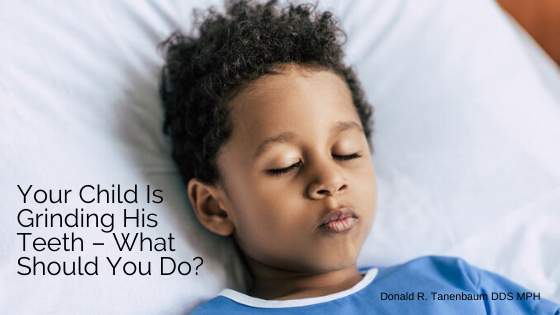
Your Child Is Grinding His Teeth – What Should You Do?

Is this familiar? 

You think your child is fast asleep, then suddenly, a screeching sound is coming out of his/her bedroom. What could be causing it? The most likely explanation is your child is grinding his teeth – an activity clinically known as sleep bruxism.

Sleep bruxism, which is often associated with jaw pain (TMJ), is the most common problem seen in my practice for the past 30 years. As a result, I know first-hand that a little information goes a long way to help parents understand what is happening and what can be done about it.

When A Child Grinds His Teeth, What’s Happening?

The first thing to understand is that a certain level of jaw movement during sleep is normal for most people. It’s called Rhythmic Masticatory Muscle Activity, or RMMA. Some people who grind their teeth experience higher levels of RMMA, which can result in tooth damage and jaw pain problems.

Much research has been done in the past few years on teeth grinding and sleep bruxism. One significant finding is that in many people who grind during sleep, their brain is becoming aroused and causing sleep to be fragmented. The result is the body’s fight-or-flight system becomes activated. In tandem, jaw motion (RMMA) increases and teeth grinding is often the result. 

Teeth Grinding in Children Under 10-Years Old

Newborn baby sleep with teddy bear

If your child is under ten-years-old and grinding his teeth, it’s likely during the time when his baby teeth are being lost. If you hear the telltale screeching sound that indicates your child is grinding his teeth, look for evidence of tooth wear. If you see it, a visit to your child’s dentist is highly recommended. Also, ask your child if he is experiencing jaw symptoms such as joint popping, cracking, locking, or pain. If the answer is yes, it’s time to see the dentist.

Teeth Grinding In Adolescents & Teens

child grinding his teeth, adolescent grinding his teeth, sleep bruxism, TMJ, dr tanenbaum

We have many clues about why adolescents and teens grind their teeth during sleep. Current theories include:

1. Large tonsils, a big tongue that clogs the airway, a small lower jaw, blocked nasal passages, or a long floppy soft palate can cause breathing problems during sleep, and, in turn, causes a drop in blood oxygen. The brain awakens and activates the body’s fight-or-flight system increasing the likelihood of sleep bruxism.  

2. Adrenaline – During times of stress and anxiety, the level of adrenaline (catecholamines) in the bloodstream increases. For adolescents and teens who experience long-term anxiety, high adrenaline levels have been shown to induce sleep bruxism.

3. Chronic Pain – Migraines, gastrointestinal disorders, and back and neck pain set up ideal conditions for sleep disturbances and can lead to teeth grinding.

4. ADD/ADHD Medications – Medications such as Adderall, Concerta, and Strattera stimulate the fight or flight part of a child’s nervous system and result in sleep disturbances.

5. Caffeine – Many adolescents and teens drink coffee and high caffeine beverages during the day and into the evening. Caffeine has been proven to be a contributing factor to disturbed sleep patterns.

6. Nicotine – Nicotine is a stimulant. It’s widely known to contribute to sleep problems. The use of e-cigarettes, which are very high in nicotine, is particularly prevalent among adolescents and teens and can be a direct cause of sleep problems. 

7. Not Enough Sleep – With the obligations of school and extracurricular activities, many young people are under a tremendous amount of pressure. They put in long hours and don’t get enough sleep. Others simply stay up late playing video games or communicating on social networks. Sleep quality is ultimately impacted, leading to restless nights of tossing and turning and the emergence of sleep bruxism.

What You Should Do:

By now, you can understand if your child is grinding his teeth, there are multiple risk factors. The good news is that teeth grinding is treatable and can be managed. There is a wide array of options at our disposal to help manage the problems caused by sleep bruxism for children who grind their teeth including oral appliances, jaw exercises, meditation, acupuncture, medication, and even BOTOX®.

But here’s the key – managing your child’s sleep bruxism will not cure it. It will, however, help him get through some tough periods. Meanwhile, the medical community continues to pursue a better understanding of the underlying causes of nighttime brain arousals.

If your child is grinding his teeth and you’re concerned, his dentist or orthodontist should be able to help. If the situation is dire, you can find someone in your area who focuses on Sleep Bruxism, such as a member of the American Academy of Orofacial PainAAOP. Choose a professional designated Diplomate

Categories
Jaw Problems TMJ

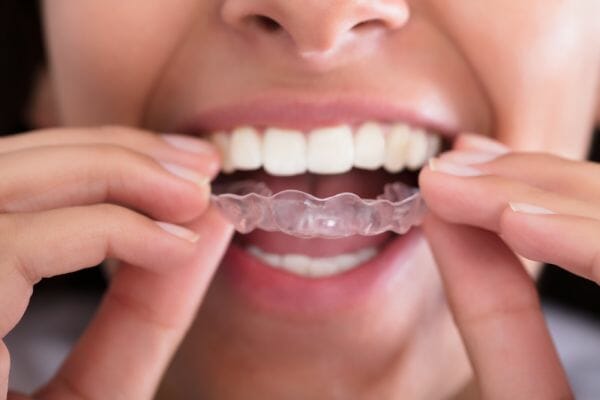
Invisalign® & Aligner Therapy Can Trigger Jaw Problems

Today, in nearly every field of medicine, new and innovative therapies emerge that change lives for the better. But, over time, however, unanticipated complications can arise. Invisalign®  and aligner therapy to move teeth is one such innovation. It turns out aligner therapy can trigger jaw problems. 

Invisalign® & Aligner Therapy Move Teeth In Remarkable Ways

The use of clear aligners as an alternative to traditional braces has transformed how tooth movement is accomplished. Aligners are effective and practically invisible. That makes them an excellent choice if you don’t love the idea of walking around with a mouth full of brackets and wires for months or years.

There’s another reason that invisible braces are so popular – dentists, who in the past could not offer tooth movement services, can now provide them. 

Why Aligner Therapy Can Trigger Jaw Problems – Sometimes

As a TMJ doctor, I see patients with jaw problems that have been triggered by aligner therapy. Common symptoms are jaw muscle and joint pain, jaw clicking, locking, and headaches. Patients who find that aligner therapy can trigger jaw problems tend to fall into two distinct categories:

1. People who never before had a TMJ problem.

2. People who previously had TMJ problems sometime in the distant past and experienced a re-emergence during aligner therapy.

In my experience (and my colleagues may dispute this), the common theme when aligner therapy triggers jaw problems has to do with patients biting down on the aligners. Many people tend to bite down hard on their aligners for hours at a time during the day. They don’t necessarily do it on purpose. Still, the result is that the upper and lower aligners are in contact for hours at a time. 

Why Is It A Problem To Bite-Down On Your Aligners?

The natural rest position of your jaw is upper and lower teeth apart and nothing but air between them. When you bite down for a length of time beyond what is necessary to eat, for example, you disrupt the natural tone of your jaw muscles. Over time, jaw symptoms can emerge.

If your top and bottom aligners are in contact with each other for long periods, your jaw muscles are in a non-stop state of contraction. To illustrate, imagine how it would feel to make a fist with your hand for hours. Muscle soreness and pain would likely occur. Your jaw muscles work the same way.

In some patients, their jaw joints (TMJs) become so overloaded that they experience joint clicking and popping and even at times a locked jaw, often accompanied by pain. 

Luckily, not every patient who bites down on aligners develops jaw problems. But, if you notice that you tend to bite down on your aligners and that your jaws are sore and joints making noise, you should consider taking a break for a while until the symptoms go away. 

If you experienced TMJ problems in the past and your aligners have triggered your jaw problems to resurface, aligner therapy is probably not for you.

Note: Some practitioners recommend that their patients bite down on the aligners for the teeth to move more quickly. If that has been recommended to you, please ask your dentist if it is necessary. It’s smarter to slow down your aligner therapy and avoid jaw problems that may not go away once treatment ends.

The Bottom Line

If you previously suffered from TMJ problems, it’s critical to inform your dentist about it before you begin aligner therapy. If you are in the process of aligner therapy and have started to notice jaw clicking, locking, or pain, please stop wearing your aligners and speak to your dentist immediately.  

Everyone wants a beautiful smile, and the miracle of Invisalign® and aligner therapy is an excellent choice. However, it can also trigger jaw problems that may require long-term care. 

Be an informed patient so you can make the right choice for you.