Manhattan

212-265-0110

White Plains

914-227-2305

Springfield, NJ

973-315-7830

Hauppauge

631-265-3136
Categories
Sleep Apnea

Dental Sleep Medicine: A Dentist Explains the Negative Effects of Sleep Deprivation


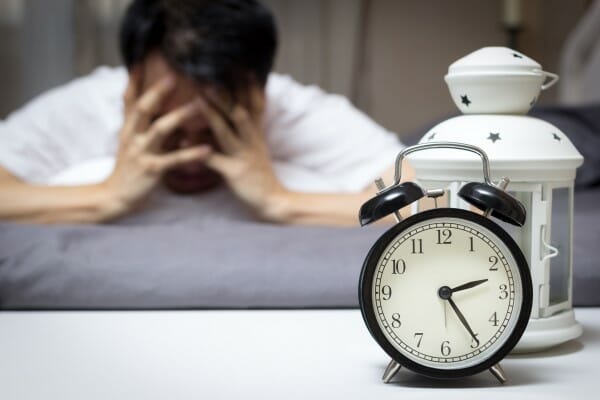
Dental sleep medicine is a medical specialty that focuses on the treatment of sleep disorders and disturbances with an oral appliance. One common problem that health care providers trained in sleep medicine focus on is sleep deprivation. This occurs when a person fails to get enough sleep. Lack of sleep can lead to many problems and can have a negative impact on your life.

sleep medicine and sleep deprivation

Sleep deprivation is very common. The amount of sleep that an individual needs varies from one person to another. But on average, a majority of adults need about seven to eight hours of sleep every night to feel well-rested and alert. For teens, they need an average of about nine hours of sleep each night.

Children need nine hours of sleep per night or more, depending on their age. Sleep deprivation may be caused by many factors. Sometimes, it can be a symptom of a sleep disorder or another medical problem that disturbs sleep. Here are some of the negative effects of sleep deprivation.

Excessive daytime sleepiness

A major effect of lack of sleep is excessive daytime sleepiness. A person who does not get enough sleep may fall asleep when forced to sit still in either a quiet or monotonous situation. This can happen during a meeting or class. This degree of severe sleepiness may lead to serious problems. It can cause workplace injuries or drowsy driving.

Mood

Lack of sleep can affect someone’s mood. It is usually linked with irritability, anxiety and lack of motivation. Over time, sleep disorders and lack of sleep can end up contributing to the symptoms of depression. Many people diagnosed with anxiety or depression sleep less than six hours at night.

Insomnia, which is a common sleep disorder, has a strong link to depression. Sleep loss usually aggravates the symptoms of depression. Depression may also make it more difficult for people to fall asleep. But treating sleep problems can help depression as well as its symptoms and vice-versa.

Thinking and learning

Sleep plays a very important role in learning and thinking. Lack of sleep has a negative effect on these cognitive processes in a variety of ways. It impairs attention, alertness, reasoning, concentration and problem-solving. This makes it difficult for people to learn efficiently. During the night, particular sleep cycles help to consolidate memories in the mind. If a person does not get enough sleep, the individual will not be able to remember what was learned and experienced during the day.

Health problems

Chronic sleep loss and sleep disorders can put people at risk for various health problems. These include high blood pressure, diabetes, heart attack and obesity. Other medical conditions or problems that sleep deprivation is associated with include an irregular heartbeat, heart failure and stroke. Many people with sleep disorders often have another health condition as well.

Takeaway

Getting enough sleep is very important. It can help prevent many of the negative effects of sleep deprivation. It is generally good for a person’s health. If your sleep deprivation is caused by a sleep disorder, you can benefit from seeing a board certified sleep medicine dentist. A health care provider may diagnose and determine that a dental sleep medicine oral appliance can be used to treat your disorder.


Categories
Sleep Apnea

Oral Appliances for Sleep Apnea

Suffering from sleep apnea? Dental sleep medicine treatment is an option that many people who have been diagnosed with this sleeping disorder are choosing to undergo, as this option uses oral appliances to treat those in need. Ready to find out if an oral appliance is the right solution for you?

About sleep apnea

Understanding that sleep apnea is a potentially life-threatening sleeping condition is the first thing one needs to recognize when they think that they have sleep apnea. According to Cleveland Clinic, sleep apnea is a serious sleep disorder that occurs when a person’s breathing is interrupted during sleep. Some people will stop breathing many times during the night, which not only affects their sleep, it can also lead to any number of overall health issues, e.g., headaches, fatigue, etc.

How dental professionals treat this common sleeping disorder

It is important for those diagnosed with sleep apnea to understand that oral appliances are used to treat mild to moderate cases of this sleeping disorder. The list below includes three common types of oral appliances that dental professionals use to treat sleep apnea.

Mandibular advancement devices

This oral appliance is often used for patients who have been diagnosed with sleep apnea because their tongue gets in the way of their ability to properly breathe during the night. The device works by positioning the lower jaw and tongue in a forward position, as this allows for easier breathing because there is more space available due to the tongue being pulled forward, preventing the airway from being blocked.

Mandibular advancement splints

This oral appliance is custom-made for every patient and pulls the lower jaw slightly forward. This helps prevent the upper airway from being blocked when sleeping and is one of the more popular oral appliances to treat sleep apnea patients. This particular oral appliance solution can be as beneficial as a CPAP machine.

Tongue retaining devices

This oral appliance focuses specifically on repositioning that tongue so it is not able to block one’s airway while sleeping. Tongue retaining devices use suction to pull the tongue forward. While it takes a little practice for patients to get used to wearing this oral appliance when sleeping, those who choose this option often experience optimal results.

Think you have this sleeping disorder?

Those who think they are living with sleep apnea should contact a dental professional in order to get a proper diagnosis. The fact that there are solutions in place for those who are suffering from any degree of sleep apnea makes it a good idea for those diagnosed to learn whether they will benefit from using one or more of the oral appliances above. For those who have questions, please do not hesitate to contact us at your earliest convenience.

Categories
Sleep Apnea

Do You Have TMJ? You Might Have Sleep Apnea


There are many scientific studies about the correlation between sleep apnea and TMJ pain. According to the Centers for Disease Control, sleep apnea is currently a national epidemic, and up to 85 percent of all cases are yet undiagnosed.

The jawbone connects with the temporal bone at the temporomandibular joint, otherwise known as TMJ. Typically, this joint enables opening and closing of the mouth for speech, eating and rest. If something goes wrong, a TMJ disorder can have adverse effects on your life and overall well-being. In this article, you will learn about how your TMJ disorder might be related to your sleeping issues.

TMJ Disorders

According to the National Institutes of Health, around 10 million people are dealing with TMJ disorder, although most cases are mild. The symptoms usually include pain, sore facial muscles and clicking or popping sounds coming from their jaw. Diagnosing the cause of the issue is essential since the stress and jaw conditions can quickly become an uncomfortable, recurrent cycle.

Teeth grinding or clenching can worsen TMJ pain. The pain can extend to the face, neck, shoulders and head. Many patients of TMJ disorder often complain of chronic migraines and headaches.

The TMJ and sleep apnea relationship

Different studies have shown that 43 percent of TMJ patients have sleeping issues. In obstructive sleep apnea, when the air passages collapse, the brain automatically triggers the lower jaw to shift forward and open the airway. The constant shifting of the TMJ can induce stress on the jaw joint, and that is the main correlation between TMJ and sleep apnea.

TMJ disorder has been associated with chronic fatigue syndrome, which worsens sleep apnea and affects overall well-being. Also, the physical position or misalignment of the jaw can prevent the air passages from remaining open during sleep. Sleep apnea is connected to the underdevelopment of the jaws, and almost all treatments available for sleep apnea are aimed towards handling such issues.

Solving the problem

In some cases, TMJ disorder disappears on its own, but you do not have to endure the pain and hardship before seeking treatment. Good sleep is essential for optimal functions of the body and overall health.

The treatments available for TMJ disorder include mouthguards and oral splints, corticosteroids for pain relief, surgery in severe cases, medications (anti-inflammatories and muscle relaxers) and BOTOX® injections to relax muscles.

Sleep apnea does not heal on its own and can cause severe health complications if untreated. Sleep apnea predisposes you to the risk of stroke, heart attack, diabetes and other chronic diseases — it can even be deadly. Treatments for sleep apnea include dental sleep appliances, CPAP machines and surgery for severe cases. The aim is to correct the impaired foundation and create a more efficient air passage system.

In conclusion

If you are feeling any form of pain in your jaw or dealing with sleeping issues such as sleep apnea, you should contact your dentist immediately for evaluation and treatment.

Categories
Nightguards & Oral Appliances

Tips To Make a Night Guard Last

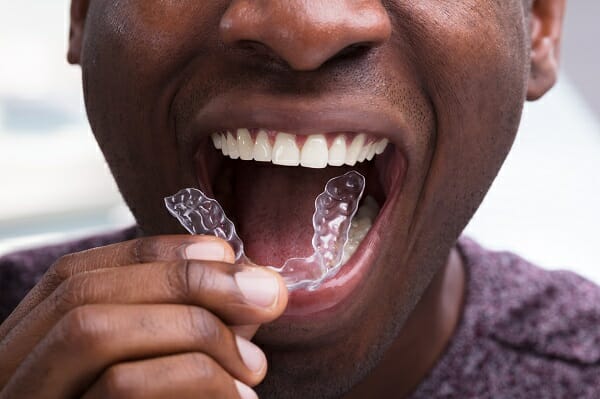
A nightguard is an oral appliance that is used to protect teeth from grinding and clenching. These conditions lead to excessive
forces being applied to teeth, which can lead to wear and structural damage.

Teeth grinding tends to occur during sleep, so most people with the condition are not even aware of it until a roommate or partner lets them know about their noisy habit. Teeth grinding is believed to be caused by a variety of factors like overactive jaw muscles, stress, a poor bite or emotional issues.

Taking care of your nightguard

A nightguard helps to cushion the forces applied to teeth due to teeth grinding. The appliance is inserted into the mouth and it protects teeth during sleep. Properly maintaining your nightguard allows you to increase its longevity. Here are some things you should be doing to keep your nightguard in good condition:

  • Rinse it out in the morning: Nightguards should be rinsed with cool water in the morning to remove any plaque and saliva that accumulated on them during sleep.
  • Clean it with a toothbrush: A toothbrush should be used to clean the night guard each day. There is no need to use any toothpaste since the abrasives in it can damage the appliance, leading to it wearing down faster. Gently brush the night guard with a toothbrush and rinse it with cool water.
  • Air dry after use: Nightguards should be dried before being stored in a case. Find a clean, cool area to air dry it and place it on a paper towel. It takes about half an hour for most nightguards to dry out.
  • Store it in the proper case: Nightguards typically come with a storage case provided by a dentist. These cases are designed to keep the appliance germ-free and clean, so use it as directed.
  • Deep clean as needed: Regardless of how well nightguards are cleaned, bacteria will accumulate on their surfaces over time. Some of these bacteria can lead to illnesses when allowed to grow to unhealthy levels. A deep cleaning helps to remove bacteria building up on the appliance. This involves soaking the appliance in denture solution for about an hour or soaking it in antibacterial mouthwash for the same amount of time. Be careful not to overdo it since excessive soaking can damage the appliance

Protect your teeth with a nightguard

Often wake up in the morning with your teeth hurting, a headache or a sore jaw? It might be the result of teeth grinding. The habit will eventually lead to many of your teeth becoming damaged due to the excessive forces they are regularly exposed to. A nightguard helps to protect your teeth against these forces.

Give us a call or visit our New York clinic so our dentist can evaluate your condition. Treatments can be performed, and the dentist can provide you with a customized nightguard.

Categories
TMJ

Symptoms of TMJ – Jaw Pain?


Want to know what symptoms are associated with TMJ? There are many symptoms linked to this commonly diagnosed jaw-related disorder, including jaw pain. However, there are other symptoms, which are important to be aware of as they can help the general dentist make a diagnosis and treatment plan.

Many are surprised to learn that general dentists can diagnose and treat TMJ disorders, however, they actually tend to be the first point of contact for this disorder.

About TMJ jaw pain

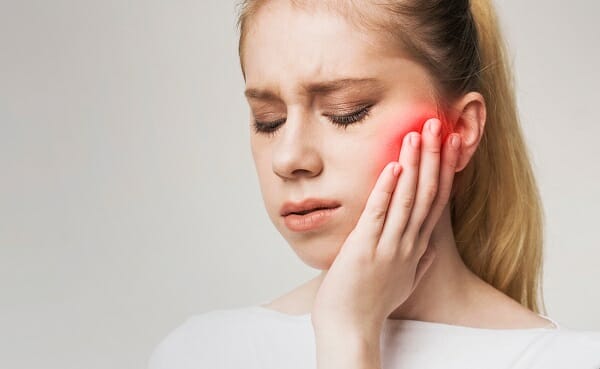
Understanding where TMJ pain can occur helps individuals know whether or not they are living with the disorder. This pain can take place in the jaw, oral cavity, the neck region, the head or even all of these areas. While some individuals will experience mild to moderate pain, others will experience severe pain. Additionally, the pain can be dull or sharp, which can be hard to live with. Since TMJ-related pain can happen anytime one speaks, chews, yawns or even breathes, treatment is necessary in order to eliminate or even reduce the pain.

TMJ symptoms

While pain in or around the jaw area is the most common symptom of TMJ, there are many other symptoms that can be experienced. Outlined below are three associated symptoms that can be helpful to be aware of.

#1 – A clicking or popping sound

Many people who are living with TMJ will hear a clicking or popping sound when talking, yawning or chewing. While it is common to experience this clicking or popping every now and then, when it becomes a regular occurrence, it often indicates problems with one’s jaw joints.

#2 – Sore teeth, bad bite

When someone is living with TMJ, it likely means that the jaw is also malfunctioning. The dysfunction can cause someone to experience various problems with their teeth, such as soreness or a bad bite. It is also possible for individuals to wear down their teeth and even experience broken teeth when living with TMJ. Since good oral health requires teeth that are in good shape, it is best to undergo a thorough evaluation if there is any soreness or a bad bite.

#3 – Teeth grinding

While many people who grind their teeth will be diagnosed with TMJ, it is also possible for a TMJ diagnosis to cause someone to grind their teeth. Because TMJ causes one’s muscles and nerves to overstimulate, many people will grind their teeth as a way to deal with this overstimulation. Long-term, teeth grinding can lead to serious problems with the teeth, such as decay. Because of this risk, it is necessary to undergo treatment as soon as any signs of bruxism occur.

Find out more about TMJ

When experiencing one or more of the above symptoms, the next step to take is making an appointment with a general dentist to learn more about TMJ. TMJ-related pain can make it difficult for one to perform their everyday duties, making treatment necessary. Reach out today to learn more or to get started with an evaluation.

Categories
BOTOX®

Is BOTOX® for TMJ Safe?


Want to learn more about how BOTOX® for TMJ works? Because BOTOX® treatment requires injections, many TMJ patients wonder if BOTOX® is safe. Keep reading to learn more about BOTOX® treatment and its safety.

TMJ treatment

Choosing BOTOX® for TMJ treatment is something many TMJ sufferers are looking into to address their discomfort and pain. BOTOX® works because the facial muscles play a large role in how much pain TMJ causes. BOTOX® helps relax the affected muscles, allowing patients to experience little to no pain. It is necessary to visit a TMJ specialist in order to undergo BOTOX® injections, as they have been specifically trained in how to administer it in a safe manner. According to the American Dental Association, possible causes of TMJ disorders include arthritis, tooth and jaw misalignment, stress caused by teeth grinding and dislocation or other injuries.

About BOTOX® safety

BOTOX® is a drug that is made from a toxin, which is why people who are interested in using it wonder just how safe BOTOX® injections for treating TMJ.  BOTOX® treatment is considered a safe procedure when performed by an experienced TMJ specialist. Because BOTOX® injections were approved by the FDA in 2002 for TMJ treatment, TMJ sufferers who are considering this option can feel confident that BOTOX® injections are safe to use for addressing TMJ-related problems.

While BOTOX® is safe, it can cause certain side effects in some people. These side effects include but are not limited to swelling, bruising, headaches and flu-like symptoms. Any side effects a patient experiences are usually both minimal and temporary.

How BOTOX® relieves pain

BOTOX® works by temporarily paralyzing muscles. The fact that BOTOX® is a muscle relaxer, means that it can help reduce muscle contractions that cause pain. Because BOTOX® works by relaxing muscles, it is especially beneficial for TMJ sufferers whose TMJ is a result of teeth grinding or clenching. The relaxing of the muscles specifically helps to relieve jaw tension, as well as prevents the headaches that are so common with jaw-related problems.

How long BOTOX® injections last

Many patients who choose to undergo BOTOX® treatment to address their TMJ problems can expect their treatment to last somewhere between three and five months. It will ultimately depend on a patient’s genetic makeup and how severe their TMJ is. It is important to understand that the longer a patient undergoes treatment, the longer they can go between their treatment injections. This is due to the fact that the muscles are continuously being relaxed through BOTOX® treatment.

Have questions?

Have any questions about BOTOX® for TMJ? Those who have been diagnosed with TMJ can experience minimal pain or severe pain. Those who experience severe pain may have difficulty performing everyday functions. BOTOX® injections is a popular and safe treatment option when performed by a TMJ specialist.

Categories
BOTOX® Jaw Problems Orofacial Pain TMJ

7 Things To Know If You’re Considering BOTOX® Injections For Your TMJ

As an orofacial pain specialist and an expert in the treatment of temporomandibular disorder (commonly referred to as “TMJ”), most patients who seek my care have been suffering from persistent jaw pain, tightness, and soreness due to overstressed muscles – often for years. Tension in the masseter (jaw) muscles are at the root of this disorder and can be caused by several factors, with bruxism being the most common.  

If you’re considering BOTOX® injections for your TMJ, there are a few things you should know.

Bruxism comes in two forms: awake bruxism and sleep bruxism. Awake bruxism is excessive contact of the teeth during the day. Your teeth should never be in frequent contact during waking hours. Consistently clenching or grinding your teeth while sleeping is called Sleep Bruxism. 

Orofacial pain specialists like myself have been carefully turning to BOTOX® injections for TMJ problems for the last few years. While BOTOX® injections were initially approved to reduce facial wrinkles and frown lines, the medical community has recognized its use to help patients who have migraines and other conditions, including TMJ. If you’re considering BOTOX® injections for your TMJ because nothing else has worked, here’s what you need to know and understand:

7 Things To Know If You’re Considering BOTOX® Injections For TMJ

1. BOTOX® Reduces Muscle Contraction

When injected into the masseter muscles, BOTOX® reduces their ability to contract fully. During the 3-4 months after you’ve had injections, your masseters will exert a lower amount of force than normal. While your brain may be telling your muscles to contract with a normal amount of force, as long as the BOTOX® is active, they simply can’t. 

2. BOTOX® Can Provide Some Pain Relief

When BOTOX® is injected into muscles, it causes the muscle to relax, and less lactic acid and other pain-producing chemicals accumulate. As a result, the nerve endings within the muscle tissue become less irritated and sends fewer pain signals to the brain. 

At the same time, BOTOX® also directly reduces the release of pain-producing chemicals (neuro-transmitters) by the nerve endings in the muscles. That’s one of the reasons why BOTOX® reduces pain in migraine sufferers. 

3. BOTOX® Stays Where It’s Put

When injected by a trained clinician, BOTOX® will not typically diffuse into neighboring tissues – as long as the proper volume and technique are used. 

To treat TMJ, BOTOX® injections typically go into your masseter and temporalis muscles, which are the muscles responsible for closing your jaw from an open position. BOTOX® is sometimes also injected into your lateral pterygoid muscles – the ones that allow you to open your mouth and move your jaw from side-to-side.

4. BOTOX® Is Not A Stand-Alone Treatment For TMJ

Symptoms such as jaw locking or clicking are usually caused by loose ligaments and changes in the position of your shock-absorbing disc. BOTOX® injections do not predictably help these problems. Nor can BOTOX® minimize inflammatory pain in your TMJs. 

Locking, clicking, and disc problems require a different level of care. Therefore, an accurate diagnosis is absolutely necessary before BOTOX® injections are considered. When chosen, BOTOX® is commonly complimentary to other TMJ treatments such as medication, oral appliances, exercises, meditation, and physical therapy. This is very important to understand if you’re considering BOTOX® injections for your TMJ.

5. BOTOX® Injections Should Be Administered By A Healthcare Provider Who Has A True Understanding of TMJ Problems

Knowing how to inject BOTOX® is only part of the equation. The practitioner doing the injecting must fully understand how the jaw works, the risk factors that lead to muscle pain and over development, and how a patient’s bite relationships relate to their jaw muscles. A trained dentist or dental specialist is likely best equipped to answer these questions and provide the education that is needed to assure treatment results. 

6. BOTOX® Injections For TMJ Are Not (Usually) A Once-And-Done Therapy 

Most people who end up having BOTOX® injections for TMJ have been suffering for many years. One series of injections alone will rarely if ever, solve the problem. Many patients who find relief after the first series of injections can see their symptoms return, particularly if the pertinent risk factors (what caused the problem in the first place) have not been identified and addressed. If you’re considering BOTOX® injections for your TMJ and plan for only one series of injections, you’ll likely be disappointed.

7. BOTOX® Injections Can Give You A Slimmer Jawline 

BOTOX® is becoming an accepted solution for people who are unhappy with the shape of their jaw. If your masseter muscles are enlarged due to bruxism or daily habits such as gum chewing, BOTOX® injections can be extremely helpful in slimming its appearance.

After a series of injections, BOTOX® will increase the amount of collagen and fat in your masseters and shrink the size of muscle fibers. This is why slimming occurs.  Along with muscle slimming, BOTOX® injections can also weaken the muscles making chewing more difficult. This is why a trained practitioner is advised.

BOTOX®: A Tool, Not A Cure 

BOTOX® injections for TMJ are not a cure. They are, however, a vital tool of orofacial practitioners like me. If your doctor or dentist has tried everything, and you’re still suffering, BOTOX® may be your next step. Make sure that the person who administers your injections is highly knowledgeable, skilled, and trained in using BOTOX® injections for TMJ. 

Choose carefully.

(Learn more here: All About BOTOX® For TMJ)

Live or work in New York City or on Long Island? You can schedule a consultation with me here or call 212-265-0110.


Categories
Sleep Apnea

Ask a Family Dentist: Is Sleep Apnea Hereditary?


If you have sleep apnea you might be wondering if it can be inherited. The answer is that it can be because many sleep apnea factors are hereditary. Learning about what causes sleep apnea can help you understand this. Read on to learn more.

Genetic and sleep apnea

One factor that can cause sleep apnea is having a narrow airway. Other people have extra tissue in the throat. This can be inherited from the parents. These factors make someone more likely to have sleep apnea.

Each person inherits half of the genes from the father and half from the mother. An individual’s genetic makeup determines the physical structure. It also determines how vulnerable a person is to some types of diseases. People can be more at risk for one disease than the individual sitting next to them. Sleep apnea works the same way. Some people have inherited risk factors for sleep apnea, such as being overweight.

Snoring and genetics

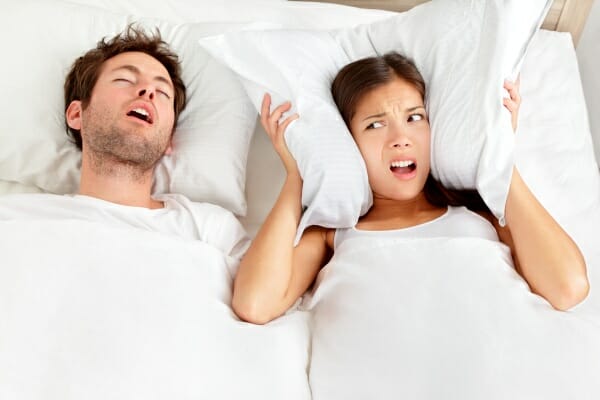
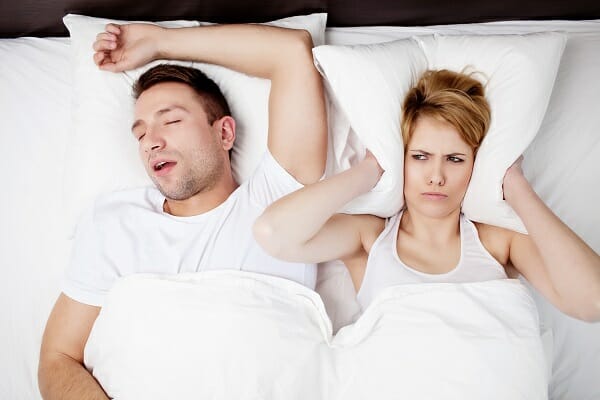
Sleep apnea and snoring are closely linked. Both often happen when the airway is partially blocked. In snoring, these parts of the airway vibrate as the air rushes past. When the tissues are relaxed, they are more likely to move. Snoring is determined by the shape of a person’s airway. The shape of the airway is determined by family history.

One study looked at snorers to determine whether or not the snorers had a family history. The researchers found that people who had a family history were the most likely to snore. The study found that snoring has a hereditary component. This means that sleep apnea, too, has a genetic component.

Sleep apnea causes

In understanding sleep apnea, it is important to know about the three different types. Each one has different causes. In general, the most common type is obstructive sleep apnea. Medical conditions can cause other types of sleep apnea.

  • Central sleep apnea: people who have heart failure are more likely to have this form. This happens when the brain does not send signals to tell the body to breathe
  • Obstructive sleep apnea: this is one of the more common types of sleep apnea. It happens when part of the airway is blocked
  • Complex sleep apnea: when an individual has both central and obstructive sleep apnea, it is called complex sleep apnea. To treat this type of sleep apnea, a doctor must treat both central and obstructive sleep apnea

Sometimes, drugs can also cause sleep apnea. For example, opioids can limit the brain’s ability. A high altitude can cause breathing issues. These issues can cause central sleep apnea.

Get sleep apnea treatment today

Knowing what causes your sleep apnea is the first step toward treating it. For example, maybe other family members have excess tissue at the backs of their throats. This makes you more likely to have the problem as well. Once you and your doctor have worked through the potential causes, you can determine the right treatment plan.

Categories
Sleep Apnea

Common Causes of Sleep Apnea

Being diagnosed with sleep apnea can be scary, but understanding the causes and risk factors behind this sleep disorder may help you come to terms with the diagnosis. There is also the possibility that addressing some of the causes may help lessen the affects of this disorder.

Risk factors and causes that contribute to sleep apnea

Some people are more likely to be diagnosed with this disorder. Out of the 18 million Americans diagnosed with this condition, as stated by the National Sleep Foundation, there are some common causes of the symptoms and various risk factors that play a role in a person’s chances of developing this health problem.

Being overweight

Carrying more body weight is connected to various health problems, and that is also true for sleep disorders. When a person is overweight, the fat can accumulate around the airway, putting extra pressure on it and making it temporarily close during sleep. While not every person who has been diagnosed with sleep apnea is overweight, many are. Losing weight can help an individual have a healthier lifestyle overall and may help with this particular health issue although it may not cure it entirely.

Genetics and hereditary causes

Some people are at risk simply because sleep disorders run in the family. Other people have this sleep disorder as a result of a naturally more constricted airway or larger tonsils and adenoids. Another contributing factor that people have no control over is gender. This health problem is more commonly diagnosed in men than in women. Taking note of family history or genetics is important to understanding how a person may be at risk for certain health conditions.

Lifestyle risks

There are also certain lifestyle habits that have been known to contribute to sleep conditions. Both smoking and excessive drinking can lead to this condition and decrease a person’s overall health. That is not to say that every individual diagnosed with sleep apnea smokes or drinks, but people who do partake in these activities may be at greater risk than those who do not.

Pre-existing health issues

Lastly, there are some health problems that can increase the likelihood of an individual also being diagnosed with this sleep disorder. The following have been linked to restless sleep and difficulty breathing during sleep:

  • High blood pressure
  • Diabetes
  • Asthma
  • Chronic nasal congestion

Addressing these issues, such as eating healthy or using a nasal spray before going to sleep, may help with the symptoms. A doctor may recommend making these changes if other health conditions affect a sleep disorder diagnosis.

Conclusion

While it is difficult to link sleep apnea to any one specific cause, there are many factors that are related to this condition. That does not mean that each of the conditions discussed above equate to a person being diagnosed with a sleep disorder. However, these are the links that have been found to cause or put people at risk for sleep conditions and other health problems.

Categories
Sleep Apnea

What is Obstructive Sleep Apnea?


Having restless sleep or interrupted sleep can lead to various problems throughout your day, and obstructive sleep apnea may be the cause. However, this condition is difficult to treat if a person does not discuss their sleep habits with a professional. So, what is it, who is at risk for this and can it be treated?

General information about sleep apnea

This is a condition where the throat muscles relax to the point that the airway becomes closed, which then causes breathing to temporarily but continuously stop during the night. These brief pauses in breathing can last for more than 30 seconds every hour and continue for the entire night, according to the Mayo Clinic. The brain senses this disruption and forces the body to wake up. Fully understanding this condition involves knowing what signs to look for, what it is caused by and what the various treatment options are.

Common symptoms

According to the National Sleep Foundation, over 18 million adults in America alone have been diagnosed with sleep apnea. There are a few obvious symptoms that people can watch out for and that doctors may ask about. Perhaps the most noticeable one is heavy snoring. More subtle signs include feeling exhausted throughout the day even if a person slept the recommended time the night before. This can lead to drowsiness, depression, trouble focusing, irritability and even heart trouble if left untreated.

Causes and risk factors

There are many different reasons a person may have obstructive sleep apnea. It can happen to anyone, although it is more common in men than women. Often, people with this condition are completely unaware of it. However, there are certain risk factors people can watch for, including the following hereditary aspects and lifestyle habits:

  • Being overweight
  • A small airway
  • High blood pressure
  • Chronic nasal congestion
  • Diabetes
  • Excessive smoking or drinking
  • Asthma

Treatment options

Fortunately, there are treatment options that can help individuals keep breathing while asleep. Before treatment, a doctor can run numerous tests to monitor a person’s breathing during sleep to determine how severe the condition is.

A common treatment is the use of a sleep mask that delivers continuous air to the nose, mouth or both during sleep to maintain positive airway pressure, allowing for sleep uninterrupted by breathing difficulties. This device is called a continuous positive airway pressure mask. There are also some lifestyle changes that can be made, such as losing weight or applying a nasal spray before bedtime. As a last alternative, surgery is also an option if other therapies do not work for a person.

Conclusion

If you or someone you know is experiencing the symptoms listed above, it is best to speak with a doctor and undergo testing. It may be that a person is unaware of having sleep apnea, but the risk factors and subtle symptoms may provide a clue. Restful sleep is key to having a good and productive day, so do not delay in seeking professional help.

Categories
Sleep Apnea

How Is Sleep Apnea Diagnosed?


Sleep apnea is a common sleep disorder that affects many people every night. Thankfully, there are plenty of dental and sleep specialists who can address and diagnose the condition in order for the correct type of treatment to be administered. These specialists undergo extensive training so they can provide the best care to patients suffering from a sleep disorder.

Diagnosing sleep apnea can be done in a variety of ways. It is important to be aware of how the diagnosing process works so patients know what to expect. In this article, we outline how sleep apnea is diagnosed.

How is sleep apnea diagnosed?

If you are suffering from sleep apnea, then you may find this information helpful.

Evaluations

During an initial sleep apnea evaluation, the sleep specialist will likely perform a few tests to help determine the final diagnosis. Most sleep apnea evaluations involve an overnight study, which includes 24/7 monitoring while the patient is sleeping. The doctor will take special note of breathing patterns, as well as other body functions.

Most of the time, these evaluations take place at a sleep center that is staffed with trained doctors. However, sometimes the evaluation can also be done at home in order to better accommodate the patient.

Nocturnal polysomnography

Patients who undergo a nocturnal polysomnography test should expect to be heavily monitored during their sleep. They will be hooked up to a machine that monitors the heart, lungs and brain. The arm and leg movements, as well as blood oxygen, will also be monitored to see what activity takes place. Anything abnormal will be noted for the final diagnosis. When someone suffers from intense sleep apnea, it is likely that the dental or sleep specialist will require this test.

Home sleep testing

While most sleep specialists recommend that patients do a sleep study at a center, there are times when sleep apnea can be diagnosed at home. Just like the nocturnal polysomnography test, the at-home test will also monitor blood oxygen, heart rate and breathing patterns. However, the at-home one will not be as involved as having equipment hooked up to a machine.

Home sleep testing is also referred to as portable testing, and it is rarely recommended for sleep apnea. Sleep specialists prefer to have as accurate results as possible, which can typically only be achieved at a sleep center.

Contact us today

Do you want to get started with a sleep apnea test? Sleep apnea is a sleeping condition that should never go ignored or untreated. Let one of our specialists evaluate you! If you would like to get started, then reach out to our office so we can take care of you. We will be able to answer any questions you may have about sleep apnea, sleep disorder tests and sleep disorder treatments. Do give us a call or stop by today because we are here to help you in any way that we can!

Categories
TMJ

Will BOTOX® Help Relieve TMJ Pain?


BOTOX® is commonly used in cosmetic surgery, however, more recently, TMJ specialists have been exploring its use for treating disorders and dysfunctions related to the temporomandibular joint. There are a number of treatment options for addressing TMJ, including at-home remedies, as well as more extensive procedures such as surgery. BOTOX® falls in the middle, being more involved than a simple ice pack or over-the-counter medication, but not as invasive as a surgical procedure.

While specialists do not recommend BOTOX® as a long-term treatment plan, the results can help relieve pain and reduce jaw locking, both of which are common symptoms that come from TMJ disorder and dysfunction. Ready to find out more?

Find TMJ pain relief through BOTOX®

Below is an overview of the use of BOTOX® for relieving TMJ pain. This information can be helpful to review when looking into different treatment options.

How BOTOX® works for TMJ

When BOTOX® is used to treat TMJ symptoms, the process is relatively easy compared to other options. To start, the TMJ specialist will inject the BOTOX® into the temporalis, frontalis or masseter, all of which are common sites that can help appropriately disperse the BOTOX® agents. A gentle massage may be given afterward, which can help spread the BOTOX® out, thus reaching the pain points.

The appointment typically takes less than 30 minutes and can be repeated up to three times over the course of three to four months. Depending on the severity of the pain associated with the TMJ disorder, the specialist may recommend further injections after the initial three.

BOTOX® works to relieve TMJ pain by targeting the joints and muscles that have been affected. This usually includes the jawbone, oral cavity and temporomandibular joints themselves. Once it reaches these areas, the BOTOX® agents work to relax and loosen up any tension that has built up due to the malfunction, thus resulting in less overall pain.

Results

The result of BOTOX® for TMJ pain will likely not last forever. Over the course of treatment, the TMJ specialist will take special note of how well the patient reacts to the injections. If the reaction is positive then repeated injections may be done until the symptoms remedy. However, if BOTOX® is not effective then the TMJ specialist may recommend a more extensive treatment plan, which may include a surgical procedure. Additionally, it is good to know that BOTOX® is not known to be harmful to the body, however, long-term use is not recommended for any reason, whether it be related to TMJ or cosmetic purposes.

Learn more about treating TMJ with BOTOX®

When considering BOTOX® to treat TMJ disorder or dysfunction, it can be helpful to consult with a dental professional who specializes in TMJ treatment. Questions can be answered and an evaluation can be done in order to determine the appropriate course of action, which may include BOTOX®. Reach out today to find out more or to get started with a consultation appointment.

Categories
TMJ

What Is a TMJ Disorder?


Disorder of the temporomandibular joint, or TMJ, is a condition that can cause difficulty with jaw functions. The disorder can cause jaw pain that restricts how you open and close your mouth. You might notice clicking sounds or jaw locking when eating, talking or yawning. Continue reading to learn more about the symptoms, diagnosis and treatment of TMJ disorder.

The structure of the TMJ

The temporomandibular joint connects the mandible to the temporal bone of the skull. A small bit of cartilage called an articular disc is present between the two bones. When opening and closing the mouth, the disc moves as the jaw bone rotates and glides back and forth to enable movement.

Different muscles connect near the temporomandibular joint. The muscles allow easy opening and closing of the jaw for talking, eating and other mouth functions. Various ligaments connect the bones to make the joint stable.

Disorders of the TMJ

Symptoms of TMJ disorder often start slowly without connection to specific condition or injury. Patients may experience pain when chewing hard foods. The pain is usually intermittent and often starts after exerting too much pressure on the jaw or when opening the mouth wide, like when yawning. Some of the common causes of the condition include:

  • Muscle spasms
  • Dislocation of the articular disc in the joint
  • Forward head posture
  • Teeth grinding or clenching
  • Stress

When the jaw joint is subjected to excessive stress, pain and joint movement dysfunction may occur. This may cause inflammation of the joint and muscles around the temporomandibular joint.

Diagnosing TMJ disorder

Anyone experiencing pain in the jaw joint will need to visit a dental professional. The dentist will ascertain the cause of the pain and provide a diagnosis of the condition. TMD diagnosis is mostly obtained through a clinical exam. The dentist may palpate the jaw joint and muscles, checking for tenderness or clicking when opening or closing the mouth.

The dentist will also check the jaw’s range of motion, searching for misalignments. Sometimes, the jaw may open properly on one side and not the other, forcing the jaw to move to one part when opening the mouth. Also, an x-ray may be taken to check for arthritis around the TMJ, and an MRI may reveal the situation of the articular disc in the jaw. After making a diagnosis, the dentist can work toward developing a treatment plan for the patient.

Depending on the patient’s condition, some of the treatment options for TMJ disorder include:

  • Medications
  • Stabilization splints or bite guards
  • Physical therapy
  • Dental BOTOX® to reduce tension in the jaw muscles
  • Cognitive-behavioral therapy to relieve stress

In rare cases, orthodontic treatment, arthrocentesis and joint replacement surgery might be recommended. The dentist will discuss the benefits and risks of these procedures and continue to monitor the patient during treatment.

Do you think you may be suffering from TMJ disorder?

Some patients with TMJ disorder get better without treatment. However, if you are experiencing symptoms of the condition, it is advisable to visit a dentist for diagnosis and treatment.

Categories
Ear Pain Facial Pain Jaw Problems

Why Wearing A Mask Can Cause TMJ Symptoms

Wearing a mask all day is routine for some people, including dentists and surgeons. It’s just part of their jobs and they’re used to it. For everyone else wearing a mask for all (or most) of the day is completely unnatural. And, what’s going on under our masks can cause many problems – because wearing a mask can cause TMJ symptoms to emerge.

Without even realizing it, you may be pressing your lips together in a pursed position or clenching your teeth under your mask. These are normal human reactions to fear, anxiety, and worry. But, when the jaw and facial muscles in this contracted position for an extended length of time, they become overworked. And, like any other muscle in your body, when jaw and facial muscles become overworked, lactic acid accumulates. That irritates the nerve fibers running through the overworked muscles. The result is pain. Sometimes, “really bad pain.”

4 Ways to Reduce (or Avoid) TMJ Symptoms While Wearing a Mask

Most of us are required to wear a mask in public these days. As a board-certified orofacial pain specialist, I’m have been seeing patients whose previous symptoms are getting worse, people whose previously-resolved symptoms have returned, and many people who never had TMJ problems in their lives. Here a few of the tips I give them to help reduce their TMJ pain and/or minimize the potential for pain to emerge:

  1. Avoid Chin-Pullavoid ear pulling mask, wearing a mask can cause TMJ symptoms, donald tanenbaum, tmj doctor in nyc, tmj doctor in long island
    Most masks extend under the chin, and that’s a good thing. If you wear a homemade or surgical mask you’re probably pretty comfortable because it fits loosely. But, if you wear an N95 or KN95 mask, it fits tighter and applies tension to your chin that pulls your jaw upwards. Many of us are unconsciously and repeatedly pushing down on our chin attempting to move the mask away and release the tension. As a consequence, we experience fatigued and sore muscles. I recommend only wearing tight N95 or KN 95 masks if you’re out shopping, plan to be in a crowded area with poor ventilation, are using public transportation, or will be in a public space with other people for a sustained period of time. Because wearing a mask can cause TMJ symptoms, I recommend your use a less-restricting mask when you’re not in a risky environment.
  2. Stop Using Ear Loopsavoid ear pulling mask, wearing a mask can cause TMJ symptoms, donald tanenbaum, tmj doctor in nyc, tmj doctor in long island
    Earloops that pull and tug on your ears are another reason why wearing a mask can cause TMJ symptoms. They can cause pain that can be felt from your ears, across your jaw joints, and into your face – all within a short period of time. Some people even get headaches that extend from their ears into their temples. The culprit is the trigeminal nerve. The trigeminal nerve (visible in the diagram above) is responsible for face and jaw sensations and influences the muscles that allow you to move your jaw. When your mask’s ear loops are constantly tugging, the trigeminal nerve can become excessively excited, resulting in pain and tension in your jaw muscles. A great solution to this problem is ear savers. Ear savers allow you to ditch earloops and eliminate the maddening pulling they can cause. If you’re crafty, you can make them yourself – there are lots of instructional videos on YouTube). For the rest of us, it’s easy to find them online. In fact, Etsy has a huge selection of ear savers and they are very affordable.
  3. Keep Your Neck Muscles Loosesore neck, wearing a mask can cause TMJ symptoms, donald tanenbaum, tmj doctor in nyc, tmj doctor in long island
    Another reason that wearing a mask can cause TMJ symptoms involves your neck. Your mask can cause you to change your normal head position. That can have a negative impact on your neck muscles. Several of my patients, after sometimes just a few hours of mask-wearing, experience stiff and aching neck muscles. Their tense neck muscles ultimately lead to jaw pain and sometimes limited jaw motion – typical symptoms of TMJ. If your neck is stiff and sore, check out Bob and Brad’s neck exercises on YouTube. Bob Schrupp and Brad Heineck are physical therapists. They offer advice, tips, and information on how to stay healthy, fit, and pain-free. (They’re very entertaining, too).
  4. Smile!mask can cause TMJ symptoms, donald tanenbaum, There’s a pretty good chance that while your face is covered by a mask, you don’t smile very much. Plus, if you have your lips pursed and your teeth clenched under your mask,  there’s a good possibility that you’re holding your breath, too.

Try to keep a smile on your face when your mask is on. This may seem ridiculous because no one can see your mouth, but try to keep your lips loose and your teeth apart as much as possible. Concentrate on your breath now and then, which also helps your jaw to relax.

It’s True: Wearing A Mask Can Cause TMJ Symptoms

There’s no question we live in very stressful times and, for most people, wearing a mask feels unnatural. If you already have TMJ symptoms or want to avoid them, please try some of the tips in this post. You can be safe and comfortable at the same time.

Live or work in New York City or on Long Island? You can schedule a consultation with me here or call 212-265-0110


Categories
TMJ

How Serious Is TMJ?


TMJ dysfunction is a common disorder that many individuals suffer from. It usually causes an immense amount of discomfort, as well as a limited ability to do certain things. Those that suffer from TMJ may have varying symptoms depending on the severity of the condition, which makes it difficult to know how serious it is. Ready to find out more about TMJ?

TMJ dysfunction and how seriously it should be taken

Below is an overview of TMJ dysfunction, including how serious it is. When suffering from TMJ disorder symptoms, it can be helpful to review the following information.

What is TMJ disorder?

TMJ stands for the temporomandibular joint. It is a joint that acts as a sliding hinge. It connects the jawbone to the skull, which makes its role very important. When the joint is not functioning properly, it results in TMJ disorder, usually causing pain, discomfort and malfunction of the entire mouth and jaw.

Symptoms of TMJ disorder

Common symptoms of TMJ disorder include the following:

  • Pain in the jaw
  • Facial pain such as aching or sharp pains
  • Tenderness in the jaw
  • Pain around the ears
  • Jaw and joint locking
  • Difficulty eating and smiling
  • Pain when chewing
  • Headaches
  • Soreness around the facial area

Not everyone who has TMJ disorder will suffer from these symptoms, however, the majority of them will develop over time. Until treatment from a TMJ specialist can be undergone, individuals can use ice packs and over-the-counter pain relievers to reduce discomfort.

Is TMJ disorder serious?

Because of the symptoms listed above, TMJ disorder is considered serious among other craniofacial disorders. The temporomandibular joint plays a huge role in eating, smiling and speaking, which means that when any dysfunction occurs, these activities become impossible or painful to perform. Additionally, the pain that comes with TMJ disorder can limit everything, ranging from relaxing to performing at work or school.

While some people’s TMJ disorders may not seem that serious, it is always best to consult with a specialist early on. Oftentimes, symptoms can become worse if attention is not provided to the joints. Getting out in front of the disorder can help avoid long-term damage, such as pain or structural problems with the jaw and oral cavity.

What happens if TMJ goes untreated?

If TMJ disorder goes untreated, individuals are likely to experience long-term damage to their jawbone, temporomandibular joints and even oral cavity. The jaw may require surgery to re-align and the oral cavity may require dental work or appliances in order to correct any damage done. Additionally, untreated TMJ disorders can cause long-term headaches, which may require extensive treatment.

Are you currently suffering from TMJ disorder?

When looking for more information on TMJ and how serious it can be, it is best to consult with a specialist. An evaluation can be done in order to determine how severe the disorder is. Then, a treatment plan can be put into place in order to reduce symptoms. Reach out today to learn more or to get started with a consultation.

Categories
TMJ

Can a Jaw Injury Cause TMJ?


It is usually hard to determine the precise cause of TMJ disorder. Issues affecting the temporomandibular joint may originate from different potential causes, and ascertaining the right cause can help determine the course of treatment. Jaw injury is a common cause of TMJ disorder, but the condition does not develop immediately after the injury; in fact, it could be years after.

How jaw injury can cause TMJ disorder

TMJ is a complicated condition and many factors can contribute to it. A jaw injury can cause TMJ disorder. Another aspect is the event following the injury.

If the injury caused a situation like dislocation of the jaw joint, the body would attempt to adapt to the situation. During the adaptation process, the muscles will need to behave differently from how they used to. These changes can make it difficult for the muscles to return to their normal resting state.

The attempt to return to the rest position is what makes the muscles tense and sore, and facial pain is a common symptom of TMJ disorder. However, it is not just about the pain; the muscles could also cause teeth grinding, which may lead to severe tooth wear. The condition can put stress on the jaw joints, causing the cushioning disc in that joint to deteriorate or become permanently dislocated. The bone around the area may even start to suffer as well.

Without intervention, the muscles will keep trying to adapt, causing new symptoms to develop. Other signs of the condition may take years to appear.

Understanding the symptoms

In some cases, the symptoms may appear soon after the jaw injury, but they are often barely noticeable or hardly serious. Jaw clicking or popping, for instance, may be overlooked for years, particularly if there is no pain or the discomfort is minor.

Sometimes, the symptoms may occur intermittently. Constant jaw activity may lead to the aggravation of symptoms like ear pain, tinnitus or headache. However, if the patient decides to rest and resort to a soft diet, the symptoms disappear again.

Some situations might push a patient to realize the severity of the symptoms and the need for professional attention. After a couple of recurrences, they might realize that the signs indicate a condition that only flares occasionally. Or, the symptoms may become regular or so severe that they can no longer be ignored.

Making a diagnosis

Since TMJ has many signs that can show up in different areas of the body, it is easy to make a wrong diagnosis. Patients with TMJ might be told that the condition is a migraine or primary tension headaches or even Meniere’s disease.

Misdiagnosis is possible is common if the accident also led to other injuries. For instance, a patient might be suspected of suffering a head injury in the accident that caused the jaw injury. Therefore, the doctor might recommend a treatment for head injuries when what is required is jaw treatment, either alone or in conjunction with the head treatment.

In conclusion

A jaw injury can cause TMJ disorder, but early intervention can help prevent the condition from worsening. Book an appointment with the dentist to get started.

Categories
Sleep Apnea

Treating Sleep Apnea With Oral Appliance Therapy


It may be surprising to some, but did you know your dentist can actually help with sleep apnea? The dentist is able to prescribe and fit you for a special oral appliance that can assist with proper airflow throughout the night. Here is what you should know about these devices.

What is sleep apnea?

Obstructive sleep apnea is when you stop breathing for at least 10 seconds in your sleep on a regular basis. The severity of sleep apnea depends on how often you stop breathing in the duration of an hour. Snoring can be a sign of partial sleep apnea; so are gasps and chokes when breathing is resumed. The cessation of breath is due to the muscles in the throat and mouth relaxing to the point where they restrict the airway. Along with constant fatigue from a lack of proper sleep, sleep apnea can lead to long-term complications such as cardiac issues and strokes.

The oral appliances

The purpose of oral appliances is to help prevent sleep apnea through placement in the mouth. Thanks to mandibular advancement devices and tongue retaining mouthpieces, oral appliances are a step down from having to use advanced equipment to treat sleep apnea.

Mandibular advancement device

Similar to orthodontic retainers, the mandibular advancement device (MAD) fits over the lower and upper teeth and is connected by hinges. The jaw and tongue are moved and kept forward by the MAD so that during the night the airway and airflow are never restricted.

Tongue retaining mouthpiece

These are built similar to the MADs but are kept in place via suction from a compartment around the tongue that keeps it forward. With the tongue retaining mouthpiece, the jaw is not kept forward for those who are unable to have their jaw do so.

Possible complications

The oral appliances used to treat sleep apnea do have some drawbacks and possible complications that need to be watched for and discussed with your dentist before using the appliance. They include the following:

  • The appliances lead to increased amounts of saliva in the mouth, requiring frequent swallowing.
  • Damage to teeth and soft tissues in the mouth and jaw muscles and joints is possible.
  • The appliance can cause discomfort, especially in the morning. This may result in people not wanting to use the device as often as they should.
  • The sleep apnea may be too severe for an oral appliance to be effective.

Conclusion

Oral appliances require a proper fitting in order to be effective for sleep apnea treatment, but they are simple and effective devices. Frequent visits with your dentist for any fitting changes as well as monitoring the effectiveness of your oral appliance can help you find the right fit to aid you in your sleep therapy. You do not need to suffer through sleep apnea affects when your dentist can help you with a simple device.

Categories
TMJ

How Is TMJ Treated?

Looking for information on TMJ treatments? Good idea. Those who are diagnosed with this fairly common disorder are often in need of treatment in order to minimize or potentially eliminate any discomfort or pain they have due to this disorder. This makes finding a TMJ specialist the next step.

How a TMJ specialist treats this common disorder

Wondering what kind of treatments a TMJ specialist uses to treat their patients? Before someone can undergo treatment for their TMJ-related problems, they will first need a proper diagnosis. Potential TMJ patients will need to be thoroughly examined by a professional, who will perform one or more of the following actions: feeling the jaw, observing the jaw’s range of motion, taking X-rays, doing an arthroscopy process and doing a CT scan or an MRI.

TMJ treatment options

Once someone is diagnosed with TMJ, they will need to understand which of the many treatment options will work for them. The list below includes common TMJ treatments being used today.

Taking medication

Many people who are diagnosed with TMJ can manage any discomfort or pain by taking over-the-counter pain relievers and/or anti-inflammatory drugs. Those who need more help than this may be prescribed tricyclic anti-depressants or muscle relaxants. According to Practical Pain Management, the medications that one should take to help control jaw pain and other symptoms depend on the severity of the symptoms.

Undergoing nondrug therapy

Nondrug therapies are also available, with common options including wearing a mouthguard. Mouthguards help prevent someone from grinding or clenching their teeth, giving them the pain relief they seek. Another nondrug therapy option includes physical therapy, which requires patients to perform certain stretching and strengthening exercises and/or use hot and cold therapy. A third option includes counseling, which helps patients understand more about how to deal with their particular TMJ problem.

Injections and surgical procedures

When the above two treatment options are not sufficient in treating the discomfort or pain associated with TMJ, patients may benefit from in-depth treatment options. The first is BOTOX® injections, which are used to help relieve chewing pain. A second option is undergoing a minimally invasive procedure known as arthrocentesis, a third option is arthroscopic surgery and a fourth option is open joint surgery.

Ready to learn more?

Suffering from TMJ-related problems can make it difficult for one to go about their day without experiencing some type of discomfort or pain. In order for someone to understand whether the treatment options will work for them, they need to make an appointment with a TMJ specialist for personalized treatment information.