People of all ages can suffer from sleep apnea, but it is most common in adults over the age of 40. According to the National Sleep Foundation, over 18 million Americans suffer from this condition. In children, this is often caused by enlarged tonsils, which can obstruct a child’s airway during sleep. In adults, males and persons who are overweight are at risk. It is important to get this condition treated since it can lead to a variety of health issues.
Types of sleep apnea
Not every person experiences the same form of the disorder. There are three main categories of this condition.
Obstructive sleep apnea
Obstructive apnea is the most common form of the disorder. It can affect people of all ages. In adults, those who are overweight are more likely to suffer from the condition. This occurs when the airway is obstructed, or blocked, during sleep. Enlarged tonsils or soft tissue often contribute to the problem. The blockage most often occurs when people sleep on their backs.
Central sleep apnea
Unlike obstructive sleep apnea, this type occurs because the brain does not trigger the muscles to breathe, which more frequently happens in people over the age of 65 than in younger persons. As people age, medical conditions become more likely, which can cause issues with the brain signaling the lungs to breathe.
Mixed sleep apnea
Mixed sleep apnea is a combination of the two. Sometimes, people with both types do not realize it at first since medical professionals may assume that obstructive sleep apnea is the only cause. However, for those who continue to experience breathing issues when the obstructive apnea is treated, central apnea may be present as well.
Symptoms
Some symptoms are quite general, and it can be difficult to determine whether the symptoms are caused by sleep apnea or another condition. Undergoing a sleep study is one way to pinpoint the source of the problem.
Nighttime symptoms
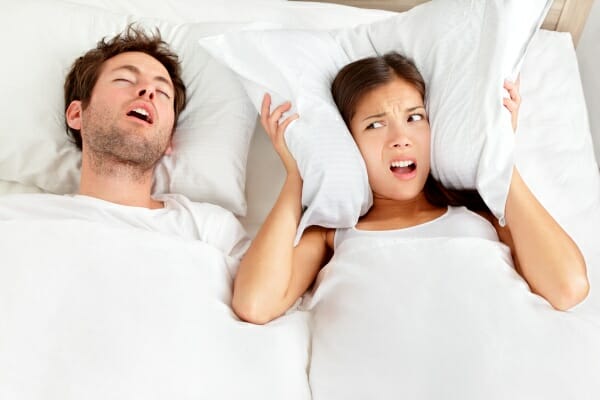
While there are some symptoms that point to a potential diagnosis, a sleep study can confirm the finding and show the severity. At night, those with sleep apnea may snore loudly. It is often loud enough to keep their partners awake. Pauses in breathing are often experienced, but the individual may not be aware of them because they typically do not cause the person to fully wake up. Gasping for breath at night is another common sign.
Daytime symptoms
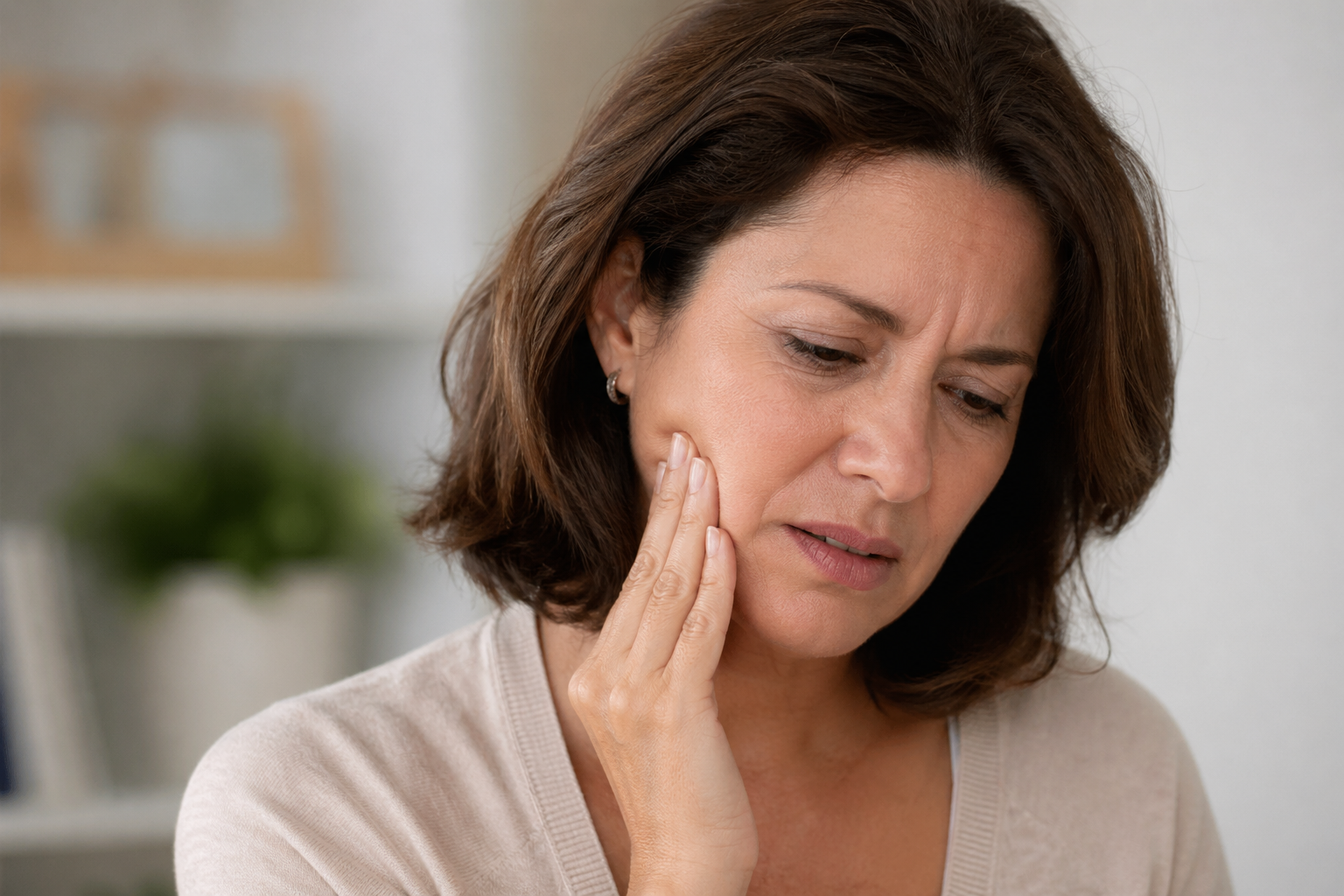
People who think they are getting a good amount of sleep but are still tired may not be experiencing good sleep quality. Although a variety of reasons can cause this, it may indicate sleep apnea. In addition, waking up with a scratchy voice, sore throat, dry mouth or headache can point to a lack of quality sleep. Forgetfulness, mental fog and changes in mood can also be a sign, according to WebMD.
Sleep apnea can cause a variety of health issues and lower an individual’s quality of life. It is important for persons who suspect they might have sleep apnea to get it checked out as soon as possible.