Manhattan

212-265-0110

White Plains

914-227-2305

Springfield, NJ

973-315-7830

Hauppauge

631-265-3136
Categories
TMJ

How a TMJ Specialist Can Help with TMJ Headaches

One of the most prevalent symptoms of a TMJ (temporomandibular joint) dysfunction is headaches. Tension headaches are the most prevalent type of headache, and TMJ headaches fall within this category. It typically feels like wearing an overly small hat, with discomfort forming a ring around the head or a migraine headache.

Causes of TMJ headaches

A variety of TMJ-related factors can cause tension headaches. Persistent muscular fiber contraction within a muscle can result in tension, pressure, or a tight feeling in the face and head. Perpetually tense muscle fibers impede or limit blood flow to that location. Vascular headaches occur when the body delivers extra blood to certain locations, resulting in a rise in general blood pressure in the muscles and brain. TMJ symptoms such as clenching and grinding the teeth cause pain in the head muscles, resulting in a headache.

Unfortunately, because these headaches can be so frequent or severe, they are sometimes misinterpreted as migraine headaches and treated as such. TMJ specialists have encountered patients who have been suffering from headaches for months or even years before knowing that a properly trained dentist could help them.

Only headache therapy provided by a TMJ specialist, in many situations, keeps the muscles happy because they work less hard to perform their functions. The TMJ specialist can relieve most headache problems associated with TMJ, muscle, nerve, and joint diseases by realigning the temporomandibular joint (TMJ) and repositioning the jaw to its ideal position. The specialist aligns the jaw and bite, reducing severe headaches such as migraines, neck and shoulder pain, jaw clicking or popping, and even tinnitus or ringing in the ears.

A TMJ specialist has innovative equipment and techniques to check if the jaw and bite are properly aligned. They will work on repositioning the jaws to ensure proper alignment. The goal is to keep patients pain-free and enable them to enjoy their life again with effective headache treatment.

TMJ headache treatment

TMJ headache treatment includes the following:

Relieving muscle spasms and discomfort: The priority for the TMJ specialist is to alleviate the patient’s discomfort. The various techniques available help with pain alleviation by increasing the body’s natural anesthetic endorphin production.

Bite stabilization: Often, a temporary device called an orthotic is worn over the teeth, allowing the specialist to make simple adjustments to the plastic without altering the teeth until the bite is stable. The professional will move on to the next step and permanently adjust the bite to the correct position after easing the symptoms and stabilizing the bite.

Long-term treatment plan. After the first two phases, the TMJ specialist will likely recommend one of many long-term treatment options. These treatment options could include coronoplasty (smoothing and contouring the enamel of the teeth to improve the bite) or reconstruction.

Battling TMJ?

If you are experiencing TMJ headaches, you should consider visiting a TMJ specialist for treatment and headache pain relief. Contact the office today to book an appointment.

Categories
Jaw Problems TMJ

TMJ & Arthritis In The Jaw Joints

As an Orofacial Pain Specialist, people come to me when they’re suffering from the painful symptoms of a TM Disorder, which you may have heard referred to as TMJ, which is short for temporomandibular joints, which are your jaw joints. For most people, when properly treated, their TMJ problems can be controlled.

But, for some, what began as a common TMJ problem can progress to arthritis in the jaw joints – specifically osteoarthritis. To appreciate why arthritis can impact the jaw joints, let’s review some basic concepts about jaw disorders:

TMJ Disorders & What Causes Them

TM disorders are a group of conditions that affect your TMJs, your jaw muscles, or both. They can have many origins, such as a single traumatic event and or an underlying medical disorder. However, TMJ disorders are most commonly related to other risk factors such as jaw overuse behaviors during the day such as nail and/or cuticle-biting, frequent tooth contact, teeth clenching, gum-chewing, ice-chewing, or gnawing on pencils, pens, your lips, cheeks, or your tongue.

Nighttime bruxism, where you grind and/or clench your teeth while you’re asleep, can play a significant role in causing TMJ in some people. For others, the way their teeth come together and the spatial relationship of their upper and lower jaw plays a role. And, some research points to biological factors as potential initiators of jaw symptoms such as sex hormones, and psychosocial influences such as exposure to stress, chronic pain, catastrophizing, and other emotions.

But the most common initiators of TMJ problems – overuse behaviors and nighttime bruxism – exert a tremendous amount of pressure on your jaw joints and over time, can lead to a reduction in synovial fluid, the lubricant that nourishes your jaw joints and is responsible for maintaining the shape of your articular disc, the natural shock-absorber of your jaw. Because the supportive ligaments that keep your articular disc in place have become weak this all can result in inflamed and unstable jaw joints.

The most common symptoms caused by daytime overuse behaviors and nighttime bruxism are jaw pain, jaw joint clicking, compromised jaw motion, difficultly opening your mouth, joint locking, and changes in your bite. But for some people, bone and cartilage changes also occur and can lead to arthritis in the jaw joints.

The Symptoms Of Arthritis In The Jaw Joints

Once arthritis emerges, it can cause considerable pain, limited jaw movement, bite changes, and even chewing problems. It can also lead to muscle tension, causing headaches, ear pain, and/or toothaches. Some patients even experience gravel-like sounds when opening and closing their mouths due to the dryness and friction in their joints. As jaw osteoarthritis progresses, the bite can become dominant on one side with a gap on the other (for some, this is the only symptom that appears).

Are You At Risk Of Developing Arthritis In The Jaw Joints?

The good news is: not everyone who has TMJ will develop osteoarthritis. In fact, the vast majority of my patients with common TMJ disorders do not. I often see the signs of arthritis in patients who don’t recall ever suffering from a problem related to jaw arthritis. This suggests that our TM joints have a tremendous adaptive capacity and even when injured or persistently overworked, healing and adaptive changes can occur.

If you think (or know) you have jaw joint arthritis and associated symptoms, there’s an excellent chance, with proper treatment, your symptoms can be diminished and the progression of the disease reduced. Treatment can include non-steroidal anti-inflammatory medications, short-term oral steroids, injections of steroid in the joints, and the elimination and/or control of the behaviors that have overworked your TMJs. Bite plates (also called oral appliances, tooth protectors, and night guards) are often used to protect your joints while you sleep. For some, injections of lubricating substances such as hyaluronic acid are helpful over the short term. Only in extreme cases is joint surgery necessary.

Happily, it is rare for TMJ osteoarthritis to advance to such a degree that it causes disabling pain and jaw function limitations. With careful assessment and the proper treatment strategies, getting better is predictably successful.

Conclusion

If you’ve been suffering from a TMJ disorder and are concerned it is progressing, it’s time to seek a professional assessment from an experienced Orofacial Pain Specialist. To find one in your area, hop on over to the website of the American Academy of Orofacial Pain and look for a specialist with Diplomate status.

Live or work in New York City or on Long Island? You can schedule a consultation with me here or call 212-265-0110.

Categories
TMJ

A TMD Dentist Explains TMJ and TMD

TMJ and TMD are often used interchangeably to describe temporomandibular joint (TMJ) disorder and the TMD dentists who treat it. This condition can affect a person’s range of motion with their mouth and lead to concerning symptoms such as migraines, locked jaw, and grinding teeth.

TMJ and TMD explained by a TMD dentist

A TMD dentist treats TMJ disorder. There are several treatment options they may recommend based on the severity of the condition and the treatment preference of the patient. It is helpful to understand more about the condition and how it can be treated and managed long-term to allow for optimal function and avoid uncomfortable symptoms.

What is TMJ disorder?

The temporomandibular joint (TMJ) is a joint that works like a sliding hinge and is responsible for opening and closing the jaw. This joint connects the jawbone and the skull together. TMJ disorder occurs when the joint does not work properly. This can make common daily functions such as eating or talking more challenging and lead to chronic discomfort (see symptoms below).

What are the symptoms of TMJ disorder?

The symptoms of TMJ disorder vary, but some are more prevalent. The most notable early symptoms are a stiff jaw, jaw soreness, mild ear pain, a minor toothache, and mild headaches. If the condition is left untreated for an extended amount of time, symptoms can begin to become more severe and lead to an inability to move the jaw (locked jaw), severe chronic jaw pain and tenderness, and migraines. Many individuals with TMJ disorder also struggle with bruxism, which has a separate set of concerning symptoms.

How can a TMD dentist treat TMJ disorder?

A TMD dentist may offer a range of treatment options and personalizes every treatment plan according to the underlying reason for TMJ disorder. Treatments may involve wearing a mouthguard, making lifestyle changes, medications, and therapies. While non-invasive techniques are typically the first thing that is tried, surgical procedures such as corrective jaw surgery may be an option if no relief is found through non-surgical treatments.

How can I prevent TMJ disorder long term?

A TMD dentist can put together a long-term prevention plan after the initial symptoms are dealt with. Prevention often focuses on avoiding jaw irritation that could lead to symptoms of TMJ. For example, a patient might be provided a nightguard to wear to prevent the upper and lower jaw from clenching together while asleep. Lifestyle and dietary changes may also help prevent the symptoms of TMJ disorder. Practicing good oral hygiene and having regular dental check-ups are also encouraged.

Are you experiencing symptoms of TMJ disorder?

If you are experiencing any symptoms that indicate there is an issue with your temporomandibular joint or another area of your jaw, then we encourage you to call our TMD dentist today. A member of our team can answer your questions and schedule a prompt and convenient time for you to visit with us to discuss treatment options.

Categories
TMJ

Effective Treatments For TMJ Today

As an Orofacial Pain specialist, I’ve dedicated my professional career to helping people who suffer from the painful symptoms of TMJ. My daily encounters with patients put me at the cutting edge of the most effective treatments for TMJ, what’s helping patients – and what is not.

In early 2021, I took some time to reflect on the wide variety of patients I’ve been seeing in my practice, particularly those who presented for the first time during the Covid pandemic. I looked at what is causing their symptoms and what strategies of care address the risk factors responsible for their pain.

TMJ symptoms typically include a combination of facial pain, jaw pain, ear pain, ear fullness, difficulty chewing or opening the mouth, headaches, persistent toothaches, and a variety of joint clicking and popping sounds. Any of these symptoms alone could negatively affect the quality of life, but when combined, they can make every day a struggle.

If you’re reading this article, you are (or someone you care about is) probably suffering. You may have already explored some TMJ treatments, as well. The good news is this: most jaw problems that I see are common, familiar, and helpable.

You can get better.

New Insights Into Effective Treatments For TMJ

Ongoing research into jaw problems and Orofacial Pain enables specialists like me to better understand these problems’ neuromuscular and neural character. We’re gaining new insights into how the immune system and brain processing can trigger and influence the pain experience for our patients. As a result, the effective treatments for TMJ we recommend today address a broad range of risk factors that need to be identified and addressed for success to be realized.

With that in mind, effective TMJ treatment can be put in place only when we truly know our patients. Here are some foundational concepts that guide our conversations with patients and the avenues of questioning we commonly explore:

  • Healing Is A Process – Not An Event 
    Most jaw problems tend to come on slowly and they resolve slowly, as well. Only when we identify the risk factors that got your jaw into trouble in the first place can the right strategies for effective TMJ treatment can be put into place.I can’t stress this enough: for the healing process to be successful, the patient must be an active participant in treatment. Effective treatments for TMJ take time and require patience. 
  • Medication Can Be The Culprit
    There are two types of medications believed to have an impact on TMJ symptoms:
    • SSRI Antidepressants
      Regarding SSRIs, in the past few years, I’ve seen more and more patients suffering from jaw problems but have none of the risk factors typically associated with TMJ. Through a process of elimination, I discovered that many of these patients were on an SSRI, the most commonly prescribed type of antidepressant. They include Paxil, Effexor, Prozac, and Lexapro. What stood out to me was this: most of these patients did not have TMJ symptoms before they began the drugs.

By working in conjunction with their prescribing physicians, I have been able to help these patients reduce their TMJ symptoms by lowering dosages or switching to a different medication. If you’re taking an SSRI and are experiencing TMJ problems you never had before, consider speaking to your doctor about the possibility of adjusting your meds.

    • Some ADD/ADHD Drugs
      Several drugs used to treat ADD/ADHD have also been linked to TMJ. They include amphetamines such as Adderall, Vyvanse, and Dexedrine and methylphenidates such as Ritalin and Concerta.

These medications increase focus and attention by speeding up brain activity. But because they affect the central nervous system, they can also cause jaw muscle tension and increase the frequency and forces of sleep bruxism (teeth grinding and/or clenching). As a result, muscle and joint pain often emerge.

I see many patients between the ages of 14 and 23 who are on one of these ADD/ADHD medications. They complain of tender and aching jaw muscles and, at times, trouble opening their mouths. By collaborating with their parents and physicians, a better balance is often reached that maintains the goal of the medications and reduces jaw symptoms at the same time.

  • Sleep Quality & Quantity

    When interviewing a new patient, one of the first questions I ask is this “How are you sleeping?”

That’s because fragmented and poor quality sleep has a negative impact on the body. It can cause increased inflammation, reduced endorphins (the “feel-good” hormones), lowered pain thresholds and decreased response to treatment.

Insomnia or a sleep-related breathing disorder such as obstructive sleep apnea (OSA) can bring on and/or exacerbate TMJ symptoms. While you can find some strategies on the web to manage these problems, you should consider consulting with a sleep specialist. Most will meet with you by telemedicine conference these days.

  • Lowered Pain Thresholds

    Millions of people suffer from the symptoms of TMJ simply because of the circumstances of their lives. Consistently working long hours, getting too little sleep, and/or dealing with a great deal of daily stress diminishes your ability to cope with pain because your body is perpetually in fight-or-flight mode.

While you’re probably not in a position to change your job or keep your baby from crying all night, there are some things you can do. Meditation, Chinese temple exercises, or Tai Chi for just 30-45 minutes a day can work wonders. These are essential factors in effective treatments for TMJ for my patients.

  • Tooth Clenching & Grinding
    Many researchers consider some degree of teeth clenching and grinding during sleep as normal behavior but 10- 20% of the population clench and grind to such a degree that it actually disturbs their sleep. All that clenching and grinding causes injury to the jaw muscles and jaw joints. Once injured, they never get a chance to heal.

We have not figured out entirely why so many people brux at night to the degree that symptoms arise, but there are effective treatments for TMJ that can help to a great degree. The treatments are multifaceted and a combination of oral appliances, medications, jaw muscle exercises, breathing exercises, and meditation.

In situations when all first-line therapies fail, BOTOX® injections into the jaw muscles are proving to be an effective treatment for TMJ.

  • Supplements

    Despite what the industry claims, it’s unclear whether supplements are genuinely effective for pain relief. That being said, some of my patients are convinced that a combination of fish oil and magnesium eases their pain. Some also take turmeric and swear by it.

If you plan to go the supplement route, make sure your physician is aware and involved. It’s essential.

  • Food As Medicine
    New research indicates that certain foods can reduce nerve sensitivity and inflammation, such as grape seed extract, organic chicken broth, and cocoa in the form of 72% dark chocolate. Because scientific research into supplements for pain reduction is in its infancy, I cannot recommend any specific quantities you should take. A good mantra is moderation.

Note: On their own, these foods have not been proven to be game-changers, but when combined with other effective treatments for TMJ, we do see some promise.

  • Breathing
    When people deal with extreme chronic pain they tend to breathe fast and shallowly. With each breath, excessive amounts of carbon dioxide are expelled, which increases muscle tension and nerve excitation in the body and makes it difficult to use oxygen effectively. Buteyko breathing, belly breathing, and breathing techniques like those found online on Headspace, Calm, and Buddhify can significantly help reduce pain. Try them!
  • Education
    Finally, if you are ready to start feeling better, it’s critical to educate yourself about your chronic pain – what it is and what is causing it. A good place to start is the app Curable. I also love the daily tips on relaxing your mind and muscles in Quick Calm by Jennifer Wolkin, Ph.D. And my book, Doctor, Why Does My Face Still Ache? is also very helpful.

The Bottom Line

I’ve been caring for patients with jaw problems for a long time, and what’s clear to me is this: the most effective TMJ treatment for my patients depends upon two factors…

  • Taking the time to discover who my patients are as people, not just as patients.
  • It’s critical that every patient fully participates in their treatment all along the way.

There is no good reason you should suffer from persistent jaw, tooth, or face pain for the rest of your life. Today, there are effective treatments for TMJ.

I wish you the best of luck on your journey to healing.

You can get better!


If you live in the New York City metropolitan area and would like to make an appointment with Dr. Tanenbaum, please link here.


Orofacial Pain is the discipline of dentistry that includes the assessment, diagnosis, and treatment of patients with complex chronic orofacial pain and dysfunction disorders, oromotor and jaw behavior disorders, and chronic head and neck pain, as well as the pursuit of knowledge of the underlying pathophysiology and mechanisms of these disorders.

Categories
Orofacial Pain

Receiving Oral Medicine Treatment From A Craniofacial Pain Specialist

Looking for information on oral medicine treatment provided by a craniofacial pain specialist? This type of dental professional is one who has furthered their education by undergoing additional dental training, as well as medical training. This additional training allows them to treat their patients using both dental and medical treatment options, which includes oral medicine.

About oral medicine

According to the American Academy of Oral Medicine, oral medicine is defined as the discipline of dentistry concerned with the oral health care of medically complex patients, including the diagnosis and management of medical conditions that affect the oral and maxillofacial region. An appointment with a craniofacial pain specialist will result in treatment that includes a combination of medicine and dentistry.

A shortlist of some of the more common dental or medical issues someone may be experiencing that requires them to make an appointment with this type of dental professional includes being diagnosed with an oral disease or disorder, a temporomandibular joint disorder, a salivary gland disease, halitosis, oral lesions and oral cancer

Receiving oral medicine treatment

The list below includes some of the more common types of dental-related problems that require someone to undergo oral medicine treatments provided by craniofacial pain specialists.

Burning mouth syndrome

Burning mouth syndrome is a dental problem that causes patients to experience a burning feeling of pain inside of their mouths. The fact that it can be very difficult to understand the underlying cause of this syndrome, can make it difficult to treat. It is important for those suffering from this syndrome to know whether they have primary or secondary burning syndrome, as treatment depends on the type they have.

Dry mouth

When a patient is diagnosed with dry mouth, it means that their salivary glands are not able to produce enough saliva in order to keep their mouth moist, which is important to their overall good dental health. In order for a patient to be treated when they have been diagnosed with dry mouth, it is important for a craniofacial pain specialist to first understand the underlying factors in order to properly treat the patient.

Canker sores

While many people have experienced one or more canker sores during their lifetime, when it has been determined that a patient is living with a severe case of canker sores, they may benefit from undergoing oral medicine treatment. Canker sores often appear on the tongue, cheeks, lips and soft palate of the mouth, which can cause those diagnosed to experience a tingling or burning sensation often, diminishing their overall quality of life.

Get started with oral medicine services

Oral medicine is often necessary in order to treat complex dental problems. Working with a craniofacial pain specialist is the best place to start. An evaluation can be done in order to determine what the problem is. Then, an oral medicine treatment plan can be outlined and tackled. Reach out today to get started or to learn more.

Request an appointment here: https://www.stevensyropdds.com or call Steven B. Syrop, DDS at (212)-969-9166 for an appointment in our New York office.

Check out what others are saying about our services on Yelp: Oral Medicine in New York, NY.

Categories
Trigeminal Neuralgia

What Can Cause Trigeminal Neuralgia?

Trigeminal neuralgia is a condition that causes significant facial pain, which can disrupt one’s daily activities. Chewing, chatting, smiling, cleaning teeth, grooming, or mild pressure on the face can all contribute to brief, painful incidents. The pain can be intermittent, severe, and abrupt. It might potentially be more frequent but less severe.

It usually affects just one side of the face at a time and is said to be unilateral. However, the condition is called bilateral when it affects both sides of the face. The right side of the face is somewhat more commonly affected than the left.

Common causes of trigeminal neuralgia

The trigeminal nerve conveys touch and pain signals from the face and head to the brain. There are three parts to the trigeminal nerve. One part transmits nerve impulses from the forehead, upper eyelids, and eyes to the brain. The second part controls sensation in the lower eyelids, cheeks, nostrils, upper lip, and upper gum. Finally, the third part handles the lower lip, lower gum, jaws, and some chewing muscles.

Various conditions can trigger trigeminal neuralgia, but the most common cause is pressure on the trigeminal nerve by a blood vessel near the brain stem. In addition, multiple sclerosis (MS) causes the myelin sheath, the nerve covering, to deteriorate; thus, persons with the condition are more likely to develop trigeminal neuralgia.

In rare cases, nerve compression is caused by a tumor or vascular lesion. Other causes of facial nerve pain comparable to TN-type pain include injury to the trigeminal nerve from an oral or sinus surgery, stroke, or facial trauma.

Types of trigeminal neuralgia

Typical (Type 1): The symptoms include severe face discomfort or burning that occurs suddenly or sporadically. The episode may persist anywhere from a few seconds and several minutes. Painful episodes happen in quick succession and might last a few hours, although there are usually pain-free intervals in between.

Atypical (Type 2): This is marked by continuous discomfort, as well as stabbing, burning, or aching sensations that are less severe but more pronounced than those associated with Type 1. The symptoms are often more difficult to manage.

Trigeminal neuralgia can be progressive, which means that it becomes worse with time. Pain may initially be restricted to the upper or lower jaw, leading patients to believe it results from dental issues. However, the time between episodes may shorten or disappear entirely, and attempts to control discomfort with medications may prove futile.

The pain associated with trigeminal neuralgia can be so severe that it becomes incapacitating. As a result, people with the condition may avoid regular activities out of fear of experiencing a painful episode.

Diagnosis and tests

A temporomandibular joint (TMJ) specialist will inquire about the patient’s symptoms and medical history. They will examine the ears, mouth, teeth, and TMJ, and other parts of the head and neck.

Before making a definitive diagnosis, the healthcare professional will first rule out other conditions that contribute to facial pain and resemble trigeminal neuralgia pain. For example, ear infections and sinusitis, cluster headaches or migraines, post-herpetic neuralgia (pain after a shingles breakout), and TMJ dysfunction.

In conclusion

If you are experiencing signs of trigeminal neuralgia, you should visit a TMJ specialist for diagnosis and treatment. Book an appointment today to get started.

Get more information here: https://westchester.stevensyropdds.com or call Steven B. Syrop, DDS at (914) 594-9123

Check out what others are saying about our services on Yelp: TrigeminalNeuralgia in Briarcliff Manor, NY.

Categories
Sleep Apnea

Get  Sleep Apnea Treated at a Sleep and TMJ Center

As uncommon as most people think it is, sleep apnea actually affects people every day. While a lot of people that experience sleep apnea think that there isn’t hope for themselves, there actually is. With the help of a sleep and TMJ center, a person can receive the treatment that they need in order to help with their sleep apnea.

In this article, we discuss getting sleep apnea treated at a sleep and TMJ center. For those who suffer from sleep apnea, being aware of what to expect from treatment can be helpful. Sleep and TMJ centers aim to treat people that suffer from all types of sleeping problems including apnea.

Sleep apnea

What is sleep apnea?

While the people that experience sleep apnea are very familiar with what it is, a lot of people aren’t aware because sleep apnea may not ever affect them. However, being aware of what it is can be helpful for those who are curious or who are concerned about someone they know.

Sleep apnea is a serious disorder that affects someone while they are asleep. One’s breathing will repeatedly stop and start which can cause a lack of oxygen to the body. People that experience sleep apnea may stop breathing up to one hundred times in one night.

How is sleep apnea treated?

There are many different ways that a person can treat their sleep apnea. Often times, a person’s doctor will recommend physical exercises or airway management. However, someone that has a severe case of sleep apnea may not find that self-care remedies help. And, if these initial attempts of care don’t work then it is likely that a visit to a sleep and TMJ center will be helpful.

Sleep and TMJ centers for sleep apnea

What to expect

When a person visits a sleep and TMJ center for their sleep apnea, it is likely that they are attempting to receive treatment for this dangerous condition. And, a sleep study will likely be conducted to determine how bad the sleep apnea is.

During the sleep study, a professional will monitor a person throughout the night when they are asleep. Additional equipment may be used to monitor the person’s breathing habits as well. Having a sleep study conducted will allow the professional to determine what type of treatment is necessary.

The treatment process

Treatments for sleep apnea range depending on how severe a person’s sleep apnea is. At a sleep and TMJ center, a professional may recommend the use of an oral appliance that can help regulate breathing. Oral appliances can help the jaw to be positioned differently so that breathing is more even and steady,

Other options for treatment include breathing masks or positive airway pressure machines. Both of these treatment options can be monitored by professionals at the center to ensure that they help regulate breathing.

Talk with a sleep and TMJ center today

People that suffer from sleep apnea often feel hopeless but by talking to a sleep and TMJ center, they will likely be able to find ways to treat this harmful condition. It’s best to consult with a professional from one of these centers so that they can best help you.

If you have questions then reach out to our office so that we can help you further.

Categories
TMJ

How Effective Is BOTOX® for TMJ?

Using BOTOX® for TMJ disorder is a common practice that more and more dental professionals are implementing into their TMJ disorder treatment plans. Many are surprised to learn that TMJ specialists are considered dental professionals, however, they happen to correlate and there is a lot of crossover between dentistry and treating TMJ disorders.

The use of BOTOX® for TMJ has become popular over time due to the many associated benefits and proven results that come with the use of it. Since it is a newer practice, many sufferers of TMJ are curious as to how effective the use of BOTOX® is for relieving symptoms of this painful condition.

BOTOX® for treating TMJ

Below is an overview of the use of BOTOX® for TMJ, including what to expect and how effective it can be.

How it works

BOTOX® for TMJ disorder works very simply. The TMJ specialist will require individuals to visit the dental office in order to undergo the injections. The procedure itself should not take longer than thirty minutes, depending on how many injection sites are desired or needed.

The TMJ specialist will inject the BOTOX® directly into the temporalis, frontalis or masseter, all of which are sites that can help relieve TMJ symptoms. The agents in BOTOX® target the temporomandibular joint and surrounding muscles by making them incapable of clenching, tightening and malfunctioning, thus resulting in less pain and little to no difficulty opening and closing the jaw.

Is it effective?

BOTOX® for TMJ is known to be very effective in remedying the symptoms that come along with this disorder and dysfunction. The most common symptoms include pain, soreness and difficulty eating, speaking and smiling, which can typically all be relieved after BOTOX® has been administered. Usually, most sufferers of TMJ disorder will need to undergo multiple rounds of BOTOX® in order to see long-lasting results. However, after just one session, most people experience relief within a week or so, which cannot always be said about other TMJ disorder treatment options.

Results of BOTOX® for TMJ

BOTOX® for TMJ disorder and dysfunction can produce quick results, often within a day or so. For some, the results are not noticeable for up to a week. Long-term, the results of BOTOX® for TMJ can be maintained by undergoing regular injections. Most TMJ specialists recommend up to three BOTOX® injections over the course of a couple of months, depending on the severity of the symptoms. From there, if symptoms are still severe then a more extensive form of treatment may need to be explored, either separately or in conjunction with BOTOX®.

Ready to try BOTOX® for TMJ?

When looking for more information on the use of BOTOX® for TMJ disorder, it can be helpful to consult with a TMJ specialist. An evaluation can be done in order to determine how severe the symptoms are. The evaluation will then be used to dictate the treatment plan, which may include BOTOX®. Reach out today to learn more or to get started with a consultation.

Categories
Sleep Apnea

Patient Quick Guide to Sleep Medicine

As its name implies, sleep medicine is the study, diagnosis and treatment of sleep-related disorders in children and adults. Restful, regular sleep is crucial to a healthy lifestyle, and a lack of quality rest can have a negative impact on the body physically, mentally and emotionally. Those who do not receive adequate rest are at an increased risk for several conditions, including diabetes, heart disease, obesity and kidney disease. Focus and memory can be seriously impaired and learning may become more difficult. Mood swings, depression and anger can also result from insufficient sleep. To avoid this myriad of unhealthy side effects, it is important for those who suffer from sleep disorders to seek evaluation from a medical doctor or board-certified sleep medicine dental professional.

The most common sleep disorders

Sleep apnea is one of the most common types of sleep disorders affecting Americans today. It occurs when breathing repeatedly stops and restarts during sleep. Insomnia is also relatively prevalent and involves frequent difficulty falling asleep and/or staying asleep. Other types of sleep disorders may seem less severe, but can still have a highly negative impact on health and overall well-being. Snoring, bruxism (clenching or grinding of the teeth) and even acid reflux can be considered serious medical conditions if they impact restful sleep.

Medical professionals involved in sleep medicine

People suffering from one of the many types of sleep disorders, regardless of perceived severity, should schedule an appointment for evaluation, diagnosis and treatment. Depending on the patient’s symptoms and medical history, a referral may be scheduled with one or several professionals who study and practice sleep medicine. These may include a dental specialist, pulmonologist, psychiatrist, neurologist or otolaryngologist (ear, nose and throat doctor/ENT). In many cases, several professionals will work as a team to develop a proper and well-rounded treatment plan for the patient.

Diagnostic and treatment procedures

When an individual reports trouble sleeping, several diagnostic procedures may be ordered to determine the cause and acuteness of the condition. Often coupled with blood work, a physical exam is typically performed to search for physical abnormalities or obstructions that could lead to impaired sleep.

Patients may be ordered to keep a sleep journal to record the frequency of specific symptoms and possible contributing factors, like dietary choices or stress. In some cases, a sleep study may be ordered to measure heart rate, oxygen levels, brain activity and body movement. Once a diagnosis is made, treatment plans could include medication or supplements, physical therapy, corrective devices and/or surgery.

Conclusion

Difficulty sleeping is common among all individuals at certain stages of life. However, if the difficulty persists and begins to impact quality rest and a healthy lifestyle, it is important to consult a board-certified sleep medicine specialist for evaluation. Ignoring the problem could result in a major decline in health as well as the development of a serious disease or condition. However, with a proper diagnosis and treatment, many people are able to enjoy regular, deep sleep.

Categories
Sleep Apnea

Common Sleep Medicine Treatments

With sleep medicine treatment, there is no universal solution. Like many other medical conditions, the right treatment plan for a person will depend on the diagnosed sleep disorder and certain factors specific to the patient. To overcome the challenges of sleep disorder, patients must be diagnosed and treated by a board-certified dental sleep medicine specialist.

Common treatments

The following are treatments often recommended for different forms of sleep disorder:

Medication

According to the National Sleep Foundation (NSF), medication is the most popular treatment for every major sleep disorder, except sleep apnea. Although the specific drugs for treating the disorders are different, it is common for meds to be used along with other methods of treatment. The following are major sleep disorders where drugs are the primary treatment option:

Insomnia: Hypnotics are the type of medication used for treating this sleep condition. They help induce sleep and keep people asleep.

Narcolepsy: Dental specialists prescribe stimulant medications to lower the effects of daytime drowsiness, while antidepressants are used to treat other narcolepsy symptoms, such as sleep paralysis and hypnogogic hallucinations. Patients dealing with narcolepsy may also get prescription meds to induce sleep and boost their sleep quality.

Periodic Limb Movement: Drugs are highly effective for treating this condition but are typically only recommended when another disorder is present.

REM Behavior Disorder: The dentist may recommend Clonazepam for managing this disorder. When it is not effective, other drugs may be prescribed to control behavior.

Restless Leg Syndrome (RLS): Some drugs are specifically made to treat RLS. They can also be combined with other medications that have been proven to reduce RLS symptoms.

Sleepwalking: Medications such as sedatives and antidepressants can help treat sleepwalking.

Cognitive-behavioral therapy

Many sleep disorders are closely associated with a behavioral pattern. Therefore, dental sleep specialists often recommend behavioral therapy as a form of treatment to help such patients manage their sleep problems. Therapy is often used for treating narcolepsy and insomnia but may prove beneficial for people dealing with other types of sleep disorders. It can help them develop coping mechanisms to handle the emotional and social consequences of battling a sleep disorder.

Sleep routines and sleep hygiene

Virtually anyone who has a diagnosis of a sleeping disorder can enjoy the benefits of adopting good sleep hygiene and forming routines that can help them get the sleep they need. Certain sleep disorders like insomnia can lead to anxiety about sleep. This can be controlled by developing a good routine.

Good sleep hygiene can also improve the symptoms experienced by sleepwalkers. Having a supportive sleep routine such as scheduled naps can be helpful for sleep disorders like narcolepsy.

Relaxation, exercise and meditation

Relaxation techniques are another form of treatment under sleep medicine that has proven effective for minimizing the symptoms of sleep disorders such as insomnia and RLS. Patients can also experience relief by practicing yoga, meditating and engaging in guided imagery exercises. Exercise, when done early in the day, is effective for improving sleep quality in people with sleep disorders. It can also reduce stress and improve sleep in insomniacs.

Final note

The sleep medicine treatments listed above are effective for treating many sleep disorders. To get help, reach out to a dental sleep medicine specialist for an appointment.

Categories
Headaches Jaw Problems Nightguards & Oral Appliances Orofacial Pain Sleep Apnea TMJ

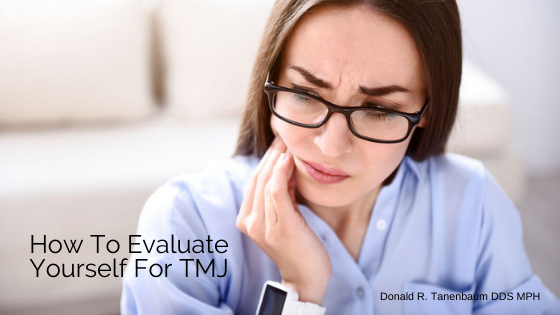
How To Evaluate Yourself For TMJ

Note: This article explains how to evaluate yourself for TMJ, what you can do about it, and how to determine when you need to get some professional help.

This past year’s pandemic challenges have led more people to seek care for TMJ problems than ever before. In fact, you may be reading this article because you’ve had your first experience of TMJ during the past year.

If you suffer from these kinds of problems, there are some steps you can take to relieve your symptoms. But before you try to evaluate yourself for TMJ, you must first understand the risk factors that led to your jaw being in trouble in the first place.

As an orofacial pain specialist for the past 35 years, I have treated thousands of patients who came to me suffering from jaw problems. They usually arrive at my office with complaints of jaw pain or stiffness, headaches in their temples, or facial pain that, in some cases, is taking over their lives. Many have limited jaw opening, joint popping and/or cracking. Some even experience locked jaws upon waking up in the morning.

While a traumatic event such as a car accident or an underlying medical disorder or treatment can be the culprit, for most people a wide variety of risk factors can cause TMJ pain problems. It is my job to properly diagnose, identify the causes, help my patients cope with TMJ – and eventually, get better.

Before You Evaluate Yourself For TMJ, You Must Understand What TMJ Is

The most important thing to understand about TMJ problems is that they are orthopedic in nature. Just like any other muscle and joint structure in your body – knees and shoulders, for example – if they become overworked, sprained, fatigued or injured, pain and instability will arise. Your jaw muscles and jaw joints (TMJs) are no different. An orthopedic problem can’t be treated until what is causing the pain is identified. It’s the same for TMJ problems.

How To Evaluate Yourself For TMJ – Identify The Cause & Make Changes

TMJ problems can involve your muscles, joints or both. To evaluate yourself for TMJ joint problems, pay attention to whether the pain is in front of your ear when you move your jaw or touch the area and if your jaw joints click, pop and/or lock. If you can answer yes to both questions, you should not try to cure yourself. See a dentist with experience in TMJ care or a TMJ specialist in your area right away. (There’s a link at the bottom of this page to the American Academy of Orofacial Pain, where you can find a specialist in your area.)

To evaluate yourself for TMJ muscle problems, you would probably describe your symptoms as soreness, stiffness, spasms or achiness. If you push your fingers firmly along your jawline or into your temples, you will experience more pain than you expected. Your jaw motion may be limited but it’s not accompanied by joint clicking or popping sounds.

If you’ve determined your TMJ problem is of the muscle variety, your next step is to figure out why and how your muscles became so irritable in the first place. To do so, you’ll need to do a little investigating to find out what is happening in your life during the day and at night.

6 Daytime Behaviors & Postures That Could Be Causing Your TMJ Problems

Starting today, pay careful attention to your daytime behaviors and postures, particularly while you’re working. Working behaviors and postures are some of the leading causes of TMJ problems. And, working at home is a big reason for the considerable increase of people seeking care during the past year.

When you evaluate yourself for TMJ of the muscle variety, look for these six common daytime behaviors that could be causing your jaw or neck muscles to fatigued:

  • Your head leans forward while you work at your computer.
  • You consistently look down at your phone.
  • You hold your breath or take shallow quick breaths with your mouth open.
  •  You brace your jaw muscles (but your teeth are not clenched).
  • You often keep your teeth clenched.
  •  You bite your nails and/or cuticles, cheeks, lips or tongue.

Did you identify any of the six behaviors or postures above during your workday? If you said yes, believe it or not, that is good news! Because if you can start eliminating them right away. And there’s a pretty good chance you can start feeling better right away, too.

Start by paying attention to your breathing patterns. If you discover that you hold your breath or breathe shallowly, go online and search for “restful breathing techniques.” You’ll see a lot of results and almost any you choose will help. Also, take more breaks. And make some adjustments to your workstation to improve your head posture. (Here’s a helpful guide). Also, download a reminder app such as Time Out for Mac that will help you remember to take breaks.

5 Nighttime Factors That Could Be Causing Your TMJ Problems

An essential step in evaluating yourself for TMJ is identifying what is happening to your jaw muscles, jaw joints or neck muscles while you’re asleep. This, understandably, is not easy – but it’s definitely doable. If you consistently wake up with jaw or neck pain, tightness in your jaw, or headaches – you can assume one or more of the following four factors are present:

  • Insomnia – You have trouble falling asleep or staying asleep.
  • Fragmented Sleep – Your sleep is full of lots of small arousals. Your brain wakes you up numerous times during the night.
  • Inadequate Sleep – You routinely get less than the recommended hours of sleep. (See the link at the bottom of this page to determine what is recommended for your age group).
  • Bruxism – You clench and/or grind your teeth while you sleep.
  • Breathing Problems – You struggle with breathing due to nasal or other airway restrictions while you sleep.

If you suspect factors 1, 2 or 3, try one or more of the following:

  • Take melatonin at bedtime.
  • Don’t drink coffee after noon.
  • Don’t use your electronic devices late into the evening.
  • Stop all work-related activities one hour before going to bed.
  • Read a good book.
  • Exercise in the morning instead of after work.
  • Eat dinner earlier.
  • Practice some breathing exercises before you get into bed.
  • Try some gentle stretching or yoga before bed.

If you suspect factor 3 – Bruxism – this is for you:

If you wake up occasionally with sore teeth but nothing more severe than that, consider purchasing an over-the-counter oral appliance at your local pharmacy. (Note: there are many terms for oral appliances such as mouthguards, bite plates, and teeth protectors – they all mean pretty much the same thing.)

If your symptoms get better after wearing your over-the-counter oral appliance at night for several weeks, your next step is to visit your dentist to be fitted for a custom oral appliance. This is very important because wearing an oral appliance over a long period of time that is not custom-fitted can lead to complications such as shifting teeth, bite changes and even airway obstruction.

If your symptoms do not get better after wearing your over-the-counter oral appliance it’s time for you to get some professional help. Make an appointment with your dentist or an orofacial pain specialist. (See the link at the bottom of this page to the American Academy of Orofacial Pain to find an orofacial pain specialist).

If you suspect Factor 4 – Breathing Problems – here’s what to do:

If your self-evaluation for TMJ leads you to suspect you have a nighttime breathing problem – it may be sleep apnea and you must see a sleep professional right away. Your struggle to breathe at night is likely reducing airflow and causing your blood oxygen to lower. That places excess stress on your body.

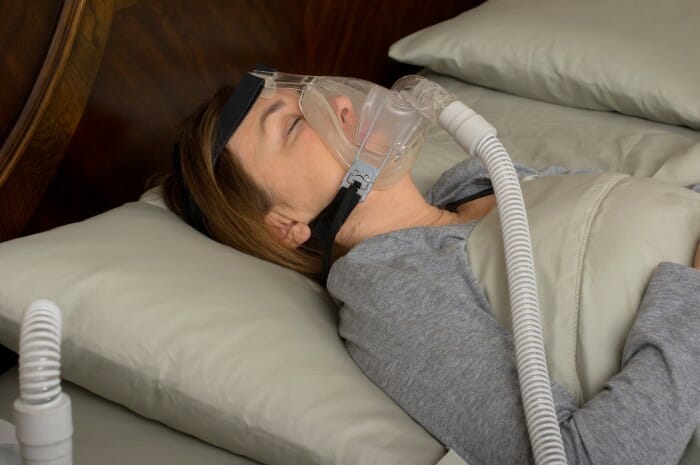
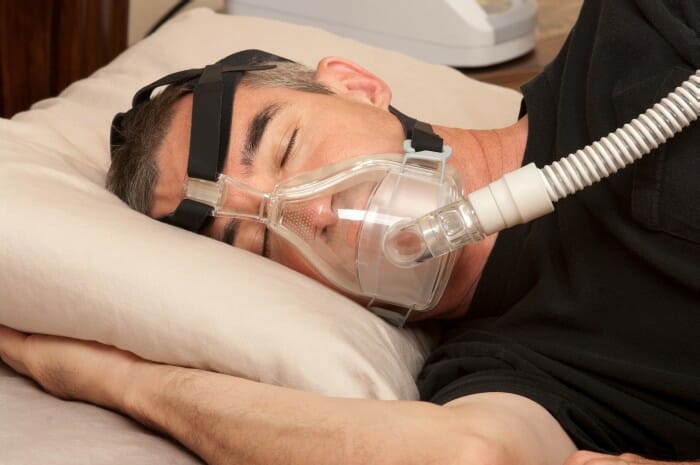
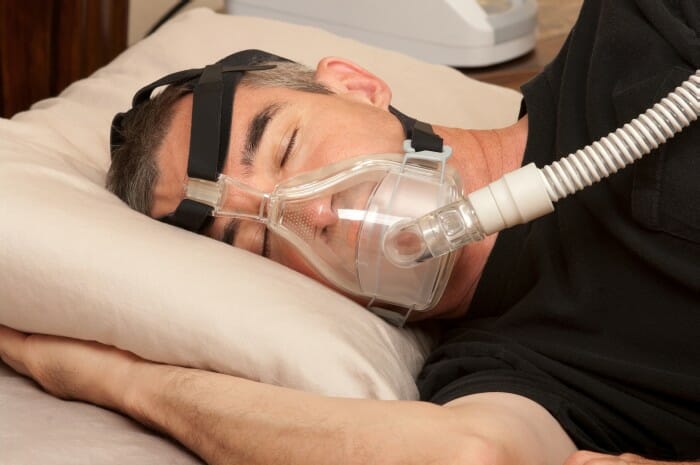
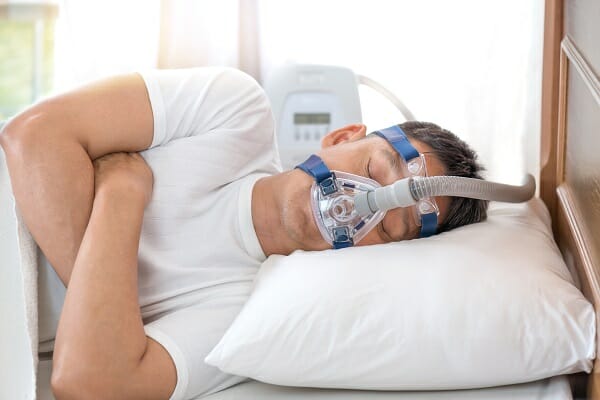
You should opt for an overnight sleep evaluation monitored by a professional. (Link here to find a sleep center near you.) If the sleep evaluation indicates you do have a sleep breathing disorder such as apnea, there are many options for you after the sleep study. You may be told to sleep on your side, wear nasal strips, use a custom-made oral appliance, or lose weight. Many people find that a continuous positive airway pressure (CPAP) machine is a lifesaver. (Read: What Is CPAP?) In severe cases, nasal surgery, orthodontics, jaw advancement or another correction surgery may be the solution.

How To Evaluate Yourself For TMJ – In Conclusion

Let’s say you have been able to get your TMJ problems under control by changing one or more of the six daytime behaviors above. That is great. And even if your nighttime behaviors are of the Factors 1, 2, or 3 variety and you tried some of the simple solutions I recommend, there’s a chance you’re already feeling better.

TMJ problems, however, are often caused by several risk factors. For you, relief may only be achieved with a professional approach. Take a little bit of time to find a trained orofacial pain practitioner in your area and you should be able to get on the road to feeling better very soon.

Helpful Links:

American Academy Of Orofacial Pain (Look for a provider with Diplomate status)

How Many Hours Of Sleep Are Enough For Good Health?

Categories
Sleep Apnea

How Obstructive Sleep Apnea Affects Your Health

You have been to a sleep medicine specialist and found out you have obstructive sleep apnea. Now, you cannot help but wonder how the condition impacts your health. Sleep apnea can cause a variety of serious health conditions and even lead to premature death. Fortunately, treatment can open up your airway so that you receive enough oxygen and get restful sleep each night. Once you treat the sleep apnea, you can reverse many of these dangerous conditions.

Health conditions associated with sleep apnea

Many people with obstructive sleep apnea do not receive treatment. Some people get sleep studies that detect sleep apnea but refuse to undergo CPAP therapy. Others never receive a diagnosis from a sleep medicine provider. While there is not a cure for sleep apnea, treatment prevents the airway from closing during the night. Find out what can happen when people fail to undergo treatment.

High blood pressure

High blood pressure can occur when people have untreated obstructive sleep apnea. The body releases stress hormones when people wake up constantly during the night. That, combined with the lack of oxygen, can cause blood pressure to rise. Those who already have high blood pressure are at the greatest risk for reaching dangerous levels.

Heart disease

Heart disease is also common in people who suffer from obstructive sleep apnea. The lack of oxygen prevents the brain from controlling blood flow in the body, causing heart disease. Heart disease can cause stroke, heart attacks and other serious health issues. People also might experience chest pains due to heart disease.

Weight gain

Excess weight puts pressure on the neck, impeding breathing at night. This can lead to sleep apnea. Once people get sleep apnea, their bodies release extra ghrelin. This hormone causes people to crave unhealthy foods such as carbohydrates. The cravings make it more difficult to lose weight and can lead to extra weight gain. The added fatigue also makes it more difficult to resist food cravings.

Type 2 diabetes

People with obstructive sleep apnea are more likely to develop type 2 diabetes. Intermittent hypoxia impacts glucose metabolism. Over time, people can develop insulin resistance. Type 2 diabetes can cause a range of health issues including nerve and kidney damage and heart and blood vessel disease.

Chronic fatigue

People with sleep apnea do not get enough rest during the night. Lack of sleep causes confusion, irritability and anxiety. People who do not get the required amount of sleep are also more prone to accidents. This puts patients at risk for serious injuries that impact their overall health.

Seek treatment at a sleep medicine facility

If you have untreated sleep apnea, your health is at risk. You can develop high blood pressure, heart disease and type 2 diabetes. You also might gain extra weight, and chronic fatigue can put you at risk every time you stand up or get in a vehicle. Visit a board-certified sleep medicine specialist to get help today.

Categories
Sleep Apnea

When To Seek Treatment for Sleep Disorders


Sleep Medicine New York, NY

Sleep disorders can get in the way of sleeping through the night, which is an essential part of maintaining good health, but thankfully sleep medicine is a field focusing solely on these issues. Without a full night’s rest, a person may not be able to function properly, and this can get in the way of day-to-day activities such as work or childcare. People who struggle with sleep disorders may find this article to be helpful to understand when it may be necessary to seek treatment. Persistent trouble sleeping is not something that should go ignored. It is always recommended to consult with a board-certified sleep medicine specialist or a doctor to get back on track to sleeping soundly all through the night.

Recommended situations to get treatment for sleep disorders

If a person has enough trouble sleeping, they should consider seeking help to treat the disorder that they may be experiencing. A sleep medicine professional may be able to diagnose and treat the problem.

Trouble breathing

Sleep disorders are often associated with breathing problems. Obstructive sleep apnea is one of the most common disorders that affect people while they are asleep. OSA causes the person to stop breathing multiple times throughout the night. The airway becomes completely closed off, which can cause sudden brief occurrences of waking many times over. It is often difficult to diagnose obstructive sleep apnea because the patient is asleep during it. However, if during the day or when they first wake up, the patient experiences troubles with breathing, or the patient often wakes up with a headache or feeling unrested, it is likely that OSA is occurring.

Breathing difficulties should never go ignored. Consult with a sleep medicine professional so that they can evaluate the breathing throughout the night to determine what the root cause is.

Extreme lethargy

Almost everyone experiences feelings of sleepiness at some point throughout the day. However, feeling constant lethargic is abnormal and may indicate a reason to see a sleep medicine professional. The body needs sleep in order to properly function. When there is a constant state of sleep deprivation, a person may become less able to function normally, which can have negative long-term effects such as poor work performance or an inability to care for children.

No changes in sleeping problems

General physicians may recommend melatonin or other natural aids to help patients sleep through the night. However, these do not always work. When a person experiences a constant problem with sleeping, they should consider seeking further assistance. Sleep disorders can be disruptive and frustrating. If there is no improvement in a disturbed sleeping pattern after a week or two, then a trained sleep professional may be able to determine what is going on.

Contact us today

Unable to sleep through the night? Our team of professionals is trained, board-certified, and experienced in sleep medicine. Give us a call or stop by our office today so that we can figure out the reasons and treat your sleeping difficulties.

Categories
Sleep Apnea

What are Signs of Sleep Apnea in Children? Family Dentistry FAQs


About one to 10% of children will have sleep apnea, according to the American Family Physician. Some children will outgrow the condition. However, it is a good idea to seek treatment, as it can cause failure to thrive. Read on to learn more about this condition and what a family dentist can do for it.

What are the signs of sleep apnea in kids?

During the night, parents should check on children who are at risk for sleep apnea. Many children who snore have sleep apnea. If parents notice pauses or gasps, it is likely that the child is stopping and starting breathing. Even if children are not snoring, they may experience heavy breathing during sleep.

Kids who have sleep apnea often sleep in odd positions. This is due to a restless sleep where the child is tossing and turning. Restless sleep can result in sleepwalking. Some children may wet the bed, even if the child has previously stayed dry.

During the day, children with sleep apnea may be excessively sleepy and fall asleep. It can be difficult for them to wake up each morning. Children may have behavioral issues in school and have trouble paying attention. Sleep apnea can cause children to become hyperactive and teachers might think the child has a learning problem.

When does sleep apnea need treatment?

Unlike adults, there are no guidelines on when sleep apnea should be treated in children. Because many children will not experience sleep apnea, there is not sufficient research in the area yet. If a child has a sleep study, then the child will receive an apnea index number. A number higher than one is considered abnormal.

If a child under 12 has an AI number of five to 10, this is mild to moderate sleep apnea. The guidelines on how to proceed here are simple. A family dentist can treat this with an oral appliance. However, there are no guidelines for children with an AI number of one to five. Many studies have found that children who have sleep apnea have problems with behavior. A family dentist can help parents decide when to treat children with lower AI scores.

What are some other sleep apnea treatments?

Usually, dental appliances for children work well once the bones have stopped growing. However, younger children have other options as well. For example, devices to quickly expand the diameter of the hard palate can be helpful. This provides more space in the mouth, making sleep apnea episodes less likely. This treatment only works for children whose bones are still growing, however.

Visit a family dentist for sleep apnea treatment

Getting your child a sleep study can help a health care provider diagnose the condition. After the sleep study, a family dentist can work with the doctor to find a good treatment. This can include dental appliances and palatal expanders. Helping your child manage sleep apnea can help them become healthy and well-adjusted.

Categories
Sleep Apnea

Types of Sleep Apnea and Treatments

A relatively common type of sleep disorder, sleep apnea occurs when breathing stops and then restarts throughout the sleep cycle. As a result, major organs in the body, including the brain, receive less oxygen at varying intervals throughout the night.

A person with sleep apnea may not be aware of these events while sleeping and are only cognizant of the effects the next day, such as a dry mouth and throat, fatigue and irritability. This process is hard on the human body and can result in excessive tiredness throughout the day, even if the individual did not wake during the night. Those with sleep apnea are at an increased risk for numerous health conditions, including heart attack or heart failure, stroke, diabetes, depression and headaches. Therefore, it is critical for these individuals to obtain a proper diagnosis and begin treatment.

Diagnosing Sleep Apnea

Sleep apnea is often diagnosed or observed through a sleep study, which allows a medical professional to monitor a patient’s breathing throughout the night, as well as heart rate, brain activity and oxygen levels. Through such evaluations, it can be determined if the patient actually suffers from sleep apnea or another form of sleeping disorder, as well as which type of sleep apnea is present in the individual.

Obstructive sleep apnea is the most common form of the disorder and occurs when the airway becomes blocked and breathing is impaired. Central sleep apnea is more rare and happens when the brain fails to signal the lungs to breathe during sleep. Once a patient is diagnosed with either obstructive or central sleep apnea, treatment can begin to help maintain steady breathing throughout the night.

Treating Sleep Apnea

Depending on the severity of the case, there are several options for effective treatment. First and foremost, patients should make positive and healthy lifestyle changes to set themselves up for success, like exercising regularly, losing extra weight and avoiding drug and excessive alcohol use. One possible solution is to simply sleep in a side-lying position to prevent airway blockage while sleeping.

Many individuals find success in receiving a customized oral appliance from a dental specialist to help align the jaw or stabilize the tongue during sleep. For more serious cases, a CPAP machine may be prescribed to be worn at night and provide consistent positive air pressure to maintain breathing. In some situations, surgery may be required to repair abnormalities in the nasal passage, mouth or throat.

Conclusion

Sleep apnea is a serious condition that should not be ignored. In addition to poor sleep habits and insufficient rest for the body, it can also lead to a host of other potentially serious diseases. Diagnosis and evaluation are typically relatively straightforward and treatment can usually begin promptly afterward. While living with undiagnosed sleep apnea can be difficult both in the present and long term, many can experience relief and restful sleep with the proper treatment plan.

Categories
TMJ

What Does a TMJ Specialist Do?


A TMJ specialist’s dental office is a great resource to make use of when suffering from any temporomandibular joint dysfunction or disorder. Symptoms often include pain, aching and difficulty performing activities such as eating and speaking. Because of how serious the symptoms can be, it is essential to visit a TMJ specialist as soon as any signs of dysfunction or disorder is noticed.

Many people are surprised to learn that a dentist can diagnose and treat TMJ disorder. With that being said, it can be helpful to get familiar with what to expect. Keep reading to learn more.

About TMJ specialists

Below is an overview of TMJ specialists, including what they do and what to expect from visiting them.

What is a TMJ specialist?

A TMJ specialist is a dental professional who focuses their efforts on diagnosing, managing and treating temporomandibular joint dysfunction and disorders. Often, a TMJ specialist is a general dentist who has undergone extra education and training to care for craniofacial areas, such as the temporomandibular joint.

Why choose a TMJ specialist?

A TMJ specialist undergoes additional training in learning how to effectively and safely treat disorders of the temporomandibular joint. Most dentists are equipped to treat general TMJ disorder symptoms, however, those who specialize in treating the disorder are likely better equipped. Additionally, TMJ specialists are able to offer more extensive treatment options, such as BOTOX® injections or surgery.

During a visit to a TMJ specialist’s dental office, individuals should expect to discuss symptoms as well as health history, which may have contributing factors. Then, an evaluation will be done which will include a physical examination and x-rays, both of which will be used to determine the appropriate course of action for treatment. Treatment may consist of a number of things, ranging from simple at-home care to more extensive interventions, such as injections or surgery.

TMJ treatment options

There are a number of TMJ disorder treatment options that are typically offered by a TMJ specialist’s dental office. Outlined below are some of the most popular treatments:

  • Diet change
  • Over-the-counter pain medications
  • Bite splints
  • Moist heat application
  • Ice packs and cold compresses
  • Jaw stretching exercises
  • Oral physical therapy
  • Anti-inflammatory medications
  • Muscle relaxers
  • Injections
  • Surgical procedures
  • Nerve stimulation

Not everyone who suffers from TMJ disorder will benefit from the treatment options listed above. In most cases, a lot of trial and error will be necessary in order to determine what works best. Additionally, the TMJ specialist may recommend multiple treatment options to be used in conjunction with one another.

Get started with a TMJ specialist today

A TMJ specialist is a great resource to utilize when looking to treat TMJ symptoms. After performing a thorough evaluation, the TMJ specialist can come up with a number of ways to treat and remedy the associated symptoms. To find out more, reach out to our office today. Questions can be answered and a consultation can be scheduled at your convenience.

Categories
TMJ

Stress, Nail Biting & TMJ Jaw Problems

Innumerable articles have been written since the onset of the pandemic about dentists experiencing a large increase in patients with cracked or broken teeth. The increase is usually attributed to the stress we’re all under due to the pandemic.

Yes, stress. Stress can cause you to grind or clench your teeth so vigorously that they crack or break. And stress causes other oral and facial problems, too. These are the types of problems that are the focus of my practice as an orofacial pain specialist.

Whether you unconsciously deal with stress by nail biting, chewing gum, or gnawing on pens – a painful TMJ jaw problem (also known as TMD*) could be in your future.

My patients seek care when they’re trying to understand and resolve a myriad of persistent problems such as jaw and facial pain, persistent toothaches, headaches, restricted jaw motion, jaw clicking or popping, unexplained bite changes. Other symptoms can involve the ears: pain, pressure, clogging and/or ringing.

All of these symptoms can be caused by their overworked or injured jaw muscles, tendons, ligaments, or joints.

In this article, I explain what causes stress-induced TMJ jaw problems – what you can do to prevent them.

Stress & TMJ Jaw Problems – They’re Linked
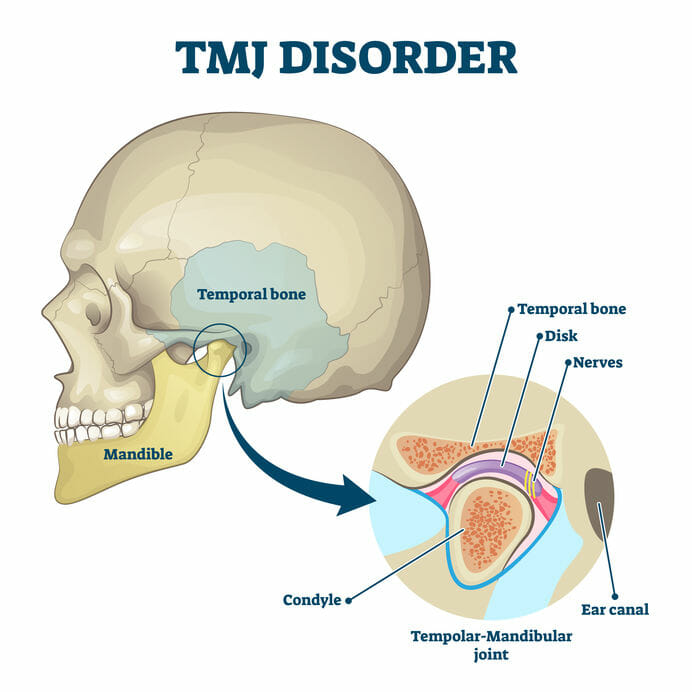
TMJ jaw disorder, TMJ jaw problems

A great deal of research has been conducted over the past fifty years in an attempt to determine what TMJ problems truly are, why they arise, who is most susceptible – and of course, how they can be treated.

What we’ve learned through this research is the temporomandibular joint and its associated muscles, tendons, and ligaments are part of an orthopedic system – just like knees, shoulders, or elbows. As a result, the TM joints and associated muscles, tendons, and ligaments are subject to structural changes and injury. If symptoms develop and persist, the nerves serving your muscles, tendons and joints, can become sensitized – and lead to increased levels of suffering and treatment challenges.

While accidental trauma, underlying medical problems, and postural strain often cause TMJ jaw problems, the most common cause is stress and how it directly impacts your jaw and orofacial region.

The True Definition of Stress

stress and jaw problems

Stress is your body’s reaction to harmful situations. When you’re stressed, your fight-or-flight system – your sympathetic nervous system – becomes activated. Your heart rate increases. Your muscles tighten-up. And, your blood pressure rises. These changes occur as a result of hormones such as cortisol and adrenaline being released into your bloodstream.

Prolonged activation of this fight-or-flight system, therefore, can cause physical wear-an- tear on the body, including the jaw muscles and temporomandibular joints. It also can cause changes in your brain which diminishes the effectiveness of the body’s natural pain modulation/dampening systems.

From a purely physical perspective, stress can cause your jaw muscles to tighten, which reduces blood flow and the delivery of oxygen. Over time, this lack of blood flow can result in jaw muscle soreness, spasm, pain, and fatigue. What often follows is reduced jaw motion and a changed bite.

Then, as your jaw muscles continue to malfunction, your jaw joints themselves can become unstable. You might hear and feel your jaw clicking and popping. Some people even experience ‘lockjaw.’

To make matters worse, your upper neck muscles might tense-up and cause stiffness and pain in your jaw muscles. It may even result in headaches focused in your temples.

Being in a constant fight-or-flight state can also lead to an increase in daytime behaviors you may already have – due to the normal stresses in your life. Daytime behaviors include teeth clenching, jaw muscle bracing, nail and/or cuticle biting, pen chewing, lip and cheek biting, and frequent gum chewing, etc.…

Not surprisingly, your overworked jaw muscles and jaw joints can begin to ache.

Accompanying these stress-driven behaviors, this fight-or-flight state can cause you to breathe faster and more shallowly. As a result, your body’s natural rest-and-digest response, which is designed to calm and deactivate the fight-or-flight system – may falter. This allows the stress/pain cycle to continue.

Stress, Sleep & TMJ Jaw Problems

Being in a constant fight-or-flight state can also negatively affect your sleep. Both sleep quality and sleep quantity have been shown to be adversely impacted by stress. Insomnia – the inability to get to sleep or stay asleep – often accompanies situational stressors such as the Covid Pandemic.

Endorphins, as you now know, are the body’s natural pain relievers. Disturbed sleep patterns cause a reduction in your body’s production of endorphins. Over time, this can cause you to feel muscle pain more intensely. This is common in the face and jaw.

Disrupted and poor quality sleep is also thought to increase sleep bruxism – teeth grinding and clenching at night – which is a common cause of jaw muscle and joint injury.

Working From Home & TMJ Jaw Problems

Millions of Americans have been working from home due to the pandemic. We’re spending hours upon hours at less-than-ideal workstations (such as the kitchen table). Working at your computer hour after hour can lead to poor posture and eye strain. Especially when you don’t take consistent or adequate breaks to mentally disengage and stretch.

The outcome is tension in your jaw and neck muscles. And, ultimately, the potential for TMJ jaw problems to arise.

So What Can You Do About It?

2020 has been a year of stress not only related to the pandemic but also due to the political climate in this nation. So, what can you do to prevent jaw symptoms from developing?

Here are 6 tips that I give to my patients that can help you avoid TMJ jaw problems:

1. Take Note If You’re Overworking Your Jaw During The Day
nail biting cause tmj jaw problems

Are you biting your nails? Chewing on your cheeks or lips? Are you bracing your jaw muscles? Clenching your teeth? If you are, it may be surprising to learn that those stressed-induced behaviors can actually be changed. b It’s simply a combination of being aware and put a focus on your breathing.

Techniques such as one-nostril breathing, belly breathing, or the Buteyko Method can help you to disengage from the behavior. They help your body to be more relaxed. Many of my patients use an app called The Mindfulness Bell to get their attention at specific time intervals so they can stop what they’re doing and breathe.

2. Correct Your Computer Posture
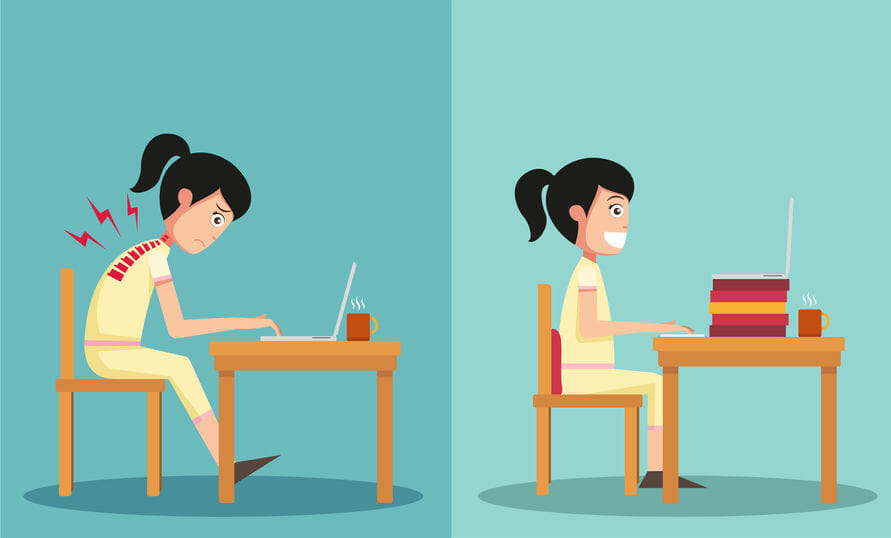
correct computer posture

Poor posture is a common culprit for TMJ jaw problems and other stress-induced disorders. There is a proper way to sit at your workstation. Here are some tips:

    • Move your monitor to eye level so you aren’t tilting your head up or down to see it.
    • Make sure your feet are flat on the floor. Don’t cross your legs or ankles.
    • Keep your shoulders relaxed, down and back.
    • Use a lumbar support tool to keep you from slouching (Amazon has many choices)

3. Force Yourself To Take Breaks

take breaks to avoid TMJ jaw problems

Taking breaks is crucial to keep your mind sharp and your body relaxed. Consider installing an app that gently forces you to stop and take a break from your screen at specific intervals. And, don’t worry – you can override the break if you’re on a Zoom call! Check out: 5 Free Apps for Reminders to Take a Break From Screens

4. Take Full Breaths

breathing app

When we’re stressed we tend to breathe very fast and shallow. Instead, try some deep breathing exercises. A helpful app such as The Breathing App or Breath Ball can be helpful.

5. Try To Get Some Exercise

online yoga to avoid tmj jaw problems

Your gym may be closed (or it’s open but you don’t want to risk going there) try not to eliminate exercise from your life. If you live in a warm climate, incorporate walking or running into your day. You don’t have to spend hours at it. Even a 20-minute walk will help regulate your system.

If you’re stuck indoors like so many of us this winter, perhaps try some online yoga. Do some simple calisthenics. Or take a class – there are tons of free ones online – from Pilates to hip-hop dancing. Any physical activity that gets you out of your head will trigger your body to produce more endorphins. And endorphins are what you need right now.

6. Talk To Someone
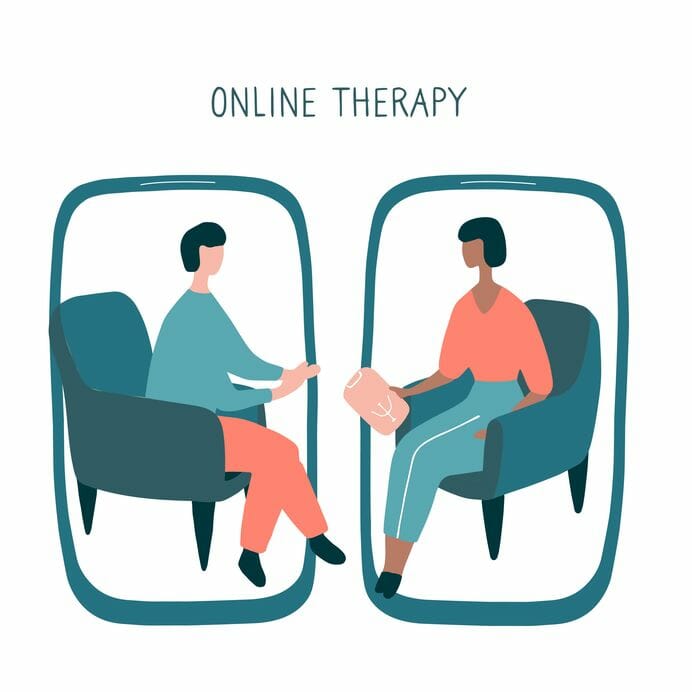
online therapy

If the stress of the pandemic is taking its toll on every aspect of your life, it may be time to consult with a therapist. For a referral to a therapist who works with clients virtually, there’s a good list here: www.psychologytoday.com/us/therapists

Conclusion

The coronavirus vaccine is slowly being rolled out. There is a light at the end of the tunnel. In the meantime, it’s critical that you do at least one thing that will reduce the impact of stress on your body. If you’re suffering from TMD symptoms like the ones mentioned above – speak to your dentist or you can go to the American Academy of Orofacial Pain website where you can find an orofacial pain specialist, like me, in your area.

We will get through this!

Best of luck

* According to the American Academy of Orofacial Pain, TMD is defined as a group of disorders involving the masticatory muscles, the temporomandibular joint (TMJ) and associated structures. The symptoms most often reported by patients include pain in the face, TMJ, masticatory muscles and pain in the head and ear. Other symptoms reported by patients are ear manifestations such as tinnitus, ear fullness and vertigo.

Live or work in New York City or on Long Island? You can schedule a consultation with me here or call 212-265-0110.

Categories
TMJ

How is TMJ Treated?

Looking into your TMJ treatment options? Choosing a TMJ specialist helps ensure those who are diagnosed with this jaw-related disorder received the right type of treatment. Ready to learn more?

About TMJ

Understanding what TMJ is, as well as how it is treated, is necessary for those who have been diagnosed with this disorder. TMJ is a condition that causes one’s lower jaw joints to not work properly, which causes patients to experience certain jaw-related problems. These problems tend to get in the way of normal function, as the jaw joints allow one to properly chew, swallow, talk and yawn. Common symptoms of TMJ include facial pain, jaw stiffness, a clicking or popping sound and a shift in the alignment of the upper and lower teeth.

TMJ treatment options

According to Hopkins Medicine, a health care provider will determine the ideal treatment based on the patient’s age, overall health, medical history, how well they handle specific medicines, procedures or therapies and how long the condition is expected to last.

Dental night guards

A dental night guard is one of the more popular treatment options for those diagnosed with this potentially painful jaw-related disorder. Many people who are diagnosed with TMJ will also grind their teeth, which can lead to additional problems. Night guards are worn while sleeping to prevent the wearer from grinding their teeth, as, at night, they have no control over their grinding action. Night guards also help keep the jaw in its ideal position by supporting a more natural bite position and retrain one’s jaw muscles to work properly.

Relaxation techniques

Learning some relaxation techniques is beneficial for those who believe they were diagnosed with TMJ because they experience a lot of stress during their everyday lives. Performing certain relaxation exercises helps to reduce one’s stress, which helps reduce any tension in the jaw muscles. It is necessary for those who perform TMJ relaxation techniques to start out slowly and build up to performing more exercises as they gradually begin to feel improvements in their jaw.

Hot and cold therapy

Hot and cold therapy techniques are a common treatment for those who are suffering from TMJ-related pain. Cold therapy helps to reduce any pain one experiences; it requires them to apply a cold pack on their painful area for about 10 minutes at a time. Applying a hot pack for 20 minutes at a time helps promote healing by increasing one’s blood flow to the painful area. Even though this treatment option will help relieve one’s discomfort and pain, it is not considered a permanent treatment option for those diagnosed with TMJ.

Bottom line

When someone is diagnosed with TMJ, they can undergo treatment to lessen and even eliminate their symptoms. TMJ can really get in the way of one’s ability to perform everyday actions, like eating and talking, which often makes treatment necessary. Since there are many different types of TMJ treatment options available, those diagnosed need to make a consultation appointment in order to learn which option is ideal for them.