TMJ and TMD are often used interchangeably to describe temporomandibular joint (TMJ) disorder and the TMD dentists who treat it. This condition can affect a person’s range of motion with their mouth and lead to concerning symptoms such as migraines, locked jaw, and grinding teeth.
TMJ and TMD explained by a TMD dentist
A TMD dentist treats TMJ disorder. There are several treatment options they may recommend based on the severity of the condition and the treatment preference of the patient. It is helpful to understand more about the condition and how it can be treated and managed long-term to allow for optimal function and avoid uncomfortable symptoms.
What is TMJ disorder?
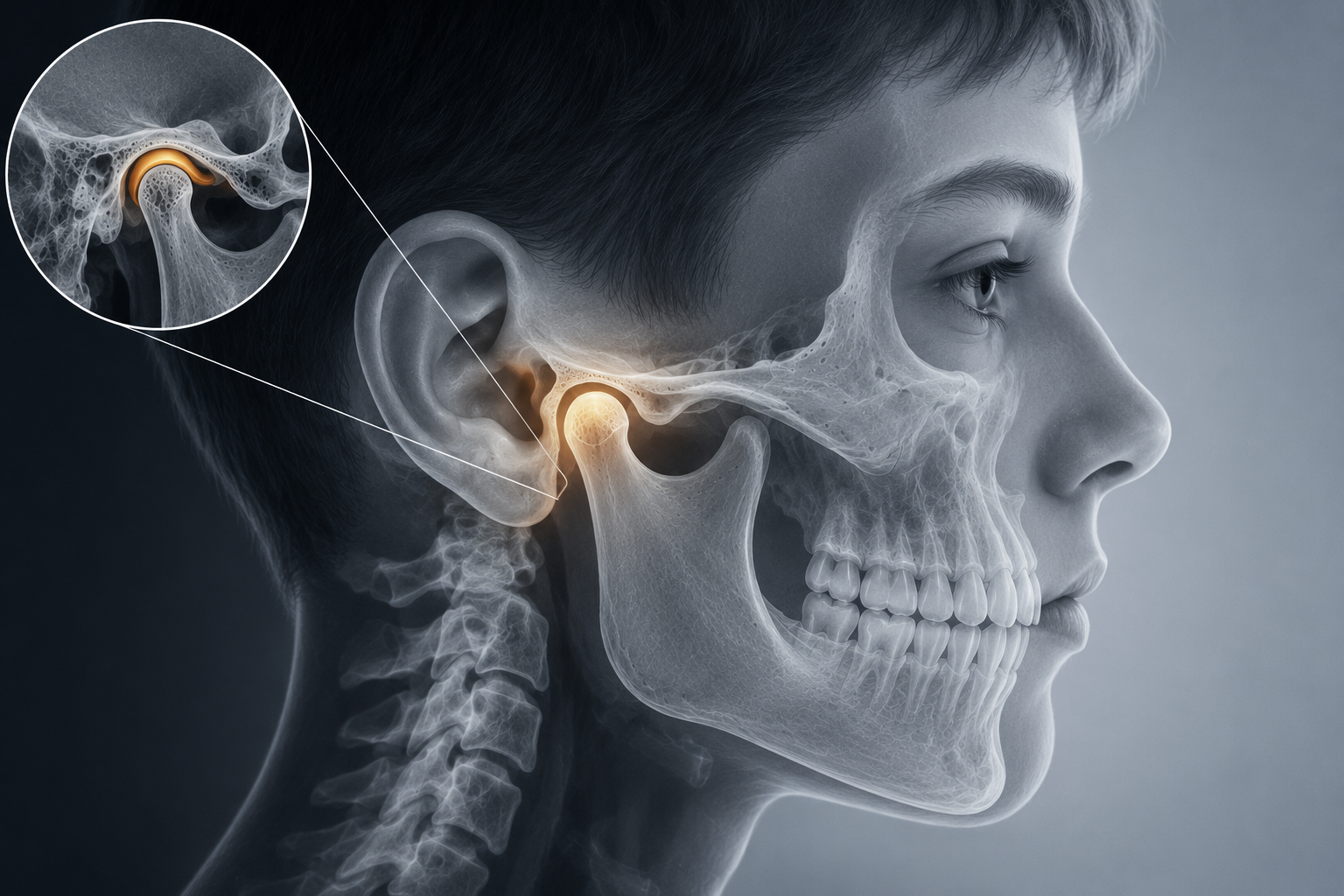
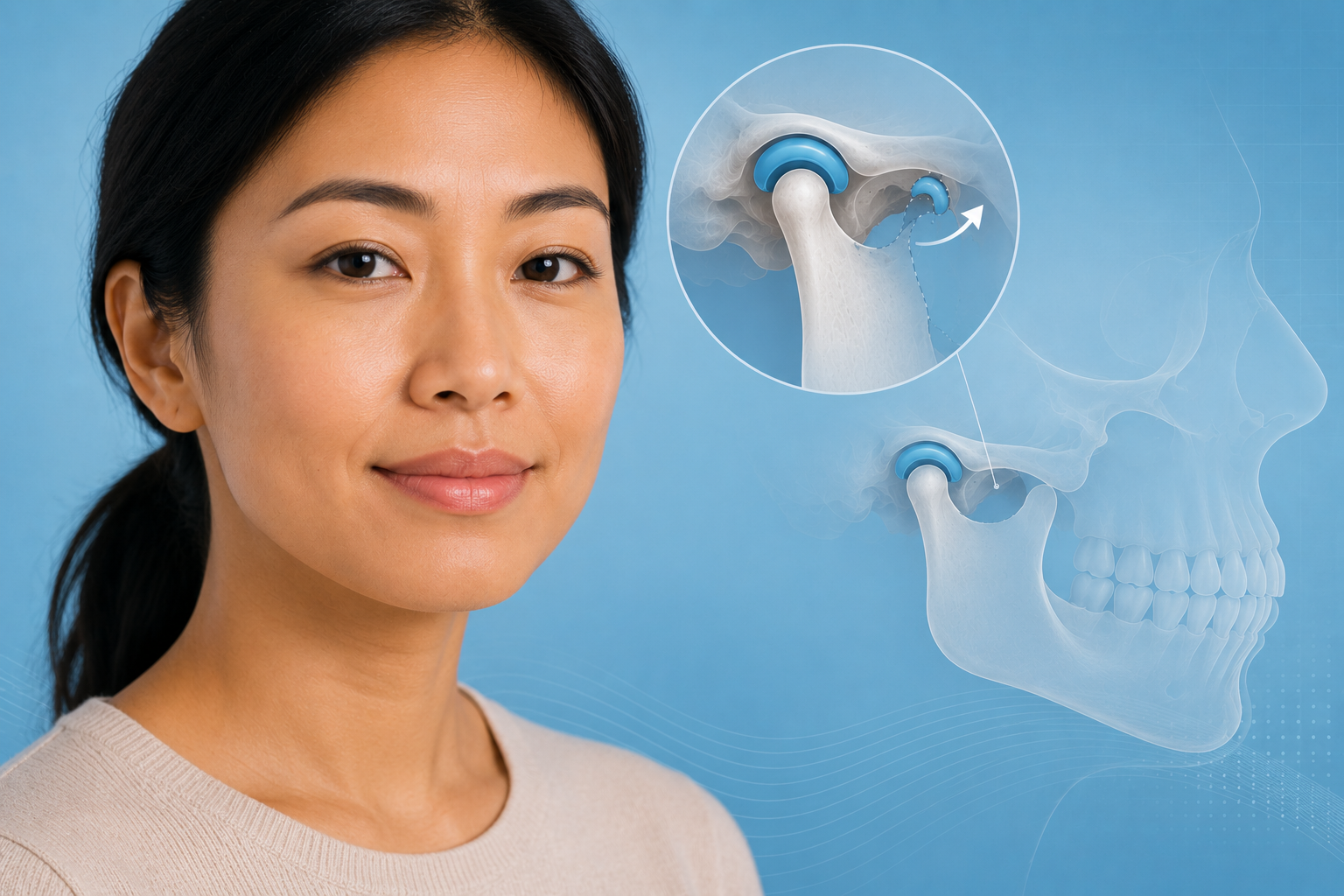
The temporomandibular joint (TMJ) is a joint that works like a sliding hinge and is responsible for opening and closing the jaw. This joint connects the jawbone and the skull together. TMJ disorder occurs when the joint does not work properly. This can make common daily functions such as eating or talking more challenging and lead to chronic discomfort (see symptoms below).
What are the symptoms of TMJ disorder?
The symptoms of TMJ disorder vary, but some are more prevalent. The most notable early symptoms are a stiff jaw, jaw soreness, mild ear pain, a minor toothache, and mild headaches. If the condition is left untreated for an extended amount of time, symptoms can begin to become more severe and lead to an inability to move the jaw (locked jaw), severe chronic jaw pain and tenderness, and migraines. Many individuals with TMJ disorder also struggle with bruxism, which has a separate set of concerning symptoms.
How can a TMD dentist treat TMJ disorder?
A TMD dentist may offer a range of treatment options and personalizes every treatment plan according to the underlying reason for TMJ disorder. Treatments may involve wearing a mouthguard, making lifestyle changes, medications, and therapies. While non-invasive techniques are typically the first thing that is tried, surgical procedures such as corrective jaw surgery may be an option if no relief is found through non-surgical treatments.
How can I prevent TMJ disorder long term?
A TMD dentist can put together a long-term prevention plan after the initial symptoms are dealt with. Prevention often focuses on avoiding jaw irritation that could lead to symptoms of TMJ. For example, a patient might be provided a nightguard to wear to prevent the upper and lower jaw from clenching together while asleep. Lifestyle and dietary changes may also help prevent the symptoms of TMJ disorder. Practicing good oral hygiene and having regular dental check-ups are also encouraged.
Are you experiencing symptoms of TMJ disorder?
If you are experiencing any symptoms that indicate there is an issue with your temporomandibular joint or another area of your jaw, then we encourage you to call our TMD dentist today. A member of our team can answer your questions and schedule a prompt and convenient time for you to visit with us to discuss treatment options.