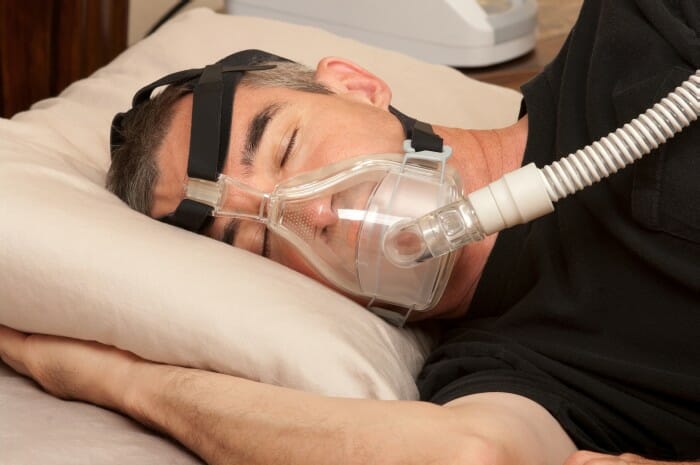
With sleep medicine treatment, there is no universal solution. Like many other medical conditions, the right treatment plan for a person will depend on the diagnosed sleep disorder and certain factors specific to the patient. To overcome the challenges of sleep disorder, patients must be diagnosed and treated by a board-certified dental sleep medicine specialist.
Common treatments
The following are treatments often recommended for different forms of sleep disorder:
Medication
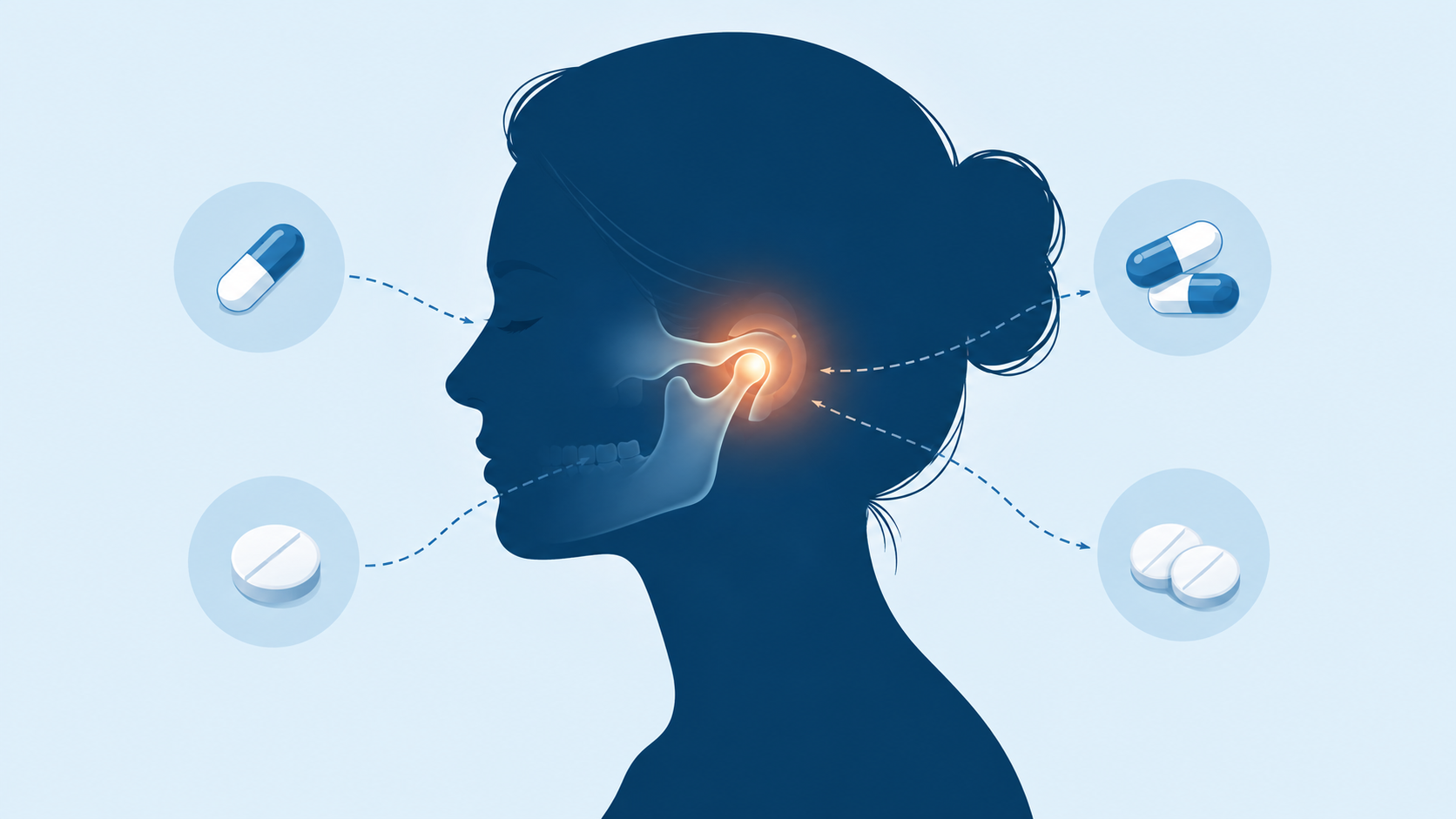
According to the National Sleep Foundation (NSF), medication is the most popular treatment for every major sleep disorder, except sleep apnea. Although the specific drugs for treating the disorders are different, it is common for meds to be used along with other methods of treatment. The following are major sleep disorders where drugs are the primary treatment option:
Insomnia: Hypnotics are the type of medication used for treating this sleep condition. They help induce sleep and keep people asleep.
Narcolepsy: Dental specialists prescribe stimulant medications to lower the effects of daytime drowsiness, while antidepressants are used to treat other narcolepsy symptoms, such as sleep paralysis and hypnogogic hallucinations. Patients dealing with narcolepsy may also get prescription meds to induce sleep and boost their sleep quality.
Periodic Limb Movement: Drugs are highly effective for treating this condition but are typically only recommended when another disorder is present.
REM Behavior Disorder: The dentist may recommend Clonazepam for managing this disorder. When it is not effective, other drugs may be prescribed to control behavior.
Restless Leg Syndrome (RLS): Some drugs are specifically made to treat RLS. They can also be combined with other medications that have been proven to reduce RLS symptoms.
Sleepwalking: Medications such as sedatives and antidepressants can help treat sleepwalking.
Cognitive-behavioral therapy
Many sleep disorders are closely associated with a behavioral pattern. Therefore, dental sleep specialists often recommend behavioral therapy as a form of treatment to help such patients manage their sleep problems. Therapy is often used for treating narcolepsy and insomnia but may prove beneficial for people dealing with other types of sleep disorders. It can help them develop coping mechanisms to handle the emotional and social consequences of battling a sleep disorder.
Sleep routines and sleep hygiene
Virtually anyone who has a diagnosis of a sleeping disorder can enjoy the benefits of adopting good sleep hygiene and forming routines that can help them get the sleep they need. Certain sleep disorders like insomnia can lead to anxiety about sleep. This can be controlled by developing a good routine.
Good sleep hygiene can also improve the symptoms experienced by sleepwalkers. Having a supportive sleep routine such as scheduled naps can be helpful for sleep disorders like narcolepsy.
Relaxation, exercise and meditation
Relaxation techniques are another form of treatment under sleep medicine that has proven effective for minimizing the symptoms of sleep disorders such as insomnia and RLS. Patients can also experience relief by practicing yoga, meditating and engaging in guided imagery exercises. Exercise, when done early in the day, is effective for improving sleep quality in people with sleep disorders. It can also reduce stress and improve sleep in insomniacs.
Final note
The sleep medicine treatments listed above are effective for treating many sleep disorders. To get help, reach out to a dental sleep medicine specialist for an appointment.