Manhattan

212-265-0110

White Plains

914-227-2305

Springfield, NJ

973-315-7830

Hauppauge

631-265-3136
Categories
Sleep Apnea

A Sleep Medicine Dentist Explains How Weight Loss Can Help With Sleep Apnea

Sleep apnea is a common sleep disorder among overweight or obese people. A person with this condition often wakes up with a terrible headache and daytime tiredness. This results from pauses in breathing while sleeping and inadequate sleep. If you want to know how losing weight can help with your sleep apnea, here are explanations from a sleep medicine dentist.

What sleep apnea is

This is a condition in which the person stops breathing while asleep. This pause can last for seconds or minutes. It can affect a person’s health in a negative way. Inadequate sleep results from waking up gasping for air. This can happen several times during the night.

The person then suffers from daytime sleepiness and exhaustion. Morning headaches are also common in people with this condition because of the lack of brain oxygenation. It can also result from frequent sleep interruptions. These terrible head pains are not part of a healthy lifestyle.

Its connection to excess weight

Research shows that there is a connection between this sleep disorder and obesity. People with excess weight tend to suffer from this condition more. A thorough physical examination can determine if the overweight person is at risk or already has sleep apnea. Measurement of the neck circumference is one way to check. A neck circumference of at least 16 inches in women and 17 inches in men will increase the risk for this condition.

Its connection to weight loss

Studies show that it is possible to correct sleep apnea with weight loss in some patients. A person’s anatomy often affects this part of the treatment. Someone with prominent tonsils, a receded chin, or a deviated septum will still cause this condition to persist despite weight loss. Even so, losing weight will give anyone many health benefits. This may include the improvement of some sleep apnea symptoms.

Research proves that this sleep disorder can slow down a person’s metabolism. Inadequate sleep and improper oxygenation affect the balance of hormones in the body. This then results in a slow metabolic rate. Controlling sleep apnea can help ensure weight loss. A sleep medicine dentist can help make this happen.

How losing weight can help correct sleep apnea

A healthy weight can help improve the symptoms of this sleep disorder. Excess weight tends to form fatty layers in the tongue and neck. This obstructs the person’s breathing, especially while sleeping. Weight loss cuts down the fatty deposits in these areas. This improves the person’s breathing by increasing airway traction and lung volume. These events prevent airway collapse during sleep.

Losing a significant amount of weight can reduce irritability and daytime sleepiness. It can lower insulin resistance and blood pressure. Diet and lifestyle changes through clean living can help the person lose weight and treat sleep apnea. Some people need additional help through medication or even surgery. A dialogue between the patient and the sleep medicine dentist is ideal. It can help determine which weight loss remedy can help the patient most.

Weight loss can help improve your sleep apnea symptoms

Excess weight can cause obstructions in your upper air passages. It is a common cause of breathing pauses while you sleep. This results in many health disorders. Losing weight can help correct sleep apnea symptoms. An appointment with your sleep medicine dentist can answer more of your questions about this particular disorder.

If you or someone you know is experiencing persistent or acute pain in the face or jaw, we invite you to set up a consultation with one of our Orofacial Pain specialists in the NYC metropolitan area. Our office locations and contact information are below.

Categories
Bruxism Jaw Problems Orofacial Pain

3 Tips To Reduce Jaw Problems From Aligners

Over the last 10-15 years, the use of clear aligners has found a place, favored by many patients, amidst other traditional orthodontic techniques. When directed by an orthodontist or a trained dentist, tooth movement accomplished by the use of aligners can lead to better dental hygiene and periodontal health, create more stable bite relationships, and boost self-confidence as a result of improved smile esthetics. All of these are positive outcomes.

As a TMJ specialist, however, I see many patients who are in the midst of aligner therapy to straighten their teeth experiencing a variety of jaw symptoms. Some are receiving their care from a trained orthodontist or dentist, and some have opted for self-directed care using mail-order aligners. Either way, their complaints are typically the same: after wearing their aligners for several weeks or months, they have difficulty opening their mouths, their jaw joints are clicking and popping, and most often, they have jaw pain. If this sounds like you, I’d like to offer you some tips on how to reduce jaw problems from aligners.

But first, it’s essential to understand that aligner therapy is a form of orthodontic treatment, the same as old-fashioned metal braces. In fact, anything designed to move teeth is a form of orthodontic treatment. Over the past few years, I’ve identified some reasons why some people experience jaw problems from aligners, whether they’re under professional care or are wearing mail-order aligners. It all has to do with the posture and position of your jaw while your aligners are in place…

Jaw Problems – During The Day

When you wear your aligners during the majority of the daytime hours, there’s a pretty good chance that the aligners are in contact with each other. This may seem ok, but in reality, once the aligners are in contact the jaw is no longer at rest. In fact, the normal rest position of your jaw is hanging in a loose way with the lips relaxed and teeth apart. So, when your aligners are in contact, your jaw is not at rest but is in a braced and tense muscle posture.

As a result of the top and bottom aligners being in contact for hours on end, your jaw muscles can fatigue and the jaw joints are put in a braced position. As a result of being overworked, injury can occur, in a fashion common to all joints in your body. Injury leads to symptoms of soreness and pain in the muscles and the onset of joint clicking and popping. At times jaw motion can become restricted as a result of the joint and muscle injuries. This is often called lockjaw.

Unfortunately, there are times when a new aligner tray doesn’t seat fully on the teeth when first used. At these times, patients are often provided what are called ‘chewies’ and instructed to bite on them to help engage the trays fully onto the teeth, so that the planned tooth movement can occur. Though this may be an important step, it can’t possibly be good for the jaw joints and muscles!!

Jaw Problems – While You’re Asleep

Since aligners are always used during the sleeping hours, some patients notice that they are clenching their teeth (often for the first time in their lives). Others who recognized that they were always night clenchers without morning symptoms prior to the aligners being used, now experience jaw soreness and pain as the result of the aligners and wonder why. One reason may be that the top of the aligners are not commonly adjusted to make sure that when they do come together, the right and left sides hit evenly. For some patients, this imbalance is all that is needed to start an injury process. This imbalance can be overlooked even if you’re under the professional supervision of an orthodontist or dentist. So, if you’ve opted for mail-order aligners, this concern will definitely be overlooked. The bottom line, however, is that contact of the trays in any way for a sustained period of time increases the risk for jaw muscle and joint injuries to occur.

So, if you’re in the midst of treatment or are considering it, here are some tips I’ve put together that can reduce the risk of a jaw problem developing

3 Tips To Help Reduce Jaw Problems From Aligners

During the day, try to keep your upper and lower aligners separated. Your lower jaw should hang like a hammock in the breeze. If you find this difficult, try some breathing exercises to help you relax. My patients get great results from Buteyko breathing and techniques like those found online on Headspace, Calm, and Buddhify (links below).

If you’re under the care of an orthodontist or dentist and suspect that you have been clenching while you’re asleep, make an appointment to have your aligners adjusted. If you are indeed clenching, at least you’ll be clenching evenly on the right and the left sides. For those of you who’ve chosen self-directed mail-order aligner therapy, this is one of the risks.

If you suspect jaw problems from aligners are developing as a result of what is happening during your sleeping hours, speak to whoever is guiding your care and consider giving your jaw a rest, and don’t wear them for a week or so.  Or, wear only one aligner at a time at night for a short period of time as long as contact against the teeth on the other arch is even.

Conclusion

Clear aligners are here to stay and clearly, patients will benefit on many levels from pursuing this innovative form of tooth movement. However,  if you’re having jaw problems since starting with aligners, and are under the care of an orthodontist or dentist, make an appointment right to address your concerns, If you’ve opted to “fly on your own” with mail-order aligners and have noticed jaw pain, that your jaw is clicking or popping, or if you’re having trouble opening your mouth all the way, I strongly advise you to discontinue treatment and seek professional advice.

Helpful Links:

Categories
Sleep Apnea

Benefits of Oral Appliance Sleep Medicine Treatment to Address Sleep Apnea

People with sleep apnea understand how this condition can disrupt lives and affect health. If you are suffering from the signs and symptoms of this illness, you should get help right away. A sleep medicine dentist can help. The dentist may prescribe an oral appliance, which can effectively open your airway and help you to breathe well once again. This treatment might make more sense for you than other interventions.

Understanding sleep apnea: the effects and the signs

When this illness is present, the person suffering from it will stop and start breathing throughout the night during sleep. This can occur because the brain fails to send signals to the respiratory system to breathe properly. Or, it can happen when there is an obstruction in the airway, preventing enough oxygen from getting into the body. If this disease is not addressed, it can cause cardiovascular problems and can even be fatal.

Oral appliance options

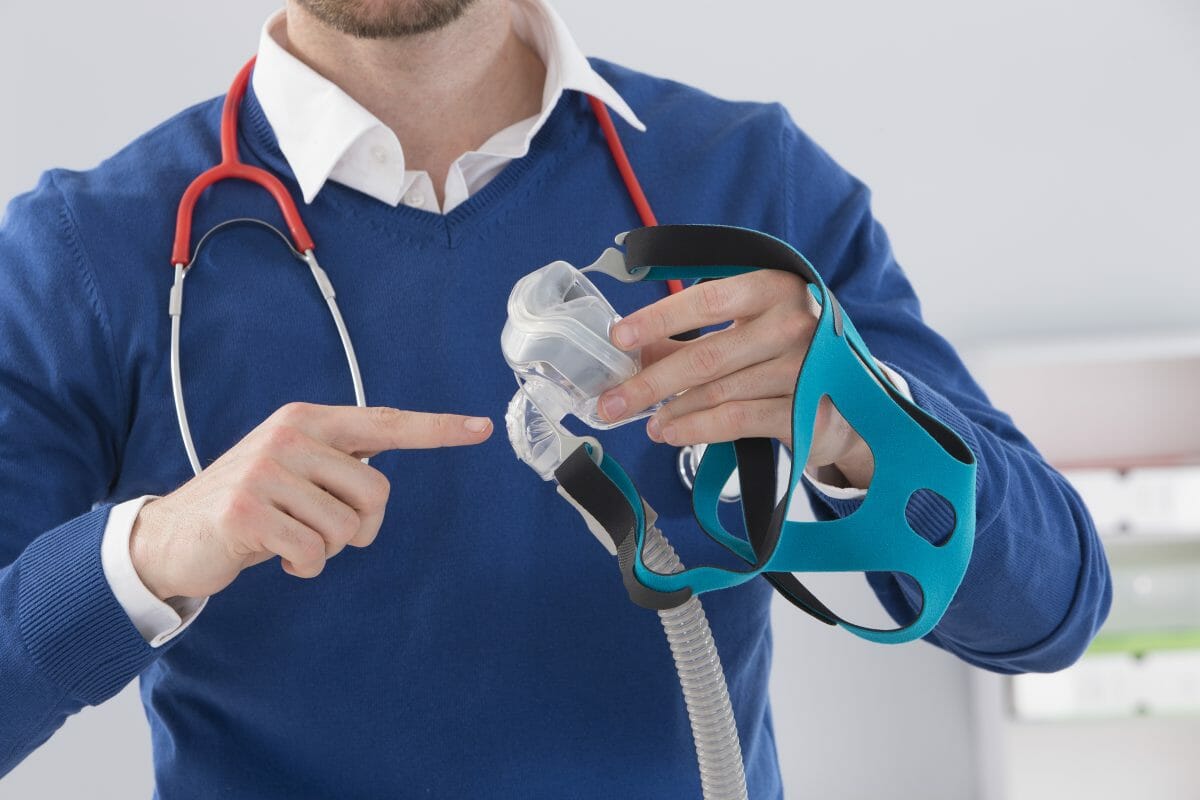
Many people think that wearing a CPAP machine or getting surgery are the only ways to combat sleep apnea. There are other choices, and a sleep medicine dentist can help patients choose what makes the most sense. The two most common are tongue depressors and mouthguards. A tongue depressor holds the tongue in place, keeping it from rolling to the back of the mouth and blocking the airway. A mouthguard will custom-fit the wearer and push the jaw down and forward. This opens the airway more and helps to prevent the sudden stopping of breathing at night.

Less equipment to worry about

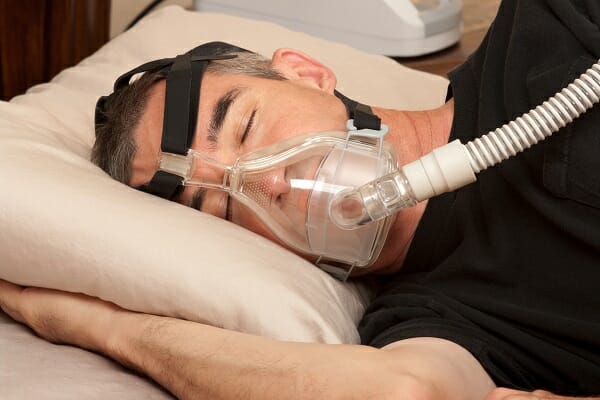
While CPAP machines can work well to promote effective breathing, they are not always the right option. Some people struggle with them because of the amount of equipment they come with. With oral appliances to treat sleep apnea, patients do not have to deal with extra parts. These include hoses, cords, face masks, and other apparatuses the devices have. This can be especially beneficial when traveling or when going camping.

Adjustments when necessary

The dentist will not have difficulties adjusting the mouthguard or tongue depressor. There may be times when the appliances stop fitting well or are no longer working properly. All the patient has to do is make an appointment with the dentist and come in for another fitting. It may only take a few minor tweaks to the appliance to help it fit well once more. It is also not as difficult to replace a depressor or mouthguard if they break.

Cost-effective

In most cases, an oral appliance will not be as much of a financial commitment as a CPAP machine. This is also the case when comparing a mouthguard or a tongue depressor to having surgery. If finances are a concern, the patient should speak with the dentist about using mouth appliances to treat sleep apnea. Most insurance plans should cover using this treatment.

An effective difference

If you have concerns about using a CPAP machine or undergoing surgery, there are alternatives. Talk to your sleep medicine dentist about whether you are a good candidate for oral appliances. Wearing these at night could help you breathe well while you sleep. There are clear benefits to using this approach to fight sleep apnea.

Categories
TMJ

Options for TMJ Disorder Treatment

You may not think much about TMJ disorder unless a dentist diagnoses you with it. This is a serious condition that can cause much pain and discomfort. Untreated, this disorder can make it difficult to chew and even speak. Instead of suffering and being in agony, you can speak to your dentist. Fortunately, relief is available with a few different treatments. Your dentist can look at various options.

A look at TMJ

On both sides of the jaws is a joint called the temporomandibular joint. This sliding hinge-like joint connects the jawbone to the skull. It is critical for any activities that require opening and closing the mouth. Most of the time, people do not even think about using this joint. However, injury, wear and tear, or bad habits can put a strain on the joint, irritating it.

Disorder of this joint can bring excruciating pain to the individual. The feelings can radiate up to the ears and throughout the face. The jaw may even be tender to the touch. This disorder can limit a person’s range of motion in the jaw. It may even cause headaches and interfere with a person’s quality of life.

Diagnosing the disorder

A person can look for the signs and symptoms of TMJ, but a dentist will diagnose it. The dentist will examine the patient and confirm that there are concerns with the joint. First, there will be a series of X-rays to see if there are visible signs of injuries. The dentist will look at the jaw and check the range of motion. It may even help to listen as the patient opens and closes the mouth, as the jaw could make popping or clicking sounds. The dentist will also press on both sides of the jaw and ask the patient how uncomfortable it is.

Medication

Controlling the effects of TMJ is a good first step that the dentist will take. The dentist can prescribe a variety of medications, including pain relievers and anti-inflammatories. Taking muscle relaxants can also help the person feel more comfortable and have an improved range of motion in the jaw. Some dentists may even give the patient an antidepressant, which is sometimes shown to relieve pain and help stop teeth grinding.

Physical therapy

Another approach is to walk the patient through mobility exercises to strengthen the jaw. The dentist can help the patient stretch the jaw muscles and improve flexibility with the joint. The patient should always follow the dentist’s instructions when it comes to these exercises. The dentist may also advise the patient to apply heat and cold packs to the jaw to reduce pain and any swelling.

Surgical options

In more advanced TMJ cases, surgery may be necessary and effective. One approach is a process called arthrocentesis. The dentist will drain the joint of fluid and other materials using small needles. Arthroscopy is another option and is less invasive than open-jaw surgery. However, open-jaw surgery may be the right treatment when other measures have not been successful.

You can find relief

Living with TMJ can be difficult. You should not have to suffer the effects of this disorder. Your dentist can properly diagnose you and provide the right treatment. If you have jaw pain, make a dental appointment today and get the help you need.

Categories
Snoring

When a Snoring Treatment May be Necessary

Snoring can be an embarrassing problem that affects both you and your partner’s sleep quality at night; still, the good news is there are many simple snoring treatment without resorting to surgery or other drastic measures. Using a treatment device, such as a mouth guard or nasal strips, is a great way to block off your airways so they can’t vibrate during sleep. Learn more about this treatment and why it’s necessary for this article on three reasons to use a snoring device.

It’s a health issue

Many people don’t consider snoring to be a serious health problem, but it can be. Aside from disrupting sleep for everyone in your household, it may also increase your risk of heart disease and strokes. That’s why even if you’re not bothered by snoring yourself, you should still urge others to seek out treatment; snorers put their health at risk. Remind them that effective treatments exist that can cure or drastically reduce their symptoms—and improve everyone’s quality of life in the process. Being consistent about delivering these reminders will help ensure your loved one gets help while there’s still time to fix things.

The importance of treating snoring doesn’t stop there. It can be a warning sign of more serious health problems, such as sleep apnea. This sleep disorder is defined by brief interruptions in breathing during sleep and can be very dangerous. If your loved one’s snoring increases throughout the night or stops abruptly, they should see their doctor as soon as possible to ensure that they don’t have sleep apnea and take appropriate action. Even if your loved one already has an effective treatment plan for their snoring, remind them to follow it regularly and bring any concerns about their symptoms to their doctor’s attention right away.

It saves your relationship

If you snore, there’s a pretty good chance that your significant other or roommate isn’t getting enough sleep at night, which can lead to all sorts of relationship issues. If you’re suffering from chronic sinusitis and need help with treatment for snoring, seek help from an otolaryngologist. While doctors and remedies may vary by region and state, there are plenty of solutions out there to relieve snoring so you can both get a better night’s sleep. Whether at home or in an office setting, we can do everything we can to give you relief from snoring without any complications.

How your dentist can help

If you are searching for a snoring treatment to bring peace and quiet back into your bedroom, don’t forget to ask your dentist for help. Dentists provide oral appliances that can position the mouth so that snoring is reduced or stopped altogether. If you’ve tried other solutions, reach out to your dentist to see if they can help with stopping your snoring once and for all.

Categories
Orofacial Pain Trigeminal Neuralgia

What Is Trigeminal Neuralgia?

This content was originally published on 2/9/2022 and reviewed on 6/19/2026

What is trigeminal neuralgia?

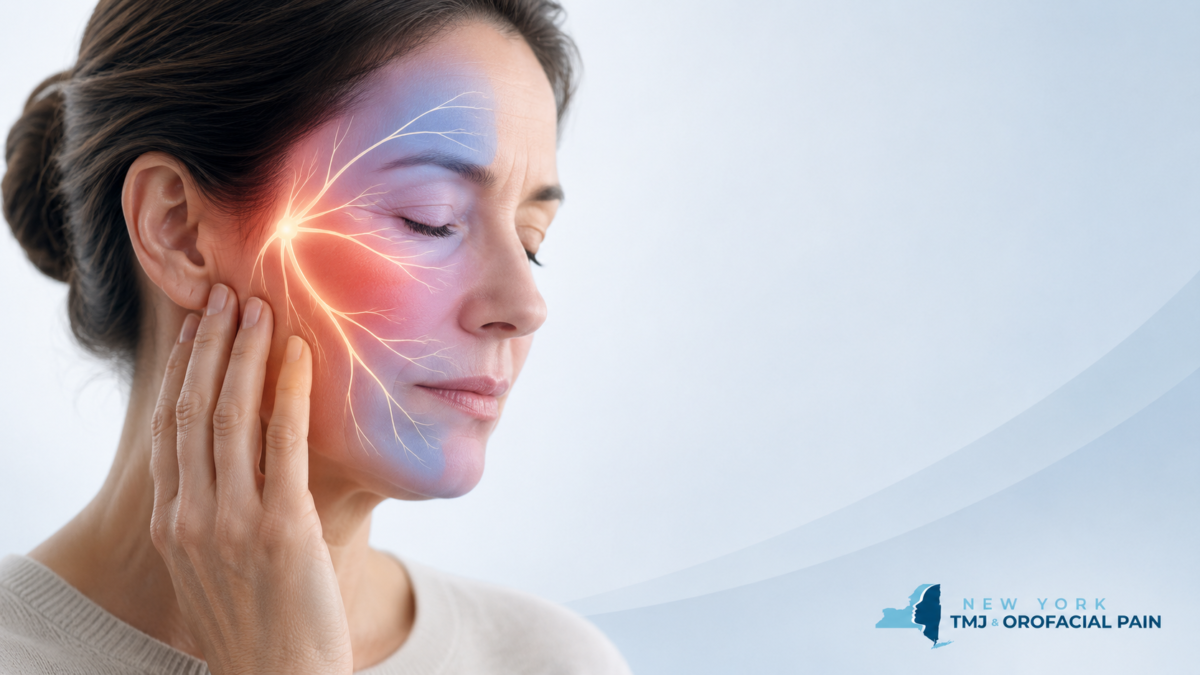
Trigeminal neuralgia (TN) is a chronic nerve disorder that causes sudden, severe episodes of facial pain, typically on one side of the face. The pain is caused by irritation or compression of the trigeminal nerve and is often described as an electric shock or burning sensation. There is no cure, but medication, nerve blocks, and in some cases surgery can effectively manage symptoms.

Thousands of nerves and various neurological pathways run through our brain, and abnormalities or damage to those nerves can lead to chronic diseases. Trigeminal neuralgia is a painful disease that affects the trigeminal nerve, which runs through the face and upper jaw. Since its obvious spasms can be caused by touching the face, some patients mistake the symptoms for a dental issue when they first detect them while brushing their teeth. On the other hand, this disease is classified as a neurological problem rather than an oral health problem. Although there is no cure, there are ways to manage discomfort.

What Does Trigeminal Neuralgia Pain Feel Like?

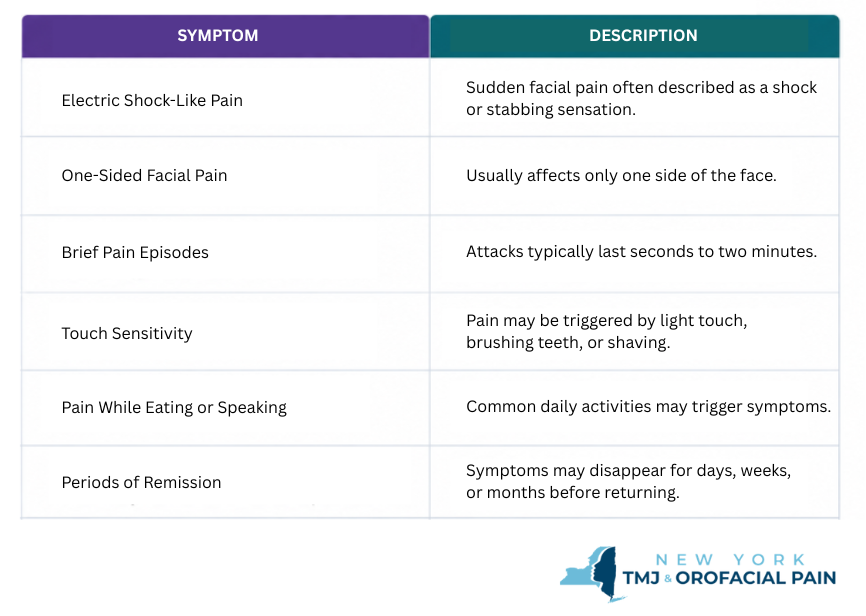
Trigeminal nerve neuralgia causes sporadic to regular bouts of shooting facial pain that feels like a burn or an electrical shock. An episode can last anywhere from a few seconds to two minutes, and a person might be affected for an hour or more at a time.

A table showing symptoms of trigeminal neuralgia

Daily living might be tough for someone who suffers from facial neuralgia. Eating and speaking can be challenging as the disease progresses, and even routine facial touch such as shaving, flossing, or applying cosmetics can cause a wave of discomfort. Constant anxiety over the next episode can turn to depression and other mental health issues, which are just as challenging to deal with as the neuralgia itself.

What Causes Trigeminal Neuralgia?

According to the National Institute of Neurological Disorders and Stroke, trigeminal neuralgia is one of the most painful neurological conditions and is often caused by compression of the trigeminal nerve.

An artery or tumor pushes on the trigeminal nerve, causing the illness. As a result of this contact, the nerve is compressed, and its protective covering is damaged. This can happen due to nerve damage caused by sinus surgery, mouth surgery, head trauma, a stroke, or a complication of multiple sclerosis. According to the Mayo Clinic, this type of neuralgia affects people regardless of their age. However, it is most prevalent in adults 50 and over, and women are more likely to be affected.

Can Trigeminal Neuralgia Be Mistaken for a Toothache?

This disease may manifest as pain in the lips, nose, eyes, or forehead, in addition to imitating the teeth or gum discomfort of a dental issue. Those who have tooth sensitivity or discomfort and suspect it is trigeminal neuralgia need to consult their dentist because these symptoms might indicate something else if there are no other symptoms of the illness.

Can Trigeminal Neuralgia Be Mistaken for a TMJ Disorder?

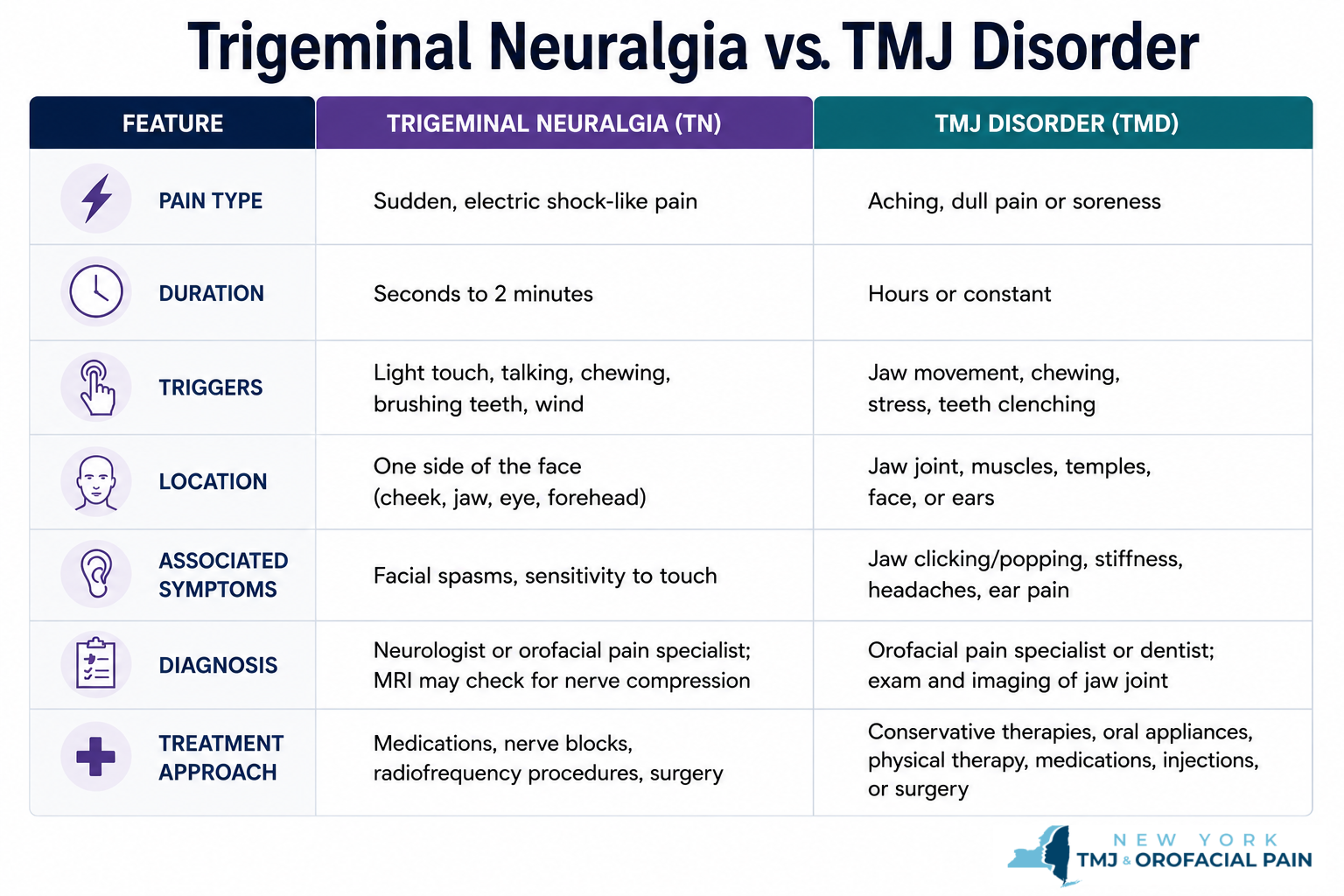
Although trigeminal neuralgia and TMJ disorder can both cause facial pain, they differ significantly in their causes, symptoms, diagnosis, and treatment approaches.

Comparison chart showing the differences between trigeminal neuralgia and TMJ disorder, including pain type, duration, triggers, symptoms, diagnosis, and treatment.

Because the terms are often used interchangeably, many patients are confused about the difference between trigeminal nerve pain and trigeminal neuralgia.

How Is Trigeminal Neuralgia Diagnosed and Treated?

To diagnose trigeminal neuralgia, a comprehensive medical examination and history are necessary. After discussing the problem with the dentist and doctor, they will send you to a neurologist, who may conduct a head MRI or other imaging to confirm the condition and begin developing a treatment plan.

While there is no universal cure or therapy that will work for everyone, a TMJ specialist may prescribe pain management techniques. A doctor’s first line of defense against the disease is generally nonsurgical therapy.

The pain associated with neuralgia is neuropathic (originating directly from the nerve). Thus, it does not react to over-the-counter pain medications or opioids. Anticonvulsants like carbamazepine (which is used to treat seizures) can help to decrease discomfort and attacks. To help reduce facial “shocks,” a neurologist may prescribe a muscle relaxant or other medicine.

Learn more about our trigeminal neuralgia treatment approach.

How Do You Manage Living with Trigeminal Neuralgia?

If you have noticed signs of trigeminal neuralgia, talk to a TMJ specialist about the best ways to deal with the pain. You can also speak to a counselor about the mental health issues that come with the illness. The specialist can assist you in your recovery, regardless of your age or stage in life, so you will not have to worry about discomfort when flashing your smile.

Why New York City Metro Area Patients Are Referred to NYTMJ for Trigeminal Neuralgia

Patients are frequently referred to our practice after:

  • Multiple dental procedures failed to eliminate pain
  • TMJ treatment did not improve symptoms
  • MRI or neurological findings suggested trigeminal neuralgia
  • Persistent facial pain remained unexplained

Our specialists focus exclusively on disorders of the jaw, face, head, and trigeminal nerve system, allowing for a more precise diagnosis and individualized treatment plan.

REQUEST AN EVALUATION →


Frequently Asked Questions About Trigeminal Neuralgia

Is Trigeminal Neuralgia Curable?

There is currently no cure for trigeminal neuralgia, but medications, nerve blocks, and surgical procedures can often significantly reduce symptoms and improve quality of life.

Is Trigeminal Neuralgia the Same as TMJ?

No. TMJ disorders affect the jaw joints and chewing muscles, while trigeminal neuralgia is a nerve condition.

How Long Do Trigeminal Neuralgia Attacks Last?

Individual episodes typically last from a few seconds to about two minutes.

What Triggers a Trigeminal Neuralgia Episode?

Light touch to the face, brushing teeth, shaving, washing the face, applying makeup, talking, chewing, and wind.

Can a Dentist Diagnose Trigeminal Neuralgia?

A dentist can rule out dental causes of pain, but diagnosis generally requires neurological evaluation.

Who Treats Trigeminal Neuralgia?

Treatment typically involves a neurologist and may also involve an orofacial pain specialist.

Can Trigeminal Neuralgia Cause Jaw Pain?

Yes. Many patients experience pain in the jaw, teeth, cheek, or lower face, which is one reason trigeminal neuralgia is often mistaken for TMJ disorders or dental conditions.

Categories
Headaches Jaw Problems Nightguards & Oral Appliances Orofacial Pain TMJ

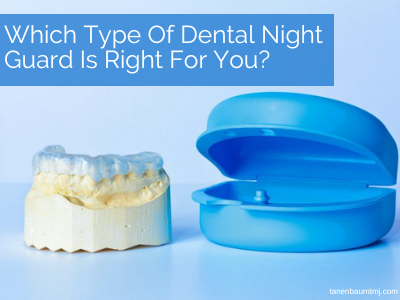
Which Type Of Dental Night Guard Is Right For You?

As an orofacial pain specialist, patients come to me when they’re suffering from the painful symptoms of a temporomandibular disorder, which you may know as TMJ. TMJ refers to the temporomandibular joint, the joint that enables you to open and close your mouth. Many new patients who come to my office have been wearing a standard dental night guard (sometimes called an oral appliance, occlusal splint, or mouth guard) while they sleep, but their symptoms are not improving or even getting worse. Before I explain which type of dental night guard is right for you, I want to make sure you understand TMJ and its causes.

First, What Causes TMJ?

Symptoms of jaw (TMJ) problems often arise due to sleep bruxism, a condition characterized by constantly grinding or clenching your teeth during sleep. Sleep bruxism affects about 10% of adults and up to 15% of children.

The American Dental Association has been surveying dentists about TMJ since the beginning of the pandemic. More than 70% report a significant increase of patients who are grinding and clenching their teeth both during sleep and while awake (called awake bruxism) – many of whom never had the issue before. Some patients even have cracked or broken teeth as a result of bruxing. Bruxism is thought to be related to several risk factors, including high-stress levels – so it comes as no surprise that this increase coincides with the pandemic.

How To Determine Which Type of Dental Night Guard Is Right For You

If you’re like many people, your dentist may have informed you that your teeth are becoming flat and worn-down because of grinding and clenching while you’re asleep. Your dentist may have recommended you start wearing a dental night guard while you sleep, or you may have already purchased one over-the-counter at your pharmacy.

If this sounds familiar, the standard type of night guard made by your dentist is probably adequate. However, over-the-counter night guards must be used with caution and for a limited amount of time because they can cause your teeth to shift.

However, if you’re one of those people who have a sense that something’s wrong because your teeth are sore, or your jaw muscles feel tight when you wake up in the morning, or if you have any of the symptoms listed below, a standard guard made by your dentist or an over-the-counter night guard you buy at a pharmacy is probably not the dental night guard that’s right for you.

All Dental Night Guards Are Not The Same

TMJ problems often involve the structures of your temporomandibular joints and usually require more evaluation and different types of dental night guards for your specific problem. If you suffer from any of the TMJ symptoms below, a standard dental night guard will likely not address your specific problem and could even make your problems worse.

Symptoms of TMJ:

  • Difficulty opening your mouth
  • Pain (beyond soreness or discomfort) when opening/closing your mouth
  • Jaw pain when you eat
  • Clicking or popping in your jaw during movement
  • A sense that your jaw is locked
  • A feeling that your bite is “off”
  • Daily pain and tension in your face
  • Headaches when you wake up
  • Tension or pain in your neck

Like other joint systems in your body, TM joint problems are orthopedic problems. There are ligaments that support your jaw joints and shock-absorbing discs that cushion them. And, there’s also a lubrication system that keeps your TMJs moist and nourished. These all can become compromised due to teeth grinding and clenching, whether it happens while you’re asleep, during the day, or both.

The result is often injury to your TMJs resulting in sprains, instability and painful inflammation. Sometimes, the pressure of grinding and clenching can even cause one of your shock-absorbing discs to change and cause joint noises, lockjaw and pain.

What To Do Next

Your next step is to make an appointment with an orofacial pain specialist. An orofacial pain specialist will likely provide you with a clear understanding of your problem (a specific diagnosis beyond “you have TMJ.”). And explain why your jaw muscles and joints are in trouble and what treatments are available in addition to a dental night guard. Many factors can give rise to a TMJ problem, so you will likely be asked questions about your medical health, mental health, sleep, dental history, and about you as a person.

Based on the information gathered and an examination, there’s a good chance your orofacial pain specialist will fabricate a dental night guard that’s right for you – designed to address your specific orthopedic problem – not just to protect your teeth. Factors like the thickness of the night guard, its surface (flat or designed to prevent shifting of the lower jaw), its use on the upper or lower teeth, and where the support is provided are just some of the factors that will be considered.

To find an orofacial pain specialist in your area, ask your dentist for a referral or check the directory at the American Board of Orofacial Pain website.

Your Dental Night Guard Needs To Be Monitored

A diagnosis beyond “You have TMJ” is essential in designing a night guard that will reduce strain and injury to your jaw muscles and tendons, joint ligaments, shock-absorbing discs and lubrication systems. Here’s the most important thing to understand: regardless of whether your dental night guard was designed by your dentist or an orofacial pain specialist, it will not stop your bruxism. When properly designed, your night guard will instead reduce the impact on your teeth, muscles and TMJs caused by your grinding and clenching. In essence, it lets you clench or grind in a “better neighborhood” with the goal of keeping more injury from occurring while you work on reducing the risk factors that caused your jaw to be in trouble in the first place.

And, because a well-constructed dental night guard redistributes force, it must be monitored and adjusted while healing occurs and your symptoms change. It’s essential to go in for regularly scheduled reassessments and modifications to maximize the potential for treatment to be successful.

So, Which Type Of Dental Night Guard Is Right For You?

If you wake up with any of the TMJ symptoms above – even if you’ve been wearing a dental night guard, do not give up hope! A more specific diagnosis, a better understanding of why you have the problem, and a night guard designed to address your individual symptoms may well be the answer. Based upon the nature of your problem, more comprehensive care is usually part of the plan, which may include exercises, stress-reducing activities such as mediation or yoga, medication, dry needling and trigger point injections, BOTOX® injections or joint injections. These decisions are best made by an orofacial pain specialist.

Feel better!

Learn more about TMJ and bruxism here

Categories
Sleep Apnea

Sleep Apnea Treatment Options From a Sleep Medicine Dentist

Living with sleep apnea can be scary for both you and your family members. This condition is nothing you should dismiss or shrug off. If you have this issue, you repeatedly stop breathing in the night. The consequences can cause you not to get enough sleep at night. Worse, it could eventually lead to heart problems, including heart attacks or strokes. You should speak to your dentist right away about the most effective ways to treat this serious health condition.

The warning signs

Determining that a person has sleep apnea does not have to be guesswork. There are some clear signs that an individual might be struggling with this disease. One of the most obvious is snoring, which a bed partner could readily point out. Snoring occurs when relaxed or enlarged muscles or tissues in the mouth or throat are preventing proper airflow. The restricted air vibrates as the person tries to breathe.

Other signs are effects of waking up several times in the night as the person stops breathing and suddenly restarts. These include irritability and being short-tempered. A person with sleep apnea may also be exhausted the next day or have trouble focusing. High blood pressure can also be a result of this condition.

Meeting with the dentist

Before taking any treatment action, an individual should consult a sleep medicine dentist. This professional has the knowledge and training to make a proper diagnosis. The dentist will examine the patient and will take X-rays of the mouth and throat to identify airway blockage. This examination enables the dentist to prescribe the right treatment.

Treating sleep apnea with a mouthguard

When people think of dental appliances, they might think of devices to hold teeth in place or to prevent teeth-grinding. Such an apparatus can also treat sleep apnea. The dentist can custom-make a mouthguard to fit over the patient’s teeth and push the jaw down and forward. This will open the airway and allow for more airflow while the person sleeps. The dentist can adjust the mouthguard as necessary.

Tongue depressor

Another way in which a person’s airflow has blockage is when the tongue rolls to the back of the mouth. This can make it difficult for oxygen to get into and out of the airway. A tongue depressor holds the tongue in place during sleep. The patient should only wear it when they are sleeping.

Surgeries

When mouth appliances are not enough to treat sleep apnea, surgery might be necessary. The dentist will determine what operations are necessary. These may include removing excess tissue or creating more room in the airway. Patients may have tonsils or adenoids removed. The dentist might have to trim other abnormally large tissues to improve the flow of air in the mouth.

Treat your condition now

Never put off a visit to the sleep medicine dentist if you are struggling with sleep apnea. The longer you wait, the more likely you are to experience serious problems. A device such as a tongue depressor or mouthguard could be just what you need to treat this condition. Talk to your dentist about what makes the most sense for you.

Categories
BOTOX®

How Long Will BOTOX® for TMJ Treatment Last?

BOTOX® for TMJ treatment has become popular as there are many benefits to this approach and the results have proven to be successful for many patients. It is a relatively easy procedure, with little to no side effects. However, BOTOX® is still rather new with regard to treating TMJ. With that being said, many individuals are curious as to how long treatment lasts. While everyone has varying results, there is a general guideline for how long the results will stay intact.

When considering BOTOX® for TMJ, it can be helpful to get familiar with the result times, as it can factor into the decision-making process. Ready to find out more?

BOTOX® for TMJ treatment

Below is an overview of the use of BOTOX® for TMJ treatment, including how long the results typically last.

The BOTOX® procedure

BOTOX® for TMJ is one of the easiest and most straightforward procedures done in dentistry. The appointment takes less than 30 minutes, which cannot be said about most other TMJ treatment procedures. The BOTOX® will be carefully injected into the facial area. Then, the TMJ specialist will gently massage the face and temporomandibular joints to ensure that the BOTOX® disperses itself evenly. Once the procedure is complete, the individual can return home and wait for the results to kick in. Most individuals experience immediate relief, however, for some, it can take up to a week.

How long do BOTOX® treatments for TMJ last?

BOTOX® for TMJ typically produces results that last for a couple of months. For those just starting BOTOX® for TMJ, the specialist may recommend a second and third round of injections within a couple of weeks to ensure effectiveness and longer-lasting results. Once all three rounds have been completed, most individuals will find relief from pain and other related symptoms for as long as a year.

Some individuals are able to find permanent relief from the use of BOTOX® for TMJ. In these cases, follow-up treatment may not be required, other than quarterly appointments with the TMJ specialist to undergo routine injections and examinations.

Other things to note about BOTOX® for TMJ

If treatment with BOTOX® is not successful, the specialist may recommend another route, such as a surgical procedure or bite splint. It is also good to note that in some scenarios, BOTOX® may be used in conjunction with other treatment options, such as physical therapy and the use of a bite splint or nightguard to reduce bruxism.

It is also good to be aware that BOTOX® for TMJ can cause some bruising and slight swelling; however, this usually goes away within 48 hours. After a few rounds of BOTOX®, most individual’s bodies get used to this.

Consult with a TMJ specialist today

When interested in BOTOX® for TMJ treatment, it is necessary to consult with a specialist. Questions and concerns can be addressed, and an evaluation can be done in order to identify goals and needs. From there, a treatment plan can be determined, which will likely include BOTOX®. Reach out today to find out more or to get started with a consultation appointment.

Categories
Headaches Jaw Problems TMJ

Can A Dentist Cure Your Headaches?

Most people who suffer from severe headaches don’t think about going to their dentist to get help. But a dentist may be the right professional to turn to if your physician has not been able to determine the root cause of your pain. But first, it’s important to determine whether the headaches you are experiencing fit into a primary or secondary category.

Primary headaches are migraines, tension headaches, and cluster headaches. Many dentists do see patients with primary headache problems, but it’s for the secondary type of headache that they can be particularly effective.

Secondary headaches can be caused by many things, but in particular, trauma to the temporomandibular joint. The temporomandibular joint is your jaw joint and problems in this area are commonly referred to as TMJ. A traumatized jaw joint can be the result of injury, a structural deficiency, a malocclusion (bad bite), newly placed or worn dental work, oral disease, or sleep bruxism (teeth grinding and clenching at night).

Today, many dentists are trained in assessing and treating these kinds of orofacial pain problems. In fact, in 2020, the American Dental Association approved orofacial pain as a dental specialtyOrofacial pain specialists are now board-certified dental specialists who limit their care to patients with orofacial pain disorders. Dentists trained in this special field are increasingly important as health team members in the diagnosis and treatment of severe and persistent headaches that are TMJ-related.

The Negative Effects Of Sleep Bruxism

If you clench or grind your teeth at night, you are not alone. Millions of Americans do it. Why does bruxism often cause severe headaches? The constant pressure is being exerted by the act of clenching and grinding your teeth can cause trauma to your TMJs. Next, the nerves become agitated, and here comes pain. But what’s tricky is that pain from TMJ can show up in other places on your body, such as your neck, your face, or even your head. This is called referred pain. Your TM joints are positioned very close to your cranial nerves, and severe headaches are often the result.

So, Can A Dentist Cure Your Headaches?

If you feel your headaches could be caused by teeth grinding and clenching (at night or during the day, or both), now’s the time to seek the help of an orofacial pain specialist. They will not only be able to determine the source of your pain, but will put a treatment plan in place that may include massage, relaxation techniques, a nightguard to protect your teeth, or even BOTOX®. I’ve been treating patients with these problems for over 3 years, and in most cases, a change in lifestyle to reduce bruxism combined with treatment, the outcomes are very positive.

Start by asking your physician or dentist for a referral to an orofacial pain specialist or check out the American Board of Orofacial Pain’s physician directory here, and search for a member with “Diplomate” status.

Good luck!

If you live or work in the NYC or Long Island metro area, feel free to call my office to make an appointment for a consultation. I see patients in person or by telemedicine on Zoom. NYC 212-265-0110 Hauppauge 631-265-3136

Categories
Sleep Apnea

Finding a Dentist Who is a Sleep Apnea Specialist

Sleep apnea is an under-recognized medical condition that can be diagnosed and treated by a sleep apnea specialist. Sleep apnea can lead to hypertension, heart disease, depression, and even death when sleep apnea goes untreated. Some dental sleep apnea specialists can prescribe appliances or oral mandibular advancement devices that prevent the tongue from blocking the throat or advancing the lower jaw. These devices are an excellent alternative for those who have trouble tolerating a continuous positive airway pressure machine.

What causes obstructive sleep apnea

There are three forms of sleep apnea, but the most common of the three is obstructive sleep apnea, and this is the form that a dentist who is an asleep apnea specialist can help you with. Obstructive sleep apnea causes the muscles in the back of your throat to relax too much. These muscles are there to support the tongue, tonsils, roof of your mouth known as the soft palate, and the teardrop-shaped piece of soft tissue that hangs down from the roof of your mouth, also known as the uvula.

When these muscles become too relaxed, it narrows your airway and brings about a pause in your breathing that will repeat itself during the night as you sleep. This often lowers the oxygen level in your blood and causes a buildup of carbon dioxide. When this happens, your brain senses the pause and briefly rouses you from sleep, alerting you to reopen your airway. This pattern might repeat itself up to 30 times per hour during the night, disrupting your sleep which is why you may feel sleepy during waking hours.

  • Observed episodes of stopped breathing during sleep
  • Waking abruptly while gasping for air or choking
  • Awakening with a dry mouth or a sore throat
  • High blood pressure
  • Feeling excessively sleepy during the day
  • Morning headache
  • Difficulty concentrating
  • Mood changes such as depression or irritability
  • Loud snoring

Your dentist can help with sleep apnea

Once a dentist who is also a sleep apnea specialist has decided you are a candidate for this treatment, he or she will make an impression of your teeth and have the device made. Later they will call you back for a fitting. When you are given the device, you will also be given a morning repositioner to realign your bite each time you remove the appliance.

Using the appliance will keep your airway open and allow you to get a good night’s sleep. Getting enough sleep is good for your heart and helps you control your weight. When you sleep better, you make less ghrelin which is the hormone that stimulates appetite, and you make more of the hormone leptin that reduces appetite. Sleep also improves memory and concentration. An added benefit is that your snoring will be reduced, and for anyone sleeping alongside you or within earshot, they will sleep better, and you will have the peace of mind that you are not just helping yourself but also the ones you care most about.

Categories
TMJ

A TMJ Dentist Discusses TMJ and TMD

Your TMJ dentist helps with issues in the temporomandibular joint (TMJ). If you are experiencing symptoms of temporomandibular disorders (TMD), you should see a TMJ dentist right away. Disorders in the TMJ can be painful and debilitating. If you want to know more about TMD and TMJ, here are the explanations of a TMJ dentist.

TMJ and TMJ pain

TMJ is the joint that connects the mandible to the skull. It is at the base of the skull, on both sides of the head. TMJ makes the jaw move up and down and also from left to right. TMJ enables talking, chewing, and yawning. The TMJ has a round, bulging structure that fits into the skull’s indentation. It also has a round cartilage or soft bone between two articular discs.

TMJ pain can radiate to the face, head, and neck. TMJ dentists find this pain challenging to treat. Anti-inflammatory medications do not work on their own. The drug therapy must work with heat and cold therapy to become more effective. TMJ pain results from injury, jaw clenching, and teeth grinding.

Symptoms of TMD

TMD is the collective term for the problems that arise from the TMJ. The most obvious symptom of TMD is pain. These disorders may be a result of an uneven bite or bruxism. The TMJ develops this pain because of stress and natural wear and tear.

Patients may dismiss TMD, but some situations could identify it. Injuries to the jaw or a joint disease can announce its presence. This is when the TMJ dentist comes in. The TMJ dentist also looks out for other symptoms like a popping sound in the jaw, muscle pain in the jaw, or earache. The patient may also experience migraines, headaches, locked jaw, and pain in front of the ear. To confirm if the patient is suffering from TMD, the TMJ dentist must perform a proper diagnosis.

Diagnosing TMD

The TMJ dentist will discuss the symptoms with the patient. Then, a jaw examination will follow. The TMJ dentist will feel and listen to the patient’s jaw movements. Then, the TMJ dentist will press the sections of the jaw to determine the pain sites. MRI, dental X-rays, and CT scans will provide additional information that will confirm the patient’s TMD.

Care for the TMJ

A person should avoid any activity that will induce stress to the TMJ. Opening the mouth with force when yelling or yawning and prolonged chewing can put pressure on the TMJ. This also happens when the person takes large bites or chews on hard foods. Habits like teeth grinding or nail-biting also contribute to TMJ pain and disorders.

Learning more about TMJ and TMD from your TMJ dentist can help you care for your TMJ better

The TMJ is prone to pain and TMD because it is that section of your face that you use daily. You need your TMJ for communicating, eating, and drinking. That is why a TMJ dentist is always ready to help at the onset of pain and discomfort. Setting up an appointment with your TMJ dentist can help maintain the health of your TMJ.

Categories
Sleep Apnea

5 Signs You Need to See a Sleep Apnea Specialist

If you are new to sleep apnea, it can be hard to tell if you need the help of a sleep apnea specialist. As a dental patient, you may be experiencing symptoms of sleep apnea without even realizing it. This is because many different symptoms can go unnoticed by the individual. However, if you have been feeling tired throughout the day and struggling to focus on your daily tasks, then this could mean that you need to see a Sleep Apnea Specialist for further evaluation. Here are five signs that your specialist may notice during your next appointment that might indicate that you should see a specialist:

1. Trouble staying asleep

Many people with this condition may go to bed and wake up in the morning without even remembering that they were awake during the night. This is because sleep apnea causes your brain to completely shut off when you’re sleeping, so you may not remember what happened when you were in a deep sleep. If this has been happening every night for longer than a few weeks, it may be time to talk to a specialist.

You feel tired throughout the day and find that you have trouble staying focused on daily tasks. If you find yourself yawning throughout the day or struggling to concentrate at work, then you might have sleep apnea. You must see a specialist as soon as possible to better diagnose the problem.

2. Snoring or gasping sounds while sleeping

If you or your bed partner has noticed that you’re making unusual sounds while sleeping, then this may also be a sign of sleep apnea. It could mean that your airway is obstructed because of the way that your tongue is positioned in your mouth. People with this condition may also breathe heavily or stop breathing altogether during the night, which means that your partner could notice these symptoms too. This is something that you should bring up to a specialist at your earliest convenience.

3. Fatigued throughout the day

If you don’t get enough sleep at night, then you’re more likely to be tired during the day and struggle with focusing on your daily tasks. This is very common for people who are suffering from sleep apnea because they’ll wake up several times throughout the night and not get enough rest. This is something that you should bring up to your dentist at your next appointment.

4. Trouble breathing while sleeping

Snoring is one of the most obvious symptoms when it comes to sleep apnea, but this isn’t the only symptom. People who suffer from this condition will also struggle to breathe while they’re asleep, which means you may have trouble waking up in the morning because you’ve slept for so long. If this sounds familiar, then it’s time to talk to a specialist about your symptoms as soon as possible.

5. Sore throat in the morning

Your dentist may notice that you’re having trouble waking up because you’re sleeping with your mouth open, which means that your airway is obstructed when you’re sleeping. This also means that your throat will become sore when you wake up in the morning because of how long it has been since anyone has given it a break. If your dentist notices this, then it’s time to talk about your symptoms with a specialist as soon as possible.

If you’ve noticed that you’re fatigued throughout the day and struggling to stay concentrated on tasks at work or school, then it might be time to talk to a sleep apnea specialist about your condition. This is because fatigue and lack of concentration are both symptoms of sleep apnea, which is why many people may not know that they have the disorder. If you feel tired throughout the day, this could be a sign that your airway has been obstructed while you’re sleeping.

These are just a few of the most common signs that you may be suffering from sleep apnea and need to see a specialist. If you feel like any of these symptoms could apply to you, then make an appointment with your dentist as soon as possible, and they will give you the diagnosis and treatment that you need.

Categories
Sleep Apnea

Sleep Apnea in Children

Looking for information on the topic of sleep apnea? This dental-related condition can affect both children and adults, and because it can be quite serious, getting treatment as soon as possible is necessary. According to the American Academy of Dental Sleep Medicine, oral appliance therapy is an effective treatment option for snoring and obstructive sleep apnea.

Oral appliance benefits

Understanding the benefits that come with each sleep apnea solution is a great idea. These benefits are especially important for children who have been diagnosed with this common sleeping condition, as it is often more difficult to treat children vs. adults. These benefits include but are not limited to: being comfortable to wear and being easy to wear, use and care for.

How sleep apnea can affect children

Children who suffer from sleep apnea are not getting the sleep they need during the night, which will affect them during the day. Common ways that this sleeping disorder can negatively affect children include feeling tired throughout the day, performing poorly in school, potential bedwetting problems and even learning and behavior disorders. This makes it essential for parents to pay close attention to their child, as their behavior could be due to them not getting enough sleep during the night.

Causes and risk factors

The most common cause of sleep apnea in children is due to enlarged tonsils and adenoids. While the most common cause of sleep apnea in adults is due to obesity, it is less common for children who are obese to be diagnosed with this common sleeping disorder. Risk factors that can increase a child’s chances of being diagnosed with sleep apnea include finding out that they have cerebral palsy, Down syndrome, sickle cell disease, neuromuscular disease, face abnormalities and a family history of sleep apnea.

Treatment options

There are a few different treatment options available for children who have been diagnosed with this sleeping disorder. These include using oral appliances in order to open up the child’s upper airway, using a CPAP machine to keep their airway open, removing their tonsils and adenoids and prescribing certain medications that are proven to help children diagnosed with a mild case of sleep apnea.

In need of a diagnosis?

Parents who believe their child might have sleep apnea need to make an appointment with their primary care professional in order to get a proper diagnosis. If a child is diagnosed with sleep apnea, then the primary care professional will work with dental professionals in order to find the optimal solution.

Categories
Sleep Apnea

What Can Happen if Sleep Apnea Goes Untreated?

Sleep apnea is a medical condition that affects a lot of people each night. The symptoms can cause serious problems for patients if they go ignored. Some of the symptoms include snoring, shortness of breath or an inability to breathe throughout the night.

Want to learn more about sleep apnea? In this article, we discuss what can happen if it goes untreated. This information is important to take note of, especially for patients who believe they are suffering from sleep apnea. Any symptoms should be immediately addressed by a dentist who can administer treatment.

What can happen if sleep apnea goes untreated?

Below, we outline what can happen if sleep apnea goes ignored. Keep reading to find out more!

High blood pressure

When a patient experiences apnea while asleep, it typically causes their blood oxygen levels to plummet. When this occurs, the blood pressure increases significantly, which can cause strain on the entire cardiovascular system. In the long term, if sleep apnea goes untreated, the high blood pressure can result in irreparable damage to the entire cardiovascular system.

Fatigue

One of the most obvious things that can happen when sleep apnea goes untreated is fatigue. Most patients who suffer from this condition do not get a good night’s sleep. Repeatedly waking up in the middle of the night due to the airway becoming obstructed can become very disruptive. Long-term, fatigue can cause problems with the patient’s personal and professional life. Outside of that, the patient’s health can become at risk. Sleep is important and without it, the body will not function the way that it is supposed to.

Headaches

Another long-term result of untreated sleep apnea is headaches. These can occur on a frequent basis even when sleep apnea first begins. Headaches can also cause severe problems for a patient’s personal and professional life. They may inhibit a person from performing necessary tasks such as work or caring for their families.

Memory problems

Sleep apnea is also known to cause memory problems for patients who do not undergo treatment. When a patient’s sleep is repeatedly disrupted by the obstruction in their airway, it is likely that they will become fatigued. Fatigue can lead to short-term memory loss, which could eventually turn into long-term. Over time, if the sleep apnea is not treated, the patient’s memory could suffer severely.

Sleep apnea treatment

It is important to have symptoms of sleep apnea diagnosed and treated by a medical professional. The information provided in this article only outlines some of the possible things that could happen; there are many other conditions that could develop as a result of untreated sleep apnea.

If you have questions or concerns about treating sleep apnea, then reach out to our office so that we can help you. Our team can go over your symptoms and help determine what type of treatment route is best for you.

Categories
Sleep Apnea

FAQs About Sleep Medicine Oral Appliance Treatment for Sleep Apnea

Sleep apnea is a serious condition that can be fatal if not treated effectively. The longer you wait to address this issue, the biggest risks you will have. You could develop other health problems, including cardiovascular troubles. Fortunately, there are ways that you can treat this illness and overcome its symptoms. Your dentist may recommend wearing an oral appliance while you sleep. Before you start this treatment, the dentist will explain what will take place and what the benefits will be.

Avoiding sleep apnea

Certain types of people have a higher risk of developing this disease than others. Lifestyle factors can play a role, so there are things people can do to stay away from this condition. Obesity and being overweight increase a person’s chances of having the illness. Exercising and eating right can control weight effectively.

Limiting or avoiding alcohol will also help to prevent sleep apnea. Not smoking will also remove risk factors. However, age and genetics can also contribute to having this condition. So, for some people it is difficult or impossible to stay away from.

The dentist is a good resource

Many people think first of a sleep doctor or a general physician to treat sleep apnea. While these health professionals can diagnose the condition and treat it, a dentist will usually take a different approach. Doctors often turn to CPAP machines or surgery to improve airflow. However, the dentist prefers oral appliances. To decide whether this makes sense for the patient, the dentist will examine them, looking for blockage in the airway due to excess tissue in the mouth or throat. The dentist can custom-make an oral device that fits over the person’s jaw.

Worn only during sleep

Unlike dentures, retainers, or other common oral appliances, apparatuses to treat sleep apnea are for sleep time use only. The patient will put in the appliance before going to bed. A tongue depressor holds the tongue in place, keeping it from moving to the back of the mouth and blocking the airway. A mouthguard pushes the jaw down and forward, opening the airway more and preventing the restriction of airflow.

Not as invasive

CPAP machines can be effective at opening the airway and promoting proper breathing during the night. Many people do not prefer this treatment for sleep apnea, though, because it includes a lot of equipment. With an oral appliance, the wearer will not have to worry about machinery and extra cords and hoses. Storage and transportation is a non-issue with oral appliances. People who are camping or traveling can enjoy these benefits.

Talk to the dentist

You should pay attention to the signs and symptoms of sleep apnea. If you believe you have this condition, make an appointment with your sleep medicine dentist right away. After a thorough examination, the dentist can confirm the diagnosis and begin treatment. By wearing an oral appliance while you sleep, you can open the previously blocked airway and breathe well at night once again. As a result, you can avoid many of the health problems that this condition can cause.

Categories
Sleep Apnea

How Sleep Apnea Can Affect Your Health

Sleep apnea is a sleep condition that causes one’s breathing to pause recurrently and temporarily during sleep. Once breathing stops, the brain forces the body to wake up and continue breathing. The sleeping disruption prevents good sleep and causes you to feel drowsy and tired during the day. Daytime sleepiness is not the only consequence of sleep apnea; without treatment, it can lead to other health complications, such as cardiovascular disease and diabetes.

The health effects of sleep apnea

Sleep apnea occurs when there is a blockage in the air passages while sleeping. When breathing stops momentarily, the person might produce a loud snort or wake up with a choking feeling after the brain initiates the wake-up alert. Several health conditions have been associated with sleep apnea. These conditions, coupled with the effects of sleep deprivation, can be detrimental to body systems.

High blood pressure

Sleep apnea can worsen hypertension in patients. Poor sleep and recurrent wakeups at night stress the body. The blood pressure level rises when the hormone system is poorly regulated. The blood’s oxygen levels drop with continuous breath stoppage, which can be as many as 100 times in an hour, lasting for more than 10 seconds in each episode. Visiting the sleep apnea specialist for treatment can help manage blood pressure.

Cardiovascular issues

Sleep apnea can also contribute to heart attacks. Scientists believe that this is due to low oxygen levels and stress from waking up repeatedly. It can also cause stroke and atrial fibrillation. The condition compromises oxygen delivery to the body, making it harder for the brain to manage blood flow in the arteries and the brain.

Diabetes

This condition is prevalent among people with diabetes. Sleep apnea can increase the risk of developing insulin resistance, which affects how the body processes insulin. When the body does not absorb insulin normally, patients can develop type-2 diabetes.

Weight gain

Gaining extra weight can increase the risk of sleep apnea. The condition can make weight loss efforts harder and unsuccessful.

Accidents

Sleep deprivation causes daytime drowsiness. One can drift into sleep behind the wheel. Sleep apnea patients are at a higher risk of accidents.

The need for treatment

Undergoing treatment at the sleep dentist’s office can help patients get a good night’s rest. It has many health benefits besides waking up in the morning feeling invigorated. Good sleep improves cognitive functions and reduces the risk of health complications. The sleep dentist can screen patients for sleep apnea through a sleep study. After a diagnosis, they will discuss treatment options to keep the airways open during sleep.

In conclusion

Sleep apnea can make a night’s sleep feel like a futile effort and can increase the risk of many health conditions that affect major body systems, from the endocrine and digestive to the nervous, respiratory, and cardiovascular. Treatment options typically include dental appliances and continuous positive airway pressure devices, which ensure constant airflow to the lungs during sleep.

Categories
Jaw Problems

Seek Help From a TMJ Specialist for Your Jaw Pain

The TMJ, or the temporomandibular joint, connects the skull and lower jaw and is located by the ear. The joint functions like a hinge, enabling the jaw’s movement for opening, closing, smiling, eating, and other mouth activities. If the jaw joint feels painful and is unable to perform its function, the cause could be what is known as TMJ disorder.

Causes and symptoms of TMJ pain

It is hard to pinpoint the major causes of TMJ disorder, but many factors are known to contribute to the condition. These include teeth grinding, poor posture, and arthritis. The major sign of TMJ disorder is pain around the joint, which may also be present as jaw pain, facial pain, headache, neck pain, and ear pain. Jaw pain is the most obvious sign of TMJ disorder and requires a visit to the TMJ specialist.

When to visit the TMJ specialist

If pain occurs while moving the jaw, TMJ disorder could be the culprit. Sometimes a visit to the specialist may not be necessary, but if the pain becomes recurrent, seeking help is vital. Patients often ignore the pain because it is intermittent, but it should not be overlooked if the symptoms have been occurring for a long time. It often means that the TMJ disorder will not resolve on its own without medical treatment. To be sure of the diagnosis, pay a visit to a TMJ specialist.

Diagnosing and treating TMJ disorder

A physical examination of the jaw is necessary for a proper diagnosis. During a dental visit, the dentist will examine the jaw and ask the patient to open and close their mouth multiple times. They will check the ear and listen for any sounds as the jaw moves. The doctor may recommend an X-ray or MRI for a more detailed report.

In many cases, the jaw pain disappears eventually without any medical treatment. However, if the symptoms persist and patients do not seek a specialist’s help, the pain could turn chronic. Symptoms like headaches, migraines, and earaches will worsen over time and start to interfere with one’s daily routine, especially since the jaw joint is one of the most used joints in the body.

The TMJ specialist may offer management techniques to relieve pain and resolve the problem. Helpful treatment options include ice or heat application, pain meds, resting the jaw, and stress relief techniques. They may also recommend treating teeth grinding issues or any other underlying dental issues that might be contributing to jaw pain.

TMJ treatment choices are mostly conservative and do not require surgery if patients seek prompt intervention to the pain. However, if the condition worsens due to lack of treatment, surgery might be required to repair a damaged jaw joint.

In conclusion

If you are experiencing jaw pain and using the jaw is difficult, you need to visit the TMJ specialist for help. The professional will perform any necessary evaluations and recommend the most effective treatment options to relieve the symptoms.