Manhattan

212-265-0110

White Plains

914-227-2305

Springfield, NJ

973-315-7830

Hauppauge

631-265-3136
Categories
Bruxism Jaw Problems TMJ

Does The TMJNext Generation Device Work?

Every now and then a new product will hit the market that’s designed to assist in the management of the chronic pain problems that impact the lives of millions of people every year. And when it comes to pain caused by TMJ/TMD problems, one such product is The TMJNext Generation™ Device. Having been sold in Europe for the past few years, this device is now available in the U.S. It is being aggressively marketed not only to dentists but to other healthcare practitioners, as well. As a result, many physical therapists, chiropractors, physicians and wellness clinics are advertising that they provide the device. As a board-certified orofacial pain specialist, I’m often asked, “Does the TMJNext Generation work?

Does The TMJNext Generation Device Work?

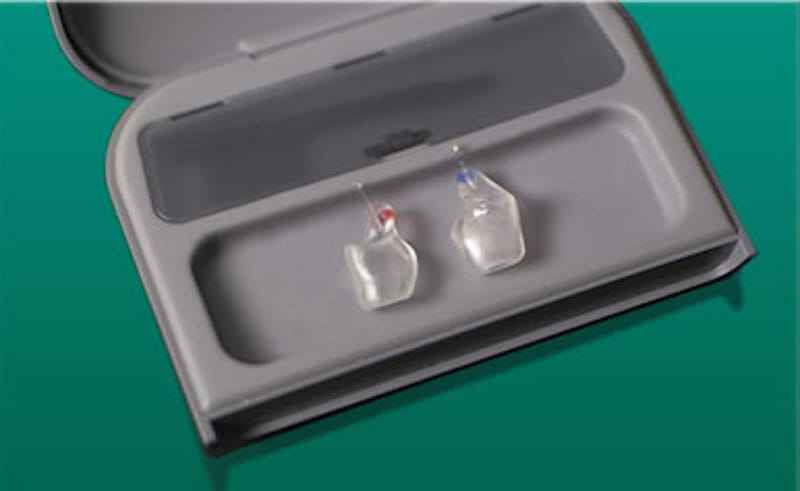
The TMJNext Generation™ Device is an ear insert which has been designed to create awareness in the patient of his or her jaw position. Here’s how it works:

First, impressions of your ear canals must be made. Although your dentist may have recommended the TMJNext Generation™, you may be referred to an audiologist (or another type of health care professional) that is willing to assume the liability of making the impressions, which may be outside of the scope of practice.

The impressions are made while your jaw is in a relaxed posture with your teeth apart. In this posture, your ear canal will assume certain dimensions in volume and shape. These dimensions get smaller when you bring your teeth together or clench them.

The ear canal impressions will be used to create custom ear inserts for you. The inserts feel comfortable when your jaw is in a resting posture, but when you bring your teeth together you feel an unpleasant pressure on the devices. The theory is that the uncomfortable feeling will get your attention and you will immediately relax your jaw. It’s like having a pebble in your shoe that makes it uncomfortable to walk.

For some people, the devices might serve as a sort of reminder to keep their jaw muscles loose. In this way, TMJNext Generation™ is essentially a biofeedback device. Anything that can help you keep your jaw loose during the day can be part of overall TMJ/TMD therapy.

Here’s the rub: Countless people who suffer from TMJ/TMD problems have NO NEED for daytime awareness because their jaw is always in a restful position during the day. It is at night while they are asleep that their grinding and clenching happens. For them, these devices could represent an unjustified expense. If physicians, chiropractors, physical therapists, and dentists who have limited expertise in the management of jaw problems are making decisions about the use of The TMJNext Generation™ Device, I’m afraid that overutilization is a real concern. So, does the TMJNext Generation device work?

As of today I have not found scientific articles that provide an understanding as to how these devices could stop or diminish the impact of sleep-related teeth grinding and clenching (bruxism) which is the way many patients get in trouble. Since the devices can apply unpleasant pressure on the jaw joints during a grind or clench, one would have to assume that the irritation would merely wake the wearer up, as opposed to helping him or her stop the activity altogether. I don’t think that would have a favorable long-term outcome.

My limited distribution of these devices at the present time precludes an endorsement or negative commentary. As always, I believe that a careful assessment must be done to adequately understand the type of jaw problem of each patient and what the initiating and perpetuating factors appear to be.

Only with that information can the treating professional guide the patient with sound advice.

Photo credit: http://tmjnextgen.com/

Dr. Donald Tanenbaum is a specialist with offices in New York City and Long Island, NY. He is uniquely qualified to diagnose and treat problems associated with facial painTMJ and sleep apnea.

Categories
Bruxism TMJ

Clenching your teeth at night? So what’s the big deal?

As an orofacial pain specialist for over three decades, I’ve treated thousands of patients that come to me with all kinds of problems caused by sleep bruxism, which is grinding or clenching your teeth at night while you’re asleep. These activities are often linked to neck pain, jaw pain, ear pain, headaches, and toothaches that don’t respond to traditional dental treatment. Millions of Americans are clenching their teeth at night, so it shouldn’t come as too much of a surprise that the consequences can be extremely varied. Here is the story of a good friend of mine:

To protect his teeth while sleeping he has worn a night guard for many years.

Every now and then he would wake up and notice that his lower teeth were pressing against the top night guard very fiercely. He would do some relaxation breathing that I taught him and that usually was all he needed to get back to sleep. He, however, never had jaw stiffness, headaches, or tooth pain due to his clenching.

That all changed last week.

It was a Friday night and he apparently tossed and turned for hours before finally getting into a deep sleep around 2 am. The cause of his edginess was likely a combination of a large dinner with wine at an hour later than what’s normal for him and then watching a late movie. On top of that, his ears were straining to hear his daughter arrive home from a party (I’m sure all parents can relate to that!). It added up to a very restless night.

So, finally, he fell asleep but two hours later was suddenly awakened by an extreme soreness in his lower left second molar that was braced into his night guard. After taking out the night guard he fell asleep but a couple of hours later woke up to a screaming molar (that’s the only way he could describe it!). To make matters worse, his ear throbbed and his jaw ached. Even the gums around this tooth were apparently in crisis.

As it was Saturday he went to play a round of golf but by the second hole was rummaging through his bag for some Aleve. Not only was his mouth freaking out, but also his entire body had begun to tighten up as a result of that aching molar.

The Aleve did work after an hour or so and the pain, stiffness and body tightness began to ease. He was able to finish the full eighteen holes but apparently, it was a forgettable round.

So how does something like this happen? Here’s the blow-by-blow:

  • The force of my friend’s clenching was so great that it traumatized the ligament that binds the molar to the supporting bone.
  • Then the tooth’s nerve fibers started to react and the area “lit up”.
  • Pain spread from the tooth site to his jaw, ear, and the gum tissues adjacent to the traumatized molar (all these areas receive the same nerve supply as the tooth).
  • Finally, the side of his neck and left shoulder started to tighten and lock up (this is called referred pain).

In actuality, my friend had sprained the tooth ligament by so fiercely clenching his teeth, initiating the pain scenario he described! Treatment was put into place to address this ligament sprain and I’m happy to report that since he came to my office there has been significant improvement in his condition. My friend has also made it his business to go to bed at a decent hour, avoid computer work just prior to going to bed and limit daily caffeine and late-night alcohol (known risk factors that can drive teeth clenching and grinding while sleeping).

So…if you are a clencher, even if you use a night guard this could happen to you! If so here’s my advice:

After seeing your dentist to assess the damage, stop and take a good look at your lifestyle. Are you getting enough sleep? Too many glasses of wine at late-night dinners? Evening hours doing paperwork or at the computer? Stress at a high level? Dwindling exercise and relaxation time? If so, make some changes and see how you feel. You may find that the aggressive clenching will ease reducing the potential for this scenario to be a common part of your life.

And here’s something you probably don’t know: nightguards lose their effectiveness over time and can only do so much to protect your teeth and jaws; so injuries can still occur. Keep an eye on your daily world and do your best.

Categories
Bruxism Facial Pain Jaw Problems TMJ

BOTOX® Is Effective For Facial Pain Treatment


As an orofacial pain specialist for over 30 years, I have had many opportunities to think about why people develop facial pain problems and what I can do to get them out of trouble. The majority of patients who come my way suffer from pain that is muscle-based and in turn is caused by any number of factors. I have found that BOTOX® is effective for facial pain treatment, especially when other strategies have failed.

In order to determine who is a good candidate for BOTOX® therapy, I must first investigate the cause of the muscle stress in the first place. Usually, I discover that my patient is experiencing one (or more) of the following:

  • Poor sleep quantity and quality.
  • Repetitive work postures fatiguing the neck and shoulder region.
  • Behaviors repeated throughout the day which tightens the jaw, neck and shoulder muscles.
  • Emotional upset and challenging life circumstances.
  • Shallow and fast chest breathing patterns.
  • Excessive consumption of stimulants in beverages and food.
  • Stimulant-based medications.
  • Poor breathing at night while sleeping.
  • Autoimmune problems, which lower pain thresholds.
  • Physical exercise choices that continually stress the neck muscles such as spinning classes.

When BOTOX® Is Effective For Facial Pain Treatment

BOTOX® is proving to be another way to break the cycle of chronic pain. A series of injections are administered into the jaw muscles, upper neck muscles and across the forehead. The goal is to reduce or eliminate the pain, which in turn often imparts a new sense of optimism to my patients who have suffered for years, many believing that there was no solution.

In addition to relieving pain, BOTOX® is helpful for patients who experience nighttime teeth clenching and grinding. After treatment, there is a period of time when the muscles simply cannot contract as aggressively. And although the cause of the bruxing isn’t eliminated, many people discover that the achy, tight jaw that they normally wake up with is gone.

BOTOX® is not a miracle drug but it is becoming an increasingly important part of my toolbox to help my patients get better. Do you have questions about BOTOX® therapy? Please use the comment box below.

Dr. Donald Tanenbaum is a specialist with offices in New York City and Long Island, NY. He is uniquely qualified to diagnose and treat problems associated with facial painTMJ and sleep apnea.

Categories
Jaw Problems TMJ

Effective At-Home Treatments for TMJ & Painful Jaw Muscles


Do you suffer from TMJ symptoms, jaw pain, or both? As a board-certified orofacial pain specialist or TMJ doctor, I have many tools at my disposal for patients who suffer from tight, painful jaw muscles. Over the years I’ve recommended (and developed) a number of relaxation techniques and massages for TMJ and jaw muscle pain. If you notice yourself opening and closing your mouth all day long to stretch out your jaw muscles, you probably have a TMJ problem. Try some of these at-home treatments for TMJ and painful jaw muscles.

2 TMJ Relaxation Techniques and Breathing Exercises

Most people with ongoing jaw pain and tightness tend to breathe with shallow chest movements during the day. As a matter of fact, if you suffer from any kind of muscle pain you’re probably already breathing too fast. When you breathe too fast, you create an imbalance of oxygen and carbon dioxide in your body. This sets you up for more even muscle pain and fatigue.

The following techniques will help you slow your breathing and help your muscles relax:

1. With your lips lightly touching, place your tongue gently on the roof of your mouth behind your front teeth, or gently against the back of your lower front teeth. Then, bring air in through your nose and extend your belly outward. Hold this for 3 seconds then exhale through your mouth while parting your lips slightly. Repeat 6 times. (You can do this once every hour.)

2. With your lips lightly touching, gently place your tongue gently against your lower front teeth, upper front teeth, or just float it in no particular position. Breathe in through your nose for 4 seconds filling your belly. Then, exhale through your lips or nose for 4 seconds. Pause for 2 seconds. Repeat 6 times over a 1-minute period. This will help you train yourself to slow down your breathing. Perform once every hour whenever you need it.

2 Massages for TMJ and Sore Jaw Muscles

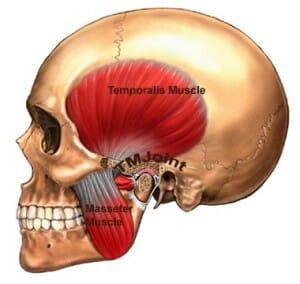
A sore jaw indicates that your jaw muscle health has been compromised and is likely due to the accumulation of an irritating substance that forms in response to muscle overuse, such as lactic acid. The key here is to increase the blood flow to your sore muscles which in turn brings fresh oxygen and nutrients to the affected areas. The Temporalis and the Masseter are the two most important muscles for you to focus on.

massage for TMJ, temporalis and masseter

1. Perform this massage with your mouth hanging slightly open, and your head relaxed: with your index and your middle finger, massage the sore areas in your temporalis and masseter muscles in a circular motion for 6 seconds on the right side, and 6 seconds on the left. If you can, do both sides at the same time. Press firmly, but not so hard that tears come to your eyes. After massaging your muscles, open your mouth to its fullest non-painful position and then close it slowly. Repeat 6 times.

2. I find this one is best done in the shower. Open your mouth halfway and place the pad of your index finger on the most rear upper tooth on one side. Then slide your index finger off that tooth and move it toward your cheek in an upward direction. You should run into a wall of bone. That is where your jaw muscle attaches and it is likely to be very tender. Once you’ve found the tender region, push your index finger inward and hold for at least 30 seconds before releasing. Then switch to the other side and repeat. Massage each side 2 times. (You can also move your index finger in a circular pattern instead of maintaining constant pressure.)

3 Exercises for Sore Jaws

1. This exercise is designed to release tension in the muscles that enable you to open and close your jaw. Place your tongue as far back as possible on the roof of your mouth. Now, try to open your mouth, keeping your tongue in this position (the range of motion will be very limited). While your tongue remains in place, position your thumb under your chin and attempt to open your mouth against the resistance of your thumb. Maintain this resistance for 3 seconds before releasing. Repeat this 6 times. This exercise can be performed up to 6 times per day.

2. Here’s another technique that many of my patients find helpful: blow air into your cheek on one side and hold it for 6 seconds. Then switch to the other side and do the same thing. This can be done 6 times per day.

3. You can also do some tongue exercises to loosen your tight jaw muscles. With your lips sealed, move your tongue in a complete circle 6 times to the right and then 6 times to the left. Then take 6 cleansing belly breaths as described above and repeat the tongue movements 2 more times.

If At-Home Treatments For TMJ Don’t Work…

Tight jaw muscles can produce serious pain. If you are suffering, and the above at-home treatments for TMJ don’t work after doing them for over a week, please contact your dentist or an orofacial pain specialist in your area. You can find a provider in your area by going to the American Academy of Orofacial Pain.

Good Luck!

Dr. Donald Tanenbaum is a board-certified orofacial pain specialist with offices in New York City and Long Island, NY. He is uniquely qualified to diagnose and treat problems associated with facial painTMJ, headaches and sleep apnea.

Live or work in New York City or on Long Island? You can schedule a consultation with here or call 212-265-0110.

Categories
TMJ

FDA Looking At Conditions That Impact Quality Of Life


There are hopes that TMD will be included.

I’m happy to announce some great news. The FDA (The Food & Drug Administration) is taking a closer look at medical conditions that can have a significant impact on your quality of life. Starting in 2016 the FDA will hold public meetings with the goal of determining the impact on daily life of 20 chosen diseases, and to look at the scope of services that are available to treat these conditions.

The TMJ Association is making huge efforts to have TMD (Temporomandibular Disorder) chosen as one of the diseases that will be focused on. That TMJ problems affect your quality of life is not news if you are one of estimated 35 million Americans who suffer from it every day.

Chronic pain problems, like TMD, rarely occur alone. It is estimated that 85% of TMD patients have other chronic pain conditions such as headaches, endometriosis, fibromyalgia, interstitial cystitis, irritable bowel syndrome, chronic fatigue syndrome, sleep disorders, or vulvodynia. In many cases these conditions are so complicated that patients don’t know where to turn to for care. As a matter of fact, I see many patients every week who have been told that they will never get better and that their problem is in “the head.”

If chosen as one of the conditions to be studied by the FDA, more information will be made readily available to you, the public, as to the nature of TMD and the treatments that are available.

Here are some facts about TMD that more people need to know:

  • TMD problems are orthopedic in nature.
  • TMD problems may be the result of (or aggravated by) rheumatologic, autoimmune or neurologic conditions.
  • Women are the largest group with TMJ symptoms as a result of specific biologic predispositions, some of which are hormone-driven.
  • Common TMJ problems may be the result of an accident, overusing the jaws, bad posture, teeth grinding (bruxism), or muscle tension caused by by emotions and life’s challenges.
  • Treatment for TMJ disorders should not focus merely on the teeth; the ultimate goal should be tissue healing and change of habits.
  • Getting better typically will lead to less pain, less medication, better function and increased optimism in people who before had anticipated a lifetime of suffering.

The same as with other orthopedic problems, after treatment patients may still have some pain, but it is likely that it will be at a much more tolerable level.

For all of you TMD/TMJ sufferers out there, the fact that the FDA has recognized that it’s time for this type of condition to be validated is welcome news. The result will be more access to information and thus, more access to treatment.


Dr. Donald Tanenbaum is a specialist with offices in New York City and Long Island, NY. He is uniquely qualified to diagnose and treat problems associated with facial painTMJ, and headaches.

Categories
Headaches TMJ

Transcendental Meditation Can Ease TMJ Symptoms and Headaches

In my practice I work with patients who suffer from facial pain, tight jaws, headaches (of a muscle or migraine variety), neck pain, or a combination of two or three symptoms. Some of my patients are poor sleepers and many of them grind and clench their teeth at night, resulting in problems with the TMJ (temporomandibular joint). But what most of these patients have in common is an extraordinarily high level of stress due to tension at work, overwhelming financial burdens, caring for aging parents, and more.

Sound familiar to you? Read on:

The logical way to reduce stress would be to make some big changes in your life, right? But that’s no simple task, if it’s possible at all. Unfortunately, when you live with stress over a long period of time your brain can become either fatigued, upset, or both. In this state you are more likely to develop physical ailments associated with the muscles of the head, neck and jaw. This perpetual state of mind-body imbalance can result in unhappy muscles resulting in facial pain, stiffness, spasms, limited head or jaw motion, and/or frequent muscle or migraine headaches.

The question then becomes “Are there treatment strategies that deal with the source of unhappy muscles instead of merely dealing with the end result?” This is where Transcendental Meditation (TM) comes in. Though it is far from being the only technique that addresses brain fatigue and upset, there is increasing scientific evidence that suggests that TM can help achieve mind-body balance.

How does TM work to ease TMJ symptoms and headaches?

The practice of TM promotes restful alertness of the mind. When you are in a restful alertness state there is improvement in the coordinated functioning of all parts of your brain (called EEG Coherence). EEG Coherence means that brain is operating in its most efficient way. In this state there is synchronization of the many types of brain waves communicating with your organ systems, and your organs are communicating in synchronization with your brain. When these communication pathways work well, muscles and joints are under a lower level of strain, they fatigue less, and they function more smoothly and easily.

Over time, people who practice TM report less pain, decreased strain, and more comfort in their face, jaw, neck and head.

As a doctor whose specialty is treating pain I will always have patients who need prescriptions, muscle or joint injections, oral appliances, exercises, rehabilitation and other relaxation strategies. But I now strongly advise all my patients to consider making Transcendental Meditation a part of their daily routine. So far, the feedback from my patients who practice TM is very encouraging.

After a consultation in my office I can refer you to one of the TM centers that I work with; sometimes even enabling you to receive a lowered fee to be trained.

Do you practice TM? Please feel free to share your experience here:

Dr. Donald Tanenbaum is a specialist with offices in New York City and Long Island, NY. He is uniquely qualified to diagnose and treat problems associated with facial pain, TMJ, and headaches.

Categories
TMJ

TMJ Problems and Wisdom Tooth Removal – Is There a Right Time?

When the recommendation has been made for wisdom teeth removal, and the patient has (or has experienced TMJ problems), some very important factors must be considered because TMJ problems and wisdom teeth removal sometimes don’t play nice with each other. The trauma to the jaw during surgery can make TMJ problems flare and potentially cause longer-term problems including pain, additional joint noises and more challenging joint locking problems.

Consider the following case: An 18-year old female is preparing to go off to college in the fall. Although she is experiencing no pain symptoms associated with her wisdom teeth, her dentist and consulting oral surgeon have made a recommendation to have all four removed, in order to avoid potential problems while she’s away at college.

The patient and her parents are concerned that her recently stabilized TMJ problem (clicking, pain and sporadic morning locking) will flare up as a result of the extraction process. Is this a legitimate concern, or excessive worry?

Since TMJ problems are orthopedic in nature it is logical to assume that a difficult extraction event can cause a managed TMJ problem to resurface. This is particularly relevant if the patient mainly had joint problems that required care. Females more than males are at risk due to the fact that their TMJ structures are biologically more susceptible sprain and strain.

The following is my recommended list of questions that should be discussed before the patient goes ahead with the wisdom teeth extraction.

1. Should the teeth be left in place for a year or two to ensure further healing of the TMJ problem?

2. Should two teeth be taken out initially, instead of all four? (A lengthy surgery could therefore be avoided.)

3. Should a local anesthetic alone be used so that the patient could communicate with the surgeon if in fact she felt that the jaw was being stressed, or should sedation/general anesthetics be used to relax the patient’s muscles and diminish muscle tension due to fear.

4. Should an intravenous steroid be routinely used to minimize any potential muscle/ joint inflammation, which would lead to post-extraction pain, and excessive/prolonged limited jaw motion.

Clearly there are no easy answers to these questions. The important message is that if your son or daughter is in this position, please be proactive and ask the difficult questions.

Some more questions to consider:

    • Is the jaw clicking and/or locking due to instability of the joint ligaments or movement of the shock-absorbing disc?
    • Are the wisdom teeth impacted in bone, are they fully or partially erupted, and if impacted, are they lying on their sides? (If they are lying on their sides, it will likely require more time and more bone removal to be extracted).
    • Is there inflammation of the gum tissues surrounding or overlying the wisdom teeth? Or is the plan to remove them designed to prevent possible acute periods of pain while the patient is at school or traveling overseas for an extended period of time?
    • Is there concern that the erupting wisdom teeth may cause undesirable tooth movement after orthodontics has been completed?
    • Does the patient’s gender and age make a difference in the outcome?

Patients with TMJ histories must be handled thoughtfully, and with an open mind. Remember, the removal of wisdom teeth is most often an elective procedure. Delaying their extraction may carry with it additional risks, but a patient with a history of TMJ problems, (particularly a young female) is always at risk during the extraction process.

Categories
Bruxism TMJ

5 Long-Term Effects of Bruxism

Millions of people suffer the effects of bruxism, which is the involuntary grinding and or clenching of the teeth at night. There are many reasons why you may brux your teeth. Getting to the bottom of the causes and designing a course of treatment for bruxism sufferers is a large part of what I do daily in my practice.

Since it happens at night, you may not be aware that you are grinding! However, if you consistently wake up with an aching jaw or a morning headache, there’s a good chance that you are bruxing in your sleep.

So, why is this a problem?

Because the long-term effects of bruxism can be serious:

1. A Change In Your Profile: If you are noticing that your jaw is becoming more “square” it may be a result of bruxism. As you grind, your masseter muscles can get more and more bulky. This may not bother a man, but for women, it is very concerning.

2. Sore and Worn Teeth: Bruxism can destroy your teeth! Not only can it wear them down, some people rip right through the enamel. Once enamel is compromised, the underlying dentin wears at a rate 6x faster than enamel. This affects your bite, your appearance, and even your health.

3. Jaw Pain: Some people experience jaw pain and soreness, especially in the morning. However, this pain can also linger through the day and even keep you from opening and closing your mouth without discomfort. Many individuals have daily ongoing pain in their face and jaw as a result of the nightly grind.

4. TMJ noises: Other consequences of bruxism may be the onset of jaw joint clicking as a result of strained ligaments and a dry joint environment that results from compression of the TMJs. Clenching, in particular, can squeeze all the moisture out of these joints leading to noisy, painful situations, and sometimes even locakjaw.

5. Headaches: Morning headaches in the temples are common in people who brux. As the temporal muscles fatigue during bruxism, lactic acid builds up which irritates the nerves in the muscle and the result can be a headache. In patients who suffer from migraines, this is a particularly troublesome situation, as it can trigger a more severe situation.

If you are experiencing any of the above, there’s a good chance you are bruxing. The long-term effects of bruxism can impact your life. See your dentist for advice. If you have been treated by a dentist, and are still suffering, now’s the time to seek out the help of a dentist with extensive training in this field.

Dr. Donald Tanenbaum is a specialist with offices in New York City and Long Island, NY. He is uniquely qualified to diagnose and treat facial pain associated with jaw problemsTMJreferred painnerve pain, and migraines. Find out more at www.nytmj.com.

Categories
Jaw Problems TMJ

4 Medications For TMJ Problems

As a TMJ specialist, there are times when medications are an important part of the treatment strategy. Though side effects must be kept in mind, there are medications that are often extremely helpful for short periods of time. So, for many TMJ sufferers, I have found that there are some medications that work rather well to address pain, muscle tension, and jaw motion restrictions.

However, it’s the way that these medications are used that differentiates their effectiveness. The following information should be very helpful to those considering (or currently) taking medications for a TMJ problem.

1. Advil (Ibuprophen) and Aleve (Naproxen): For pain, particularly when inflammation is present. Very important! Advil and Aleve are not muscle relaxants, in spite of what many people believe. They are classified as non-steroidal anti-inflammatory drugs and designed to reduce inflammation in joints and muscles. Most important: For individuals who have had jaw problems for an extended period of time, these medications must be taken for 2-4 weeks in order to be maximally beneficial. At the same time, the factors that caused the inflammation must be addressed or the medications will have limited benefit.

For some inflammatory problems associated with the temporomandibular joints specifically, these medications may be necessary for 8-12 weeks just like they would be required for this duration for inflamed and painful knees. Because Advil and Aleve can upset the stomach and kidneys, care must be taken when extended use is prescribed. Alleve has been recently recommended to be the anti-inflammatory of choice for those at risk for a heart attack or have a history of heart problems .

2. Tylenol (Acetaminophen): For pain when inflammation is not present. Acetaminophen is a different class of drug than Advil and Aleve and is not an anti-inflammatory medication. It is an analgesic that is effective to relieve pain when inflammation is not present. Your doctor must monitor long-term use of Acetaminophen as it can induce headaches and can compromise liver function (particularly in individuals that consume alcohol daily).

3. Muscle Relaxants: Commonly known muscle relaxants are Flexeril, Soma, Skelaxin, Zanaflex and Robaxin. This class of drug can only be obtained with a prescription. Muscle relaxants can be used both during the day and at night before going to bed. Because some people experience fatigue when using them particularly during the day, we often need to try several types to get the right one.

Muscle relaxants can also be used while taking other products such as Aleve, Advil and other prescription anti-inflammatory options. The time frame over which these medications are taken is variable but can be used for many months (particularly when taken only at bedtime).

An added bonus for patients taking muscle relaxants is that they promote restful sleep and can often reduce the intensity of nighttime grinding and clenching of the teeth.

4. Anti-Anxiety Medication: When anxiety and worry are driving muscle tension and pain in the face and jaw it is not uncommon to prescribe small doses of anti-anxiety medications for a short period of time to be taken during the day, at bedtime, or both. These medications work in the brain and help reduce the ability of muscles to “brace” as a consequence of life events, thoughts, and or emotions.

The commonly known medications in this category are Valium, Xanax, Klonopin, and Ativan. These are controlled substances, available by prescription only, and registered in a national data bank to help prevent overuse and abuse.

When taken at bedtime they are very effective (in short term periods) in reducing tooth grinding and clenching and the consequent symptoms of pain and muscle tension in the morning. My patients often report that anti-anxiety medication “takes the edge of my pain and muscle tension.”

So, for TMJ sufferers, medications have proven to be very helpful in breaking the “pain cycle” and allowing other therapies to begin to work for long-term relief. The key is using the right one, careful monitoring, and short-term use.

Live or work in New York City or on Long Island? You can schedule a consultation with me here or call 212-265-0110

Categories
Jaw Problems TMJ

Indoor Cycling Classes Can Cause Jaw Pain and TMJ

Over the past few years in my practice we have seen an increasingly number of female patients who are committed fans of high intensity indoor cycling workouts (sometimes called “spinning”) such as Soul Cycle. They have been arriving complaining of jaw pain, limited jaw motion, and jaw clicking, all the typical signs of TMJ or Temporomandibular Disorder. What we’ve determined is that these popular high intensity indoor cycling programs may be detrimental over time for some women, particularly as they relate to the upper neck muscles.

Indoor Cycling and TMJ – What’s the Connection?

Many TMJ disorders start in the muscles of the head and neck region. Tight, fatigued, and overused neck muscles can cause changes in head position and consequently changes in the tone of jaw muscles and the position of the lower jaw (even when at rest). Over time these subtle changes can cause jaw pain and tightness. In addition, there are trigger points in the neck muscles that when active can refer pain to the jaw and lead to muscle contracture of the jaw muscles, leading to diminished jaw motion and sometimes changes in how the teeth come together.

By working one’s upper body while pedaling a stationary bicycle, the head and jaw posture is often strained in a way that can lead to extreme muscle fatigue. The head weighs about 18 lbs. and in the midst of an intense cycling class this 18 lb. ball is hanging forward and bouncing around. As a result of this challenge to the biomechanics and physiology of the neck, muscle pain and at times even nerve pain, can emerge in the face and jaw, a condition commonly referred to as TMJ.

Case Study: TMJ and Soul Cycle

Knowledge of how the neck works is important in understanding why TMJ problems can be caused by intense indoor cycling classes. My patient Nancy is a perfect example. She is 27 years old and recently came to see me complaining of severe jaw pain, limited jaw motion, and jaw clicking. A thorough interview revealed that the only change in Nancy’s daily routine was the inclusion of three to four Soul Cycle classes per week. Discussion also revealed that she had been experiencing jaw tension during class that often lingered for hours afterward. What started out as a short-term symptom had evolved into even more troublesome problems. I recommended that she give herself a break from Soul Cycle, engage in a short regimen of physical therapy, and take anti-inflammatory medication for a limited period of time. We’re happy to report that today Nancy’s jaw problems have been resolved.

I recognize that intense indoor cycling fitness programs such as Soul Cycle can have tremendous personal and physical benefits. What should be kept in mind is this: many classes every week over a long period of time may actually put your jaw at risk. And what good is a fit body if you can barely open your mouth?

Live or work in New York City or on Long Island? You can schedule a consultation with me here or call 212-265-0110

Dr. Donald Tanenbaum is a specialist with offices in New York City and Long Island, NY. He is uniquely qualified to diagnose and treat facial pain associated with jaw problems, TMJ, referred pain, nerve pain, and migraines. Find out more at https://www.nytmj.com/about-dr-tanenbaum/.

Categories
Bruxism Nightguards & Oral Appliances TMJ

Biteplates Need To Be Monitored

Thousands of people every year are prescribed biteplates by their dentists. There are two common scenarios that prompt a dentist to make this recommendation.

Scenario 1: Tooth Grinding

You went to your dentist for a routine appointment and you were told that there is evidence that you are grinding your teeth at night  (sleep bruxism). Your dentist may in fact show you areas of tooth wear on your teeth. You have no jaw or tooth  pain, which is good, but a biteplate is made to protect your teeth at night while you sleep. This biteplates may be made of hard acrylic, dual laminate materials with a soft inside and hard outer shell, or may be totally soft and pliable.

Since you have no symptoms of jaw or tooth pain, there is no need to do anything else. Your dentist should ask you to bring it with you when you go in for a routine tooth cleaning  appointment. Overtime it may have to be remade due to wear and tear, or adjusted if new dental restorations have been placed.

Scenario 2: Jaw Pain, Stiffness, and more…

You are experiencing pain/tightness/stiffness in the jaw muscles, pain in the Temporomandibular Joints (TMJ’s), or clicking that is new or getting worse. Your symptoms may be worse in the morning as many people often wake up with symptoms of jaw pain, diminished jaw motion, and even a jaw that feels locked and out of place. Your dentist will in this situation commonly make a biteplate that can be modified over time as your symptoms change. It may have a flat biting surface or inclines to address your specific problem.

These adjustable biteplates need to be monitored as your condition improves, or if it is not helping to reduce symptoms. Just like an orthopedic splint for the knee,  problems, modifications, or changes are required overtime as the situation dictates.

If your jaw problem was due to a specific trauma or injury  (sports related/eating/accidental) which lead to a joint sprain, muscle strain, or joint inflammation, as healing occurs you will likely wear the appliance less until you don’t need it at all.

However, if your jaw pain, locked jaw, decreased motion, sore teeth, or headaches resulted from persistent and aggressive sleep bruxism , then long term use of the biteplate may be required. Periodic visits to the dentist will be required to determine when, and if the biteplate use can be reduced or eliminated. Regardless of the reasons that you needed a biteplate to begin with, please make sure your dentist monitors its use at least once a year.

Learn more about biteplates and oral appliances.

Dr. Donald Tanenbaum is a specialist with offices in New York City and Long Island, NY. He is uniquely qualified to diagnose and treat facial pain associated with jaw problemsTMJreferred painnerve pain, and migraines. Find out more at www.nytmj.com.

Categories
Facial Pain

Facial Pain and TMD: A Persistent Domestic Stress Disorder?

Three patient visits in the past week alone made me think that it may be time to consider formulating a new diagnostic term to categorize the countless people that I  see who are suffering with facial and jaw pain but who have no history of disease, identifiable injury, or illness. I am therefore proposing a new term: Persistent Domestic Stress Disorder (PDSD), modeled after PTSD (Post Traumatic Stress Disorder) which was coined in the 1980’s as a result of ongoing studies of Vietnam veterans who returned from combat as different people.

Though defined in many ways, the most classic definition of PTSD is a “debilitating condition that affects people who have been exposed to a major traumatic event” (“Post- Traumatic Stress Disorder, PTSD”). Traumatic events that may trigger PTSD include violent personal assaults, natural or unnatural disasters, accidents, or military combat. To fit the criteria of PTSD the individual must exhibit certain symptoms subsequent to the event(s).

Symptoms of PTSD:

  • Intense fear, helplessness, loss of control over daily life events
  • Persistent re-experiencing of the traumatic event
  • Continual avoidance of reminders associated with the event
  • Increased arousal, an overwhelming inability to cope with flashbacks, insomnia, and nightmares
  • A duration of these conditions for at least one month*

Surely many of these elements are absent in our pain patients but there are unfortunately many similarities, therefore my new diagnostic term: Persistent Domestic Stress Disorder. Though domestic challenges and specific events may not be as vividly upsetting as those encountered in war, they are no less traumatic to the mind and soul.

Consider the following scenarios I commonly hear: 80-hour weeks to preserve a job or to become eligible for advancement, 24/7 care for an elderly parent with progressive dementia, persistent worry in our young adult patients focused around achieving in school or finding the right partner, verbal or physical abuse at home or in the workplace, fragile and unsatisfying marital relationships, uninspired children that need ongoing emotional and financial support, and coping with personal medical infirmities that cast doubt on one’s future. These are just some of the profiles that are seen routinely in my practice.

As a consequence of these challenges I see increased arousal in my patients’ nervous systems (always in “fight or flight” mode with excess levels of adrenaline and cortisol being found in their bloodstream). I hear complaints of insomnia (inability to get to sleep or stay asleep), I see shallow breathing patterns (with the end result of imbalances in the levels of oxygen and carbon dioxide in their systems) and I see acquired behaviors (such as tooth clenching, furrowing of the brow, raised shoulder, etc.) that fatigue the muscles of the head, neck, face and jaw.

As these challenges persist well beyond one month, the brain remains under siege and ultimately subtle changes in neural thresholds and muscle tone result leading to pain symptoms along with complaints of ringing/fullness in the ears, burning in the mouth, loss of balance, or tingling in the face. Patients arrive at my office often exhibiting helplessness and are easily moved to tears when they are reminded of the issues in their lives that they have been trying to avoid thinking about.

Though bringing these concepts to light may make patients wonder if they can actually feel better when faced by these huge obstacles, there truly are strategies that can be employed that bring definitive relief.

If you are suffering from facial or jaw pain, your symptoms are real. They are common and familiar to those of us trained in the recognition and treatment of Orofacial pain and Temporomandibular disorders. There is no “quick fix,” rather comfort will only be realized if nerve thresholds return to normal, muscle tension eases, sleep is regained and optimism and control are restored within an individual’s personal world.

You can be helped to feel better. Fortunately there are strategies that work and health care providers like myself who can help.

Read more about how I work with patients suffering with facial and jaw pain, and the symptoms of TMJ on my website.

*Spinrad 1

Categories
TMJ

Home Therapy for TMJ

I’m a TMJ specialist. Patients often tell me that they’ve been told that there is no treatment for TMJ problems and that they will struggle with this problem for the rest of their lives. To the contrary! TMJ problems like all other orthopedic problems are common and treatable.

We have many types of specific treatments for TMJ in the office, but there are also a number of home therapies that have shown to be rather beneficial for the vast majority of TMJ sufferers. Whether your TMJ problem is focused in the jaw muscles, the jaw hinges (the temporomandibular joints), or the associated tendons and ligaments, the basic principles used to treat all orthopedic problems apply.

Rest, support, medication, and rehabilitation are often the key ingredients to success. Though only some jaw related problems require professional care, ALL TMJ problems require home care strategies to achieve the goals of pain elimination and restoration of function. What follows is a thorough list of home care strategies for overcoming TMJ pain.

15 Home Therapies for TMJ Sufferers

1) Apply heat over tender muscles and apply cold over tender joints. At times, my patients choose to cool with ice packs first over both the muscles and joints for 5 minutes and then follow with heat for 15 minutes. This can be repeated several times a day.

2) Avoid overuse of jaw activities and behavior that fatigues the jaw muscles. This is critical to achieve healing. Overuse activities include gum chewing, nail & cuticle biting, biting on pens, pencils, straws, ice, plastic items, eyeglass frames; the list goes on.

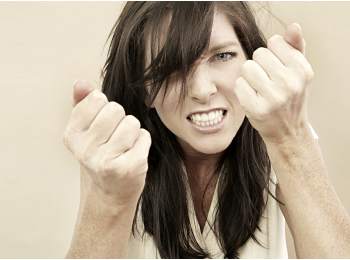
3) Avoid clenching your teeth during the daytime. For techniques to help you overcome this behavior, click here.

4) Avoid cradling your phone between your shoulder and neck and try to reduce the amount of time you are texting. Your head in a forward posture for lengths of time wreaks havoc on your neck and jaw muscles.

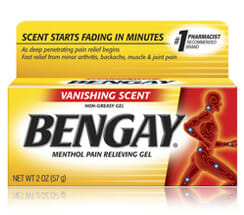
5) Apply pain-soothing gels over the jaw, neck muscles, and jaw joints. These may include BenGay, Aspercreme, Biofreeze, but many other preparations are available in the local pharmacy. (Note: some of these products contain menthol, arnica, aspirin, and other anti-inflammatory ingredients so make sure you are not allergic or sensitive to these products.)

6) Try TENS stimulation. TENS is a form of muscle stimulation that can help reduce spasm, muscle tension, and relieve pain. TENS devices can now be found on the Internet, but be advised as they do require instruction in order to be used safely.

7) Muscle massage techniques can be used over the temporalis muscle and masseter muscle (which is the big muscle that bulges when you clench your teeth). These muscles can be rubbed and massaged as you would for a sore calf or thigh muscle, applying enough force to be uncomfortable but not too much force that your eyes tear. This can be done for 2-3 minutes 3-4 times a day and the best place to do it is in the shower. There are a number of YouTube videos you can watch to help guide your technique.

8) Avoid hard, large, tough, and/or chewy food. I don’t recommend a mushy diet but rather a thoughtful diet. If you experience pain during or after a meal, you probably ate the wrong food.

9) Minimize caffeine intake (even chocolate) and nicotine use.

10) Abstain from drinking alcohol close to bedtime hours as it leads to restless sleep.

11) Hydrate with a good amount of water throughout the entire day.

12) Try your best to get 7-8 hours of restful sleep every night.

13) Avoid electronic stimulation prior to going to bed. Your cellphone, laptop, and other various devices can all negatively affect your sleep cycle.

14) Exercise routinely, at least a few times throughout the course of the week, to build endorphins and reduce daily stress. Endorphins are our bodies’ natural painkillers.

15) Practice diaphragmatic breathing or even meditate during the day to slow the number of breaths you take per minute.

Certainly you may need more directions of care, as every patient is unique, but these ideas, if pursued consistently, will surely provide some relief or buy some time until you are able to see the proper medical professional. If any of these recommended techniques increase your pain or aggravate your jaw in any way, they should be discontinued immediately.

Live or work in New York City or on Long Island? You can schedule a consultation with me here or call 212-265-0110

Dr. Donald Tanenbaum is a specialist with offices in New York City and Long Island, NY. He is uniquely qualified to diagnose and treat facial pain associated with jaw problemsTMJreferred painnerve pain, and migraines. Find out more at www.nytmj.com.

Categories
BOTOX® TMJ

Is It TMJ or is It a Tumor?

In my practice, most patients are referred by their dentist, physician, or other health care professionals because they are experiencing facial pain or the common symptoms of TMJ/TMD (Temporomandibular Joint Disorder), which can include one more of the following: ear pain, jaw pain, limited jaw motion, joint noise, the inability to bring teeth together, facial tightness, and headaches often focused in the temples.

At times, however, the patient’s description of their symptoms and the history of their problem indicates that though their complaints are familiar, the origin of their problem may relate to an underlying medical disease or condition that has yet to be discovered. In other words, things are not what they seem to be!

For instance, the following medical conditions (a small sample) can produce the signs and symptoms of a TMJ/TMD problem:

  • Sinus Tumors
  • Acoustic Neuromas
  • Thyroid disease
  • Lyme Disease
  • Tumors in the Salivary Glands
  • Blocked Coronary Artery Tumors in the Neck
  • Facial neuralgias

Though these conditions occur much less frequently than a common jaw ailment, they must be considered when a patient’s TMJ symptoms are not responding to common therapies and/or progressing over time. Once a specific diagnosis has been made, the treatments put into place will address the disease first, with the result of the secondary symptoms easing or disappearing over time. Unfortunately, at times if making the proper diagnosis is delayed, and the TMJ structures (muscles or joints) are treated instead of the real problem, suffering will continue.

From another perspective, there are times when the treatment for a diagnosed medical problem in the head and neck region requires surgery or radiation therapy. As a result of these treatments, however, jaw motion can become limited, and pain may develop that is continuous or related to jaw function. This, for example, can occur following surgery to remove a brain tumor, which requires cutting through the muscles in the temple.

As a result, scarring can occur, leading to diminished jaw motion. In the presence of these outcomes, however, there are a number of traditional TMJ therapies that can aid in the restoration of jaw function and regaining comfort. These could include:

Clearly, then, facial pain and jaw-related problems are complicated at times. Your thoughts are welcome:

Categories
Facial Pain TMJ

Chronic Facial Pain More Debilitating Than Back Pain

A lot of times people deal with aches and pains by simply ignoring it, or taking an aspirin in the morning before heading out to work. In many cases aches and pains are the unfortunate byproducts of getting older or working hard. For some patients, they look at having a TMJ problem in a similar fashion. They’ll take a couple aspirin, massage their jaw muscles or maybe switch to soup for a day, and then try to ignore it. But did you know that TMJ disorders can be among the most debilitating forms of pain people can suffer?

According to a recent study by University College in London, orofacial pain is any type of pain that occurs in the region of the face, including the mouth, jaw (TMJ), nose, ears, eyes, neck, and head are considered more debilitating to its sufferers than those suffering with chronic back pain or headaches. When compared, those who suffered from facial pain reported higher levels of disability and limitation than those who suffered from backaches or headaches by a margin of more than 19%.

Dr. Leeson, a member of the pain study, said. “These initial results suggest that chronic orofacial pain can have a significant impact on patient’s lives, affecting their normal daily activities, ability to work and causing marked disability.”

Though creating high levels of suffering, help is available for these problems. Rather than suffer through the pain and jeopardize your ability to perform at your job, or to have a fulfilling life, consulting with an orofacial pain specialist is the first step in getting relief. It is not uncommon for patients who have been suffering for months or even years to find considerable relief from the nonsurgical therapies that are commonly employed. If, however, care is not provided, these problems can become rather complex and challenging to manage.

Dr. Donald Tanenbaum is a specialist with offices in New York City and Long Island, NY. He is uniquely qualified to diagnose and treat facial pain associated with jaw problemsTMJreferred painnerve pain, and migraines. Find out more at www.nytmj.com.

Categories
TMJ

Can I Develop TMJ after Suffering Whiplash in a Car Accident?

Very often I get patients who come to me complaining of limited or painful jaw movement and are looking to pinpoint why. After tests, X-rays, and long discussions with the patient, they might casually let it slip that they were in a car accident recently and banged their head on the dashboard. The light bulb didn’t go off in their heads. They didn’t see a connection. But is there one? Can a patient develop painful or reduced jaw movement from a collision, even if they hadn’t made direct contact with their jaw?

According to a recent Canadian study, released in the Journal of American Dental Association (JADA), a population-based survey has revealed a strong connection between reduced or painful jaw movement and whiplash-associated disorders (WADs).

The questionnaire sent out to Canadians who filed personal injury claims over an 18-month period, and the responses determined:

  • A greater number of victims with WADs reported limited or painful jaw movement than those without WADs.
  • Those who experienced limited or painful jaw movement were greater among women.
  • Those who experience limited or painful jaw movement were greater among younger claimants.

The JADA study threw out respondents who had suffered from limited or painful jaw movement prior to the motor vehicle accident. It also excluded respondents who were hospitalized for more than two days, or who were pedestrians, bicyclists, or motorcyclists involved in the accident.

The message? If you’re involved in a motor vehicle accident and suffer from some kind of whiplash-related pain or injury, you might also be susceptible to symptoms similar to TMJ. In our consultations, we always ask patients details that may seem insignificant, but are backed by research. Some of these questions might pertain to your psychological state, work or life stresses, and yes; whether you’ve been in a motor vehicle accident recently.

Dr. Donald Tanenbaum is a specialist with offices in New York City and Long Island, NY. He is uniquely qualified to diagnose and treat facial pain associated with jaw problemsTMJreferred painnerve pain, and migraines. Find out more at www.nytmj.com.

Categories
Nightguards & Oral Appliances TMJ

Can Mouth Guards Cure TMJ?

Patients will often come to me suffering from symptoms of TMJ and looking for solutions that don’t involve medication or surgery. Symptoms such as facial pain, headaches in the temples, inability to open to the mouth widely, sensitive teeth, or aching and throbbing jaw muscles can be unbearable. There are numerous remedies, for jaw related symptoms that include massages, home exercises, physical therapy, modified diets, and changes in daytime behaviors/postures. At times an oral appliance is an important part of care. These devices are commonly used for the treatment of TMJ problems and can be used in a number of different ways.

What is an oral appliance?

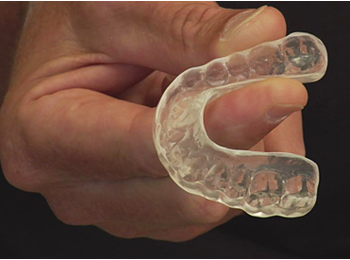
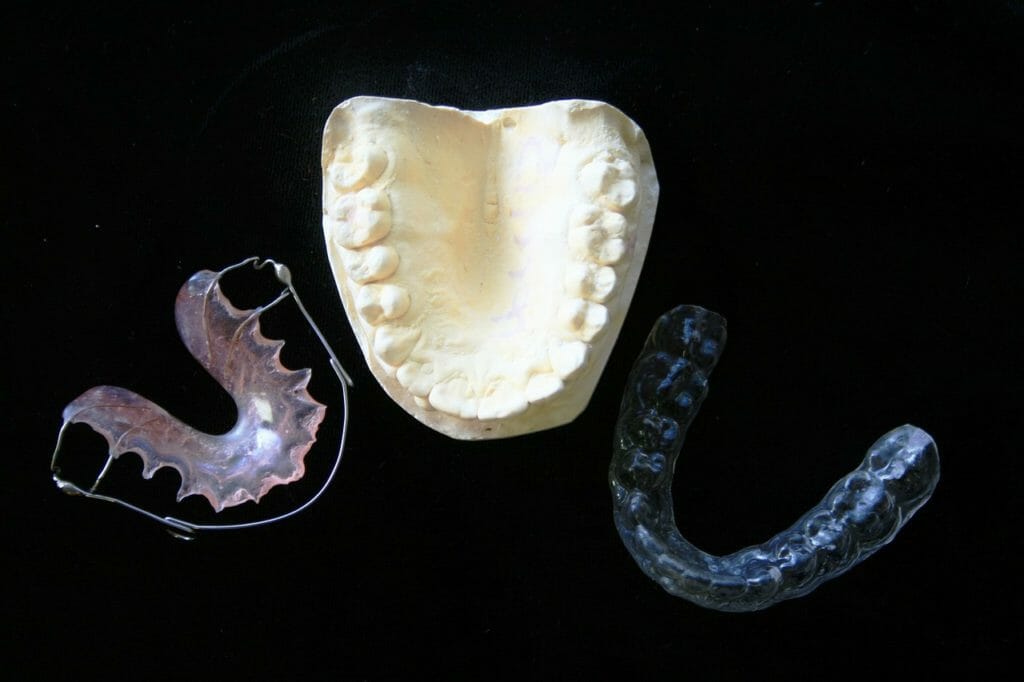
An oral appliance is a device that fits over your teeth with the intent of reducing tooth wear, tooth mobility, tooth sensitivity, muscle pain and soreness and joint pain and instability. At times but not frequently these devices are designed to “align the jaw.”  They can also be used to discourage some of the daytime behaviors many patients don’t realize they’re doing, such as resting their teeth together, clenching their teeth, or biting their nails or cuticles. These appliances can be worn at night and/or during the day

In general the intent of these appliances is based on the problems experienced by patients.

Night guards: Most commonly these appliances are chosen by dentists to address tooth wear, soreness, and mobility that occur as a result of night clenching or grinding of the teeth. Many patients that develop tooth wear do not even realize that they have a problem and often deny grinding their teeth at night. These devices when used in patients without active symptoms (just wear of the teeth) don’t require much adjustment and should be brought by the patient when they return to the dentist for tooth cleaning visits. Typically these devices are custom fit so that they are retentive, not too thick, and modifiable over time. Over the counter devices sold in pharmacies and online are for the most part inadequate, as they are often too thick, poorly retentive, and inadequately cover all of the teeth. As a result these devices can often prompt more clenching, and/or allow tooth shift.

Night appliances to address TMJ problems: Based on the specific jaw problem that is diagnosed (muscle soreness, morning temporal headaches, limited jaw opening in the morning…etc) oral appliances at night are designed to reduce overuse and loading forces to the TM Joints and jaw muscles. The biting surface of the appliance is therefore designed and modified to most efficiently address the problems at hand. Most commonly the biting surfaces are flat but, at times, inclines and ramps are used to confront unstable joint ligaments and displaced discs. When used in patients with active symptoms, these appliances require frequent modifications requiring patient follow-up visits.

Day appliances to address TMJ Problems: At times there is necessity to have a patient wear an appliance during the day. For the most part these appliances are needed when there is extreme instability in a TM joint that has led to clicking, locking, and pain problems. These appliances are not worn all day and virtually never during chewing. At other times, oral appliances worn during the day hours can be used to get in the way of day behaviors and/or remind patients that during the day the jaw should be hanging in a rest position with the teeth apart.

How about oral appliances to re-align the jaw? This concept of jaw re-alignment to address a TMJ problem remains controversial. To date there is no science to support the concept that a poor bite or mal-aligned jaw is responsible for the emergence of TMJ symptoms. At most a bad bite or mal-aligned jaw may be a risk factor but with no more weight than other risk factors such as; female gender, gum chewing, clenching, night grinding, or stress. As long as there remain millions of people with bad bites and asymmetric jaws without symptoms this concept has to be viewed with skepticism. In addition, if an appliance were to be made to re-align the jaw, it would require the patient to bite or rest on it when in the mouth to hold the jaw in the ‘better’ position. This action of course would violate the principle that the jaws should hang at rest during the day. Clearly this option must be chosen with great care.

From an overall perspective the concept of curing a TMJ problem with an oral appliance is probably a bit of a stretch. Their use however is a critical part of TMJ treatment!

These appliances are extremely helpful in reducing the damage from night clenching or grinding. They work by diminishing the forces exerted on the TM joints and by diminishing the amount of contracture that can be generated in the jaw muscles.  Night guards are most effective when custom fit, and adjusted over the course of time. Or you can purchase a generic set at a drug store. Obviously, custom-made night guards that have been conformed to your individual bite-print are more effective in treating TMJ symptoms, but the trade-off is that they’re more expensive.

  • Bite Splints: This form of therapy uses a mouth guard to physically correct the bite, rather than just relieve pain or reduce damage to the teeth. Bite splints are best for you if you have more extreme TMJ symptoms that need correcting in order to have a hope for any long-term relief. The primary difference between a bite splint and a night guard is that bite splints are worn around the clock, 24-7. It’s a full commitment to correcting the misalignment issues that are causing your TMJ.

So, can mouth guards cure your TMJ? The short answer is: Yes. In some cases, particularly with corrective bite splints, you can realign your bite over the course of time and eliminate those painful TMJ symptoms. In other cases, mouth guards can relieve your symptoms to the point where you feel very little pain or discomfort at all. Stop in to our office and see Dr. Donald T. Tanenbaum for a consultation, fitting, and to end your suffering today.

Learn more about Dr. Tanenbaum’s unique qualifications and expertise, here.

Live or work in New York City or on Long Island? You can schedule a consultation with me here or call 212-265-0110

Categories
Facial Pain Jaw Problems

Creams for Face Pain and Jaw Pain

Are there any topical creams that I can use to decrease my face and jaw pain?

A patient recently came to the office with a cream rub that she had been rubbing into her jaw and facial muscles. Although the cream smelled terrible, she thought it was helping. The question is then, do these creams work?

According to research performed on over-the-counter TOPICAL PAIN RELIEF products, creams designed to relieve muscle pain are generally safe, can provide short-term benefit but do not provide long-term relief. The reason these products have only limited usefulness is likely related to the fact that they do not penetrate deeply enough into the muscles.

The most common types of creams contain these basic ingredients:

• Menthol (a counter-irritant)

• Salicylates (aspirin)

• Capsaicin (a pain reliever found in hot pepper)

Menthol: Common products such as Flexall 454, Icy Hot, and Biofreeze contain menthol, wintergreen, or eucalyptus oil that makes the skin feel hot or cold and provides a distraction from the pain. Patients who come into my office tell me these products either provide temporary relief, or do not help at all. Generally these counter-irritant products are rubbed into the jaw muscles 3-4 times a day. When using these products on the face, care must be exercised to avoid contact with the eyes or lips.

Salicylates: The common ingredient found in aspirin, Salicylates are most effective when taken orally. Research indicates that the effectiveness of salicylates decreases to a significant degree when used as a topical cream. Bengay, Aspercreme, and Sportscreme contain this ingredient and are commonly used by my patients.

Capsaicin: A compound found in chili peppers, capsaicin causes a hot, burning sensation when applied to the skin. This topical rub actually depletes a chemical in nerve cells responsible for sending pain signals to the brain. Common products that use this compound are Capzasin, and Zostrix. These products, however, can be risky when applied to the face, as they can cause intense burning and irritation should they get in the eyes, or on the lips.

As expected, some patients swear by these products despite what the research reports. In my opinion there is likely some placebo effect taking place to account for at least 1/3 of the pain relief experienced by patients using these rubs. Additionally, the physical act of rubbing and massaging the facial muscles when applying these products can also provide relief by increasing blood circulation to the area.

In summary, self-help actions can go a long way toward reducing face and jaw pain. Despite poor scientific evidence, these creams can provide some degree of benefit and are recommended as part of an overall self care plan.

Live or work in New York City or on Long Island? You can schedule a consultation with me here or call 212-265-0110