Manhattan

212-265-0110

White Plains

914-227-2305

Springfield, NJ

973-315-7830

Hauppauge

631-265-3136
Categories
Ear Pain TMJ

Causes of Ear Pain

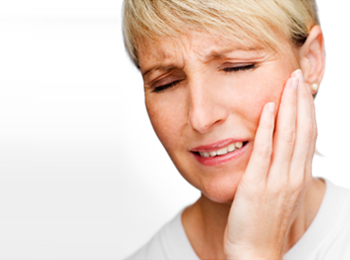
Many patients come into my practice complaining of ear pain, when other physicians have found nothing wrong with their ears. The ear pain complaints heard most often are these:

• My ear feels full

• My ear feels stuffy

• I feel like something is dripping in my ear

• I feel pressure in my ear

• There is ringing in my ears

• I hear a hissing sound

• I hear a buzzing sound

More often than not, patients complaining of ear pain will see their general practitioner, internist, or an ENT (ear, nose, and throat) doctor. But if there is no evidence of an infection, and there is no fluid or inflammation in the ear (or other problems with ear function) the ear pain could be happening because of a malfunction in the muscles of the face, jaw, or TMJ (Temporomandibular Joint).

Because of the way our ears, face, and jaw develop inside the womb, the malfunction of one area can cause pain in the other. To figure out if your persistent ear pain is related to a muscular issue, pay close attention if the ear pain you’re experiencing:

• Increases when you eat

• Increases when you talk

• Increases when you open or close your mouth

• Is constant and intense

If these are the dominating symptoms, chances are the ear pain will not go away unless doctors can address the muscle and joints in the face that are causing it to begin with. Treatment that focuses specifically on the ear will not work if the ear pain is just a symptom of a different problem.

Dr. Donald Tanenbaum has been practicing in New York City and Long Island for over 20 years. He is uniquely qualified to diagnose and treat bruxism, TMJ and TMD problems, Sleep Apnea, facial pain, muscle pain disorders, nerve pain disorders, tension headaches, and snoring. Learn more about Dr. Tanenbaum here.

Categories
Jaw Problems TMJ Women & Pain

Estrogen, Pain, and TMJ

Why is TMJ Disorder So Prevalent Among Women?

Not only is there a clear dominance of TMJ in women, but also the severity of the problem is often at a level virtually never seen in men. This scenario is frequently seen in the case of teenage girls, suggesting that the problems we are confronted with could be hormonal. Some research has unveiled a link between TMJ and estrogen, which could shed light on the dominance of TMJ in women.

Take the example of Mary, a 17-year-old female who came to my practice. Mary’s problems started when she was 12 years old with the onset of non-painful TM joint noises that did not interfere with eating or jaw function. Over time, pain emerged and her bite began to change, altering her profile and appearance. Before long her pain was so debilitating and her bite so altered, that there was no choice but to seek surgical treatment. Both TM joints had “dissolved away” and her jaw profile and bite had to be reestablished.

How could this happen with no history of trauma and no apparent underlying medical disease? The role of hormones, estrogen in particular, has been identified. Research has shown that Estrogen:

  • Impacts the body’s natural pain fighters (endorphins)
  • Increases inflammation in the Temporomandibular Joints
  • Compromises the strength and adaptive ability of all ligaments

These factors, coupled with lower endurance capacity in female jaw muscles, are all that is likely needed for difficult problems to arise. Additionally, research suggests there may be specific genetic predispositions that lead to unprovoked TMJ in women.

Though the treatment that Mary had received has restored function, jaw stability, and reduced her pain, there is still much to learn about gender specific jaw problems.

Dr. Donald Tanenbaum has been practicing in New York City and Long Island for over 20 years. He is uniquely qualified to diagnose and treat bruxism, TMJ and TMD problems, Sleep Apnea, facial pain, muscle pain disorders, nerve pain disorders, tension headaches, and snoring. Learn more about Dr. Tanenbaum here.
Categories
TMJ

What is a TMJ Doctor?

Because many common symptoms of TMJ problems often can be the result of other medical conditions, those who represent themselves as “TMJ Doctors” (or “TMJ Specialists”) must be able to not only recognize common TMJ problems, but also must be adequately trained and have sufficient past experience to enable them to accurately diagnose the vast number of other problems that can produce these common TMJ symptoms:

  • Facial and jaw pain
  • Diminished jaw motion
  • Facial and temporal headaches
  • Jaw muscle spasm and tension

Whether the symptoms you are concerned about are due to a facial migraine, a nerve pain problem, disease in a salivary gland or sinus, a thyroid condition, brain tumor, or strained Temporomandibular joints and jaw muscles, the “TMJ Doctor” you see must be skilled in making what is called a “differential diagnosis.” From a patient’s perspective, that means you need to know with a degree of medical certainty that your ‘TMJ’ problem is truly due to a local muscle and joint problem, and not due, instead, to some underlying medical disease process.

In today’s world, particularly in communities with access to major medical centers, hospitals or universities, you should expect your “TMJ Doctor” to have an academic appointment or faculty position at one of those institutions. He or she should also be involved with teaching, lecturing, and/or publishing, as these positions and efforts are a clear indication that there is a commitment to learning and advancement of knowledge.

Most important, don’t be fooled by the ‘TMJ Doctor” who has high-tech computerized  equipment that (allegedly) determines whether your bite is bad or if your jaw is in the wrong position. Though imaging technology (CT scans and MRI’s) is often important in making an accurate diagnosis, the vast majority of all TMJ problems can be diagnosed accurately with a careful history and examination. The adage, “The diagnosis is in the history if the doctor chooses to listen” holds true in just about all these situations.

Lastly, because most TMJ problems respond to treatment over time and with supportive measures to heal the injured TM joints and muscles, treatment most commonly should not require changes to your teeth or bite. If your “TMJ Doctor” recommends ongoing bite adjustments (grinding the tooth surfaces with a drill), crowns to fix your bite, or extensive orthodontics as the primary focus of care, these should be looked at suspiciously, and you should definitely seek a second opinion.

Categories
TMJ

The Most Important Equipment in a TMJ Doctor’s Office

Modern technology, such as imaging, has led to wonderful advances in diagnosing medical problems, but for certain patients with TMJ/TMD* complaints, TMJ doctors can better understand individual patients by simply listening and looking. That’s why the most important equipment in the office is the doctor’s ears.

How is that? Simply put, most jaw disorders are rooted in a muscle problem, and the key to resolving the issue is for the TMJ doctor to understand what has compromised the muscle in the first place. With all symptoms of TMD—pain, tightness, restricted motion, sense of bite change, odd sensations in the face—there must be an explanation for why the muscles are fatigued, irritated, or contracted to the point where these symptoms emerge. Electronic diagnostic and treatment equipment is useful for TMJ doctors, but it doesn’t always reveal the ‘why’ of the problem the way simply speaking to the patient can.

Unless there has been an identifiable trauma (accident), recent dental changes, or an underlying medical problem that leads to muscle pain or spasm, the majority of all TMD muscle problems that we see stem from life challenges, conflicts, emotions, and learned behaviors. Some of these emotional or behavior triggers can include:

  • Gum chewing
  • Nail biting
  • Biting on pen caps, straws, or plastic items
  • Phone cradling
  • Leaning forward for long periods of time

Information about these common habits can only be gathered by engaging the patient in a conversation. In the words of famous physician Sir William Osler: “The diagnosis is in the history if we choose to listen, but most of us are deaf.”

TMJ doctors’ goal is to listen first, look second, and then integrate the information gathered to treat our patients. I suspect this formula will outlive many of the high tech diagnostic tools that continue to entice the dental practitioner looking to treat the patient with TMD.

*To understand the usage of TMJ and TMD in this article, please click here.

Dr. Donald Tanenbaum has been practicing in New York City and Long Island for over 20 years. He is uniquely qualified to diagnose and treat bruxism, TMJ and TMD problems, Sleep Apnea, facial pain, muscle pain disorders, nerve pain disorders, tension headaches, and snoring. Learn more about Dr. Tanenbaum here.

Categories
TMJ

TMJ and Computer Use

Can Extended Computer Use be a Cause of TMJ?

Researchers are now finding a link between TMJ and computer use. The link is most closely associated with the way we posture our bodies while sitting at the computer. Most often we have a tendency to sit slouched forward, collapsed within ourselves, or in an unbalanced position for extended periods of time: all contributing factors to the connection between TMJ and computer use.

The TM joints are located on each side of a person’s lower jaw, a complex of tendons and muscles that allow us to open and close our mouths. When one or both of those joints sustain injury, or are compromised in any way, the result is TMJ.

Can TMJ Be Prevented if You Work at a Computer All Day?

Since many of us work at a computer for more than 40 hours per week, there are some things we can do to prevent TMJ caused or exacerbated by computer use:

▪ Be aware of how you are sitting at the computer. If you’re slouched, tilted, or off-balance, reposition yourself, or take a short break from the computer to realign your body.

▪ Avoid a leaning head posture whereby your ears are past your shoulders. This posture puts undue strain on the neck, jaw, and facial muscles. Be sure to position your ears above your shoulders when sitting at the computer.

▪ Adjust your work station to suit your body’s needs. This includes your chair height, lumbar position, and the angle of your computer monitor.

The link between TMJ and computer use can be remedied by following these and other posture guidelines to keep your body aligned and your weight evenly distributed through your spine.

Not sure if you have TMJ? Most common TMJ symptoms can include:

▪ Pain, usually associated with chewing and jaw movement

▪ Headaches

▪ Sore jaw muscles

▪ Neck tension

▪ Incidents of suddenly limited jaw opening and locking

▪ Ear symptoms, such as ringing, humming, or buzzing

Of course, there are other contributing factors to what causes TMJ, including trauma to the area in a collision, stress, or a number of other psychological factors. But the importance of posture awareness can aid in reducing the discomfort of TMJ caused by computer use.

Live or work in New York City or on Long Island? You can schedule a consultation with me here or call 212-265-0110

Note: Temporomandibular joint (TMJ) is often erroneously interchanged with temporomandibular disorder (TMD) a condition which leads to pain and, in some cases, limited jaw function. In this article, we’ll refer to TMD as TMJ, which is the term that most people associate with this condition.

Dr. Donald Tanenbaum has been practicing in New York City and Long Island for over 20 years. He is uniquely qualified to diagnose and treat bruxism, TMJ and TMD problems, Sleep Apnea, facial pain,  muscle pain disorders, nerve pain disorders, tension headaches, and snoring. Learn more about Dr. Tanenbaum here.

Categories
Bruxism Nightguards & Oral Appliances TMJ

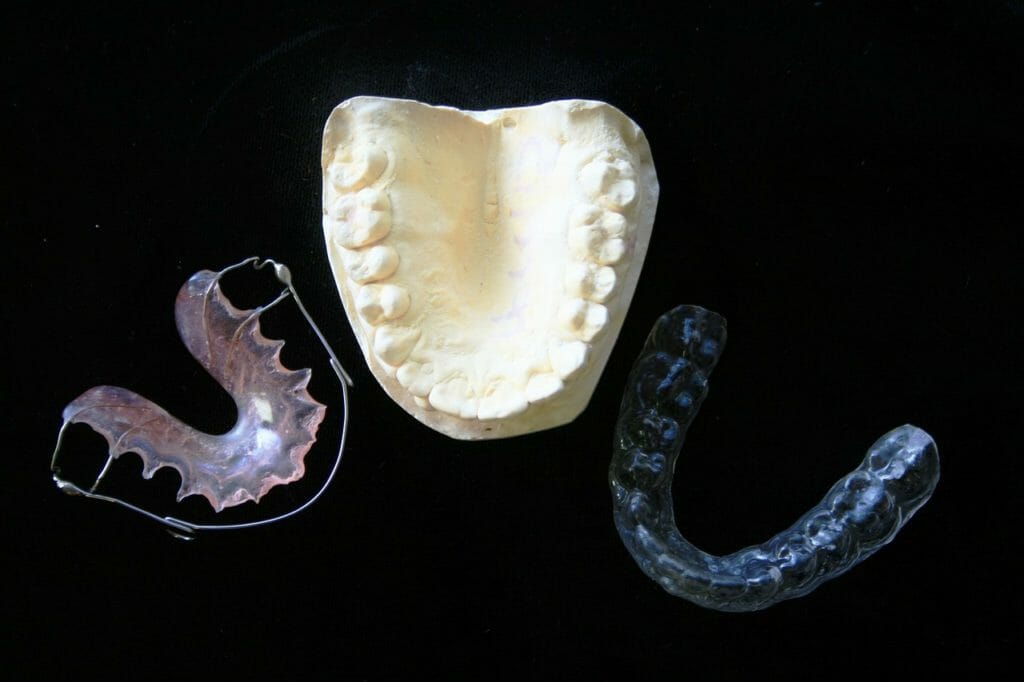
Mouthguards & Nightguards: How Long Do They Need to Be Worn?

This is a common question asked by patients in my practice. The answer to this question is based mainly on the reason it was recommended in the first place! So, if you are wondering if you will have to wear your nightguard forever, here are some common scenarios. There’s a good chance that one of them fits your situation exactly:

Scenario 1: You have no teeth grinding symptoms, but your dentist notices that your teeth are worn or chipped or that fillings and caps previously placed look worn.

The dentist then informs you that you have been grinding your teeth at night. You’re shocked! You have no pain in your teeth, no jaw muscle soreness in the morning, and you haven’t noticed any other signs to indicate that you are grinding your teeth. Your dentist recommends that you wear a nightguard while you’re sleeping, warning of the problems that will develop if you don’t wear it.

Now here’s the important thing: If you move ahead and get the nightguard, bring it with you and show it to the dentist when you go in for your twice-a-year dental cleaning. If the nightguard exhibits grooves and notches cut into the acrylic, then you have been grinding and you should continue to use it. If, however, there is no evidence of wear and tear, it’s probably in your best interest to bring this to the attention of the dentist and discontinue using it.

Scenario 2: You make an appointment with your dentist because “out of nowhere” your jaw muscles and teeth are aching in the morning.

You mention to your dentist that stress levels have been high in your life and will likely stay that way for an undetermined period of time. A TMJ nightguard is advised and you wear it for a while and notice that the achiness in the morning has decreased.

What next? This all depends on what is going on in your life: stress, fragile emotions, disrupted sleep, etc. As these factors may drive the night grinding it is probably advisable to stay with the nightguard until things calm down. Once life is calm and if your morning symptoms have gone away, you can begin to reduce the number of days the nightguard is worn during the week.

Over time you will likely find that you no longer need the nightguard. Keep in mind, if life issues arise again, the grinding will likely return and you may need the nightguard again, so don’t throw it away!

Scenario 3: You not only have morning jaw muscle soreness, but your teeth ache and you have persistent facial pain during the day. In addition, you feel that you can’t open your mouth wide and chewing has become a chore because your jaw joints click and/or lock.

This scenario suggests that you may have a more significant jaw problem often called ‘TMJ’. Unlike the first two scenarios, the level of muscle and joint compromise is more significant with TMJ. And beyond the night grind there are likely other factors that have led to and are perpetuating the symptoms. In this situation the use of a nightguard at night will likely be for an extended period of time (maybe forever).

I have many patients who return to my office 3-6 years after they were last seen looking to get their nightguard repaired or replaced. Many of these patients tried to stop wearing it when they felt better, but the symptoms began again. In this situation I ask my patient to visit me at least once a year to help maintain the integrity of the device and make sure it is doing the right thing and not causing harm.

Note: There are many different names for dental nightguards:

  • Nightguard
  • Mouthguard
  • Oral Appliance
  • Splint

There are many different types as well. The decision to pick one type over another is usually made by your dentist based on your diagnosis.

If you have more questions about TMJ, and you live or work in New York City or on Long Island, schedule a consultation with me here or call 212-265-0110

Thank You!

Dr. Donald Tanenbaum has been practicing in New York City and Long Island for over 20 years. He is uniquely qualified to diagnose and treat bruxism, TMJ and TMD problems, Sleep Apnea, facial pain,  muscle pain disorders, nerve pain disorders, tension headaches, and snoring. Learn more about Dr. Tanenbaum here.
Categories
Ear Pain Tinnitus

What Causes Ringing in the Ears?

Ringing in the ears, or tinnitus,is a symptom often described as a ringing noise heard in one or both ears, that can be present continually at the same level or vary in intensity. The presence of ringing in the ears during the course of a day is based on jaw movements, head positions and tongue activity. In addition to ringing, some people describe sounds such as hissing, buzzing, humming, clicking, whistling or roaring. Along with these perceived sounds individuals often report hearing loss.

Tinnitus can have its origin from a wide number of possible causes. For some tinnitus is short-lived while for others it is ongoing and disruptive to everyday life.

Subjective tinnitus, that which is described by a patient but not heard or detected by an examining physician, is often prompted by factors like exposure to abnormally loud sounds (one bad exposure or of long duration), chronic ear infections, ear pain, trauma to the inner ear, hearing loss, Menieire’s disease, Acoustic neuromas, chronic use of medications like aspirin, antibiotics or antiviral drugs, and neurologic diseases amongst others.

At times it has been suggested that temporomandibular disorders can be responsible for the onset of tinnitus. Though symptoms such as ear pain are commonly associated with TMJ disorders it is my opinion that no greater than 10-15% of all those patients that we see with TMJ problems report the symptom of tinnitus.

Since the histories and examinations of these patients are no different than those without tinnitus, the reason why they are suffering with ringing in the ears remains unclear. It has been proposed that overuse of the TM joints during gum chewing, tooth grinding, or nail biting for instance can sometimes cause tinnitus but this remains more opinion than fact. If, however, the ringing in your ears increases or changes with opening or closing of your mouth, or forward and side-to-side shifts of your jaw, there is a chance that a relationship exists between the tinnitus and your jaw. In addition, if you are a heavy nighttime tooth grinder or clencher and wake up with tinnitus it would be wise to investigate whether there are treatment options available to address this distressing and often disabling symptom.

The final word is that the symptom of tinnitus often cannot be attributed to any one or specific medical disorder or physical cause. As a result patients are often left to wonder whether relief will ever be found! If your tinnitus symptoms seemingly have any relationship to jaw function an investigation with a properly trained dentist would certainly be advised.

Categories
Jaw Problems

Jaw Problems Can Be Caused By Overuse

Recently, while walking through a residential neighborhood in NYC I wandered into a food market to pick up some essentials for the week. As I approached the checkout counter I happened to notice a display for something called JawliPop.

I stopped dead in my tracks.

JawliPops are the biggest jawbreaker candies that I have ever seen–the size of a small softball but as hard as a chunk of concrete! I couldn’t imagine who would find this hunk of sugar appealing, but according to the gal behind the register they are big sellers.

Intrigued as to how someone would negotiate this rock solid mass, I bought one (figuring if it was inedible it could be used to have a catch with my youngest daughter!).

Once unwrapped, it was clear that no human could either put the entire thing in their mouth or bite through the hard outer shell. The only option would be to lick the surface like a lollipop until one day, likely months later, it would be reduced to a manageable size jawbreaker. Made of pure, unadulterated sugar, this new candy was destined to be a dentist’s dream (amongst other favorites like Sugar Daddy’s and Tootsie Rolls).

Beyond the destruction to the teeth, the JawliPop is likely to be a major menace to the health and comfort of the jaw muscles and temporomandibular joints. Considering that the overuse of gum often leads to painful and fatigued jaw muscles, you can be sure the effort required to conquer this sugary orb is not worth it.

If you never thought overusing your tongue muscle would create jaw pain, try sticking your tongue out for a few minutes while moving it to the right and left in a circular motion. Imagine doing that daily for as long as it takes to get through the JawliPop. Still up for this giant sugary challenge?

Many jaw related problems are caused by overuse activities. Whether the overuse is chewing gum, biting pens, pencils, nails, or cuticles, singing, clenching or grinding of the teeth or playing musical instruments, these repetitive motions can injure the muscles, ligaments and tendons of your jaw. Once injured, the potential for pain and/or functional problems arises and can become persistent—something I doubt the makers of JawliPop had in mind.

For those of you who may have purchased the JawliPop, I suggest an alternate use for this grandest of all jawbreakers! Anyone up for a game of catch??

If you enjoyed this blog post, please consider subscribing. Thank You!

Dr. Donald Tanenbaum has been practicing in New York City and Long Island for over 20 years. He is uniquely qualified to diagnose and treat Sleep Apnea, facial pain, TMJ and TMD problems, muscle pain disorders, nerve pain disorders, tension headaches, and snoring. Learn more here