Want to know what symptoms are associated with TMJ? There are many symptoms linked to this commonly diagnosed jaw-related disorder, including jaw pain. However, there are other symptoms, which are important to be aware of as they can help the general dentist make a diagnosis and treatment plan.
Many are surprised to learn that general dentists can diagnose and treat TMJ disorders, however, they actually tend to be the first point of contact for this disorder.
About TMJ jaw pain
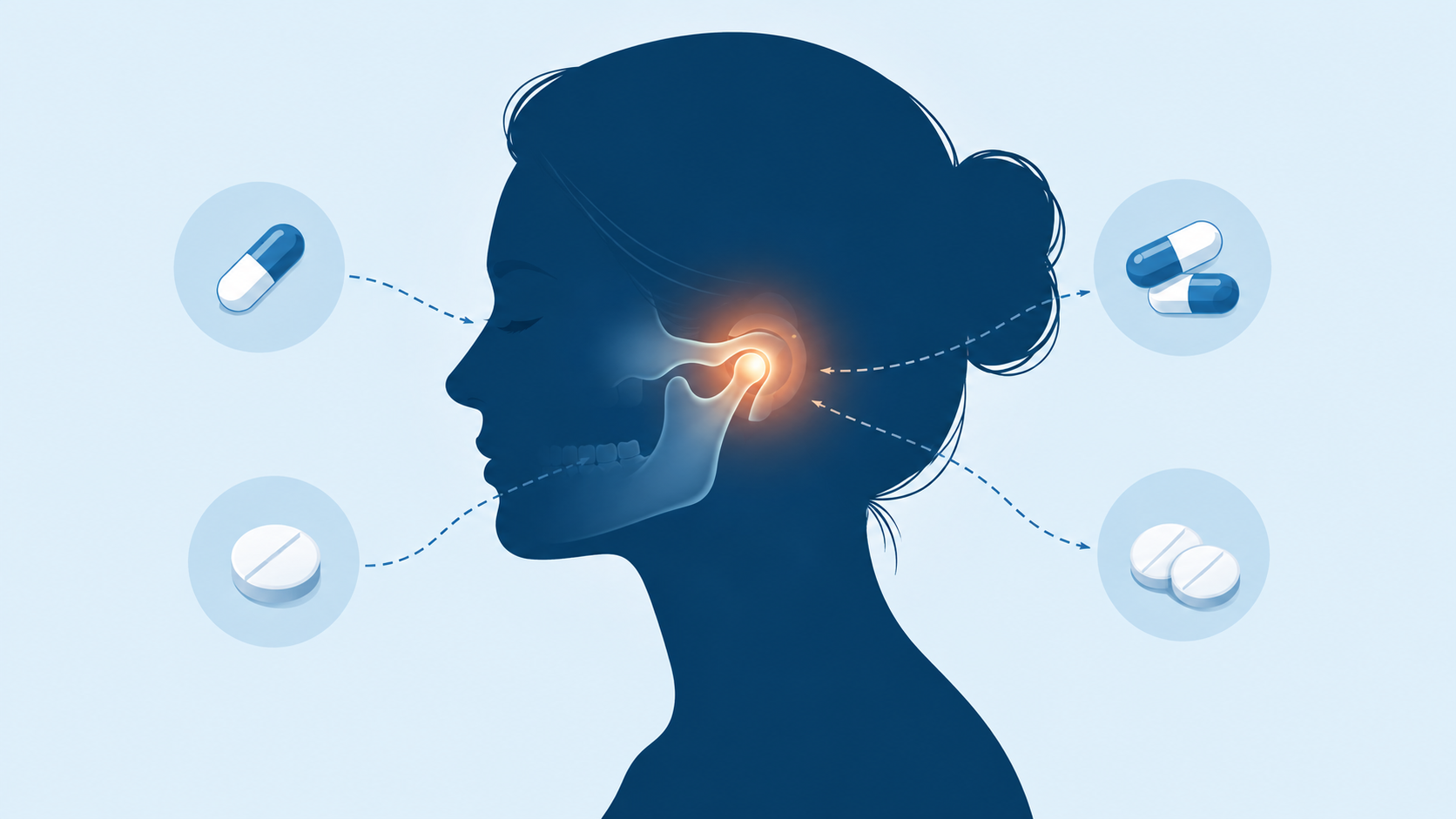
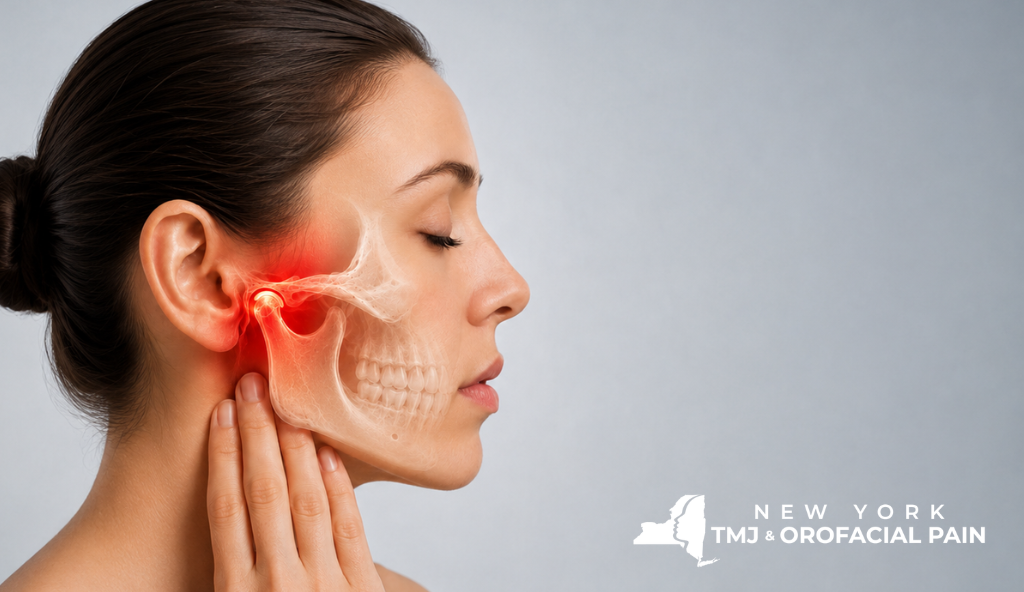
Understanding where TMJ pain can occur helps individuals know whether or not they are living with the disorder. This pain can take place in the jaw, oral cavity, the neck region, the head or even all of these areas. While some individuals will experience mild to moderate pain, others will experience severe pain. Additionally, the pain can be dull or sharp, which can be hard to live with. Since TMJ-related pain can happen anytime one speaks, chews, yawns or even breathes, treatment is necessary in order to eliminate or even reduce the pain.
TMJ symptoms
While pain in or around the jaw area is the most common symptom of TMJ, there are many other symptoms that can be experienced. Outlined below are three associated symptoms that can be helpful to be aware of.
#1 – A clicking or popping sound
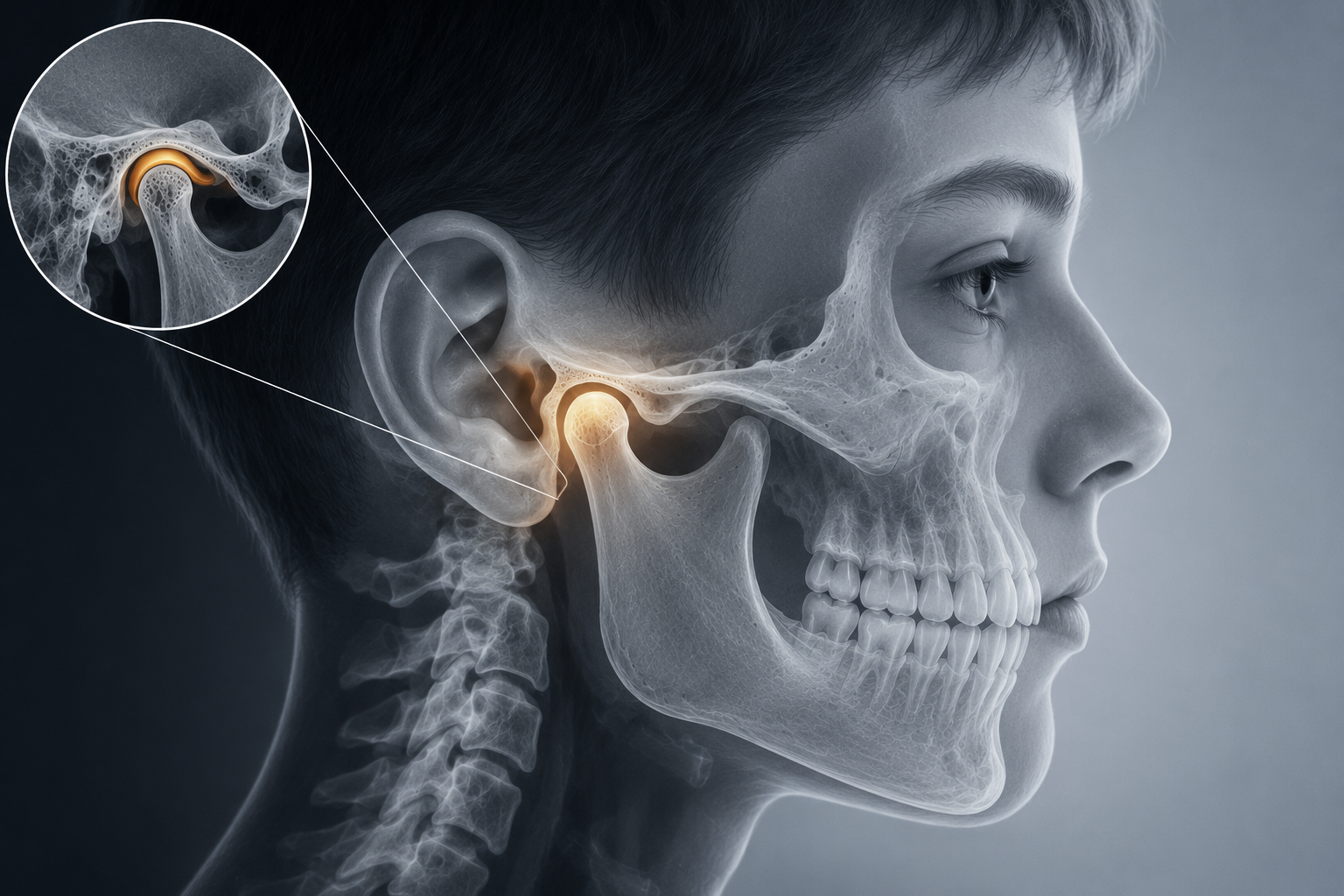
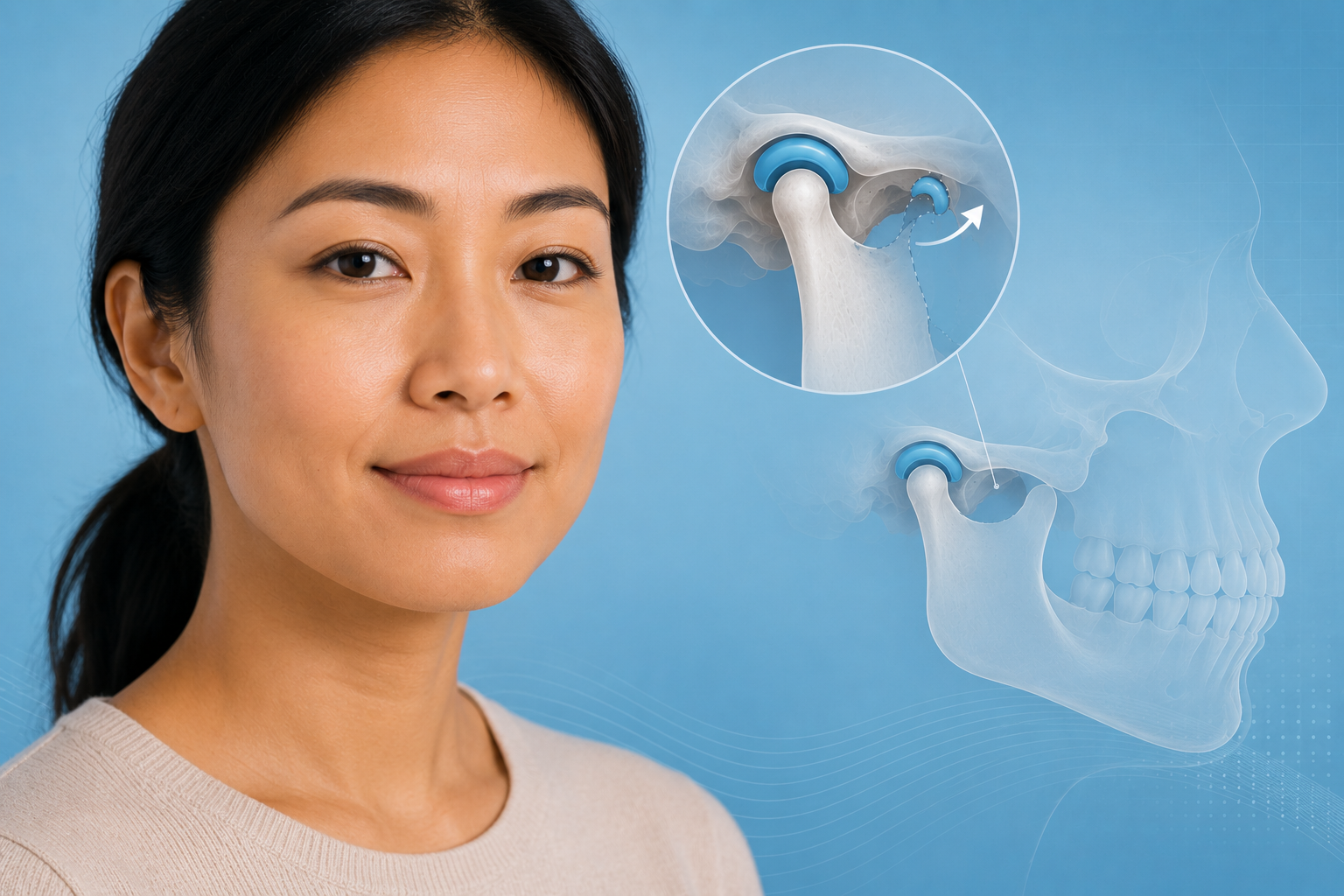
Many people who are living with TMJ will hear a clicking or popping sound when talking, yawning or chewing. While it is common to experience this clicking or popping every now and then, when it becomes a regular occurrence, it often indicates problems with one’s jaw joints.
#2 – Sore teeth, bad bite
When someone is living with TMJ, it likely means that the jaw is also malfunctioning. The dysfunction can cause someone to experience various problems with their teeth, such as soreness or a bad bite. It is also possible for individuals to wear down their teeth and even experience broken teeth when living with TMJ. Since good oral health requires teeth that are in good shape, it is best to undergo a thorough evaluation if there is any soreness or a bad bite.
#3 – Teeth grinding
While many people who grind their teeth will be diagnosed with TMJ, it is also possible for a TMJ diagnosis to cause someone to grind their teeth. Because TMJ causes one’s muscles and nerves to overstimulate, many people will grind their teeth as a way to deal with this overstimulation. Long-term, teeth grinding can lead to serious problems with the teeth, such as decay. Because of this risk, it is necessary to undergo treatment as soon as any signs of bruxism occur.
Find out more about TMJ
When experiencing one or more of the above symptoms, the next step to take is making an appointment with a general dentist to learn more about TMJ. TMJ-related pain can make it difficult for one to perform their everyday duties, making treatment necessary. Reach out today to learn more or to get started with an evaluation.