TMJ dysfunction is a common disorder that many individuals suffer from. It usually causes an immense amount of discomfort, as well as a limited ability to do certain things. Those that suffer from TMJ may have varying symptoms depending on the severity of the condition, which makes it difficult to know how serious it is. Ready to find out more about TMJ?
TMJ dysfunction and how seriously it should be taken
Below is an overview of TMJ dysfunction, including how serious it is. When suffering from TMJ disorder symptoms, it can be helpful to review the following information.
What is TMJ disorder?
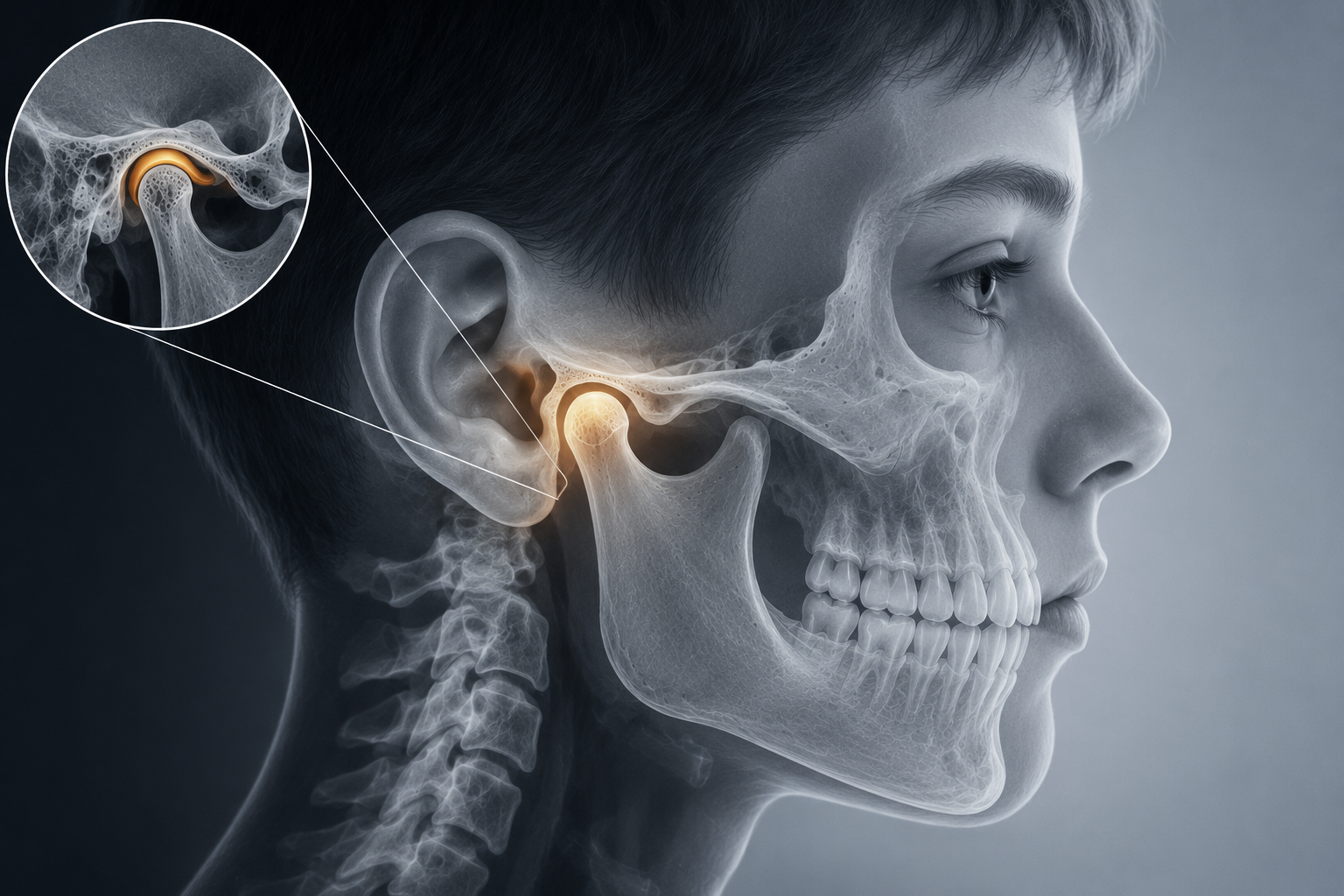
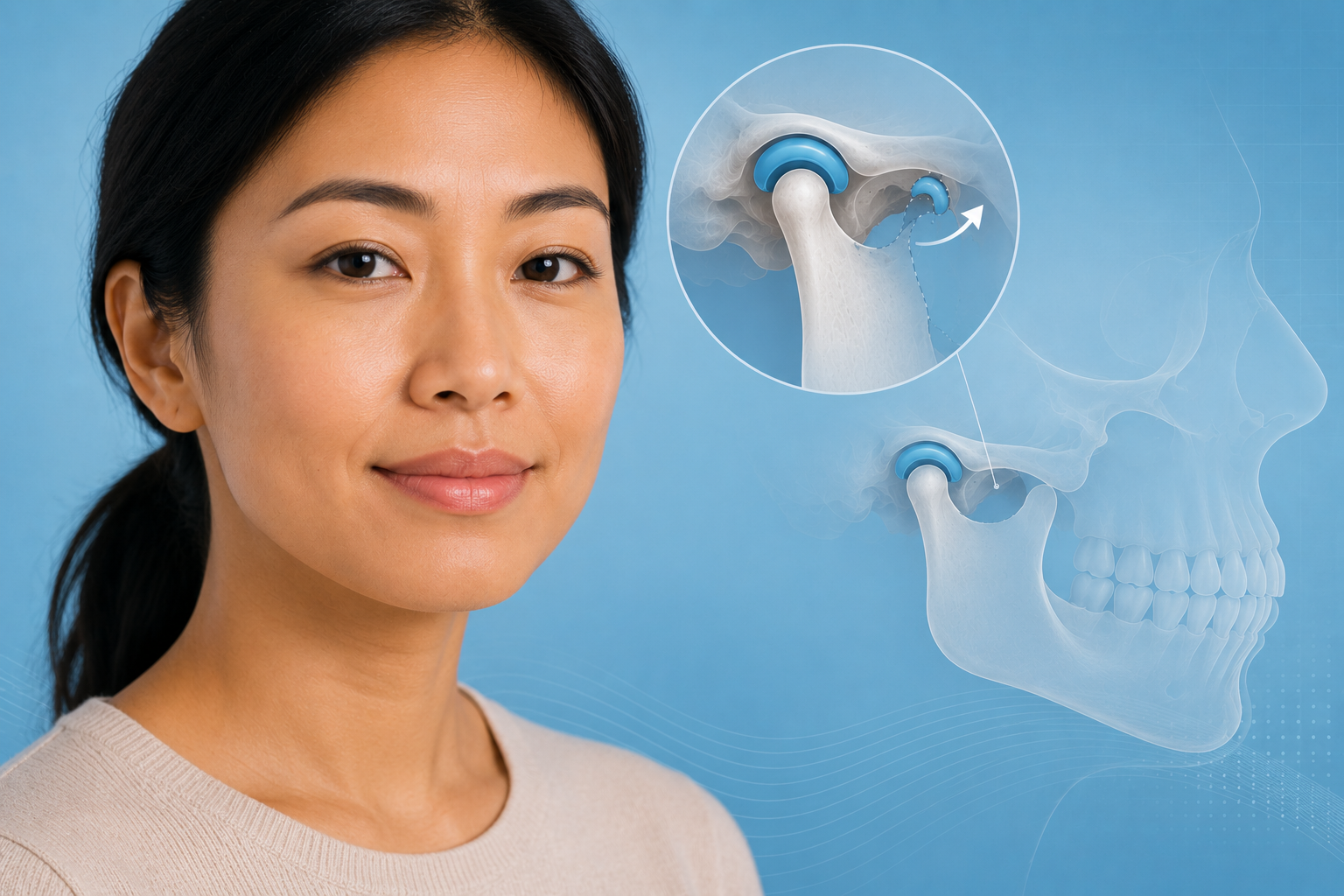
TMJ stands for the temporomandibular joint. It is a joint that acts as a sliding hinge. It connects the jawbone to the skull, which makes its role very important. When the joint is not functioning properly, it results in TMJ disorder, usually causing pain, discomfort and malfunction of the entire mouth and jaw.
Symptoms of TMJ disorder
Common symptoms of TMJ disorder include the following:
- Pain in the jaw
- Facial pain such as aching or sharp pains
- Tenderness in the jaw
- Pain around the ears
- Jaw and joint locking
- Difficulty eating and smiling
- Pain when chewing
- Headaches
- Soreness around the facial area
Not everyone who has TMJ disorder will suffer from these symptoms, however, the majority of them will develop over time. Until treatment from a TMJ specialist can be undergone, individuals can use ice packs and over-the-counter pain relievers to reduce discomfort.
Is TMJ disorder serious?
Because of the symptoms listed above, TMJ disorder is considered serious among other craniofacial disorders. The temporomandibular joint plays a huge role in eating, smiling and speaking, which means that when any dysfunction occurs, these activities become impossible or painful to perform. Additionally, the pain that comes with TMJ disorder can limit everything, ranging from relaxing to performing at work or school.
While some people’s TMJ disorders may not seem that serious, it is always best to consult with a specialist early on. Oftentimes, symptoms can become worse if attention is not provided to the joints. Getting out in front of the disorder can help avoid long-term damage, such as pain or structural problems with the jaw and oral cavity.
What happens if TMJ goes untreated?
If TMJ disorder goes untreated, individuals are likely to experience long-term damage to their jawbone, temporomandibular joints and even oral cavity. The jaw may require surgery to re-align and the oral cavity may require dental work or appliances in order to correct any damage done. Additionally, untreated TMJ disorders can cause long-term headaches, which may require extensive treatment.
Are you currently suffering from TMJ disorder?
When looking for more information on TMJ and how serious it can be, it is best to consult with a specialist. An evaluation can be done in order to determine how severe the disorder is. Then, a treatment plan can be put into place in order to reduce symptoms. Reach out today to learn more or to get started with a consultation.