Disorder of the temporomandibular joint, or TMJ, is a condition that can cause difficulty with jaw functions. The disorder can cause jaw pain that restricts how you open and close your mouth. You might notice clicking sounds or jaw locking when eating, talking or yawning. Continue reading to learn more about the symptoms, diagnosis and treatment of TMJ disorder.
The structure of the TMJ
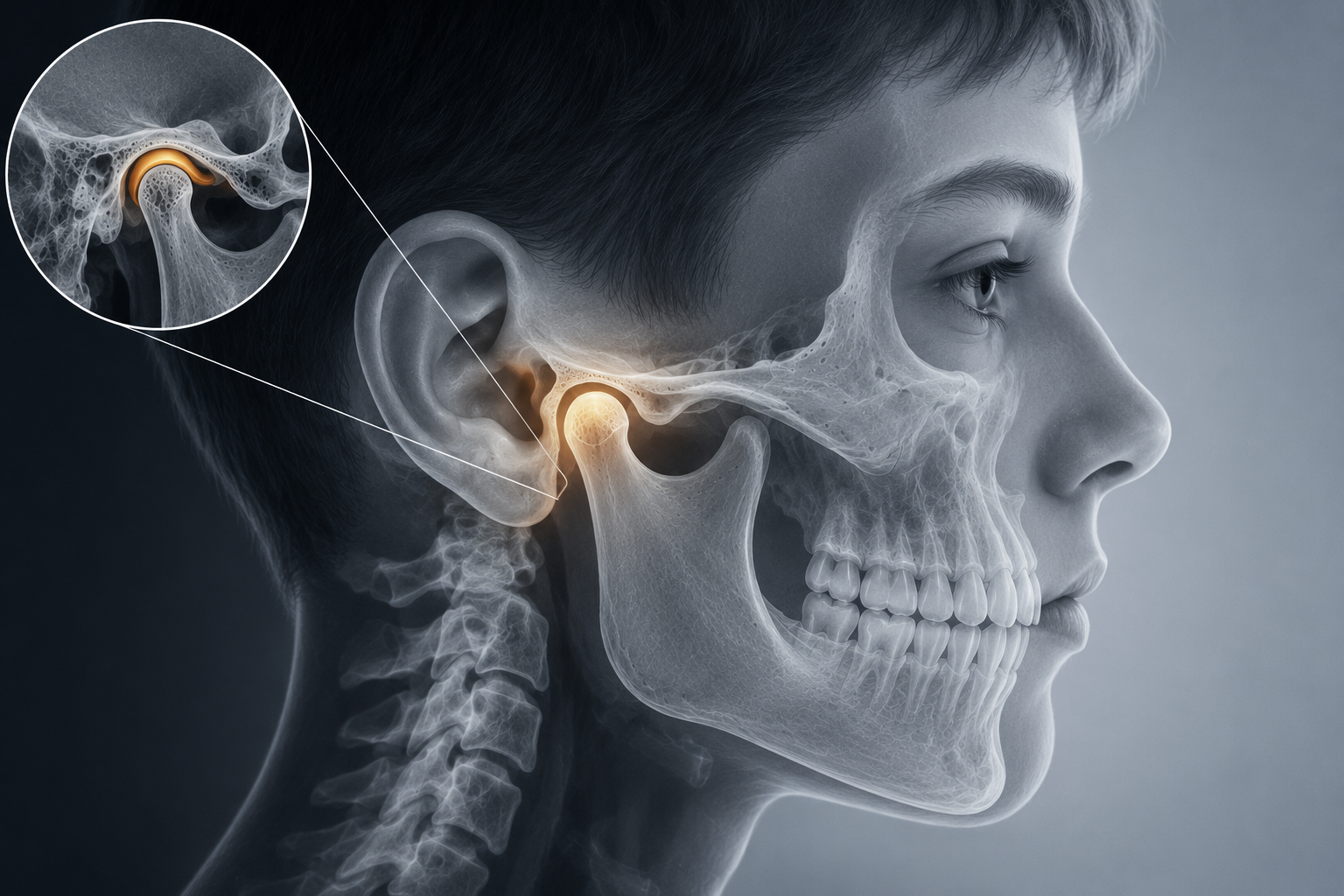
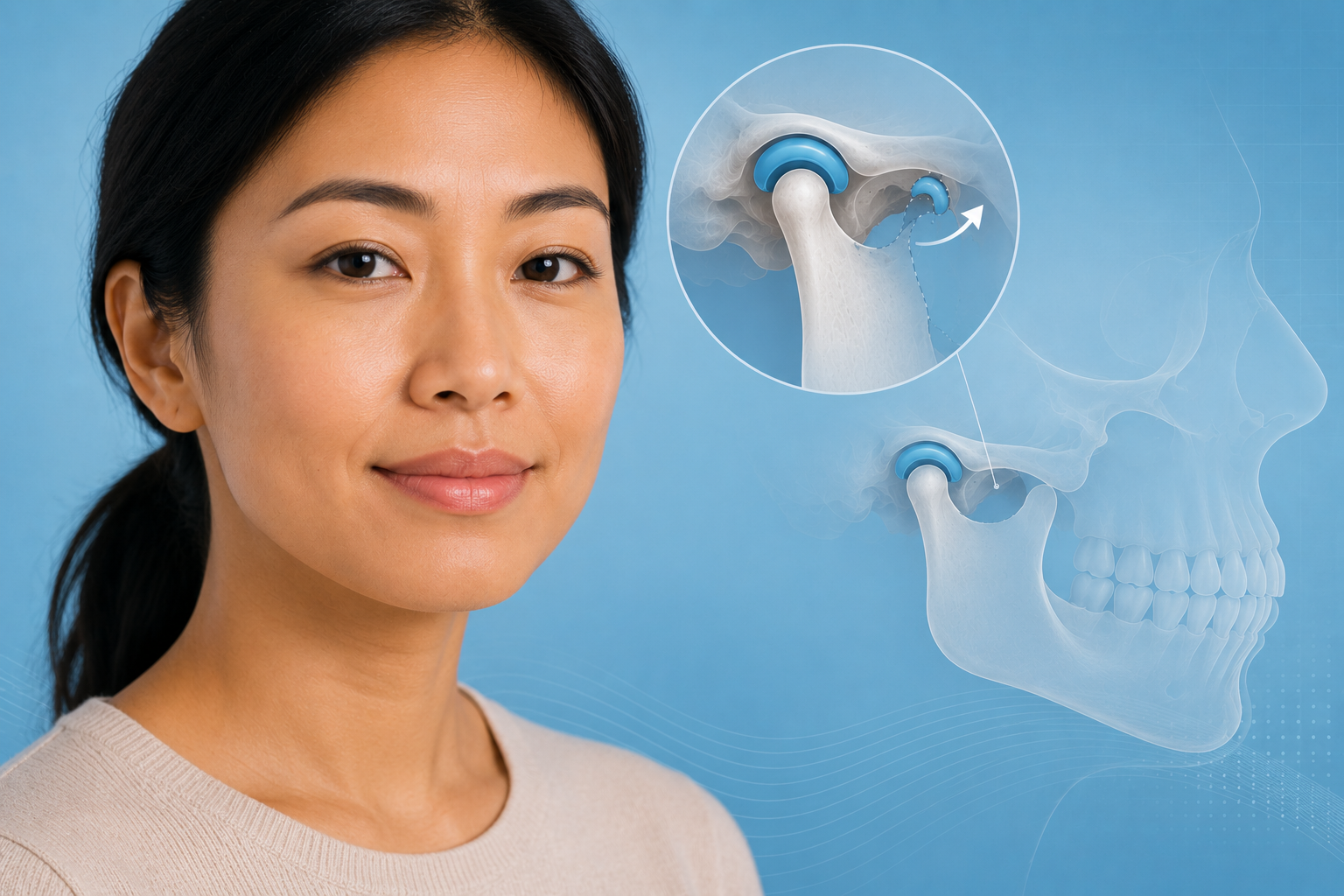
The temporomandibular joint connects the mandible to the temporal bone of the skull. A small bit of cartilage called an articular disc is present between the two bones. When opening and closing the mouth, the disc moves as the jaw bone rotates and glides back and forth to enable movement.
Different muscles connect near the temporomandibular joint. The muscles allow easy opening and closing of the jaw for talking, eating and other mouth functions. Various ligaments connect the bones to make the joint stable.
Disorders of the TMJ
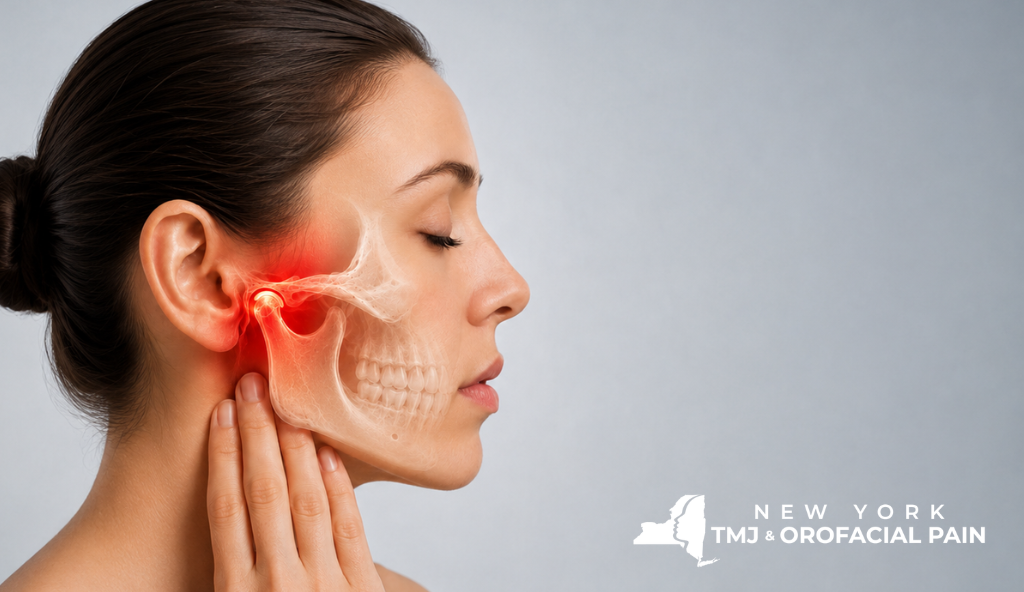
Symptoms of TMJ disorder often start slowly without connection to specific condition or injury. Patients may experience pain when chewing hard foods. The pain is usually intermittent and often starts after exerting too much pressure on the jaw or when opening the mouth wide, like when yawning. Some of the common causes of the condition include:
- Muscle spasms
- Dislocation of the articular disc in the joint
- Forward head posture
- Teeth grinding or clenching
- Stress
When the jaw joint is subjected to excessive stress, pain and joint movement dysfunction may occur. This may cause inflammation of the joint and muscles around the temporomandibular joint.
Diagnosing TMJ disorder
Anyone experiencing pain in the jaw joint will need to visit a dental professional. The dentist will ascertain the cause of the pain and provide a diagnosis of the condition. TMD diagnosis is mostly obtained through a clinical exam. The dentist may palpate the jaw joint and muscles, checking for tenderness or clicking when opening or closing the mouth.
The dentist will also check the jaw’s range of motion, searching for misalignments. Sometimes, the jaw may open properly on one side and not the other, forcing the jaw to move to one part when opening the mouth. Also, an x-ray may be taken to check for arthritis around the TMJ, and an MRI may reveal the situation of the articular disc in the jaw. After making a diagnosis, the dentist can work toward developing a treatment plan for the patient.
Depending on the patient’s condition, some of the treatment options for TMJ disorder include:
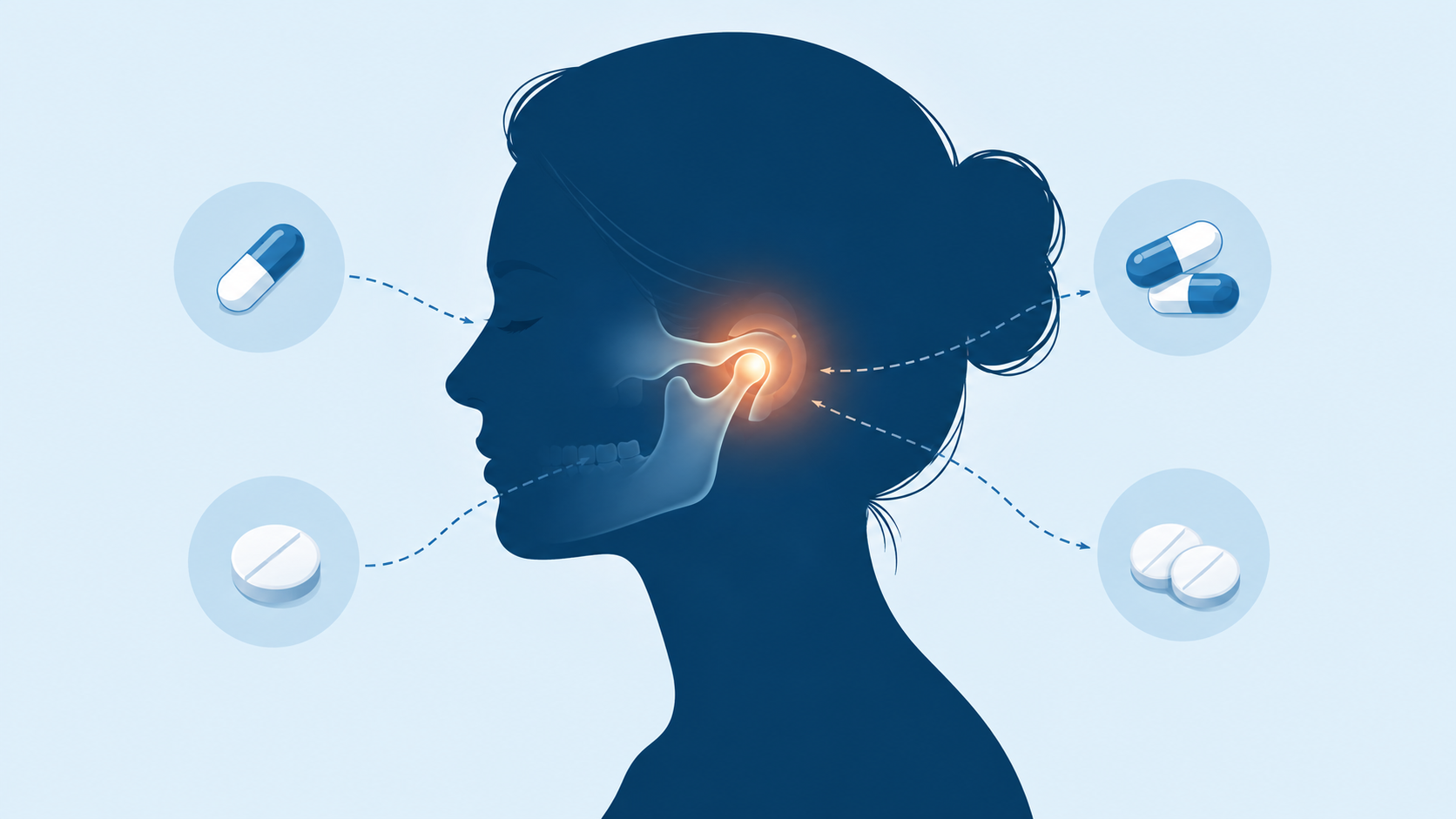
- Medications
- Stabilization splints or bite guards
- Physical therapy
- Dental BOTOX® to reduce tension in the jaw muscles
- Cognitive-behavioral therapy to relieve stress
In rare cases, orthodontic treatment, arthrocentesis and joint replacement surgery might be recommended. The dentist will discuss the benefits and risks of these procedures and continue to monitor the patient during treatment.
Do you think you may be suffering from TMJ disorder?
Some patients with TMJ disorder get better without treatment. However, if you are experiencing symptoms of the condition, it is advisable to visit a dentist for diagnosis and treatment.