People with sleep apnea understand how this condition can disrupt lives and affect health. If you are suffering from the signs and symptoms of this illness, you should get help right away. A sleep medicine dentist can help. The dentist may prescribe an oral appliance, which can effectively open your airway and help you to breathe well once again. This treatment might make more sense for you than other interventions.
Understanding sleep apnea: the effects and the signs
When this illness is present, the person suffering from it will stop and start breathing throughout the night during sleep. This can occur because the brain fails to send signals to the respiratory system to breathe properly. Or, it can happen when there is an obstruction in the airway, preventing enough oxygen from getting into the body. If this disease is not addressed, it can cause cardiovascular problems and can even be fatal.
Oral appliance options
Many people think that wearing a CPAP machine or getting surgery are the only ways to combat sleep apnea. There are other choices, and a sleep medicine dentist can help patients choose what makes the most sense. The two most common are tongue depressors and mouthguards. A tongue depressor holds the tongue in place, keeping it from rolling to the back of the mouth and blocking the airway. A mouthguard will custom-fit the wearer and push the jaw down and forward. This opens the airway more and helps to prevent the sudden stopping of breathing at night.
Less equipment to worry about
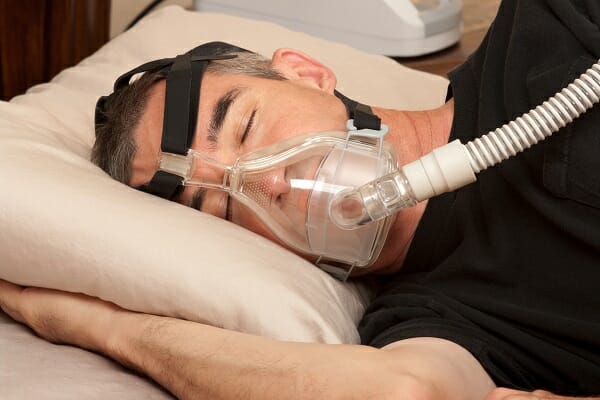
While CPAP machines can work well to promote effective breathing, they are not always the right option. Some people struggle with them because of the amount of equipment they come with. With oral appliances to treat sleep apnea, patients do not have to deal with extra parts. These include hoses, cords, face masks, and other apparatuses the devices have. This can be especially beneficial when traveling or when going camping.
Adjustments when necessary
The dentist will not have difficulties adjusting the mouthguard or tongue depressor. There may be times when the appliances stop fitting well or are no longer working properly. All the patient has to do is make an appointment with the dentist and come in for another fitting. It may only take a few minor tweaks to the appliance to help it fit well once more. It is also not as difficult to replace a depressor or mouthguard if they break.
Cost-effective
In most cases, an oral appliance will not be as much of a financial commitment as a CPAP machine. This is also the case when comparing a mouthguard or a tongue depressor to having surgery. If finances are a concern, the patient should speak with the dentist about using mouth appliances to treat sleep apnea. Most insurance plans should cover using this treatment.
An effective difference
If you have concerns about using a CPAP machine or undergoing surgery, there are alternatives. Talk to your sleep medicine dentist about whether you are a good candidate for oral appliances. Wearing these at night could help you breathe well while you sleep. There are clear benefits to using this approach to fight sleep apnea.