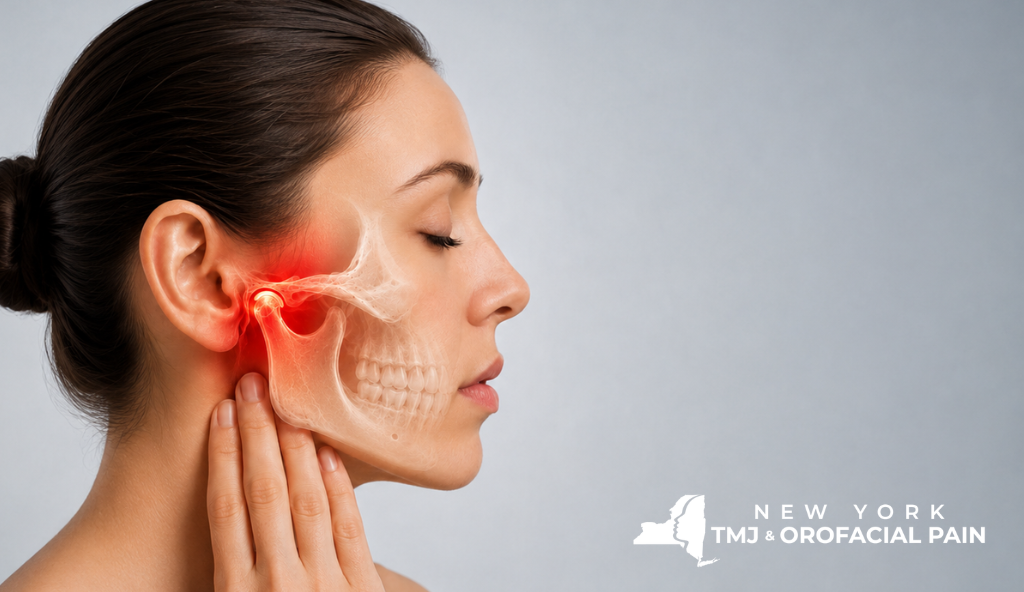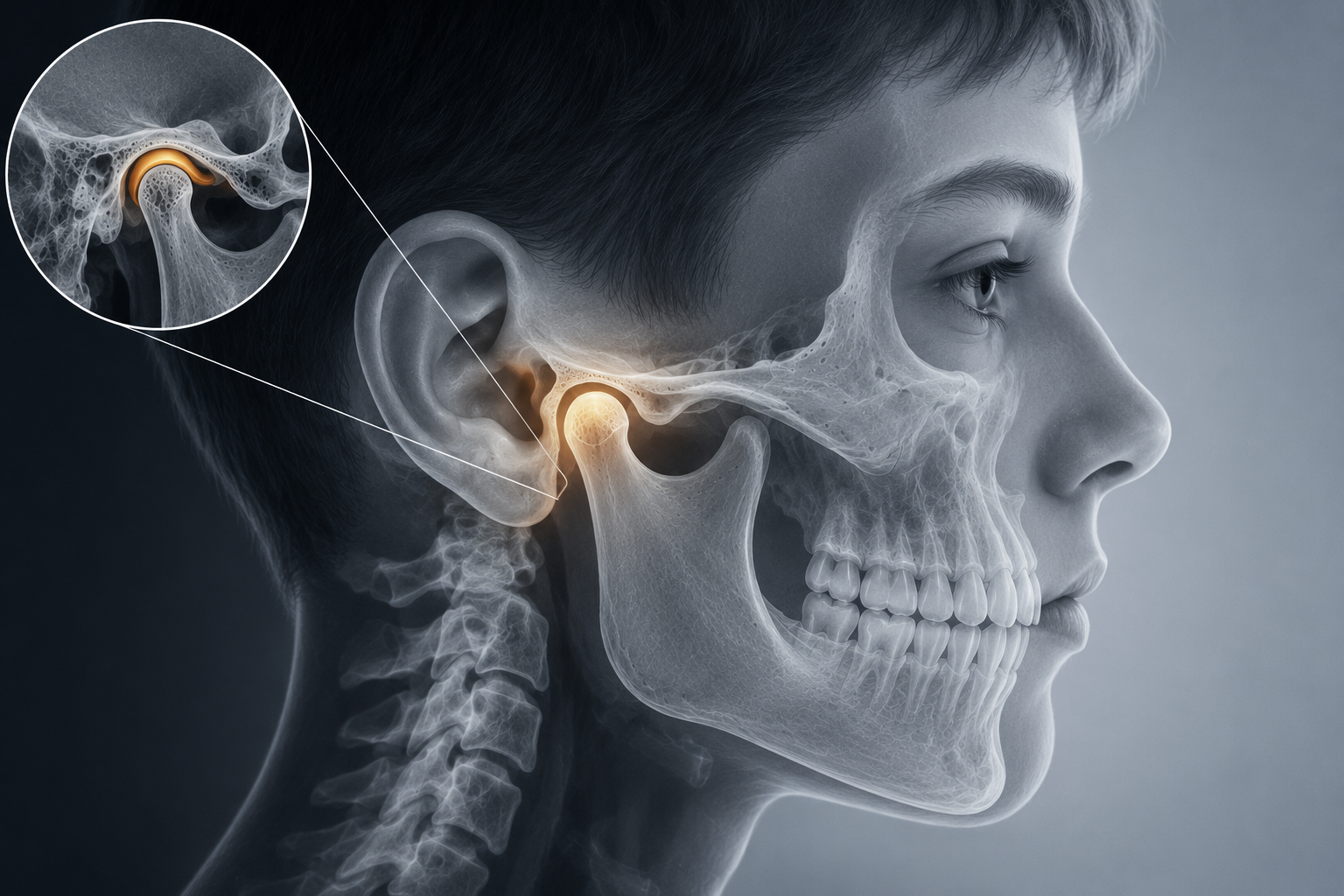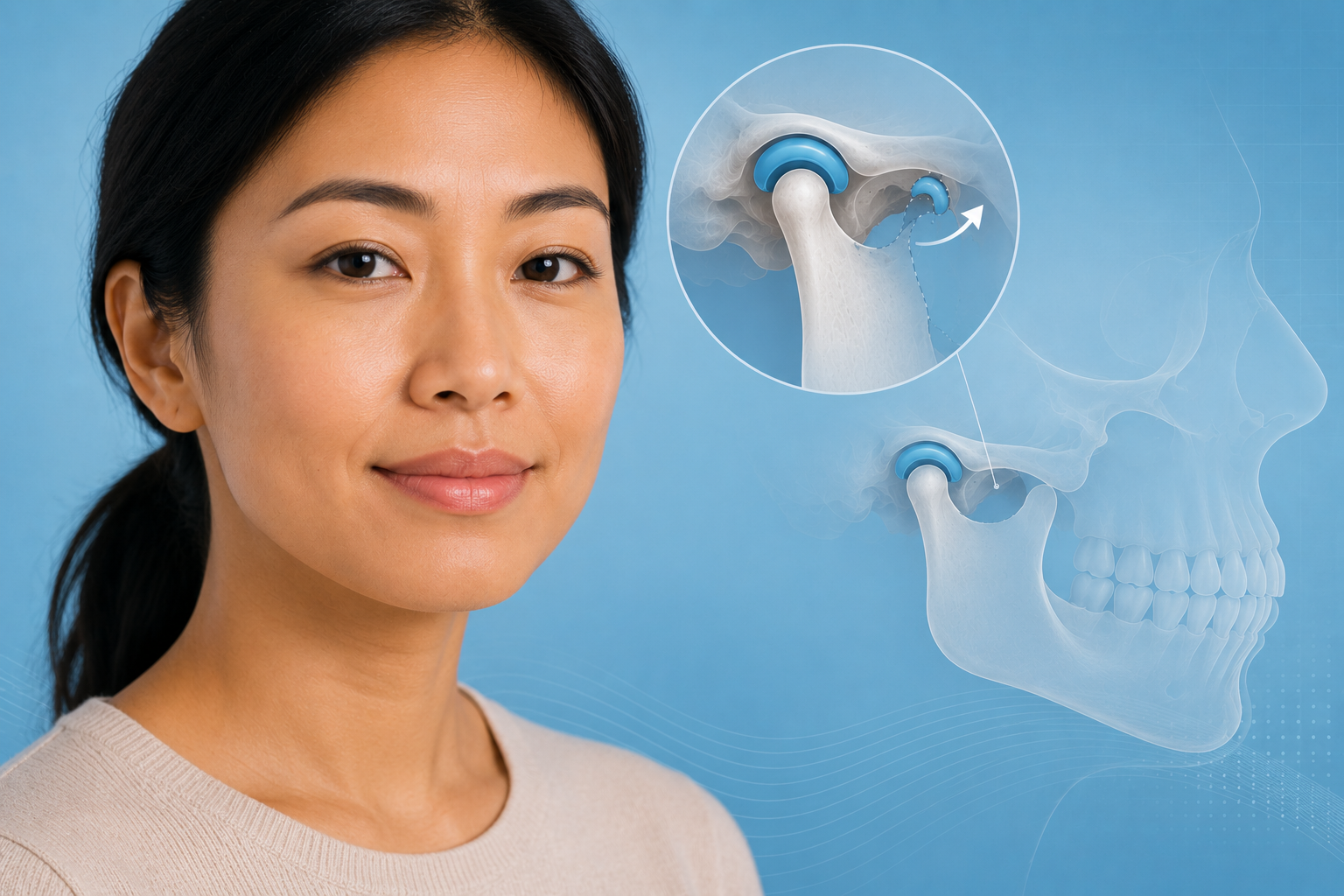
The TMJ, or the temporomandibular joint, connects the skull and lower jaw and is located by the ear. The joint functions like a hinge, enabling the jaw’s movement for opening, closing, smiling, eating, and other mouth activities. If the jaw joint feels painful and is unable to perform its function, the cause could be what is known as TMJ disorder.
Causes and symptoms of TMJ pain
It is hard to pinpoint the major causes of TMJ disorder, but many factors are known to contribute to the condition. These include teeth grinding, poor posture, and arthritis. The major sign of TMJ disorder is pain around the joint, which may also be present as jaw pain, facial pain, headache, neck pain, and ear pain. Jaw pain is the most obvious sign of TMJ disorder and requires a visit to the TMJ specialist.
When to visit the TMJ specialist
If pain occurs while moving the jaw, TMJ disorder could be the culprit. Sometimes a visit to the specialist may not be necessary, but if the pain becomes recurrent, seeking help is vital. Patients often ignore the pain because it is intermittent, but it should not be overlooked if the symptoms have been occurring for a long time. It often means that the TMJ disorder will not resolve on its own without medical treatment. To be sure of the diagnosis, pay a visit to a TMJ specialist.
Diagnosing and treating TMJ disorder
A physical examination of the jaw is necessary for a proper diagnosis. During a dental visit, the dentist will examine the jaw and ask the patient to open and close their mouth multiple times. They will check the ear and listen for any sounds as the jaw moves. The doctor may recommend an X-ray or MRI for a more detailed report.
In many cases, the jaw pain disappears eventually without any medical treatment. However, if the symptoms persist and patients do not seek a specialist’s help, the pain could turn chronic. Symptoms like headaches, migraines, and earaches will worsen over time and start to interfere with one’s daily routine, especially since the jaw joint is one of the most used joints in the body.
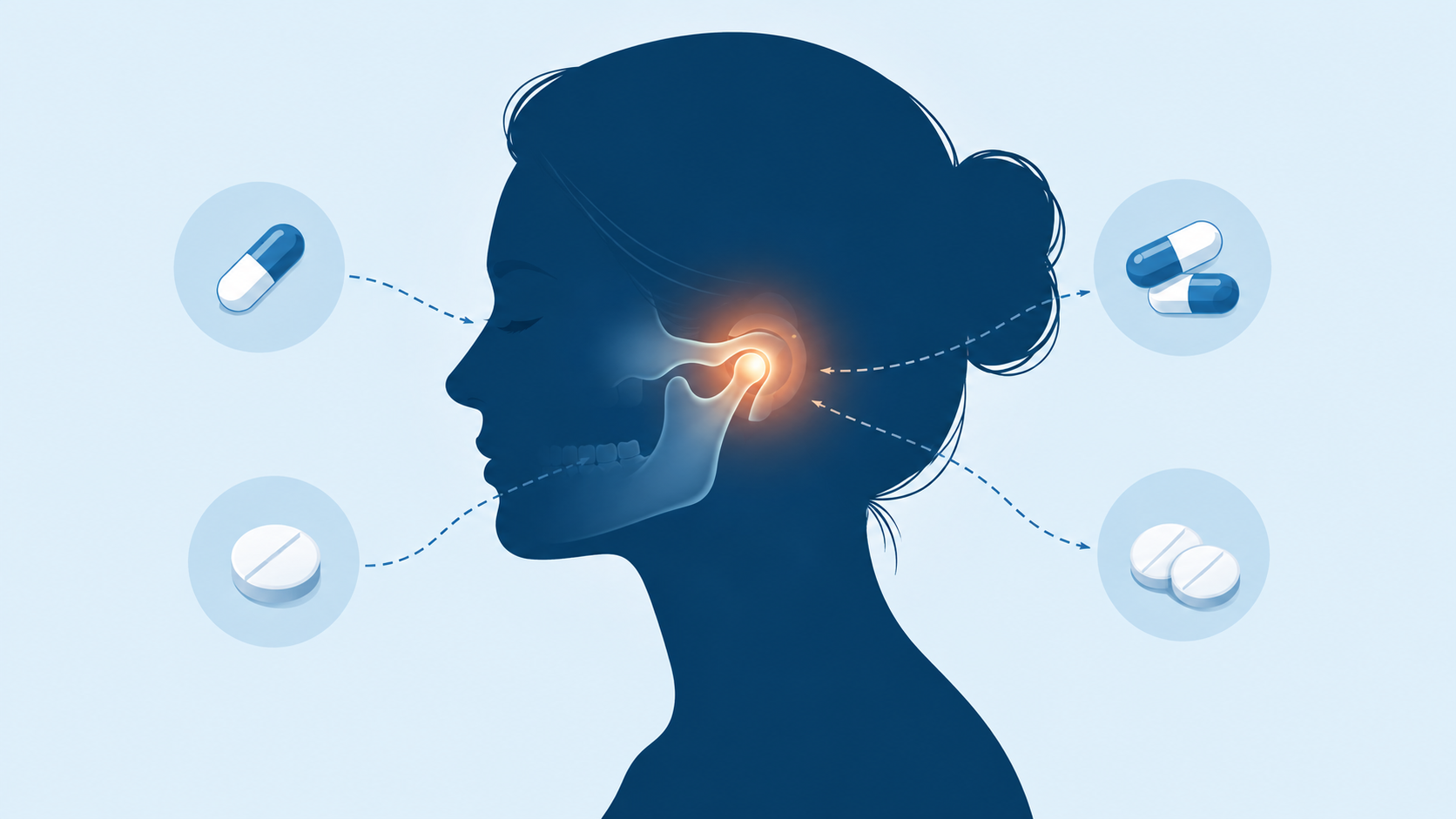
The TMJ specialist may offer management techniques to relieve pain and resolve the problem. Helpful treatment options include ice or heat application, pain meds, resting the jaw, and stress relief techniques. They may also recommend treating teeth grinding issues or any other underlying dental issues that might be contributing to jaw pain.
TMJ treatment choices are mostly conservative and do not require surgery if patients seek prompt intervention to the pain. However, if the condition worsens due to lack of treatment, surgery might be required to repair a damaged jaw joint.
In conclusion
If you are experiencing jaw pain and using the jaw is difficult, you need to visit the TMJ specialist for help. The professional will perform any necessary evaluations and recommend the most effective treatment options to relieve the symptoms.