Manhattan

212-265-0110

White Plains

914-227-2305

Springfield, NJ

973-315-7830

Hauppauge

631-265-3136
Categories
Home page blog

For Parents

What Parents Should Understand About TMJ/TMD Problems

Though you may have been told that your child has TMJ –  so does every other child! TMJ, when spelled out, stands for the temporomandibular joint, which is a body part – not a disease.


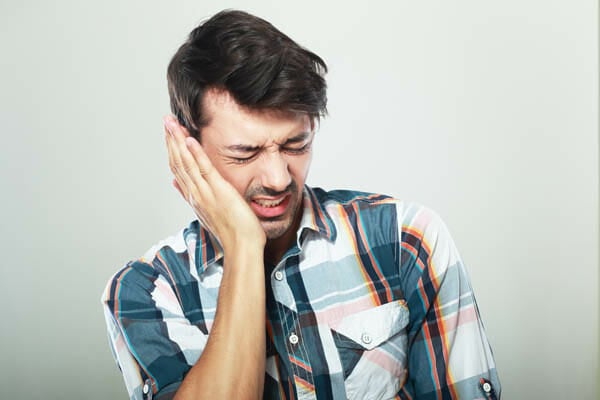
That being said, the TM joints, like all other joints, can become compromised. As a result, pain can be experienced along with limited jaw motion, joint noises during motion, and changes in the way the teeth come together. These symptoms together are known as a TMD problem. Patients with a TMD problem often also experiences headaches, jaw muscle tension and soreness, ear symptoms (such as pain and fullness), and a locked jaw (some call this lockjaw, although that is a different clinical problem).


An accidental injury to the jaw or underlying medical problem can lead to sudden joint inflammation and pain, as well.


But for most children, adolescents, and teens, TMD problems come on slowly. It’s important to understand that the most common cause of TMD problems in young people is consistent overuse behaviors such as gum chewing, nail/cuticle biting, or teeth grinding and/or clenching. Overuse behaviors are commonly driven by the life tensions and worries that accompany school and peer pressure and home stressors that are challenging (and unavoidable).


TMJ problems often result in headaches that are located in the temples and forehead. For some kids, these headaches are so disruptive that school performance is impacted, and they must take pain medications on a daily basis.


Many young patients arrive at our practice who have previously undergone extensive medical workups to rule out serious disease as a cause of their problems. Yet, their pain continued.


If your child fits the above description, we can help. Our over three decades of experience focused on jaw and neck muscles is key to identifying why your child continues to suffer, in spite of nothing serious having been detected before.


Sleep and TMD Problems in Children


A history of poor sleep quality and quantity is frequently uncovered in our young patients. Eight hours is the prescribed amount of sleep for growing kids, but many of them fall short by two to three hours a night on a routine basis. School workloads, after school activities, late-day caffeinated beverages, online temptations, and use of prescription stimulants during the day all can have a profound impact on sleep.


Over the years, we have discovered that poor sleep can lower patient pain thresholds and give rise to headaches, muscle pain and prompt increased levels of teeth grinding and clenching.


Orthodontics and TMD


We see many parents who are concerned that orthodontic treatment could aggravate their child’s pre-existing TMD problem. And many ask whether ongoing or recently completed orthodontics could be a factor in the onset or escalation of their child’s jaw symptoms.


These questions have to be carefully assessed and require not only an understanding of tooth movement and how the jaw functions but an equal understanding of the patient who is worried about moving forward with orthodontics or is already having trouble. The knowledge that TMD problems occur when muscles, ligaments, tendons, and joint tissues become compromised, we can figure out if moving the teeth will (or has already) upset the balance required for comfort to be maintained.


The goal of orthodontics is to achieve both improved function and better aesthetics. How those two goals are achieved can often determine whether a person’s jaw structures remain stable both in the short- and long term. When faced with these scenarios, collaboration with our orthodontic colleagues is an essential part of our ability to address often complicated problems.


Yes, children can (and do) suffer from TMJ problems. If you suspect your child is one of them, you’re in the right place.

If you or someone you know is experiencing persistent or acute pain in the face or jaw, we invite you to set up a consultation with one of our Orofacial Pain specialists in the NYC metropolitan area. Our office locations and contact information are below.

Categories
Snoring

Why Is a Snoring Treatment Necessary?

When there is an obstruction in the airway during sleep that results in loud sounds, snoring treatment from a dentist may be beneficial. Nearly everyone snores at some point, but for some individuals, it is a chronic problem. Although surgery may be recommended for severe cases, there are also oral devices that can reduce the disruptive sound and help you and your partner sleep better.

Signs of a sleep disorder

Obstructive sleep apnea is a disorder, characterized by deep snores followed by periods when breathing stops or nearly stops, which may cause sleepers to wake up with a gasp. When this breathing pattern occurs throughout the night, sleep is light and sporadic. Additional symptoms include the following:

  • Chest pain in the middle of the night
  • Waking in the morning with a sore throat or headache
  • Difficulty concentrating
  • High blood pressure
  • Excessive sleepiness during the day
  • Chronic nasal conditions

Doctors may wish to speak with an individual, such as a partner or parent, if the issue occurs in children. Questions may include whether breathing stops at night or if there are behavioral problems at school.

Causes of snoring

There are four stages of sleep in each cycle, and most people go through four or five cycles per night. During the deeper sleep stages, soft tissues in the upper respiratory tract may vibrate, causing loud sounds. The anatomy of an individual’s mouth may also contribute to snoring. In the upper airway, the adenoids, nasal septum, tonsils, uvula, inferior nasal turbinates or base of the tongue may cause blockages.

Sleep deprivation and alcohol consumption before bedtime can also contribute to snoring, as both result in the throat muscles relaxing to the point that airways are obstructed.

Methods of diagnosis

In addition to reviewing the signs and symptoms, the doctor may request an imaging test. Thanks to technology, there are several options available. Computerized tomography, MRIs and x-rays can be used to check the structure of the airways for issues, such as a deviated septum.

Participation in a sleep study may also be recommended. Depending on the snoring severity, some studies may be conducted at home. In polysomnography, individuals are connected to a variety of sensors and observed overnight.

Devices for snoring treatment

Poor sleep impacts all aspects of a person’s health and daily life. OSA is a risk factor for stroke and cardiac disease. A dentist may recommend oral appliance therapy as a treatment for individuals with mild to moderate OSA.

MAD

Worn when sleeping, a mandibular advancement device fits like an orthodontic retainer or sports mouth guard. It supports the jaw, keeping in a forward position to help maintain open upper airways. This type of device is custom made to fit each patient’s mouth and is especially beneficial for back sleepers.

CPAP

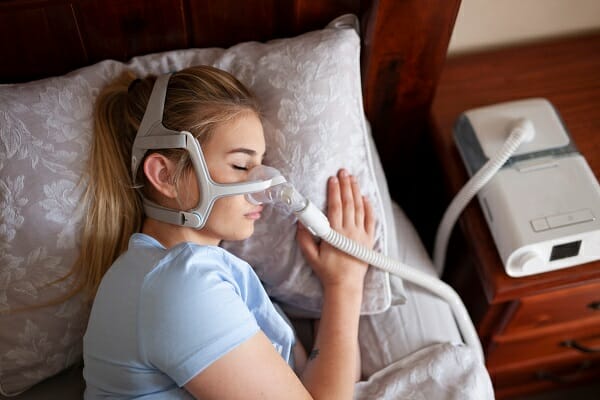
A continuous positive airway pressure machine blows air down a patient’s throat with continuous pressure, keeping the airways open during sleep. This device consists of a mask that fits over the mouth and nose, a motor that blows the air and a tube that connects the two components.

Conclusion

Before trying oral devices or conducting sleep studies for snoring treatment, a doctor may recommend lifestyle changes. These may include losing weight, changing sleeping positions and reducing sedatives.

If you or someone you know is experiencing persistent or acute pain in the face or jaw, we invite you to set up a consultation with one of our Orofacial Pain specialists in the NYC metropolitan area. Our office locations and contact information are below.

Categories
Sleep Apnea

Dental Sleep Medicine for a CPAP Alternative

Many dental sleep medicines are great alternatives if you struggle with CPAP therapy. CPAP therapy effectively treats obstructive sleep apnea (OSA) or pauses in your breathing while sleeping. However, it uses high pressures, loud noises, and potentially uncomfortable masks. For some people, this can make it even more challenging to fall asleep, affecting their quality of life. Furthermore, if it’s so undesirable of an option that patients are unwilling to use it, then their sleep apnea remains unresolved. Up to 50% of people who have tried CPAP do not use it frequently or adequately enough because of its discomfort.

What is obstructive sleep apnea?

OSA is a disorder in which you have intermittent pauses in breaths throughout the night. This can cause poor quality of sleep and snoring. If you have OSA, you might feel constantly tired, even after sleeping for proper amounts of time. Symptoms related to this include headaches, irritability, dry mouth, and insomnia.

OSA is caused by the muscles in your throat relaxing. This closes your airway, decreasing the amount of oxygen in your bloodstream. Your brain will realize this and quickly wake you to get more oxygen into your body. You may not even remember waking up. The constant waking up throughout the night is what will cause your poor quality of sleep. It is important to seek treatment if you suffer from OSA.

What are other dental sleep medicine options?

If CPAP doesn’t work for you or you want to explore your options, there are plenty from which to choose. There are a couple of different dental appliances that you can use. They benefit from being easy, non-surgical options that are portable and often more comfortable than a CPAP machine.

One option is to use an appliance called a mandibular advancement device (MAD) that you wear when you sleep. It will push your bottom jaw forward into the proper position to open your airways and eliminate snoring. It works by pushing your tongue and other muscles forward with your lower jaw. MADS can also have long-term benefits by strengthening the muscles involved. MADs use a combination of plastic pieces that resemble mouthguards and metal hinges.

Another option is to use a tongue retaining device (TRD), sometimes called a dental splint. This works similarly to the MAD, but instead of pushing the jaw forward, it just holds your tongue forward. It is also made entirely of plastic. For some people, this works better, but other people find them more uncomfortable. Ultimately, it is a matter of personal preference.

Yet another dental sleep medicine option is to retrofit your CPAP machine with a MAD so you can use both in conjunction. Doing so will allow you to use your CPAP machine at a lower pressure. If CPAP machines are entirely intolerable for you, this is probably not a great option, but this might be ideal for people who find them mildly uncomfortable or just too strong.

Call your dentist

If you have been diagnosed with a sleep disorder, it is important to contact your dentist. Many of the treatment options for sleep conditions can have a major impact on you and your partner. Instead, many dental options are effective, but less disruptive. Contact your dentist today to see if dental sleep medicine is an option for you to consider.

If you or someone you know is experiencing persistent or acute pain in the face or jaw, we invite you to set up a consultation with one of our Orofacial Pain specialists in the NYC metropolitan area. Our office locations and contact information are below.

Categories
TMJ

How a Dentist Can Treat Your TMJ Pain

The temporomandibular joints (commonly abbreviated as TMJ) are the two joints connecting the jawbone to the skull. While healthy TMJ will work painlessly, the U.S. Department of Health and Human Services estimates that over 10 million Americans suffer from some kind of TMJ disorder. A dentist can often successfully treat TMJ pain with treatments either provided in the office or as part of an at-home regimen.

First-line therapies

Most dentists will first want to treat TMJ pain using noninvasive methods. Often, one or more of these therapies can help to reduce or eliminate TMJ pain.

Jaw exercises

Depending on a patient’s specific type of TMJ pain, a dentist may recommend exercises to stretch the jaw muscles, strengthen them or both. Regular, controlled working of the jaw can help increase mobility and promote healing. There is no single set of exercises that is beneficial for TMJ pain; a dentist will evaluate the causes of a specific patient’s pain and prescribe exercises based on that.

Mouthguards

A 2009 study published in the Journal of Manual & Manipulative Therapy found that occlusal orthotics (commonly called “mouthguards”) are one of the most effective ways to manage TMJ pain. These guards are custom-fitted to each patient and are designed to keep the jaw in a healthy, pain-free position. Patients who wake up with pain usually wear these at night. For those whose pain worsens throughout the day, a dentist will likely recommend wearing a guard for part of the day in order to break the habit of clenching the jaw.

Prescriptions

Often, a dentist will recommend over-the-counter pain medications to manage TMJ pain. For patients whose pain is severe, a dentist may briefly prescribe stronger pain medication. This type of prescription is almost always a temporary measure to relieve pain as treatment begins to take effect. For some patients, a dentist may also prescribe muscle relaxants, which can help reduce pain when the symptoms are caused by muscle spasms.

Advanced therapies

If conservative treatments do not improve a patient’s TMJ pain, a dentist may move to more advanced methods of addressing symptoms. These therapies carry more risk, but in some cases, they are the only way to eliminate pain.

Injections

In some people, corticosteroid injections into the affected joint can reduce TMJ pain. This is not a permanent treatment, but it can bring severe pain to a manageable level. Occasionally, botulinum toxin type A (commonly sold under the brand name BOTOX®) injections into the jaw muscle can also reduce pain.

Surgeries

There are a variety of surgical options available to treat persistent TMJ pain. These range from minimally invasive arthroscopic surgery to riskier, more involved open-joint surgery.

Conclusion

TMJ pain can get in the way of living a happy, productive life. For most patients, a dentist will be able to develop a treatment plan that works. If you are experiencing TMJ pain and looking for relief, do not hesitate to contact your dentist.

If you or someone you know is experiencing persistent or acute pain in the face or jaw, we invite you to set up a consultation with one of our Orofacial Pain specialists in the NYC metropolitan area. Our office locations and contact information are below.

Categories
Sleep Apnea

How Does an Oral Appliance for Sleep Apnea Work?

Sleep apnea is a serious sleeping disorder that is treated using oral appliance therapy. It occurs when your regular breathing is interrupted when you are sleeping. Sleep apnea affects people of all ages. If a person does not seek treatment for the condition, it can lead to several health problems, including high blood pressure, heart problems, stroke, diabetes and depression. However, this treatment is not suitable for every person with obstructive sleep apnea (OSA). People are often advised to always consult a qualified doctor to find out if an oral appliance will help and if they are good candidates for them.

Oral appliance therapy

OSA, a common type of sleep apnea, happens due to a blockage of the airway, often when the soft tissue at the back of a person’s throat ends up collapsing during sleep. Oral appliances are a good option for people who have mild or moderate OSA or snoring. These devices can hold the tongue in place to ensure that the airway remains open during sleep. A patient is supposed to place the dental device into the mouth at night just before going to bed. It should be worn while sleeping and taken out when a person wakes up.

Oral appliances

Oral appliances can effectively pull or push the lower jaw forward. This helps ensure that the tongue will not block the airway. It basically reduces the likelihood of the tongue obstructing the airway when a person is sleeping and the risk of snoring. These devices have helped many people deal with snoring problems.

How to make sure an oral appliance is working

If an oral appliance is working well, a person will sleep better and have more energy. An oral appliance may improve symptoms of OSA like daytime sleepiness, fatigue, moodiness and trouble concentrating. A repeat overnight sleep study offers a good way of figuring out if an oral appliance is helping a patient. This should be carried out with the dental device in place. If the results of the study are good, a patient will be advised to continue using the oral appliance. In a case where the symptoms return, a person should schedule an appointment with either the doctor or dentist.

Effectiveness

Treating OSA using oral appliances can help a patient’s sleep problem. Oral appliances are usually effective when a person has moderate or mild sleep apnea. These devices help patients by improving symptoms associated with OSA. However, not every patient can get the same benefits from oral appliances. For these patients, other treatment options are needed.

Takeaway

Oral appliances can help shift and support the jaw in order to ensure the airway does not collapse. Keeping your throat open can help relieve your sleep apnea. Treating your obstructive sleep apnea and snoring can improve your quality of life especially if you continue wearing the oral appliance. With the help of your dentist, you can improve your sleep and your overall health. If you suspect you have sleep apnea, talk to your dentist or doctor for more information.

If you or someone you know is experiencing persistent or acute pain in the face or jaw, we invite you to set up a consultation with one of our Orofacial Pain specialists in the NYC metropolitan area. Our office locations and contact information are below.

Categories
BOTOX®

BOTOX® and Dental Improvements


BOTOX® is a drug made from the bacterial toxin botulin that is used medically to treat some muscular conditions and cosmetically to remove wrinkles by temporarily paralyzing facial muscles. While the cosmetic use of BOTOX® is widely known, not too many people know that it is also used in dentistry.

Using BOTOX® to make dental improvements

When BOTOX® is injected into a muscle, it attaches to the ends of the nerves that control the muscle. After a few days, the toxin works to block the transmission of the nerve signals that cause muscle contractions. The nerves affected by BOTOX® are connected to motor neurons, but the toxin does not affect the nerves connected to sensory neurons, which are the nerves needed to touch, feel pain and temperature. The nerves are blocked for three to four months before the BOTOX® wears off.

How is BOTOX® used in dentistry?

The use of BOTOX® in dentistry has become more popular in recent years, and research studies are being conducted to investigate its uses. According to the Journal of International Oral Health, BOTOX® has been used to correct lockjaw, Temporomandibular joint dysfunction, parafunctional clenching and the headaches that accompany them.

BOTOX® is often used in dental offices as part of a comprehensive treatment plan, but not as a stand-alone procedure. The dentists who use BOTOX® have to have received appropriate education and training prior to administering BOTOX®.

Before a patient undergoes BOTOX® treatment at their dentists, they should make sure that they understand the risks, benefits and costs by asking questions about their treatment plan and the use of BOTOX® to achieve their desired result.

Are there side effects associated with the use of BOTOX®?

Yes, according to the Food and Drug Administration, if BOTOX® is allowed to accidentally spread through the body, the toxin can cause muscle weakness, swallowing difficulties, dangerous breathing, as well as urinary incontinence. However, resistance to BOTOX® is possible over time if the patient has been given high doses of the toxin repeatedly.

When a patient has developed a tolerance for BOTOX®, a different form of the toxin may be needed to achieve the same results.

Can I get BOTOX® treatment at any dentist?

No, BOTOX® is offered by some dentists, but a lot of dentists do not offer treatment that includes the use of BOTOX®. If using BOTOX® to achieve a treatment goal is important to a patient, they can go online to search for a dentist that offers BOTOX® treatment. However, it is important that they make sure that the dentist is qualified to administer the toxin.

Even though the use of BOTOX® in dentistry still requires a lot of research and education for both the patient and dental health professional, there is a belief that it will become more common in the near future.

Conclusion

BOTOX® is known for its uses in cosmetic surgery, but it also has some dental benefits, which is why dentists have started administering it in their practices. If you are interested in learning more about how BOTOX® is used in dentistry, schedule an appointment with a dentist that provides the service to find out more.

If you or someone you know is experiencing persistent or acute pain in the face or jaw, we invite you to set up a consultation with one of our Orofacial Pain specialists in the NYC metropolitan area. Our office locations and contact information are below.
Categories
BOTOX® Jaw Problems Orofacial Pain TMJ

BOTOX® For TMJ Treatment – Your Questions Answered

As a board-certified orofacial pain specialist in NYC and Long Island, I’ve used BOTOX® for TMJ treatment for over fifteen years. If jaw problems greet you upon waking up in the morning, limit your food choices, prompt you to take pain medications like Advil®, Aleve®, or Tylenol® on a routine basis, and have had a negative impact on your life, BOTOX® injections may be something for you to consider.

7 Common Questions About BOTOX® For TMJ Treatment

BOTOX® for TMJ treatment is a subject around which there is a considerable amount of confusion. To make the best decision for yourself, you should know what BOTOX® is, how it is administered for TMJ treatment, and how to choose the right health provider. Here are 7 of the most common questions I get from new patients and the answers:

1. What Is  BOTOX®?

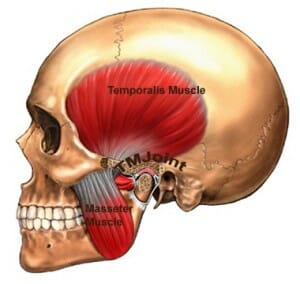
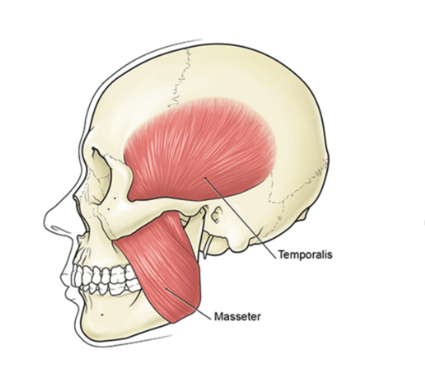
BOTOX®, or botulinum toxin, is what’s known as a neuromodulator. Neuromodulators reduce the ability of a muscle to contract to its maximum capacity. In BOTOX® for TMJ treatment, it is injected into your temporalis and masseter muscles, which are the muscles that enable you to bring your upper and lower teeth together.

botox for tmj in nyc and long island, donald tanenbaum, BOTOX® masseter, BOTOX® temporalis

When we inject BOTOX® into masseter and temporalis muscles, it partially inhibits their ability to tighten to their fullest extent. The result is a reduction in the force of jaw clenching and grinding – one of the common causes of TMJ pain. When the force is lessened, the pain being experienced is also often reduced.

BOTOX® can also reduce the bulk and size of your jaw muscles. Some patients come to my office simply seeking to change the shape of their jaw or reduce the size of their masseter muscles.

2. What’s The Difference Between BOTOX® For Wrinkles & BOTOX® For TMJ Treatment?

In your face, you have “muscles of facial expression.” These muscles enable you to frown, scowl, flare your nostrils, move your eyelids, and smile. To do so, they pull on your skin. As you age and your skin loses some elasticity, it causes wrinkles to appear.

BOTOX® injections have been found to effectively reduce or even eliminate wrinkles by reducing the ability of the muscles to pull on your skin. But, the forces of facial expression are always present, so the use of BOTOX® injections to reduce wrinkles is a lifetime commitment.

BOTOX® for TMJ treatment works differently – instead of injecting into your muscles of facial expression, the injections are into your “muscles of mastication” (your jaw muscles). During an office visit, BOTOX® is commonly injected into four to six areas in the masseter muscle and three to four areas in the temporalis muscles.

While skin wrinkling is a normal part of aging, overworked and symptomatic jaw muscles are not. They get that way for a reason, regardless of whether you’re 18 or 80.

BOTOX® can be a valuable tool to allow your jaw muscles to heal if your pain and stiffness persist after the risk factors that caused your TMJ problems have been identified, reduced, or eliminated.

3. How Long Does It Take For BOTOX® To Kick-In?

BOTOX® and other neuromodulators, such as Xeomin®, can be life-changing. But the benefits do not kick-in right away, and most people have to wait four days to a week before they experience the first indication of relief. Here’s why:

Your muscles contain and rely on a neurotransmitter called acetylcholine which enables them to contract. After BOTOX® injections, it will take a few days for your muscles to use up their supply of acetylcholine. When the level of acetylcholine drops and is not replenished to its normal level, the positive effects of the injections are usually felt.

4. How Long Will The Benefits Last?

The vast majority of TMJ patients that chose BOTOX® find that their symptoms are reduced even after the first injection visit, though not eliminated. The getting better process is slow, as it takes months for long-term muscle injuries to heal.

The best results are achieved when patients continue to complement the BOTOX® with a nightguard, jaw stretching exercises,  a cautious diet, and ongoing efforts to pay attention to daytime jaw overuse behaviors. For most patients, there is a need for one or two additional injection sessions, spaced three months apart, so that the jaw muscles continue to get the rest they need to recover adequately. Within nine to twelve months, there is often a significant reduction in jaw muscle pain, tightness, and daily soreness.

5. How Many Injections Will I Need?

The full benefits of BOTOX® for TMJ treatment are typically not achieved from just one round of injections. Instead, you will likely require a series of injections spaced three months apart.

BOTOX® is, in most cases, not the first treatment you’ll be offered to reduce your jaw pain, soreness, stiff muscles, and motion limitations. The truth is that other treatments usually get the job done. Most of my patients get better by a combination of treatments such as modifying their diet, jaw exercises, massage, physical therapy, chiropractic care, medications, nightguards, and by non-BOTOX® muscle injectionsAnd most importantly, trying to reduce or eliminate daytime jaw overuse behaviors such as nail-biting and teeth clenching.

6. What Are The Side Effects Of BOTOX® For TMJ Treatment?

Repeated injections of BOTOX® in masseter and temporalis muscles over a long period of time can cause some problems. If it is not administered properly, the result can be muscle weakness, and an acceleration of joint noises, making it difficult to eat certain foods. It could hollow out your temporalis muscles and flatten the contour of your face.

Therefore, it is of critical importance that when you seek a healthcare professional to administer BOTOX® for TMJ treatment, you choose one who fully understands the anatomy and function of the muscles of mastication and the risk factors that prompted your muscles to become overused.

7. Will I Need Long-Term, BOTOX®  Injection Sessions?

There is always a  small percentage of patients whose chronic jaw muscle pain (often years in the making) require ongoing BOTOX® injections, in a way similar to Migraine sufferers. Here’s why:Muscle pain occurs when muscle fibers are injured or overworked. Injured and overworked jaw muscles, often due to daytime clenching and nighttime grinding, a high level of lactic acid is produced. When the lactic acid builds up to a high level, a muscle’s nerve endings become excessively excited, which leads to persistent pain.

The pain is now not only in the muscles but in the nerves themselves. This condition is called sensitization (think of it as a sunburn). Sensitization is much more challenging to turn off than simple muscle.

Fortunately, BOTOX® can help nerve sensitization, but the results are harder to achieve and maintain. As a result, ongoing BOTOX® injections may be needed for some patients, with a frequency of three to four times a year without an absolute stop date. Careful attention is required for these patients to ensure their jaw muscles do not become excessively weakened.

BOTOX® For TMJ Treatment – The Bottom Line

If your problems have persisted for a long period of time and despite treatment by your dentist,  you’re still suffering, the next step is to find a board-certified orofacial pain specialist that has experience using BOTOX® for TMJ treatment.

If you or someone you know is experiencing persistent or acute pain in the face or jaw, we invite you to set up a consultation with one of our Orofacial Pain specialists in the NYC metropolitan area. Our office locations and contact information are below.

You do not have to suffer every day from the pain and discomfort of TMJ. Relief is available.

More helpful information about BOTOX® from Dr. Tanenbaum:

7 Things To Know If You’re Considering BOTOX® Injections For Your TMJ

BOTOX® for TMJ Pain

Categories
BOTOX®

Reasons to Get BOTOX® from Your Dentist

As surprising as it is, you can get BOTOX® from a dentist! Advancements in the dental niche are always being made. The goal is to offer dental patients simple and effective treatments that can address their dental issues in a safe and efficient manner, and many dentists have undergone training and have used dental BOTOX® to treat their patients for years now. Dental BOTOX® can be used for cosmetic or medical reasons.

About Dental BOTOX®

BOTOX® treatments are an option when conventional dental treatments are not working to address any dental-related problem that you are currently experiencing. BOTOX® treatments provided by a dental professional are becoming more common as more is learned about the many benefits BOTOX® can offer dental patients. BOTOX® works by relaxing muscles in the face and, therefore, can be used to treat dental problems that will benefit from relaxed muscles.

It is indeed safe to get BOTOX® from a dentist. Any dentist who offers their patients BOTOX® treatments must first undergo extensive training. Since they have already undergone years of dental training in order to become a dental professional, they fully understand how all of the facial areas are connected. This is why so many patients are looking to their dentist to address any facial-related or jaw-related problems they are currently experiencing.

Common Reasons For BOTOX® Treatments For Dental Patients

The following is a list of three common reasons why dental patients are choosing to get BOTOX® from their dentist.

TMJ

Dental patients who have been diagnosed with a temporomandibular joint disorder often experience discomfort and/or pain due to this common dental disorder. When BOTOX® is injected into the jaw muscles, it weakens the muscles in a way that stops all of the negative effects that come with a TMJ diagnosis, e.g., clicking or popping sounds, general jaw pain, swelling, and lockjaw.

Headaches & Migraines

Because dental BOTOX® relaxes muscles, it is often used to minimize and even eliminate any discomfort or pain for dental patients who are suffering from constant headaches or debilitating migraines. When BOTOX® injections are strategically placed into the shallow muscles of the head and neck, the muscles in these areas are no longer tense, allowing for less or even no more headaches.

Orofacial Pain

Dental BOTOX® can be used to block nerve signals, which helps to relax muscles and accordingly reduce muscle-related pain. This makes using BOTOX® a great idea for dental patients who are experiencing chronic orofacial pain.

Are you currently in need of BOTOX® treatments?

If you think that getting dental BOTOX® will help you, understand that it is a very safe dental procedure that is used by many professional dentists these days. While you are encouraged to perform your own research in order to understand more about how BOTOX® can help you, for personalized information you will need to make a consultation appointment for more information. Ready to find out whether or not dental BOTOX® is a solution for you?

If you or someone you know is experiencing persistent or acute pain in the face or jaw, we invite you to set up a consultation with one of our Orofacial Pain specialists in the NYC metropolitan area. Our office locations and contact information are below.

Categories
Sleep Apnea

Sleep Medicine Treatment FAQs

Finding out one’s sleep medicine treatment options is one of the first steps to take after receiving a sleep order diagnosis. Sleep disorders not only prevent one from getting enough sleep, but they also interfere with sleeping patterns, reducing quality sleep. Ongoing sleep deprivation can lead to physical and mental health problems.

Sleep deprivation

Learning about sleep medicine treatments is essential because when one is deprived of sleep, they may experience one or more physical and/or mental problems. Sleep deprivation can lead to one or more of the following problems: memory problems, mood changes, difficulty concentrating, high blood pressure, a weaker immune system, weight gain, a lower sex drive, poor coordination and a higher risk of being diagnosed with diabetes and heart disease.

According to Healthline, a good night’s sleep is incredibly important for your health. In fact, it’s just as important as eating healthy and exercising.

FAQs

The list below includes frequently asked questions that people have regarding the treatments available for addressing common sleep disorders.

What are popular treatments for sleep disorders?

Commonly treatment options for addressing sleeping problems include using a CPAP machine, undergoing behavior modification therapy, taking certain types of prescribed medications and losing weight under the guidance of a professional. Surgery is the last option when other treatments have not proven to work.

How does CPAP treatment work?

CPAP is a sleep medicine treatment option that delivers a constant flow of air while someone is sleeping. The air is delivered through a tube attached to a mask that needs to be worn by the patient. The pressure of the airflow helps keep the airway open, allowing patients to breathe easier. The most common sleep disorder a CPAP machine treats is sleep apnea.

What are risk factors for getting a sleep disorder?

While anyone can be diagnosed with a sleep disorder, there are certain risk factors that one may have that can increase their chances of having a sleep disorder. These risks include but are not limited to being over the age of 40, being a woman, being overweight and being diagnosed with one or more medical problems, e.g., high blood pressure, depression, anxiety, etc. While some factors, like age, cannot be changed, other factors like losing weight can be addressed.

Got more questions?

The fact that sleep deprivation can lead to one experiencing physical and mental problems makes it essential for those diagnosed with a sleep disorder to find a treatment option that works for them.

If you or someone you know is experiencing persistent or acute pain in the face or jaw, we invite you to set up a consultation with one of our Orofacial Pain specialists in the NYC metropolitan area. Our office locations and contact information are below.
Categories
TMJ

Are TMJ and TMD the Same Thing?


The terms TMJ and TMD are similar but not the same. TMJ stands for temporomandibular joint, which connects the jaw to the skull bones located right in front of the ears. There are certain issues that cause this joint to work incorrectly, and when this happens, it is referred to as TMD, which is short for TMJ disorder. Many people, however, incorrectly refer to disorders of the joint as TMJ.

Symptoms of TMD

Factors involved with disorders of TMJ include injury to the jaw or joint, chronic tension in the face and jaw, teeth grinding and arthritis. These can cause a variety of symptoms, and these range from mild to severe:

  • Soreness and tightness around the jaw
  • Clicking and popping with jaw movement
  • Trouble chewing due to crooked bite
  • Extreme pain around joint and facial muscles
  • Aching in and around the ear
  • Locking of the jaw in the open position

If TMD is caused by increased stress and tension, this may put extra strain on the surrounding muscles of the neck and upper back. This may lead to secondary symptoms such as neck pain, headaches or sore shoulder muscles.

Treatment for TMD

The treatment for TMJ disorders varies based on the cause and the severity of the symptoms. For mild symptoms, no medical treatment may be necessary. At-home remedies can include ice packs, relaxation techniques and avoiding foods that stress the jaw.

Mouthguards, bridges and crowns

For moderate and severe symptoms, the dentist or doctor typically begins with conservative treatment before more invasive procedures. With teeth-grinding or clenching, a splint or mouth guard is recommended. In some cases, the symptoms are due to an issue with the teeth, so treatment may include dental work such as bridges or crowns.

Pain medications, muscle relaxants and antidepressants

Medication may be recommended for pain relief and muscle relaxation. Over-the-counter anti-inflammatories are often used first, but prescription pain meds may be recommended if the discomfort persists. Muscle relaxants may also be prescribed for the short term to relieve muscle tension. In rarer cases, anti-anxiety medication or antidepressants may be prescribed in low doses. These have been shown to improve relaxation, relieve pain, help improve sleep and decrease the occurrence of teeth grinding.

Physical therapy, acupuncture and surgery

Alternative therapies, such as physical therapy, massage, chiropractic, low laser therapy, ultrasound, acupuncture and biofeedback may help some who suffer from symptoms. If other methods do not relieve TMD symptoms, surgery or other procedures may be recommended. Surgical procedures include open-mouth surgery, arthroscopy and arthrocentesis. Injections, such as botulinum toxin type A or corticosteroid, may also alleviate pain.

Conclusion

People who suffer from TMJ disorders experience a wide variety of symptoms, and a number of them can reduce the quality of life. If someone suspects they have issues with the joint, they should seek help from a doctor or dentist because some of the symptoms mimic other conditions. Fortunately, there are effective treatment options for TMD to help reduce pain and increase the function of the jaw.

Categories
BOTOX® TMJ

BOTOX® For TMJ Pain

Does It Work?

Despite the press advocating BOTOX® for TMJ pain problems, my clinical experience using it over the past 15 years suggests that it represents another supportive treatment at best and may not live up to the hype over the long term.

To start the discussion let’s focus on who is even a candidate for BOTOX®, a chemical agent that can be used to partially reduce muscle contracture. Since most of the commonly seen TMJ problems are orthopedic in nature, patients typically experience muscle and joint pain, limited jaw motion, difficulty chewing, and at times joint clicking, popping and locking.

Those patients whose problem is mainly mechanical – whose jaws click, pop, and lock – are typically not good candidates for BOTOX® injections. BOTOX® for TMJ pain and for people whose jaws have become more prominent due to excessive teeth grinding are more likely to get relief.

If you look at the common muscle problems we encounter with TMJ, the vast majority of patients will get better by:

  • Education, behavior, and diet modification
  • Postural awareness
  • Home exercise
  • Massage
  • Short-term medication

More stubborn problems will get better by adding:

  • Oral appliances
  • A prescription for physical therapy
  • Trigger point injections and/or acupuncture

That leaves only a small percentage of patients who would benefit from using BOTOX® for TMJ pain. It can be very effective in alleviating persistent jaw muscle pain resulting from the accumulation of lactic acid and other irritating substances. What makes people grind their teeth? Teeth grinding for most people is the result of negative emotions (stress), daytime overuse behaviors that fatigue the jaw and/or restless sleep associated with frequent arousals, and at times tooth clenching and grinding. Even when BOTOX® for TMJ pain is used in this select population of patients, success can only be achieved if what caused the problem in the first place is controlled or eliminated. It’s not an easy task!

People who opt for BOTOX® for TMJ pain typically need injections over a period of 9-12 months. If you are among the select few who are candidates, you have reasons to be optimistic. Patients for whom first-line therapies have failed report reduced suffering. Although still clench or grind their teeth they feel less pain as a result.

BOTOX® For TMJ Pain – The Take-Away

BOTOX®does have a place in the management of jaw muscle pain, but it is important to understand that it’s far from the remedy it is made out to be by those trying to sell it as a cure for TMJ problems.

Pain issues and sleep challenges do not have to be lifetime afflictions. You need someone who listens and possesses the knowledge and compassion to get your pain and sleep problems under control. I am that someone – and you’re in the right place.
Dr. Donald Tanenbaum, DDS MPH

If you or someone you know is experiencing persistent or acute pain in the face or jaw, we invite you to set up a consultation with one of our Orofacial Pain specialists in the NYC metropolitan area. Our office locations and contact information are below.
Categories
TMJ

Can A Dentist Treat a TMJ Headache with BOTOX®?

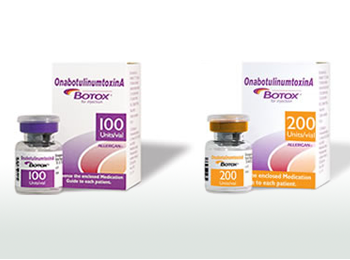
BOTOX® is probably best known as a cosmetic treatment for wrinkles; however, it can also be used to treat the symptoms of TMJ disorders. Patients who experience tension headaches due to nighttime teeth clenching and grinding are most likely to experience relief from this treatment.

BOTOX® injections for TMJ relief

Temporomandibular joint disorders cause some people to clench and grind teeth during sleep. This activity puts a large amount of stress on the TMJ. This often causes tension headaches, sore facial muscles and stiff joints. An injection of BOTOX® into the facial muscles can reduce the jaw tension that often triggers grinding and clenching. This treatment works by preventing jaw muscles from being able to perform the unconscious movement of the jaw.

The injections only affect the muscles at the site of injection. Patients do not experience the effects in any other part of the body. The most common injection sites are the temporalis, frontalis and masseter, but other sites may receive injections if required to relieve symptoms.

Benefits

Muscle tenderness, headaches, lockjaw, jaw discomfort, and shoulder and neck pain may begin to diminish shortly after the injection. Though the primary purpose of this treatment is not cosmetic and some patients may not experience any change in appearance, wrinkles at the injection sites may begin to fade 24-48 hours after the procedure and may continue to fade for as much as a week after.

The procedure

BOTOX® injections can be administered in a dentist’s office. The length of the procedure varies, depending on the number of injections that are given, but usually lasts from 10-30 minutes. Some patients experience brief, mild, pain that can be reduced by the use of numbing agents. Results usually last three to six months. Regular treatment is required to maintain results.

Recovery

Most patients can return to normal activities immediately; however, care should be taken to avoid spreading the toxin to other parts of the body. Patients should avoid rubbing or massaging the area around the injection site or lying down for several hours after the procedure. It is also recommended to limit strenuous physical activity for 24 hours.

Side effects

The side effects of botulinum toxin treatment are infrequent and usually mild and short-lived. Patients sometimes experience pain, redness at the injection site, bruising and muscle weakness. The most common symptoms usually resolve within seven days:

  • Respiratory infection
  • Flu-like symptoms
  • Temporary eyelid droop
  • Nausea

Limitations

Overuse of BOTOX® injections around the mouth can make chewing and speaking more difficult or result in drooling for some people. Additionally, long-term use may result in the development of antibodies that can reduce the effectiveness of the treatment. These treatments are not recommended for people who are pregnant or lactating.

Conclusion

BOTOX® injections can help relieve headaches and other symptoms for some patients with TMJ disorders caused by clenching and grinding teeth. Additionally, the injections may reduce the appearance of wrinkles at the injection sites.

If you or someone you know is experiencing persistent or acute pain in the face or jaw, we invite you to set up a consultation with one of our Orofacial Pain specialists in the NYC metropolitan area. Our office locations and contact information are below.

Categories
TMJ

Is BOTOX® for TMJ Safe?


Thinking about undergoing BOTOX® treatment to address your TMJ problems? Making an appointment with a TMJ specialist is the first step. According to Healthline, BOTOX®may help treat the following TMJ disorder symptoms: jaw tension, headaches due to teeth grinding and lockjaw in cases of severe stress.

About TMJ

Wondering if you should try BOTOX® to address your TMJ symptoms? Many people who have been diagnosed with a TMJ disorder will use over-the-counter or prescribed medications to help them deal with the discomfort and pain associated with TMJ. Some will have their dentist make a custom-made mouthguard for them, as this helps prevents the grinding and clenching that can make TMJ symptoms worse. For those who do not get relief by using one or both of these options, BOTOX® is considered to be the next level of treatment.

About BOTOX®

BOTOX® is a drug that offers many benefits. One of these benefits includes temporarily paralyzing the muscles in and around the jaw joint area. When this drug is used in small doses, it allows TMJ sufferers to experience relief from the discomfort or pain they experience on a daily basis due to their disorder symptoms. BOTOX® is a temporary solution for those diagnosed with TMJ. Patients will need to make an appointment to make sure they are a good candidate to undergo this procedure.

How safe is using BOTOX® to treat TMJ?

Since BOTOX® is a drug, many people wonder how safe it is for them to undergo BOTOX® treatment. Since BOTOX® is approved by the Food and Drug Administration, it is a safe treatment option. While the FDA has deemed BOTOX® to be safe when used to address certain situations, anyone who is interested in this option must understand that BOTOX® injections need to be performed by a trained professional. This makes finding a TMJ specialist a good idea, as they are highly qualified to administer BOTOX® to TMJ patients.

Choosing a trained professional means that patients can expect to be informed of everything they need to know about this treatment for TMJ. This includes understanding where the injections will take place, how many injections they will receive and how long they can undergo BOTOX® injections, as well as understanding what the potential side effects are, e.g., soreness, nausea, etc. It is also important for patients to carefully follow any aftercare instructions when it comes to successfully treating TMJ using BOTOX®.

In need of TMJ treatment?

Thinking that BOTOX® may be the right solution for addressing your TMJ-related problems? Making an appointment with a TMJ specialist is the next step. For those who still have questions, please do not hesitate to contact us at your earliest convenience.

Categories
Sleep Apnea

A Sleep Medicine Professional Discusses Sleep Aids

A sleep medicine professional is someone who has decided to focus on preventing, diagnosing and treating sleep disorders. Those dealing with sleeping problems can visit this type of health care professional in order to get the guidance and direction they need. Sleep disorders can be mild or severe.

About sleep disorders

Visiting a sleep medicine professional gives someone who is having trouble sleeping the ability to not only get a proper diagnosis but also understand their treatment options. While sleep disorders can affect anyone, those who are women, are overweight, have been diagnosed with a medical condition and are over the age of 40 are more likely to have a sleep disorder. According to WebMD, sleep problems, including snoring, sleep apnea, insomnia, sleep deprivation, and restless legs syndrome, are common.

Sleep aids

The list below includes three popular sleep aid treatments for those who have been diagnosed with a sleep disorder.

CPAP machine

CPAP machines are designed to provide sleep disorder patients with a constant flow of air, allowing them to breathe easier during the night when sleeping. Continuous Positive Airway Pressure machines are most often used to treat sleep apnea patients, as this particular sleep disorder is one that tends to block one’s airway, causing them to stop breathing many times throughout the night. It is also used to treat patients who are diagnosed with snoring problems.

Oral appliance

An oral appliance is a type of sleep aid that fits inside of a patient’s mouth with the goal of preventing their airway from closing while sleeping. When the airway becomes blocked, it interferes with one’s ability to properly breathe during the night, causing sleeping problems. Examples of oral appliances available to improve one’s ability to breathe easier include custom-made mouth guards, tongue-retaining devices and mandibular repositioners.

Medical treatment

Sometimes a patient will need to undergo medical treatment in order to address their sleep disorder. The type of medication that one will need will depend on their particular disorder, as well as how minor or how severe it affects them. Examples of medications used as a sleep aid include sleeping pills, melatonin supplements and allergy medications. Medical treatments may also require one to undergo a surgical procedure to address any medical problems that can cause one to be diagnosed with a sleep disorder.

In need of sleep aids?

The three sleep aids listed above are commonly used, making trying one or more of them a great idea for those who are suffering from sleep problems. If none of the above aids work, additional treatment options are available. Visit a medical professional to learn more.

If you or someone you know is experiencing persistent or acute pain in the face or jaw, we invite you to set up a consultation with one of our Orofacial Pain specialists in the NYC metropolitan area. Our office locations and contact information are below.
Categories
TMJ

Why You Should Seek Out Help for Your TMJ Disorder

If you are experiencing symptoms like jaw pain and stiffness, TMJ disorder might be the problem. This disorder can have a significant impact on your physical and mental health. The condition generally worsens without treatment. A TMJ specialist is a trained and experienced professional who offers treatment for TMJ disorders. Continue reading to find out why going in for treatment is crucial.

TMJ disorder and the treatment options

The temporomandibular joint (TMJ) is a complex joint that enables the jaw’s range of motion. The joint is one of the most used joints and is therefore prone to issues. Sometimes, the joint’s soft tissues may get inflamed. Aside from repeated usage, stress is another major cause of TMJ disorder. People tend to clench their jaw when feeling nervous or anxious, which only induces more stress on the joints.

The TMJ specialist has different treatment options for the disorder. First, they will have a consultation session and examine the patient’s jaw, then they will recommend the best solution to the issue. The first choice is generally conservative, and patients will continue to visit for progress assessment so the doctor can determine if further care is required. Treatment options include oral splints, medications, stress management, and lifestyle adjustments. Corrective jaw surgery or minimally invasive surgery is only recommended in severe cases.

Reasons to seek TMJ treatment

Treating TMJ disorder is important due to its impact on health and quality of life. Reasons to seek help for the disorder include the following.

Relieve discomfort: Jaw pain is not the only TMJ disorder symptom. It can also result in neck pain, jaw stiffness, chronic headaches, and upper back pain. Jaw pain inhibits normal jaw functions, so activities like eating can become uncomfortable. Getting treatment relieves pain and restores normal functionality.

Minimize risk of dental damage: Bruxism and TMJ disorder are usually related. Teeth grinding can cause the disorder and vice versa. Chronic bruxism can cause enamel deterioration and teeth damage. Treating TMJ disorder may resolve the grinding habit and prevent further damage to the teeth.

Protect ear health: Serious cases of TMJ disorder can cause tinnitus or constant ear ringing. The ringing can disturb hearing and sleeping. While scientists are continuing to research the connection between the two conditions, treating TMJ almost always resolves tinnitus as well.

Improve overall health: TMJ disorder has been associated with many systemic health disorders, including chronic fatigue, sleep apnea, rheumatoid arthritis, dizziness, fibromyalgia, and Meniere’s disease. Also, it is uncertain what the link between these conditions is. However, treating the disorder can be necessary for resolving those health conditions and restoring general wellbeing.

Seek help from the TMJ specialist

TMJ disorder symptoms can have devastating effects on your health. The TMJ specialist will develop a personalized treatment plan to treat the condition and alleviate the accompanying discomfort. If you are suffering from the condition, you need to seek help as soon as you can. This prevents complications and ensures that you can benefit from minimally invasive treatment options.

If you or someone you know is experiencing persistent or acute pain in the face or jaw, we invite you to set up a consultation with one of our Orofacial Pain specialists in the NYC metropolitan area. Our office locations and contact information are below.

Categories
TMJ

How TMJ Disorder Can Trigger Migraines

TMJ disorder is common in the United States and affects more than three million people annually. One of the more frequent and severe symptoms of TMJ disorder is migraines. Often, treating TMJ disorder is essential for stopping chronic migraines.

TMJ disorder and migraines: is there a connection between the two?

TMJ disorder can put a lot of stress on a person and lead to the onset of migraines. Migraines can hinder a person’s ability to function properly each day, so treating the underlying concern is often essential. The following is a review of how patients are able to find relief through TMJ treatment.

What is TMJ disorder?

TMJ disorder affects the joint that is responsible for the mouth opening and closing, known as the temporomandibular joint (TMJ). This joint serves as a sliding hinge and may become stiff, sore, or even locked, which can create discomfort in the face and lead to symptoms such as locked jaw and migraines.

How are TMJ disorder and migraines related?

TMJ disorder is not considered a cause of migraines. However, it is often considered a trigger. This is largely due to the physical stress that TMJ disorder places upon the facial muscles. It can lead to a tension headache that can eventually progress into a full-blown migraine. Studies have suggested that many who treat their TMJ disorder see the frequency of their migraines significantly reduce or go away entirely.

How is TMJ disorder treated?

TMJ disorder treatments vary based on the severity and reason for the problem. Self-care and the use of a mouthguard to wear while sleeping may be all that is necessary in some minor instances. Therapies such as biofeedback and some medications may be appropriate as well. In the most severe cases, surgery may be an option.

What are the symptoms of TMJ disorder?

TMJ disorder may look different for everyone who has it. However, some symptoms are more frequently reported. These symptoms include:

  • Chronic jaw pain
  • Headaches
  • Migraines
  • Difficulty chewing
  • A clicking sound from the jaw
  • Locked jaw
  • Face and ear pain
  • Toothache

Many of these symptoms could be related to alternative oral health concerns, so it is important to visit a TMJ specialist for an accurate diagnosis and an appropriate treatment plan.

Additional tips for migraine prevention

For many patients, particularly those whose underlying cause of migraines is TMJ disorder, treating TMJ disorder is all that is necessary to relieve the migraines. However, some patients may still experience migraines if there are other causes. To further reduce the risk of migraines, consider keeping a journal of foods and activities to determine potential triggers that may increase the risk of migraines.

Speak with a member of our team about TMJ disorder treatment

Our TMJ specialist can help you put together a treatment plan that not only addresses your migraines but also relieves TMJ disorder, which is often the primary reason for migraines. To learn more about TMJ disorder treatment, contact our team today to schedule a visit.

Categories
Jaw Problems Orofacial Pain Referred Pain TMJ

How To Get Relief From TMJ Pain When Nothing Is Working

When exercises, medication, nightguards, relaxation techniques, and a soft diet don’t provide relief from TMJ pain, injections for TMJ may be the next step.

What Causes TMJ/TMD Problems?

Note: TMJ stands for Temporomandibular Joint, which is your jaw joint, and TMD stands for Temporomandibular Joint Dysfunction, which refers to jaw problems. Because most people use the catchall term “TMJ” to describe all TMDs, I use the term TMJ in this article.

Anything that causes your jaws to be overworked and fatigued, such as continually clenching your teeth, biting your nails during the day, or clenching and grinding at night, puts you at high risk for TMJ. However, your TMJ problem could stem from a history of trauma or a medical or dental procedure that sprained your jaw joints or strained the muscles and tendons. In some cases, systemic disease or a disorder can predispose you to experience inflammation, pain and instability in your jaw joints, ligaments, and/or tendons.

Regardless of the cause of your TMJ, if your jaw’s in trouble, you want treatment that will provide relief.

First-Line Therapies For Relief From TMJ Pain

I’ve been a TMJ doctor and orofacial pain specialist for nearly four decades. During that time, I’ve treated thousands of patients and have at my disposal many first-line therapies to help my patients feel better and get better (once an accurate diagnosis has been made). They include:

  • Nightguards or specifically designed oral appliances that address teeth clenching, grinding, and joint instability during sleep
  • At-home exercises
  • Anti-inflammatory and/or muscle relaxant medications
  • Stress-reducing activities such as meditation or yoga
  • Adherence to a soft diet
  • Reducing or eliminating the daytime behaviors that overwork the jaws
  • Physical therapy

While most of my patients respond well to the first-line therapies above, you may be someone for whom the above strategies simply don’t work. What’s next for you?

massage for TMJ, temporalis and masseter

Injections For TMJ

I’m sure you’ve read about people having BOTOX® injections for TMJ problems, but BOTOX® is not the only injectable that can help. In fact, it is not the right choice for many patients. The good news is there are injections for TMJ that are less risky and can be very helpful to provide relief from TMJ pain. They include jaw muscle injections, injections into the tendons or ligaments, and injections into the temporomandibular joint itself.

Jaw Muscle Injections For TMJ

  • Trigger point injections, sometimes called dry needling, can help reduce the muscle spasms, tension, associated pain and limited jaw motion experienced by many TMJ sufferers. They’re also designed to reduce the likelihood of “referred” pain when irritated jaw muscles refer pain to other locations such as your teeth, ears and sinuses. With trigger point injections, the mechanical prodding of the muscle with a needle creates the benefit. Some providers inject a bit of Lidocaine, a local anesthetic, to make the procedure more comfortable. Trigger point injections are typically repeated several times before the spasms and muscle tension release. When combined with exercises and other home care techniques, trigger point injections for TMJ can be very effective for people whose problems have not responded to first-line treatments.

Tendon and Ligament Injections For TMJ

Sometimes first-line therapies fail because pain is due to stubborn and persistent inflammation in a jaw tendon or ligament. In this case, prolotherapy and steroid injections are often effective:

  • Prolotherapy, also known as proliferative therapy, involves a combination of dextrose and an anesthetic. Dextrose is a natural irritant that can kick-start your body’s natural healing response and the anesthetic helps deaden pain. When injected directly into damaged tendons and/or ligaments prolotherapy can strengthen and repair them. When combined with exercises and home care strategies, prolotherapy injections for TMJ can provide a great deal of relief from TMJ pain and also promote healing. The injections typically need to be repeated several times over a few months for full effectiveness.
  • Steroid injections into irritated tendons and ligaments can also provide life-changing relief from TMJ pain and usually are administered in a series. If overused, however, steroids carry some serious risks, so your steroid injections should be administered only under the guidance of an experienced clinician.

Injections Into The Jaw Joint

Some TMJ problems stem from inflammation or structural compromises in the jaw joint itself. They can’t move their jaw without severe pain and experience mechanical symptoms as well, such as clicking, popping, or locking and gravelly sounds emanating from the joint.   Injections directly into the temporomandibular joint can often help. There are two types of joint injections for TMJ: steroids and hyaluronic acid.

  • Steroid injections are frequently used to ease pain in the knees, hips, shoulders, etc. So, it’s no surprise that steroids can also provide relief from pain in the TM joint. Depending upon the severity of your underlying joint problem, one shot may be all you need for life-changing pain relief. If your pain doesn’t diminish with just one injection, you may need a series. Proceed with caution because, as I mentioned above, steroid injections carry risks when overused.
  • Hyaluronic acid injections into the jaw joint are another strategy. Your jaw joint contains a substance called synovial fluid, which provides nourishment and shock absorption to keep them healthy. When there’s a change in the volume or quality of synovial fluid due to jaw overuse or trauma, the result can be pain and joint noises. When hyaluronic acid, a lubricating substance, is injected into the joint, the relief from TMJ pain and noises can be profound. Research suggests that hyaluronic acid also provides an anti-inflammatory effect. The only drawback to hyaluronic acid injections for TMJ is that the positive effects can be short-lived.

New Injections For TMJ Are On The Horizon!

Many research efforts show that over 30 million Americans have TMJ/TMD problems. Some problems are minor, but others can lead to life-compromising pain and jaw function limitations. There is a great need for earlier diagnoses and pain and discomfort management for people who suffer. There’s also a need for therapies that are specifically designed for treating stubborn and persistent TMJ problems.

Fortunately, emerging therapies such as stem cell and blood component injections may be able to regenerate new tissue in TM joints, ligaments and tendons. The research is very promising, and I suspect in the near future, these new and innovative types of injections will become commonplace for treating TMJ/TMD problems and provide the kind of healing that has not been achievable with other established injection therapies.

The Last Word

If you’re suffering from jaw problems, we know what you’re going through. Orofacial pain specialists like us have the knowledge to accurately diagnose your problem and the skills to help you find relief from TMJ pain, whether by first-line therapies or injections for TMJ. We invite you to set up a consultation with one of our Orofacial Pain specialists in the NYC metropolitan area. Our office locations and contact information are below. If you’re not in the NYC metropolitan area, go to the American Board Of Orofacial Pain and search for a physician with diplomate credentials in your area.

Feel Better!


Further Reading:

All About BOTOX® For TMJ

What Is Referred Pain?

The Connection Between Pain & Sleep

Categories
Sleep Apnea

The Role of a Sleep Medicine Trained Dentist with Treating Sleep Apnea

The growing number of sleep apnea cases needs the collaboration of health care professionals. Several treatment options are now available for people suffering from this sleep disorder. Your specially trained dental care professional can help you along the way. If you want to find out what role a sleep medicine dentist has in treating sleep apnea, here are the details.

The role of a sleep medicine-trained dentist

Dentists and doctors work together to address sleep apnea. A dentist well-trained in sleep medicine is crucial in diagnosing and treating patients with breathing disorders during sleep. A thorough dental check allows the dentist to ask about the patient’s complete medical history. The dentist could then pinpoint the symptoms. This could then result in a referral to the right doctor.

The patient will have a sleep test after a full physical exam and diagnosis. The dentist will help check if the most effective solution would be an oral appliance. A sleep medicine dentist can give the patient the right oral appliance. The device will be custom-fit. The dentist will update the doctor on the patient’s progress. This will ensure the most optimal treatment for the patient.

What dental sleep medicine offers

This focus of dental sleep medicine is the treatment of sleep apnea and loud snoring. Dentists with sleep medicine training work with clinicians and doctors to find the right treatment plan. A sleep medicine dentist helps in the management of the patient’s OSA(obstructive sleep apnea) symptoms and snoring. Using OAT (oral appliance therapy) is an effective way to correct the condition.

A dentist can offer a tongue-retaining mouthpiece if the patient has minimal jaw flexibility. This oral appliance keeps the tongue from dropping into the air passage while the person sleeps. It wraps around the tongue itself. That way, the appliance holds the tongue in place with a delicate suction.

Sleep medicine dentists can also recommend a MAD (mandibular advancement device). This oral appliance looks like an athletic mouthguard. It can fit over the lower and upper teeth. The two trays stay in place with the help of a hinge. A MAD holds the tongue in a forward position while sleeping at night. It also holds the lower jaw in place. The dentist can adjust the MAD to make it more effective and comfortable.

Using an oral appliance in sleep apnea treatment

The sleep doctor will suggest the use of a dental appliance. The recommendation will be based on the doctor’s treatment plan for OSA. The dentist with sleep medicine training will provide the oral appliance. Follow-ups will enable the dentist to adjust the oral appliance. The sleep medicine will then update the sleep doctor about the patient’s progress.

Sleep apnea is treatable with the collaboration of a sleep medicine dentist and a sleep doctor

Treating sleep apnea needs full attention from your sleep doctor and your sleep medicine dentist. This collaboration will give way to the proper fabrication and adjustments of the right oral appliance. Regular dental checks with your sleep medicine dentist can ensure optimal dental care. This will make sure the patient has a comfortable and effective sleep apnea treatment.

If you or someone you know is experiencing persistent or acute pain in the face or jaw, we invite you to set up a consultation with one of our Orofacial Pain specialists in the NYC metropolitan area. Our office locations and contact information are below.