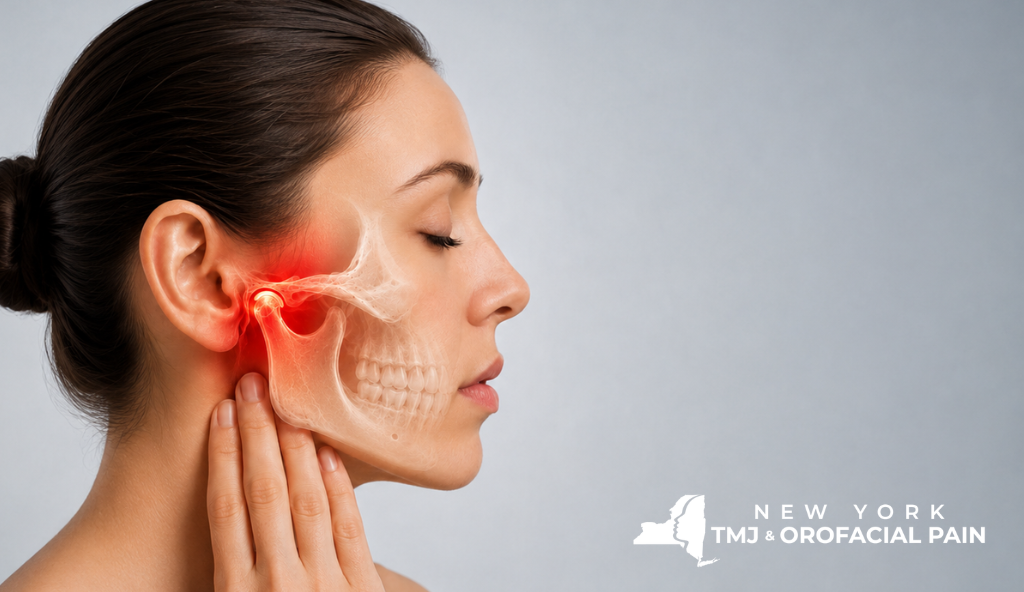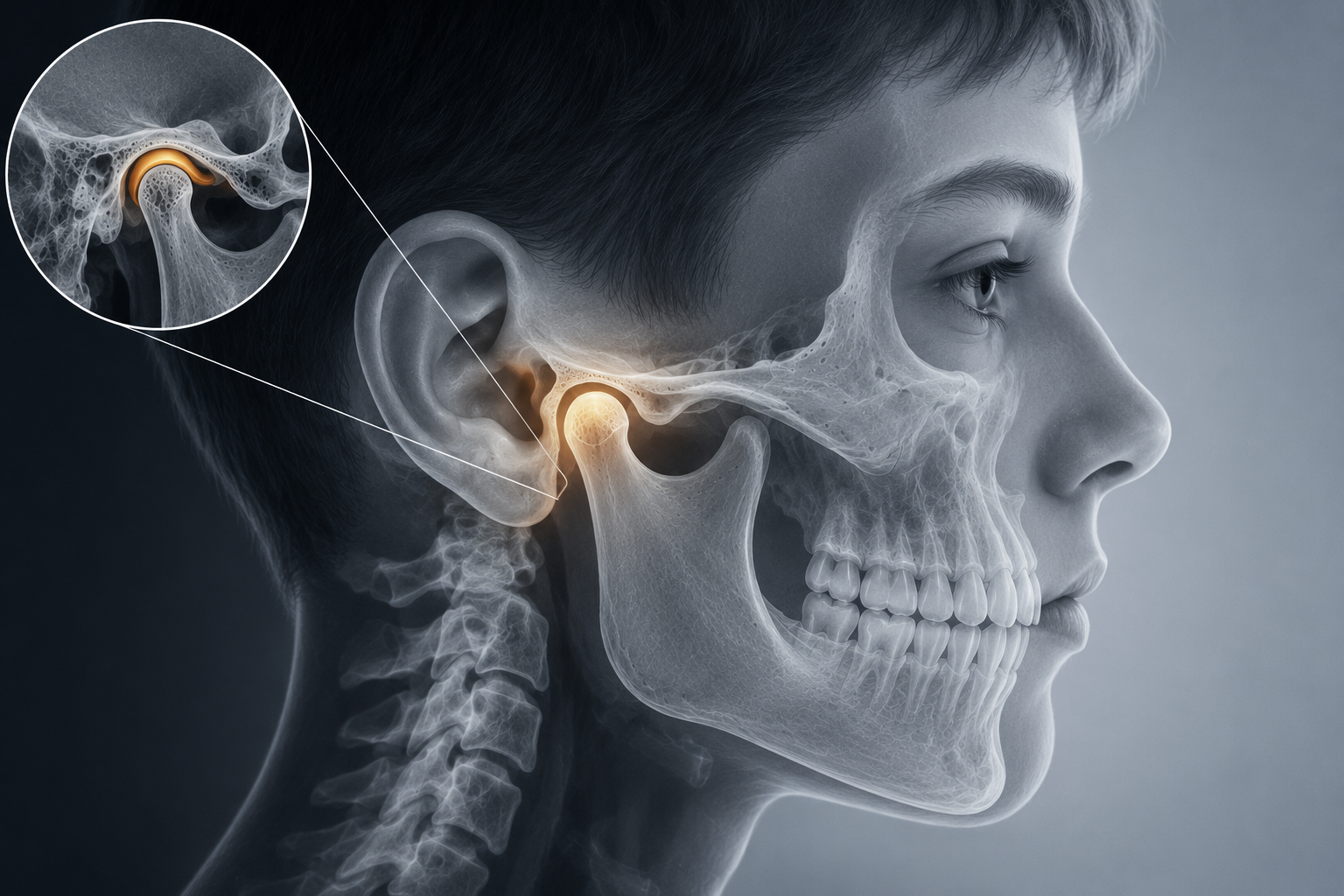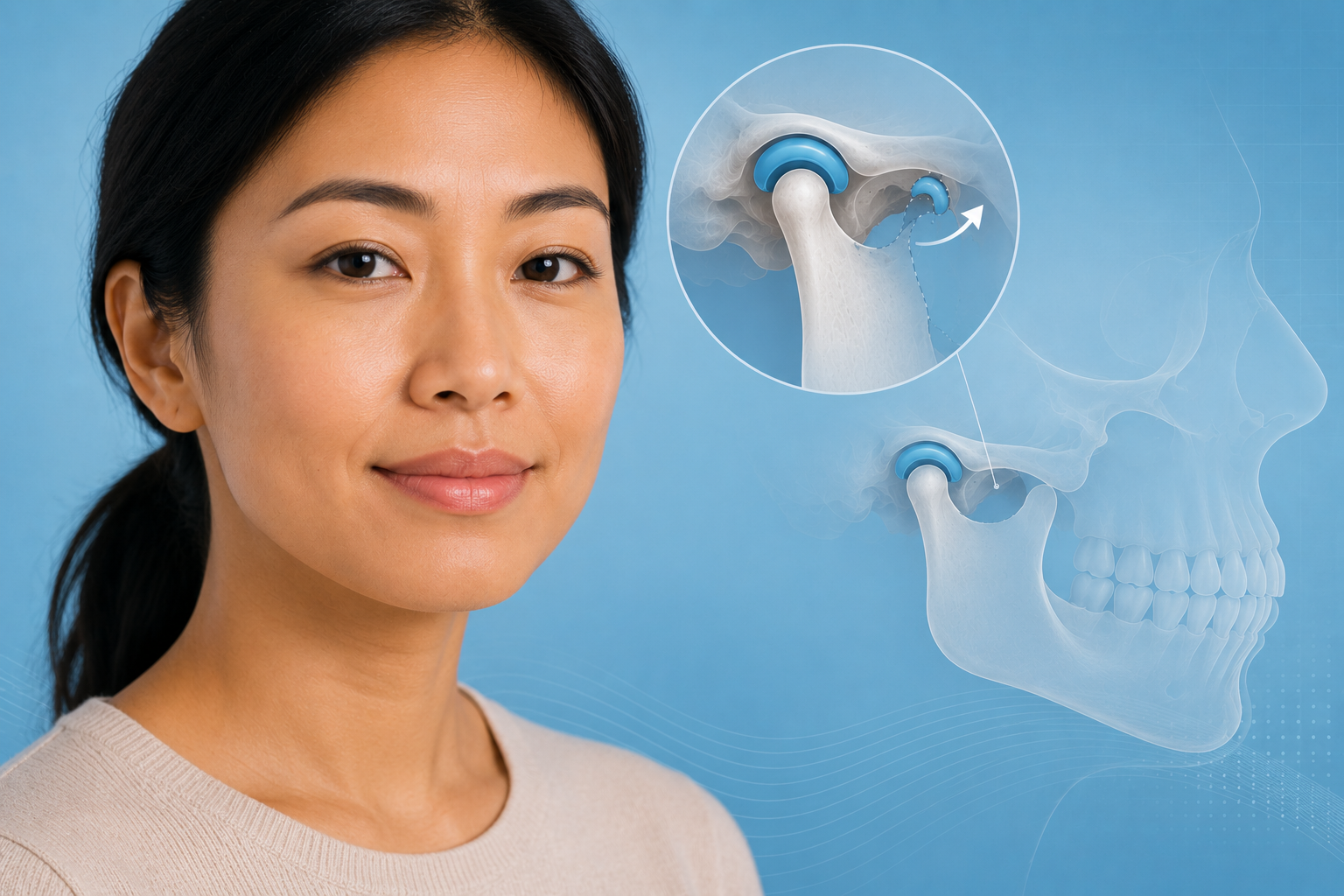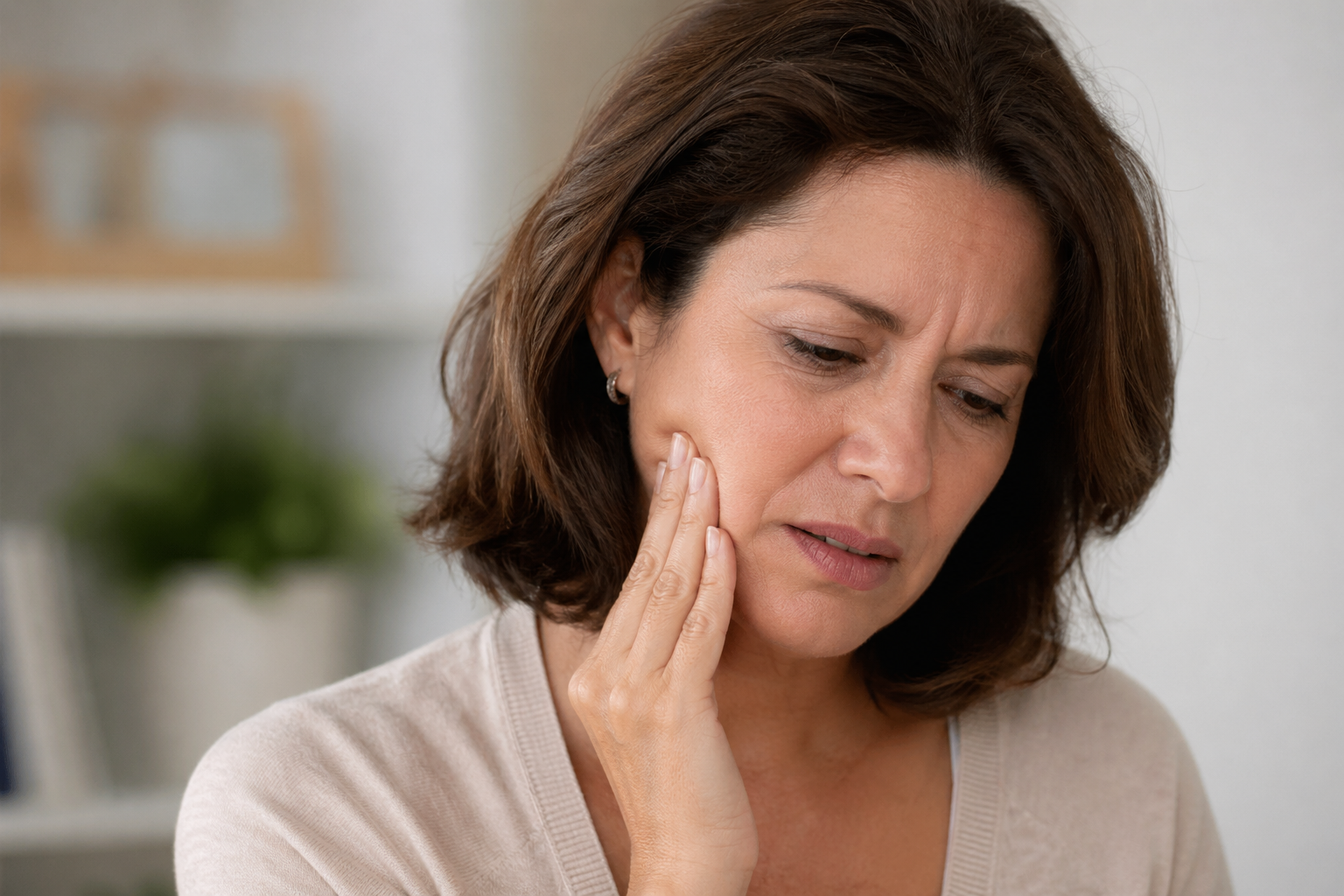
The terms TMJ and TMD are similar but not the same. TMJ stands for temporomandibular joint, which connects the jaw to the skull bones located right in front of the ears. There are certain issues that cause this joint to work incorrectly, and when this happens, it is referred to as TMD, which is short for TMJ disorder. Many people, however, incorrectly refer to disorders of the joint as TMJ.
Symptoms of TMD
Factors involved with disorders of TMJ include injury to the jaw or joint, chronic tension in the face and jaw, teeth grinding and arthritis. These can cause a variety of symptoms, and these range from mild to severe:
- Soreness and tightness around the jaw
- Clicking and popping with jaw movement
- Trouble chewing due to crooked bite
- Extreme pain around joint and facial muscles
- Aching in and around the ear
- Locking of the jaw in the open position
If TMD is caused by increased stress and tension, this may put extra strain on the surrounding muscles of the neck and upper back. This may lead to secondary symptoms such as neck pain, headaches or sore shoulder muscles.
Treatment for TMD
The treatment for TMJ disorders varies based on the cause and the severity of the symptoms. For mild symptoms, no medical treatment may be necessary. At-home remedies can include ice packs, relaxation techniques and avoiding foods that stress the jaw.
Mouthguards, bridges and crowns
For moderate and severe symptoms, the dentist or doctor typically begins with conservative treatment before more invasive procedures. With teeth-grinding or clenching, a splint or mouth guard is recommended. In some cases, the symptoms are due to an issue with the teeth, so treatment may include dental work such as bridges or crowns.
Pain medications, muscle relaxants and antidepressants
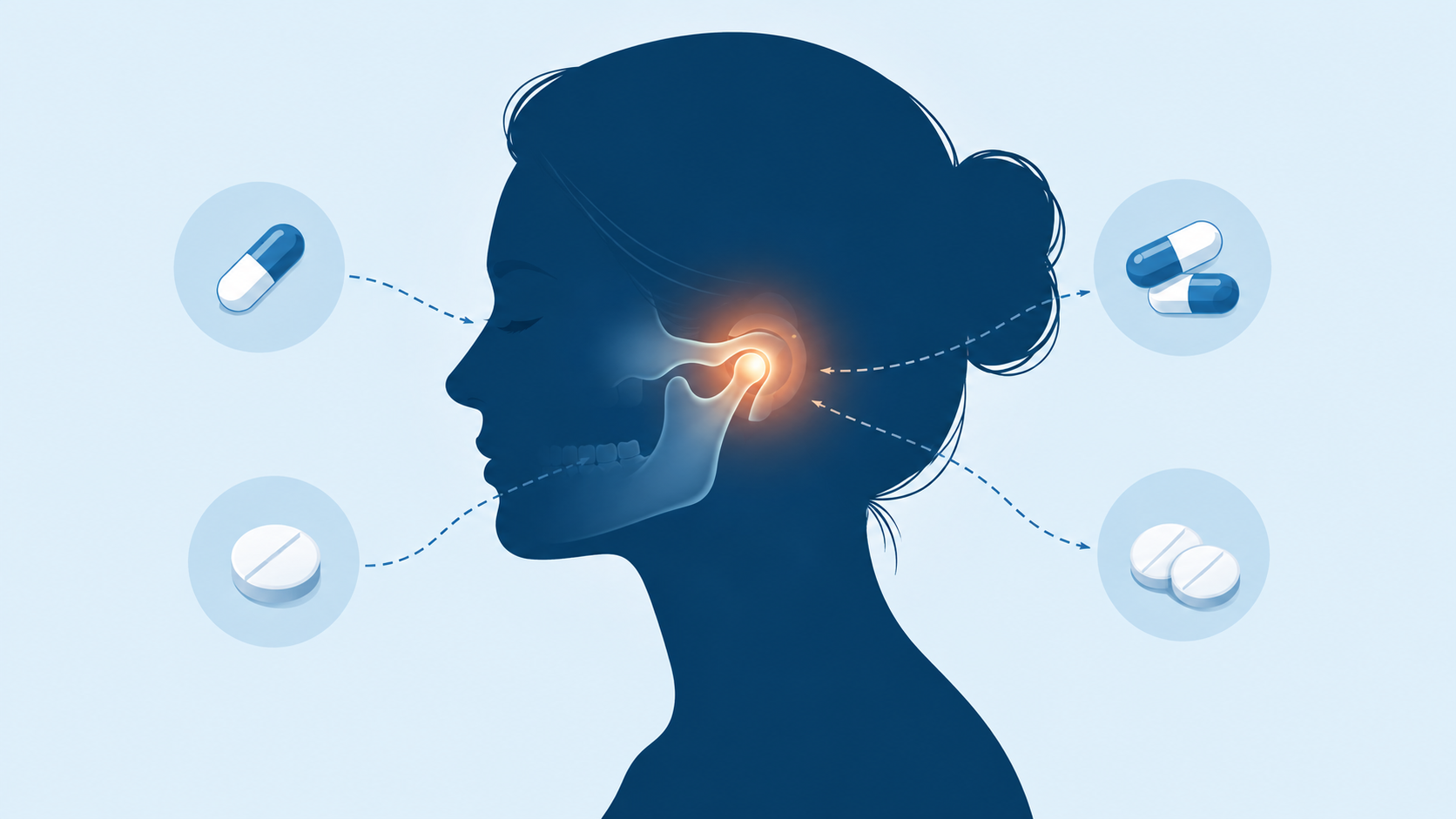
Medication may be recommended for pain relief and muscle relaxation. Over-the-counter anti-inflammatories are often used first, but prescription pain meds may be recommended if the discomfort persists. Muscle relaxants may also be prescribed for the short term to relieve muscle tension. In rarer cases, anti-anxiety medication or antidepressants may be prescribed in low doses. These have been shown to improve relaxation, relieve pain, help improve sleep and decrease the occurrence of teeth grinding.
Physical therapy, acupuncture and surgery
Alternative therapies, such as physical therapy, massage, chiropractic, low laser therapy, ultrasound, acupuncture and biofeedback may help some who suffer from symptoms. If other methods do not relieve TMD symptoms, surgery or other procedures may be recommended. Surgical procedures include open-mouth surgery, arthroscopy and arthrocentesis. Injections, such as botulinum toxin type A or corticosteroid, may also alleviate pain.
Conclusion
People who suffer from TMJ disorders experience a wide variety of symptoms, and a number of them can reduce the quality of life. If someone suspects they have issues with the joint, they should seek help from a doctor or dentist because some of the symptoms mimic other conditions. Fortunately, there are effective treatment options for TMD to help reduce pain and increase the function of the jaw.