Manhattan

212-265-0110

White Plains

914-227-2305

Springfield, NJ

973-315-7830

Hauppauge

631-265-3136
Categories
Bruxism TMJ

5 Reasons You May Be Grinding Your Teeth

Tooth grinding (also called bruxism) is a real problem for thousands of people. It can wear down teeth, loosen teeth, and even cause severe jaw muscle and TMJ pain. At times clicking and locking of the TMJs (Temporomandibular Joint) can result from long-term bruxism. If you think you have this problem you have probably asked yourself “Why do I grind my teeth at night?”

Research suggests that tooth grinding is likely to occur if the brain becomes aroused during sleep. There are two stages of sleep during which Bruxism is most likely to take place. These include Stage 2 Sleep, which is one of the first and lighter stages of sleep and lasts approximately 20 minutes and REM (Rapid Eye Movement Sleep). Most dreaming occurs during REM.

Here are some of the suspected reasons for brain arousal (and therefore teeth grinding) during sleep:

    1. Insomnia – Individuals who have a hard time getting to sleep or staying asleep seemingly experience bruxism more often than those who don’t.


    1. Sleep Apnea and Snoring – There is some evidence that in people who have obstructive sleep apnea (breathing stops while sleeping due to airway obstruction, prompting the brain to be aroused) that tooth grinding frequency increases.


    1. New Motherhood – Being frequently awakened by a crying baby or anticipating a baby’s needs disrupts sleep and new moms report higher or new teeth grinding activity.


    1. Medications – The use of antidepressants such as Paxil and Effexor have been shown in some people to induce tooth grinding.


  1. High Achievers and Daytime Stress – People who operate at a high mental pace during the day tend to clench and grind more at night.

The Good News! There is treatment for teeth grinding regardless of the cause of the brain arousal. If you have insomnia, talk to your doctor. Medication or therapy or both can really help. Also, sleep apnea is very easy to detect (if your partner hasn’t already told you!) by a sleep study at home or at a clinic. If you are diagnosed with sleep apnea, there are a myriad of ways to treat it, from oral appliances to CPAP machines.

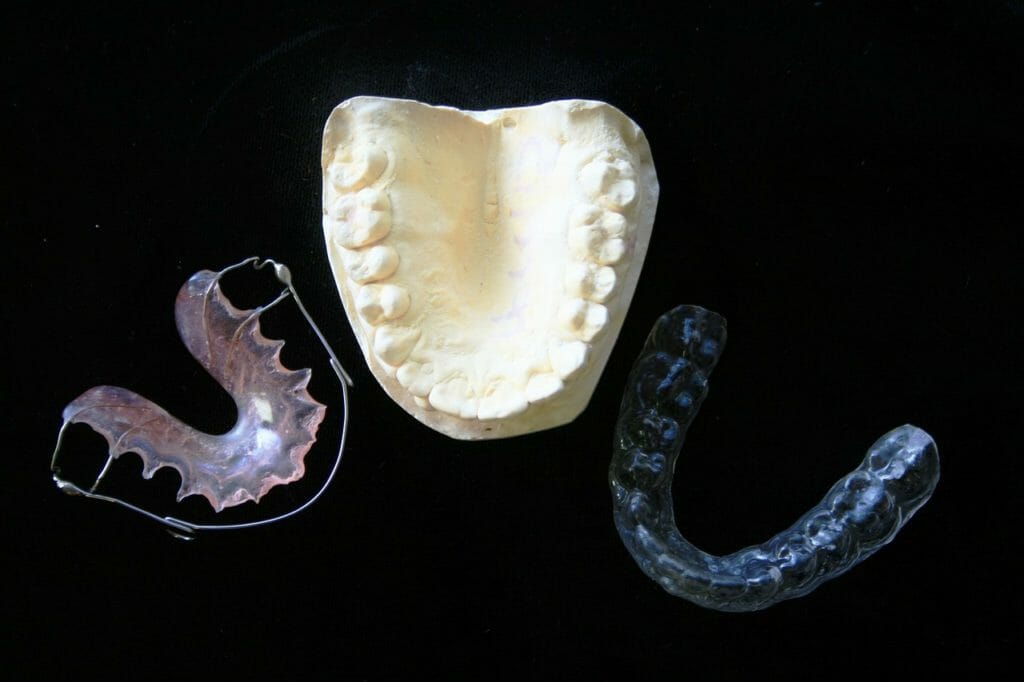
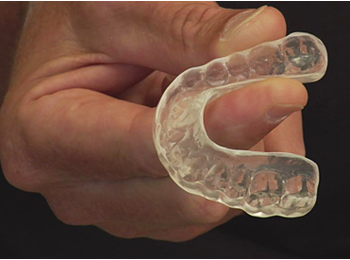
If the stresses of everyday life are causing your grinding, a custom made oral appliance (night guard) can work wonders. It won’t prevent you from grinding but it will ensure that your teeth aren’t damaged and that your jaw muscles and TMJs are not overworked.

For severe bruxism, you may need to see a TMJ specialist who can provide a variety of treatment options to address the origins and consequences of your bruxism.

Dr. Donald Tanenbaum is a specialist with offices in New York City and Long Island, NY. He is uniquely qualified to diagnose and treat facial pain associated with jaw problemsTMJreferred painnerve pain, and migraines. Find out more at www.nytmj.com.
Categories
BOTOX® Bruxism Jaw Problems

Case Study: 10 Years of Teeth Clenching

Last week a 44-year old woman came in to see me concerned with the fact that the her face had become more and more “square-shaped” over the past ten years. She openly revealed that working full time and raising three kids had been no easy task for her and that she often went through the entire day with her teeth clenched. I explained to her that those ten years of teeth clenching had essentially been causing her to make a “fist in her face” for all those years. With that kind of daily stress on the muscles, it’s no wonder that her face had changed!

The end result of her clenching behavior was that she had “buffed” her jaw muscles. They bulged outwardly just like your biceps would as a result of lifting weights every day over a prolonged period of time. Remarkably, my patient never experienced any pain in her face or her jaws, which probably would have caused her to seek help sooner. The issue for her now, however, was the change in her appearance.

My examination (not surprisingly) revealed that she had bulky and powerful jaw muscles (masseter) that bulged outwardly when her teeth were clenched together. Even the muscles in her temples bulged! Over the decade this patient had actually increased the size and number of muscle fibers giving her a ‘Clint Eastwood’ look.

The first hurdle in treatment was to get the patient to actually change her acquired behavior and learn to live in the world with her teeth apart during the day. The clenching tendency that she had developed was likely the result of trying to cope with her daily stresses, some of which were not under her control. Relaxation and breathing techniques were reviewed, and she began to use an oral appliance during the day to create awareness. This was the first part of the plan. As experience has taught me, just stopping new muscle building does not effectively reduce the bulk of jaw muscles in a predictable fashion. Once built, these muscles tend to stay large as a result of normal daily activities. So what next?

BOTOX® Injections:
In order to actually decrease the size of her well-built muscles, we needed to reduce the ability of these muscles to contract forcefully on a day-to-day basis. This is where BOTOX® can really help. We administered three BOTOX® injections into the patient’s masseter muscles; each injection session approximately three months apart. With time, the BOTOX® led to muscle atrophy (size reduction and less strength) without compromise of eating or talking along the way. The result was a return to a more normal jaw profile.

To assure a lasting result my patient has to continue participating. This means teeth apart during the day and wearing the bite plate appliance at night (to diminish the impact of her night clenching). Some simple jaw stretching exercises are also required to keep the jaw muscles supple.

Although it took almost one full year from start to finish, this cosmetic makeover has truly made a difference in slimming my patients’ facial profile that was the end result of years of muscle building. This is probably the only time that reducing muscle bulk actually can make someone look better!

BOTOX® for teeth grinding is in the news! I was recently interviewed on ABC’s Good Morning America on the topic, Can BOTOX® be used to treat teeth grinding?  Click the link to watch the segment.

Categories
Bruxism Nightguards & Oral Appliances TMJ

Biteplates Need To Be Monitored

Thousands of people every year are prescribed biteplates by their dentists. There are two common scenarios that prompt a dentist to make this recommendation.

Scenario 1: Tooth Grinding

You went to your dentist for a routine appointment and you were told that there is evidence that you are grinding your teeth at night  (sleep bruxism). Your dentist may in fact show you areas of tooth wear on your teeth. You have no jaw or tooth  pain, which is good, but a biteplate is made to protect your teeth at night while you sleep. This biteplates may be made of hard acrylic, dual laminate materials with a soft inside and hard outer shell, or may be totally soft and pliable.

Since you have no symptoms of jaw or tooth pain, there is no need to do anything else. Your dentist should ask you to bring it with you when you go in for a routine tooth cleaning  appointment. Overtime it may have to be remade due to wear and tear, or adjusted if new dental restorations have been placed.

Scenario 2: Jaw Pain, Stiffness, and more…

You are experiencing pain/tightness/stiffness in the jaw muscles, pain in the Temporomandibular Joints (TMJ’s), or clicking that is new or getting worse. Your symptoms may be worse in the morning as many people often wake up with symptoms of jaw pain, diminished jaw motion, and even a jaw that feels locked and out of place. Your dentist will in this situation commonly make a biteplate that can be modified over time as your symptoms change. It may have a flat biting surface or inclines to address your specific problem.

These adjustable biteplates need to be monitored as your condition improves, or if it is not helping to reduce symptoms. Just like an orthopedic splint for the knee,  problems, modifications, or changes are required overtime as the situation dictates.

If your jaw problem was due to a specific trauma or injury  (sports related/eating/accidental) which lead to a joint sprain, muscle strain, or joint inflammation, as healing occurs you will likely wear the appliance less until you don’t need it at all.

However, if your jaw pain, locked jaw, decreased motion, sore teeth, or headaches resulted from persistent and aggressive sleep bruxism , then long term use of the biteplate may be required. Periodic visits to the dentist will be required to determine when, and if the biteplate use can be reduced or eliminated. Regardless of the reasons that you needed a biteplate to begin with, please make sure your dentist monitors its use at least once a year.

Learn more about biteplates and oral appliances.

Dr. Donald Tanenbaum is a specialist with offices in New York City and Long Island, NY. He is uniquely qualified to diagnose and treat facial pain associated with jaw problemsTMJreferred painnerve pain, and migraines. Find out more at www.nytmj.com.

Categories
BOTOX® Bruxism TMJ

Case Study: BOTOX® for TMJ

At times we are challenged by patients with chronic pain and soreness in their jaw muscles. Though these patients have received benefits using oral appliances, performing home exercises and massage techniques, using medications and even going for physical therapy, they continue to suffer as a result of daily and continuous aching pain in their face. Though we may not fully understand why their muscles continue to hurt, the use of BOTOX® injections has restored hope for many of these sufferers

Consider the case of Carly a thirty eight year old female with a 20-year history of facial pain and tooth clenching activity during the day and at night. She was first treated while still in high school during the stress of exams and applying to college. Her symptoms however continued through college and into her adulthood often with acute flareups prompting the use of pain medications and muscle relaxants at bedtime. Despite professional treatment and ongoing self care she continues to brace her jaw muscles and clench during the day and wakes up with “my teeth plastered together.” As a result her muscles were paying a price!

With the knowledge that BOTOX® can be used to partially incapacitate muscles, not allowing them to contract forcefully, it’s use in this particular case was clearly indicated. Though not FDA approved for this specific purpose at this time, its use with patients has produced encouraging results. By preventing forceful muscle contraction over three to four months after injection, the sore and tender jaw muscles benefit from increased blood flow bringing oxygen and nutrients essential to healing. As a result Carly’s pain symptoms eased considerably and her days were  no longer consumed by constant massage and mouth opening movements to “loosen my face.”

Most importantly, Carly regained optimism that her problem could be helped though she would likely require additional injections to undue years of muscle compromise. As BOTOX® is not a cure, Carly understood that any efforts she made to keep her muscles out of trouble would go a long way towards maximizing the benefit of the BOTOX®. As a result of this understanding she continues to use her oral appliance at night and practices relaxation breathing techniques frequently throughout the day.

The end result is that Carly is feeling better and realizes that her life does not have to be filled with pain and suffering.

BOTOX® for teeth grinding is in the news! I was recently interviewed on ABC’s Good Morning America on the topic, Can BOTOX® be used to treat teeth grinding?  Click the link to watch the segment.

Categories
BOTOX® Bruxism

BOTOX® and Bruxism

In previous blog posts on bruxism, I’ve discussed how teeth grinding can lead to worn teeth, fractured teeth, facial or jaw pain, and a host of other maladies. There are many ways to treat bruxism, and one of the most recent and perhaps unexpected is BOTOX®.

BOTOX® was originally used for treating muscle spasticity diseases such as strabismus (eye misalignment), blepharospasm (eyelid spasm), and torticollis (wry neck). BOTOX® works by temporarily decreasing or paralyzing the muscles it is injected into. The logical extension of this would be to apply BOTOX® to a myriad of other medical conditions in which excessive or intense muscle contractions are causing pain or dysfunction.

It turns out that BOTOX® can in some cases, be a sensible medical application to bruxism, as injections of BOTOX® into the masseter and temporalis muscles – the large muscles that close the mouth and bring the teeth together – can reduce the forces of bruxism to a significant extent.

The Procedure: By injecting small doses of BOTOX® (different levels are used for each patient) directly into the masseter and temporalis muscles, the muscles are weakened enough to diminish the forces associated with involuntary grinding of the teeth and clenching of the jaw. As a result damage due to the TMJs and symptoms of jaw pain and headaches should be reduced if not eliminated after 2- 3 injection sessions over several months. Luckily, chewing and facial expressions will not be effected by BOTOX®.

Reasons to Consider BOTOX®:

  • If you know you are clenching at night but oral appliances are not helping or making your morning symptoms worse.
  • Positive effects can be felt within 10- 14 days even if you have been suffering for month or years.
  • If helpful, the need for medication (muscle relaxants) at bedtime and pain medications during the day will be reduced or even eliminated.

The optimal dose of BOTOX® must be determined for each patient as some people have stronger muscles requiring more BOTOX®.  The effects last for about three months. After a few rounds of injections, many of our patients require no further  injection sessions though we continue to advise the use of an oral appliance while sleeping if tolerated.

If are suffering from bruxism please do not hesitate to contact me so I can assist you in making treatment decisions.

BOTOX® for teeth grinding is in the news! I was recently interviewed on ABC’s Good Morning America on the topic, Can BOTOX® be used to treat teeth grinding?  Click the link to watch the segment.

Categories
Bruxism TMJ

Can Bruxism Be Caused by Poor Dental Work?

Several weeks ago a 38-year-old gentleman came to my office complaining that shortly after having three crowns (caps) put in his mouth, he began to grind his teeth at night for the first time in his life. On arising in the morning he was experiencing jaw muscle soreness and on some occasions more sharp pain which limited his breakfast selections, which are common symptoms of Bruxism (the clinical terms for teeth grinding).

The first comment out of his mouth was, “I want to rip these teeth out of my mouth!” Was poor dental work the cause of this patient’s Bruxism? More questioning revealed that my patient’s new teeth were in great shape; not sensitive to hot, cold, or chewing, and his bite did not feel off balance.

Is it possible that these three new crowns were responsible for the reported night grind and if so how is this possible?

Point number 1:
Night tooth grinding (Bruxism) has been shown to have little, if anything, to do with the type of bite a person has. People with good and bad bites grind and clench their teeth at night.

Point number 2:
Night tooth grinding (Bruxism) seems to be related to arousals that occur in the brain during sleep. These brain arousals can be due to a number of factors such as drinking alcohol or caffeine close to bedtime, poor sleep environments, crying babies, chronic pain problems (back and neck), asthma, sleep apnea and or chronic tension and stress to name just a few possibilities.

Point number 3:
In clinical studies that have been conducted in patients with known histories of night grinding, the placement of dental restorations made intentionally high and out of balance with the rest of the teeth, have actually led to a diminished amount of night grinding for several weeks. This suggests that throwing the bite out of balance can actually reduce the amount of teeth grinding at night!

Conclusion

Based upon what we know, it is unlikely that Bruxism can be caused by poor dental work (unless pain developed as a result of the work and disrupted a patient’s sleep). When similar scenarios occur, other factors are likely playing a role and it is very important to see your dentist for a full evaluation.

Categories
Bruxism Nightguards & Oral Appliances TMJ

Mouthguards & Nightguards: How Long Do They Need to Be Worn?

This is a common question asked by patients in my practice. The answer to this question is based mainly on the reason it was recommended in the first place! So, if you are wondering if you will have to wear your nightguard forever, here are some common scenarios. There’s a good chance that one of them fits your situation exactly:

Scenario 1: You have no teeth grinding symptoms, but your dentist notices that your teeth are worn or chipped or that fillings and caps previously placed look worn.

The dentist then informs you that you have been grinding your teeth at night. You’re shocked! You have no pain in your teeth, no jaw muscle soreness in the morning, and you haven’t noticed any other signs to indicate that you are grinding your teeth. Your dentist recommends that you wear a nightguard while you’re sleeping, warning of the problems that will develop if you don’t wear it.

Now here’s the important thing: If you move ahead and get the nightguard, bring it with you and show it to the dentist when you go in for your twice-a-year dental cleaning. If the nightguard exhibits grooves and notches cut into the acrylic, then you have been grinding and you should continue to use it. If, however, there is no evidence of wear and tear, it’s probably in your best interest to bring this to the attention of the dentist and discontinue using it.

Scenario 2: You make an appointment with your dentist because “out of nowhere” your jaw muscles and teeth are aching in the morning.

You mention to your dentist that stress levels have been high in your life and will likely stay that way for an undetermined period of time. A TMJ nightguard is advised and you wear it for a while and notice that the achiness in the morning has decreased.

What next? This all depends on what is going on in your life: stress, fragile emotions, disrupted sleep, etc. As these factors may drive the night grinding it is probably advisable to stay with the nightguard until things calm down. Once life is calm and if your morning symptoms have gone away, you can begin to reduce the number of days the nightguard is worn during the week.

Over time you will likely find that you no longer need the nightguard. Keep in mind, if life issues arise again, the grinding will likely return and you may need the nightguard again, so don’t throw it away!

Scenario 3: You not only have morning jaw muscle soreness, but your teeth ache and you have persistent facial pain during the day. In addition, you feel that you can’t open your mouth wide and chewing has become a chore because your jaw joints click and/or lock.

This scenario suggests that you may have a more significant jaw problem often called ‘TMJ’. Unlike the first two scenarios, the level of muscle and joint compromise is more significant with TMJ. And beyond the night grind there are likely other factors that have led to and are perpetuating the symptoms. In this situation the use of a nightguard at night will likely be for an extended period of time (maybe forever).

I have many patients who return to my office 3-6 years after they were last seen looking to get their nightguard repaired or replaced. Many of these patients tried to stop wearing it when they felt better, but the symptoms began again. In this situation I ask my patient to visit me at least once a year to help maintain the integrity of the device and make sure it is doing the right thing and not causing harm.

Note: There are many different names for dental nightguards:

  • Nightguard
  • Mouthguard
  • Oral Appliance
  • Splint

There are many different types as well. The decision to pick one type over another is usually made by your dentist based on your diagnosis.

If you have more questions about TMJ, and you live or work in New York City or on Long Island, schedule a consultation with me here or call 212-265-0110

Thank You!

Dr. Donald Tanenbaum has been practicing in New York City and Long Island for over 20 years. He is uniquely qualified to diagnose and treat bruxism, TMJ and TMD problems, Sleep Apnea, facial pain,  muscle pain disorders, nerve pain disorders, tension headaches, and snoring. Learn more about Dr. Tanenbaum here.

Categories
Bruxism TMJ

Teeth Grinding: Signs and Symptoms

Sleep Bruxism, the gnashing and grinding of the teeth that occurs at night, has most recently been defined by the American Academy of Sleep Medicine as a sleep related movement disorder. Though the exact cause of sleep bruxism remains unclear, research suggests that anything that can arouse the brain during sleep may be a trigger. Factors such as daily stress, longstanding anxiety and worries, obstructive sleep apnea, reactions to certain medications, a crying baby, and/or a pain producing medical conditions seem to be just some of the factors that may be playing a role. For years, a bad bite and crooked teeth were thought to be risk factors but research suggests that this is unlikely.

Grinding of the teeth on a regular basis can lead to worn teeth, fractured teeth or dental restorations, mobile teeth, sore teeth on awakening, and a number of problems associated with the jaw muscle and jaw joints. Some people however, can grind their teeth for years without any symptoms. These people commonly deny that they grind their teeth despite physical evidence of wear patterns on their teeth and reports by their bed partners of being disturbed by the clashing noise of their teeth.

Do I Have Bruxism?

If you’re experiencing any of the following symptoms particularly on arising, bruxism may be the cause. Teeth grinding symptoms may include:

  • Sore teeth when chewing
  • Tooth sensitivity to hot, cold fluids
  • Jaw pain or tightness
  • Tired jaw muscles
  • Vague earaches which relate to jaw function
  • Dull headaches in the temples which may linger throughout the day
  • Persistent facial pain
  • Limited jaw opening
  • Jaw joint noises

What to Look For:

The common physical signs of bruxism include:

  • Teeth that are worn down, flattened, fractured or chipped
  • The tops of the teeth appear yellow: when tooth enamel is lost the dentin is exposed, and dentin has a yellowish color
  • Indentations on the side of your tongue
  • Damage on the inside of your cheeks from chewing
  • Excessive bulging of your jaw and temple muscles when the teeth are brought together

If you suspect bruxism, or if your partner has complained of the sound of your teeth grinding at night, a dental consultation is advised. There are many options at your dentist’s disposal for treating bruxism.

For more information on bruxism and teeth grinding, the causes and treatment options, I invite you to visit my website. Thank You.

Dr. Donald Tanenbaum has been practicing in New York City and Long Island for over 20 years. He is uniquely qualified to diagnose and treat bruxism, TMJ and TMD problems, Sleep Apnea, facial pain,  muscle pain disorders, nerve pain disorders, tension headaches, and snoring. Learn more about Dr. Tanenbaum here.

Categories
Bruxism TMJ

Is Your Child Suffering from Bruxism?

For years, nighttime tooth grinders were thought to be adults who were overwhelmed by life’s stresses and worries. Though stress can certainly be one cause of nighttime tooth grinding, recent research suggests that anything that arouses the brain during sleep can cause excessive jaw movements.

This research explains why some children also suffer from nighttime teeth grinding, or bruxism. Nightly grinding results in sore TM joints and facial pain during the day, and can cause damage to your teeth. If your child is complaining of facial or jaw pain in the mornings, look for the following signs and symptoms of bruxism:

▪ Worn, chipped or sensitive teeth that look like they are getting shorter (the front incisors) or are getting flatter and yellow in color (the back molars)

▪ Morning headaches and/or facial and jaw pain

▪ Morning jaw noises such as clicking or popping

▪ Sensitive teeth when eating or exposed to hot or cold fluids

What Causes Bruxism in Children?

Though bruxism is often a cause of stress, it does not mean that it is what is causing your child’s nightly teeth grinding. However, persistent life stressors associated with school, unstable home environments, and social relationships may cause your child to sleep restlessly. Some of the risk factors that should be considered if you hear your child grinding his or her teeth excessively each night include:

▪ Problematic asthma conditions

▪ Enlarged tonsils and adenoids

▪ Childhood obesity that may compromise the airway at night

▪ Irritable bowel syndrome (IBS)

▪ Acid Reflux

▪ Insomnia

▪ Use of medication to treat ADHD

Can Childhood Bruxism Be Treated?

Identifying signs of bruxism early is the best way to end your child’s nightly teeth grinding habit. The good news is that once the cause is identified, there are several treatment option available. I look for enlarged tonsils and adenoids during an exam, especially with patients with histories of recurrent sore throats. If enlarged tonsils or adenoids are the cause of your child’s tooth grinding, they will likely be referred to an Ear, Nose, Throat specialist to be removed—ending the nightly bruxism.

If a child comes to my office with signs of worn teeth and loss of enamel on the biting surface of the molars, this usually indicates that a chemical erosion, like acid reflux, is occurring. This is due to stomach acid pooling on the teeth at night and is a direct result of the acid reflux. I send these kids to a Gastrointestinal doctor to be treated for reflux. If your child is taking medicine for ADHD, the solution may simple: administer the medication in the morning, not during the late afternoon or evening.

Bite appliances are used in kids even as young as 6 -12 years in an effort to buy time and protect teeth and jaws until the origin of the bruxism is determined and managed. Bruxism in children should be taken seriously as it can result in early destruction of the baby teeth, wear on the permanent teeth, jaw related problems, or tension headaches. Evaluation by a dentist with a broad understanding of teeth grinding is strongly advised.

Dr. Donald Tanenbaum has been practicing in New York City and Long Island for over 20 years. He is uniquely qualified to diagnose and treat bruxism, TMJ and TMD problems, Sleep Apnea, facial pain,  muscle pain disorders, nerve pain disorders, tension headaches, and snoring. Learn more about Dr. Tanenbaum here.