Manhattan

212-265-0110

White Plains

914-227-2305

Springfield, NJ

973-315-7830

Hauppauge

631-265-3136
Categories
Headaches Jaw Problems Nightguards & Oral Appliances Orofacial Pain Sleep Apnea TMJ

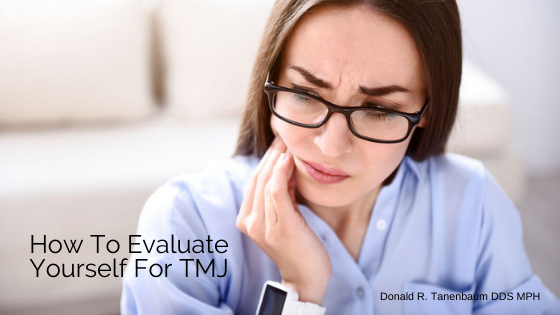
How To Evaluate Yourself For TMJ

Note: This article explains how to evaluate yourself for TMJ, what you can do about it, and how to determine when you need to get some professional help.

This past year’s pandemic challenges have led more people to seek care for TMJ problems than ever before. In fact, you may be reading this article because you’ve had your first experience of TMJ during the past year.

If you suffer from these kinds of problems, there are some steps you can take to relieve your symptoms. But before you try to evaluate yourself for TMJ, you must first understand the risk factors that led to your jaw being in trouble in the first place.

As an orofacial pain specialist for the past 35 years, I have treated thousands of patients who came to me suffering from jaw problems. They usually arrive at my office with complaints of jaw pain or stiffness, headaches in their temples, or facial pain that, in some cases, is taking over their lives. Many have limited jaw opening, joint popping and/or cracking. Some even experience locked jaws upon waking up in the morning.

While a traumatic event such as a car accident or an underlying medical disorder or treatment can be the culprit, for most people a wide variety of risk factors can cause TMJ pain problems. It is my job to properly diagnose, identify the causes, help my patients cope with TMJ – and eventually, get better.

Before You Evaluate Yourself For TMJ, You Must Understand What TMJ Is

The most important thing to understand about TMJ problems is that they are orthopedic in nature. Just like any other muscle and joint structure in your body – knees and shoulders, for example – if they become overworked, sprained, fatigued or injured, pain and instability will arise. Your jaw muscles and jaw joints (TMJs) are no different. An orthopedic problem can’t be treated until what is causing the pain is identified. It’s the same for TMJ problems.

How To Evaluate Yourself For TMJ – Identify The Cause & Make Changes

TMJ problems can involve your muscles, joints or both. To evaluate yourself for TMJ joint problems, pay attention to whether the pain is in front of your ear when you move your jaw or touch the area and if your jaw joints click, pop and/or lock. If you can answer yes to both questions, you should not try to cure yourself. See a dentist with experience in TMJ care or a TMJ specialist in your area right away. (There’s a link at the bottom of this page to the American Academy of Orofacial Pain, where you can find a specialist in your area.)

To evaluate yourself for TMJ muscle problems, you would probably describe your symptoms as soreness, stiffness, spasms or achiness. If you push your fingers firmly along your jawline or into your temples, you will experience more pain than you expected. Your jaw motion may be limited but it’s not accompanied by joint clicking or popping sounds.

If you’ve determined your TMJ problem is of the muscle variety, your next step is to figure out why and how your muscles became so irritable in the first place. To do so, you’ll need to do a little investigating to find out what is happening in your life during the day and at night.

6 Daytime Behaviors & Postures That Could Be Causing Your TMJ Problems

Starting today, pay careful attention to your daytime behaviors and postures, particularly while you’re working. Working behaviors and postures are some of the leading causes of TMJ problems. And, working at home is a big reason for the considerable increase of people seeking care during the past year.

When you evaluate yourself for TMJ of the muscle variety, look for these six common daytime behaviors that could be causing your jaw or neck muscles to fatigued:

  • Your head leans forward while you work at your computer.
  • You consistently look down at your phone.
  • You hold your breath or take shallow quick breaths with your mouth open.
  •  You brace your jaw muscles (but your teeth are not clenched).
  • You often keep your teeth clenched.
  •  You bite your nails and/or cuticles, cheeks, lips or tongue.

Did you identify any of the six behaviors or postures above during your workday? If you said yes, believe it or not, that is good news! Because if you can start eliminating them right away. And there’s a pretty good chance you can start feeling better right away, too.

Start by paying attention to your breathing patterns. If you discover that you hold your breath or breathe shallowly, go online and search for “restful breathing techniques.” You’ll see a lot of results and almost any you choose will help. Also, take more breaks. And make some adjustments to your workstation to improve your head posture. (Here’s a helpful guide). Also, download a reminder app such as Time Out for Mac that will help you remember to take breaks.

5 Nighttime Factors That Could Be Causing Your TMJ Problems

An essential step in evaluating yourself for TMJ is identifying what is happening to your jaw muscles, jaw joints or neck muscles while you’re asleep. This, understandably, is not easy – but it’s definitely doable. If you consistently wake up with jaw or neck pain, tightness in your jaw, or headaches – you can assume one or more of the following four factors are present:

  • Insomnia – You have trouble falling asleep or staying asleep.
  • Fragmented Sleep – Your sleep is full of lots of small arousals. Your brain wakes you up numerous times during the night.
  • Inadequate Sleep – You routinely get less than the recommended hours of sleep. (See the link at the bottom of this page to determine what is recommended for your age group).
  • Bruxism – You clench and/or grind your teeth while you sleep.
  • Breathing Problems – You struggle with breathing due to nasal or other airway restrictions while you sleep.

If you suspect factors 1, 2 or 3, try one or more of the following:

  • Take melatonin at bedtime.
  • Don’t drink coffee after noon.
  • Don’t use your electronic devices late into the evening.
  • Stop all work-related activities one hour before going to bed.
  • Read a good book.
  • Exercise in the morning instead of after work.
  • Eat dinner earlier.
  • Practice some breathing exercises before you get into bed.
  • Try some gentle stretching or yoga before bed.

If you suspect factor 3 – Bruxism – this is for you:

If you wake up occasionally with sore teeth but nothing more severe than that, consider purchasing an over-the-counter oral appliance at your local pharmacy. (Note: there are many terms for oral appliances such as mouthguards, bite plates, and teeth protectors – they all mean pretty much the same thing.)

If your symptoms get better after wearing your over-the-counter oral appliance at night for several weeks, your next step is to visit your dentist to be fitted for a custom oral appliance. This is very important because wearing an oral appliance over a long period of time that is not custom-fitted can lead to complications such as shifting teeth, bite changes and even airway obstruction.

If your symptoms do not get better after wearing your over-the-counter oral appliance it’s time for you to get some professional help. Make an appointment with your dentist or an orofacial pain specialist. (See the link at the bottom of this page to the American Academy of Orofacial Pain to find an orofacial pain specialist).

If you suspect Factor 4 – Breathing Problems – here’s what to do:

If your self-evaluation for TMJ leads you to suspect you have a nighttime breathing problem – it may be sleep apnea and you must see a sleep professional right away. Your struggle to breathe at night is likely reducing airflow and causing your blood oxygen to lower. That places excess stress on your body.

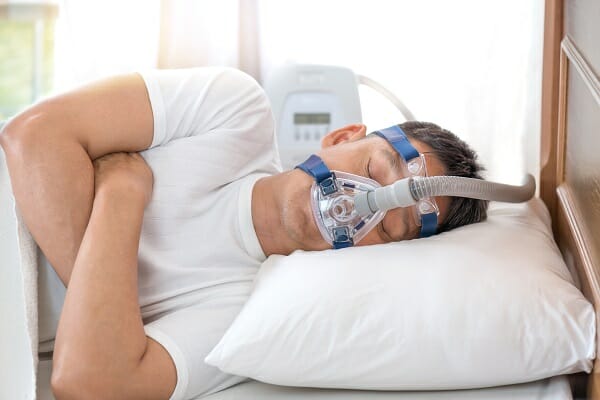
You should opt for an overnight sleep evaluation monitored by a professional. (Link here to find a sleep center near you.) If the sleep evaluation indicates you do have a sleep breathing disorder such as apnea, there are many options for you after the sleep study. You may be told to sleep on your side, wear nasal strips, use a custom-made oral appliance, or lose weight. Many people find that a continuous positive airway pressure (CPAP) machine is a lifesaver. (Read: What Is CPAP?) In severe cases, nasal surgery, orthodontics, jaw advancement or another correction surgery may be the solution.

How To Evaluate Yourself For TMJ – In Conclusion

Let’s say you have been able to get your TMJ problems under control by changing one or more of the six daytime behaviors above. That is great. And even if your nighttime behaviors are of the Factors 1, 2, or 3 variety and you tried some of the simple solutions I recommend, there’s a chance you’re already feeling better.

TMJ problems, however, are often caused by several risk factors. For you, relief may only be achieved with a professional approach. Take a little bit of time to find a trained orofacial pain practitioner in your area and you should be able to get on the road to feeling better very soon.

Helpful Links:

American Academy Of Orofacial Pain (Look for a provider with Diplomate status)
How Many Hours Of Sleep Are Enough For Good Health?

Categories
Sleep Apnea

How Obstructive Sleep Apnea Affects Your Health

You have been to a sleep medicine specialist and found out you have obstructive sleep apnea. Now, you cannot help but wonder how the condition impacts your health. Sleep apnea can cause a variety of serious health conditions and even lead to premature death. Fortunately, treatment can open up your airway so that you receive enough oxygen and get restful sleep each night. Once you treat the sleep apnea, you can reverse many of these dangerous conditions.

Health conditions associated with sleep apnea

Many people with obstructive sleep apnea do not receive treatment. Some people get sleep studies that detect sleep apnea but refuse to undergo CPAP therapy. Others never receive a diagnosis from a sleep medicine provider. While there is not a cure for sleep apnea, treatment prevents the airway from closing during the night. Find out what can happen when people fail to undergo treatment.

High blood pressure

High blood pressure can occur when people have untreated obstructive sleep apnea. The body releases stress hormones when people wake up constantly during the night. That, combined with the lack of oxygen, can cause blood pressure to rise. Those who already have high blood pressure are at the greatest risk for reaching dangerous levels.

Heart disease

Heart disease is also common in people who suffer from obstructive sleep apnea. The lack of oxygen prevents the brain from controlling blood flow in the body, causing heart disease. Heart disease can cause stroke, heart attacks and other serious health issues. People also might experience chest pains due to heart disease.

Weight gain

Excess weight puts pressure on the neck, impeding breathing at night. This can lead to sleep apnea. Once people get sleep apnea, their bodies release extra ghrelin. This hormone causes people to crave unhealthy foods such as carbohydrates. The cravings make it more difficult to lose weight and can lead to extra weight gain. The added fatigue also makes it more difficult to resist food cravings.

Type 2 diabetes

People with obstructive sleep apnea are more likely to develop type 2 diabetes. Intermittent hypoxia impacts glucose metabolism. Over time, people can develop insulin resistance. Type 2 diabetes can cause a range of health issues including nerve and kidney damage and heart and blood vessel disease.

Chronic fatigue

People with sleep apnea do not get enough rest during the night. Lack of sleep causes confusion, irritability and anxiety. People who do not get the required amount of sleep are also more prone to accidents. This puts patients at risk for serious injuries that impact their overall health.

Seek treatment at a sleep medicine facility

If you have untreated sleep apnea, your health is at risk. You can develop high blood pressure, heart disease and type 2 diabetes. You also might gain extra weight, and chronic fatigue can put you at risk every time you stand up or get in a vehicle. Visit a board-certified sleep medicine specialist to get help today.

Categories
Sleep Apnea

When To Seek Treatment for Sleep Disorders


Sleep Medicine New York, NY

Sleep disorders can get in the way of sleeping through the night, which is an essential part of maintaining good health, but thankfully sleep medicine is a field focusing solely on these issues. Without a full night’s rest, a person may not be able to function properly, and this can get in the way of day-to-day activities such as work or childcare. People who struggle with sleep disorders may find this article to be helpful to understand when it may be necessary to seek treatment. Persistent trouble sleeping is not something that should go ignored. It is always recommended to consult with a board-certified sleep medicine specialist or a doctor to get back on track to sleeping soundly all through the night.

Recommended situations to get treatment for sleep disorders

If a person has enough trouble sleeping, they should consider seeking help to treat the disorder that they may be experiencing. A sleep medicine professional may be able to diagnose and treat the problem.

Trouble breathing

Sleep disorders are often associated with breathing problems. Obstructive sleep apnea is one of the most common disorders that affect people while they are asleep. OSA causes the person to stop breathing multiple times throughout the night. The airway becomes completely closed off, which can cause sudden brief occurrences of waking many times over. It is often difficult to diagnose obstructive sleep apnea because the patient is asleep during it. However, if during the day or when they first wake up, the patient experiences troubles with breathing, or the patient often wakes up with a headache or feeling unrested, it is likely that OSA is occurring.

Breathing difficulties should never go ignored. Consult with a sleep medicine professional so that they can evaluate the breathing throughout the night to determine what the root cause is.

Extreme lethargy

Almost everyone experiences feelings of sleepiness at some point throughout the day. However, feeling constant lethargic is abnormal and may indicate a reason to see a sleep medicine professional. The body needs sleep in order to properly function. When there is a constant state of sleep deprivation, a person may become less able to function normally, which can have negative long-term effects such as poor work performance or an inability to care for children.

No changes in sleeping problems

General physicians may recommend melatonin or other natural aids to help patients sleep through the night. However, these do not always work. When a person experiences a constant problem with sleeping, they should consider seeking further assistance. Sleep disorders can be disruptive and frustrating. If there is no improvement in a disturbed sleeping pattern after a week or two, then a trained sleep professional may be able to determine what is going on.

Contact us today

Unable to sleep through the night? Our team of professionals is trained, board-certified, and experienced in sleep medicine. Give us a call or stop by our office today so that we can figure out the reasons and treat your sleeping difficulties.

Categories
Sleep Apnea

What are Signs of Sleep Apnea in Children? Family Dentistry FAQs


About one to 10% of children will have sleep apnea, according to the American Family Physician. Some children will outgrow the condition. However, it is a good idea to seek treatment, as it can cause failure to thrive. Read on to learn more about this condition and what a family dentist can do for it.

What are the signs of sleep apnea in kids?

During the night, parents should check on children who are at risk for sleep apnea. Many children who snore have sleep apnea. If parents notice pauses or gasps, it is likely that the child is stopping and starting breathing. Even if children are not snoring, they may experience heavy breathing during sleep.

Kids who have sleep apnea often sleep in odd positions. This is due to a restless sleep where the child is tossing and turning. Restless sleep can result in sleepwalking. Some children may wet the bed, even if the child has previously stayed dry.

During the day, children with sleep apnea may be excessively sleepy and fall asleep. It can be difficult for them to wake up each morning. Children may have behavioral issues in school and have trouble paying attention. Sleep apnea can cause children to become hyperactive and teachers might think the child has a learning problem.

When does sleep apnea need treatment?

Unlike adults, there are no guidelines on when sleep apnea should be treated in children. Because many children will not experience sleep apnea, there is not sufficient research in the area yet. If a child has a sleep study, then the child will receive an apnea index number. A number higher than one is considered abnormal.

If a child under 12 has an AI number of five to 10, this is mild to moderate sleep apnea. The guidelines on how to proceed here are simple. A family dentist can treat this with an oral appliance. However, there are no guidelines for children with an AI number of one to five. Many studies have found that children who have sleep apnea have problems with behavior. A family dentist can help parents decide when to treat children with lower AI scores.

What are some other sleep apnea treatments?

Usually, dental appliances for children work well once the bones have stopped growing. However, younger children have other options as well. For example, devices to quickly expand the diameter of the hard palate can be helpful. This provides more space in the mouth, making sleep apnea episodes less likely. This treatment only works for children whose bones are still growing, however.

Visit a family dentist for sleep apnea treatment

Getting your child a sleep study can help a health care provider diagnose the condition. After the sleep study, a family dentist can work with the doctor to find a good treatment. This can include dental appliances and palatal expanders. Helping your child manage sleep apnea can help them become healthy and well-adjusted.

Categories
Sleep Apnea

Types of Sleep Apnea and Treatments

A relatively common type of sleep disorder, sleep apnea occurs when breathing stops and then restarts throughout the sleep cycle. As a result, major organs in the body, including the brain, receive less oxygen at varying intervals throughout the night.

A person with sleep apnea may not be aware of these events while sleeping and are only cognizant of the effects the next day, such as a dry mouth and throat, fatigue and irritability. This process is hard on the human body and can result in excessive tiredness throughout the day, even if the individual did not wake during the night. Those with sleep apnea are at an increased risk for numerous health conditions, including heart attack or heart failure, stroke, diabetes, depression and headaches. Therefore, it is critical for these individuals to obtain a proper diagnosis and begin treatment.

Diagnosing Sleep Apnea

Sleep apnea is often diagnosed or observed through a sleep study, which allows a medical professional to monitor a patient’s breathing throughout the night, as well as heart rate, brain activity and oxygen levels. Through such evaluations, it can be determined if the patient actually suffers from sleep apnea or another form of sleeping disorder, as well as which type of sleep apnea is present in the individual.

Obstructive sleep apnea is the most common form of the disorder and occurs when the airway becomes blocked and breathing is impaired. Central sleep apnea is more rare and happens when the brain fails to signal the lungs to breathe during sleep. Once a patient is diagnosed with either obstructive or central sleep apnea, treatment can begin to help maintain steady breathing throughout the night.

Treating Sleep Apnea

Depending on the severity of the case, there are several options for effective treatment. First and foremost, patients should make positive and healthy lifestyle changes to set themselves up for success, like exercising regularly, losing extra weight and avoiding drug and excessive alcohol use. One possible solution is to simply sleep in a side-lying position to prevent airway blockage while sleeping.

Many individuals find success in receiving a customized oral appliance from a dental specialist to help align the jaw or stabilize the tongue during sleep. For more serious cases, a CPAP machine may be prescribed to be worn at night and provide consistent positive air pressure to maintain breathing. In some situations, surgery may be required to repair abnormalities in the nasal passage, mouth or throat.

Conclusion

Sleep apnea is a serious condition that should not be ignored. In addition to poor sleep habits and insufficient rest for the body, it can also lead to a host of other potentially serious diseases. Diagnosis and evaluation are typically relatively straightforward and treatment can usually begin promptly afterward. While living with undiagnosed sleep apnea can be difficult both in the present and long term, many can experience relief and restful sleep with the proper treatment plan.

Categories
Sleep Apnea

Dental Sleep Medicine: A Dentist Explains the Negative Effects of Sleep Deprivation


Dental sleep medicine is a medical specialty that focuses on the treatment of sleep disorders and disturbances with an oral appliance. One common problem that health care providers trained in sleep medicine focus on is sleep deprivation. This occurs when a person fails to get enough sleep. Lack of sleep can lead to many problems and can have a negative impact on your life.

sleep medicine and sleep deprivation

Sleep deprivation is very common. The amount of sleep that an individual needs varies from one person to another. But on average, a majority of adults need about seven to eight hours of sleep every night to feel well-rested and alert. For teens, they need an average of about nine hours of sleep each night.

Children need nine hours of sleep per night or more, depending on their age. Sleep deprivation may be caused by many factors. Sometimes, it can be a symptom of a sleep disorder or another medical problem that disturbs sleep. Here are some of the negative effects of sleep deprivation.

Excessive daytime sleepiness

A major effect of lack of sleep is excessive daytime sleepiness. A person who does not get enough sleep may fall asleep when forced to sit still in either a quiet or monotonous situation. This can happen during a meeting or class. This degree of severe sleepiness may lead to serious problems. It can cause workplace injuries or drowsy driving.

Mood

Lack of sleep can affect someone’s mood. It is usually linked with irritability, anxiety and lack of motivation. Over time, sleep disorders and lack of sleep can end up contributing to the symptoms of depression. Many people diagnosed with anxiety or depression sleep less than six hours at night.

Insomnia, which is a common sleep disorder, has a strong link to depression. Sleep loss usually aggravates the symptoms of depression. Depression may also make it more difficult for people to fall asleep. But treating sleep problems can help depression as well as its symptoms and vice-versa.

Thinking and learning

Sleep plays a very important role in learning and thinking. Lack of sleep has a negative effect on these cognitive processes in a variety of ways. It impairs attention, alertness, reasoning, concentration and problem-solving. This makes it difficult for people to learn efficiently. During the night, particular sleep cycles help to consolidate memories in the mind. If a person does not get enough sleep, the individual will not be able to remember what was learned and experienced during the day.

Health problems

Chronic sleep loss and sleep disorders can put people at risk for various health problems. These include high blood pressure, diabetes, heart attack and obesity. Other medical conditions or problems that sleep deprivation is associated with include an irregular heartbeat, heart failure and stroke. Many people with sleep disorders often have another health condition as well.

Takeaway

Getting enough sleep is very important. It can help prevent many of the negative effects of sleep deprivation. It is generally good for a person’s health. If your sleep deprivation is caused by a sleep disorder, you can benefit from seeing a board certified sleep medicine dentist. A health care provider may diagnose and determine that a dental sleep medicine oral appliance can be used to treat your disorder.

Categories
Sleep Apnea

Oral Appliances for Sleep Apnea

Suffering from sleep apnea? Dental sleep medicine treatment is an option that many people who have been diagnosed with this sleeping disorder are choosing to undergo, as this option uses oral appliances to treat those in need. Ready to find out if an oral appliance is the right solution for you?

About sleep apnea

Understanding that sleep apnea is a potentially life-threatening sleeping condition is the first thing one needs to recognize when they think that they have sleep apnea. According to Cleveland Clinic, sleep apnea is a serious sleep disorder that occurs when a person’s breathing is interrupted during sleep. Some people will stop breathing many times during the night, which not only affects their sleep, it can also lead to any number of overall health issues, e.g., headaches, fatigue, etc.

How dental professionals treat this common sleeping disorder

It is important for those diagnosed with sleep apnea to understand that oral appliances are used to treat mild to moderate cases of this sleeping disorder. The list below includes three common types of oral appliances that dental professionals use to treat sleep apnea.

Mandibular advancement devices

This oral appliance is often used for patients who have been diagnosed with sleep apnea because their tongue gets in the way of their ability to properly breathe during the night. The device works by positioning the lower jaw and tongue in a forward position, as this allows for easier breathing because there is more space available due to the tongue being pulled forward, preventing the airway from being blocked.

Mandibular advancement splints

This oral appliance is custom-made for every patient and pulls the lower jaw slightly forward. This helps prevent the upper airway from being blocked when sleeping and is one of the more popular oral appliances to treat sleep apnea patients. This particular oral appliance solution can be as beneficial as a CPAP machine.

Tongue retaining devices

This oral appliance focuses specifically on repositioning that tongue so it is not able to block one’s airway while sleeping. Tongue retaining devices use suction to pull the tongue forward. While it takes a little practice for patients to get used to wearing this oral appliance when sleeping, those who choose this option often experience optimal results.

Think you have this sleeping disorder?

Those who think they are living with sleep apnea should contact a dental professional in order to get a proper diagnosis. The fact that there are solutions in place for those who are suffering from any degree of sleep apnea makes it a good idea for those diagnosed to learn whether they will benefit from using one or more of the oral appliances above. For those who have questions, please do not hesitate to contact us at your earliest convenience.

Categories
Sleep Apnea

Do You Have TMJ? You Might Have Sleep Apnea


There are many scientific studies about the correlation between sleep apnea and TMJ pain. According to the Centers for Disease Control, sleep apnea is currently a national epidemic, and up to 85 percent of all cases are yet undiagnosed.

The jawbone connects with the temporal bone at the temporomandibular joint, otherwise known as TMJ. Typically, this joint enables opening and closing of the mouth for speech, eating and rest. If something goes wrong, a TMJ disorder can have adverse effects on your life and overall well-being. In this article, you will learn about how your TMJ disorder might be related to your sleeping issues.

TMJ Disorders

According to the National Institutes of Health, around 10 million people are dealing with TMJ disorder, although most cases are mild. The symptoms usually include pain, sore facial muscles and clicking or popping sounds coming from their jaw. Diagnosing the cause of the issue is essential since the stress and jaw conditions can quickly become an uncomfortable, recurrent cycle.

Teeth grinding or clenching can worsen TMJ pain. The pain can extend to the face, neck, shoulders and head. Many patients of TMJ disorder often complain of chronic migraines and headaches.

The TMJ and sleep apnea relationship

Different studies have shown that 43 percent of TMJ patients have sleeping issues. In obstructive sleep apnea, when the air passages collapse, the brain automatically triggers the lower jaw to shift forward and open the airway. The constant shifting of the TMJ can induce stress on the jaw joint, and that is the main correlation between TMJ and sleep apnea.

TMJ disorder has been associated with chronic fatigue syndrome, which worsens sleep apnea and affects overall well-being. Also, the physical position or misalignment of the jaw can prevent the air passages from remaining open during sleep. Sleep apnea is connected to the underdevelopment of the jaws, and almost all treatments available for sleep apnea are aimed towards handling such issues.

Solving the problem

In some cases, TMJ disorder disappears on its own, but you do not have to endure the pain and hardship before seeking treatment. Good sleep is essential for optimal functions of the body and overall health.

The treatments available for TMJ disorder include mouthguards and oral splints, corticosteroids for pain relief, surgery in severe cases, medications (anti-inflammatories and muscle relaxers) and BOTOX® injections to relax muscles.

Sleep apnea does not heal on its own and can cause severe health complications if untreated. Sleep apnea predisposes you to the risk of stroke, heart attack, diabetes and other chronic diseases — it can even be deadly. Treatments for sleep apnea include dental sleep appliances, CPAP machines and surgery for severe cases. The aim is to correct the impaired foundation and create a more efficient air passage system.

In conclusion

If you are feeling any form of pain in your jaw or dealing with sleeping issues such as sleep apnea, you should contact your dentist immediately for evaluation and treatment.

Categories
Sleep Apnea

Ask a Family Dentist: Is Sleep Apnea Hereditary?


If you have sleep apnea you might be wondering if it can be inherited. The answer is that it can be because many sleep apnea factors are hereditary. Learning about what causes sleep apnea can help you understand this. Read on to learn more.

Genetic and sleep apnea

One factor that can cause sleep apnea is having a narrow airway. Other people have extra tissue in the throat. This can be inherited from the parents. These factors make someone more likely to have sleep apnea.

Each person inherits half of the genes from the father and half from the mother. An individual’s genetic makeup determines the physical structure. It also determines how vulnerable a person is to some types of diseases. People can be more at risk for one disease than the individual sitting next to them. Sleep apnea works the same way. Some people have inherited risk factors for sleep apnea, such as being overweight.

Snoring and genetics

Sleep apnea and snoring are closely linked. Both often happen when the airway is partially blocked. In snoring, these parts of the airway vibrate as the air rushes past. When the tissues are relaxed, they are more likely to move. Snoring is determined by the shape of a person’s airway. The shape of the airway is determined by family history.

One study looked at snorers to determine whether or not the snorers had a family history. The researchers found that people who had a family history were the most likely to snore. The study found that snoring has a hereditary component. This means that sleep apnea, too, has a genetic component.

Sleep apnea causes

In understanding sleep apnea, it is important to know about the three different types. Each one has different causes. In general, the most common type is obstructive sleep apnea. Medical conditions can cause other types of sleep apnea.

  • Central sleep apnea: people who have heart failure are more likely to have this form. This happens when the brain does not send signals to tell the body to breathe
  • Obstructive sleep apnea: this is one of the more common types of sleep apnea. It happens when part of the airway is blocked
  • Complex sleep apnea: when an individual has both central and obstructive sleep apnea, it is called complex sleep apnea. To treat this type of sleep apnea, a doctor must treat both central and obstructive sleep apnea

Sometimes, drugs can also cause sleep apnea. For example, opioids can limit the brain’s ability. A high altitude can cause breathing issues. These issues can cause central sleep apnea.

Get sleep apnea treatment today

Knowing what causes your sleep apnea is the first step toward treating it. For example, maybe other family members have excess tissue at the backs of their throats. This makes you more likely to have the problem as well. Once you and your doctor have worked through the potential causes, you can determine the right treatment plan.

Categories
Sleep Apnea

Common Causes of Sleep Apnea

Being diagnosed with sleep apnea can be scary, but understanding the causes and risk factors behind this sleep disorder may help you come to terms with the diagnosis. There is also the possibility that addressing some of the causes may help lessen the affects of this disorder.

Risk factors and causes that contribute to sleep apnea

Some people are more likely to be diagnosed with this disorder. Out of the 18 million Americans diagnosed with this condition, as stated by the National Sleep Foundation, there are some common causes of the symptoms and various risk factors that play a role in a person’s chances of developing this health problem.

Being overweight

Carrying more body weight is connected to various health problems, and that is also true for sleep disorders. When a person is overweight, the fat can accumulate around the airway, putting extra pressure on it and making it temporarily close during sleep. While not every person who has been diagnosed with sleep apnea is overweight, many are. Losing weight can help an individual have a healthier lifestyle overall and may help with this particular health issue although it may not cure it entirely.

Genetics and hereditary causes

Some people are at risk simply because sleep disorders run in the family. Other people have this sleep disorder as a result of a naturally more constricted airway or larger tonsils and adenoids. Another contributing factor that people have no control over is gender. This health problem is more commonly diagnosed in men than in women. Taking note of family history or genetics is important to understanding how a person may be at risk for certain health conditions.

Lifestyle risks

There are also certain lifestyle habits that have been known to contribute to sleep conditions. Both smoking and excessive drinking can lead to this condition and decrease a person’s overall health. That is not to say that every individual diagnosed with sleep apnea smokes or drinks, but people who do partake in these activities may be at greater risk than those who do not.

Pre-existing health issues

Lastly, there are some health problems that can increase the likelihood of an individual also being diagnosed with this sleep disorder. The following have been linked to restless sleep and difficulty breathing during sleep:

  • High blood pressure
  • Diabetes
  • Asthma
  • Chronic nasal congestion

Addressing these issues, such as eating healthy or using a nasal spray before going to sleep, may help with the symptoms. A doctor may recommend making these changes if other health conditions affect a sleep disorder diagnosis.

Conclusion

While it is difficult to link sleep apnea to any one specific cause, there are many factors that are related to this condition. That does not mean that each of the conditions discussed above equate to a person being diagnosed with a sleep disorder. However, these are the links that have been found to cause or put people at risk for sleep conditions and other health problems.

Categories
Sleep Apnea

What is Obstructive Sleep Apnea?


Having restless sleep or interrupted sleep can lead to various problems throughout your day, and obstructive sleep apnea may be the cause. However, this condition is difficult to treat if a person does not discuss their sleep habits with a professional. So, what is it, who is at risk for this and can it be treated?

General information about sleep apnea

This is a condition where the throat muscles relax to the point that the airway becomes closed, which then causes breathing to temporarily but continuously stop during the night. These brief pauses in breathing can last for more than 30 seconds every hour and continue for the entire night, according to the Mayo Clinic. The brain senses this disruption and forces the body to wake up. Fully understanding this condition involves knowing what signs to look for, what it is caused by and what the various treatment options are.

Common symptoms

According to the National Sleep Foundation, over 18 million adults in America alone have been diagnosed with sleep apnea. There are a few obvious symptoms that people can watch out for and that doctors may ask about. Perhaps the most noticeable one is heavy snoring. More subtle signs include feeling exhausted throughout the day even if a person slept the recommended time the night before. This can lead to drowsiness, depression, trouble focusing, irritability and even heart trouble if left untreated.

Causes and risk factors

There are many different reasons a person may have obstructive sleep apnea. It can happen to anyone, although it is more common in men than women. Often, people with this condition are completely unaware of it. However, there are certain risk factors people can watch for, including the following hereditary aspects and lifestyle habits:

  • Being overweight
  • A small airway
  • High blood pressure
  • Chronic nasal congestion
  • Diabetes
  • Excessive smoking or drinking
  • Asthma

Treatment options

Fortunately, there are treatment options that can help individuals keep breathing while asleep. Before treatment, a doctor can run numerous tests to monitor a person’s breathing during sleep to determine how severe the condition is.

A common treatment is the use of a sleep mask that delivers continuous air to the nose, mouth or both during sleep to maintain positive airway pressure, allowing for sleep uninterrupted by breathing difficulties. This device is called a continuous positive airway pressure mask. There are also some lifestyle changes that can be made, such as losing weight or applying a nasal spray before bedtime. As a last alternative, surgery is also an option if other therapies do not work for a person.

Conclusion

If you or someone you know is experiencing the symptoms listed above, it is best to speak with a doctor and undergo testing. It may be that a person is unaware of having sleep apnea, but the risk factors and subtle symptoms may provide a clue. Restful sleep is key to having a good and productive day, so do not delay in seeking professional help.

Categories
Sleep Apnea

How Is Sleep Apnea Diagnosed?


Sleep apnea is a common sleep disorder that affects many people every night. Thankfully, there are plenty of dental and sleep specialists who can address and diagnose the condition in order for the correct type of treatment to be administered. These specialists undergo extensive training so they can provide the best care to patients suffering from a sleep disorder.

Diagnosing sleep apnea can be done in a variety of ways. It is important to be aware of how the diagnosing process works so patients know what to expect. In this article, we outline how sleep apnea is diagnosed.

How is sleep apnea diagnosed?

If you are suffering from sleep apnea, then you may find this information helpful.

Evaluations

During an initial sleep apnea evaluation, the sleep specialist will likely perform a few tests to help determine the final diagnosis. Most sleep apnea evaluations involve an overnight study, which includes 24/7 monitoring while the patient is sleeping. The doctor will take special note of breathing patterns, as well as other body functions.

Most of the time, these evaluations take place at a sleep center that is staffed with trained doctors. However, sometimes the evaluation can also be done at home in order to better accommodate the patient.

Nocturnal polysomnography

Patients who undergo a nocturnal polysomnography test should expect to be heavily monitored during their sleep. They will be hooked up to a machine that monitors the heart, lungs and brain. The arm and leg movements, as well as blood oxygen, will also be monitored to see what activity takes place. Anything abnormal will be noted for the final diagnosis. When someone suffers from intense sleep apnea, it is likely that the dental or sleep specialist will require this test.

Home sleep testing

While most sleep specialists recommend that patients do a sleep study at a center, there are times when sleep apnea can be diagnosed at home. Just like the nocturnal polysomnography test, the at-home test will also monitor blood oxygen, heart rate and breathing patterns. However, the at-home one will not be as involved as having equipment hooked up to a machine.

Home sleep testing is also referred to as portable testing, and it is rarely recommended for sleep apnea. Sleep specialists prefer to have as accurate results as possible, which can typically only be achieved at a sleep center.

Contact us today

Do you want to get started with a sleep apnea test? Sleep apnea is a sleeping condition that should never go ignored or untreated. Let one of our specialists evaluate you! If you would like to get started, then reach out to our office so we can take care of you. We will be able to answer any questions you may have about sleep apnea, sleep disorder tests and sleep disorder treatments. Do give us a call or stop by today because we are here to help you in any way that we can!

Categories
Sleep Apnea

Treating Sleep Apnea With Oral Appliance Therapy


It may be surprising to some, but did you know your dentist can actually help with sleep apnea? The dentist is able to prescribe and fit you for a special oral appliance that can assist with proper airflow throughout the night. Here is what you should know about these devices.

What is sleep apnea?

Obstructive sleep apnea is when you stop breathing for at least 10 seconds in your sleep on a regular basis. The severity of sleep apnea depends on how often you stop breathing in the duration of an hour. Snoring can be a sign of partial sleep apnea; so are gasps and chokes when breathing is resumed. The cessation of breath is due to the muscles in the throat and mouth relaxing to the point where they restrict the airway. Along with constant fatigue from a lack of proper sleep, sleep apnea can lead to long-term complications such as cardiac issues and strokes.

The oral appliances

The purpose of oral appliances is to help prevent sleep apnea through placement in the mouth. Thanks to mandibular advancement devices and tongue retaining mouthpieces, oral appliances are a step down from having to use advanced equipment to treat sleep apnea.

Mandibular advancement device

Similar to orthodontic retainers, the mandibular advancement device (MAD) fits over the lower and upper teeth and is connected by hinges. The jaw and tongue are moved and kept forward by the MAD so that during the night the airway and airflow are never restricted.

Tongue retaining mouthpiece

These are built similar to the MADs but are kept in place via suction from a compartment around the tongue that keeps it forward. With the tongue retaining mouthpiece, the jaw is not kept forward for those who are unable to have their jaw do so.

Possible complications

The oral appliances used to treat sleep apnea do have some drawbacks and possible complications that need to be watched for and discussed with your dentist before using the appliance. They include the following:

  • The appliances lead to increased amounts of saliva in the mouth, requiring frequent swallowing.
  • Damage to teeth and soft tissues in the mouth and jaw muscles and joints is possible.
  • The appliance can cause discomfort, especially in the morning. This may result in people not wanting to use the device as often as they should.
  • The sleep apnea may be too severe for an oral appliance to be effective.

Conclusion

Oral appliances require a proper fitting in order to be effective for sleep apnea treatment, but they are simple and effective devices. Frequent visits with your dentist for any fitting changes as well as monitoring the effectiveness of your oral appliance can help you find the right fit to aid you in your sleep therapy. You do not need to suffer through sleep apnea affects when your dentist can help you with a simple device.

Categories
Sleep Apnea

Common Symptoms of Sleep Apnea


People of all ages can suffer from sleep apnea, but it is most common in adults over the age of 40. According to the National Sleep Foundation, over 18 million Americans suffer from this condition. In children, this is often caused by enlarged tonsils, which can obstruct a child’s airway during sleep. In adults, males and persons who are overweight are at risk. It is important to get this condition treated since it can lead to a variety of health issues.

Types of sleep apnea

Not every person experiences the same form of the disorder. There are three main categories of this condition.

Obstructive sleep apnea

Obstructive apnea is the most common form of the disorder. It can affect people of all ages. In adults, those who are overweight are more likely to suffer from the condition. This occurs when the airway is obstructed, or blocked, during sleep. Enlarged tonsils or soft tissue often contribute to the problem. The blockage most often occurs when people sleep on their backs.

Central sleep apnea

Unlike obstructive sleep apnea, this type occurs because the brain does not trigger the muscles to breathe, which more frequently happens in people over the age of 65 than in younger persons. As people age, medical conditions become more likely, which can cause issues with the brain signaling the lungs to breathe.

Mixed sleep apnea

Mixed sleep apnea is a combination of the two. Sometimes, people with both types do not realize it at first since medical professionals may assume that obstructive sleep apnea is the only cause. However, for those who continue to experience breathing issues when the obstructive apnea is treated, central apnea may be present as well.

Symptoms

Some symptoms are quite general, and it can be difficult to determine whether the symptoms are caused by sleep apnea or another condition. Undergoing a sleep study is one way to pinpoint the source of the problem.

Nighttime symptoms

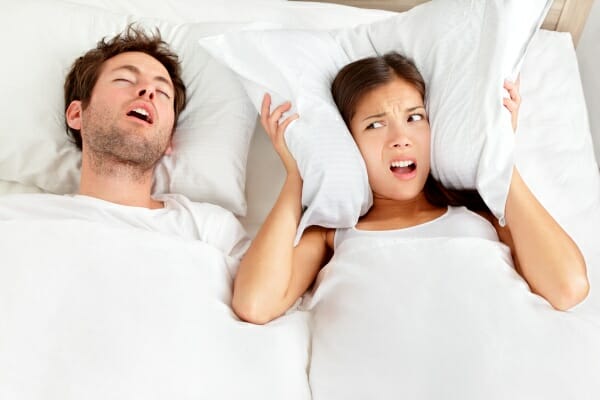
While there are some symptoms that point to a potential diagnosis, a sleep study can confirm the finding and show the severity. At night, those with sleep apnea may snore loudly. It is often loud enough to keep their partners awake. Pauses in breathing are often experienced, but the individual may not be aware of them because they typically do not cause the person to fully wake up. Gasping for breath at night is another common sign.

Daytime symptoms

People who think they are getting a good amount of sleep but are still tired may not be experiencing good sleep quality. Although a variety of reasons can cause this, it may indicate sleep apnea. In addition, waking up with a scratchy voice, sore throat, dry mouth or headache can point to a lack of quality sleep. Forgetfulness, mental fog and changes in mood can also be a sign, according to WebMD.

Sleep apnea can cause a variety of health issues and lower an individual’s quality of life. It is important for persons who suspect they might have sleep apnea to get it checked out as soon as possible.

Categories
Sleep Apnea

Lifestyle Changes to Treat Sleep Apnea

If you have sleep apnea, then you have episodes where you stop breathing throughout the night. One of the most common treatments is a Continuous Positive Airway Pressure (CPAP) machine. However, if you do not want a CPAP machine, there are several lifestyle changes that can help. Read on to learn more.

Losing weight

People who are overweight are more likely to suffer from sleep apnea. Being overweight can lead to excess tissue in the neck area, which is where the airway is. When an individual has too much tissue, it can partially or fully cover the airway during sleep. The excess tissue may also place pressure on the tongue and cause it to fall back. The individual does not have as much control over this during the night.

Quitting smoking

Smoking negatively affects the lungs and breathing habits. The smoke can irritate the tissues in the airway. When the tissues become irritated, they can begin to swell, which can block the airway. Because the airway is disrupted, it can become congested. As it vibrates, individuals will snore. Even people who previously smoked are likely to have sleep apnea.

There are many studies that link snoring, smoking and sleep apnea. One study showed that people who smoke are over twice as likely to snore than those who never smoked. Another study looked at current, past and never smokers. The study showed that one in four current or past smokers snored. But only one in seven people who never smoked snored. While snoring can be a symptom of sleep apnea, it is not always.

Avoiding drinking

Alcohol can relax an individual, so it makes sense that it can also relax the muscles in the airway. This can cause sleep apnea. However, for individuals who have mild sleep apnea, alcohol can worsen it. Several studies have shown that alcohol can lengthen the amount of time that a sleep apnea episode lasts. It allows more time to pass between the time an individual stops breathing and when the patient wakes up.

Changing positions

Sometimes, the simplest solution can work. Sleeping on the back is not a good idea for those with sleep apnea. This allows the jaw to fall back over the airway. Other tissues near the airway also become crowded when individuals sleep on their backs.

Instead, sleeping on the side is a better option. This does not cause airway blockage. It can also provide better blood flow. This is why sleeping on the left side is slightly better than sleeping on the right.

Visit a doctor for sleep apnea treatment

Sleep apnea is a serious condition. If left untreated, it can cause many health problems. If you suspect that you may have sleep apnea, it is a good idea to make the lifestyle changes above. However, it is also important to visit a doctor. Getting a sleep study can help a doctor determine if you have sleep apnea. A dentist can provide you with an oral appliance to help.

Categories
Sleep Apnea

4 Sleep Medicine Options to Help You Sleep Better Each Night

For patients struggling to sleep through the night, sleep medicine treatment may be worth considering. A lot of people suffer from sleep apnea and other similar conditions that cause a disruptive night of sleep. While some symptoms may be natural, others are not and may require the help of a medical professional such as a sleep medicine dentist or doctor.

Thankfully, modern medicine has allowed for the development of multiple sleep medicine treatments. Some of these treatments involve dentistry, while others focus solely on sleep medicine itself. In this article, discover four different options for sleep medicine treatment, all of which are said to help patients sleep better at night. This information can be especially helpful to someone who may not be sure what type of treatment plan to consider.

4 sleep medicine options to sleep better at night

Below are outlined a few common sleep medicine treatment options for patients suffering from sleep apnea or other related conditions. Keep reading to find out more!

Mandibular advancement device

One popular option for dental sleep medicine treatment is a mandibular advancement device, also known as a MAD. This is an oral appliance prescribed by sleep medicine dentists. The goal of a MAD is to position the jaw in a certain way during the night that allows the airway to never become obstructed.

Tongue-retaining device

Another common method of sleep medicine treatment for apnea is a tongue-retaining device, which is also an oral appliance. The difference of this option is that it is shaped more like a pacifier with a hole in the middle. The hole holds the tongue in a forward position so that it cannot obstruct the airway while the patient is asleep. Just like a MAD, a tongue-retaining device is also administered by a sleep medicine dentist, and it is custom-created specifically for each patient.

CPAP machines

CPAP is a continuous positive airway pressure machine that sends positive air into the patient’s body throughout the night. This sleep medicine option does not necessarily involve dentistry, but it does require a custom breathing mask for the patient to wear during the night. The mask is connected to a hose that feeds into an air machine. CPAP machines are known to produce good results, but they are more obtrusive than oral appliances.

Orofacial therapy

Some sleep medicine specialists recommend that apnea patients undergo orofacial therapy, which can help train the tongue muscles to sit in a more forward position. Over time, this type of therapy can significantly improve the way that the muscles work within the mouth, thus lowering the chances that a patient may experience breathing difficulties during the night. Orofacial therapy is also said to help patients who snore a lot, which is another type of sleeping condition.

Get started with sleep medicine today!

Want to learn more about sleep medicine treatment from a dentist or doctor? Let us help you. Our team would be happy to answer any questions or address outstanding concerns. Give us a call or stop by our office today.

Categories
Sleep Apnea

Am I a Candidate for Sleep Apnea Treatment?

Many people suffer from sleep apnea, which is a medical condition that causes a person’s airway to become closed off while they are sleeping. The condition can cause medical complications if it goes untreated, but thankfully dentists are working with other medical professionals to diagnose, treat and manage it.

Dental sleep apnea treatment is becoming more popular, and with good reason. Many patients find this type of treatment to be quite successful, which is why it is important to understand who is a candidate. This article outlines that information so that patients seeking treatment can be prepared for what the dentist may tell them.

Determining candidates for sleep apnea treatment

Outlined below is information regarding what makes someone a candidate for sleep apnea treatment from a dentist. Keep reading to find out more!

Disruptive sleeping patterns

Patients who experience disruptive sleeping patterns may be candidates for sleep apnea treatment. Disruptive sleeping patterns include difficulty falling or staying asleep, as well as waking up with breathing troubles.

Dental sleep apnea treatment can tackle disruptive sleeping patterns throughout the night. Some of the more common options include CPAP machines or oral appliances to help lower the chances that the patient will struggle with sleeping.

Severe snoring

Snoring is a main symptom of sleep apnea, and dental sleep specialists often monitor the patient’s sleeping patterns to determine if snoring takes place or not. Patients who suffer from this symptom may make good candidates for sleep apnea treatment.

When patients snore, it often causes issues within their sinuses and nasal cavities. Long-term, snoring can cause pain, as well as problems with the way the patient breathes. Most dentists will want patients who snore to undergo sleep apnea treatment as soon as possible in order to avoid future complications.

Morning-after symptoms

Patients who wake up with severe symptoms, such as headaches, ongoing fatigue or even a sore throat will likely make good candidates for sleep apnea treatment. These symptoms can disrupt the patient’s day, which could become a problem both personally and professionally later on down the line.

Sleep apnea often causes fatigue because the patient is not able to sleep through the night. Patients are also likely experience headaches and a sore throat the next day. When the airway becomes obstructed for multiple periods of time, the body will react appropriately. In this case, the reaction can cause long-term damage.

Get started today!

Sleep apnea treatment can be done through dentistry. It is often a good idea to explore all kinds of treatment to determine what would be most efficient. However, certain sleep apnea treatments may not always be effective for everyone, which is why it is important to consult with a dentist. Being aware of who is a candidate for what type of treatment can be extremely helpful.

Reach out with any questions regarding sleep apnea treatment. Our dental sleep specialists can help get you started today.

Categories
Sleep Apnea

Benefits of Sleep Apnea Treatment


Sleep apnea is a frustrating condition that affects many people’s ability to function normally each day. Fortunately, there are many treatment options available for sleep apnea, and those who utilize professional treatment from a dentist often see many useful benefits, such as the ability to function better each day.

Reasons to consider sleep apnea treatment

All too many who have sleep apnea avoid treatment, thinking it is either ineffective or causes more trouble than it is worth. However, there are many conventional treatment options available that are incredibly effective. The following is four reasons to consider sleep apnea treatment from a dentist.

Increased energy

The inability to function normally each day is one of the most disrupting symptoms of sleep apnea. Those who struggle with the condition are often unable to get a proper night of rest due to an inability to fall asleep and constantly waking up in the middle of the night. Sleep apnea treatment improves the patient’s breathing patterns while asleep, which allows them to stay asleep throughout the night. Subsequently, patients often see increased energy levels daily.

Healthier lifestyle

Sleep is incredibly important to a person’s health, and an inability to get a proper night of rest may lead to increased levels of stress, difficulty hearing and an inability to control blood glucose levels. Another major issue among many sleep apnea patients is chronic headaches, especially throughout the night and early in the morning. By visiting a dentist for sleep apnea treatment, many patients see their immediate and long-term health improve.

Reduced snoring

Snoring is one of the most common symptoms of sleep apnea, and most patients with sleep apnea have an issue with loud snoring. Snoring is most commonly the result of an inability to move air freely through the nose and throat while sleeping. Sleep apnea is by definition a disorder in which breathing frequently stops throughout the night, hence the connection between the two. Through sleep apnea treatment, patients often breathe better, reducing the amount of snoring they experience.

Better relationships

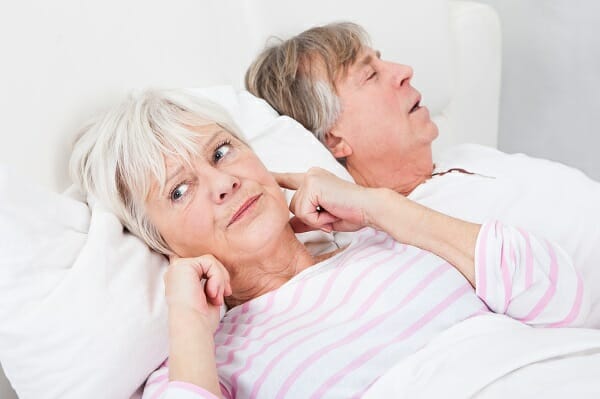
All too many patients with sleep apnea avoid treatment as they grow accustomed to the day time symptoms and do not notice many while they are asleep, such as snoring. However, sleep apnea causes loud snoring and leads many people to toss and turn throughout the night as they are unable to stay asleep, which often disrupts significant others or family members that may be close. Subsequently, treatment for the condition helps patients and those who sleep with or near them sleep better.

Talk to a dentist about sleep apnea treatment

Sleep apnea does not have to hold you back from getting a great night of sleep and functioning at an optimal level throughout the day. There are several treatment options available to patients, including dental devices such as a mouth guard for sleep apnea. To learn more about treatment and find out how we can help you defeat sleep apnea, consult with us today and schedule a time to come in for an initial consultation.