
As healthcare professionals, we constantly seek effective strategies to help our patients manage persistent pain and dysfunction. For those living with temporomandibular disorders (TMD), particularly involving the jaw muscles, we seek to empower them with reliable TMJ self-care tools that can make a significant impact in reducing discomfort, improving function, and increasing compliance between visits.
Over the years, I’ve explored a number of home-care Tools that offer substantial benefits to my patients. Here is a selection of such tools, which are widely accessible, easy to use, and well received by my patients.
Recommended TMJ Self-Care Tools for Clinicians and Their Patients
1. TMJ Wraps
Moist heat has long been recommended to soothe tense or sore jaw muscles. TMJ wraps offer a convenient method to deliver heat therapy, promoting increased blood flow and muscle flexibility.
This dual-purpose wrap makes it an essential, adaptable part of any TMJ self-care routine.

- How to use: Heat the microwaveable pouches and apply for 20 minutes, twice daily.
- Cold option: For patients with inflamed temporomandibular joints, cold therapy may be more beneficial. The same wrap can be cooled and applied for 10 minutes, 3-4 times per day.
- Where to find: Amazon
2. gentle jaw®
Described as “yoga for the jaw,” this innovative device supports restoration of jaw motion that may be restricted due to TMD, trauma, surgery, or even radiation therapy.
When used multiple times daily, the gentle jaw® often leads to noticeable improvements in jaw function and comfort.
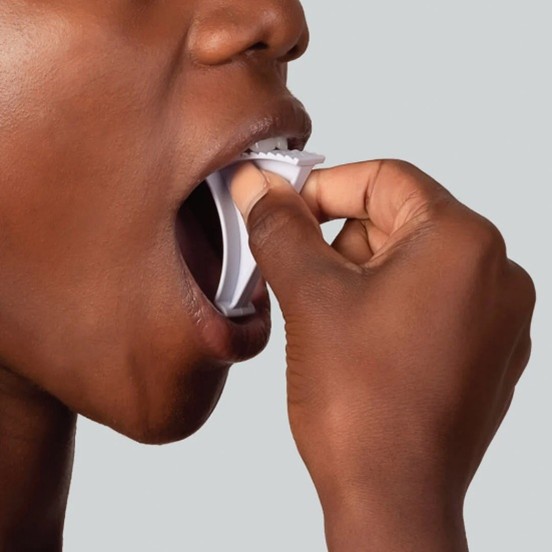
- Benefits: Enhances mobility, reduces stiffness, and promotes healing of muscle fibers.
- Form factor: Pocket-sized for portability, with easy-to-follow instructions.
- Where to find: gentle jaw
3. Thera Cane®
Many TMD symptoms are influenced by neck muscle tension. The Thera Cane® allows patients to self-administer targeted pressure to release neck muscle knots and reduce referred pain that can aggravate jaw symptoms.
Used before neck exercises, the Thera Cane® can significantly enhance home-care outcomes.
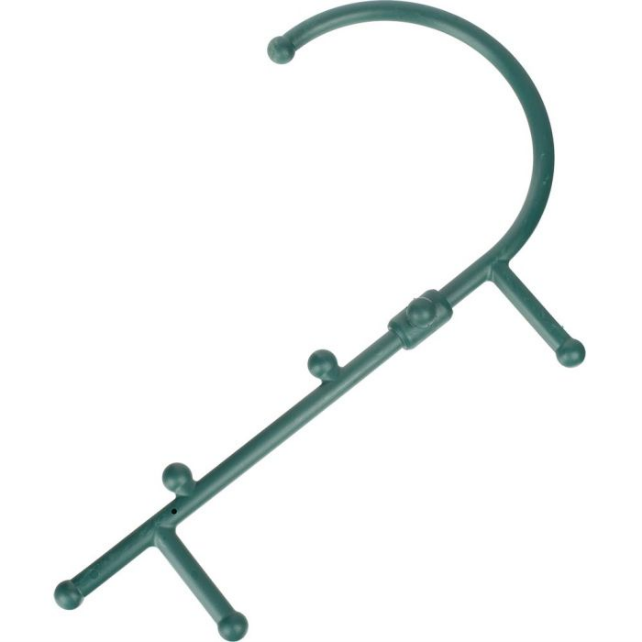
- Uses: Massaging hard-to-reach neck and shoulder muscles.
- Added value: Especially helpful for patients without easy access to professional manual therapy.
- Where to find: Theracane and many other stores across the web.
4. Cervical Support Pillows
Nighttime positioning of the head and neck plays a role in TMJ health. Cervical pillows often provide more comfortable alignment of the head, reducing pressure on the jaw.
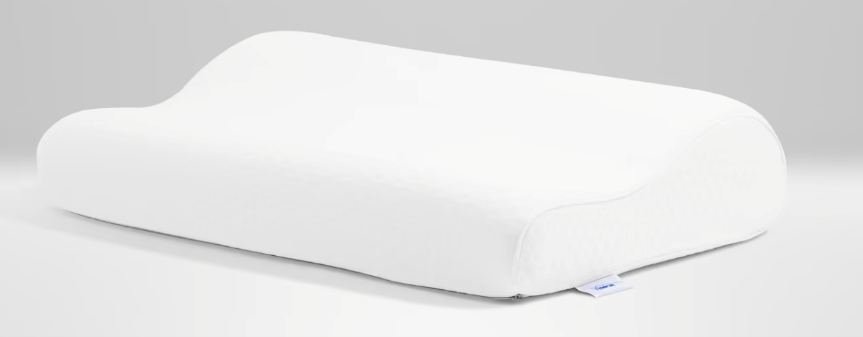
- Clinical observation: Patients often report less stiffness and reduced morning symptoms with consistent use.
- Tip: Encourage trial-and-error to find the right fit for each patient’s sleep position.
- Where to find: Tempurpedic.com and other stores across the web
5. Cork Rolling Therapy
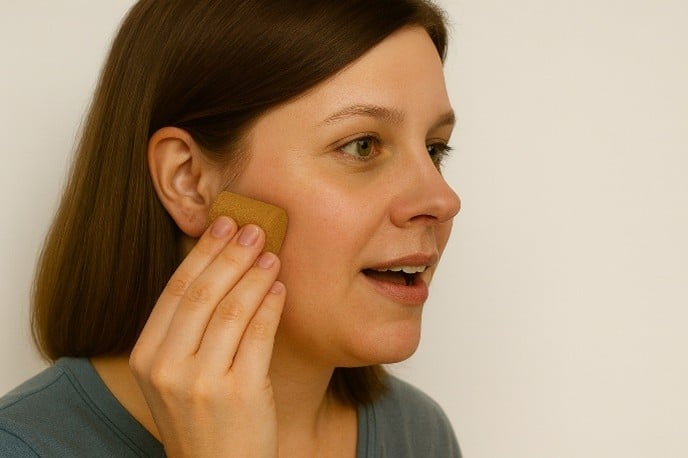
For years, I’ve recommended a common wine cork as a makeshift muscle roller for the masseter and temporalis muscles, much like a foam roller is used in physical therapy. Patients were advised to gently roll the cork over sore areas multiple times per day, which brought welcome relief and often accelerated their recovery.
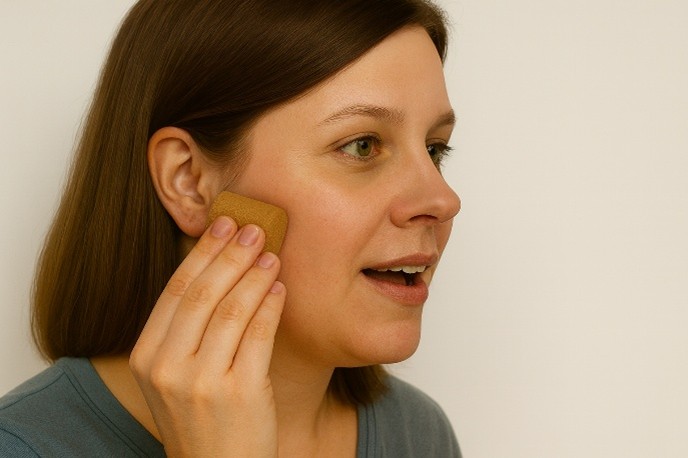
The simplicity of this practice resonated with many, until one patient suggested a way to take it further….
6. Introducing the TMJAID Roller
Inspired by one of my patients, the TMJAID Roller was created to enhance the cork-rolling experience. The outcome is a cork affixed to a rolling device could provide better control, coverage, and ease of use.
This idea evolved into a fully-realized tool now helping those with jaw muscle pain.
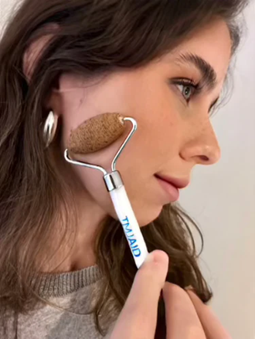
- Patient-approved: Consistently positive feedback from users.
- Clinician-developed: Created from direct experience treating jaw muscle dysfunction.
- Where to find: www.TMJAIDRoller.com
The TMJAID Roller is an excellent addition to any TMJ self-care toolkit. It’s simple, affordable, and rooted in clinical reality.
Final Thoughts
As clinicians, we know that active patient involvement can make or break the success of TMJ treatment. While hands-on therapies and in-office interventions remain essential, tools like those listed above offer patients the ability to take ownership of their progress. When incorporated thoughtfully, these tools become more than just accessories—they become extensions of our care.
Have you or your patients used the TMJAID Roller or any of the tools mentioned above?
If so, I’d love to hear about your experiences. Likewise, if you’ve discovered other home-care strategies or products that have made a meaningful difference for your patients, please share them. As a community of care providers, we grow stronger by exchanging ideas that work.
You may also be interested in:
