Originally published: September 3, 2025 · Updated: August 12, 2026
Jaw Pain Relief at Home
TMJ self-care tools such as heat and cold wraps, jaw stretching devices, and targeted massage can ease muscle tension and improve jaw mobility between office visits. They work best as part of a full treatment plan, not as a stand-alone fix for ongoing TMJ pain.
If you’re dealing with TMJ pain, jaw stiffness, or that frustrating feeling when your jaw just won’t cooperate, you’ve probably wondered: “What can I actually do about this at home?” The good news is that there are proven self-care tools that can make a real difference in how you feel day-to-day.
After decades of treating patients with temporomandibular disorders (TMD), I’ve seen which home-care approaches truly help people manage their symptoms between office visits. These aren’t complicated treatments; they’re simple, accessible tools that my patients consistently tell me have improved their quality of life.
Why Does Self-Care Matter for TMJ Pain?
Your jaw works harder than almost any other part of your body. Think about it: you talk, chew, yawn, and express emotions all day long. When your temporomandibular joints and surrounding muscles are stressed, inflamed, or overworked, that constant activity can make healing difficult.
The right self-care tools give your jaw the support it needs to recover while you go about your daily life. They’re not magic bullets, but when used consistently, they can significantly reduce discomfort and help you regain normal function.
6 TMJ Self-Care Tools That Actually Work
1. TMJ Wraps: Your Go-To for Muscle Relief
What it does: Delivers targeted heat or cold therapy to soothe tense jaw muscles and reduce inflammation.
Moist heat has been recommended for jaw muscle pain for decades, and for good reason: it works. TMJ wraps make it easy to get consistent, comfortable heat therapy exactly where you need it.

How to use it:
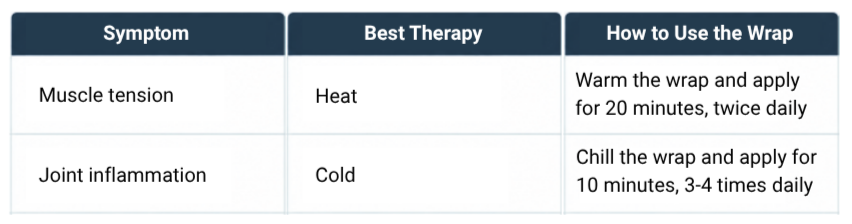
- For muscle tension: Heat the microwaveable pouches and apply for 20 minutes, twice daily
- For joint inflammation: Use the same wrap chilled for 10 minutes, 3-4 times per day
What patients tell me: “I use this every morning while I have my coffee, and it really helps loosen up my jaw for the day.”
Where to find it: Available on Amazon and other online retailers.
2. gentle jaw®: “Yoga for Your Jaw”
What it does: Helps restore jaw motion that may be restricted due to TMD, trauma, surgery, or other conditions.
This pocket-sized device supports gentle jaw stretching and movement. Think of it as physical therapy you can do anywhere. When used multiple times throughout the day, many patients notice real improvements in how easily their jaw opens and closes.

Why it helps:
- Enhances jaw mobility and reduces stiffness
- Promotes healing of muscle fibers through gentle movement
- Portable enough to use at work or while traveling
What patients tell me: “I keep one in my desk drawer and use it during the day. It’s like having a reminder to take care of my jaw.”
Where to find it: Available at gentlejaw.com.
3. Thera Cane®: Release the Neck Tension That Feeds Jaw Pain
What it does: Allows you to apply targeted pressure to release neck muscle knots that can worsen TMJ symptoms.
Here’s something many people don’t realize: neck muscle tension and jaw pain are closely connected. The Thera Cane® lets you work on those hard-to-reach neck muscles that might be contributing to your jaw discomfort.

Why it matters: Many TMJ symptoms are influenced by neck muscle tension. By addressing both areas, you can often get better overall relief.
Best used: Before doing neck stretches or exercises. The combination can significantly improve your results.
What patients tell me: “I had no idea my neck was connected to my jaw pain until I started using this. It’s been a game-changer.”
Where to find it: Available at theracane.com and many other online stores.
4. Cervical Support Pillows: Better Sleep, Less Morning Pain
What it does: Provides proper head and neck alignment during sleep, reducing pressure on your jaw.
How you position your head and neck at night affects your TMJ health more than you might think. A good cervical pillow can help you wake up with less jaw stiffness and fewer morning symptoms.
Why it works: Proper alignment takes pressure off your jaw joints and muscles while you sleep, giving them a chance to rest and recover.
Pro tip: It might take some trial and error to find the right pillow for your preferred sleep position, but it’s worth the effort.
What patients tell me: “I used to wake up with my jaw clenched tight. This pillow has made such a difference in how I feel in the morning.”
Where to find it: Tempurpedic.com and many online retailers
5. Cork Rolling: The Simple Technique That Started It All
What it does: Provides gentle massage to jaw muscles, similar to how a foam roller works for other parts of your body.
For years, I recommended that patients use a simple wine cork to gently massage their jaw muscles, the masseter and temporalis muscles specifically. It sounds almost too simple, but patients consistently reported that this gentle rolling motion brought welcome relief and often accelerated their recovery.

How to do it: Gently roll the cork over sore jaw muscle areas multiple times per day.
Why it works: The gentle pressure helps increase blood flow to the muscles and can reduce tension and soreness.
6. The TMJAID Roller: Taking Cork Rolling to the Next Level
What it does: Provides enhanced control and coverage for jaw muscle massage therapy.
The TMJAID Roller was actually inspired by one of my patients who suggested we could improve on the wine cork technique. They were right; this tool provides better control, more consistent pressure, and easier use than the original cork method.
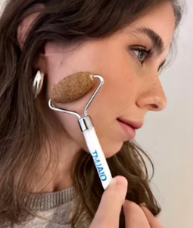
What makes it special:
- Patient-approved design based on real experiences
- Clinician-developed from direct experience treating jaw muscle dysfunction
- Simple, affordable, and rooted in clinical reality
What patients tell me: “This is so much easier to use than trying to hold a wine cork, and I feel like I can target the sore spots better.”
Where to find it: Available at TMJAIDRoller.com.
How Do You Make These Self-Care Tools Work for You?
The key to success with any TMJ self-care routine is consistency. These tools work best when they become part of your regular routine, not something you only use when pain flares up.
When Should You Seek Professional Help for TMJ Pain?
While these self-care tools can make a significant difference, they’re most effective when used as part of a comprehensive treatment plan. If you’re dealing with persistent jaw pain, clicking, locking, or other TMJ symptoms, it’s important to get a proper diagnosis from someone who specializes in these conditions.
ARE YOU EXPERIENCING JAW OR FACIAL PAIN IN THE NYC METROPOLITAN AREA?
If you’re in the New York City metropolitan area and you’re dealing with jaw pain that hasn’t improved with standard treatment, you deserve answers, not just temporary relief.
At New York TMJ & Orofacial Pain, we specialize exclusively in diagnosing and treating TMJ disorders and orofacial pain. We take the time to understand the full picture, including your health history and what medications you are taking, and build a plan that addresses the actual cause of your symptoms.
We have 4 locations: Midtown Manhattan, White Plains, Hauppauge, and Springfield, NJ.
Contact us today to schedule a comprehensive evaluation →Related Articles
Learn About TMD & TMJ Disorders
Why Your Jaw Hurts & What To Do
BOTOX® For TMJ Treatment: Your Questions Answered
About the Author
Dr. Donald R. Tanenbaum is a board-certified specialist who has dedicated his 40-year career to diagnosing and treating Orofacial Pain, TMD/TMJ, headache, and sleep-related breathing disorders. He practices in our Manhattan and Hauppauge offices.
What to Expect at Your First Visit →
Frequently Asked Questions About TMJ Self-Care Tools
What else can I do at home to relieve TMJ pain?
Start with moist heat therapy using a TMJ wrap, gentle stretching exercises like the gentle jaw®, and massage techniques such as cork rolling or using the TMJAID Roller.
Does heat or cold help TMJ pain more?
It depends on the cause. Heat is typically best for muscle tension, while cold is better for inflammation in the joint. TMJ wraps can be used for both.
Can massaging my jaw muscles make TMJ worse?
Gentle, targeted massage, especially using tools like the TMJAID Roller, can be very effective when done correctly. Avoid aggressive pressure and stick to short sessions multiple times a day.
Are these tools a replacement for seeing a specialist?
No. They work best when used alongside a professional treatment plan. If you’re in NYC, Long Island, or Northern New Jersey, our team at NYTMJ can help.