In a recent episode of “Fit as a Fiddle,” I had the privilege of discussing a subject that has been the focus of my career with host Dr. Sneha Gazi. Temporomandibular Disorders (TMD) represent a complex and often misunderstood group of conditions. My colleagues and I at New York TMJ and Orofacial Pain are dedicated to unfolding the layers of TMD and providing relief to those afflicted.
Understanding the Orthopedic Complexity of TMD
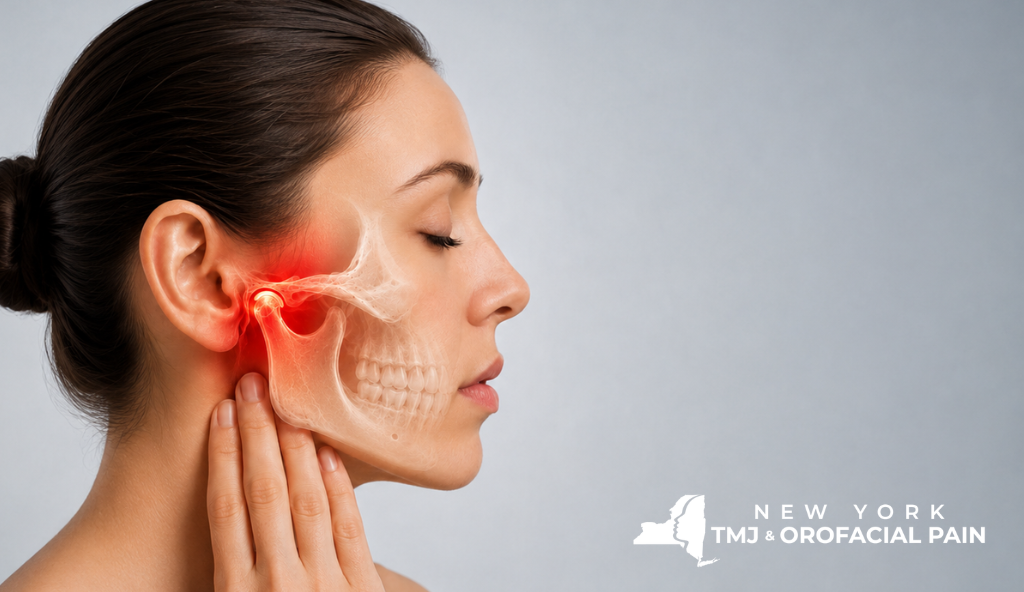
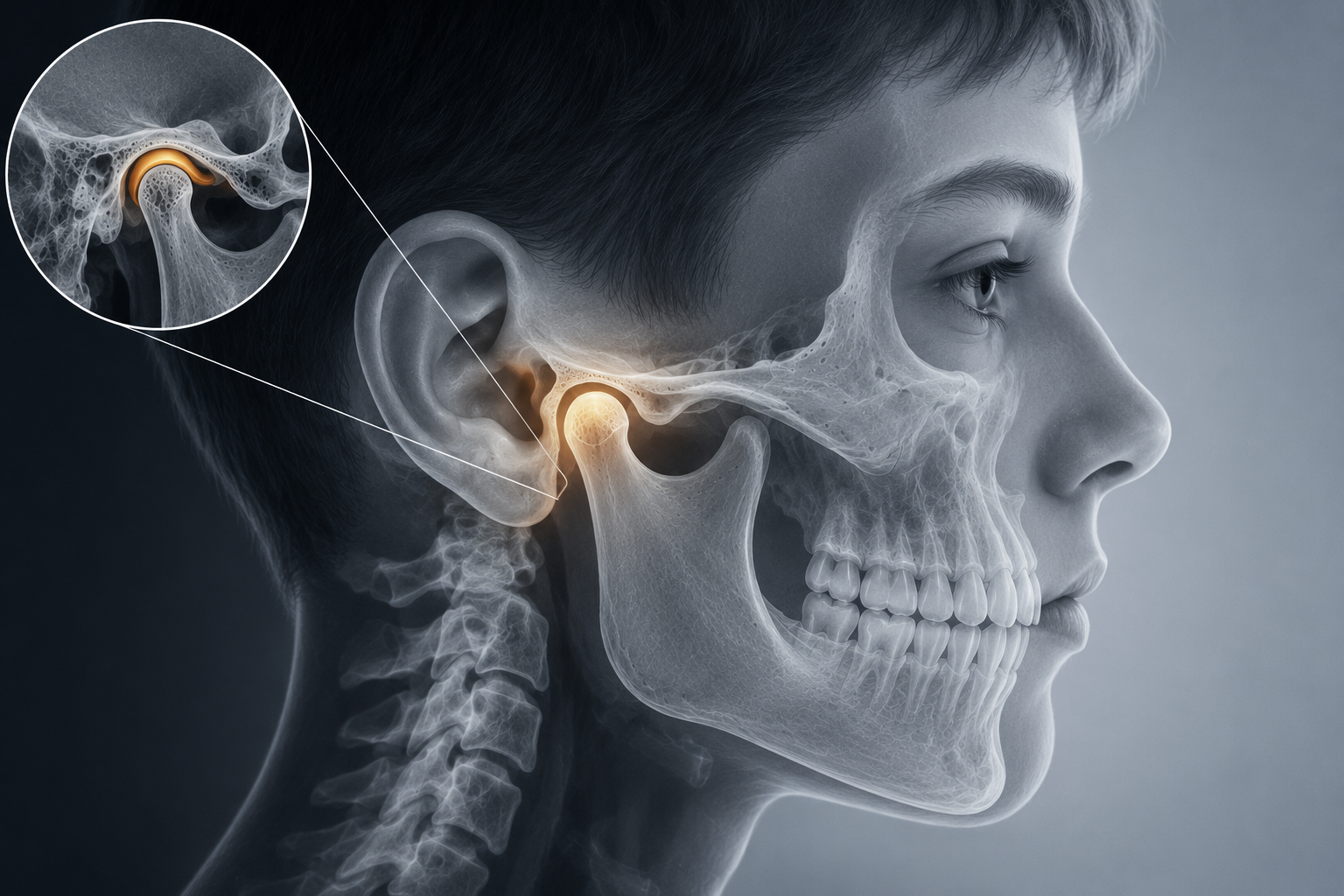
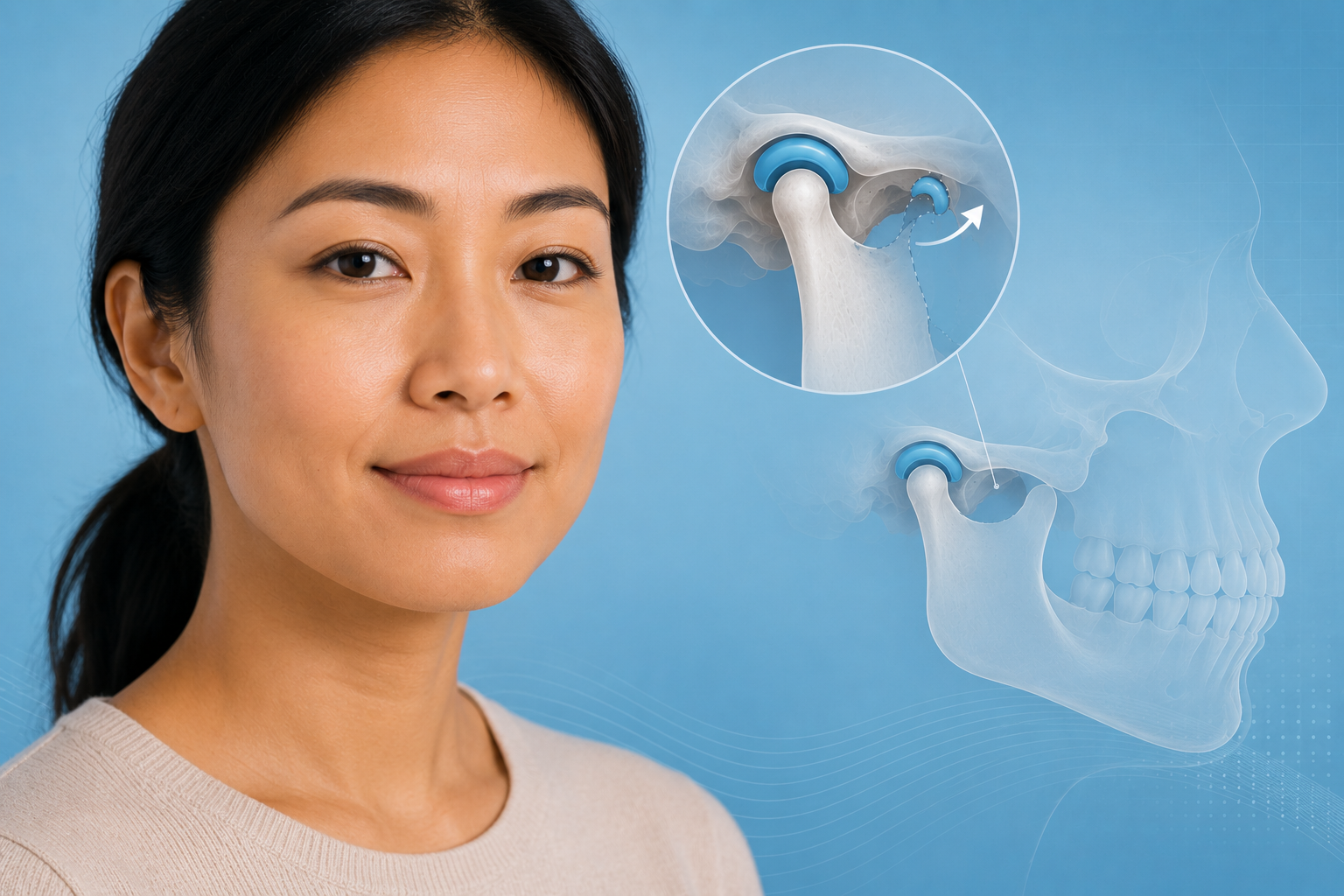
TMD is not just about dental health; it’s an orthopedic issue that involves the musculoskeletal system of the jaw. Much like conditions affecting the knees, hips, or ankles, TMD requires a detailed understanding of the anatomy and function of the jaw. Distinguishing between the various causes of TMD symptoms—be it muscle tension, tendon issues, or joint dysfunction—is critical for effective treatment.
The Crucial Role of Diagnosis
A cornerstone of our discussion centered around the vital importance of accurately diagnosing TMD. With symptoms ranging from pain to limited jaw movement or even audible mechanical noises, the precise source needs careful identification. This emphasis on diagnosis not only guides our treatment approach but also helps the patient understand their condition better.
Emphasizing Patient Participation in Treatment
In my experience, successful treatment of TMD hinges on the active participation of the patient. The journey to recovery is a shared one, requiring changes in daily habits, posture, diet, and stress management. By engaging in their health and treatment plan, patients can significantly influence their outcomes, heralding a more effective and lasting relief.
Beyond Traditional Treatments: A Holistic Approach
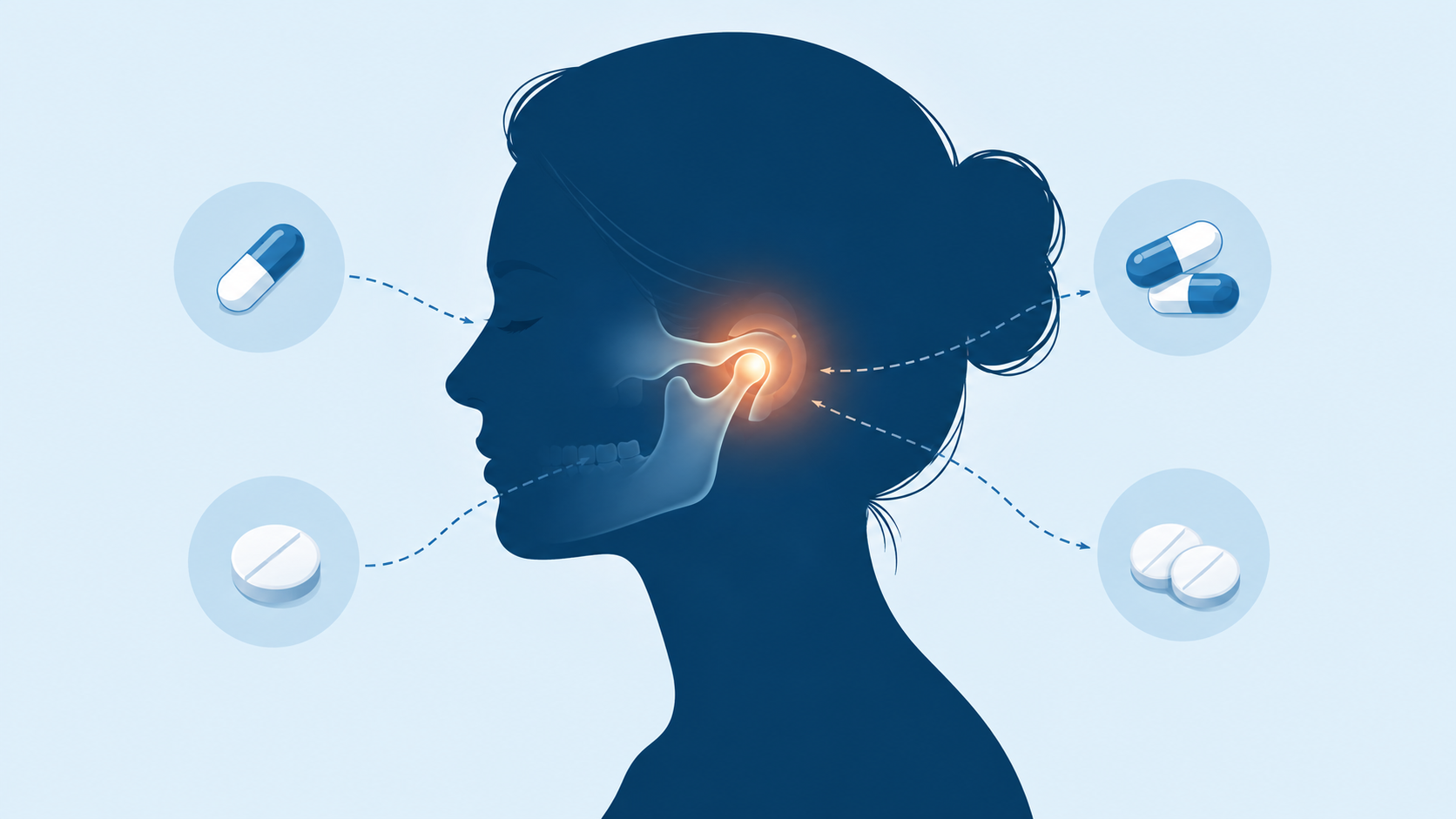
While traditional treatments like oral appliances, muscle and joint injections and medications play a role in managing TMD, they are but a part of the holistic approach we advocate. The inclusion of lifestyle adjustments, reduction of daily jaw overuse behaviors and neck posture fatigue along with management of life stressors remains vital.
Closing Thoughts: A Path Forward for TMD Patients
As we concluded our conversation on the “Fit as a Fiddle” podcast, the overarching message was one of hope and optimism. TMD, with its multifactorial nature, requires a concerted effort both from the healthcare provider and the patient. Together with my colleagues at New York TMJ and Orofacial Pain, we stand ready to guide patients through their journey to recovery, using a comprehensive and empathetic approach. Here, you’re not just a statistic but a participant in a shared quest for understanding, relief, and recovery.
We have four locations in the New York City metropolitan area staffed by experienced and caring board-certified Orofacial Pain specialists who will correctly diagnose your condition and create a treatment plan to help you feel better. Please call us to schedule a consultation at your nearest location (see below). If you live outside the NYC area, the American Academy of Orofacial Pain’s directory will help you find an Orofacial Pain specialist in your area.
Remember, the path to overcoming TMD is a collaborative venture, and you are not alone.
You can listen to the full interview here.
You may also be interested in the following articles:
What Is TMD?
The Secret Behind Unexplained Toothaches & Facial Pain
The #1 Reason You Have TMJ Pain