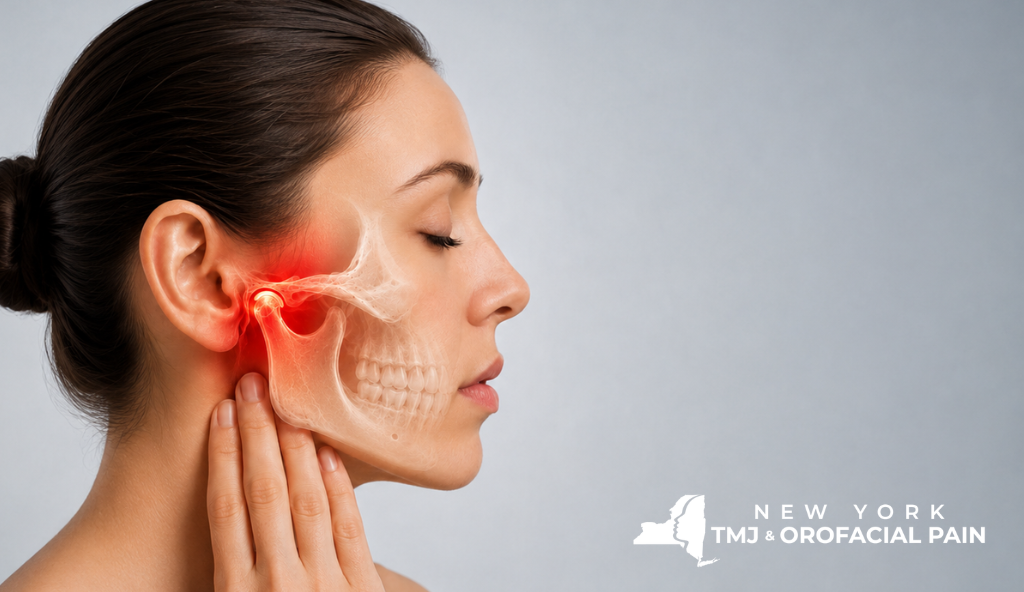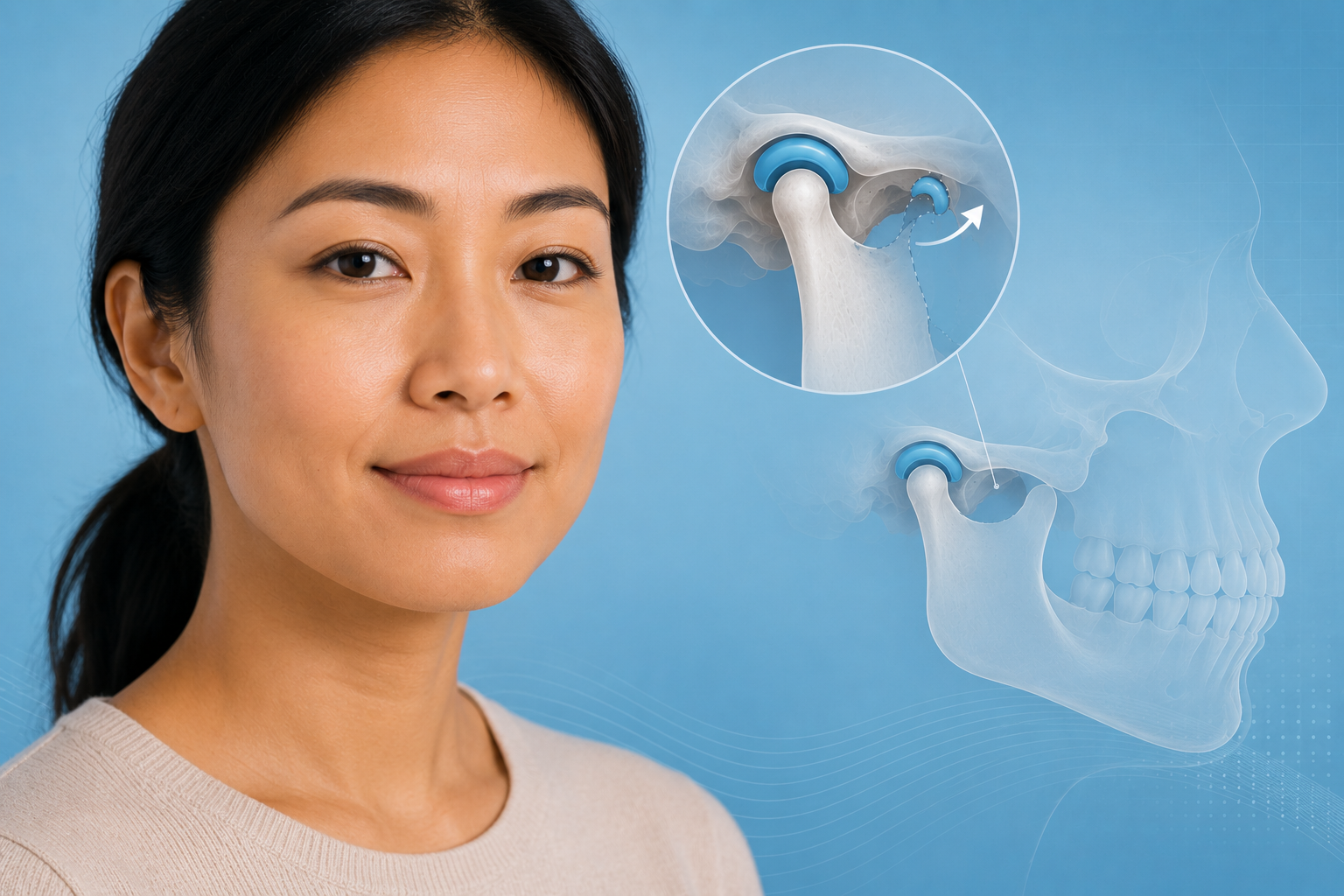
BOTOX® is probably best known as a cosmetic treatment for wrinkles; however, it can also be used to treat the symptoms of TMJ disorders. Patients who experience tension headaches due to nighttime teeth clenching and grinding are most likely to experience relief from this treatment.
BOTOX® injections for TMJ relief
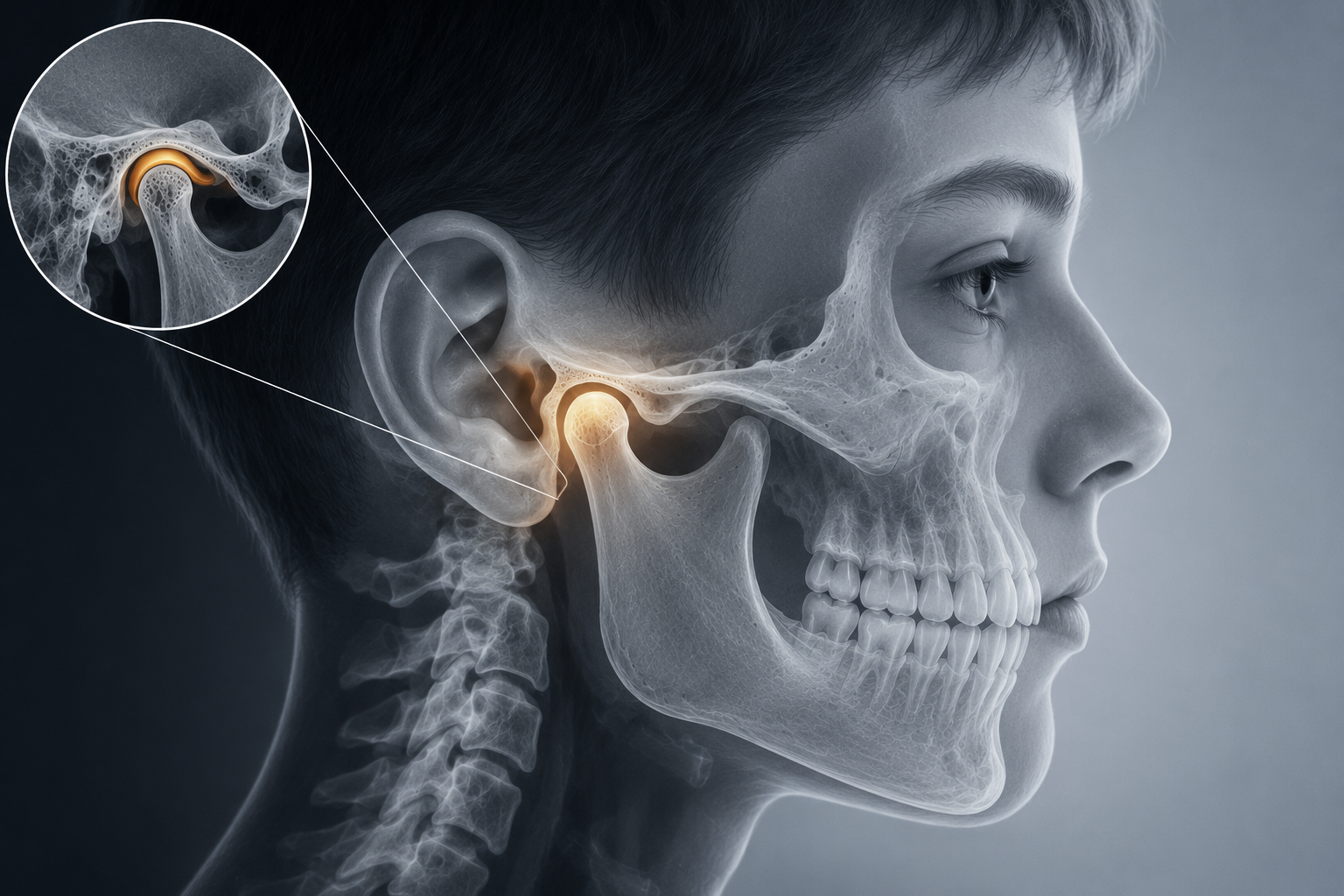
Temporomandibular joint disorders cause some people to clench and grind teeth during sleep. This activity puts a large amount of stress on the TMJ. This often causes tension headaches, sore facial muscles and stiff joints. An injection of BOTOX® into the facial muscles can reduce the jaw tension that often triggers grinding and clenching. This treatment works by preventing jaw muscles from being able to perform the unconscious movement of the jaw.
The injections only affect the muscles at the site of injection. Patients do not experience the effects in any other part of the body. The most common injection sites are the temporalis, frontalis and masseter, but other sites may receive injections if required to relieve symptoms.
Benefits
Muscle tenderness, headaches, lockjaw, jaw discomfort, and shoulder and neck pain may begin to diminish shortly after the injection. Though the primary purpose of this treatment is not cosmetic and some patients may not experience any change in appearance, wrinkles at the injection sites may begin to fade 24-48 hours after the procedure and may continue to fade for as much as a week after.
The procedure
BOTOX® injections can be administered in a dentist’s office. The length of the procedure varies, depending on the number of injections that are given, but usually lasts from 10-30 minutes. Some patients experience brief, mild, pain that can be reduced by the use of numbing agents. Results usually last three to six months. Regular treatment is required to maintain results.
Recovery
Most patients can return to normal activities immediately; however, care should be taken to avoid spreading the toxin to other parts of the body. Patients should avoid rubbing or massaging the area around the injection site or lying down for several hours after the procedure. It is also recommended to limit strenuous physical activity for 24 hours.
Side effects
The side effects of botulinum toxin treatment are infrequent and usually mild and short-lived. Patients sometimes experience pain, redness at the injection site, bruising and muscle weakness. The most common symptoms usually resolve within seven days:
- Respiratory infection
- Flu-like symptoms
- Temporary eyelid droop
- Nausea
Limitations
Overuse of BOTOX® injections around the mouth can make chewing and speaking more difficult or result in drooling for some people. Additionally, long-term use may result in the development of antibodies that can reduce the effectiveness of the treatment. These treatments are not recommended for people who are pregnant or lactating.
Conclusion
BOTOX® injections can help relieve headaches and other symptoms for some patients with TMJ disorders caused by clenching and grinding teeth. Additionally, the injections may reduce the appearance of wrinkles at the injection sites.
If you or someone you know is experiencing persistent or acute pain in the face or jaw, we invite you to set up a consultation with one of our Orofacial Pain specialists in the NYC metropolitan area. Our office locations and contact information are below.